カート
0
サインアップすると注文から 10 ドル割引になります
配達予定
1〜3日
こちらもおススメ
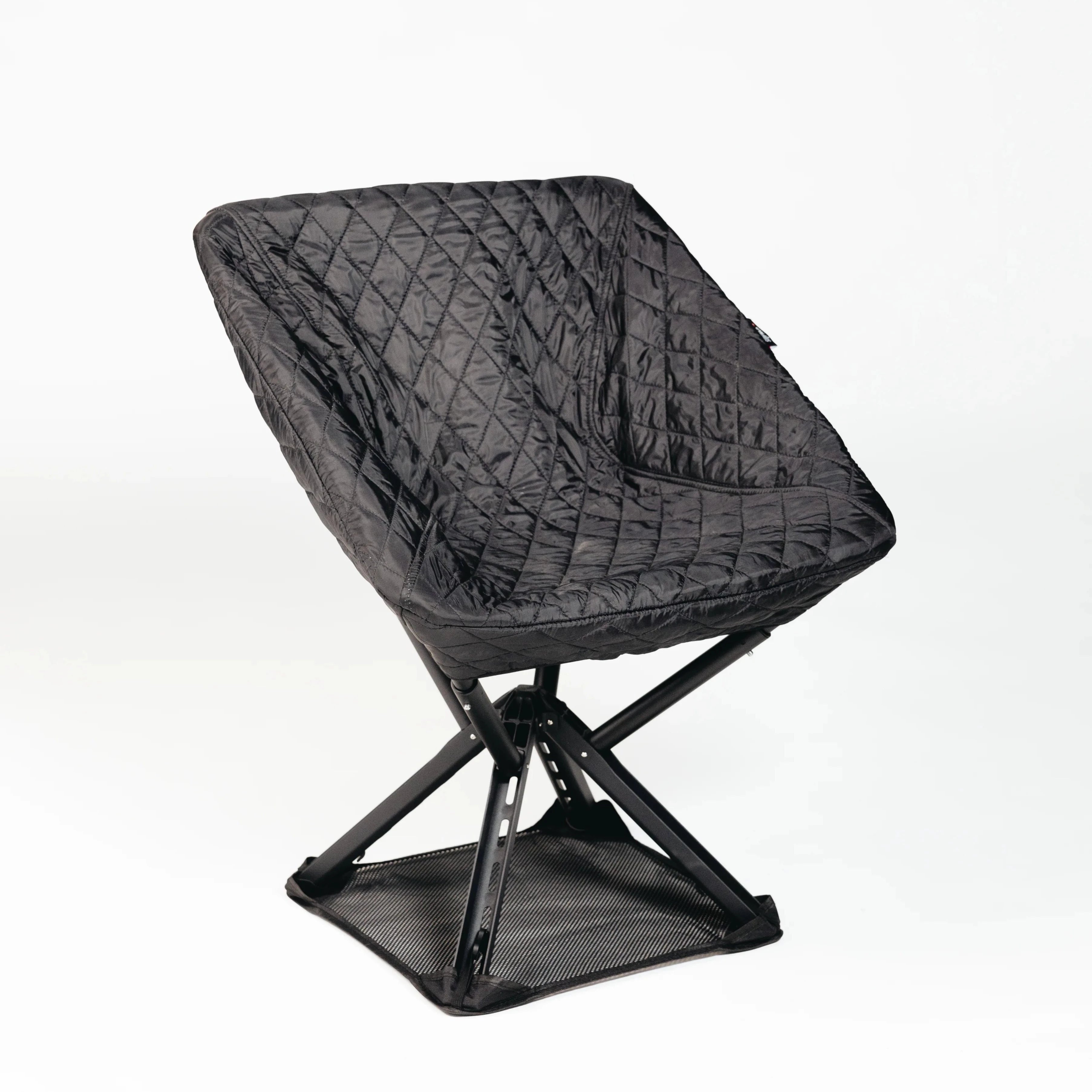
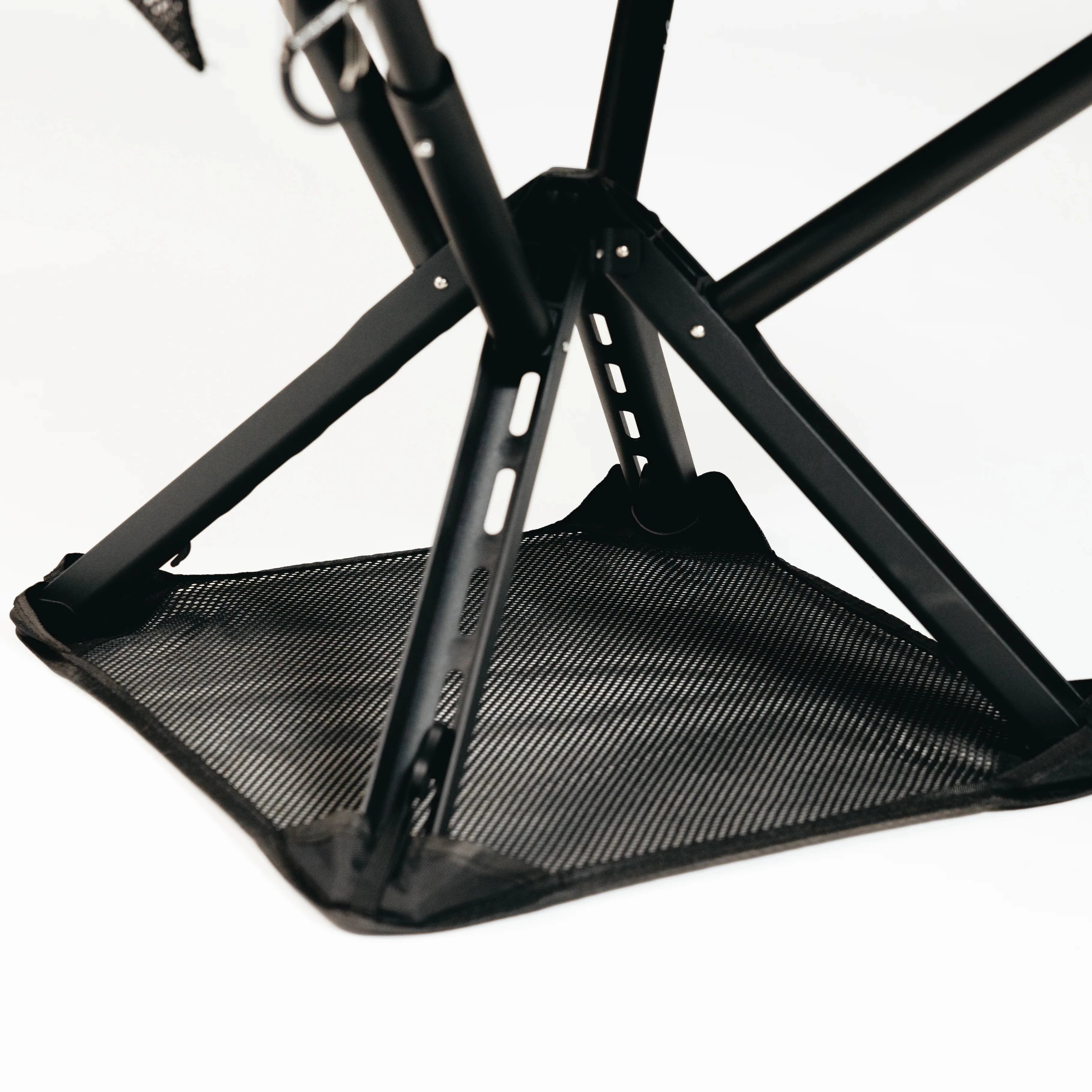
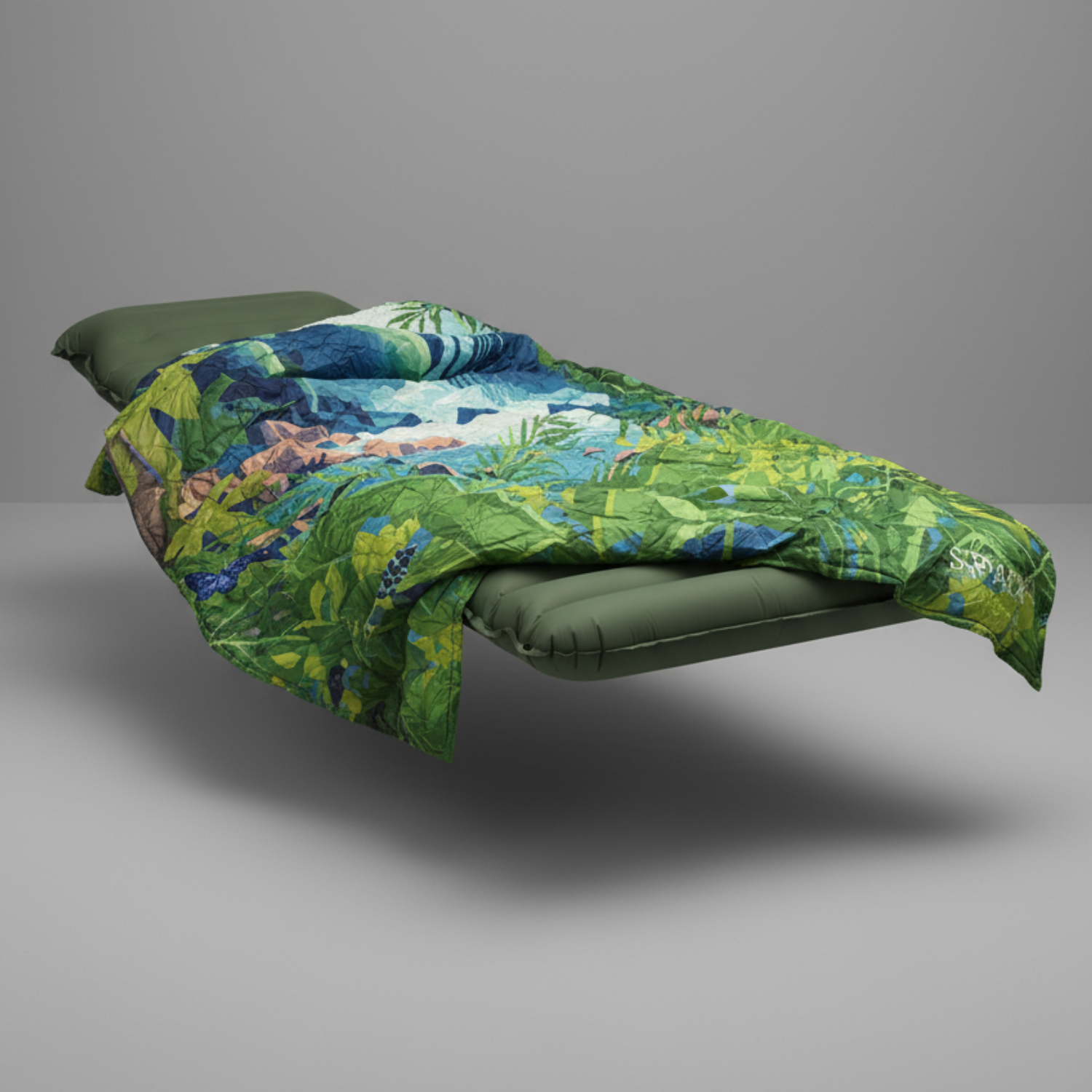
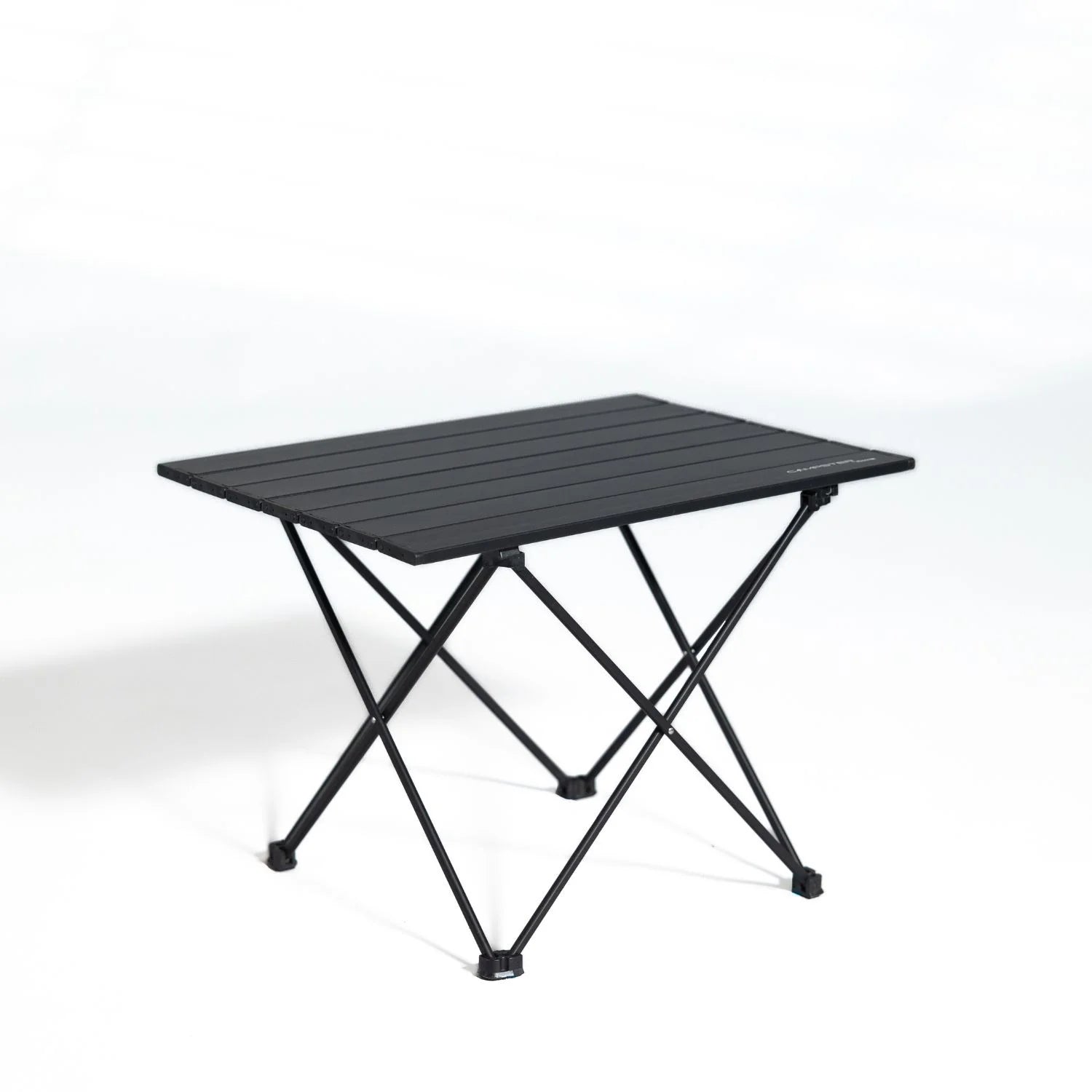
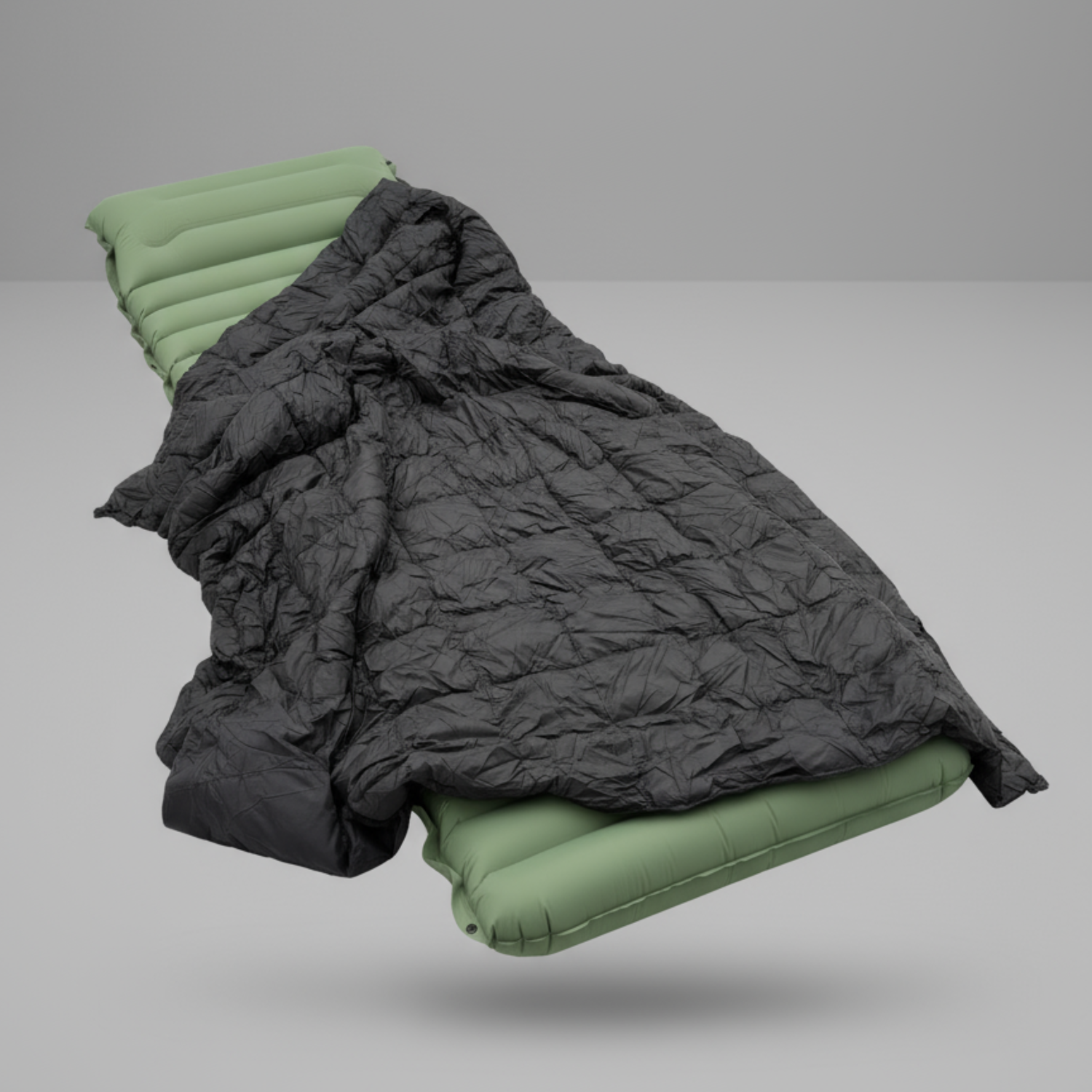
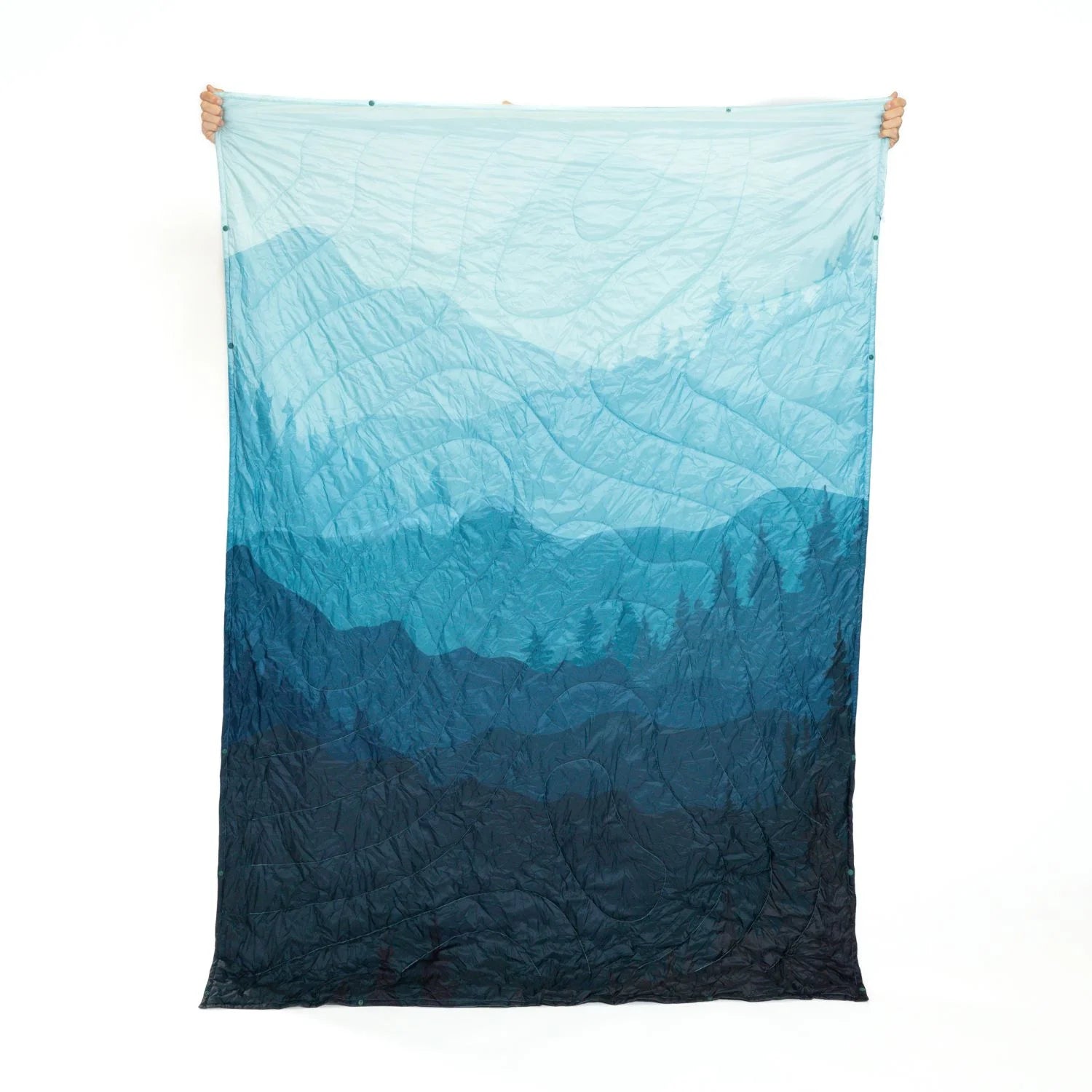
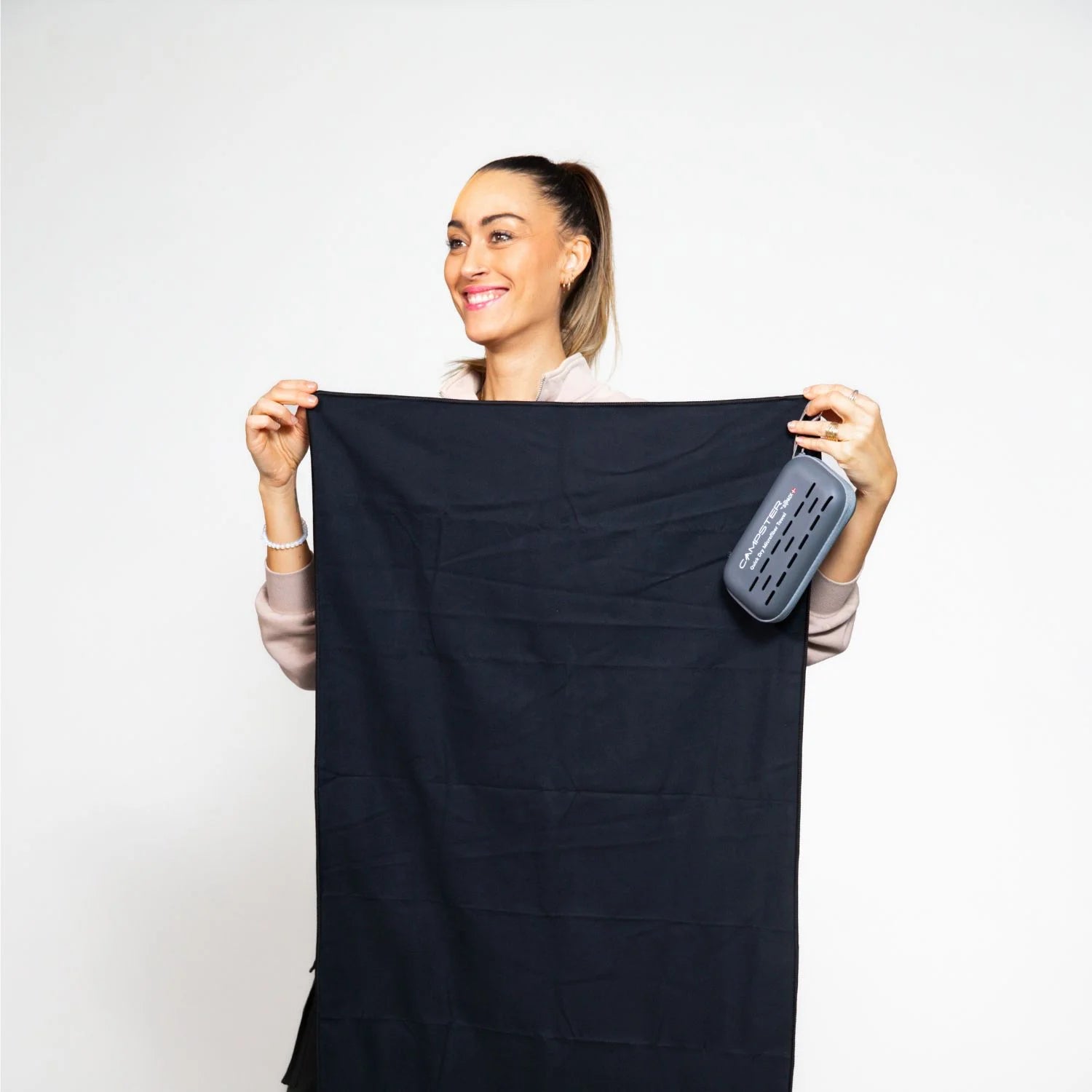


デンマークの会社

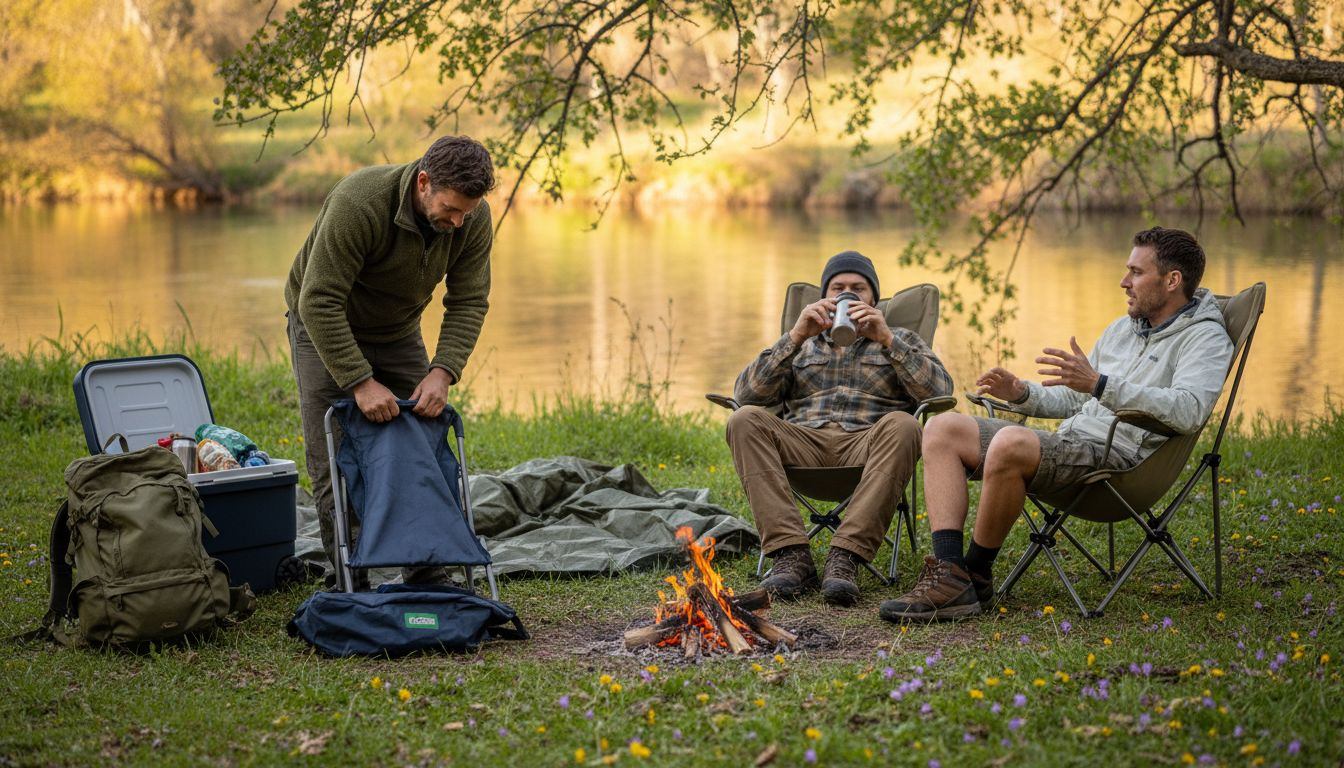
Most american outdoor gear purchases now include at least one eco-friendly feature, reflecting a shift among city dwellers who value sustainability in every adventure. For urban explorers craving both comfort and mobility, choosing the right portable camp chair can make or break a trip. This guide shares practical ways to spot chairs that balance durability, ease of carrying, and environmental responsibility, empowering you to make smart outdoor choices with confidence.
| Takeaway | Explanation |
|---|---|
| 1. Prioritize Weight and Compactness | Choose camp chairs under 10 pounds and compact designs for easy transport and convenience during hikes or trips. |
| 2. Select Durable Materials | Look for chairs made with aluminum frames and weather-resistant fabrics to withstand outdoor elements and extend lifespan. |
| 3. Ensure Comfort with Ergonomic Features | Opt for adjustable seat heights and lumbar support to enhance comfort and reduce fatigue during long sitting periods. |
| 4. Look for Quick Setup Mechanisms | Choose chairs that unfold easily with minimal effort, enhancing the overall experience when setting up at campsites. |
| 5. Consider Eco-Friendly Options | Select chairs made from recycled materials and those that promote sustainability to support environmental responsibility. |
When choosing a camp chair, weight and compactness are more than just numbers on a spec sheet. They’re the difference between a comfortable outdoor adventure and a painful luggage struggle. Portability matters. Whether you’re hiking to a remote campsite or setting up at a local park, the weight of your chair can dramatically impact your overall experience.
Modern backpack chairs are designed with mobility in mind, typically ranging between 25 to 40 liters in volume and utilizing lightweight materials like aluminum or steel tubes. According to the U.S. Bureau of Labor Statistics, carrying weights up to 50 pounds occasionally is considered within standard physical strength limits for outdoor activities.
When evaluating camp chairs, look for options that fold compactly and weigh less than 10 pounds. Lightweight chairs with smart design features like integrated carrying straps or backpack conversion options offer maximum flexibility. Aluminum frames provide an excellent balance between durability and weight reduction.
Consider your specific outdoor activity when selecting a chair. Hikers and backpackers will want ultra lightweight options, while car campers can afford slightly heavier models with more robust construction. Always test the chair’s weight and folded dimensions before purchasing to ensure it meets your specific needs.
Pro tip: Invest in a chair with a compact design that includes a protective carrying bag to prevent damage during transport and make storage easier.
Not all camp chairs are created equal when it comes to withstanding outdoor challenges. Material selection is the key to ensuring your chair survives multiple adventures without falling apart after a few uses.
Understanding product durability involves assessing resistance to environmental and mechanical stresses, which is critical for outdoor equipment. Just like wood research demonstrates the importance of material resilience, camp chairs require careful evaluation of their ability to withstand moisture, UV exposure, and physical wear.
When examining potential camp chairs, look for materials that offer robust protection. Aluminum frames with powder coating provide excellent corrosion resistance. Ripstop polyester or solution dyed acrylic fabrics offer superior UV and moisture protection compared to standard textiles. Water resistant treatments and reinforced stress points can significantly extend a chair’s functional lifespan.
Consider the specific environmental conditions you typically encounter. Chairs for beach environments need different material characteristics than those used in mountain or forest settings. Saltwater exposure, high humidity, direct sunlight and temperature variations all impact material performance. Synthetic materials with high tensile strength and minimal water absorption will typically outperform traditional fabrics.
Pro tip: Inspect chair seams and connection points during purchase and periodically during use to catch potential durability issues before they become complete failures.
Comfort is not a luxury in camp chairs its a necessity for enjoying your outdoor experience. When you are sitting for extended periods during camping trips or outdoor adventures ergonomic design matters more than you might realize.
Ergonomics science focuses on designing products that reduce physical strain and support body mechanics, and this principle applies directly to camp chairs. A well designed chair can prevent discomfort and potential muscle fatigue during outdoor activities.
Key ergonomic features to look for include adjustable seat height that accommodates different body types, lumbar support that follows natural spinal curvature, and wide seat bases that distribute body weight evenly. Padded armrests that allow relaxed shoulder positioning can significantly reduce tension during prolonged sitting.
Consider your specific body type and typical outdoor activities when selecting a chair. Taller individuals might need chairs with extra leg room, while those with back issues should prioritize robust lumbar support. Recreational chairs often include additional comfort features like cup holders, side pockets, and reclining mechanisms that enhance overall user experience.
Pro tip: Test potential camp chairs in person whenever possible by sitting for several minutes to assess actual comfort and support levels.
Nothing kills outdoor excitement faster than struggling with complicated chair assembly. Speed and simplicity are your best friends when it comes to camp chair selection.
National Park campgrounds emphasize the importance of convenient and user friendly equipment, which means your chair should deploy faster than you can say campfire marshmallow. Modern camp chairs come with intuitive design features that transform setup from a frustrating puzzle to a quick two second process.
Look for chairs with integrated mechanisms that allow single motion unfolding. Color coded or clearly marked connection points can help eliminate confusion during setup. Ideal chairs will have sturdy yet lightweight frames that lock automatically into place with minimal user effort. Pay attention to mechanism smoothness during your initial inspection its a reliable indicator of long term usability.
Consider your specific outdoor scenarios when evaluating setup complexity. Backpackers might prioritize ultralight chairs with minimal moving parts, while car campers can opt for more feature rich designs that trade some portability for comfort. Chairs with attached carry bags or integrated straps offer additional convenience for transportation and storage.
Pro tip: Practice unfolding your camp chair at home before your trip to familiarize yourself with its specific mechanism and identify any potential issues.
Choosing an environmentally responsible camp chair is more than a trend its a commitment to protecting our planet. Sustainable outdoor gear represents a powerful way to reduce your environmental impact while enjoying nature.
Sustainable Materials Management focuses on optimizing resource efficiency throughout a product’s entire lifecycle, and camp chairs are no exception. By selecting chairs made from recycled materials, renewable resources, or designed for long term durability, you actively contribute to environmental conservation.
Look for chairs manufactured using responsible production methods. Key indicators include materials like recycled aluminum frames, fabrics made from reclaimed plastics, or designs that prioritize repairability over disposability. Some manufacturers offer chairs with take back programs or modular components that can be replaced instead of discarding the entire chair.
Consider the entire lifecycle of your camp chair. Prioritize brands that demonstrate transparent environmental practices, use low impact manufacturing processes, and provide clear information about material sourcing. Chairs that can be easily recycled or biodegrade more quickly represent a forward thinking approach to outdoor equipment.
Pro tip: Research brands that provide detailed sustainability reports and choose chairs with clear environmental certifications to ensure your purchase truly supports ecological responsibility.
The best camp chairs are chameleons adaptable to your changing outdoor needs. Versatility is the secret weapon of a truly exceptional seating solution.
Backpack chairs with adjustable features provide remarkable flexibility across different outdoor scenarios, allowing users to customize their seating experience. Adjustability transforms a simple chair from a one dimensional piece of equipment into a multifunctional outdoor companion.
Key adjustable features to seek include seat height modifications, reclining backrest angles, and movable armrests. These elements allow you to fine tune your chair for different activities like fishing, campfire lounging, or watching sporting events. Consider chairs with quick release mechanisms that enable smooth transitions between configurations without complicated readjustment processes.
Think about your typical outdoor activities when evaluating adjustability. Hunters might prioritize chairs with silent adjustment mechanisms, while beach goers could benefit from chairs that easily switch between upright and reclined positions. Some advanced models even offer interchangeable components that let you modify the chair for specific environments or personal comfort preferences.
Pro tip: Test the adjustment mechanisms in person to ensure they move smoothly and lock securely before making your final purchase.
Your camp chair purchase is more than a single transaction its an investment in outdoor comfort. Warranties and real user experiences are your roadmap to making a smart buying decision.
Consumer protection guidelines emphasize the importance of understanding warranty terms and conditions, which can reveal crucial insights about product quality and manufacturer confidence. A robust warranty signals that a manufacturer stands behind their product and believes in its durability.
When reviewing warranties, look beyond the basic coverage period. Examine what specific components are protected and understand the replacement or repair process. Some warranties cover frame structure for multiple years while offering shorter coverage on fabric and moving parts. Customer reviews become your real world performance guide supplementing official warranty information.
Be strategic about evaluating customer feedback. Seek reviews from verified purchasers across multiple platforms, looking for consistent themes about chair performance. Pay attention to comments about long term durability, comfort during extended use, and how the chair performs in different outdoor environments. Watch for detailed reviews that provide specific context about usage scenarios.
Pro tip: Cross reference warranty information with customer reviews and look for brands that consistently demonstrate responsive customer support and transparent warranty policies.
Below is a summary table that captures the key considerations and insights for selecting an appropriate camp chair as discussed in the given article.
| Criteria | Description | Key Takeaway |
|---|---|---|
| Weight and Compactness | Lightweight and foldable properties optimize portability for various outdoor activities. | Chairs under 10 lbs with carrying straps or compact design are ideal for mobility. |
| Material and Durability | Durable materials such as aluminum frames and weather-resistant fabrics ensure longevity in outdoor environments. | Prioritize chairs with corrosion-resistant frames and moisture-resistant fabrics. |
| Comfort and Ergonomics | Ergonomic designs support body posture and include features like lumbar support and padded armrests. | Test the chair for comfort and choose features aligned with the user’s body needs. |
| Easy Setup and Portability | Simplified folding mechanisms enhance convenience and reduce setup time. | Opt for chairs with user-friendly systems and portable carry bags for hassle-free handling. |
| Sustainability | Eco-conscious materials and repairable designs reduce environmental impact. | Select chairs made from recycled or renewable materials and with sustainable production practices. |
| Versatility and Adjustability | Adjustable seat features provide tailored comfort for various activities. | Choose chairs with features such as height adjustment and reclining for adaptable functionality. |
| Warranty and Customer Feedback | Manufacturer confidence and real-user reviews assess product reliability. | Opt for products with robust warranties and positive customer reviews for long-term satisfaction. |
This table provides a concise overview of the most important factors to evaluate when choosing a camp chair for different outdoor needs and preferences.
Choosing the best camp chair means balancing weight, durability, and comfort for your unique outdoor adventures. The challenges of carrying heavy gear, dealing with poor setup, or sacrificing comfort can turn an ideal trip into a frustrating experience. That is why understanding your needs for lightweight design, quick setup, and ergonomic support is essential when selecting seating for camping, hiking, or any outdoor activity.
At Sitpack, we solve these common problems with innovative, foldable chairs like the Campster II and Sitpack Zen. Our chairs are engineered for exceptional portability, durability, and user comfort. They fold compactly to reduce carrying strain, feature high-quality materials for lasting performance, and offer ergonomic designs that support your body during long outdoor hours. Plus, with eco-friendly options and lifetime warranties, you can enjoy peace of mind while protecting the planet.
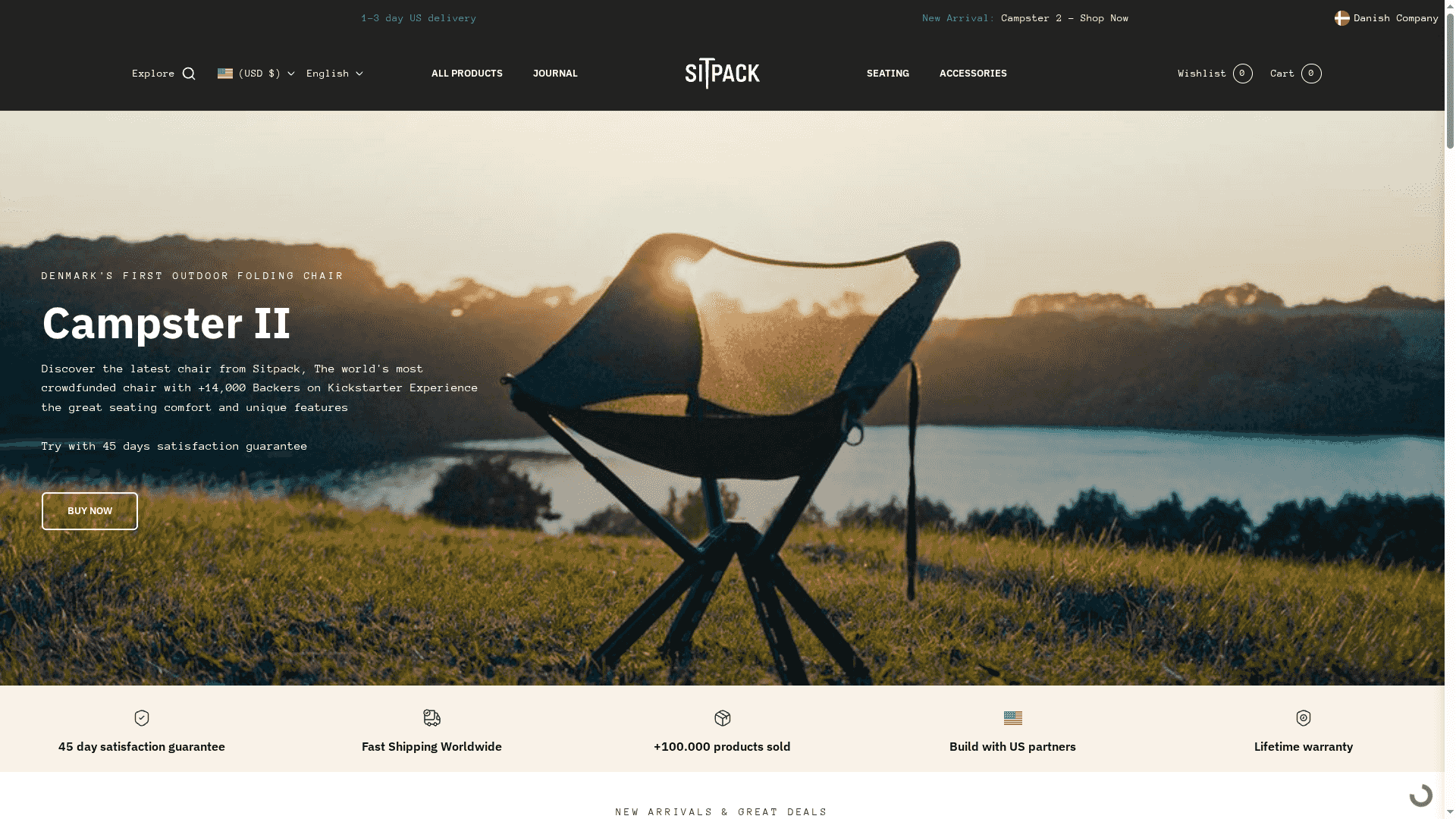
Ready to transform your outdoor seating experience? Visit Sitpack now to explore our full range of portable camp chairs and accessories. Take advantage of fast worldwide delivery and a 45-day satisfaction guarantee to find the perfect chair for your next adventure today. Don’t settle for bulk and discomfort when ease and quality are just a click away.
For easy carrying, choose camp chairs that weigh less than 10 pounds and fold compactly. Look for features like integrated carrying straps or backpack conversion options to enhance portability.
Examine the materials used in camp chairs, like aluminum frames and ripstop polyester fabrics, which offer great durability against the elements. Pay attention to seams and connection points to catch any potential issues before use.
Prioritize key ergonomic features such as adjustable seat height, lumbar support, and wide seat bases that accommodate different body types. Testing the chair in person can help you assess comfort levels for prolonged use.
Choose a camp chair designed for quick and simple setup, ideally with single-motion unfolding mechanisms. Familiarize yourself with the setup process at home to ensure a smooth experience during your outdoor adventures.
Opt for eco-friendly camp chairs made from recycled materials or designed for long-term durability to reduce your environmental impact. Research brands that demonstrate transparent environmental practices to ensure a responsible purchase.
Look for camp chairs with adjustable features like seat height, reclining backrests, and movable armrests. These adjustments can cater to different outdoor scenarios, making the chair more versatile for your needs.