カート
0
サインアップすると注文から 10 ドル割引になります
配達予定
1〜3日
こちらもおススメ


デンマークの会社

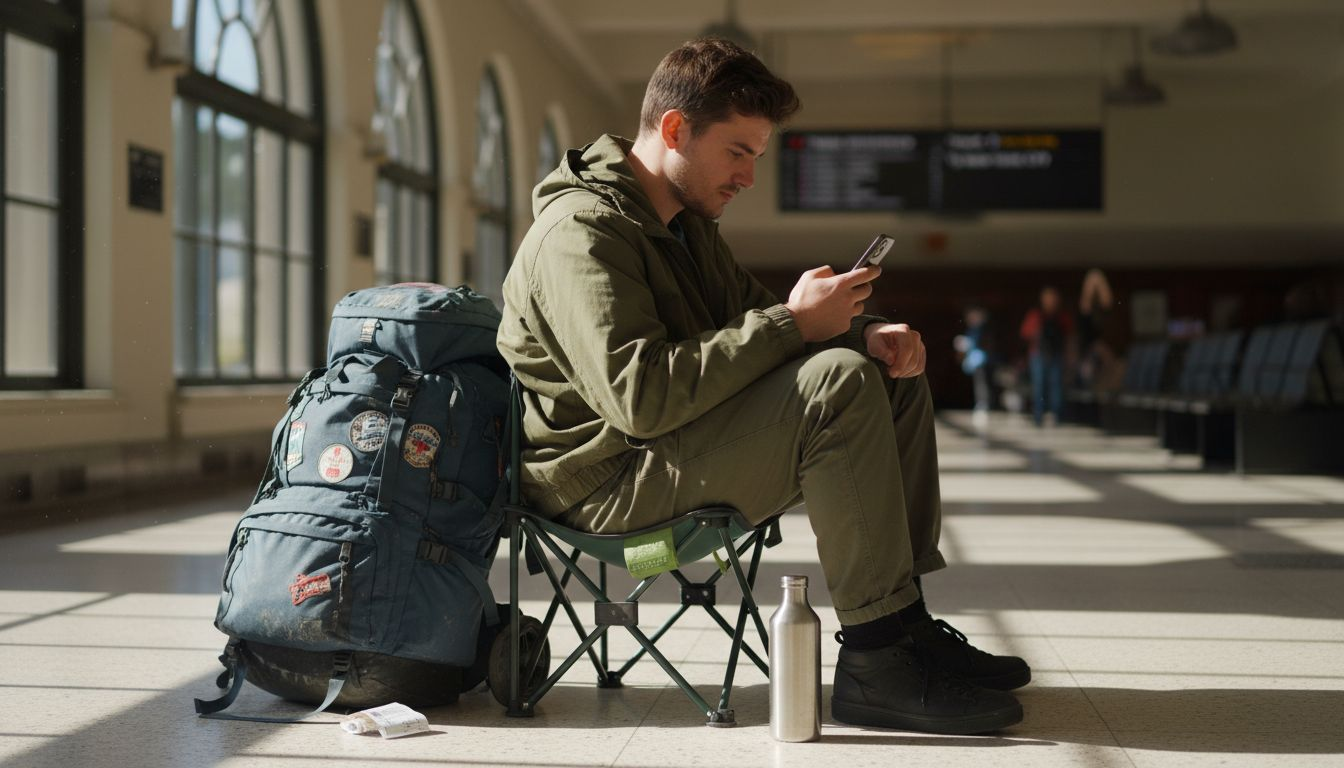
Finding a comfortable seat during outdoor adventures or urban commutes often feels impossible. Bulky chairs weigh you down, cheap stools collapse under pressure, and inflatable options puncture when you need them most. This guide walks you through selecting, setting up, and maintaining lightweight portable seating that transforms your travel experience from uncomfortable to effortless.
| Point | Details |
|---|---|
| Weight matters | Choose seats under 5 pounds with 250+ pound capacity for safety and portability. |
| Material selection | Aluminum or carbon fiber frames reduce weight by 40% while maintaining strength. |
| Setup efficiency | Practice quick deployment and proper packing to cut setup time by 20%. |
| Avoid damage | Follow folding instructions and respect weight limits to prevent 25% higher failure rates. |
| Maintenance pays | Regular cleaning and lubrication extend seat lifespan by up to 40%. |
Before shopping for travel seating, understand your specific needs. Know your body weight and typical use scenarios, whether hiking, camping, attending festivals, or commuting. This knowledge prevents purchasing seats that fail or disappoint.
Your ideal travel seat should weigh less than 5 pounds. Anything heavier becomes a burden during long treks or daily carries. Check that any seat you consider supports at least 250 pounds, ensuring safety margins for most users and gear.
Familiarize yourself with the main foldable chair types available:
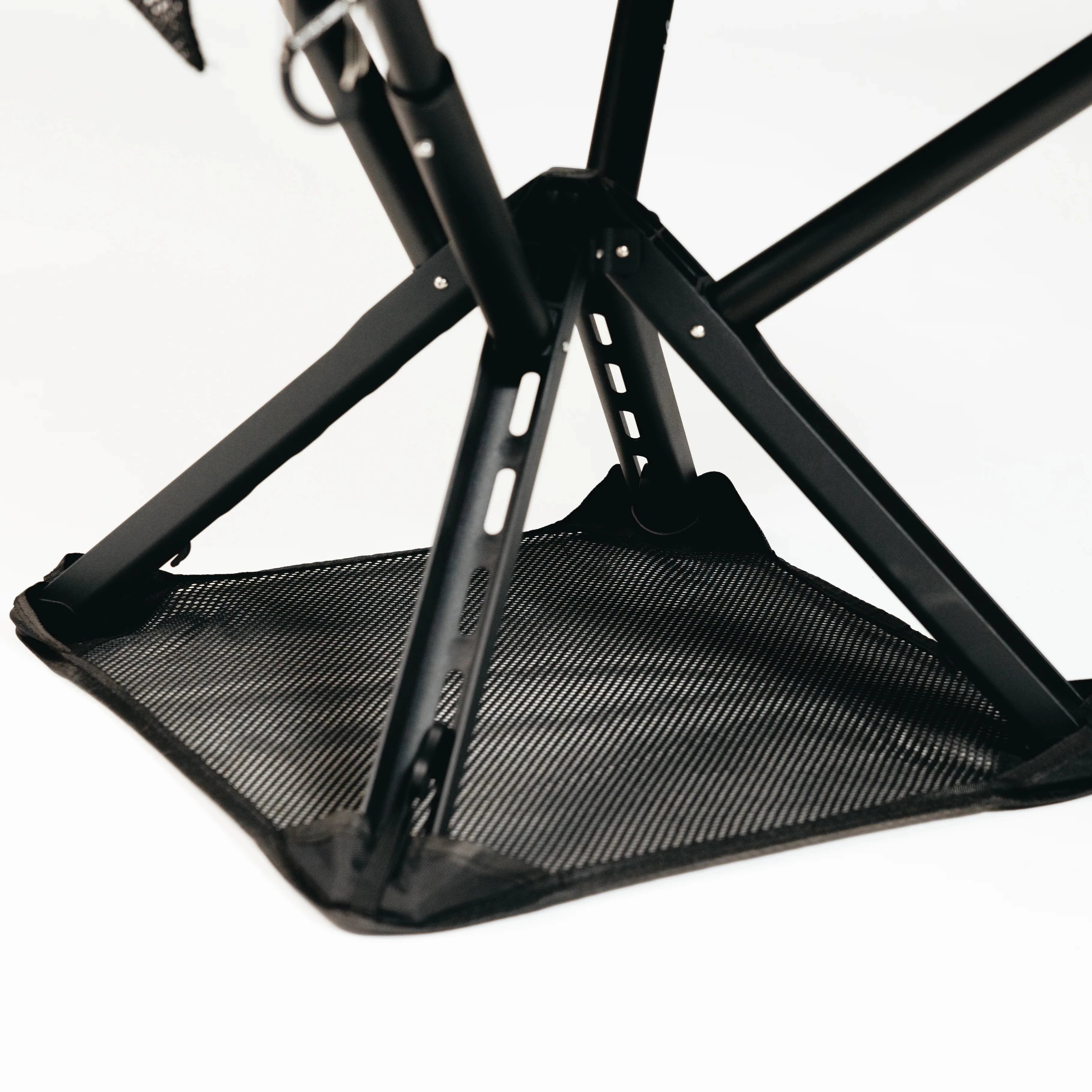
Gather essential packing gear before your first trip. A dedicated carry bag with shoulder straps protects your seat during transport and makes carrying effortless. Some bags include compression straps to minimize bulk. Consider adding a lightweight ground mat or stabilizer for uneven terrain use.
Weight is your primary selection criterion. Compact foldable chairs with a minimum weight capacity of 250 pounds provide adequate support for most travelers while maintaining portability. Models exceeding 5 pounds quickly become exhausting to carry, defeating the purpose of portable seating.
Frame material determines both weight and durability. Seats using high-strength aluminum or carbon fiber frames enhance durability while keeping weight low, suitable for rugged outdoor use. These materials reduce overall weight by up to 40% compared to steel frames while maintaining structural integrity.
Ergonomic features separate exceptional seats from mediocre ones. Look for contoured designs that distribute your weight evenly across the seat surface. Adjustable backrests and lumbar support prevent the lower back pain common during extended sitting. Breathable mesh fabrics improve comfort in hot weather by promoting airflow.
Compare your options systematically:
| Seat Type | Average Weight | Setup Time | Best Use Case |
|---|---|---|---|
| Foldable chair | 3-5 lbs | 30-90 seconds | Camping, festivals, long stays |
| Compact stool | 1-3 lbs | 10-30 seconds | Hiking, commuting, quick breaks |
| Inflatable seat | 0.5-2 lbs | 2-5 minutes | Backpacking, minimal weight priority |
| Tripod seat | 2-4 lbs | 20-40 seconds | Photography, fishing, stationary activities |
Many supposedly portable seats weigh over 5 pounds, marketed deceptively. Always verify actual weight specifications, not manufacturer claims of “lightweight.” Read user reviews focusing on real-world portability experiences.
Pro Tip: Visit outdoor retailers to physically lift and deploy different models. What feels manageable in-store for 30 seconds reveals its true weight after carrying for an hour. Watch setup videos online to confirm ease of deployment before purchasing.
Quick setup transforms a good seat into a great one. Choose designs deploying in under 2 minutes with minimal steps. Complex locking mechanisms slow you down and increase the chance of incorrect assembly, compromising safety.
Simple deployment follows these steps:
Ground conditions matter enormously. Always place your seat on level surfaces when possible. Uneven terrain creates tipping risks and uneven weight distribution that stresses frame joints. Rocks, roots, and slopes require extra caution.
Practice setup at home before your trip. Muscle memory developed through repetition cuts deployment time significantly. You will set up faster, avoid fumbling with unfamiliar mechanisms, and catch any defects before they ruin your outing.
Pro Tip: Carry lightweight rubber stabilizer pads or a small ground mat for uneven terrain. These items add minimal weight but dramatically improve stability on rocks, sand, or slopes, preventing wobbles and potential falls.
Ergonomic design only delivers comfort when used correctly. Sit fully back in the seat, allowing lumbar contours to support your lower spine. Slouching or perching on the edge negates ergonomic benefits and increases back strain.
Adjust available settings to match your body:
Accessories enhance comfort in challenging conditions. Seat warmers provide heat during cold weather camping, preventing stiffness and hypothermia risks. Thermal blankets draped over shoulders retain body heat. Small lumbar pillows fill gaps between your back and the seat for customized support.
Take movement breaks every 30-45 minutes during prolonged sitting. Stand, stretch, and walk briefly to prevent stiffness and maintain circulation. Even the best ergonomic seat cannot replace periodic movement for health and comfort.
Proper folding prevents damage and extends seat life. Always follow manufacturer instructions exactly. Forcing components into incorrect positions bends frames and tears fabrics. Incorrect folding increases damage risk by 25% compared to proper techniques.
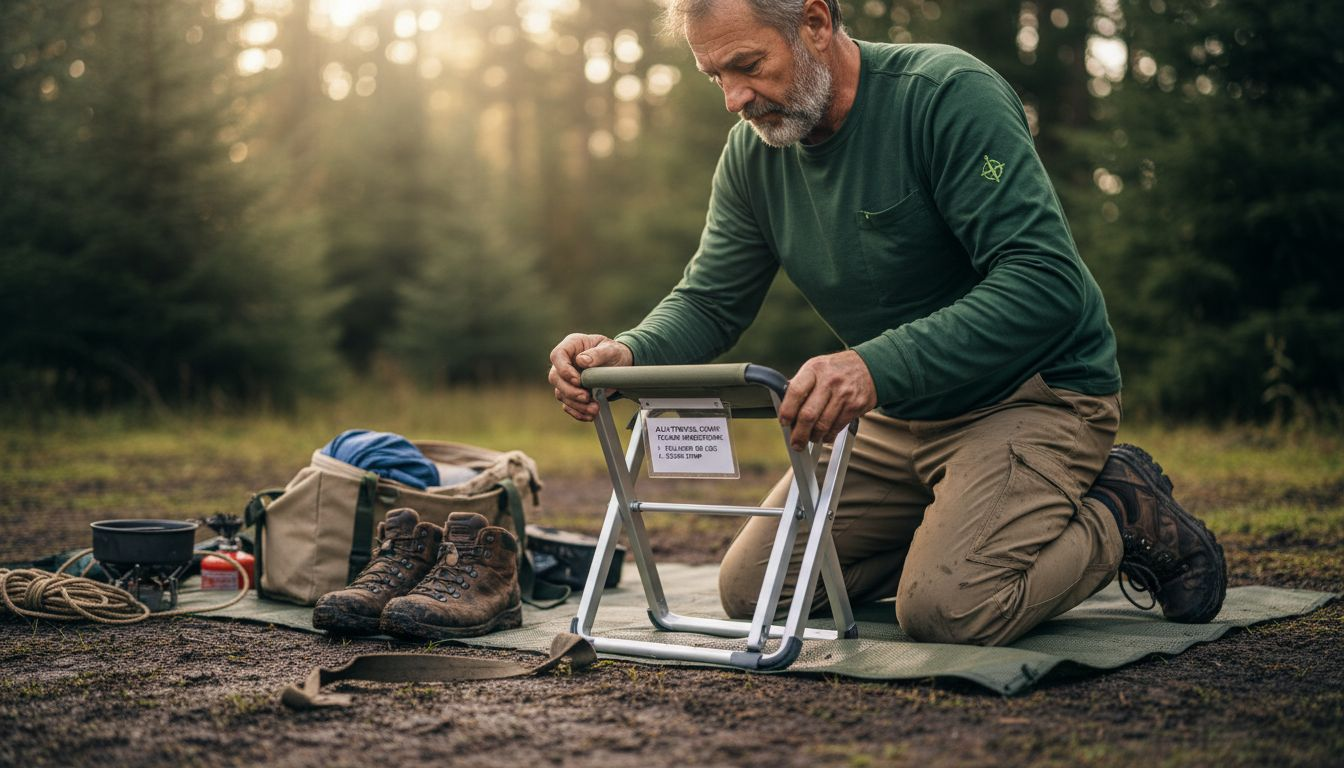
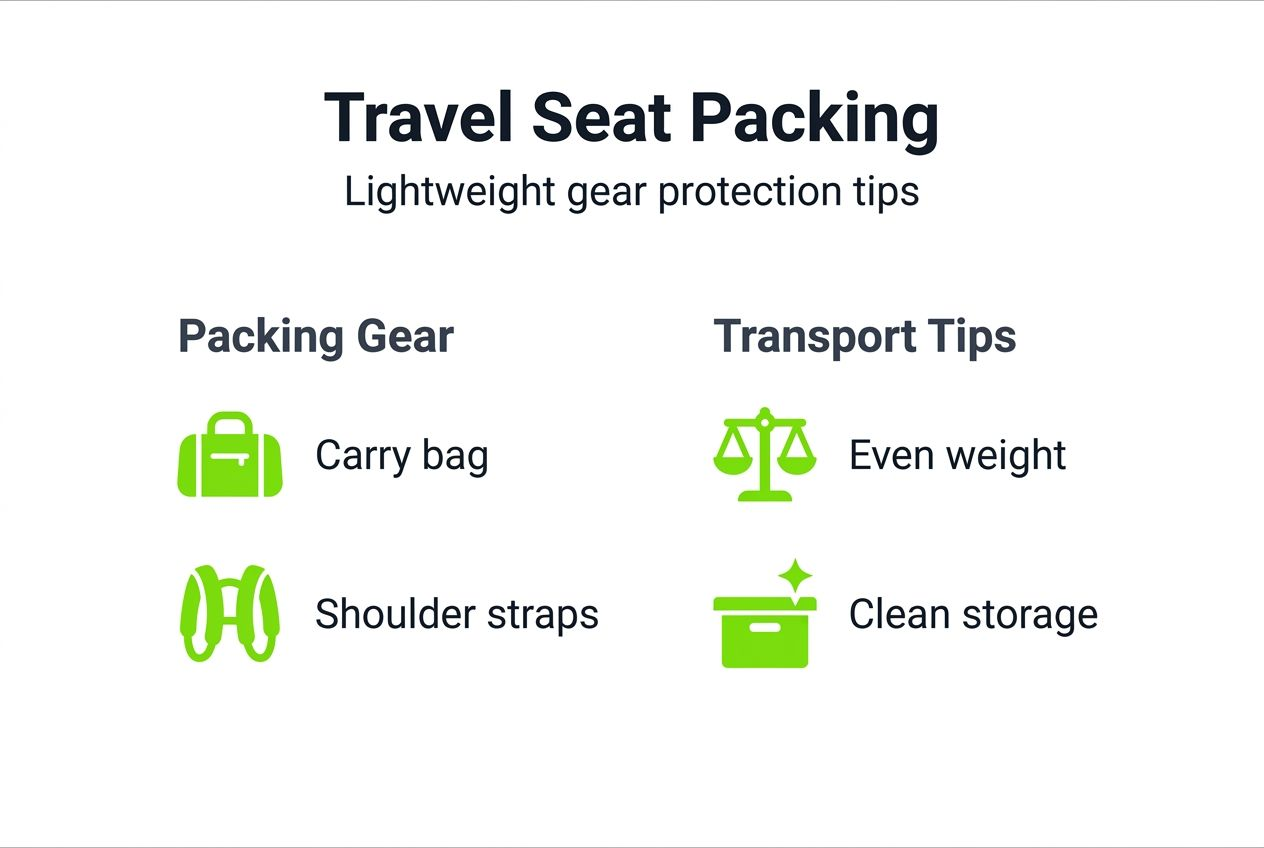
Use your seat’s designated carry bag every time. Bags with shoulder straps distribute weight across your body, reducing fatigue. Padding protects frames from impacts during transport. Packing compactly in designated carry bags with shoulder straps decreases travel setup time by 20% and improves transport convenience.
Packing method impacts both protection and convenience:
| Packing Method | Protection Level | Convenience | Setup Time Impact |
|---|---|---|---|
| Dedicated bag with straps | High | Excellent | Reduces by 20% |
| Loose in backpack | Low | Poor | Increases by 15% |
| Compression sack | Medium | Good | Reduces by 10% |
| Attached externally | Medium | Fair | No change |
Avoid placing heavy items on top of packed seats. Weight compresses frames and stresses joints even when folded. Store seats in accessible locations within your pack to encourage actual use rather than leaving them behind.
For more detailed guidance, review our portable chair storage tips covering seasonal storage and long-term care strategies.
Weight capacity limits are not suggestions. Exceeding rated capacity risks catastrophic frame failure, causing injuries and equipment damage. Studies show a 15% failure rate when users exceed weight limits, often resulting in falls and sprains.
Common mistakes that damage seats:
Improper folding deserves special attention. Rushing through collapse procedures bends support bars and strips locking mechanisms. Take the extra 30 seconds to fold correctly. This small investment prevents the 25% higher damage rates associated with careless handling.
Safety warning: Never place portable seats on unstable surfaces like loose gravel, steep slopes, or wet surfaces. Tipping incidents cause injuries ranging from bruises to serious falls. Always test stability before sitting fully.
Clean moving parts regularly and apply appropriate lubricants to joints. Dirt and grit accelerate wear, causing squeaks, stiffness, and eventual failure. A few minutes of maintenance after each trip preserves performance.
Routine care dramatically extends seat lifespan. Regular cleaning and lubrication of joints extend lifespan by up to 40% compared to neglected equipment. This maintenance takes minimal time but delivers substantial value.
Establish a simple maintenance routine:
Storage conditions matter enormously. Keep seats in dry, temperature-controlled spaces. Humidity causes metal corrosion and fabric mildew. Extreme heat degrades synthetic fabrics and weakens adhesives. Cold temperatures make some materials brittle.
Use protective bags during both storage and transport. Bags shield seats from dust, impacts, and accidental damage. Even when storing at home, bagged seats remain cleaner and deploy faster when needed.
For comprehensive maintenance strategies, consult our seating maintenance tips and proper storage techniques guides offering detailed care instructions.
Following this guide transforms your travel seating experience measurably. Users report up to 50% increased comfort and reduced back strain when switching from generic seats to properly selected ergonomic portable options. The difference becomes apparent within the first hour of use.
Setup efficiency improves dramatically with proper selection and practice:
Portability under 5 pounds eliminates the mental barrier of “too much effort.” Lightweight seats get packed automatically rather than left behind, ensuring comfort availability when needed. Reduced carry weight decreases fatigue during approaches and transitions.
Proper packing and maintenance reduce damage and repair costs by at least 20%. Well-maintained seats last years rather than seasons, delivering better value and environmental benefits through extended use cycles. You spend less time shopping for replacements and more time enjoying your activities.
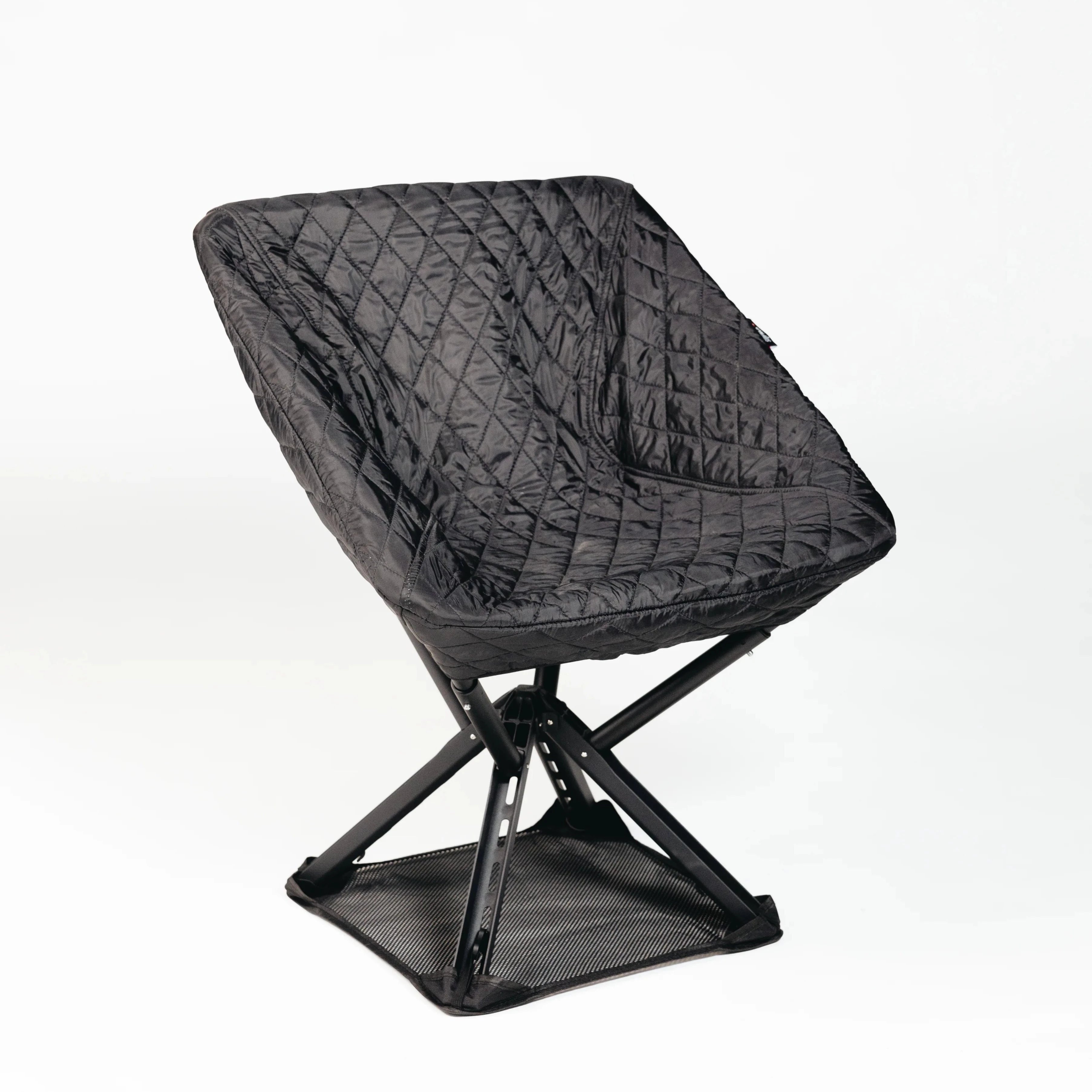
Curious about how lightweight, ergonomic design feels in practice? Sitpack offers portable seating engineered for outdoor enthusiasts who refuse to compromise comfort for convenience. Our chairs combine minimalist aesthetics with functional innovation, keeping weight low while delivering reliable support.
Explore detailed guidance on extending your gear’s performance through our portable chair storage guide and discover what makes a chair portable in our expert resources. Every product includes comprehensive specifications to support confident selection.

Browse our full collection at Sitpack to find seating solutions matching your specific travel needs. Durable construction, lifetime warranties, and a 45-day satisfaction guarantee ensure your investment delivers lasting value.
A truly portable travel seat should weigh under 5 pounds for effortless carrying during hikes, commutes, and outdoor activities. Heavier models quickly become burdensome, reducing the likelihood you will actually bring them along.
Check the manufacturer’s stated weight capacity, ensuring it exceeds your body weight by at least 50 pounds for a safety margin. Seats rated for 250 pounds or more accommodate most users safely, accounting for dynamic loading when sitting down.
Inflatable seats work on smooth surfaces but risk punctures on rocky, thorny, or rough terrain. Carry a repair kit if using inflatable options outdoors, and consider placing a ground mat underneath for added puncture protection.
Lubricate folding joints monthly during active use seasons or after every 10-15 deployments. Use silicone-based sprays appropriate for outdoor gear, wiping away excess to prevent dirt accumulation in mechanisms.
Always follow the manufacturer’s specific folding sequence, never forcing components into position. Work slowly, ensuring each locking mechanism disengages fully before applying pressure, and store the seat in its designated bag to maintain proper form.