カート
0
サインアップすると注文から 10 ドル割引になります
配達予定
1〜3日
こちらもおススメ


デンマークの会社

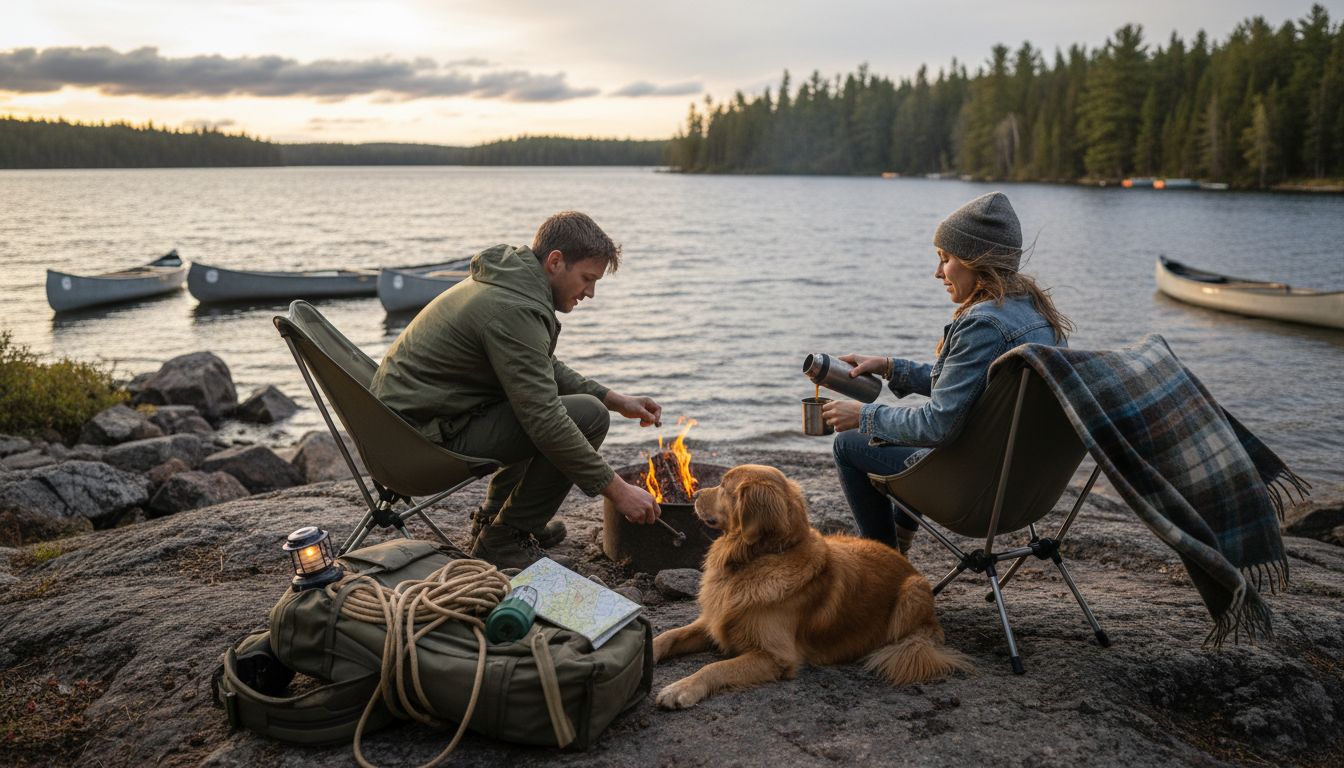
Nearly every American outdoor lover has underestimated a packable chair at least once. Many people dismiss them as flimsy or uncomfortable, yet modern designs shatter those old assumptions. Today’s packable chairs can support weights over 300 pounds while folding smaller than a water bottle. For anyone who values comfort on the move, understanding the real innovations and biggest misconceptions about these chairs opens up a whole new world of portable convenience.
| Point | Details |
|---|---|
| Packable Chairs Are Advanced Designs | Modern packable chairs combine lightweight construction with durability and comfort, disproving common misconceptions about their capabilities. |
| Diverse Types for Varied Uses | From ultralight backpacking chairs to robust camping solutions, there are variations designed to meet the specific needs of adventurers and urban dwellers. |
| Sustainability is Key | The industry is shifting towards eco-friendly materials and production methods that minimize environmental impact, reflecting a growing consumer demand for sustainability. |
| Smart Selection is Crucial | Effective chair selection should consider personal needs, terrain, and comfort, rather than just weight or price, to avoid common purchasing mistakes. |
Portable seating has transformed how adventurers and urban dwellers approach mobility and comfort. While many people assume packable chairs are just basic, flimsy contraptions, the reality is far more nuanced. Modern packable chairs represent sophisticated engineering that combines lightweight design, durability, and compact functionality.
The history of portable seating traces back to classic designs like the Monobloc chair, a lightweight polypropylene chair that revolutionized mass-produced seating. Similarly, the deckchair demonstrated early innovations in portable seating, originally designed for leisure on ocean liners. These predecessors laid groundwork for today’s advanced packable chairs.
Common misconceptions about packable chairs often stem from outdated perceptions. Many people believe portable chairs are:
In reality, contemporary packable chairs challenge these assumptions. Advanced materials like aluminum alloys, reinforced polymers, and ergonomic designs have transformed portable seating into robust, comfortable solutions for diverse environments. Whether you’re a weekend camper, urban commuter, or outdoor enthusiast, modern packable chairs offer surprising versatility and performance.
Understanding the nuanced world of packable chairs requires looking beyond surface-level assumptions. These aren’t just simple sitting devices but carefully engineered solutions addressing mobility, comfort, and practical transportation needs. From ultralight backpacking models to heavy-duty outdoor versions, packable chairs represent a fascinating intersection of design, material science, and user-centric innovation.
Packable chairs have evolved far beyond basic folding designs, offering a remarkable range of styles and functionalities that cater to diverse outdoor and urban needs. From ultralight backpacking models to robust camping solutions, the variety of packable chairs reflects the dynamic requirements of modern adventurers and mobile professionals.
Historical innovations have significantly influenced contemporary chair design. The polypropylene stacking chair, originally designed by Robin Day in 1963, pioneered mass-produced seating with incredible stackability. Similarly, unique designs like the bungee chair introduced novel construction techniques, incorporating elastic cords that provide exceptional flexibility and comfort.
Key packable chair variations include:
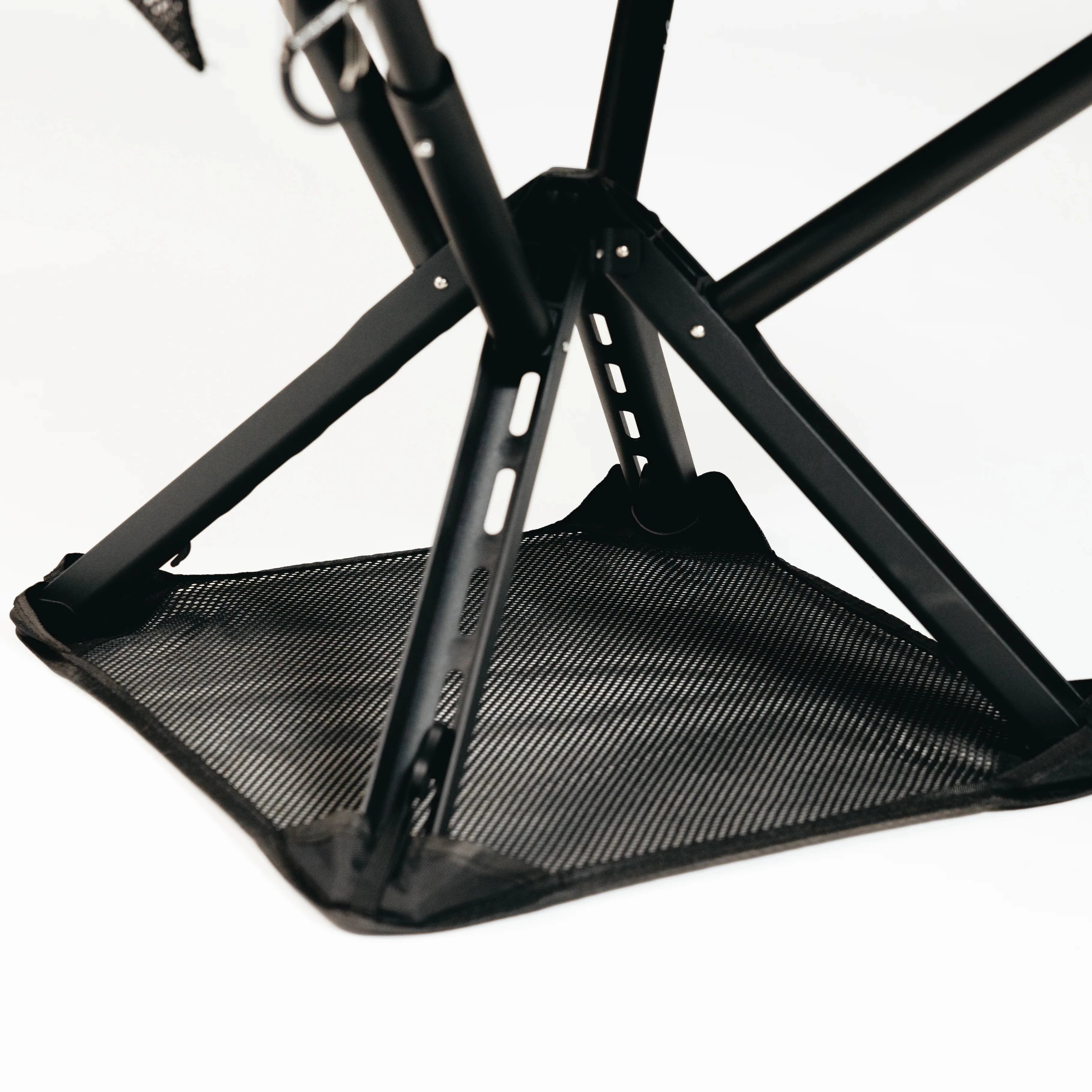
Materials play a crucial role in packable chair design. Modern manufacturers utilize advanced composites like carbon fiber, aerospace-grade aluminum, and ripstop synthetic fabrics to create chairs that are simultaneously lightweight, durable, and capable of supporting significant weight. These innovative materials have transformed packable chairs from simple, basic seating solutions into sophisticated, performance-oriented equipment that meets the demanding needs of outdoor enthusiasts and urban adventurers.
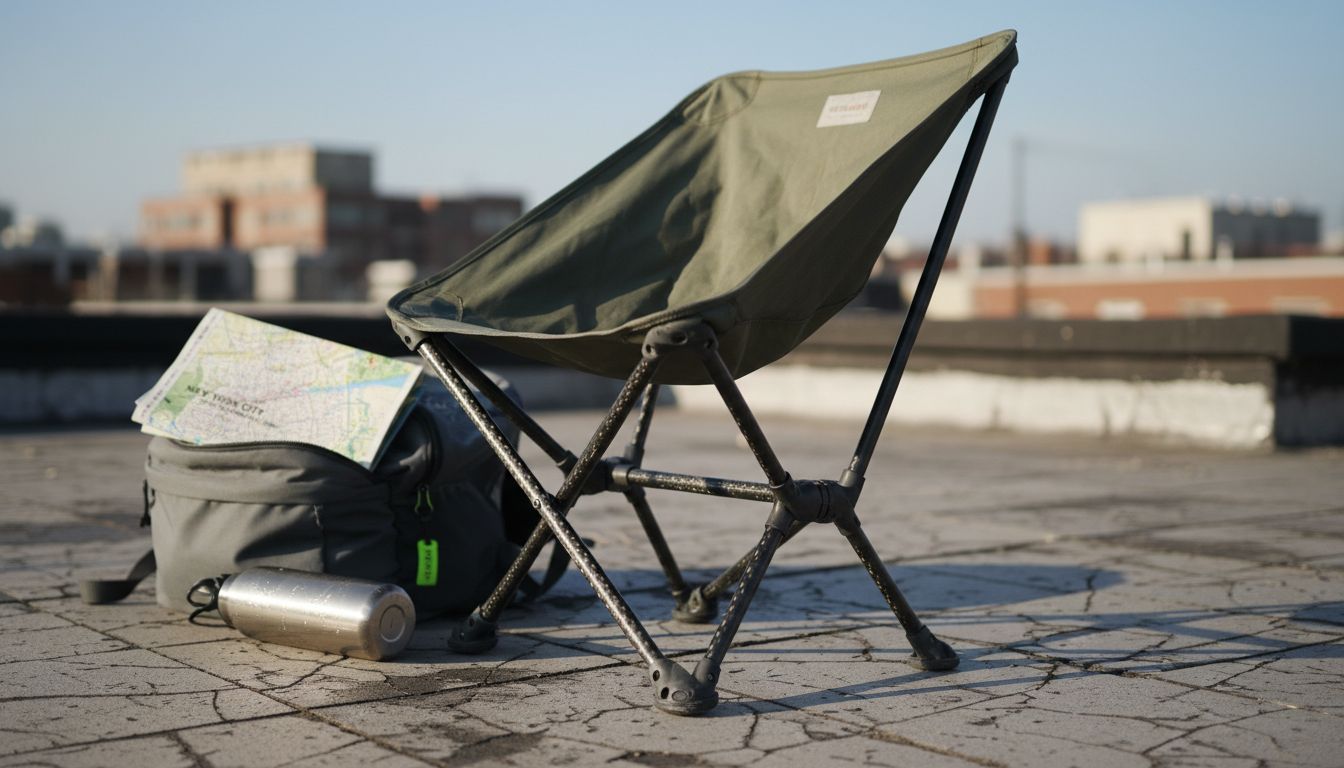
Packable chairs represent a sophisticated balance between three critical design elements: comfort, durability, and portability. These core features determine not just how a chair performs, but how seamlessly it integrates into various outdoor and urban environments. Modern packable chairs are engineering marvels that transform simple seating into versatile mobility solutions.
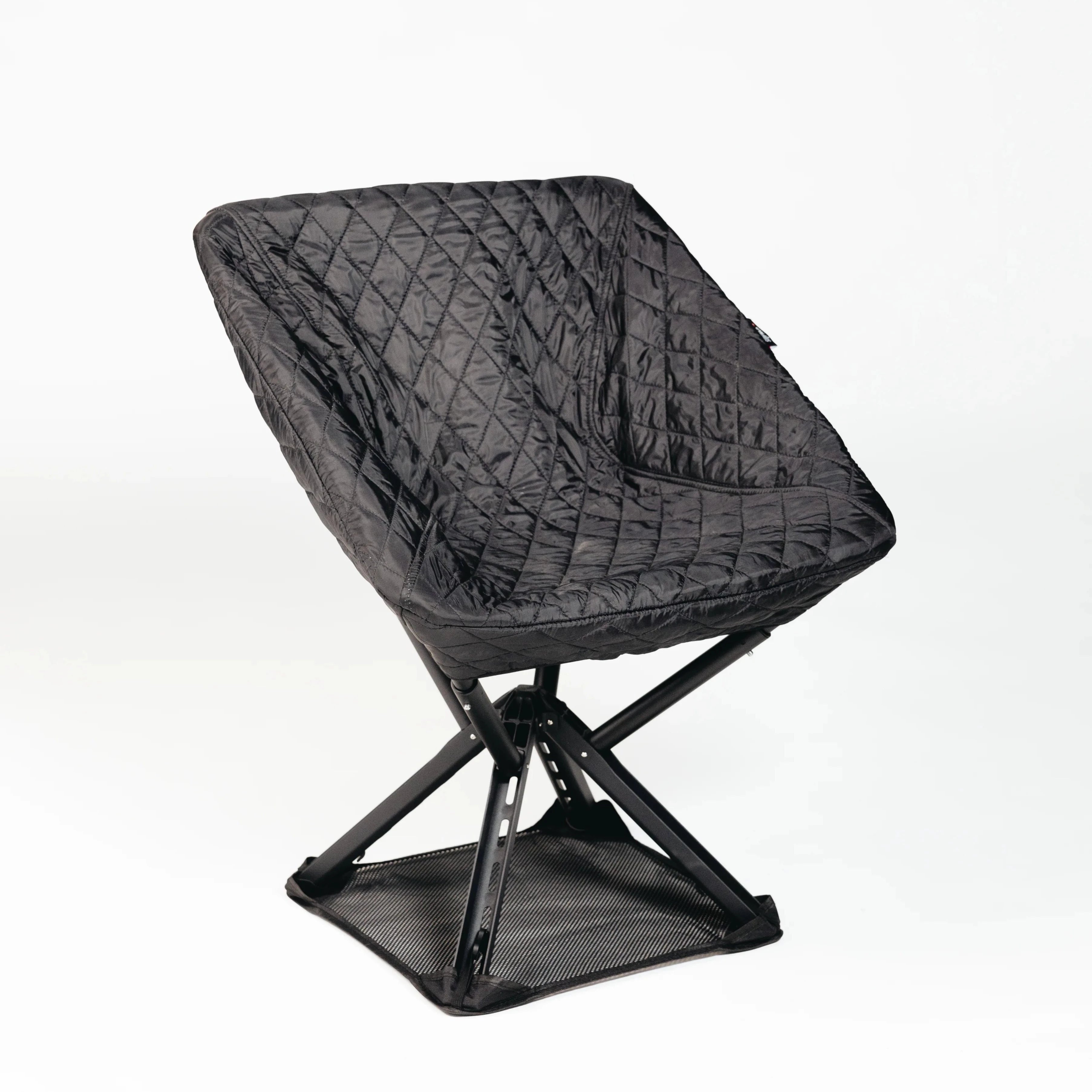
The quest for the perfect packable chair has led manufacturers to develop innovative designs. Cutting-edge models like the Click Chair demonstrate remarkable engineering, supporting up to 300 pounds while folding down to the size of a water bottle. Similarly, the REI Co-op Flexlite Camp Boss Chair showcases how advanced materials can create comfortable seating that doesn’t compromise on structural integrity.
Key performance metrics for packable chairs include:
Understanding these features requires looking beyond surface-level specifications. The best packable chairs aren’t just about supporting body weight—they’re about creating a comfortable, reliable seating experience in unpredictable environments. Advanced materials like ripstop polyester, aircraft-grade aluminum, and innovative fabric technologies have revolutionized portable seating, transforming what was once a basic necessity into a sophisticated piece of adventure equipment.
Packable chairs have transcended their traditional roles, becoming essential tools for mobility and comfort across diverse environments. From rugged wilderness adventures to urban commuting, these versatile seating solutions adapt to an increasingly dynamic lifestyle where flexibility is paramount.
Backpacking chairs like the REI Co-op Flexlite Camp Boss Chair exemplify the modern approach to portable seating, providing lightweight comfort for outdoor enthusiasts. Compact designs such as the Click Chair demonstrate how packable chairs can seamlessly transition between different use cases.
Real-life applications span multiple domains:
The true value of packable chairs lies in their ability to transform ordinary spaces into comfortable environments. Whether you’re a weekend warrior, urban professional, or adventure traveler, these ingenious seating solutions offer unprecedented flexibility, proving that comfort need not be sacrificed for portability. Modern packable chairs are more than just furniture—they’re mobility enablers that adapt to your lifestyle’s ever-changing demands.
The packable chair industry stands at a critical intersection of innovation and environmental responsibility, where design meets sustainability. As consumers become increasingly conscious about their ecological footprint, manufacturers are reimagining portable seating through a green lens, prioritizing materials and production methods that minimize environmental impact.
The classic Monobloc chair serves as a cautionary tale about plastic waste, highlighting the urgent need for sustainable manufacturing approaches. In contrast, emerging design philosophies like softseating demonstrate how innovative materials and geometric approaches can create more environmentally responsible seating solutions.
Key sustainable material strategies include:
The future of packable chairs lies in holistic sustainability—not just selecting eco-friendly materials, but reimagining entire production ecosystems. By prioritizing renewable resources, circular design, and responsible manufacturing, the outdoor seating industry can transform from a potential environmental liability into a model of innovative, planet-conscious engineering.
Selecting the right packable chair requires more than just picking the first lightweight option you encounter. Smart purchasing involves understanding your specific needs, evaluating performance across different environments, and avoiding common pitfalls that can lead to disappointment or wasted investment.
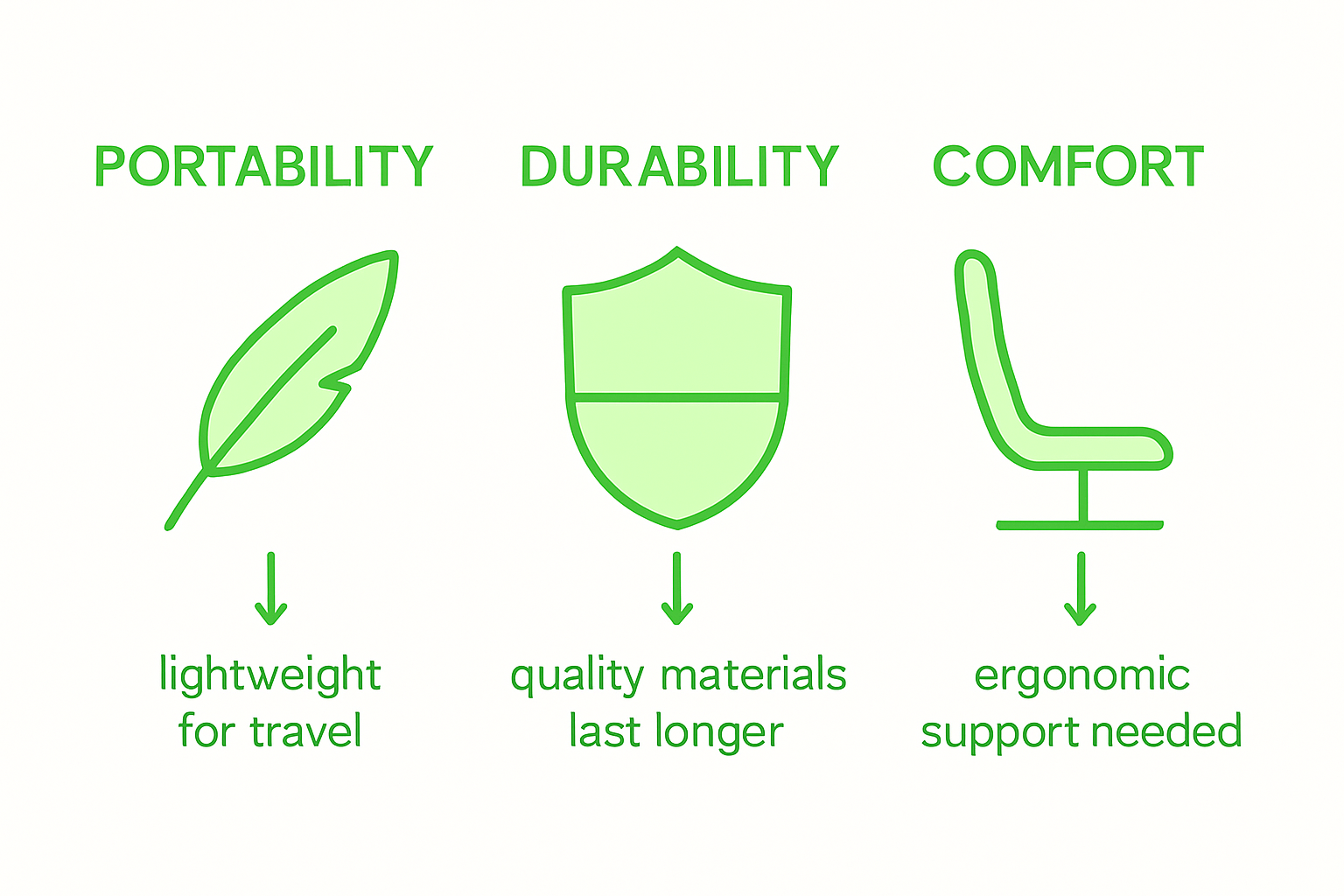
Buying a packable chair isn’t a one-size-fits-all proposition. Your ideal chair depends on multiple factors including intended use, body type, typical terrain, and personal comfort preferences. Weekend campers need different features compared to frequent travelers or urban commuters.
Common purchasing mistakes to avoid:
Successful packable chair selection requires a strategic approach. Prioritize chairs that offer a balanced combination of weight, durability, comfort, and versatility. Always test chairs when possible, read comprehensive reviews, and consider your most demanding use cases. Remember that the cheapest option rarely provides the best long-term value—invest in quality that matches your lifestyle and adventure requirements.
When the article highlights challenges like balancing portability, durability, and ergonomic comfort in packable chairs it speaks directly to the needs of every outdoor enthusiast, traveler, and urban commuter. You want seating solutions that are lightweight yet strong, compact yet supportive, and designed with your dynamic lifestyle in mind. Avoiding common pitfalls such as sacrificing comfort for packability or overlooking material resilience is crucial for lasting value and daily enjoyment.
Explore how Sitpack addresses these exact concerns with innovative outdoor seating options including the Campster II and Sitpack Zen. These models are carefully engineered using advanced materials that provide exceptional weight capacity and comfort while folding down small enough to fit into your pack or travel bag. Plus, their minimalistic designs mean you carry only what you truly need without excess bulk.
Take control of your outdoor living experience by choosing packable chairs that reflect the insights from the article. Visit Sitpack’s official site now to discover lightweight, durable, and eco-conscious seating solutions. Check out customer reviews and enjoy benefits like fast worldwide delivery and a 45-day satisfaction guarantee. Your next adventure deserves the perfect seat that moves as fast as you do.
Packable chairs provide portable seating solutions for various outdoor activities like camping, hiking, picnics, and festivals. They offer comfort and convenience in settings where traditional seating isn’t available.
When selecting a packable chair, consider factors such as weight capacity, intended use (e.g., camping vs. urban mobility), material durability, and comfort features like ergonomic design and back support.
Yes, modern packable chairs are designed with comfort in mind, utilizing ergonomic designs and advanced materials to provide adequate support for prolonged sitting, making them suitable for extended outdoor activities.
Packable chairs are often made from lightweight yet durable materials such as aluminum alloys, ripstop synthetic fabrics, and even eco-friendly options like recycled plastics and biodegradable composites, ensuring they are built to last while remaining portable.