Cart
0
Sign up and get 10$ off your order
Expected delivery
1-3 days
You may also like


Danish Company

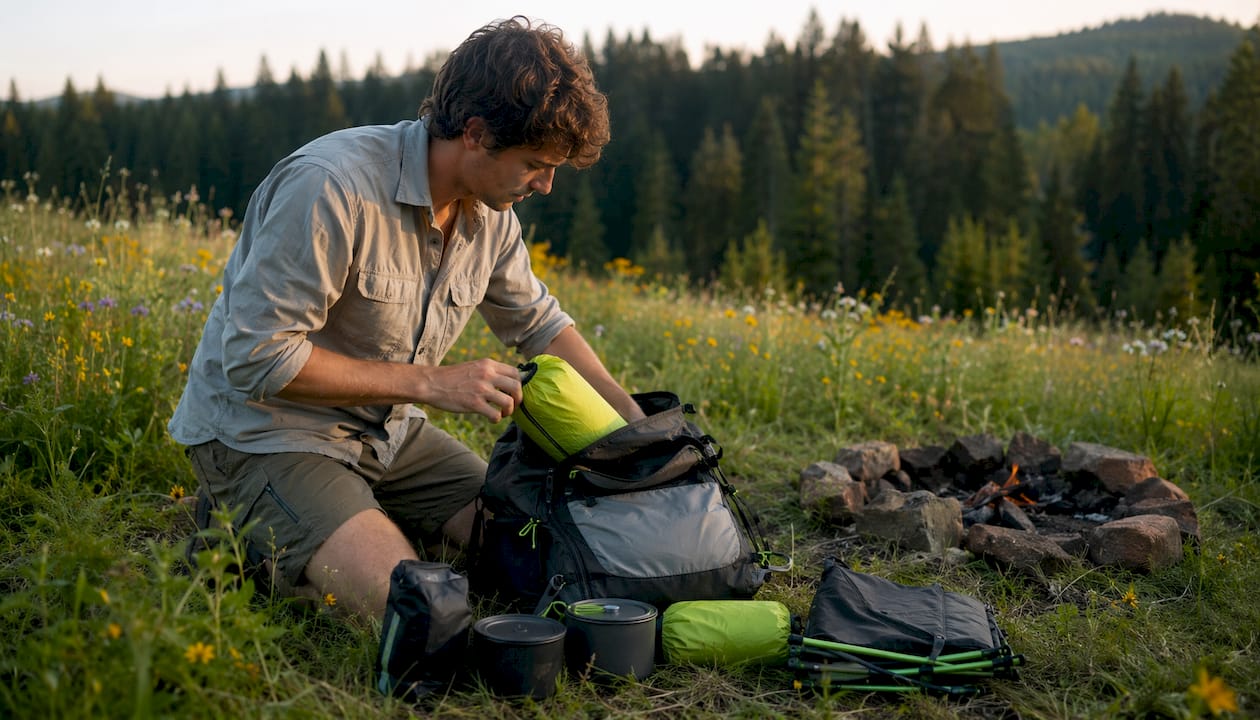
Packable accessories let you carry less, move faster, and handle more situations with one lean kit — and that combination of portability, space savings, versatility, quick setup, organization, durability, and sustainability is exactly why they’ve become the default choice for serious outdoor enthusiasts. Multi-functional packable accessories like compression organizers and convertible blankets reduce total luggage volume while keeping your options open. Sitpack builds its entire product line around this principle.
Here’s the short version of what you’ll get from going packable:
The moment you switch from a bulky kit to a packable one, something shifts. You stop planning trips around what you can carry and start planning them around where you want to go. That’s the real payoff.
One-bag travelers consistently report simpler decision-making and easier transitions between transport and accommodation types — a finding that translates directly to camp life. When you’re moving from a trailhead to a lakeside site to a festival ground in the same weekend, a packable kit means you load up and go instead of playing Tetris with your trunk.
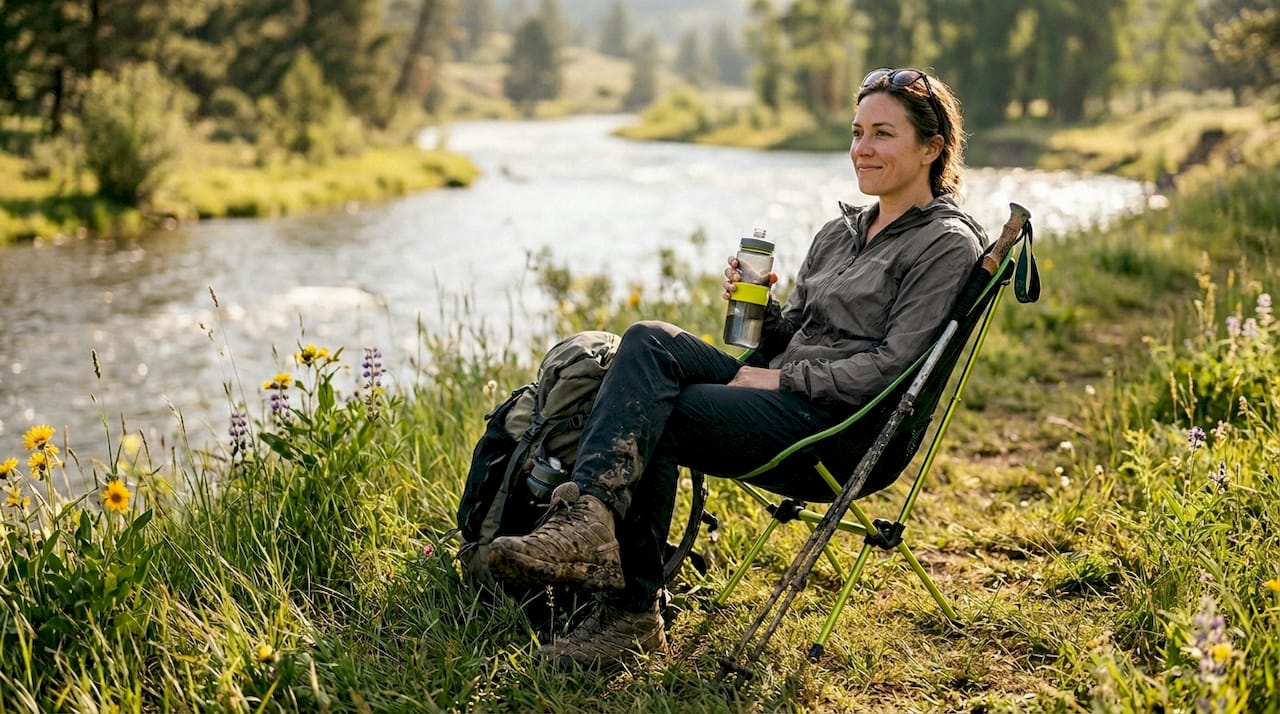
The use-case differences are real. A backpacker needs every ounce justified. A car camper wants fast setup without hauling a furniture showroom. A festival-goer needs a chair that fits in a tote. A day hiker wants a sit-spot that weighs nothing. Packable foldable accessories serve all four without compromise.
Space and weight are the obvious wins. Compression organizers physically shrink clothing volume, freeing room for the things that actually matter on a trip. Less weight means less fatigue on the trail, which means better decisions at the end of a long day.
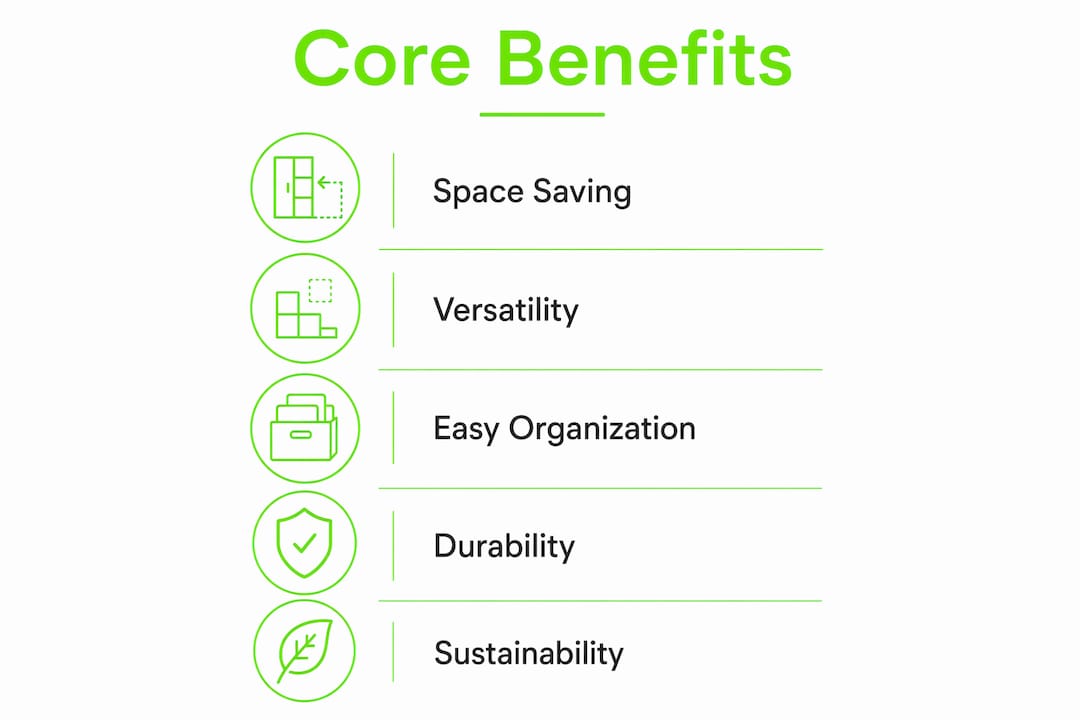
Versatility cuts item count and cognitive load at the same time. A scarf that doubles as a blanket, a stool that converts for multiple seating heights, a poncho that moonlights as a ground cover — multifunctional items let you carry less and handle more weather changes or unplanned errands without buying new gear.
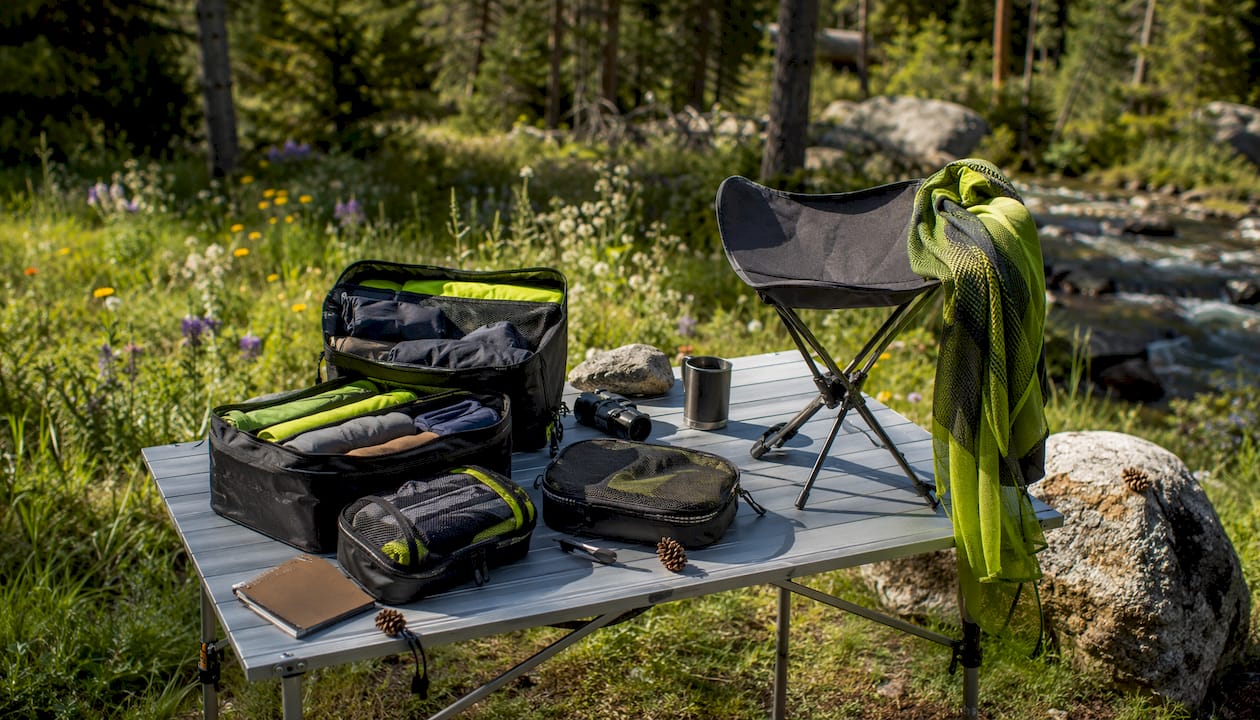
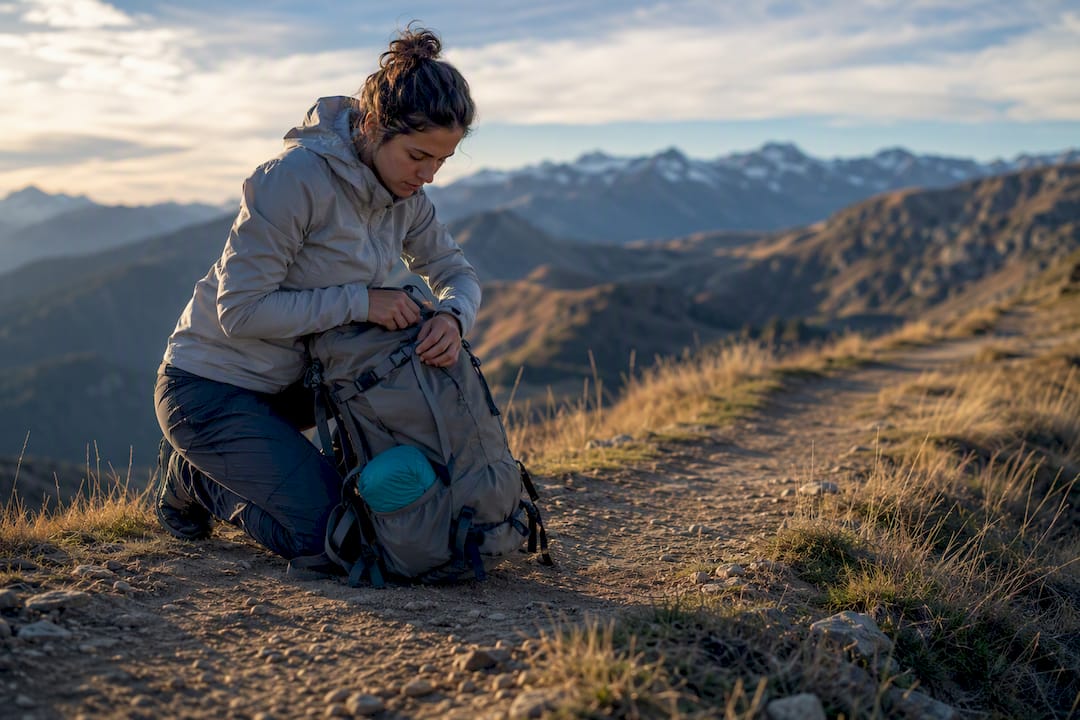
Organization and retrieval speed matter more than people expect. Durable, reliable packable gear reduces traveler stress because it lowers the risk of mid-trip failures and minimizes friction during transitions. Packing cubes and compression sleeves mean you grab what you need in seconds rather than unpacking half your bag at the trailhead.
Durability and sustainability are worth paying for. Cheap packable gear fails at the seams after two trips; quality gear lasts years and skips the landfill cycle. The long-term value of travel comfort investments compounds over dozens of trips.
Pro Tip: Before buying any packable item, pack it fully, sit on it or use it as intended, then stuff it back into its carry bag three times in a row. If it’s a pain to repack under mild pressure, it’ll be a nightmare at mile 12.
Start with your friction points, not a feature list. Preparation-first thinking means identifying the exact step in your packing or movement where things get annoying, then buying the smallest, most durable item that removes that friction.
Run through this checklist before any purchase:
Red flags to walk away from: fragile plastic joints, no warranty language anywhere on the product page, and customer support that’s impossible to reach. Good gear reduces friction — organization, quick access, and simple transitions matter more than a long feature list.
The categories below cover the most useful packable items for outdoor use, with a quick note on where each earns its place.
Simple habits extend the life of packable gear more than any product upgrade. Here’s a practical routine:
For field repairs, carry a small kit: a needle and thread, a patch of ripstop tape, and a spare buckle. Those three items have saved more trips than any premium upgrade.
Packable gear has real limits, and pretending otherwise doesn’t help anyone.
Comfort vs. packability is the most common tension. An ultra-light camp chair that packs to the size of a water bottle often has a seat height and back support that works for 20 minutes, not two hours around a fire. For extended basecamp stays where you’re not moving daily, a slightly heavier, more supportive option usually wins.
Durability vs. lightness is a genuine tradeoff. The lightest materials — thin aluminum, minimal fabric — are more vulnerable to rough handling, heavy loads, and extreme temperatures. If your trip involves heavy-duty work, rocky terrain, or serious cold where insulation thickness trumps packability, prioritize construction over compression ratio.
Cost vs. value matters too. Quality packable gear costs more upfront. That’s fair. But cheap packable gear that fails after three uses costs more in the long run and generates more waste. Maximize comfort and efficiency with foldable gear by investing once in items built to last rather than cycling through budget replacements.
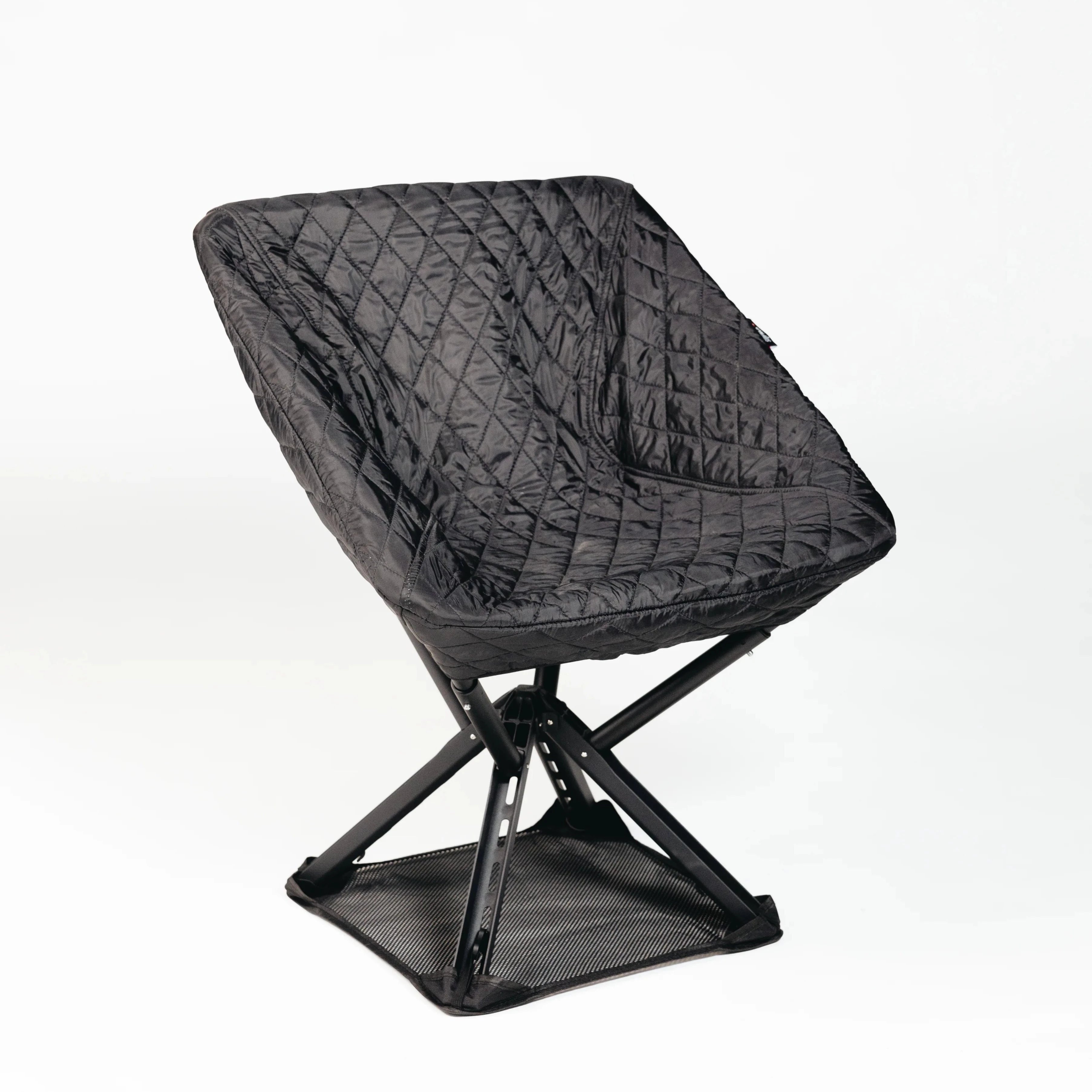
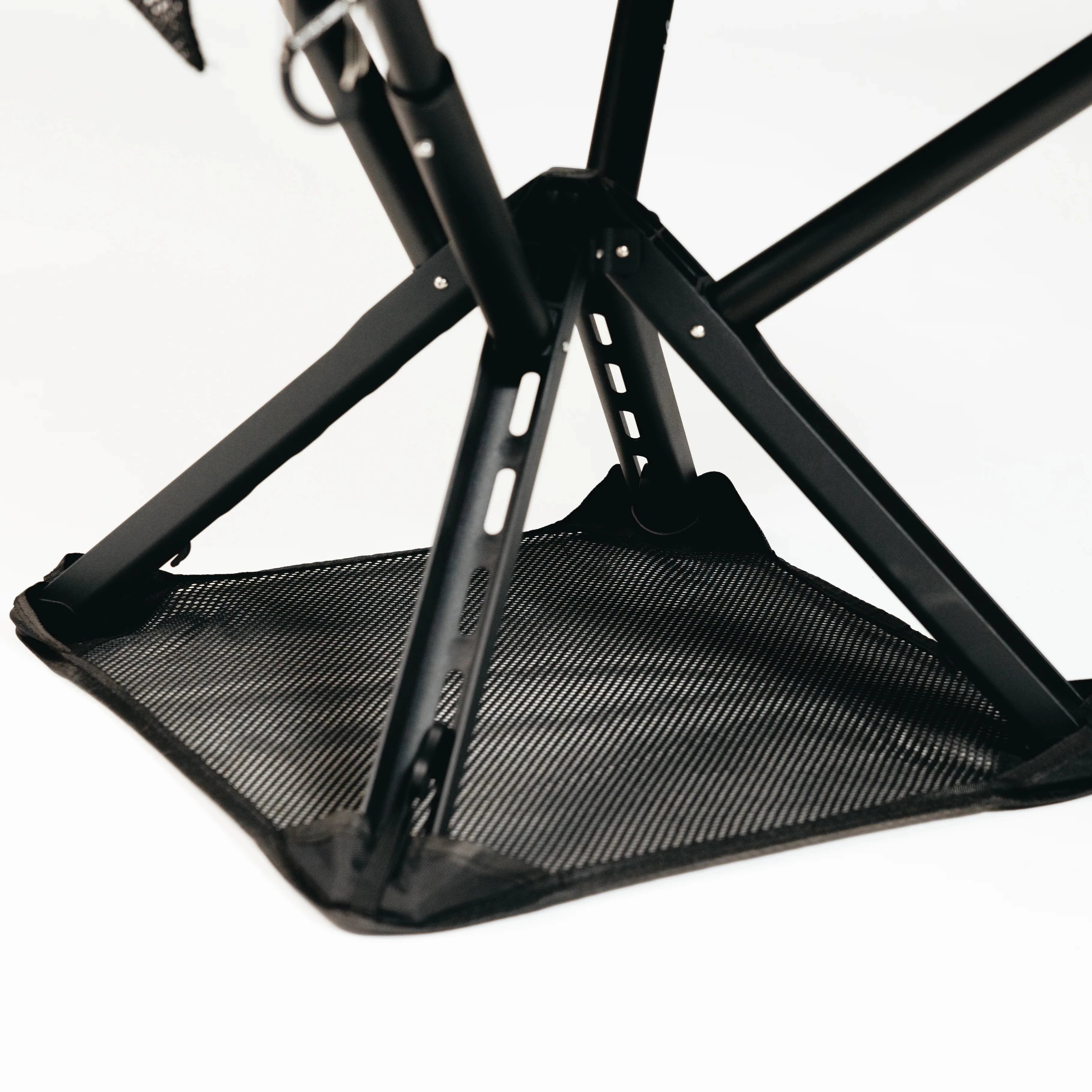
Sitpack’s design philosophy maps directly to the benefits above. The Campster II and Sitpack Zen are built around a specific set of priorities:
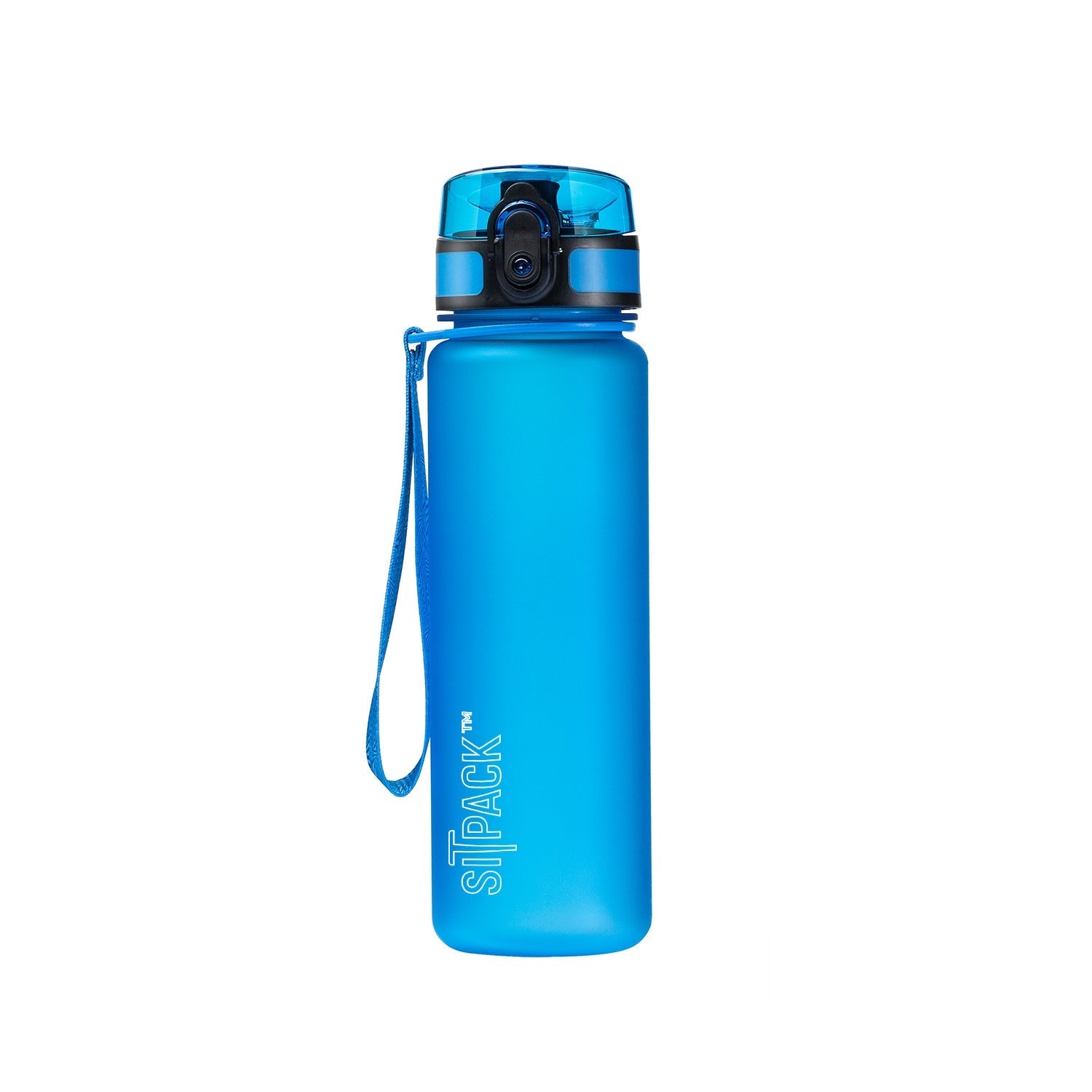
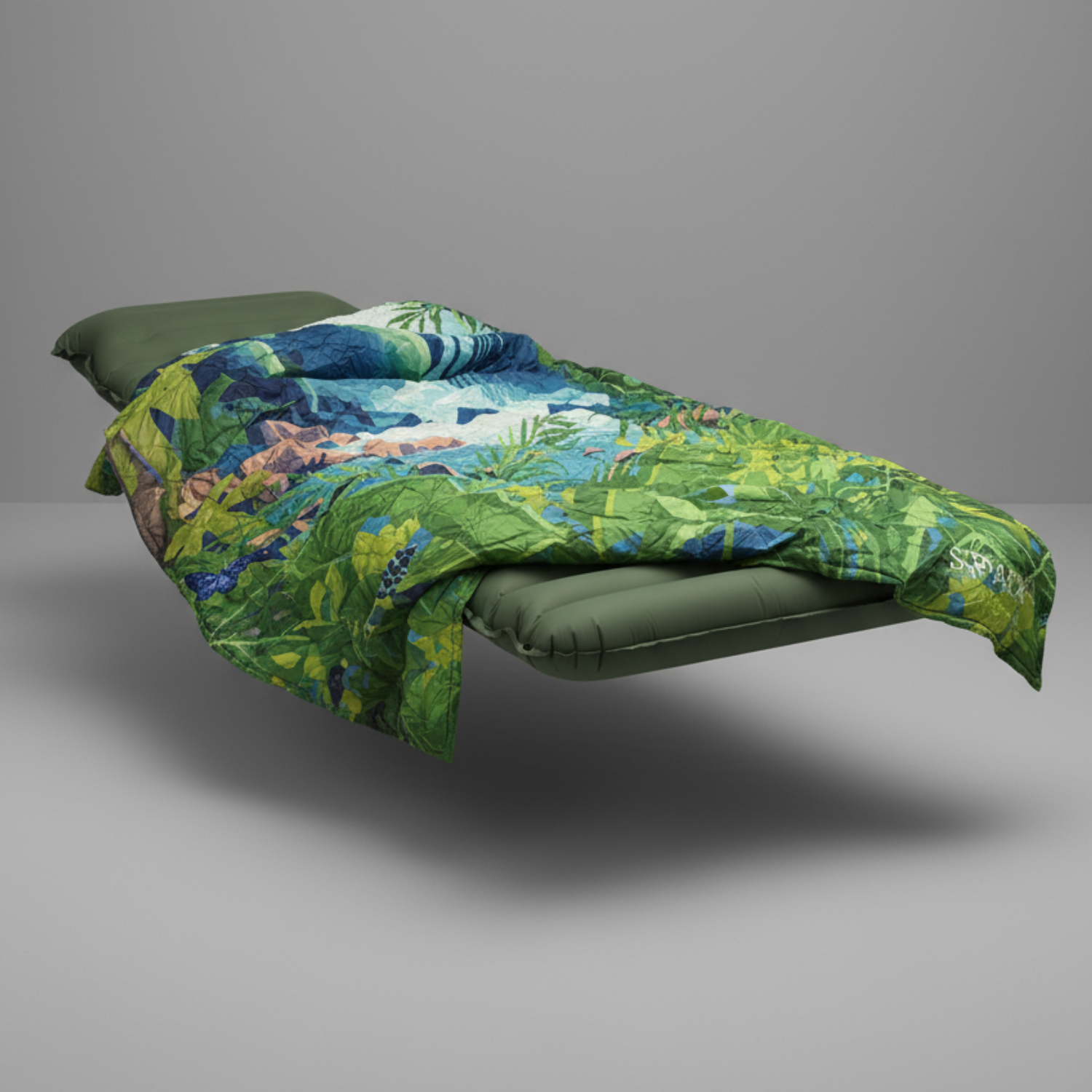
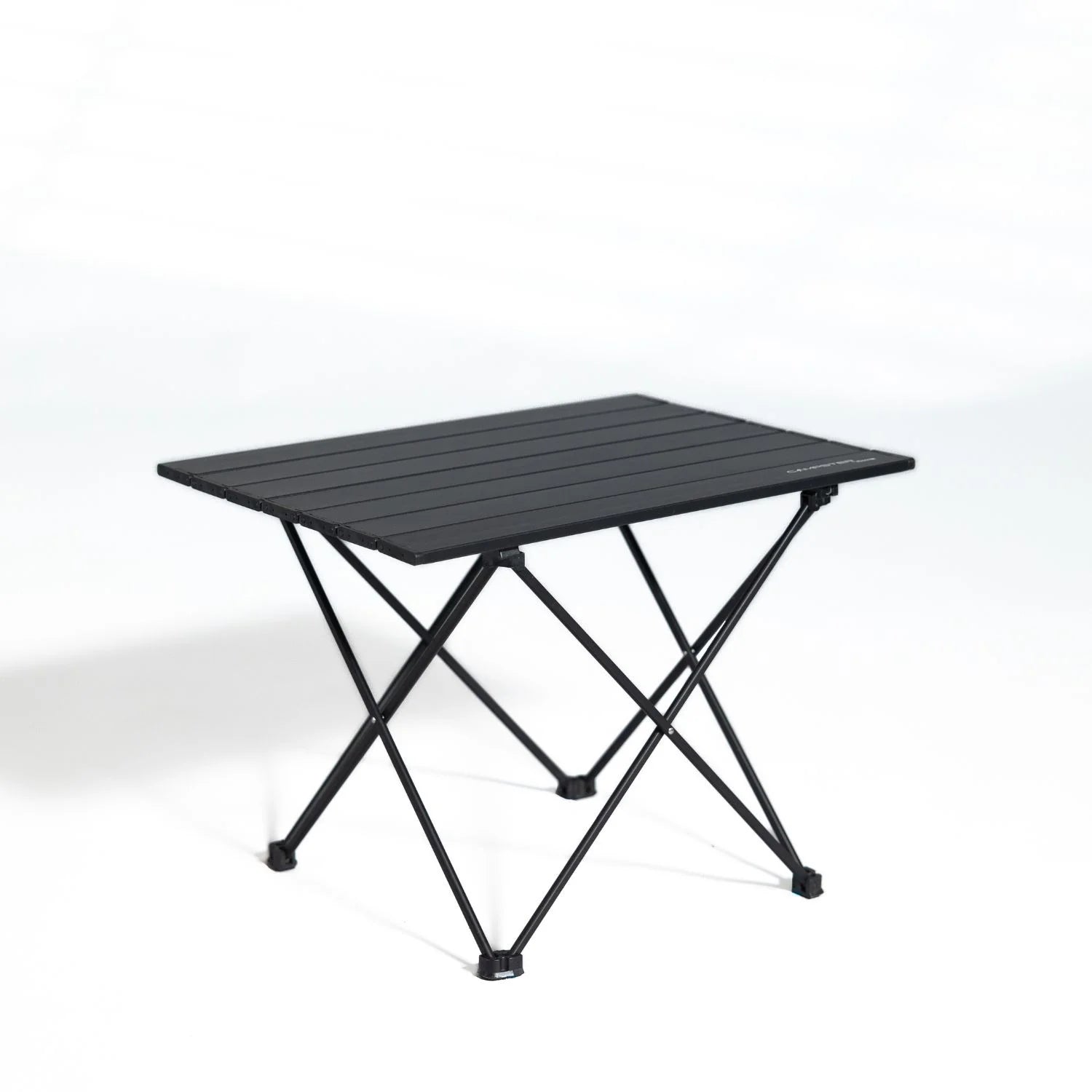
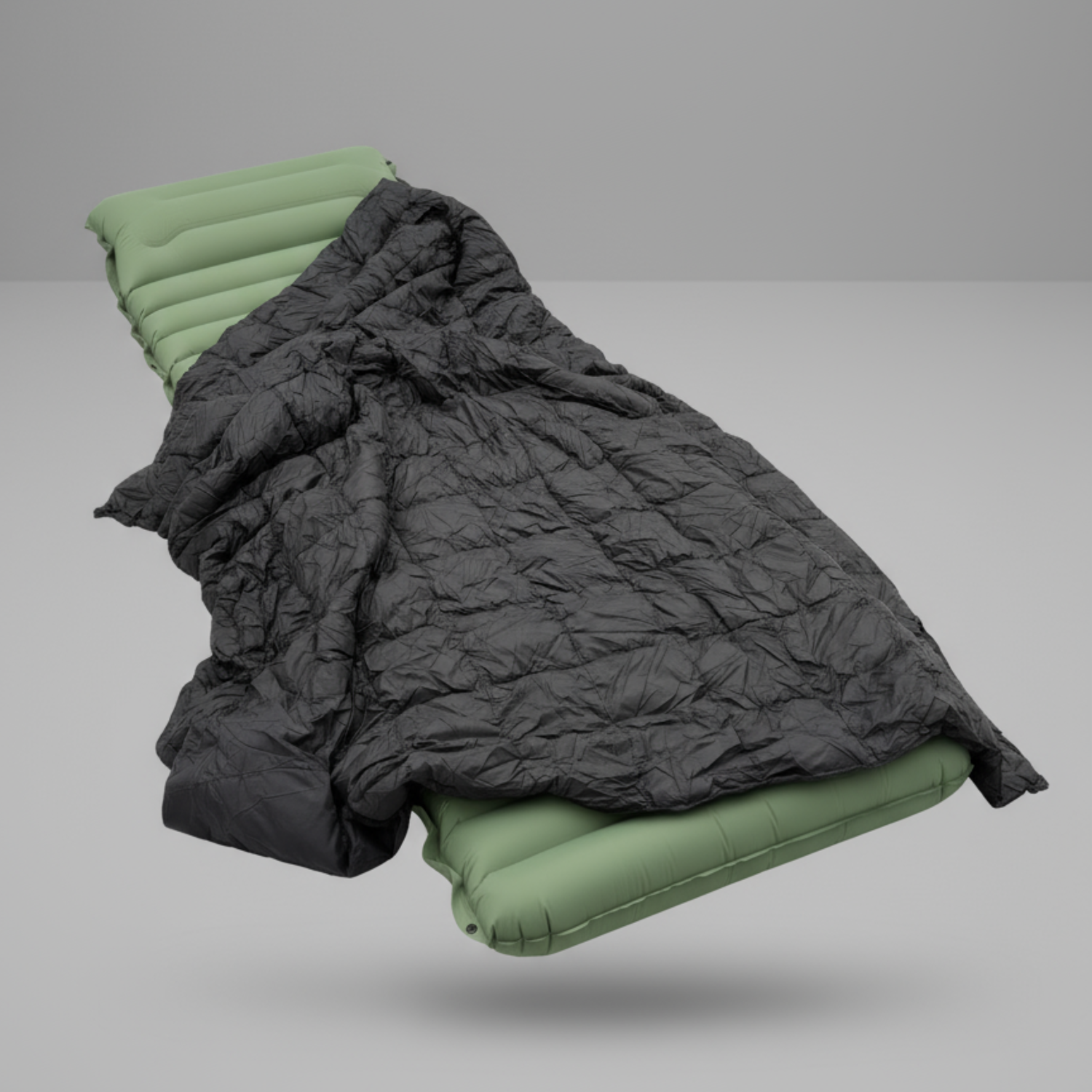
Beyond seating, Sitpack’s accessory range includes compact tables, seat warmers, thermal blankets, water bottles, and travel towels — all designed around the same packability-first logic. The packable furniture guide on their site is worth a read if you’re building out a full kit.
Packable accessories deliver the most value when mobility and friction reduction are your actual priorities — and the best ones solve two problems at once.
| Point | Details |
|---|---|
| Portability drives decisions | Packable gear lets you choose destinations based on desire, not what you can carry. |
| Multi-function beats single-use | Items that solve two friction points earn their weight; single-use novelties rarely do. |
| Durability and warranty matter | Quality packable gear outlasts cheap alternatives across dozens of trips. |
| Maintenance extends lifespan | Cleaning fabrics, lubricating zippers, and storing uncompressed preserves performance. |
| Sitpack for packable seating | Campster II and Sitpack Zen offer compact volume, fast setup, and a lifetime warranty. |
Here’s the opinion that most gear guides won’t say out loud: the majority of packable accessories people buy solve problems they don’t actually have. They buy a compression cube system for a two-night car camping trip where space was never the issue. They buy an ultra-light chair for a basecamp week where they’ll sit for six hours a day and regret every minute of it.
The preparation-first approach flips that. You identify the specific moment in your last trip where something annoyed you — the scramble to find your headlamp, the back pain from sitting on a log, the soaked towel that never dried — and you buy the smallest, most durable fix for that exact problem. One item per friction point. Nothing more.
My two rules when packing for any outdoor trip: if an item solves two friction points, it stays. If I haven’t reached for it by day two of a three-day trip, it gets cut from the next one. Try a one-bag approach for a short weekend trip and see what you actually miss. The answer is usually less than you expect.
If you’ve been hauling a bulky camp chair that takes up half your trunk, or skipping seating entirely because nothing light enough existed, Sitpack is worth a serious look. The Campster II and Sitpack Zen pack small enough to slip into a daypack, set up in seconds, and come backed by a lifetime warranty and a 45-day satisfaction guarantee — so you’re not gambling on a purchase.
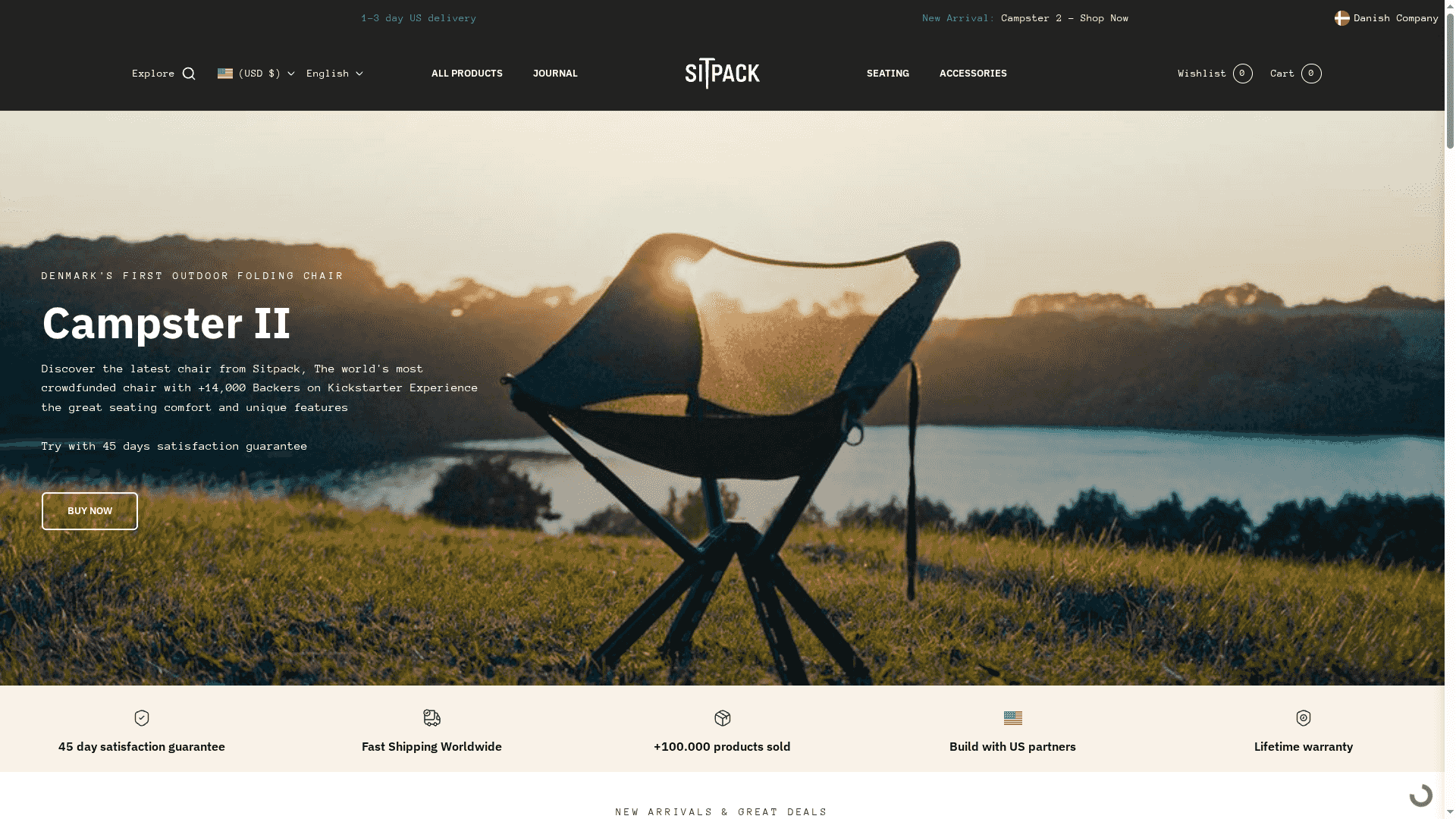
Sitpack ships internationally and carries a full range of travel-friendly accessories alongside its seating: compact tables, thermal blankets, quick-dry towels, and more. Every product is built around the same packability-first logic this article covers. Head to sitpack.com to see the full lineup and find the right fit for your next trip.