Cart
0
Sign up and get 10$ off your order
Expected delivery
1-3 days
You may also like


Danish Company

Every solid trip runs on six categories: a sleep system rated for real warmth, smart clothing layers, a menstrual and hygiene kit you’ve actually practiced with, safety and navigation basics, a comfort setup that includes real seating, and simple cooking and water gear. The rule that ties it together is this: prioritize warmth, hygiene, and fit before you worry about ounces. Sitpack has spent years thinking about portable comfort, and that lens shapes every recommendation below.
TL;DR:
- Use a sleeping bag rated 10 to 15 degrees Fahrenheit below the coldest expected night to ensure warmth, especially for women who feel cold more quickly.
- Pack moisture-wicking base layers, waterproof shells, and multiple socks to stay dry, warm, and prevent blisters during variable weather conditions.
- Carry a lightweight privacy tent and practice menstrual cup use beforehand to improve hygiene and privacy on solo or crowded camping trips.
- Select women’s-specific packs and footwear with proper fit and adjust gear for supported sitting, which greatly enhances comfort after long hikes.
- Prioritize heavy-usage gear, such as sleep systems, footwear, and packs, and opt for durable, comfort-oriented equipment over ultra-lightweight options when car camping.
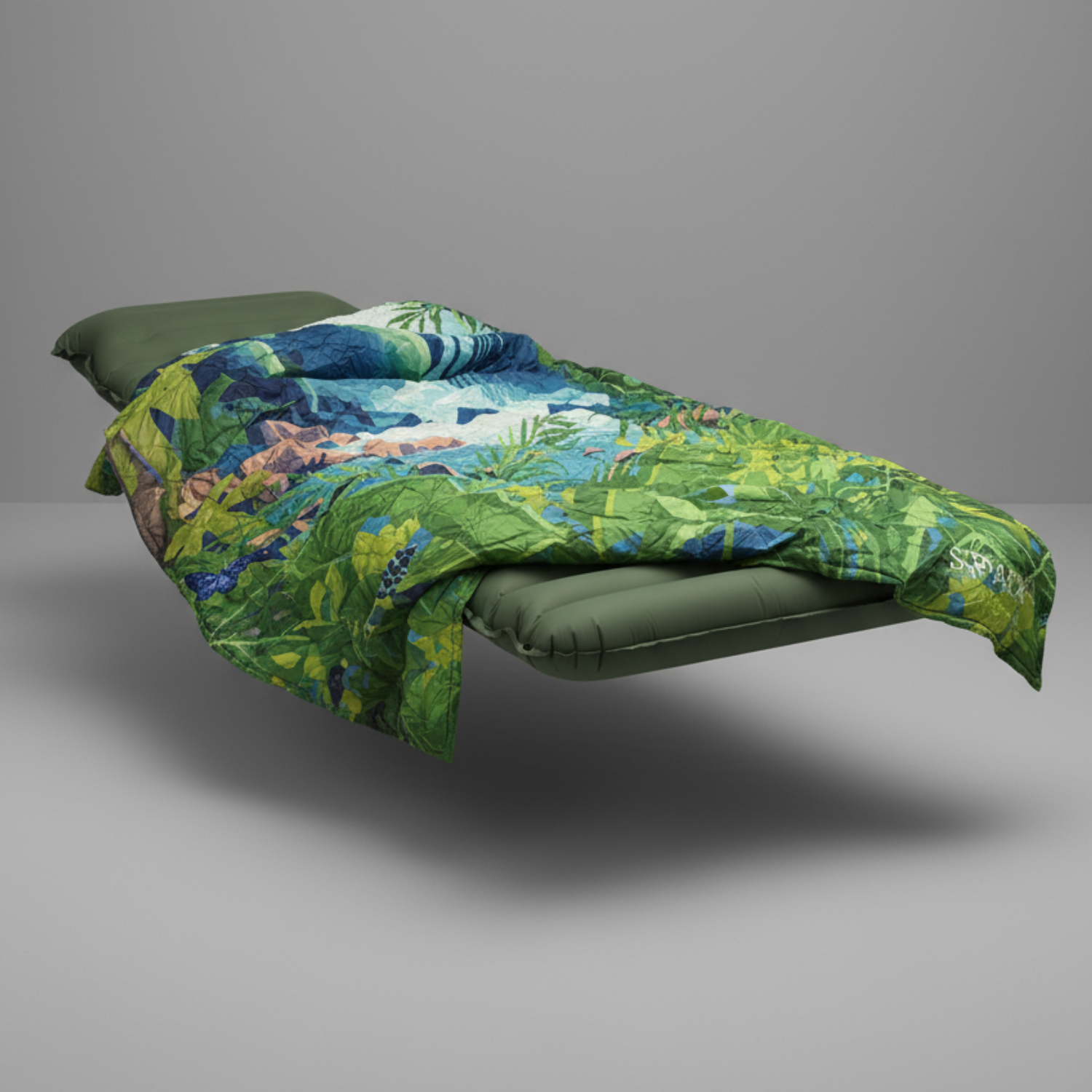
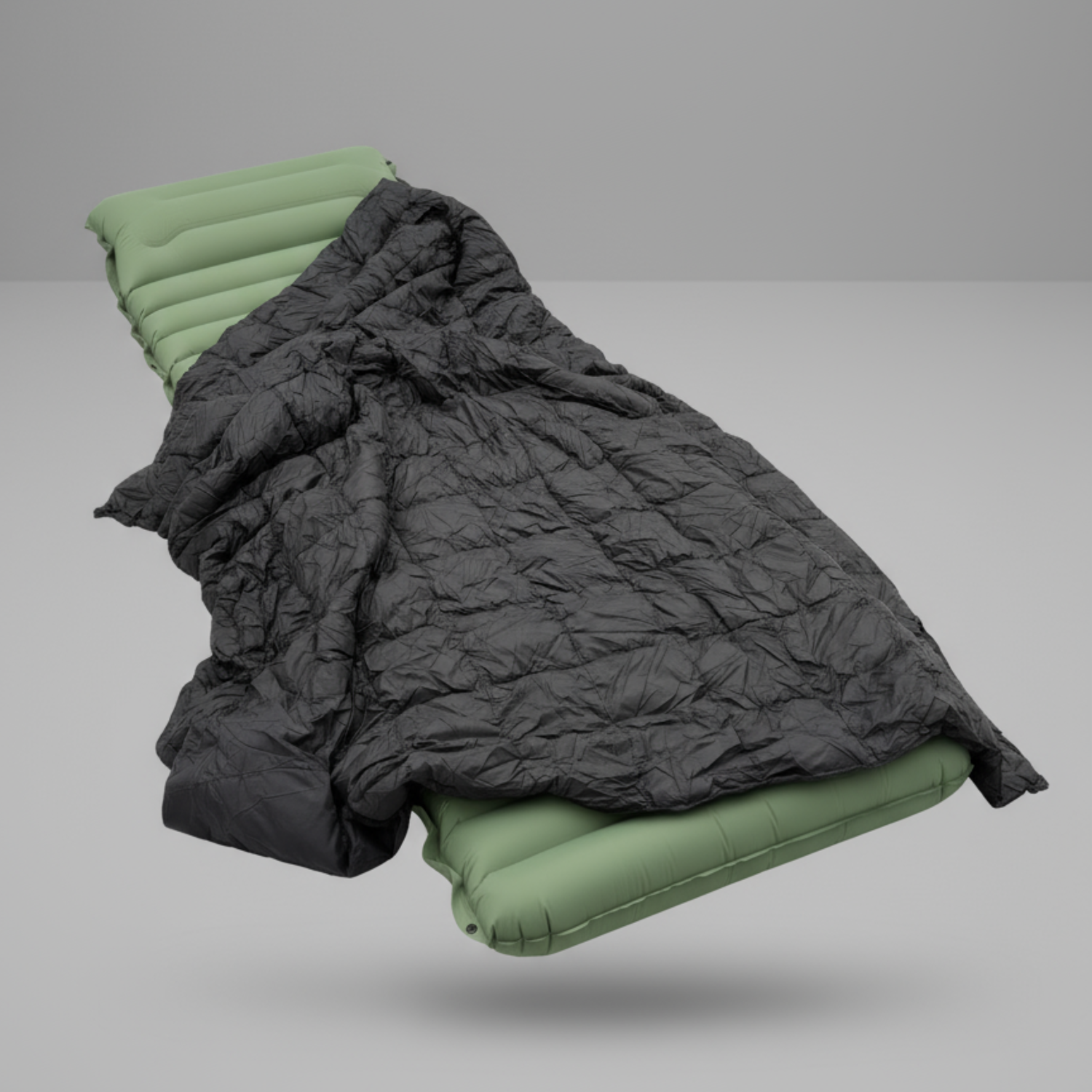
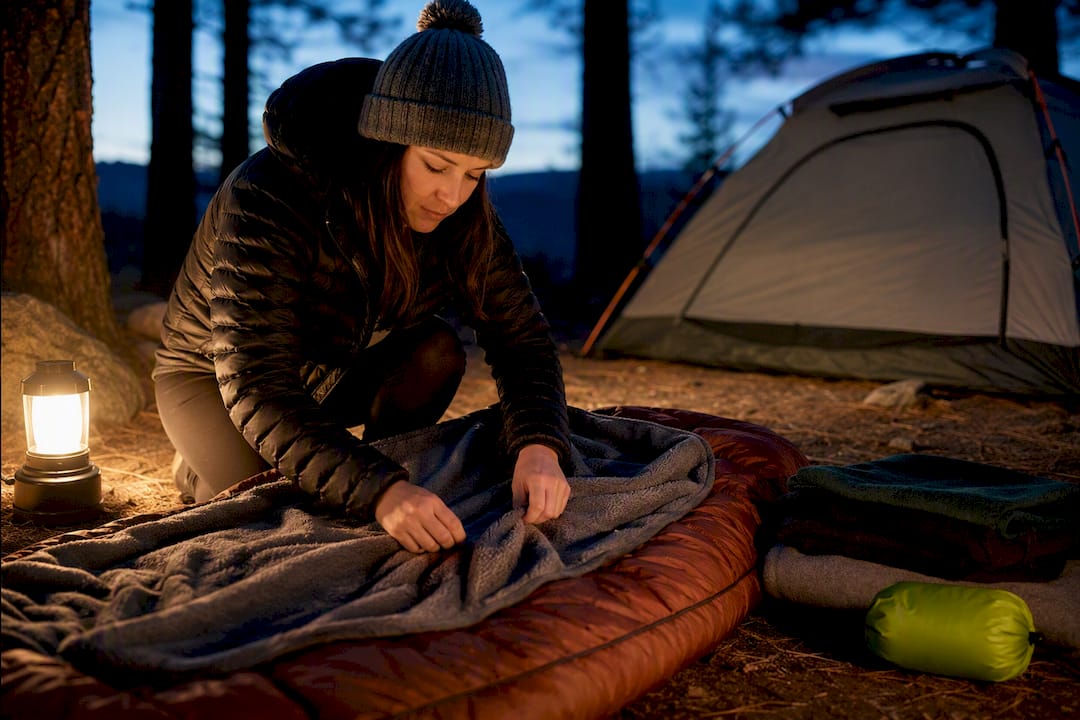
Cold nights ruin more trips than bad weather does, and women often feel that cold sooner. Sleep research on thermal regulation backs this up: women’s core temperatures and sleep patterns respond differently to nighttime cooler than men’s, which is why sleep experts note real sex differences in how temperature affects rest. The practical fix is simple. Buy a bag rated 10 to 15 degrees Fahrenheit below the coldest night you expect, or add a fleece liner to whatever bag you already own.
Sleeping pads matter just as much as the bag on top of them. The ground pulls heat out of your body faster than air does, and a pad’s R-value measures how well it blocks that transfer. For three-season car camping, aim for a moderate R-value to block ground heat transfer. When temperatures approach freezing, consider a higher R-value pad for adequate insulation.
Tent size deserves a second look too. A two-person tent with a vestibule gives you covered space for boots and packs, which keeps your sleeping area dry on drizzly mornings.
Pro Tip: Stuff your next day’s clothes into your sleeping bag’s foot box overnight. You get a warmer bag and pre-warmed clothes for the morning.
The Sitpack team’s ultimate camping gear checklist breaks down sleep gear alongside the rest of your kit if you want a fuller reference.
Cotton is the enemy of a good trip. It soaks up sweat and rain, then holds that moisture against your skin, which is exactly how a chilly evening turns miserable. Merino wool and synthetic base layers pull moisture away from your body instead, and merino has the added benefit of resisting odor over several wear days, which matters when laundry isn’t an option.
Build your layering system in three parts. A moisture-wicking base layer sits against your skin. A mid layer, whether fleece or a compressible puffy, traps warm air. A waterproof, breathable shell blocks wind and rain on top. You can add or strip layers as the day heats up or the wind picks up, without ever needing a bulky single coat.
Footwear needs a two-part plan. Broken-in hiking boots or trail shoes handle the terrain, while a pair of lightweight camp slip-ons let your feet breathe once you’re back at the site. Pack more socks than you think you’ll need, and choose wool or synthetic blends over cotton to cut down on blisters.
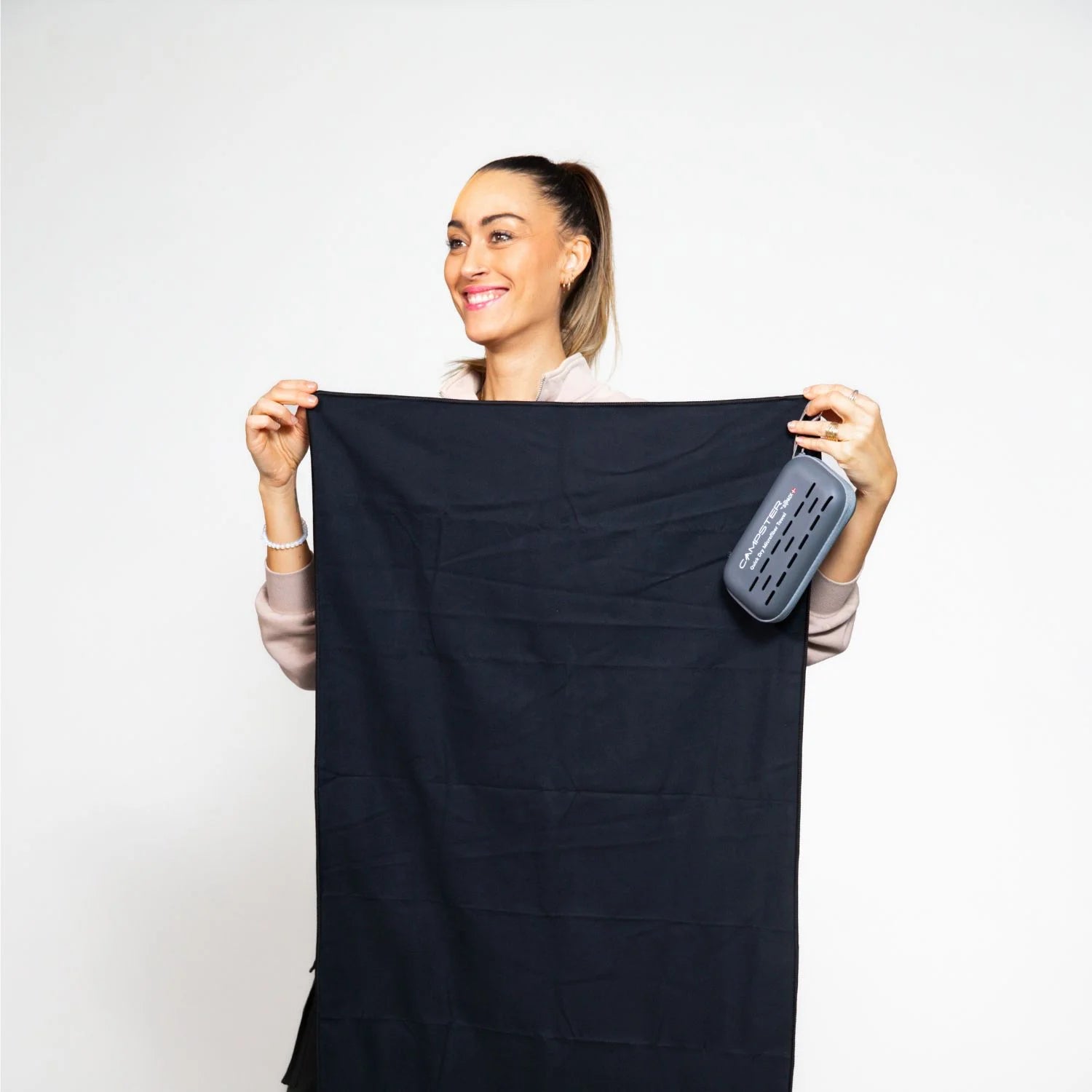
A minimal hygiene kit covers more ground than most women expect. Biodegradable soap, a small pack of wipes, dry shampoo, a compact microfiber towel, and a travel toothbrush handle the basics for a weekend without adding real weight to your pack. The Countryside Code’s guidance on responsible campsite conduct makes clear that biodegradable soap still needs to go in water at least 200 feet from any stream or lake, never straight into it.
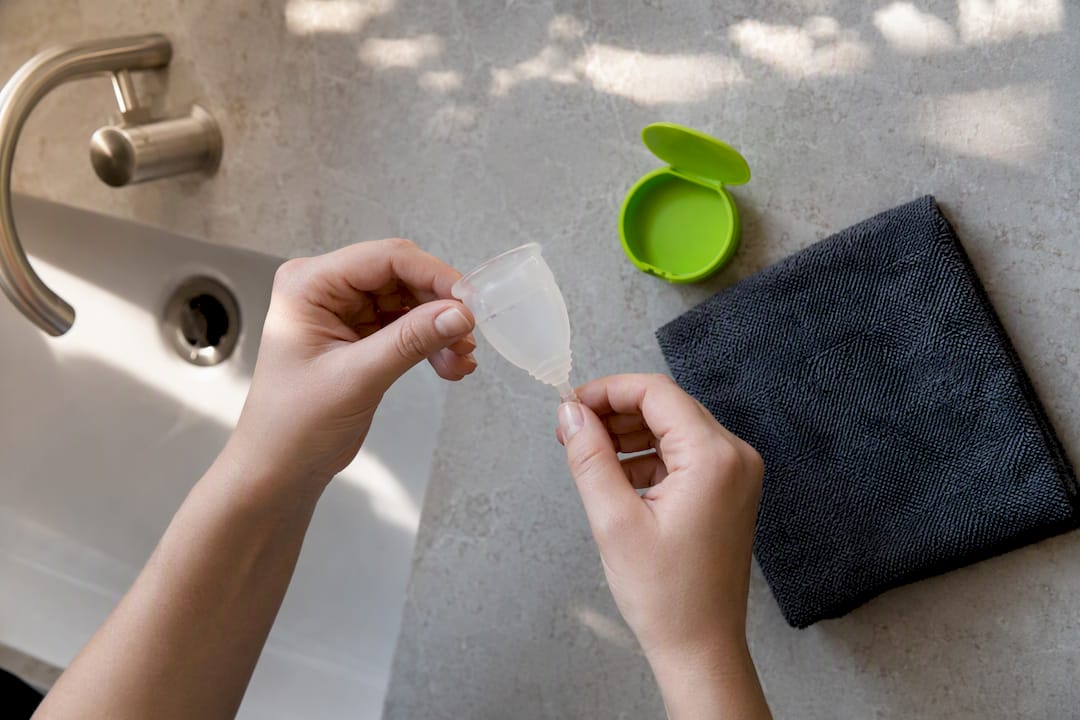
Menstrual care is where trip length changes the math. Here’s how the three main options stack up:
A practical middle ground pairs a cup with a pair of period underwear as backup, which cuts down on both waste and anxiety. Pack a small trowel for burying any organic waste according to Leave No Trace depth guidelines, and carry a dedicated zip pouch so these items stay separate from your food bag.
Pro Tip: Practice inserting and removing a menstrual cup at home for at least one full cycle before you rely on it in a tent with a headlamp.
A reliable headlamp is the single piece of gear that punches above its weight. Look for at least 200 lumens, a red-light mode that preserves night vision, and pack one spare battery set no matter how new the current ones are.
Countryfile’s solo-camping guidance points to a habit worth adopting even in a group: share your route and a check-in schedule with someone at home before you lose signal. Download offline maps ahead of time and carry a paper map and compass as backup, since phones fail at the worst moments.
A basic first-aid kit for women’s trips should go beyond the standard bandages and include blister treatment, antihistamines, pain relievers, and a backup menstrual supply tucked into the same pouch.
Roughly 35 percent of Americans get less sleep than recommended on a typical night, according to national health survey data cited by the Sleep Foundation, and unfamiliar outdoor noise or cold only makes that worse. Solid safety habits protect your rest as much as your physical security.
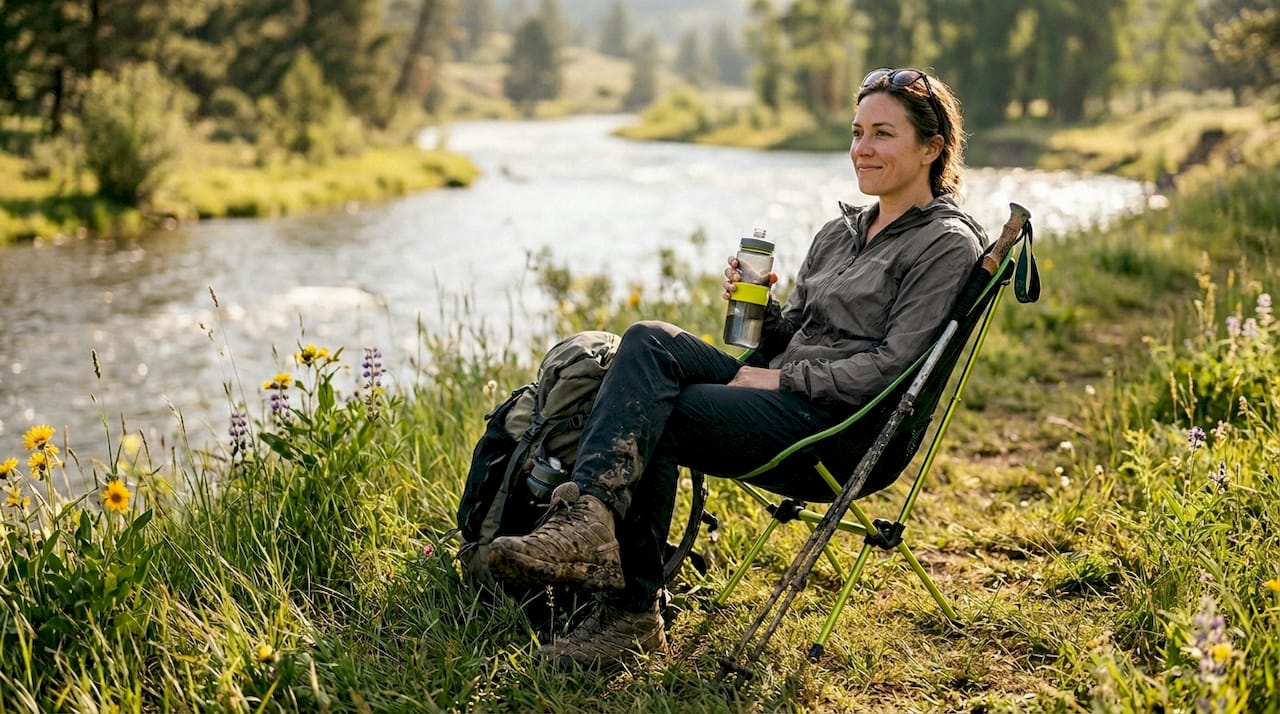
A flat rock or a fallen log will not save your lower back after six hours of hiking. Women’s Health’s roundup of comfort-focused gear points out that a small, supportive camp chair dramatically improves relaxation after a long day, and that comfort-to-weight payoff is exactly why seating deserves a real spot in your pack, not an afterthought.
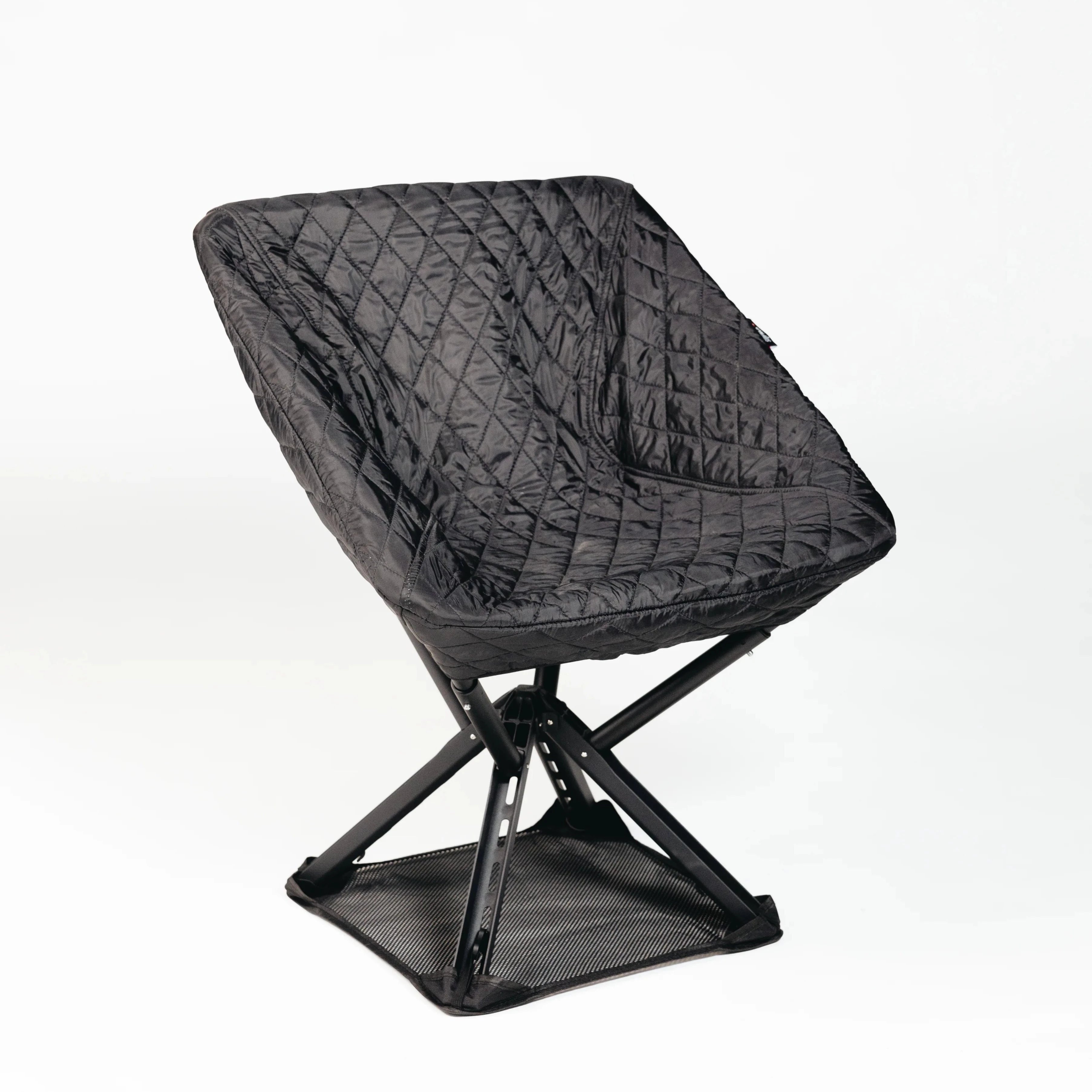
The tradeoff comes down to packability versus support. A folding stool weighs next to nothing but offers no back support for a long evening by the fire. A compact chair like Sitpack’s Zen or Campster II gives you real lumbar support in a footprint that still fits in a pack’s side pocket, which matters if you’re choosing between a rock and a proper seat at 9 p.m.
Pro Tip: Set your camp chair on level ground first, then adjust your feet, not the other way around. It saves your knees from an awkward angle all evening.
Sitpack’s own breakdown of camping accessories covers seat warmers and blankets that pair well with any compact chair setup.
A single pot and a compact canister stove handle almost every camp meal, from boiling water for oatmeal to simmering a one-pot pasta. Solo campers can go smaller with a one-liter pot, while groups benefit from a two-liter version that still packs down small.
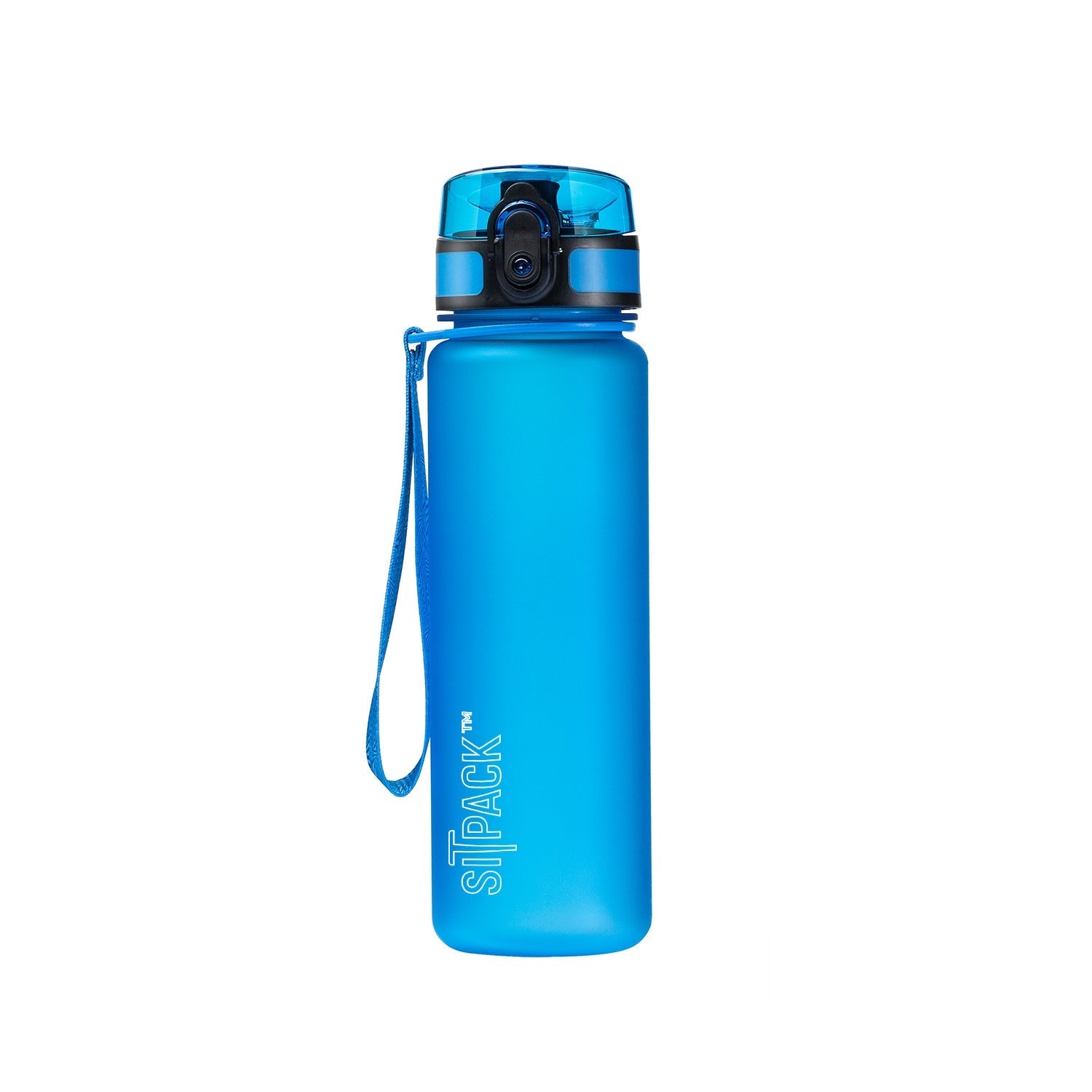
Water strategy starts with a baseline: aim for roughly 2 liters a day at minimum, more if you’re hiking hard or camping somewhere hot. A filter or purification tablets beat carrying bottled water on multi-day trips, and an insulated bottle keeps your water from turning warm and unpleasant by afternoon.
Wild Foodz’s guide to eating well while traveling has useful ideas for keeping campsite meals both simple and nutritious, which translates directly to a one-pot camp kitchen.
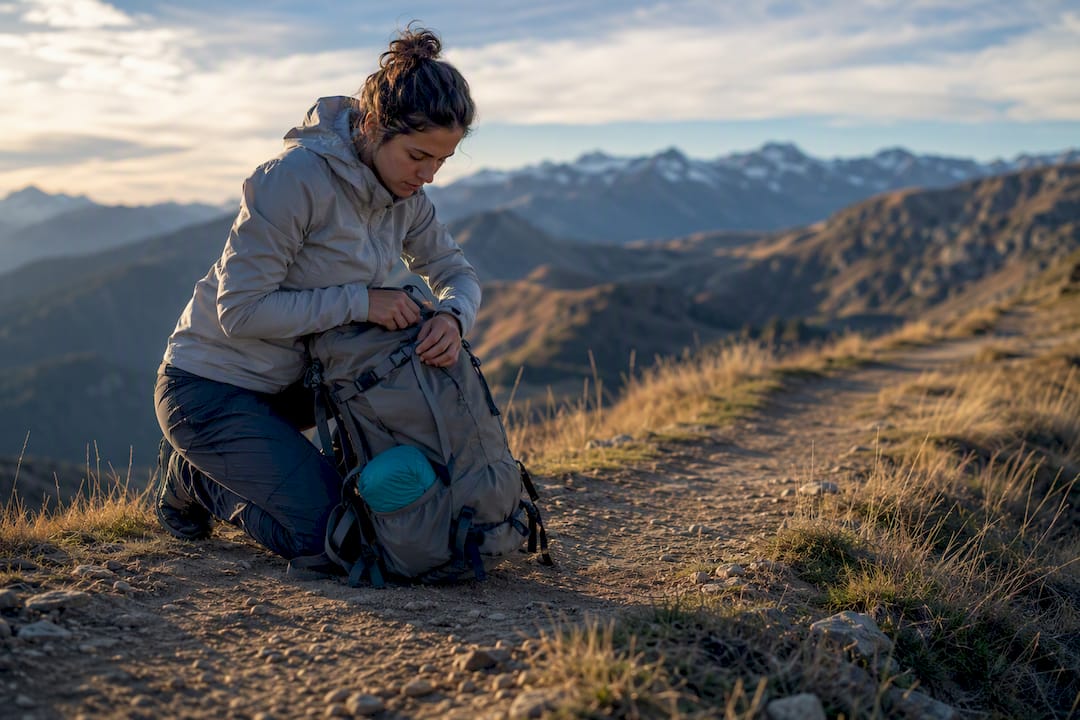
Packing order matters as much as what you bring. Items you’ll need most often, like snacks and rain gear, belong near the top or in outer pockets. Heavier gear goes closest to your back and centered between your shoulder blades, which keeps your center of gravity stable on uneven trails.
Sitpack’s guide on packing light without losing comfort walks through this same frequency-based approach in more depth.
Trip length changes what earns a spot in your pack. A weekend at a car-camping site can carry a few comfort extras that a four-day backcountry trip simply cannot afford in weight.
| Category | Weekend car camping | 2 to 4 day backpacking |
|---|---|---|
| Sleep | Bag plus pad, extra blanket | Bag rated for lows, liner for weight-free warmth |
| Seating | Full-support camp chair | Compact stool or lightweight chair |
| Hygiene | Full toiletry kit, extra towel | Minimal kit, cup plus backup underwear |
| Water | Multiple bottles or jug | Filter plus 2 liter capacity |
| Power | Power bank, spare batteries | Single power bank sized for the trip length |
Hygiene on the trail goes beyond your period kit. Dirt, sweat, and sunscreen build up fast, and a small routine keeps skin comfortable without hauling a full bathroom cabinet into the woods.
A gentle, fragrance-free cleanser or biodegradable soap handles daily grime without irritating skin already stressed by sun and wind. Feminine wipes, distinct from standard baby wipes, are formulated for a more sensitive pH balance and work well for a quick freshen-up between water sources. Pack a small tube of unscented moisturizer too. Wind and dry air pull moisture out of skin faster at elevation than most people expect.
Privacy is a real practical concern, not just a comfort preference. A lightweight pop-up privacy tent gives you a private space to change, use wipes, or handle menstrual care away from a shared campsite or crowded trailhead. These tents fold down to roughly the size of a large water bottle and set up in under a minute, which makes them worth the small extra weight on any trip where you’re camping near other groups.
Keep a separate small pouch for these items so they don’t mix with food or cookware. A dedicated color of stuff sack makes it easy to grab in low light without digging through your whole pack.
Gear built to men’s average proportions often fails women in three spots: pack torso length, hip belt width, and boot volume. A pack that fits a man’s longer torso will ride too low on a shorter torso, shifting weight onto your shoulders instead of your hips, which is where most of the load should sit.
Several outdoor brands now build women’s-specific packs with a shorter torso range and a curved hip belt shaped for wider hip-to-waist ratios. Try a pack loaded with actual weight, not empty, before buying, since fit changes completely under load.
Boots deserve the same scrutiny. Women’s boots typically run in a narrower heel and lower volume than men’s boots in the same size, which reduces the heel slip that causes most blisters. If your feet run wide, some brands offer a men’s version in a smaller size rather than forcing a narrow women’s fit.
Clothing sizing varies wildly between outdoor brands, so check a size chart for hip and shoulder measurements rather than assuming your usual retail size carries over. A base layer that’s too tight restricts the airflow it’s supposed to provide, while one that’s too loose bunches under a pack strap and causes chafing over a long day.
Ultralight gear costs more per ounce saved, and that tradeoff is worth understanding before you spend on it. A premium down sleeping bag might shave a full pound off a budget synthetic bag but cost two to three times as much. That math makes sense for a backpacker carrying everything on her back for four days. It makes far less sense for a car camper who’s setting up ten feet from the trunk.
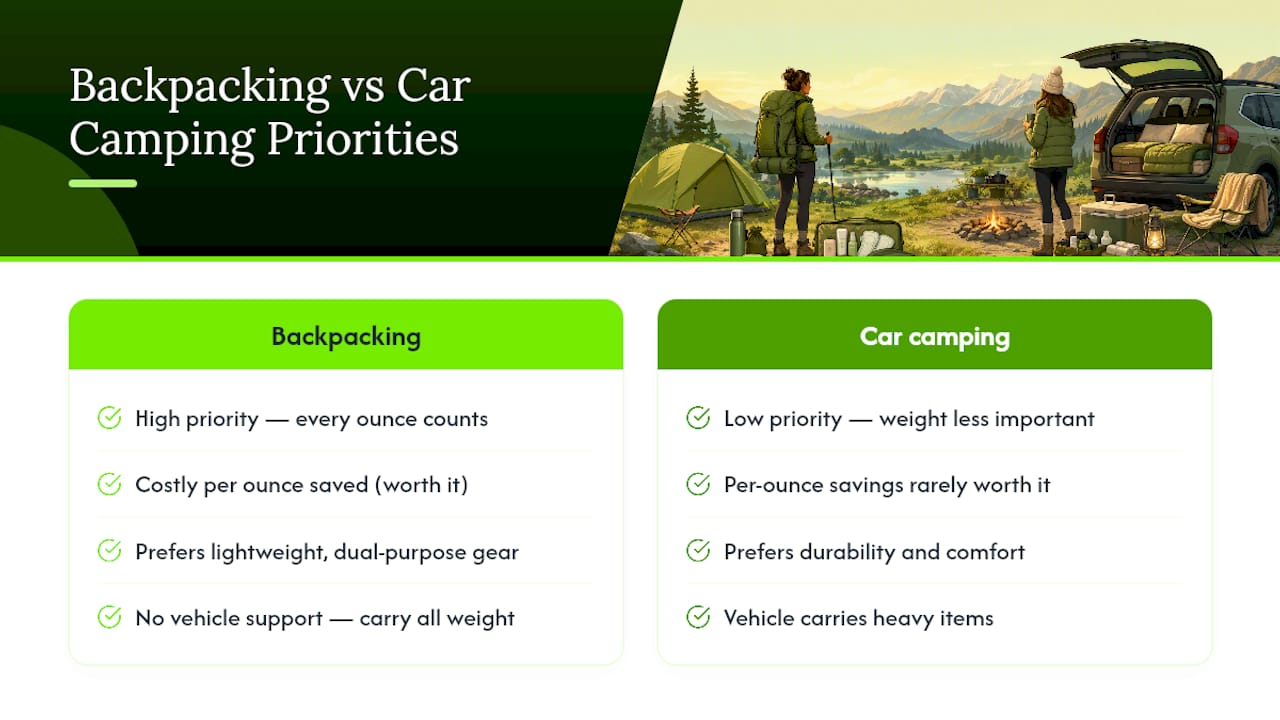
Car camping rewards durability and comfort over grams. A heavier canvas tent, a full-support chair, and a two-burner stove all make sense when a vehicle carries the weight instead of your spine. Backpacking flips that priority entirely: every item earns its spot by weight, and dual-purpose gear, like a puffy jacket that also works as a pillow, becomes valuable specifically because it saves you from packing two things.
A practical rule: spend your gear budget on the three items your body touches most, your sleep system, your footwear, and your pack, and save money on items you’ll use rarely. Renting specialty gear for a single trip, like a bear canister or a four-season tent, often beats buying something that sits in a closet the other 50 weeks of the year.
Meal planning for camping works best when you plan backward from your stove, not forward from a recipe. A single canister stove with one pot handles the vast majority of camp meals, from a one-pot pasta to reheated pre-cooked grains, without demanding a full kitchen’s worth of gear.
Pre-portioning meals into individual bags at home cuts prep time at camp and reduces the food waste that attracts animals to a site. Dehydrated meals work well for backpacking specifically because they’re light and require only boiling water, while car camping opens up room for fresh vegetables, eggs, and a cooler.
Protein matters more on active trips than most packing lists mention. Nut butter, jerky, and dehydrated beans travel well and don’t need refrigeration, which makes them dependable staples for multi-day trips where a cooler isn’t practical.
A hydration pack and a hard-sided bottle solve different problems, and most trips benefit from carrying both rather than choosing one. A hydration pack’s hose lets you sip water while hiking without stopping to unclip a bottle, which matters most on hot, steady climbs where dehydration creeps up gradually. A hard bottle, on the other hand, is easier to gauge at a glance for exactly how much you have left, and it won’t develop the mildew smell a hydration bladder can pick up if it isn’t dried out properly between trips.
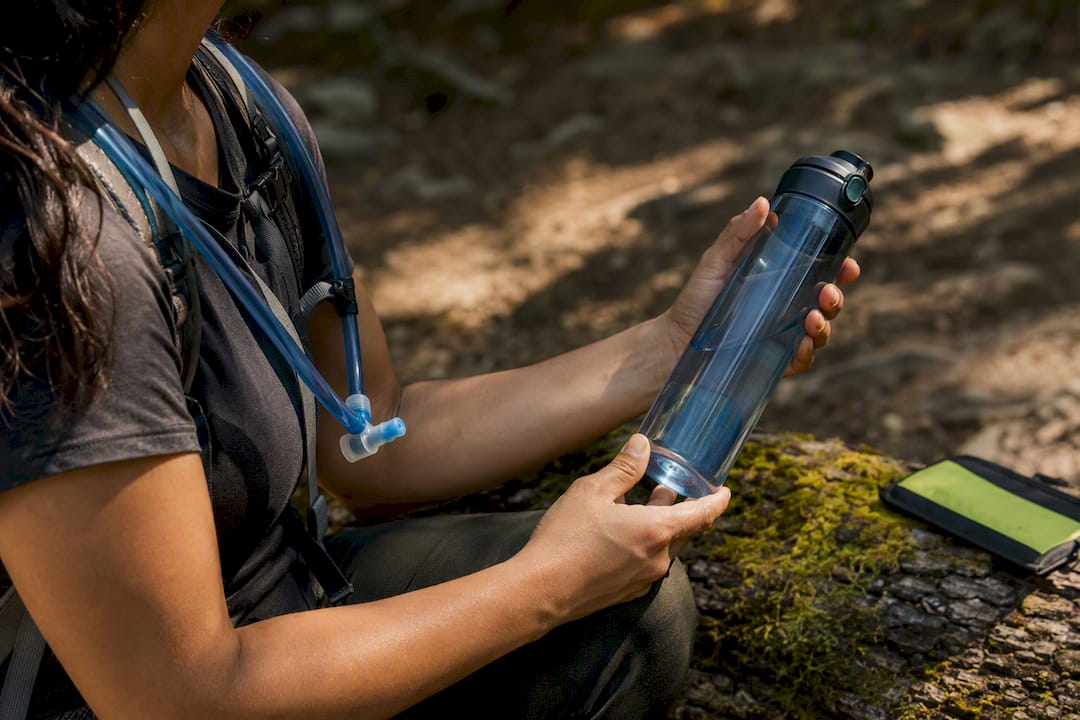
A baseline of roughly 2 liters a day covers moderate activity in mild weather, but that number climbs fast with heat, elevation, or a heavier pack. Hot afternoon hikes or high-altitude trips can push real needs well past that baseline, so treat 2 liters as a floor, not a target.
An insulated bottle keeps water cooler through a hot afternoon and prevents the plastic taste that a cheap bottle picks up after a few uses. For multi-day trips, pair a filter or purification tablets with your hydration setup so you’re not carrying every liter you’ll need for the full trip on your back from day one.
Most packing lists treat a camp chair as an afterthought, something you grab if there’s room left in the trunk. That’s backward. Where and how you sit for hours each evening affects your posture, your sleep quality that night, and how sore you feel the next morning on trail.
Seat height matters more than most campers realize. A seat that sits too low forces your knees above your hips, which strains your lower back over a long evening. I’d rather see a camper carry one well-designed compact seat than three cheap folding chairs that all fail the same way after a season.
Modular comfort accessories, like a seat warmer or a clip-on lumbar cushion, extend what a single chair can do across very different conditions, from a chilly fall evening to a hot afternoon by a lake.
A simple seat-setup checklist: find level ground first, check that your knees sit level with or slightly below your hips when seated, and add a cushion or blanket if you’re settling in for more than an hour. Small adjustments like these separate a chair you tolerate from one you actually look forward to using.
— Jonas
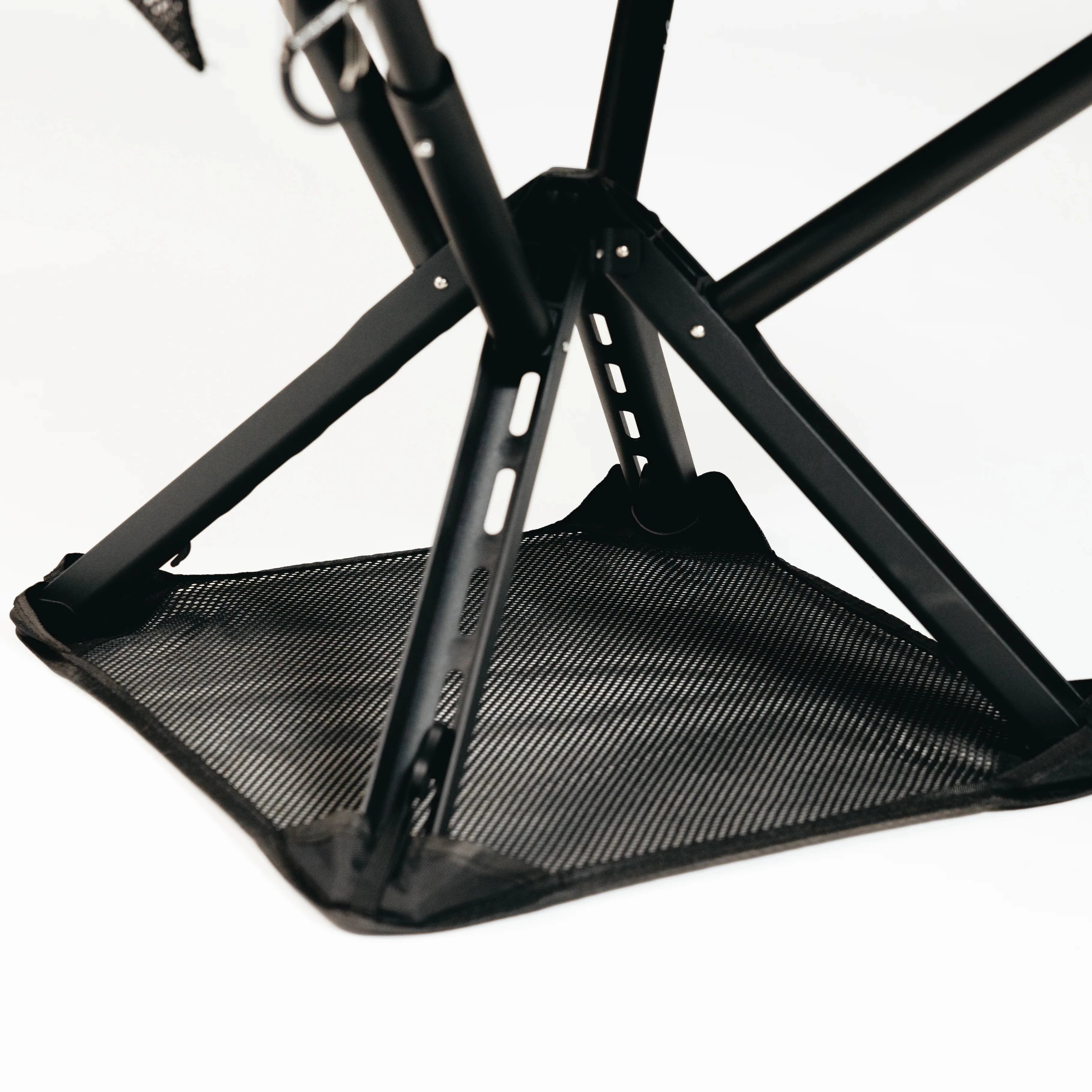
Sitpack builds portable, foldable seating specifically for the moments this guide keeps coming back to: the end of a long hiking day when your back needs real support, not a log or a flat rock. The Campster II and Sitpack Zen fold down small enough to clip onto a pack yet unfold into a seat offering lumbar support and packability.
If the tradeoffs between packability and support in the comfort section above resonated with you, that’s exactly the gap Sitpack’s chairs and accessories are built to close, from seat warmers for cold mornings to thermal blankets for chilly evenings by the fire. Browse the current chair lineup and accessories at Sitpack’s website and compare models against your own trip style, whether that’s solo backpacking or weekend car camping with a group.
The Countryside Code covers Leave No Trace practices and safe water and fire use for any UK countryside trip. The Sleep Foundation’s research on sex differences in sleep explains why many women need warmer-rated sleep systems. Countryfile’s solo-camping guide offers practical safety habits for camping alone, and Women’s Health’s camping essentials roundup rounds out comfort-item recommendations with current product examples.