Cart
0
Sign up and get 10$ off your order
Expected delivery
1-3 days
You may also like
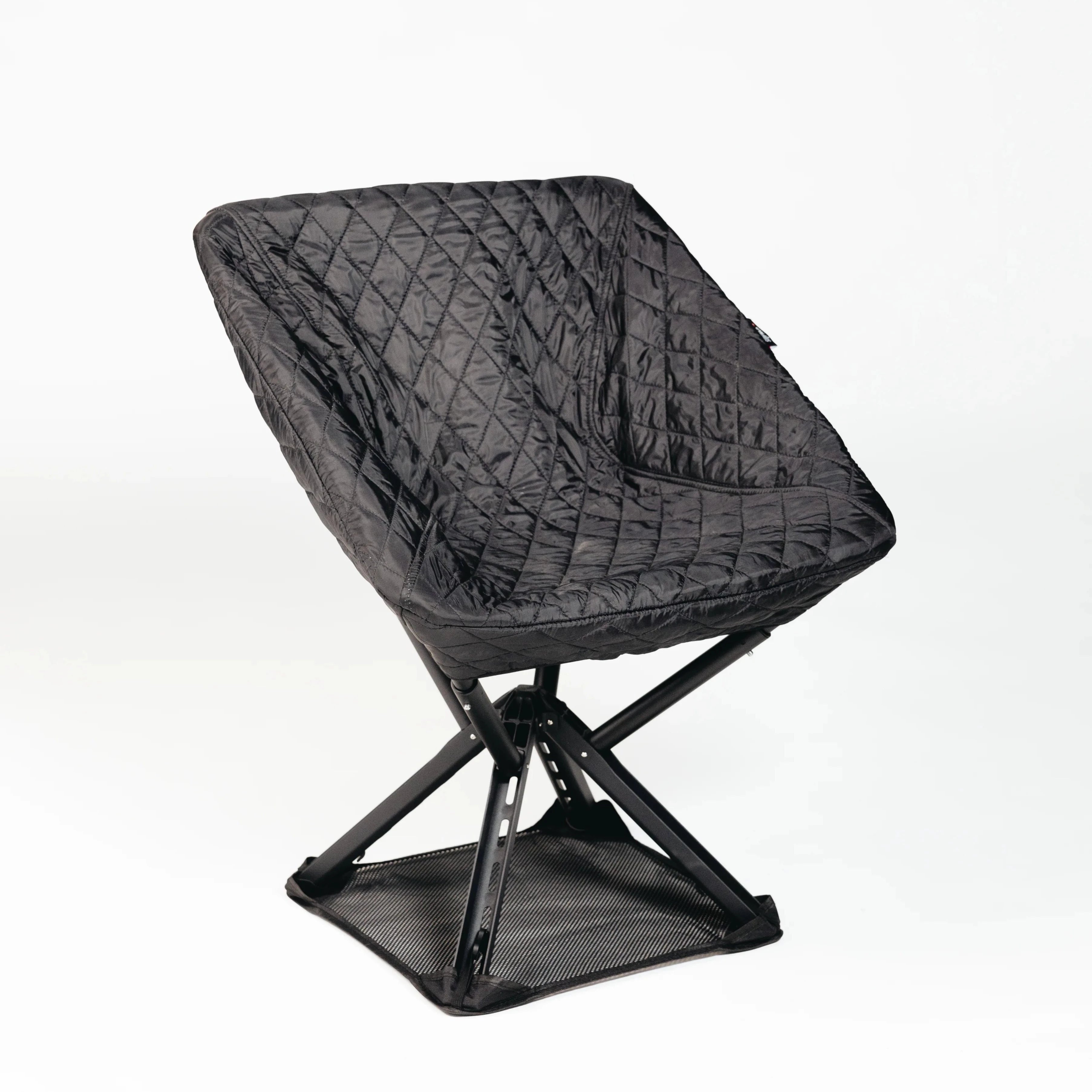
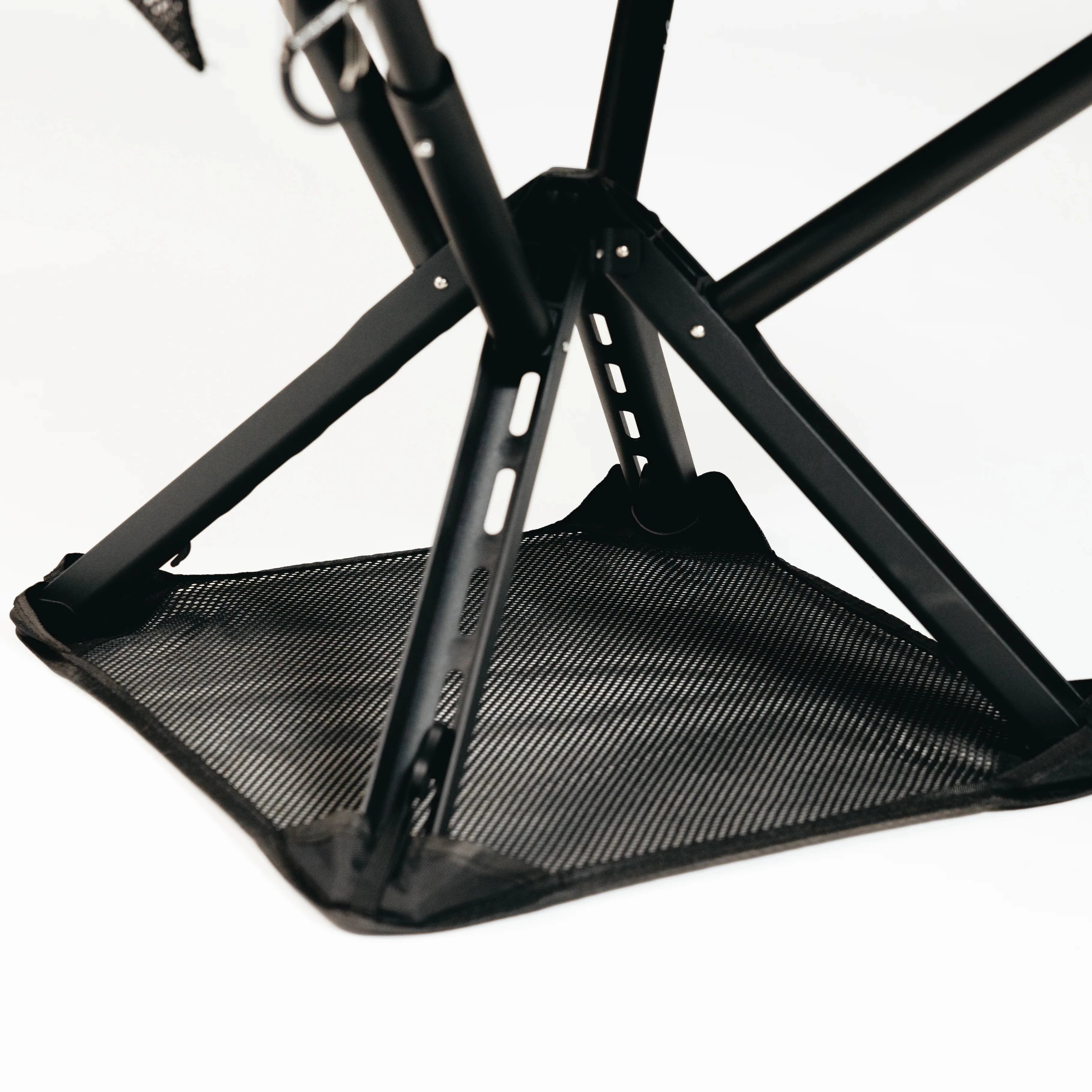


Danish Company


Long hours spent trekking mountain trails or relaxing beside a serene lake can quickly reveal the real value of seat comfort during outdoor adventures. For active explorers and eco-conscious travelers, finding the right portable seat is more than a luxury. Research shows seat design influences not just physical posture but also relaxation and well-being, measured through the body’s nervous system responses. This guide explains how modern seating solutions shape your outdoor experiences, help prevent fatigue, and support a sustainable approach to travel.
| Point | Details |
|---|---|
| Understanding Seat Comfort | Seat comfort significantly affects physical and psychological well-being during prolonged sitting, influenced by ergonomic and material design. |
| Importance of Ergonomic Design | Ergonomic features in seating reduce fatigue and promote long-term health, adapting to individual body mechanics and age. |
| Benefits of Outdoor Activities | Engaging in outdoor activities improves cardiovascular health, reduces stress, and enhances mood, contributing to overall wellness. |
| Material Selection for Durability | Choosing the right materials enhances outdoor seating performance, ensuring resilience against weather conditions and usability over time. |
Seat comfort represents a critical element of human interaction with physical environments, directly impacting our physiological and psychological well-being during extended periods of sitting. Far beyond simple cushioning, seat comfort involves complex interactions between body mechanics, material design, and ergonomic principles that determine how comfortable and supported we feel.
Research highlights the profound significance of seating design, with studies demonstrating that seat parameters dramatically influence relaxation and health. The human body responds uniquely to different seating configurations, experiencing measurable changes in nervous system activity and physical stress levels. These responses are not merely subjective experiences but quantifiable physiological reactions.
Key components that contribute to exceptional seat comfort include:
Seating comfort research consistently reveals that prolonged sitting can lead to discomfort, pain, and reduced efficiency when seats fail to meet fundamental biomechanical needs. The quality of a seat directly correlates with an individual’s physical status, making thoughtful design crucial for preventing long-term health issues.
Understanding seat comfort requires recognizing it as a multidimensional experience that goes beyond mere physical support. It encompasses psychological comfort, sensory perception, and the body’s intricate biomechanical responses to different seating environments.
Pro tip: When evaluating seat comfort, pay attention to how your body feels after extended periods of sitting, not just initial impressions of softness or support.
Outdoor seating has evolved far beyond simple functional solutions, transforming into sophisticated designs that address complex user needs. Modern seating solutions are engineered to balance aesthetic appeal, comfort, durability, and social interaction across diverse environmental contexts.
Outdoor seating design research reveals that successful implementations consider multiple critical factors beyond basic physical support. These designs must simultaneously address sensory experiences, functional requirements, and emotional responses of users in public and recreational spaces.
Popular outdoor seating designs include:
Seating selections significantly influence social interactions in parks, recreation areas, and public spaces. Strategic design choices can encourage longer stays, promote social engagement, and create more inclusive environments that accommodate diverse user needs.
Understanding these design principles helps create outdoor spaces that are not just functional but genuinely inviting and comfortable for various user groups.
Pro tip: When selecting outdoor seating, prioritize versatility and adaptability to accommodate different user preferences and environmental conditions.
Ergonomics represents the scientific discipline of designing products that maximize human comfort, efficiency, and safety. In the realm of seating, this means creating solutions that harmonize perfectly with human body mechanics, reducing physical strain and promoting long-term well-being.
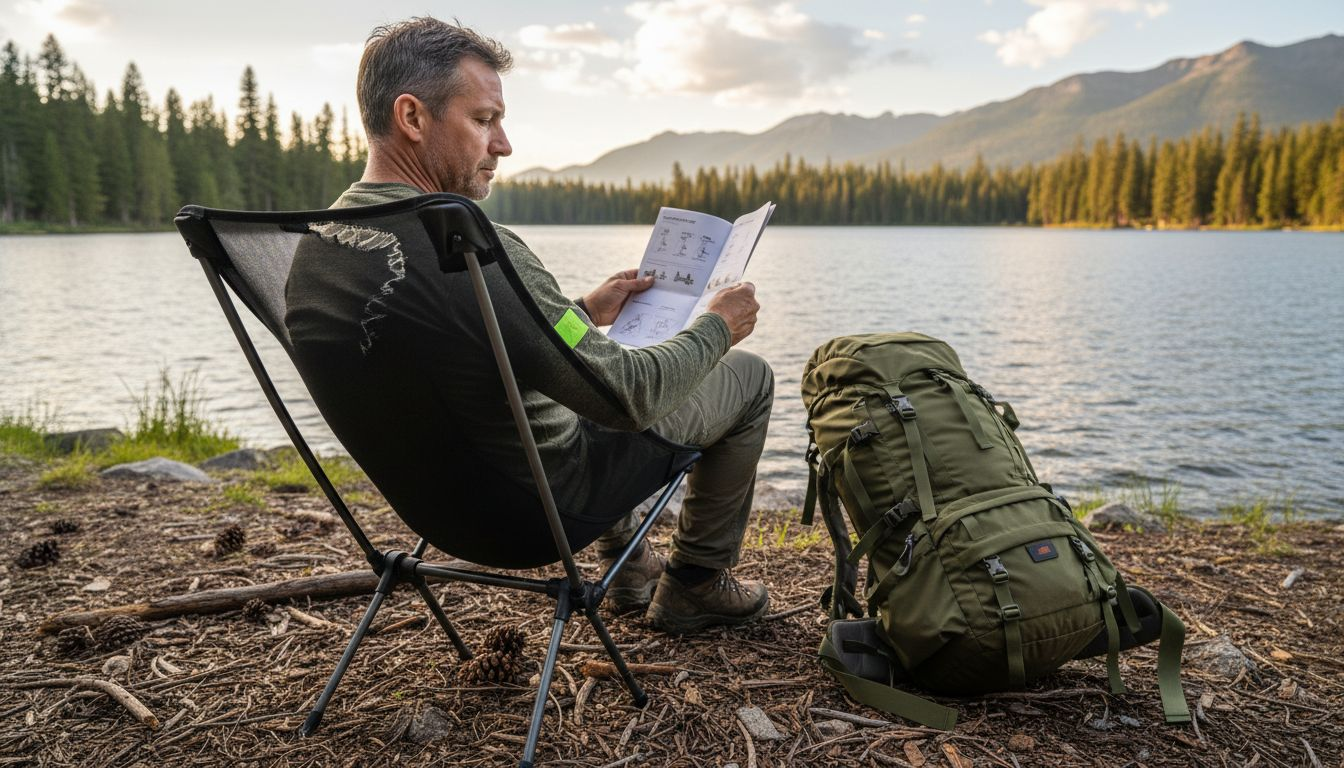
Biomechanical research in furniture design demonstrates that effective ergonomic solutions integrate complex mechanical analysis with human-centered engineering principles. These sophisticated approaches transform seating from mere functional objects into intelligent systems that actively support user health.
Key ergonomic features that define comfortable seats include:
Specialized seating design for seniors highlights the importance of anthropometric considerations, demonstrating how precise measurements and user-specific adaptations can dramatically enhance comfort across different age groups and physical capabilities.
The ultimate goal of ergonomic seat design transcends immediate comfort, aiming to prevent long-term health issues, reduce physical fatigue, and create supportive environments that adapt to individual user needs.
Pro tip: When assessing seat ergonomics, pay attention to how your body feels after extended use, not just initial impressions of comfort.
Compare these key differences between ergonomic and non-ergonomic seat designs:
| Aspect | Ergonomic Seats | Standard Seats |
|---|---|---|
| Support Quality | Targeted lumbar and contouring | Generic, flat support |
| Adjustability | Customizable height, depth | Fixed size and shape |
| Health Impact | Reduces fatigue and discomfort | May cause posture issues |
| User Adaptation | Adapts to body, age group | One-size-fits-all |
Outdoor adventures represent far more than simple recreational activities. They are powerful catalysts for comprehensive physical, mental, and emotional wellness, offering transformative experiences that extend well beyond traditional exercise or leisure pursuits.
Camping studies demonstrate substantial health improvements for participants, revealing significant positive impacts across multiple dimensions of personal well-being. These benefits range from enhanced cardiovascular performance to remarkable psychological resilience and stress reduction.
Key health benefits for campers and travelers include:
Outdoor hiking provides comprehensive health advantages by supporting holistic well-being through immersive natural experiences. These activities not only challenge physical capabilities but also provide profound psychological restoration, helping individuals reconnect with themselves and their environment.
The combination of physical movement, natural surroundings, and purposeful exploration creates a powerful wellness ecosystem that traditional indoor environments cannot replicate.
Pro tip: Plan outdoor activities that challenge you physically while allowing moments of peaceful reflection to maximize health benefits.
Selecting the right materials for outdoor seating is a complex science that balances performance, sustainability, and long-term resilience. The ideal material must withstand diverse environmental challenges while maintaining aesthetic appeal and structural integrity across multiple use scenarios.
Wood material research highlights critical considerations for outdoor furniture design, emphasizing the importance of selecting materials that can endure extreme weather conditions, temperature variations, and consistent physical stress.
Key durability factors for outdoor seating materials include:
Material selection involves a careful evaluation of performance characteristics, including thermal properties, weight distribution, flexibility, and environmental impact. Advanced engineering techniques now enable the development of composite materials that combine multiple desirable characteristics, creating seating solutions that exceed traditional design limitations.
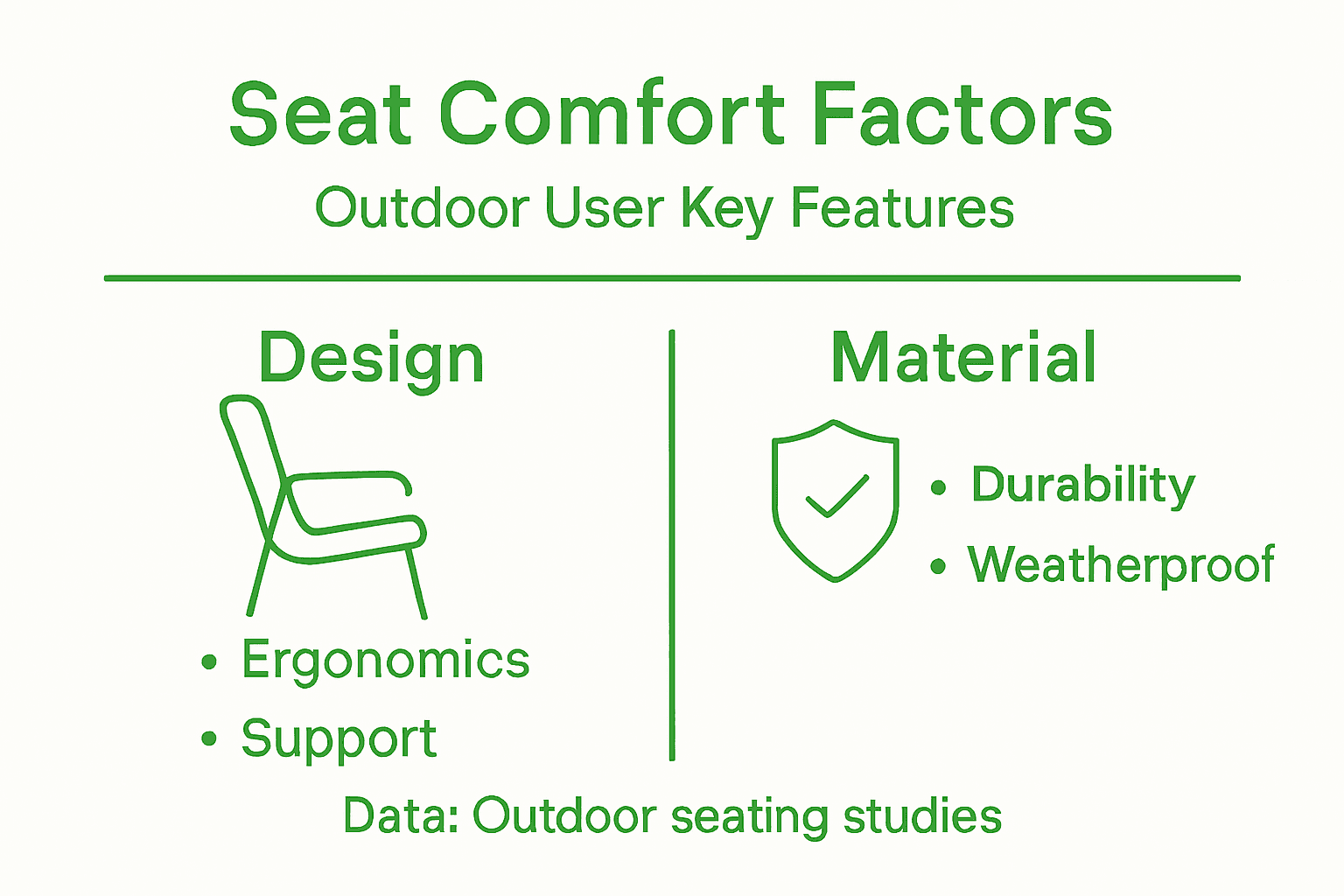
The most successful outdoor seating designs integrate sophisticated material science with practical user requirements, creating products that are both functionally superior and aesthetically pleasing.
Here’s a clear overview of how different outdoor seating materials perform and endure:
| Material Type | Durability Highlights | Maintenance Level | Weather Resistance |
|---|---|---|---|
| Metal | Resists corrosion, strong structure | Occasional cleaning | Excellent, can handle rain and sun |
| Wood | Needs sealing, natural look | Moderate, seasonal care required | Good if treated, vulnerable to moisture |
| Plastic | Lightweight, fades over time | Low, easy to clean | Decent, but can crack in cold |
| Composite | Blend of wood/plastic, high strength | Minimal, rarely needs care | Superior, resists most conditions |
Pro tip: Always inspect material specifications and manufacturer warranty details before investing in outdoor seating to ensure long-term durability and performance.
Portable seating represents a critical solution for outdoor enthusiasts, travelers, and individuals seeking flexible mobility options. Selecting the right seat goes beyond simple convenience, involving a strategic assessment of personal needs, activity requirements, and performance characteristics.
Portable seat selection involves comprehensive considerations that extend far beyond basic weight and size. The ideal portable seat must seamlessly integrate functionality, comfort, and adaptability to meet diverse user scenarios and environmental challenges.
Key factors to evaluate when choosing a portable seat include:
Ergonomic design plays a crucial role in transforming portable seating from a basic accessory to a sophisticated mobility solution. The most effective seats provide robust support while remaining lightweight, ensuring users can maintain comfort and posture across various outdoor environments.
Advanced portable seating technologies now offer unprecedented flexibility, enabling users to transition seamlessly between different activities and settings without compromising on comfort or performance.
Pro tip: Always test the portable seat’s weight capacity and stability before committing to a long-term outdoor adventure.
The article highlights how crucial seat comfort is for outdoor users dealing with long periods of sitting and varying environments. If you have faced discomfort from poorly designed seats that lack ergonomic support or durability, you are not alone. Key concerns such as pressure distribution, material resilience, and ergonomic alignment directly impact your relaxation and well-being during outdoor activities. At Sitpack, we understand these challenges and offer innovative portable seating options like the Campster II and Sitpack Zen that combine lightweight design with advanced comfort features.
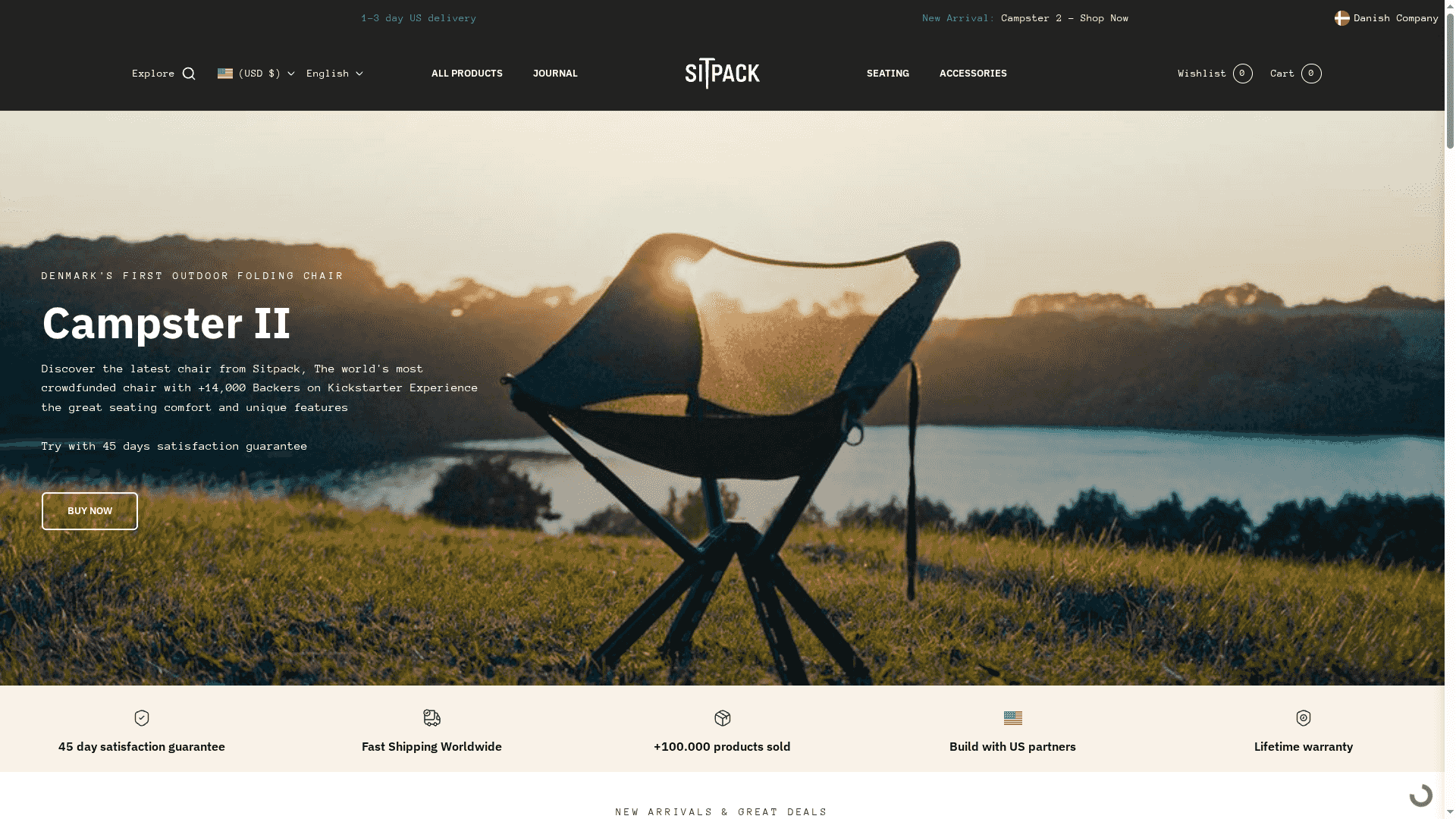
Discover the perfect seat engineered for your adventures that adapts to your body, supports natural posture, and stands up to the elements. Shop now at Sitpack to transform your outdoor experience with foldable, ergonomic seats and accessories designed for campers, travelers, and urban explorers. Don’t compromise your comfort and health outdoors. Visit our landing page to explore our best-sellers and new arrivals and take the first step towards lasting comfort today.
Key components that enhance seat comfort include pressure distribution, adaptive material flexibility, ergonomic contouring, temperature regulation, and support for natural body alignment.
Seat comfort plays a crucial role in the overall well-being of outdoor users by reducing physical strain, preventing discomfort and pain, and improving relaxation and engagement during extended periods of sitting.
Evaluate the seat’s ergonomic design, weight capacity, material strength, and back support. Additionally, test it for comfort during extended use to ensure it meets your needs.
Prolonged discomfort from poorly designed seats can lead to fatigue, posture issues, and long-term health problems, emphasizing the importance of choosing the right seating for outdoor activities.