Cart
0
Sign up and get 10$ off your order
Expected delivery
1-3 days
You may also like
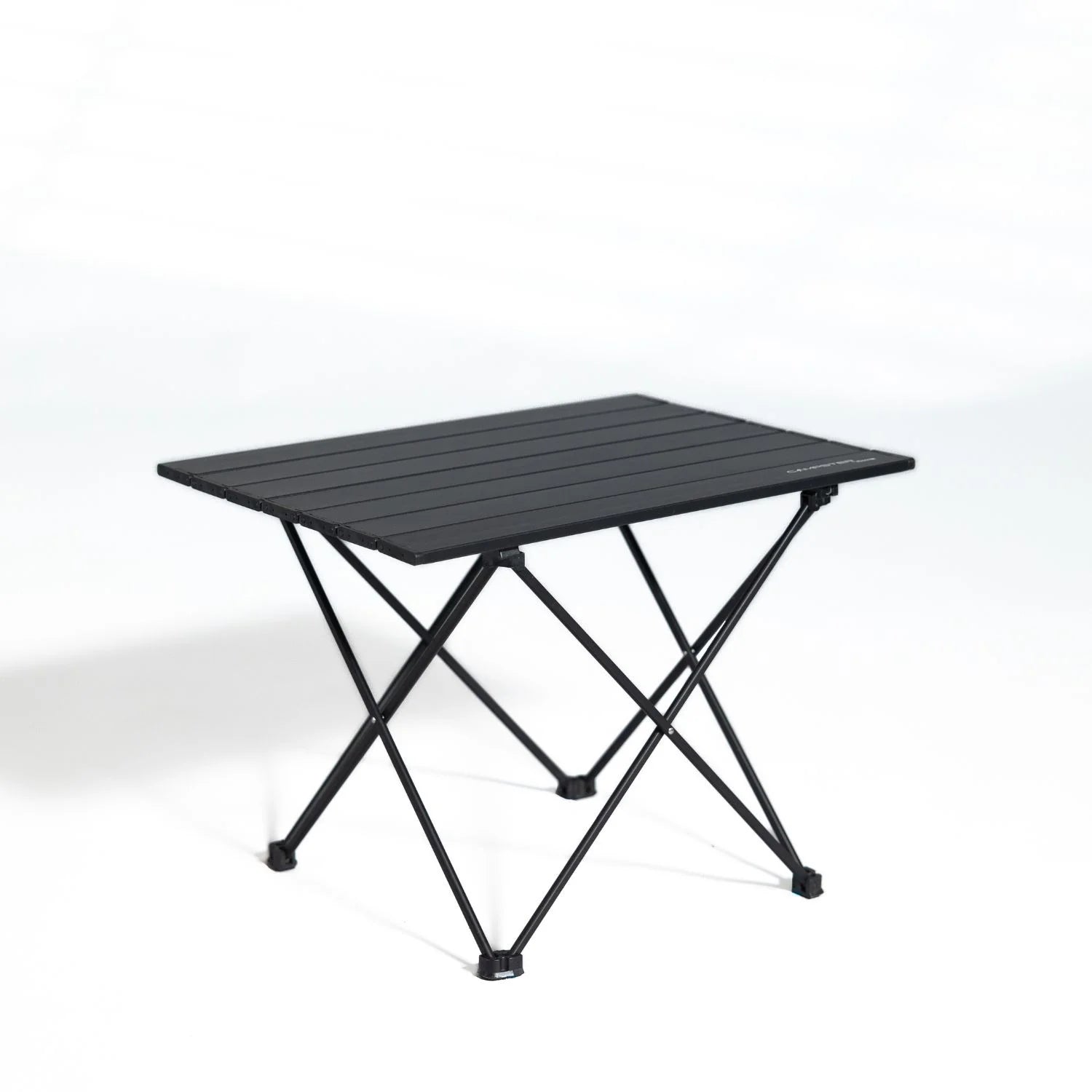
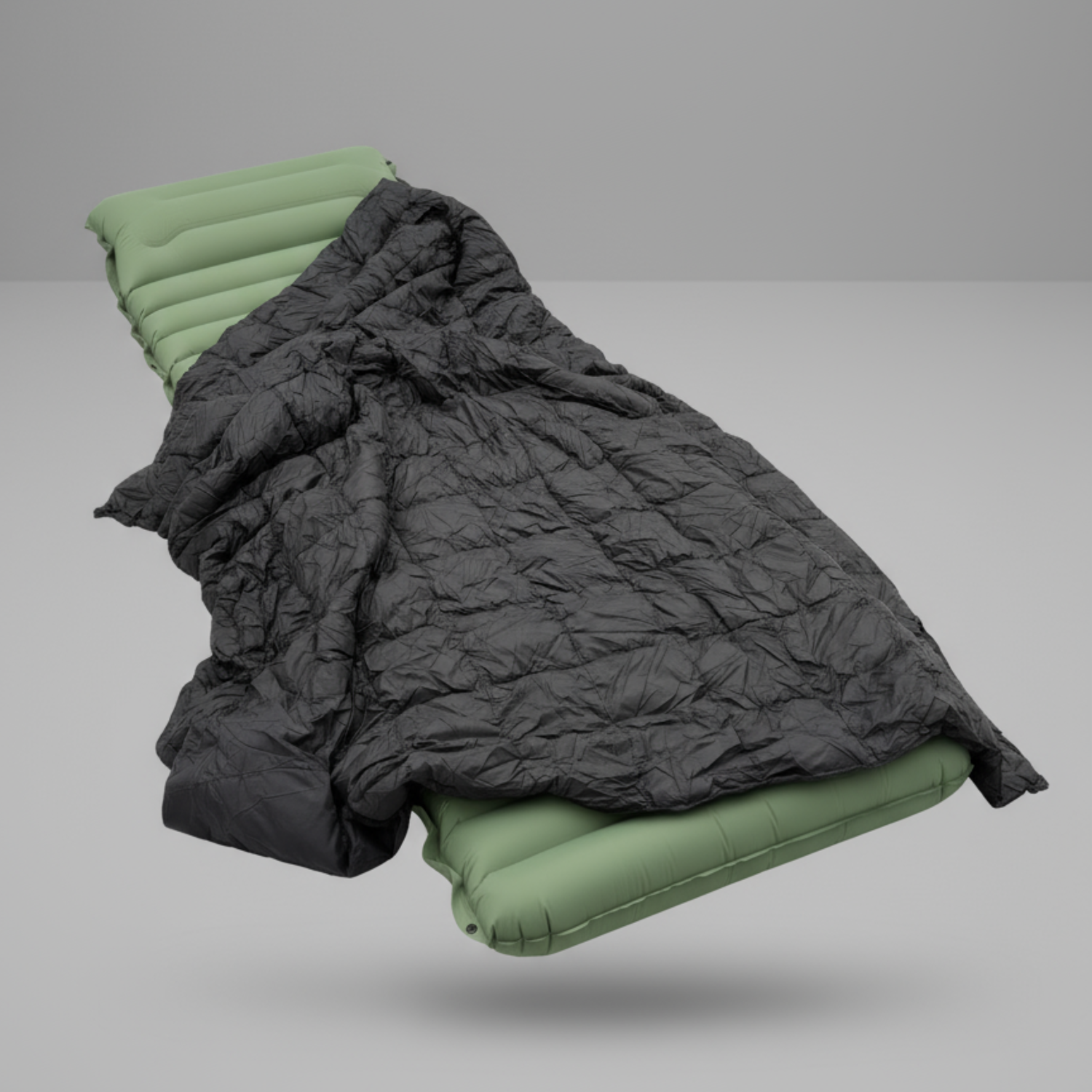
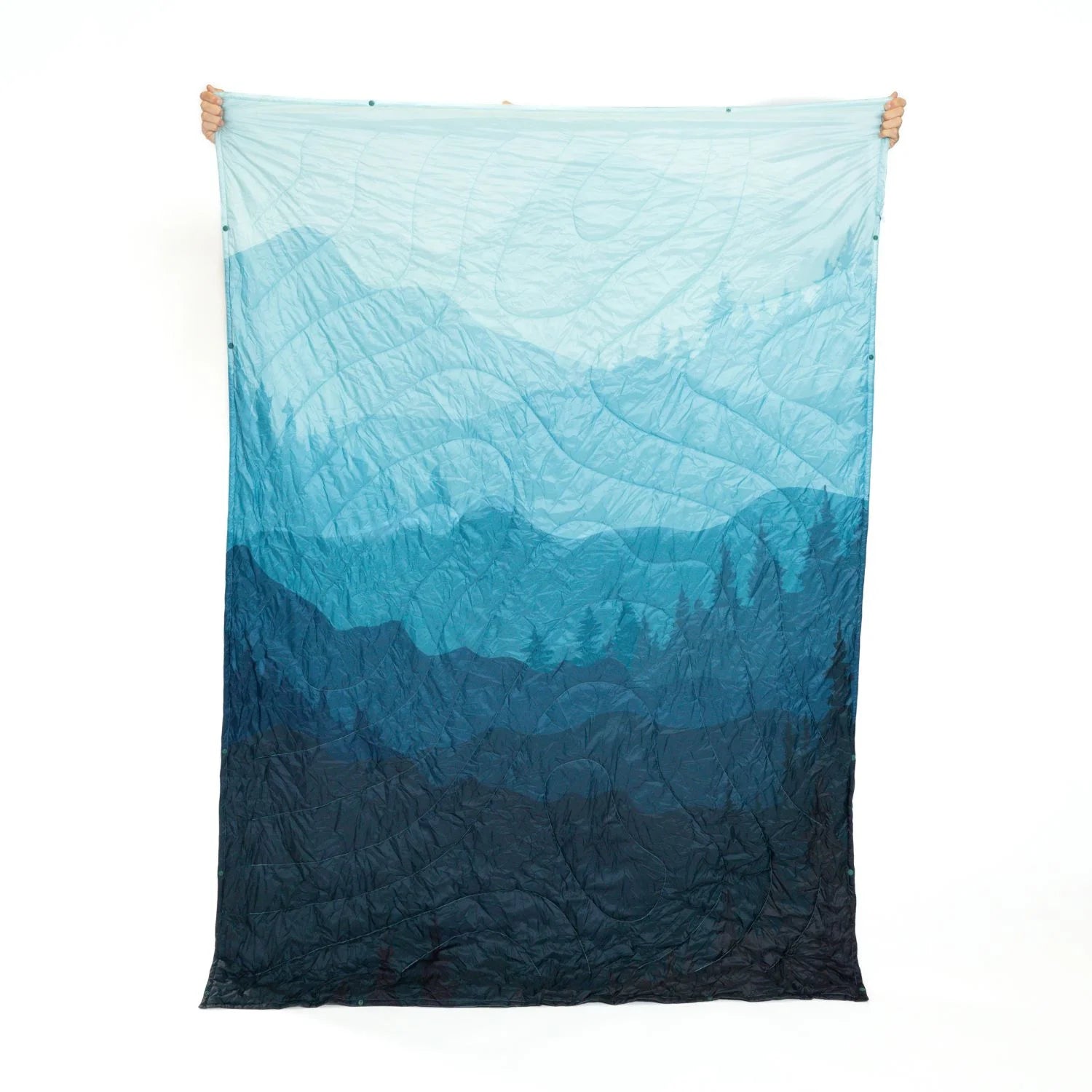
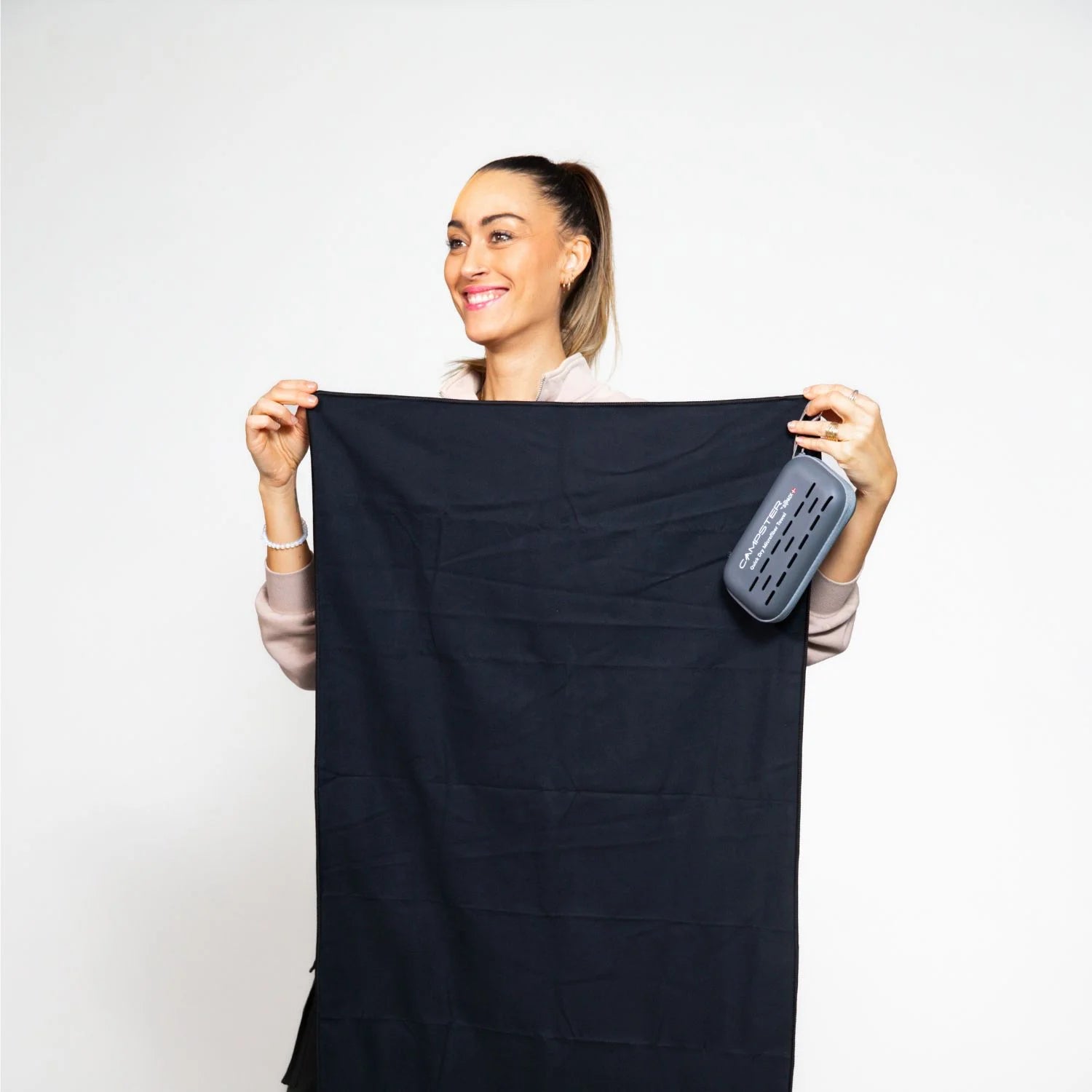


Danish Company

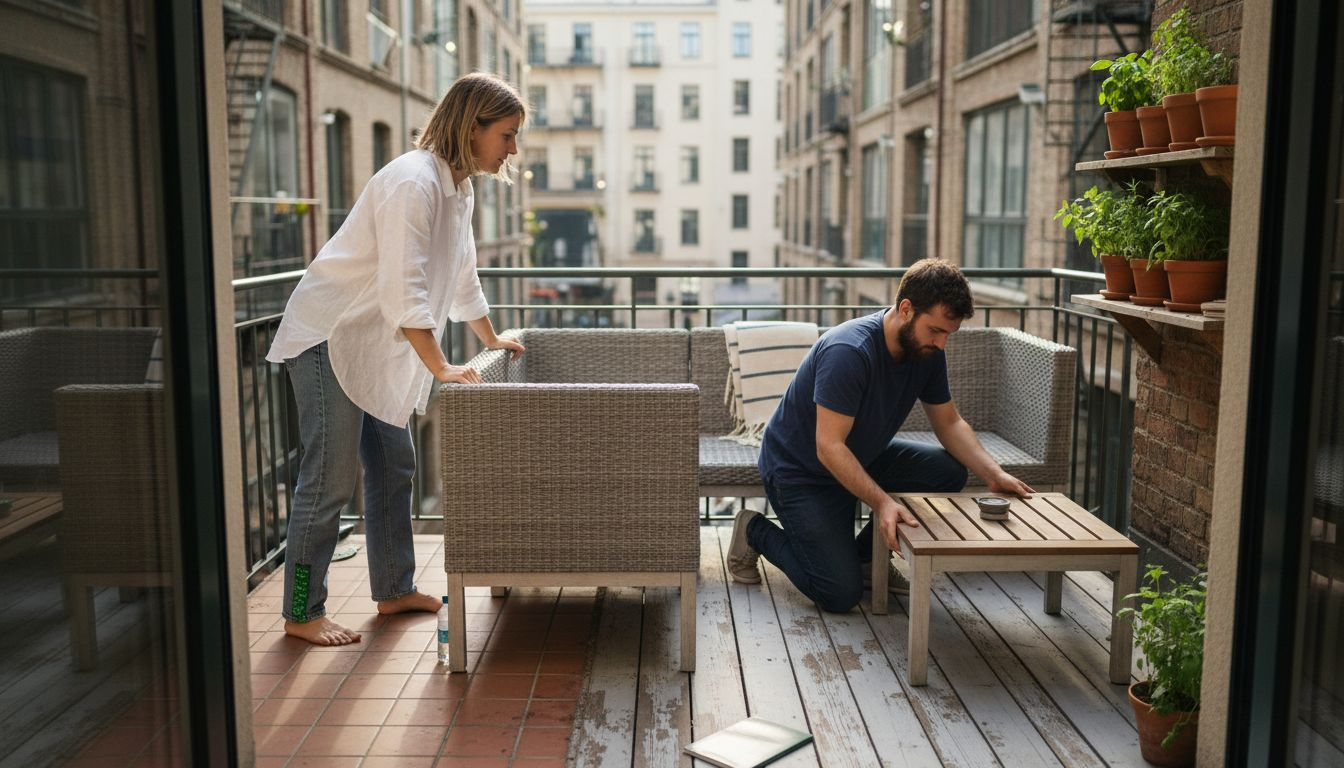
Finding outdoor furniture that truly fits the flexible, eco-conscious lifestyle of a modern European city dweller can feel like a balancing act. Tight spaces, frequent moves, and a passion for sustainability make bulky, single-purpose pieces a poor match. With the rise of standardized, interchangeable components in modular furniture, you get adaptable, space-saving solutions that shift with your urban routine and weekend escapes. This article clarifies what modular outdoor furniture really means, why it matters, and how it brings portability, comfort, and environmental responsibility together.
| Point | Details |
|---|---|
| Modularity Redefined | True modular outdoor furniture consists of standardized, interchangeable components, allowing for flexibility and customization to fit personal needs and spaces. |
| Focus on Functionality | Prioritize mass customization, multi-functionality, and spatial efficiency to maximize the utility of every piece in your modular setup. |
| Sustainability Matters | Selecting durable, eco-friendly materials for modular furniture reduces waste and supports environmental sustainability, making it a long-term investment. |
| Cost Consideration | Assess the total cost of ownership over time rather than initial pricing to determine the true value of modular furniture compared to traditional options. |
When you hear “modular outdoor furniture,” you might picture those chunky lounge sets from big box stores, the ones that take up half your balcony and never quite fit the way you want. But that’s not what modular actually means. True modular furniture is built on something far more practical: standardized, interchangeable components that work together like building blocks. You’re not buying a fixed set. You’re buying a system. A collection of pieces that snap, bolt, or connect in multiple configurations to match your actual life, not some designer’s fantasy of what your life should look like. This matters because you’re not the person who keeps the same apartment for thirty years. You move between cities, upgrade to a bigger terrace, downsize to a studio, or swap your balcony arrangement based on the season.
Here’s where most people get confused about modularity. They think it means “lots of pieces you can rearrange,” and technically yes, but that’s only half the story. Real modular systems prioritize three things working together. First, they use mass customization, meaning you can pick and choose exactly what you need without buying a massive bundle of stuff you don’t want. Second, they maximize multi-functionality so each piece does more than one thing. A portable seat becomes a footrest, becomes a base for a table, becomes part of a larger lounge arrangement. Third, they’re designed for spatial efficiency, which is critical when you’re living in a 50-square-meter apartment or trying to make a tiny urban balcony feel intentional rather than cramped. The research makes clear that modular systems combine adaptability, sustainability, and user-centric customization, integrating design flexibility and material innovations to work in both indoor and outdoor settings.
Let’s debunk the common misconceptions right now. Modular doesn’t mean flimsy. You’re not compromising on durability or comfort just because the pieces connect in different ways. Modular doesn’t mean ugly or industrial. Good modular design blends seamlessly with contemporary minimalist aesthetics that most urban dwellers actually want. Modular doesn’t mean expensive. Because you’re building what you need incrementally, you can start small and expand over time, spreading the investment across months or years instead of dropping a thousand euros on a full set all at once. And modular definitely doesn’t mean complicated. The best modular systems require zero tools and minimal learning curve. You pick up a piece, you understand how it connects to the others. That’s it.
The real advantage for you as an urban dweller is flexibility without commitment. You’re not locked into one aesthetic or configuration. When you move apartments, the furniture moves with you in whatever arrangement works for your new space. When your lifestyle changes, you’re not stuck with pieces designed for a life you no longer lead. When you want to experiment with your outdoor setup, you can test new configurations without guilt or expense. This adaptability becomes almost essential when you’re juggling a city apartment, weekend trips, and the occasional camping adventure. Modular systems bridge all three worlds because they’re designed to handle change. That’s the actual definition worth understanding.
Pro tip: Start with one versatile core piece like a portable, stackable seat, then add compatible components only as your space and needs evolve, avoiding the trap of buying an oversized bundle you’ll never fully use.
Modular outdoor furniture comes in more varieties than most people realize, and understanding the different types helps you pick what actually works for your life. The main categories break down into multi-height modules, adjustable seating units, and integrated ergonomic forms designed to fit varied urban contexts and user needs. Each type solves a different problem. Some prioritize vertical flexibility when you’re working with awkward balcony shapes. Others focus on adjustability so one piece adapts to multiple uses. Still others emphasize how components integrate seamlessly, so your entire setup feels cohesive rather than like a mismatched collection. The best part is you don’t need to understand every category. You just need to recognize which one matches your specific situation.
Start with stackable and nesting systems, the most practical choice for urban Europeans who move frequently or live in compact spaces. These pieces literally stack on top of each other or nest inside one another, cutting down storage and transport space dramatically. Imagine moving to a new apartment and fitting your entire outdoor seating into two compact boxes that slide under your bed or fit in a car boot. This isn’t theoretical. When you’re carrying furniture up four flights of stairs with no elevator, stackability stops being a feature and becomes a survival necessity. The second major type is modular sectional systems, where individual cushioned units connect to form larger lounges or configurations. You might start with two seats facing each other for intimate conversations, then add units to create an L-shape when you host friends. These work beautifully in larger terraces or garden spaces where you have room to expand.
Then there’s the height-adjustable modular category, which addresses a genuine problem most furniture companies ignore. Urban life means you’re sitting in different contexts constantly. You need seating that works at your coffee table height, at bar height for outdoor cocktails, and at ground level for beach trips. Height-adjustable modules solve this by offering different configurations for different occasions without needing to buy separate furniture pieces. You also have portable seat bases that function as standalone pieces yet connect to tables, warmers, or additional seating. These are incredibly versatile because they work solo when you’re camping, pair with a table for dining, or link together for group seating. And finally, integrated systems combine seating with built-in storage, side tables, or cup holders, maximizing utility in limited spaces. These appeal to minimalists who want everything a piece can offer without clutter.
When choosing between these types, think about your actual movement patterns first. Do you move apartments yearly or stay put? Are you transporting furniture in a small car or van? Do you host large gatherings or prefer intimate settings? The answers determine whether you prioritize stackability over comfort, or adjustability over simplicity. Most urban dwellers find they need a hybrid approach, combining one primary type with secondary pieces. For example, you might use a stackable seat as your core piece for portability, then add one height-adjustable unit for flexibility and a dedicated side table for functionality. You’re not forced into one configuration. Real modular systems let you start simple and layer in complexity only when it genuinely adds value to your life.
Here’s a quick comparison of core modular outdoor furniture categories and their ideal uses:
| Furniture Type | Key Benefit | Best Suited For | Limitation |
|---|---|---|---|
| Stackable/Nesting | Space-saving, portable | Frequent movers | Less comfort, basic style |
| Sectional Systems | Flexible seating setups | Large terraces/gardens | Needs more space |
| Height-Adjustable Modules | Adapts to activities | Multi-purpose settings | Can cost more |
| Integrated Systems | Built-in storage/utility | Minimalist users | May lack seating variety |
| Portable Seat Bases | High versatility, mobile | Campers & small spaces | Limited as solo seating |
Pro tip: Before committing to any modular system, measure your specific space including doorways and storage areas, then test whether each piece physically fits those dimensions in both assembled and compact states.
Here’s the reality: portable furniture that leaves you with back pain after thirty minutes defeats the entire purpose. You want to move freely between your apartment, your friend’s terrace, and weekend camping trips without sacrificing how your body feels when you sit down. This balance between portability and comfort isn’t accidental design. It requires specific features working together. Ergonomic design paired with lightweight but durable materials creates seating that’s both easy to transport and genuinely comfortable. The key is understanding which features matter most and which ones are just marketing noise.
Weight is obvious, but the specific material composition matters more than the number on the scale. Aluminum frames weigh significantly less than steel while maintaining structural integrity through loads of use. High-density foam seats feel supportive without the bulk and weight of traditional upholstered furniture. Textiles matter too. You want breathable fabrics that resist moisture and mildew because you’re leaving these pieces outside between uses. A one-kilogram seat might sound impressive until you realize it collapses under your actual body weight or tears after a few season changes. Real portability targets the sweet spot where weight stays manageable (most quality portable seats run between 1.5 and 3 kilograms) while durability holds strong across years of use.

Comfort features deserve equal attention. Multi-height positioning means your seat height works whether you’re eating at a table, relaxing at ground level, or perching at bar height for socializing. Some systems offer adjustable backrests so you can shift from upright dining position to reclined lounging without moving to a different piece. Proper lumbar support prevents that lower back ache that creeps in around hour two of sitting. This isn’t luxury. It’s basic ergonomics. Your lower back needs support, especially when you’re sitting outdoors where you tend to stay longer than on a kitchen chair. Look for seats with slightly angled backrests rather than completely vertical ones. The angle matters more than most people realize.
Additional comfort features include armrests that support your arms without forcing them into awkward positions, and seat depth that accommodates your actual thigh length rather than treating everyone as if they’re the same height. Padding should be firm enough to prevent bottoming out after a year of use, but soft enough that you’re not sitting on plywood. Ventilation holes or mesh backing prevent heat buildup during warm weather. When evaluating any modular system, test it in the shop or request detailed specifications before ordering. Sit on the piece. Does your back feel supported or does it slope awkwardly? Can you adjust the height easily or does it require tools? Is the fabric soft against your skin or does it feel cheap? These tactile experiences predict whether you’ll actually use the furniture or find it relegated to storage after a month.
One more thing about portability: it’s not just about weight. Compact folding or stacking mechanisms matter as much as how much the piece weighs. A three-kilogram seat that compresses to the size of a magazine is more portable than a two-kilogram seat that sprawls across your entire car boot. Quick-release connections mean you’re not struggling with bolts or struggling to align pieces. Carrying handles on seats or transport bags for systems make repeated movement less of an ordeal. You’ll actually move the furniture if transport feels easy rather than punishing.
Pro tip: Test any portable seat for at least 15 minutes before purchasing, paying specific attention to lumbar support and whether your feet touch the ground comfortably, since these two factors determine whether you’ll actually enjoy using it beyond the first weekend.
You already know that single-use plastic is a problem. What you might not realize is how much your furniture choices amplify that problem or help solve it. Traditional outdoor furniture gets replaced every five to ten years, ending up in landfills or incinerators. Modular systems flip this script entirely. By designing pieces that last decades and adapt to changing needs, manufacturers reduce the constant cycle of disposal and replacement. The environmental win isn’t just about longevity either. Sustainable materials including geopolymer composites and other low-footprint options integrate into modular systems while maintaining durability and reducing environmental impact. This matters because every European city faces pressure to reduce consumption and waste. When you buy modular furniture built from recycled aluminum, responsibly sourced wood, or innovative composite materials, you’re voting with your wallet for a different manufacturing model.
Let’s be specific about which materials actually matter. Recycled aluminum weighs almost nothing compared to new aluminum, reducing both transport emissions and the energy needed for production. It’s infinitely recyclable without degradation, so your seat could theoretically cycle through production forever. Sustainably harvested wood like FSC-certified teak or bamboo provides natural aesthetics without contributing to deforestation. Bamboo grows back in years rather than decades, making it genuinely renewable. Recycled ocean plastic textiles sound gimmicky until you realize they convert waste that would strangle marine life into functional, durable fabrics. Geopolymer composites represent cutting-edge material innovation, using waste products like fly ash from coal power plants as binders instead of traditional cement. These materials perform as well as conventional options while slashing embodied carbon. The key distinction is verifying claims. Check certifications like FSC for wood, Global Recycled Standard for recycled materials, or Cradle to Cradle for comprehensive sustainability. Marketing alone doesn’t prove environmental credentials.
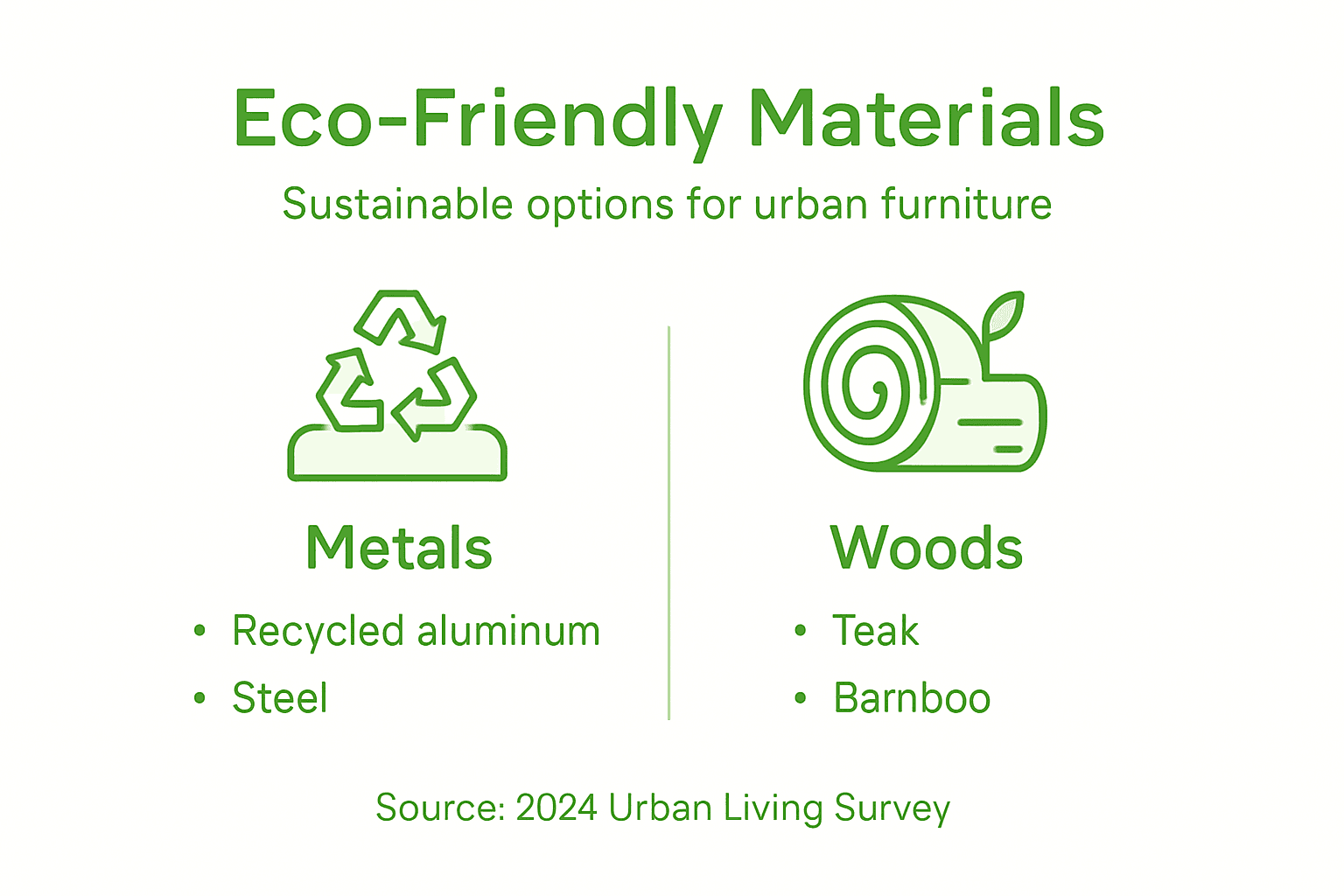
Below is a summary of sustainable materials and their advantages for modular outdoor use:
| Material Type | Environmental Benefit | Durability Level |
|---|---|---|
| Recycled Aluminum | Reduces emissions, recyclable | High (rust resistant) |
| FSC-Certified Wood | Supports forests, renewable | High (with care) |
| Bamboo | Fast regrowth, low impact | Moderate to high |
| Geopolymer Composite | Uses waste, low carbon | High |
| Recycled Ocean Plastic | Diverts waste, eco-friendly | Moderate to high |
Urban applications amplify the environmental benefits because cities have specific constraints. Limited outdoor space means efficiency matters. A modular system that shifts from dining configuration to lounging to storage-equipped layout serves multiple functions in the same footprint where a traditional set would cover everything. Adaptability reduces the need for multiple furniture purchases as your life changes. You stay in a studio apartment for three years, then upgrade to a one-bedroom. Rather than hauling old furniture to disposal and buying replacements, your modular system travels with you and reconfigures for the new space. Over a lifetime, you might own one modular system instead of three or four traditional sets. That’s three or four times less manufacturing emissions, three or four times less waste. Additionally, modular systems contribute to what designers call “emotional durability.” When you can customize the look, adjust components to match new aesthetics, or modify pieces as your taste evolves, you stay emotionally attached rather than bored. You keep the furniture longer. You use it more intentionally. Both factors extend lifespan beyond typical ownership periods.
Consider the cumulative urban impact. If half of a city’s outdoor furniture were modular and sustainable rather than disposable, that’s measurable reduction in landfill volume, manufacturing emissions, and resource extraction. Cities like Copenhagen and Amsterdam increasingly require public seating to use modular, recyclable materials. Private consumers adopting the same approach amplify that environmental pressure. You’re not just making a personal choice. You’re normalizing different consumption patterns. The financial argument reinforces this. Quality modular furniture costs more upfront but spreads that cost across years or decades of use. A piece costing 300 euros that lasts twenty years costs 15 euros annually. A cheapo set costing 100 euros that lasts three years costs 33 euros annually. The sustainable option becomes economically sensible, not just morally justified.
Pro tip: Look for manufacturers offering lifetime warranties and repair services, since extended durability and maintainability are the strongest environmental credentials any furniture can provide.
Modular outdoor furniture costs more upfront than traditional sets. Accept this reality now and stop comparing sticker prices with nonmodular alternatives. A basic portable seat runs 150 to 400 euros depending on materials and features. A complete modular system for a small terrace or balcony starts around 600 euros and scales upward from there. Yes, you can find cheaper options online. You can also find cheap tires that explode at highway speeds. The question isn’t whether you can spend less money initially. The question is whether you’re making decisions based on total cost of ownership or just the price tag on the invoice. Balancing material costs with performance and maintenance needs optimizes long-term value, so a higher initial investment in quality components often costs less over years of actual use.
Common pitfalls trip up most buyers who don’t know what to watch for. The first trap is buying more components than you actually need. Modular systems tempt you with endless configuration options. You imagine hosting massive parties or creating elaborate lounges. Then you realize your actual balcony is 2 meters by 3 meters. You’ve spent 1,200 euros on pieces you’ll never use. Start small. Buy the core pieces you’ll use weekly, then expand later if you actually need additional components. The second pitfall is overlooking weight specifications. A 50-kilogram “portable” seat requires two people to move and fits nowhere in your car. Read the actual specifications rather than trusting marketing adjectives. The third mistake involves ignoring material quality and finishing. Cheap aluminum dents when you look at it sideways. Budget textiles tear or fade within months of seasonal exposure. Poor welds fail under regular use. Spending 50 euros less on a component becomes expensive when it requires replacement after eighteen months.
Design overcomplications create another category of pitfalls. Initial investments and design complexity often become frequent pitfalls in modular construction, particularly when modules don’t standardize or require specialized tools for assembly and reconfiguration. If every piece needs a different connector or assembles differently, you’ll avoid rearranging because the process is annoying. Look for systems using standardized connections where all modules work the same way. Connection should require zero tools or just a basic screwdriver. If you’re watching YouTube tutorials to figure out how pieces fit together, it’s too complicated. The fourth pitfall is neglecting maintenance needs. Some systems require seasonal treatment, protective covers, or regular cleaning to prevent degradation. Others resist weather damage naturally. Ask manufacturers directly about maintenance requirements before purchasing. A system requiring monthly treatment becomes a chore you’ll skip.
Choosing wisely means evaluating lifecycle costs rather than purchase price. Create a simple spreadsheet comparing three options: cheap, mid-range, and premium. For each, estimate how long you’ll realistically own it, how often you’ll replace components, whether you’ll move it frequently, and what maintenance involves. Run the math over five years and ten years. Premium modular systems often show lower total cost when you factor in durability and minimal replacement costs. Another wise choice is verifying that standardized modules work across their product line. Will a seat from this year connect with a table from last year? Can you mix and match without problems? Standardization means future upgrades don’t require replacing everything.
Finally, prioritize personal testing before purchasing. Sit on the pieces. Connect them. Disconnect them. Ask yourself honestly whether you’ll actually use this configuration or just imagine using it. Check return policies. Legitimate manufacturers offer 30 to 45-day satisfaction guarantees because they know their products perform well once you test them in real conditions. Read reviews from people with your body type and lifestyle. A five-star review from someone six feet tall might not apply to you if you’re five feet three inches. Customer feedback reveals real-world durability in ways product descriptions never can.
Pro tip: Calculate your actual cost per year of use by dividing total investment by expected ownership duration, then compare against replacing traditional furniture every 3 to 5 years to reveal whether modular represents genuine savings or adds unnecessary expense.
The article highlights the challenge of balancing flexibility, comfort, and sustainability in modular outdoor furniture especially for urban dwellers who need lightweight, adaptable solutions that move with their lifestyles. If you face those exact pain points like limited space, frequent moves, and the need for multifunctional seating that does not sacrifice ergonomics or durability then exploring lightweight, foldable seating options is essential. Concepts like portability, ergonomic lumbar support, and eco-friendly materials are key to unlocking truly flexible living spaces.
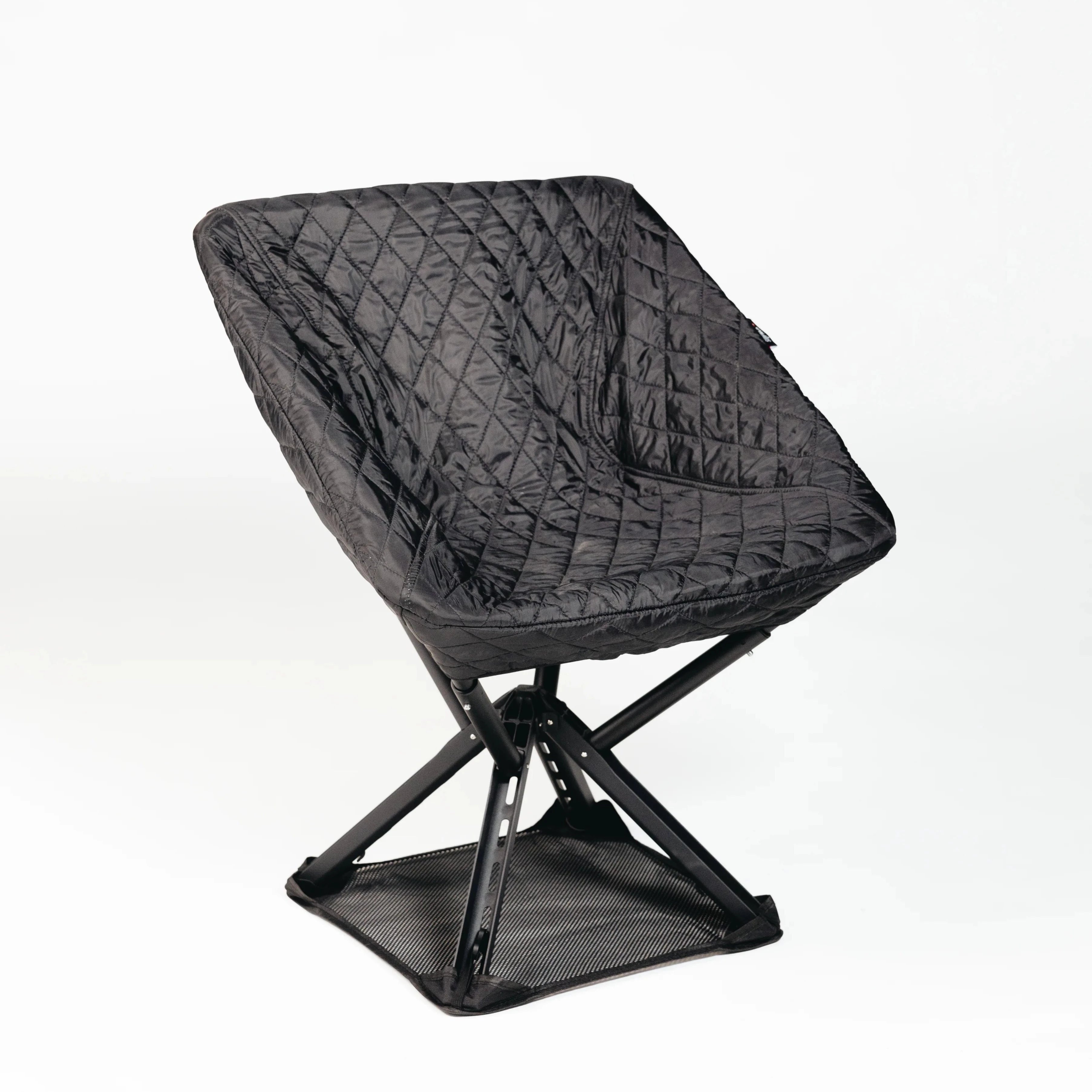
At Sitpack, you will find innovative outdoor seating designed to match these demands including the Campster II and Sitpack Zen chairs that offer minimalistic yet sturdy designs with exceptional comfort and portability. Perfect for travelers, urban users, and campers alike these foldable seats adapt effortlessly whenever and wherever you need them. Explore our range of products, accessories, and eco-conscious options to start building your perfect modular setup today. Experience the convenience of fast worldwide delivery and our 45-day satisfaction guarantee by visiting Sitpack Main Site and learn more about our offerings tailored precisely for flexible outdoor living. Don’t wait to transform how you sit, relax, and move outdoors with sustainable comfort designed for real life.
Modular outdoor furniture consists of standardized, interchangeable components that can be reconfigured to suit various spaces and needs. It’s designed to provide flexibility and adapt to changing lifestyles.
Modular outdoor furniture is more adaptable, allowing users to rearrange components for different occasions. Unlike traditional sets, modular systems can expand or reduce based on living situations and preferences, maximizing functionality in limited spaces.
The main benefits include flexibility without commitment, the ability to customize based on personal needs, and efficient use of space. Additionally, modular systems often incorporate sustainable materials, making them eco-friendly options.
When selecting portable modular furniture, prioritize lightweight yet durable materials, ergonomic design for comfort, compact folding or stacking mechanisms for easy transport, and minimal maintenance requirements to ensure long-lasting usability.