Cart
0
Sign up and get 10$ off your order
Expected delivery
1-3 days
You may also like




Danish Company


TL;DR:
- Fold-flat engineering transforms flat sheets into load-bearing structures using precise origami-inspired fold patterns and adjustable mechanisms. Recent advances enable structures to switch between soft and rigid states and produce smooth, load-distributing curved surfaces, broadening applications across industries such as furniture, space, automotive, and electronics. Success relies on early consideration of tendon routing, material thickness, and user interaction to ensure reliable, functional, and reconfigurable designs.
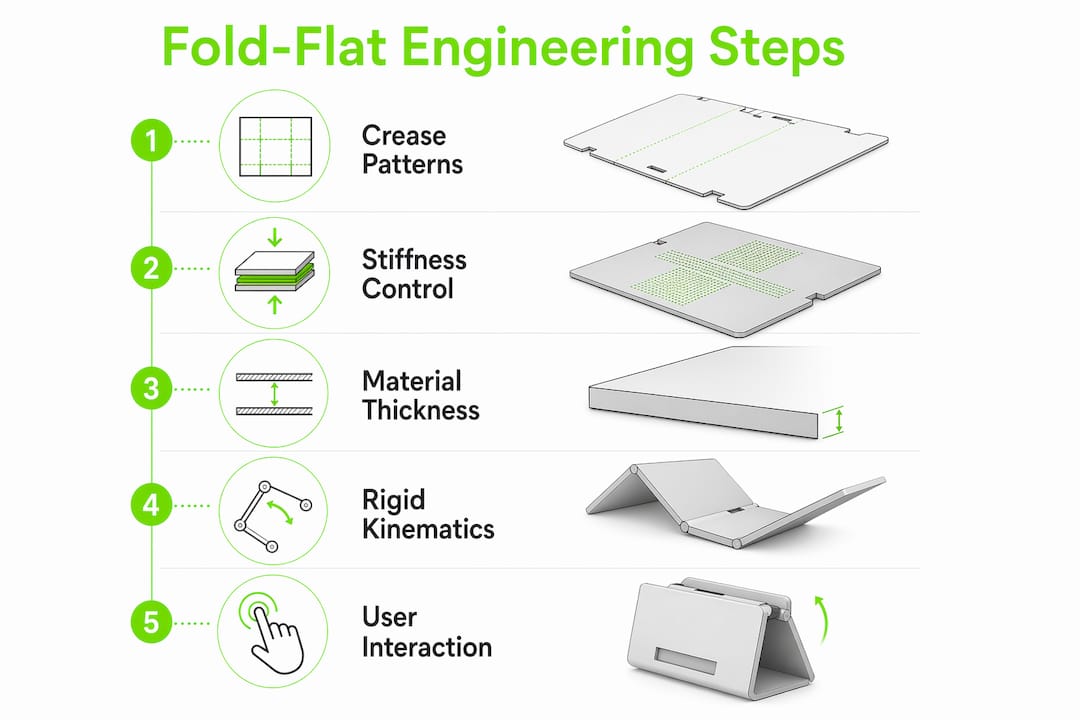
Fold-flat engineering is the discipline of transforming flat sheets into functional, often load-bearing structures through precise folding geometries and engineered mechanisms. The role of fold-flat engineering has expanded dramatically in 2026, touching everything from origami-inspired origami shells developed by McGill researchers to Magna’s automotive seat systems that rotate and nest to reconfigure cabin space entirely. Android’s 2026 foldable device guidelines, STILFOLD’s flat-packed STILPOD vertiport, and KITBIN’s collapsible bulk containers all share the same foundational logic: geometry is the mechanism. If you design the crease pattern correctly, the structure does the work for you.
Fold-flat engineering starts with crease patterns. A crease pattern is a map of fold lines applied to a flat sheet, and the geometry of those lines determines the final three-dimensional form. Straight creases produce polyhedral shapes with flat facets, while curved creases generate smooth, doubly curved surfaces. The difference matters enormously for load-bearing applications, where smooth curvature distributes stress far more evenly than sharp angular facets.

Beyond geometry, stiffness control is the second core mechanism. The lens-box origami shell developed at McGill uses a lockable hybrid-crease pattern combined with tendon pre-tensioning to switch the structure from flexible to rigid after deployment. The tendons run through the folded shell and contract on demand, stiffening the structure without changing its shape or swapping materials. This is a significant departure from traditional deployable structures, which typically lock into a single rigid state and cannot be reconfigured.
Rigid origami kinematics add another layer of precision. In rigid origami, the panels between creases do not deform during folding. Only the crease lines bend. This constraint simplifies mechanical modeling and makes the folding motion predictable, which is critical for engineering applications where tolerances are tight.
Material thickness is where theory meets manufacturing reality. Real panels have thickness, and that thickness creates geometric conflicts at fold intersections. Engineers use offset crease techniques, tapered panels, and compliant hinge zones to compensate. Ignoring thickness in early design phases is one of the fastest ways to produce a prototype that simply will not fold.
Pro Tip: Treat your crease pattern as a kinematic mechanism from day one. Sketch the fold sequence before you finalize panel dimensions, and you will catch collision conflicts before they become expensive tooling problems.
The applications of fold-flat engineering span more industries than most designers initially expect. Here is where the technology is making the clearest impact right now:
| Application | Primary fold-flat benefit |
|---|---|
| Consumer furniture | Portability and compact storage |
| Space structures | Reconfigurable mechanical properties |
| Automotive seating | Cabin space reconfiguration |
| Logistics containers | 75% volume reduction when flat |
| Foldable electronics | Multi-posture adaptive interfaces |
The most consequential advance in 2026 is reprogrammable stiffness without geometry change. Previously, engineers faced a hard trade-off: a structure was either flexible enough to fold or rigid enough to bear load. The tendon pre-tensioning approach from McGill’s lens-box research breaks that trade-off by decoupling deployment geometry from post-deployment stiffness. You fold the structure into shape, then contract the tendons to lock it. Release the tendons, and it folds flat again. The same physical object cycles between soft and rigid states on demand.
Smooth doubly curved surfaces represent a parallel breakthrough. Earlier origami engineering was largely limited to polyhedral forms because curved-crease folding was difficult to control analytically. The lens-box pattern uses a 50-crease hybrid geometry to produce a smooth shell that looks more like a lens than a faceted diamond. Load-bearing shells with smooth curvature are structurally superior for applications like protective enclosures, deployable antennas, and architectural canopies.
| Advance | Mechanism | Key benefit |
|---|---|---|
| Reprogrammable stiffness | Tendon pre-tensioning | Reversible soft-to-rigid transition |
| Smooth doubly curved shells | Hybrid straight/curved crease patterns | Better load distribution, aesthetic quality |
| Totimorphic lattices | Continuous geometric reconfiguration | Tunable stiffness and Poisson’s ratio |
| Software-driven manufacture | STILFOLD’s algorithmic folding | Flat-pack infrastructure, 81% carbon reduction |
Totimorphic lattices from npj Space Exploration extend reconfigurability beyond single structures to entire lattice networks. The lattice can be continuously reprogrammed to change its mechanical response, which opens the door to adaptive structural systems that respond to loading conditions in real time rather than being fixed at manufacture.
STILFOLD’s STILPOD vertiport demonstrates that software-driven fold-flat manufacturing scales to infrastructure. The vertiport ships flat, folds from recycled aluminum, and deploys in hours, cutting embodied carbon by 81%. The geometry is not designed by hand. It is computed. That shift from hand-crafted crease patterns to algorithmically generated fold geometries is where the field is heading.
Pro Tip: If you are designing a fold-flat structure that needs to bear load, plan your tendon routing before you finalize your crease pattern. Tendon anchor points interact directly with crease geometry, and retrofitting a tendon system into a finished design almost always forces a crease redesign anyway.
Fold-flat engineering is not a free lunch. Every advantage in compactness or reconfigurability comes with a specific set of engineering problems that must be solved before the product works reliably.
The importance of fold-flat technology extends well beyond structural performance. How a product folds, and how that folding motion feels to the user, determines whether the engineering is actually useful in practice.
For foldable electronics, adaptive layout guidelines from Android specify that critical UI controls must not be placed over the fold, and content must split intelligently for half-open tabletop and book postures. This is not a software problem in isolation. The physical hinge geometry defines the fold zone, and the fold zone defines the exclusion area for interactive elements. Physical and digital design are inseparable here.
For fold-flat furniture and seating, the usability question is about deployment speed and confidence. A chair that takes 30 seconds and three steps to open will be left folded in the corner. The best foldable seating designs deploy in a single motion, with audible or tactile confirmation that the structure is locked. That single-motion deployment is an engineering achievement, not an accident. It requires careful attention to the kinematic sequence of the fold and the placement of locking features.
Ergonomics also feed back into fold geometry. A seat that folds flat must also support the human body correctly when open. The crease pattern that enables compact folding must not compromise the seat angle, back support geometry, or load path through the structure. Getting all three right simultaneously is where fold-flat furniture design gets genuinely difficult, and genuinely interesting.
Fold-flat engineering succeeds when geometry, stiffness control, and user interaction are co-designed from the first sketch rather than solved sequentially.
| Point | Details |
|---|---|
| Geometry drives everything | Crease pattern design determines both fold behavior and deployed structural performance. |
| Reprogrammable stiffness is now achievable | Tendon pre-tensioning enables reversible soft-to-rigid transitions without changing shape or materials. |
| Applications span every scale | From KITBIN containers to Totimorphic space lattices, fold-flat principles apply across industries. |
| Thickness and collision must be designed in | Panel thickness creates geometric conflicts that require explicit compensation in the crease pattern. |
| User experience is a structural constraint | Deployment speed, locking feedback, and ergonomics are engineering requirements, not finishing touches. |
Most engineers I talk to treat fold-flat design as a packaging problem. Get the product small, ship it flat, done. That framing misses the deeper opportunity entirely. The McGill lens-box research makes it clear that fold-flat geometry is a stiffness programming interface. You are not just deciding how something folds. You are deciding how it behaves mechanically across its entire lifecycle, from flat sheet to deployed structure to re-folded storage.
The totimorphic lattice work from npj Space Exploration points in the same direction. Reconfigurable deployables that can be reprogrammed after deployment are not just clever space hardware. They are a preview of what adaptive structures look like when fold-flat geometry is treated as a first-class design variable rather than a convenience feature.
My honest advice: start with the tendon system. Most fold-flat projects I have seen run into trouble because the tendon routing was designed after the crease pattern was finalized. That sequence almost guarantees a redesign. Treat tendon anchor points as geometric constraints from day one, and your fold pattern will be better for it. The same principle applies to fold-flat seating and furniture. The locking mechanism is not a detail. It is the product.
— Jonas
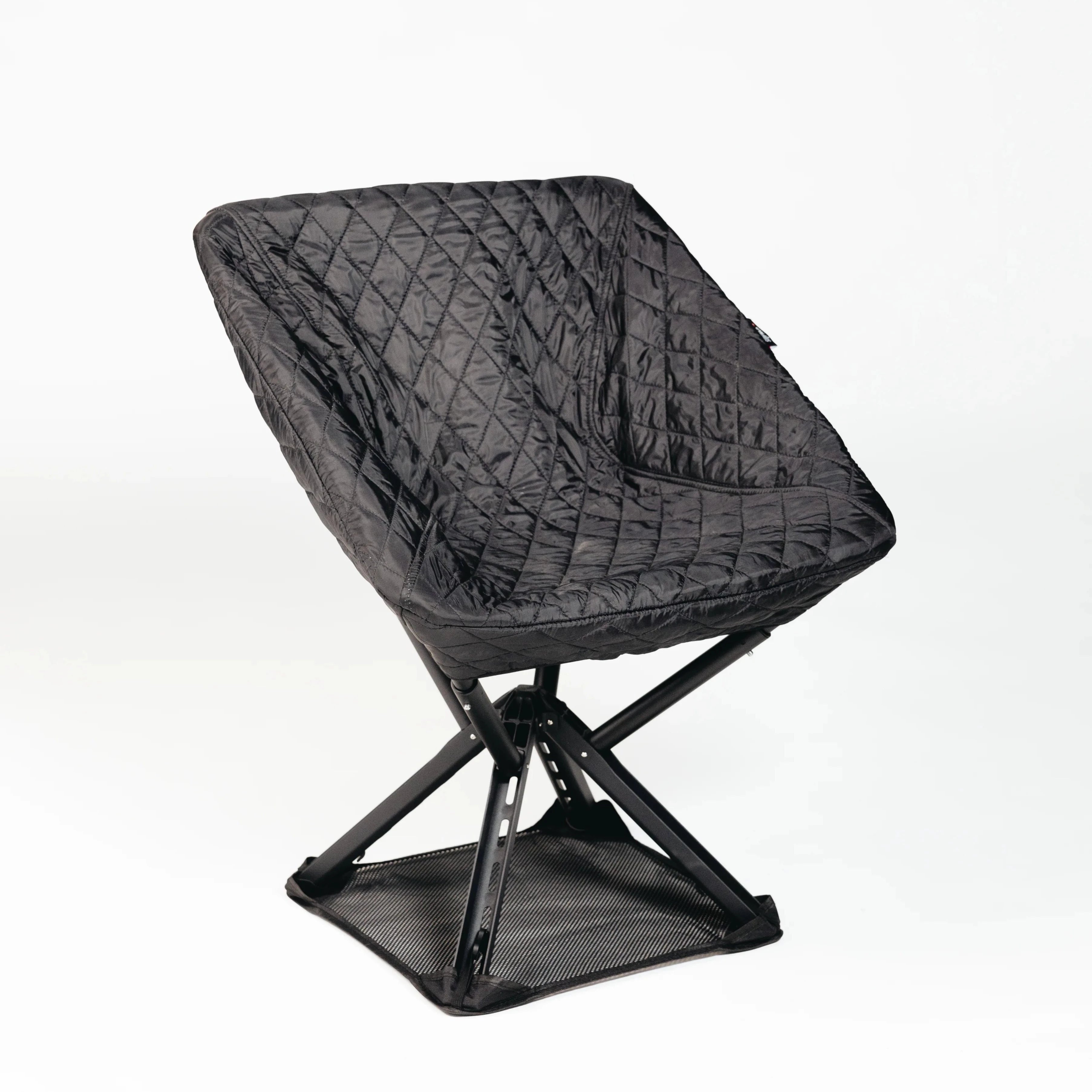
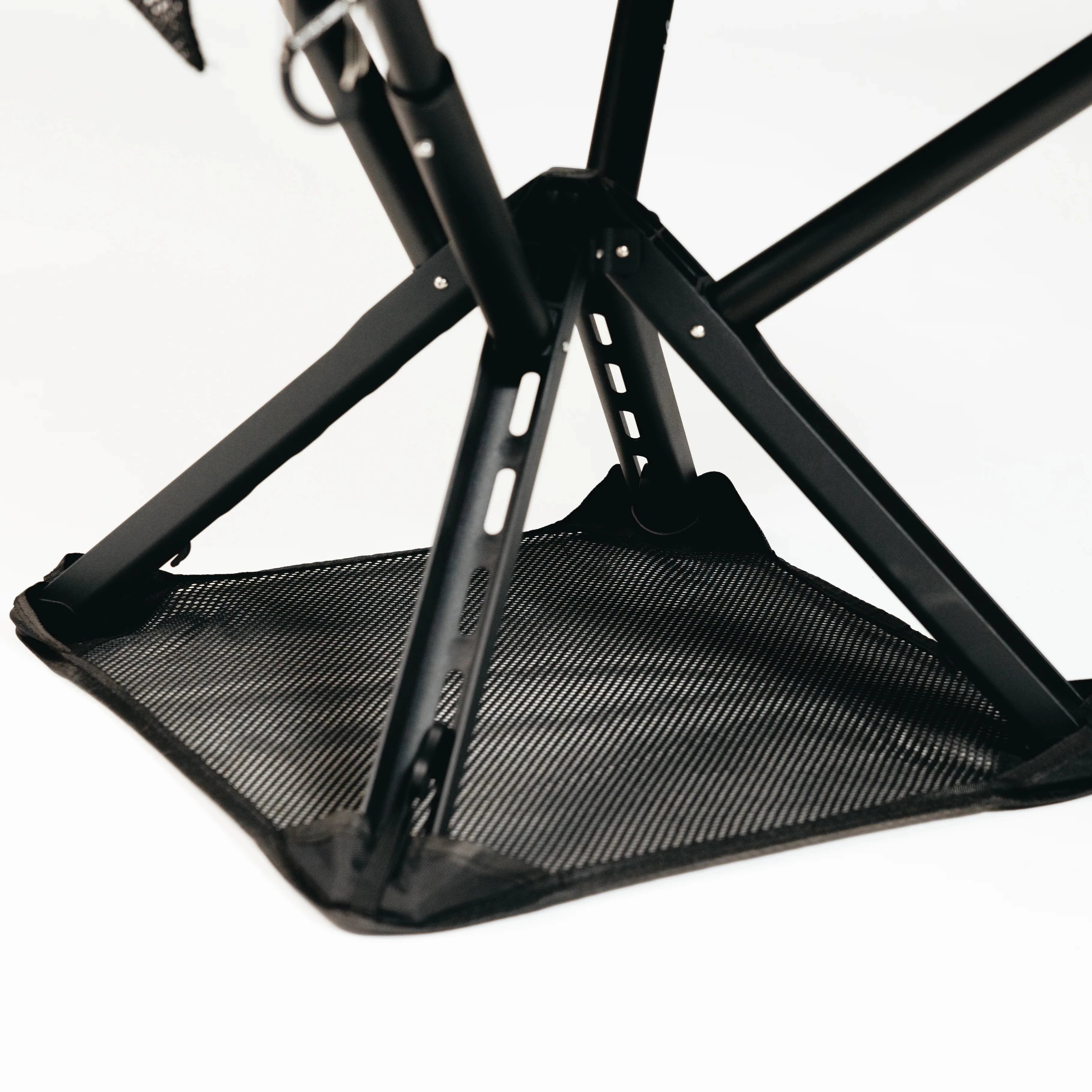
If you want to see fold-flat engineering principles applied to everyday portable seating, Sitpack’s range is worth a close look. Products like the Campster II and Sitpack Zen are designed around the same core logic discussed in this article: minimal pivot points, single-motion deployment, and a crease geometry that supports body weight without adding bulk to your pack.

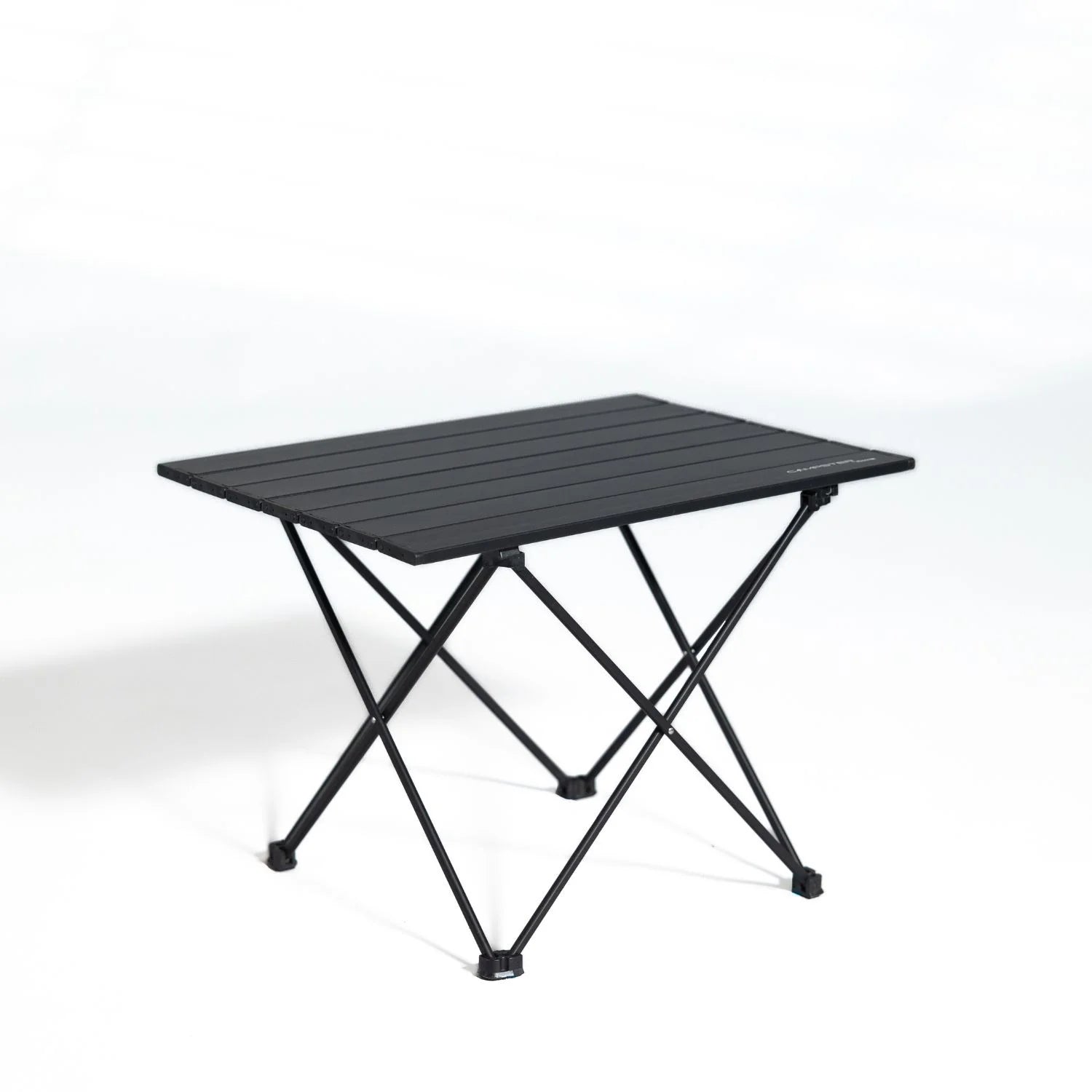
Sitpack’s foldable tables and chairs are practical demonstrations of what good fold-flat design looks like at the consumer scale. Lightweight materials, lifetime warranties, and a 45-day satisfaction guarantee mean you can test the engineering for yourself without risk. Explore the full range at sitpack.com and see how fold-flat principles translate from research papers to products you can actually sit on.
Fold-flat engineering is the practice of designing structures that transform from flat sheets into functional three-dimensional forms through engineered crease patterns and folding mechanisms. It combines origami geometry, material science, and mechanical design to create products that are compact for storage and transport but structurally capable when deployed.
Reprogrammable stiffness uses tendon pre-tensioning to switch a deployed fold-flat structure between flexible and rigid states without changing its geometry or materials. The McGill lens-box origami shell demonstrates this with a lockable hybrid-crease pattern that stiffens on demand when tendons contract after deployment.
Fold-flat design benefits include dramatic reductions in storage and shipping volume, single-motion deployment for better usability, and the ability to tune structural stiffness after deployment. The KITBIN container achieves a 75% volume reduction, while Magna’s automotive seats reconfigure entire cabin layouts through fold and rotate mechanisms.
Panel thickness creates geometric conflicts at fold intersections where panels physically collide if the crease pattern does not compensate. Engineers use offset crease techniques and tapered panel edges to resolve these conflicts, and ignoring thickness during early design phases reliably produces prototypes that cannot fold correctly.
The physical fold geometry of a device directly defines which screen zones are reliable for touch interaction. Android’s 2026 guidelines require adaptive layouts that keep critical controls away from the fold zone and split content intelligently for half-open postures, making the physical hinge design a direct constraint on software architecture.