Cart
0
Sign up and get 10$ off your order
Expected delivery
1-3 days
You may also like


Danish Company

The best outdoor accessory is the one that solves a real problem on your actual trip, packs small enough that you never leave it behind, and survives enough seasons that you never have to buy it twice. Start with the activity and the conditions, then judge every candidate on weight, packed size, materials, repairability and warranty. Do that and a pile of “nice to have” gadgets turns into a short kit you trust.
We make portable chairs, stools and the small extras that go with them, so we have spent a lot of time thinking about what earns a place in a pack and what just rattles around in it. Here is the method, with the numbers and the sources behind it.
Most bad purchases happen because someone shopped for a category (“camping accessories”) instead of a situation. A university outdoor recreation guide from CUNY suggests weighing four factors before you decide what to carry: how long you will be out, the terrain and environment, the expected weather, and how far you are from shelter, transportation or assistance. A 30-minute park walk calls for very different preparation than an all-day hike in changeable weather.
That framing is useful because it sorts your accessories into two piles.
The first pile scales with risk. The second scales with how long you plan to stay put. A picnic at a trailhead needs almost nothing from the first pile and quite a lot from the second. A remote overnight is the reverse.
If you cannot answer question three in one sentence, leave the item on the shelf.
There is no single list, but there is a pattern. The CUNY guide advises adding clothing and footwear for the conditions, a carrying system that matches your equipment, and accessories only when they meet a realistic need.
Here safety leads. One UK outdoors publication argues that only a few walking accessories are truly essential: a head torch, compass and map, sunscreen, and a first aid kit that includes an emergency blanket. Winter adds emergency shelter, an ice axe and crampons. Trekking poles and the rest are optional. Fast-and-light hikers are told to swap a heavy stainless flask for a lightweight bottle or bladder.
Product testers agree that a water bottle is among the most widely useful hiking items. Their top overall pick lists at $40 and their budget backup at $17, which tells you the price gap between “great” and “good enough” is often small. The same testers recommend a handheld GPS for travel beyond cell service.
Camping is where comfort accessories matter, because you spend hours stationary. Reviewers at one UK outdoors magazine judge camping accessories on durability, ease of use, functionality and portability, then check weight, packability and wet-weather performance in real conditions. That is a good template for your own shortlist.
For most campers the comfort core is simple:
For city and travel days, the logic changes from survival to convenience. Testers’ travel packing advice points to messenger bags with laptop pockets for commuting, rugged daypacks for hiking or biking trips, and umbrellas, binoculars and reusable bottles as broadly useful accessories. Another professional roundup recommends a windproof travel umbrella for rain and wind and a headlamp for late-night hikes and stargazing.
Urban users have a hidden advantage: nothing is far from shelter. That means you can leave out the redundancy and carry things that make waiting, commuting and lunch breaks better. A seat that folds into a bag is a good example. Parks, festival lawns, station platforms and sidelines all have one thing in common: not enough benches.
Once a product passes the “does it solve a problem” test, compare it on these points. Write them down for two or three finalists and the answer is usually obvious.
These decide whether the item comes along. If it is annoying to carry, it stays in the garage, and an unused accessory has a cost per use of infinity.
Here is what a good number looks like for seating. A tested ultralight chair from a recent professional review weighs about 2 lb with its sack, packs to 14 × 4.5 inches, sits 9 inches off the ground and holds 320 lb. It has an aluminum frame and recycled polyester fabric. Use those figures as a yardstick for any portable seat: if a chair is much heavier or bulkier, ask what you get in return.
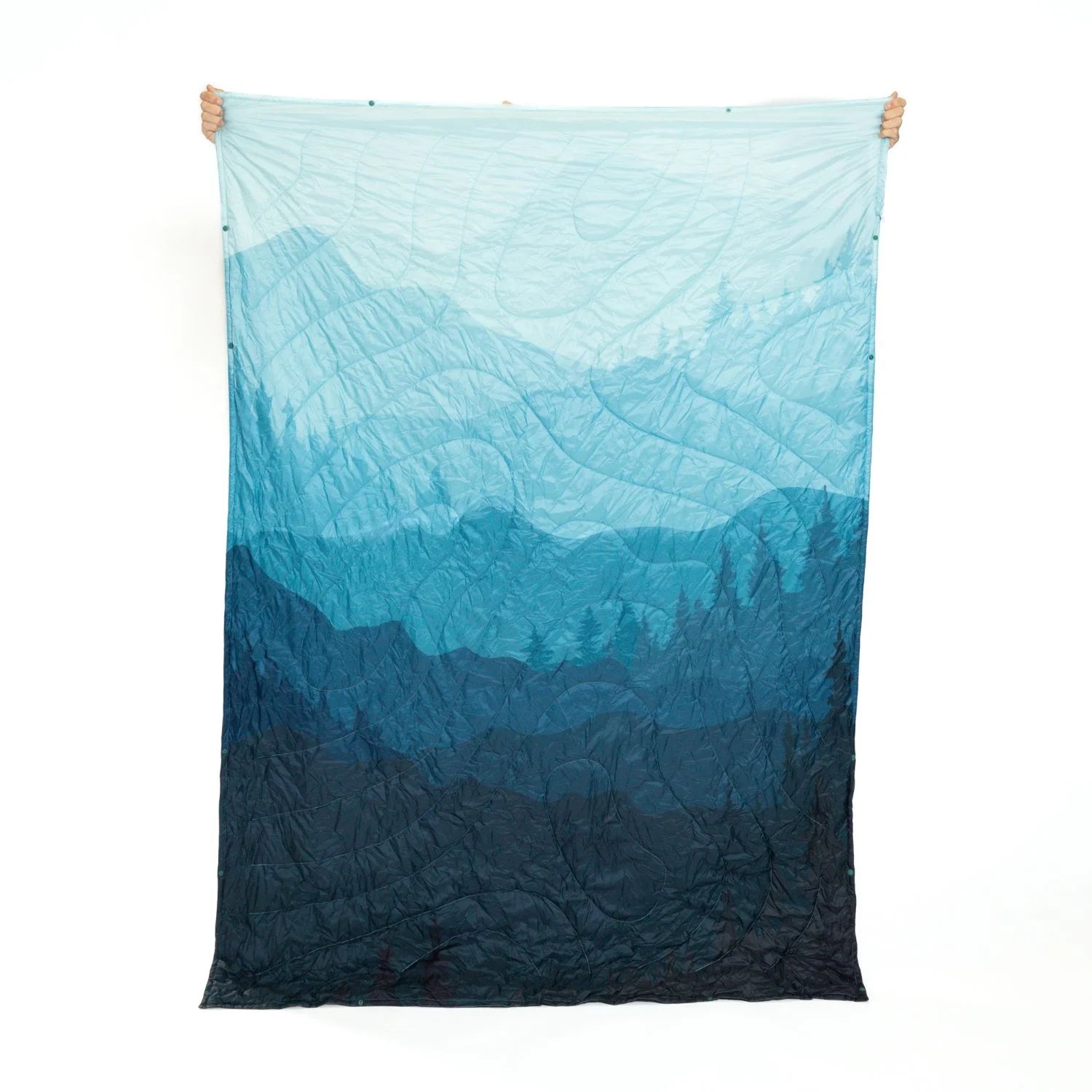
A pocket-sized ground blanket shows the same logic. One tested model weighs 108 g and folds to about 4.5 × 2.7 × 1.1 inches while seating two to four people. Small and light is achievable. Ask for it.

Materials that age well are the backbone of durable gear. Treeline Review’s durability guide lists ripstop nylon and Cordura, titanium and stainless steel, high-fill-power down, and Dyneema as the fabrics and metals that hold up.
On recycled and eco-minded fabrics, check for specifics. One chair test found a $60 model using recycled bluesign-approved fabrics with a non-fluorinated water-repellent finish. “Eco-friendly” with no detail behind it is a slogan; a named fabric standard or finish is information.
Look at where the stress goes. The same Treeline guide points to reinforced stress points, bartacked seams, few single points of failure, and modular, field-repairable parts. On a chair that means the frame joints and the fabric attachment points. On a bag or blanket it means seams and closures.
A product that looks great on paper can still annoy you. Check that it does not rub, that you can operate buckles and zips with cold or wet hands, and that it works with the rest of your kit. For a chair, sit in it with your real layers on. For a blanket, check it packs into the bag you already own.
A maker that backs its product tells you something about how it is built. Look for warranties or repair programs, replacement parts, responsive support and a clear repair policy. Our Sitpack products come with a 45-day satisfaction guarantee, and select items carry a lifetime warranty. Check the product page for which items are covered.
This is the number most buyers skip. Divide the price by the number of trips you realistically expect. A $17 item that fails after one season costs more per use than a pricier piece that lasts a decade. Treeline Review makes the case that the most sustainable gear is the gear you never replace: a single durable item uses fewer raw materials, less manufacturing energy and less packaging than a string of replacements, and cost per use improves over the years.
Switchback’s chair testers also observed that quality tends to track price. Larger chairs are tougher because makers need not save weight, while the best lightweight chairs need thin, strong aluminum frames that cost more. The takeaway: decide how much weight you will carry, then pay for the best build at that weight.
Here is a quick way to compare finalists:
| Check | What to look for | Red flag |
|---|---|---|
| Weight | Light enough to carry on every trip | You leave it at home |
| Packed size | Fits your existing bag | Needs its own bag |
| Materials | Ripstop, aluminum, recycled fabric with a named standard | Vague “eco” claims |
| Construction | Reinforced stress points, repairable parts | Single weak joints |
| Warranty | Clear terms, spare parts | No stated policy |
| Price per use | Low over years | Cheap now, replaced yearly |
Seating is the accessory people underrate until their back complains. The sensible questions are the same as above, plus a few that are specific to sitting.
We go deeper on this in our guides to choosing portable seating for every adventure and picking a camp chair for outdoor use. If your priority is longevity across all your gear, see how to pick durable outdoor accessories that last.
Here is a practical routine that turns the checks above into a kit.
The CUNY guide ends on the same practical note: before you leave, confirm you can carry everything comfortably, reach key items, handle a change in weather, keep wet gear separate, and dry and maintain equipment afterward.
Eco-conscious buyers should look at three things.
A single reliable item replaces the habit of buying cheap and replacing often, which is why we build around durability.
Good gear dies of neglect more often than of hard use. Treeline Review’s advice is simple: rinse salt and sweat off after each use, air-dry before packing, check zippers and buckles for debris before storage, and keep sharp objects sheathed and separate from fabrics.
A few extra habits help:
Carry a little cord, repair tape and a few spare fasteners for fixes in the field.
Our view: buy less, carry less, sit better
We started Sitpack in Denmark with a simple irritation: sitting down outdoors was either heavy or flimsy. So we design portable seating that is lightweight and minimalistic, and we use durable, often eco-friendly materials, because a seat you carry every time beats a better one you leave at home.
Our advice follows from that. Pick fewer accessories, make each one do a clear job, and choose pieces you will still be using in five years. That is why we back our products with a 45-day satisfaction guarantee and a lifetime warranty on select items.
When we put a kit together for ourselves, it starts with a seat, a light and something warm, and grows only when a trip demands it.
Jonas
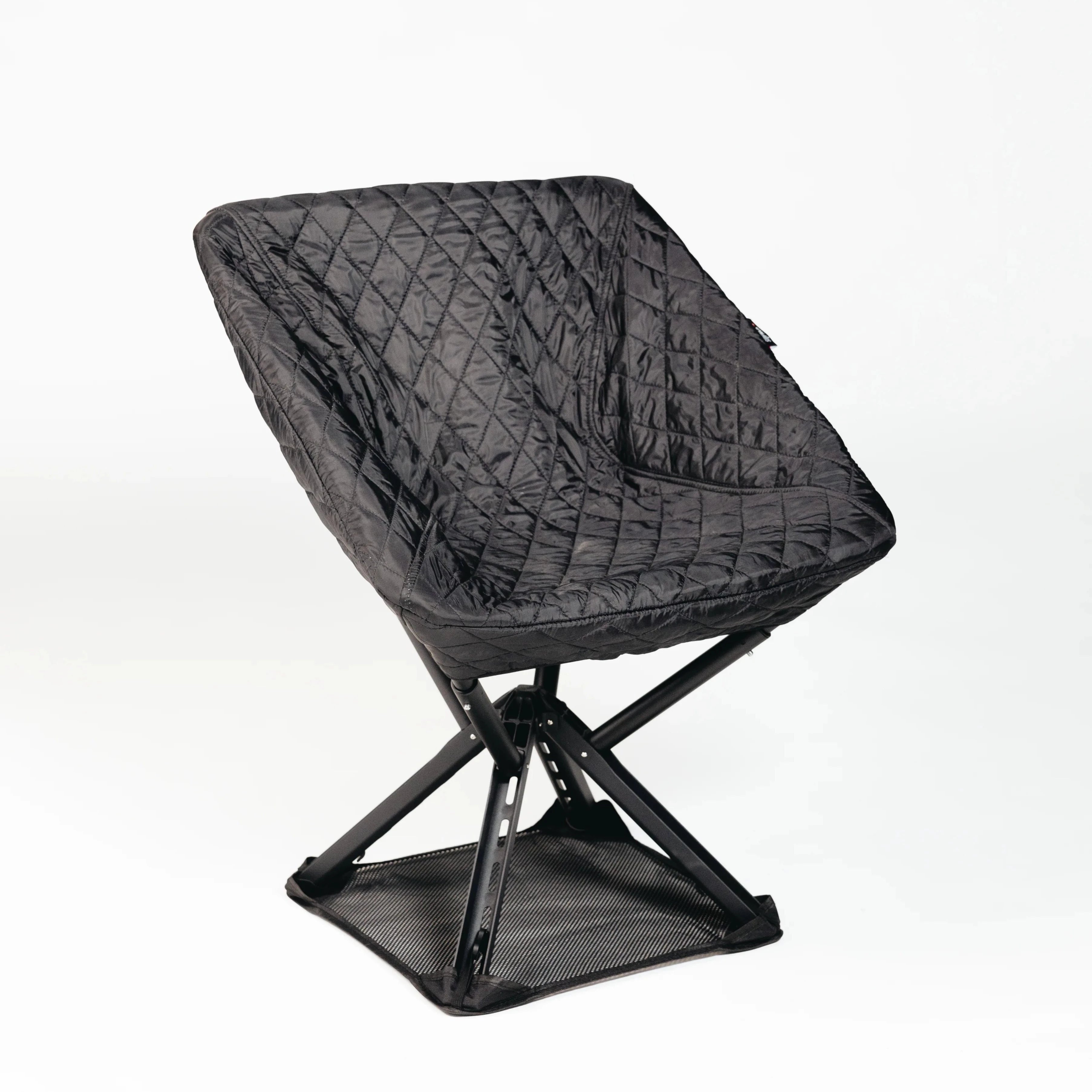
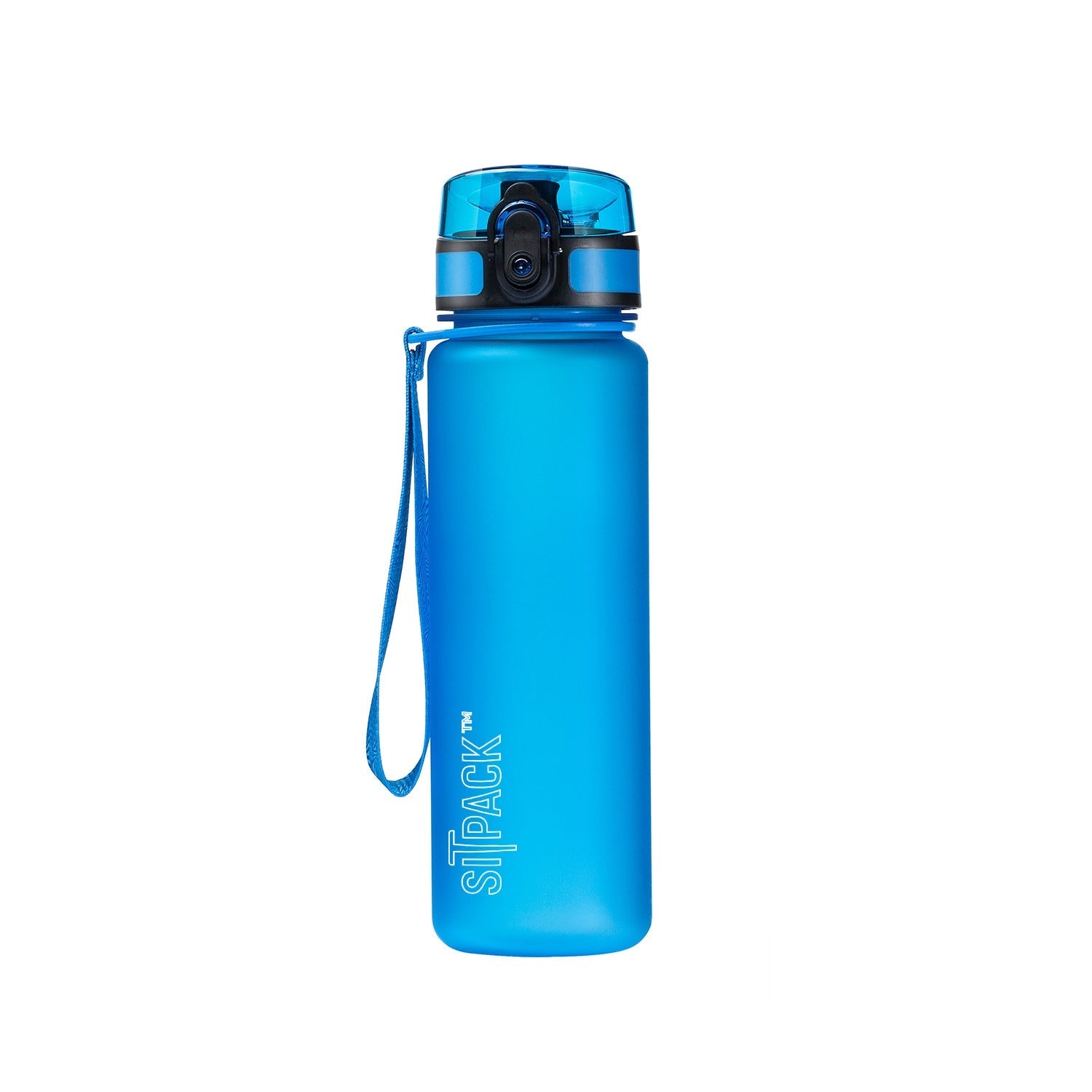
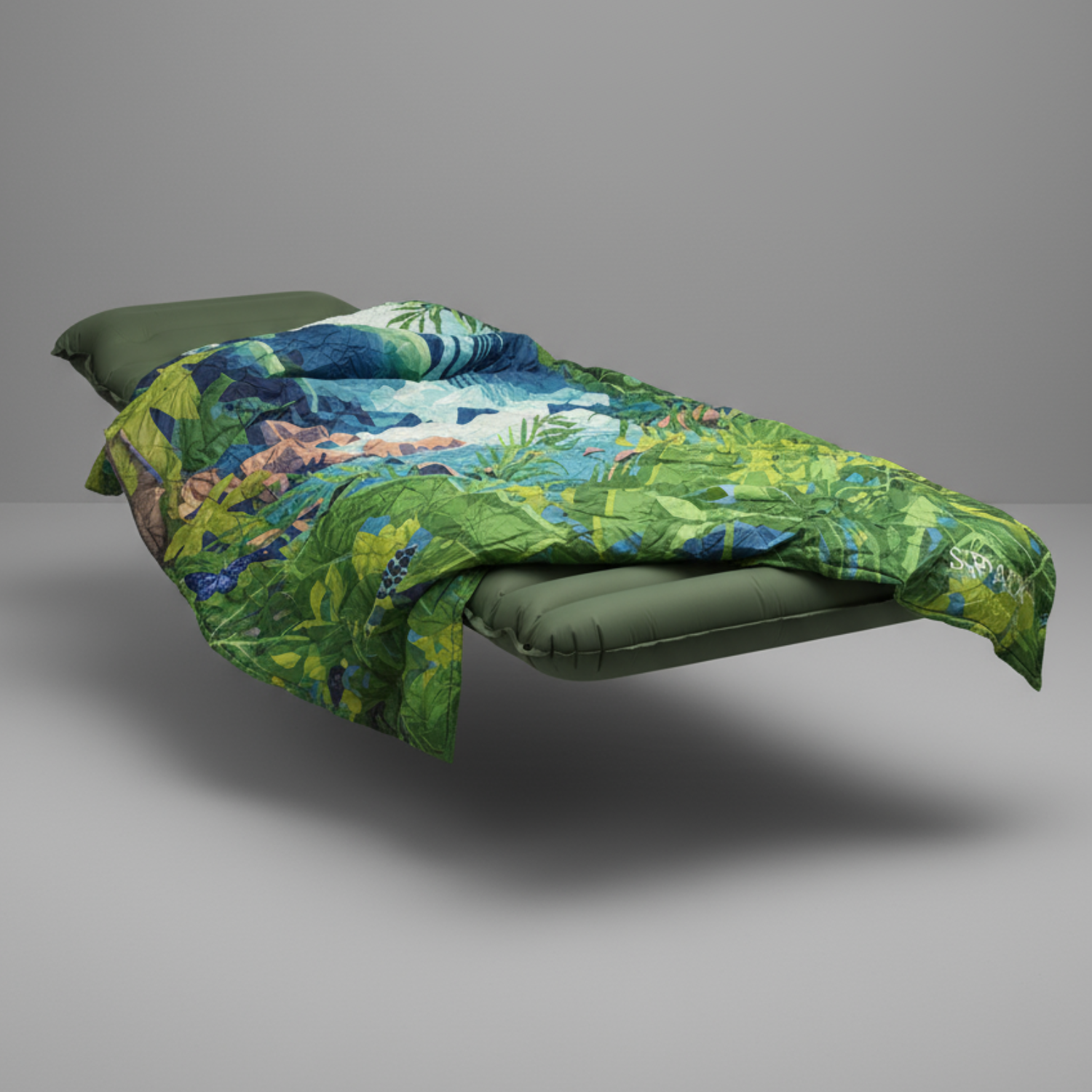
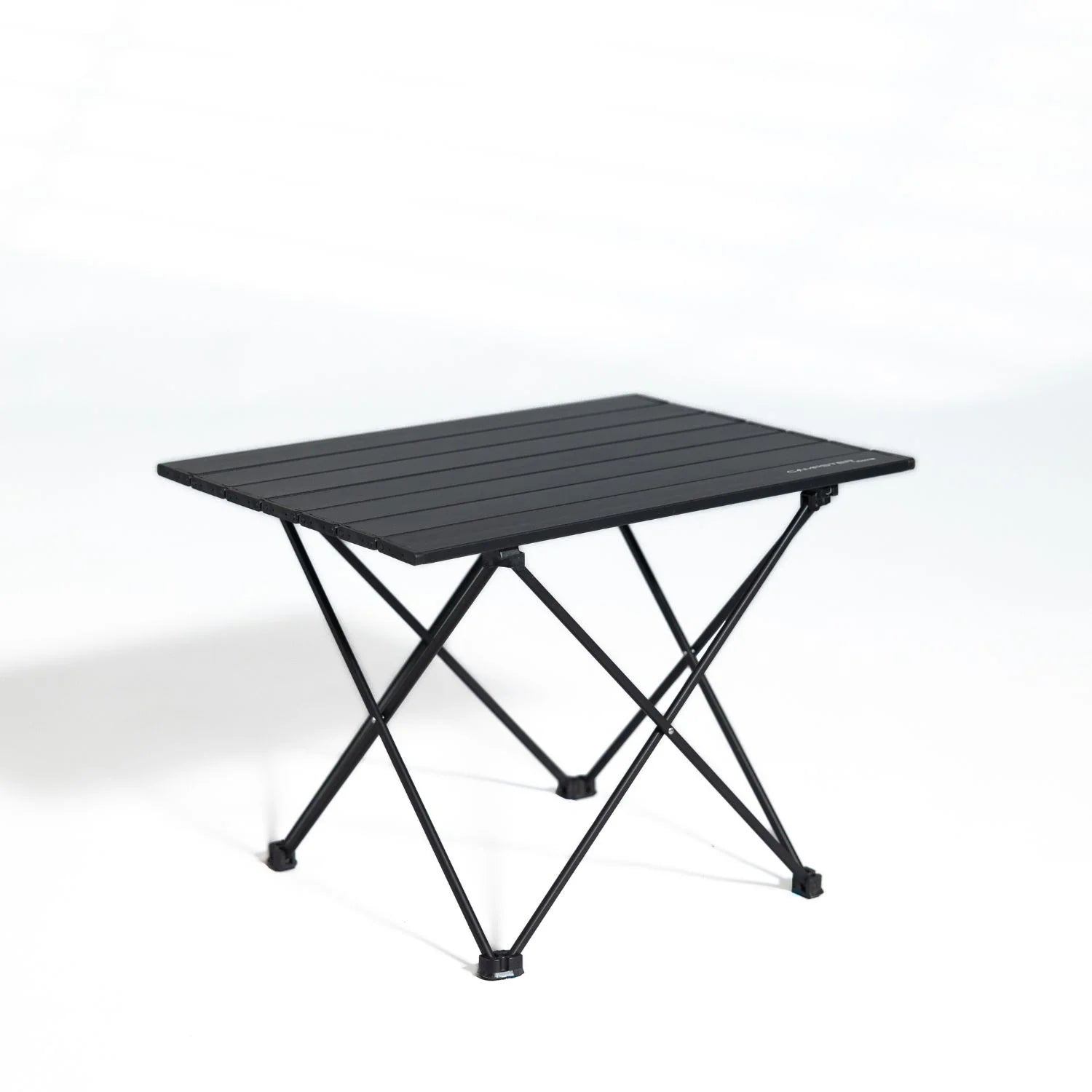
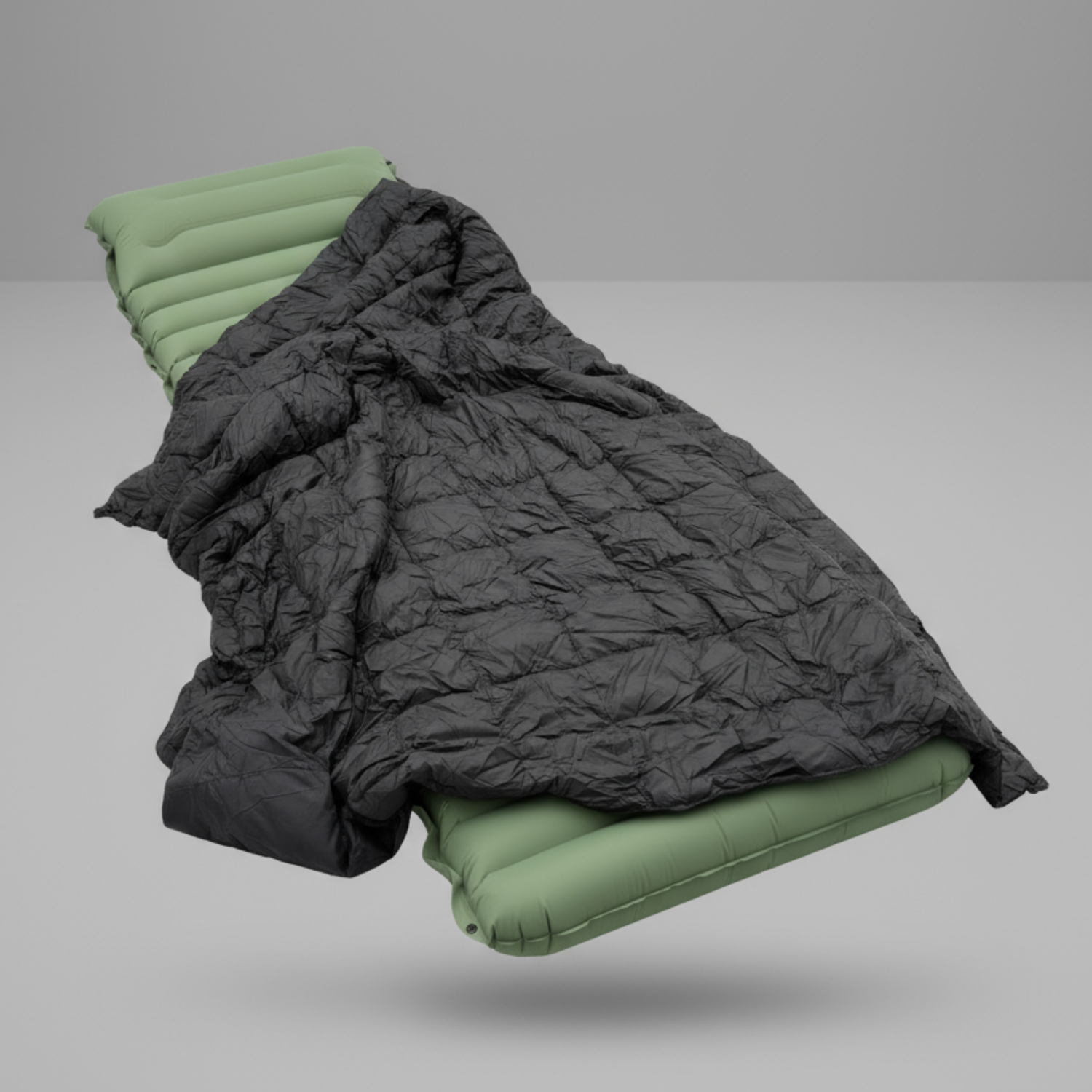
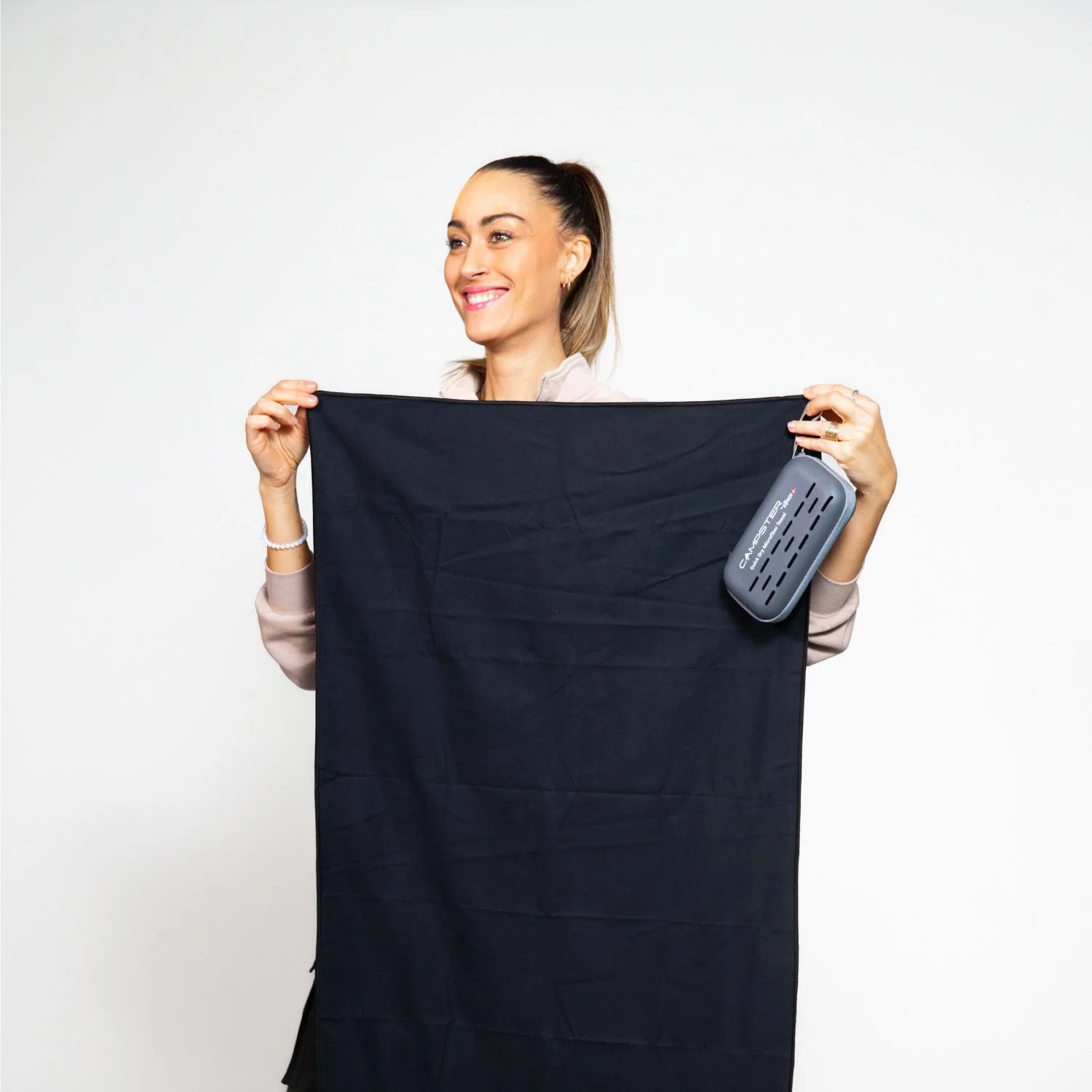
If you want the comfort core in one place, start with the Campster II, our portable folding chair built to be light and compact. Add the Airwrap puffy adventure blanket for cool evenings and the OCTO Camp Light for after dark. You can browse seating, tables, seat warmers, blankets, travel towels and water bottles across the full Sitpack range, and we ship worldwide.
If you would rather buy a set, the Sitpack 2.0 value bundle puts a combination together in one order.
For most day hikes, the essentials are a light, a map and compass, sunscreen, water and a first aid kit with an emergency blanket. Add warm and waterproof layers for the weather you expect. Comfort extras such as a seat or pocket blanket come after those.
Look at the materials, the stress points and the warranty. Ripstop nylon, aluminum and stainless steel age well, reinforced seams and repairable parts reduce failure, and a clear warranty shows the maker expects the product to last.
There is no fixed rule, but good ultralight seats weigh around 2 lb and pack to roughly 14 × 4.5 inches. Decide how far you carry gear, then choose the lightest chair whose build you trust at that weight.
They are when the claim is specific: a named recycled fabric, a PFC-free finish, or a design meant to be repaired. The most direct sustainability gain is owning one durable piece for years instead of replacing cheaper ones.
Rinse off salt, sweat and mud, air-dry everything fully, and check zippers and buckles for grit. Store dry items loosely, not in a sealed bag, and keep sharp tools away from fabric.