Cart
0
Sign up and get 10$ off your order
Expected delivery
1-3 days
You may also like


Danish Company


TL;DR:
- Outdoor comfort technology has transformed from a luxury into a key performance factor, using advanced textiles and ergonomic designs to enhance outdoor experiences. Radiative cooling textiles, especially silicon nitride fabrics, provide passive temperature reduction and maintain effectiveness even when sweating, making them field-ready. Ergonomic gear and smart devices improve comfort and safety, but require proper validation, maintenance, and power management to ensure long-term benefits.
Outdoor comfort technology is defined as any gear, textile, or device engineered to regulate temperature, reduce physical strain, and sustain enjoyment during outdoor activities. The role of comfort tech outdoors has shifted from a nice-to-have luxury into a genuine performance factor, backed by hard science. A 2026 study published in Nature Communications found that silicon nitride textiles keep skin up to 7.3 °C cooler than cotton outdoors, even under sweating conditions. Meanwhile, research from Circuit Cellar confirms that 39% of wearable users quit their devices due to discomfort alone. The message is clear: comfort tech that fails the body in real conditions is just expensive gear collecting dust in your pack.
Outdoor comfort technology spans three distinct categories: thermal management textiles, ergonomic wearables and seating, and smart environmental gear. Each category targets a different source of physical discomfort, and together they form a system that makes extended time outdoors genuinely sustainable rather than something you white-knuckle through.
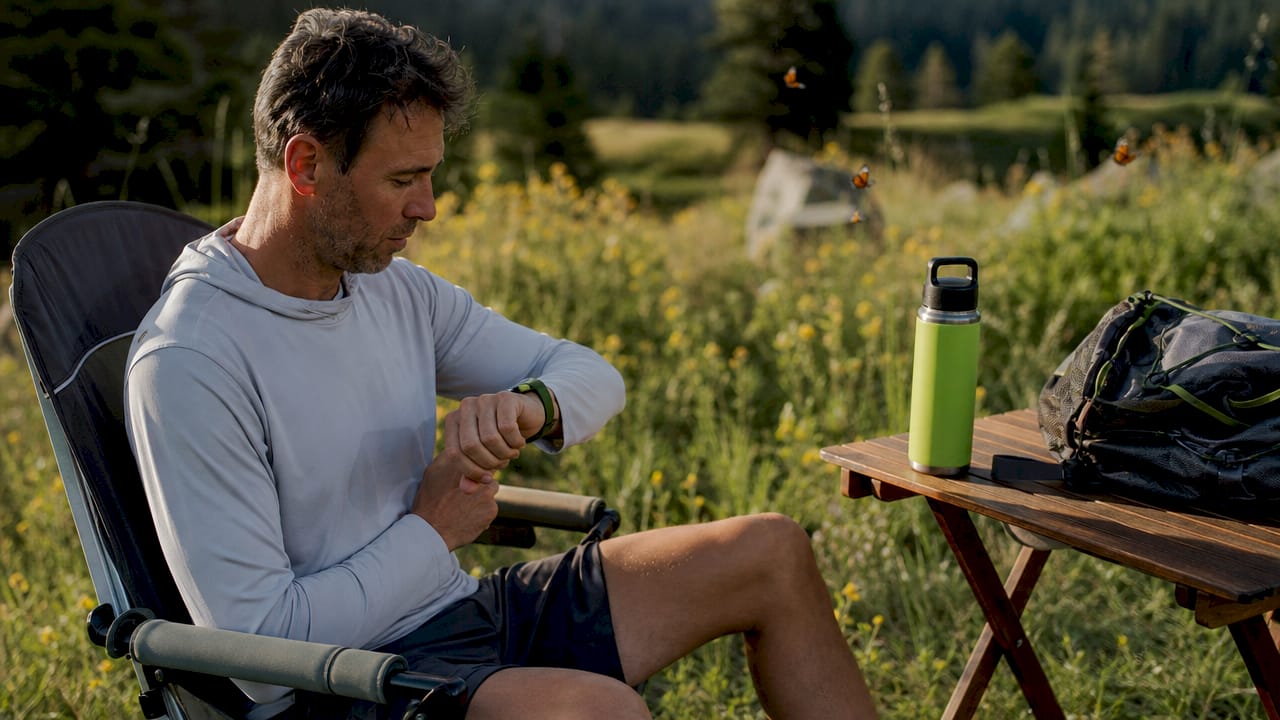
Thermal management is the newest and most scientifically exciting frontier. Ergonomic design is the oldest and most overlooked. Smart gear sits in the middle, blending connectivity with physical comfort in ways that would have seemed like science fiction a decade ago. Understanding how each category works helps you spend smarter and pack lighter.
Radiative cooling is the process by which a surface sheds heat by emitting infrared radiation through the atmospheric window, the 8 to 13 micrometer wavelength range where Earth’s atmosphere is largely transparent to outgoing heat. Textiles engineered to exploit this window can cool the wearer passively, without power, fans, or ice packs.
The 2026 Nature Communications study on silicon nitride particles is the most compelling data point in this space. The textile achieved 83.8% atmospheric-window emissivity and 92.8% solar reflectivity before sweating, and critically, it maintained 84.4% emissivity after sweating. That last number matters enormously. Most lab results measure dry performance, but your body sweats. A textile that loses its cooling properties the moment you start hiking is not outdoor comfort tech. It is a marketing claim.
A parallel study in RSC Materials Advances tested TiO2 and SiO2 nanoparticle coatings applied to cotton. Those coatings reduced surface temperatures by up to 6.9 °C under direct sunlight, with biocompatible and durable performance maintained over multiple days of use. That durability metric is what separates a field-ready product from a prototype.
Pro Tip: Always ask for post-sweat emissivity data when evaluating cooling textiles. A textile that maintains above 80% atmospheric-window emissivity after moisture exposure is genuinely field-ready. Anything tested only in dry lab conditions is an incomplete claim.
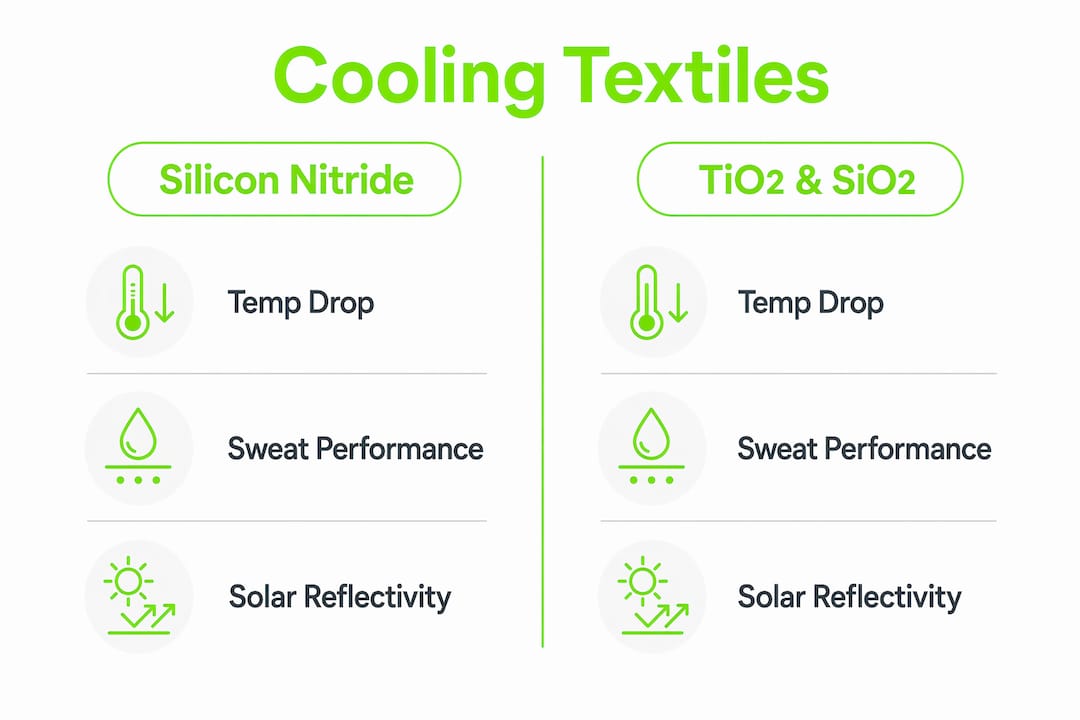
Here is how the two leading textile approaches compare:
| Textile type | Temp reduction | Solar reflectivity | Sweat performance |
|---|---|---|---|
| Silicon nitride textile | Up to 7.3 °C | 92.8% | Emissivity maintained at 84.4% post-sweat |
| TiO2/SiO2 nanoparticle cotton | Up to 6.9 °C | High (8–13 µm emission) | Durable over multiple days |
| Standard cotton | Baseline (0 °C) | Low | N/A |
The practical takeaway: both approaches deliver meaningful cooling, but silicon nitride textiles currently edge ahead on sweat resilience, which is the condition that matters most when you are actually moving outdoors.
Ergonomics is the engineering discipline that makes gear fit the human body rather than forcing the body to adapt to the gear. In outdoor tech, poor ergonomics is not just uncomfortable. It is the primary reason people abandon otherwise capable devices. Circuit Cellar research confirms that 39% of wearable device users stop using their devices because of discomfort, a dropout rate that no performance spec can compensate for.
The structural issues that drive abandonment fall into three categories:
Sensor-based ergonomic testing, where pressure mapping and thermal imaging are used during actual movement, is now the gold standard for validating outdoor gear design. Products that skip this step and rely on static fit testing tend to feel fine in the store and miserable on the trail. Ergonomic seating design that reduces pressure and strain by up to 30% demonstrates what rigorous validation actually produces in practice.
Pro Tip: When buying ergonomic outdoor gear, look for products that publish pressure-mapping or fit-variability data. If a brand cannot explain how they validated comfort across different body types, their ergonomics claims are aspirational at best.
The concept of “time-on-skin” comfort is worth understanding. It refers to how long a person can wear or use a piece of gear before discomfort forces them to remove it. Maximizing time-on-skin is the real goal of ergonomic design, and it requires testing across diverse body shapes, activity levels, and temperature conditions. For seating specifically, sitting comfortably anywhere outdoors depends on how well a seat distributes weight across the sit bones during extended rest.
Smart outdoor gear integrates connectivity, safety, and environmental control to create comfort experiences that adapt to conditions rather than requiring you to adapt to them. According to WildernessSense, GPS wearables and motion-sensor lighting have become standard tools for improving both safety and ease of use during outdoor adventures. The key is that these technologies complement traditional outdoor skills rather than replacing them.
Here are the five smart tech categories most actively transforming outdoor comfort right now:
One honest caveat: smart gear introduces privacy considerations and potential wildlife disturbance that deserve attention. Bright lights, Bluetooth signals, and device noise can disrupt animal behavior in sensitive ecosystems. The most thoughtful outdoor tech users treat their gear as a tool to be used with awareness, not a license to import urban habits into wild spaces.
Choosing outdoor comfort tech well requires moving past marketing claims and into performance specifics. Here is a checklist worth running through before any purchase:
Maintenance is where most outdoor tech investments quietly fail. Nanoparticle coatings on cooling textiles can degrade with harsh detergents. Ergonomic foam and padding compress over time and need periodic inspection. Smart device firmware should be updated before each trip, not during one.
| Gear type | Primary comfort benefit | Ease of maintenance |
|---|---|---|
| Radiative cooling textile | Up to 7.3 °C temperature reduction | Moderate (gentle wash required) |
| Ergonomic portable seating | Up to 30% fatigue reduction | Low (wipe clean, inspect padding) |
| GPS wearable | Safety and physiological monitoring | Low (firmware updates, charging) |
| Smart tent | Climate control and sleep quality | High (complex components) |
Power management deserves its own paragraph. Every smart device you carry creates a power dependency. The practical rule is to carry one more day of battery capacity than your planned trip length, and to prioritize solar-compatible devices for anything beyond a weekend outing. Versatile seating solutions that require zero power are genuinely underrated in a world obsessed with connected gear, because they deliver comfort without adding to your charging burden.
Outdoor comfort technology works best when thermal management, ergonomic design, and smart gear are treated as a system rather than isolated purchases.
| Point | Details |
|---|---|
| Cooling textiles need sweat data | Verify post-sweat emissivity above 80% before trusting any temperature reduction claim. |
| Ergonomics drives adoption | 39% of wearable users quit due to discomfort, making fit validation as important as performance specs. |
| Smart gear complements skills | GPS wearables and climate-controlled shelters enhance safety and comfort without replacing outdoor knowledge. |
| Maintenance preserves performance | Nanoparticle coatings and ergonomic padding degrade without proper care, reducing long-term comfort benefits. |
| Power independence matters | Zero-power comfort solutions like ergonomic seating reduce charging burden on extended trips. |
I used to treat discomfort as a badge of honor outdoors. Sore back after a long day on the trail? Part of the experience. Overheating in direct sun? Drink more water and push through. That mindset is not toughness. It is just stubbornness dressed up as virtue.
What shifted my thinking was spending a week testing ergonomic seating and a cooling shirt back to back on a desert hiking trip. The difference in how I felt at the end of day three was not subtle. I was less fatigued, more alert, and genuinely enjoying the environment instead of managing my physical state. Comfort tech did not make the trip easier in a soft way. It made it longer and richer because I had more capacity left for the actual experience.
The science backs this up. Ergonomic seating that reduces fatigue by up to 30% is not a luxury claim. It is the difference between a two-hour rest stop and a four-hour one, between turning back early and making the summit. The same logic applies to cooling textiles: 7.3 °C is not a trivial number when you are working in direct sun for six hours.
My honest concern about where this category is heading is the creep toward complexity. Smart tents with app controls and climate systems are genuinely impressive, but they also introduce failure points, maintenance demands, and a psychological dependency on connectivity that can erode the restorative quality of being outdoors. The best comfort tech I have used is the kind you stop noticing. It just works, quietly, while you focus on the view.
— Jonas
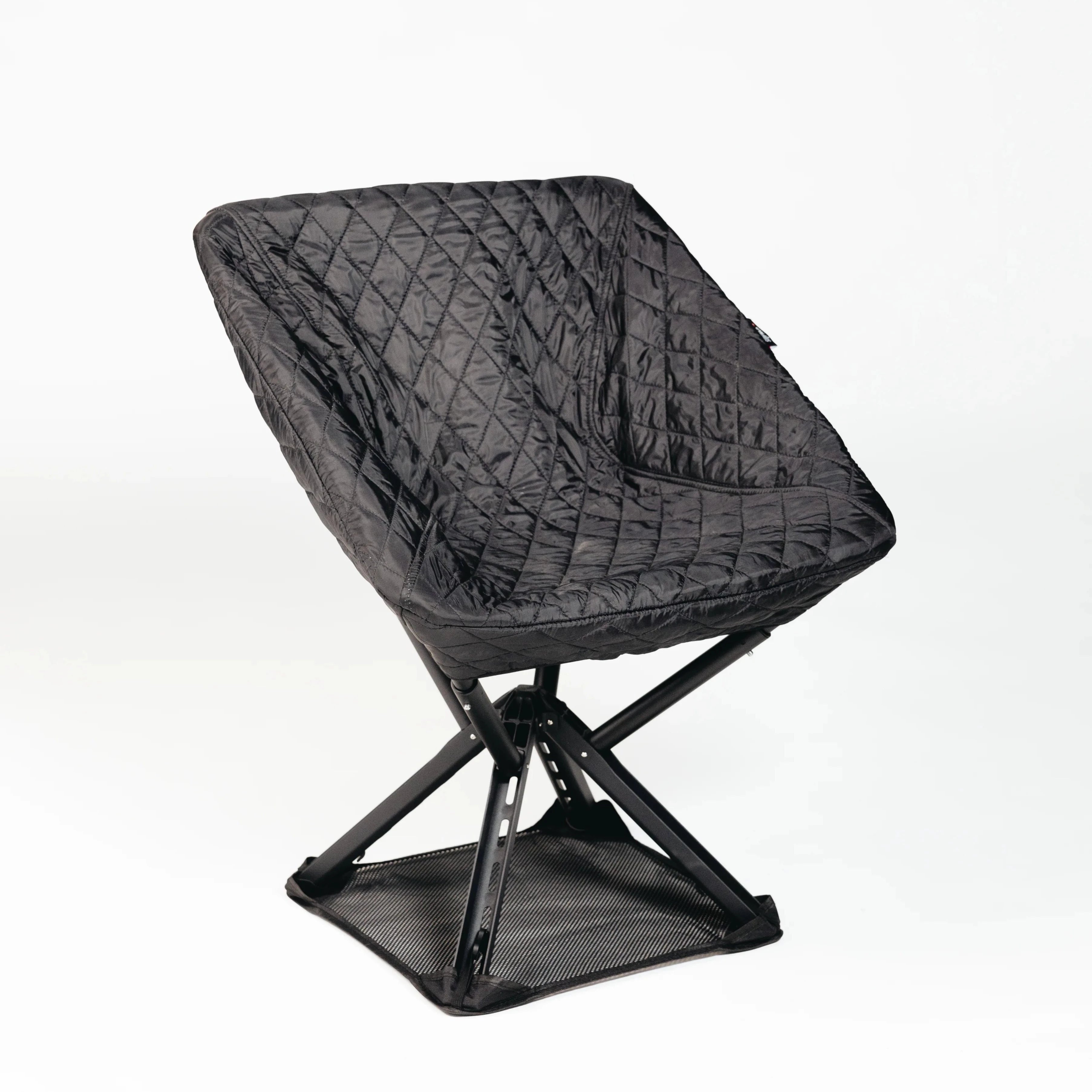
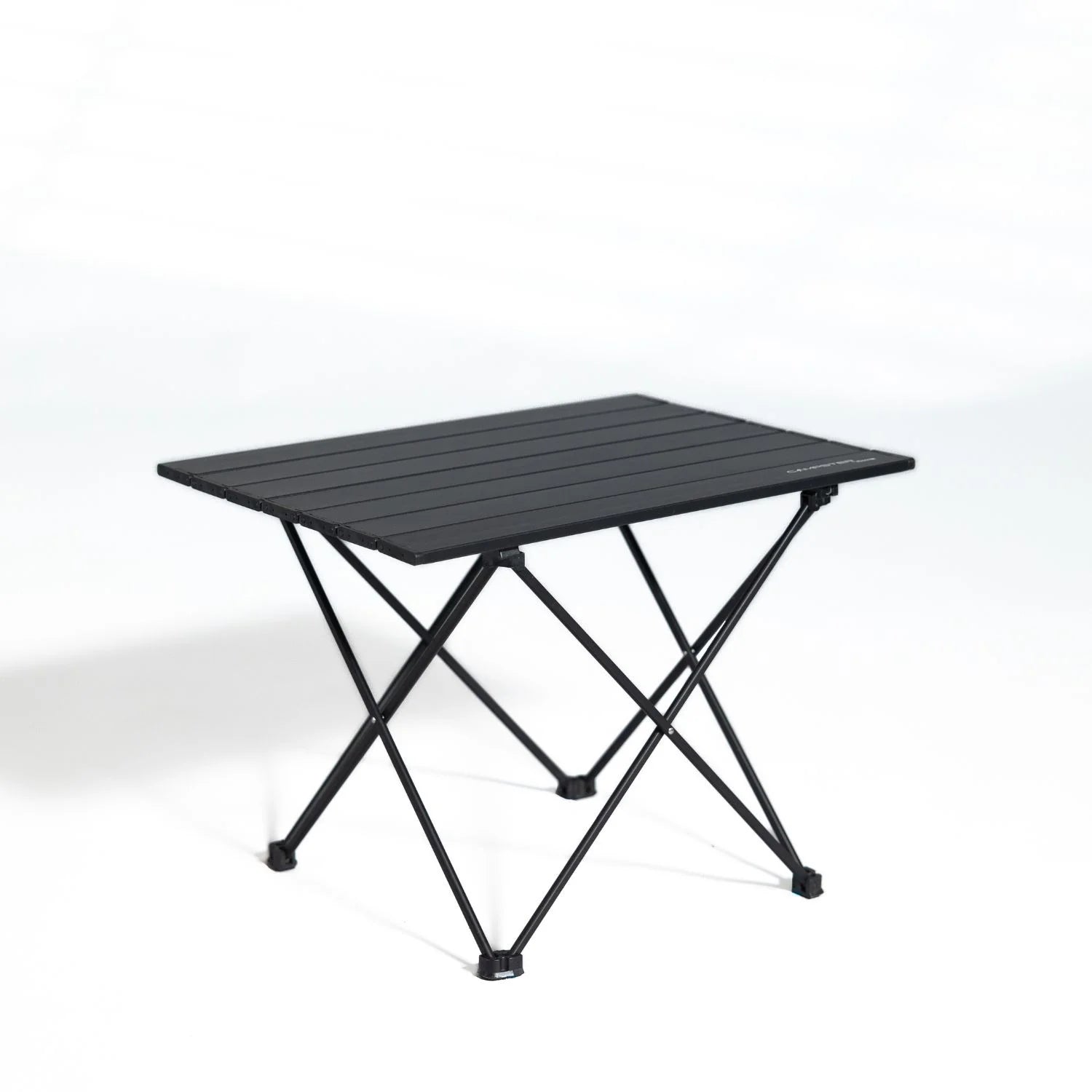
If the ergonomics section of this article resonated with you, Sitpack’s portable seating lineup is worth a serious look. The Campster II and Sitpack Zen are built around the same pressure-distribution and weight-balance principles discussed above, with lightweight, minimalistic designs that add genuine comfort without adding meaningful pack weight.

Sitpack products carry a lifetime warranty and ship worldwide, which tells you something about how confident the brand is in their durability. For anyone planning extended outdoor trips where rest quality directly affects performance, Sitpack’s portable chairs are a practical, zero-power comfort investment that earns its place in your kit every single time you park yourself somewhere beautiful.
Outdoor comfort technology manages thermal regulation, ergonomic support, and environmental control to make outdoor activities more sustainable and enjoyable. It spans cooling textiles, ergonomic seating, smart shelters, and GPS wearables.
Silicon nitride textiles achieve up to 7.3 °C cooler than standard cotton outdoors, maintaining that performance even under sweating conditions with 84.4% atmospheric-window emissivity post-sweat.
39% of wearable users discontinue use because of discomfort, driven by pressure points, friction, and heat buildup at the skin interface. Ergonomic validation during design is the fix.
No. Smart gear like GPS wearables and climate-controlled tents complements traditional skills rather than replacing them, enhancing safety and comfort while leaving core outdoor competencies intact.
Use gentle, low-temperature washing cycles and avoid harsh detergents that degrade nanoparticle coatings. Check manufacturer guidance on wash frequency, as TiO2/SiO2 coatings are durable but not indestructible.