Cart
0
Sign up and get 10$ off your order
Expected delivery
1-3 days
You may also like


Danish Company


TL;DR:
- Travel-ready seating offers ultralight, durable, and comfortable chairs that easily pack into bags for outdoors or urban use. The best models leverage ripstop fabrics and aerospace-grade aluminum, supporting 250 pounds or more, with quick setup and extended warranties. These chairs enhance active lifestyles by providing stability, convenience, and long-term value, making them essential gear regardless of adventure type.
Most people assume that anything small enough to fit in a backpack has to make serious sacrifices somewhere, whether that’s comfort, sturdiness, or both. That assumption is flat-out wrong. Over the past several years, portable seating has undergone a genuine revolution, producing chairs and seats that are genuinely light, genuinely tough, and genuinely comfortable enough for hours of use on a trailhead, a festival lawn, or a crowded airport terminal. This article breaks down what makes seating truly travel-ready, which models lead the pack, and how you can match the right seat to your own adventures.
| Point | Details |
|---|---|
| Modern durability | Travel-ready seating uses advanced materials, making it long-lasting for frequent travel and outdoor use. |
| Unmatched portability | Lightweight designs and compact packing let you bring convenient seating anywhere, anytime. |
| Superior comfort | Top-rated models balance stability and ergonomic support for relaxation in any setting. |
| Smart investment | Quality portable seating offers value and convenience that outlasts cheaper alternatives. |
| Informed choice | Understanding core features ensures you pick the right travel-ready seat for your unique needs. |
Once you realize there’s more to portable seating than meets the eye, it helps to know what makes a chair truly travel-ready. Not every folding chair earns that label. A lawn chair from the back of your garage folds, sure, but it weighs a ton and takes up half your trunk. Genuine travel-ready seating clears a very specific bar across several categories at once.
Travel-ready seating typically means:
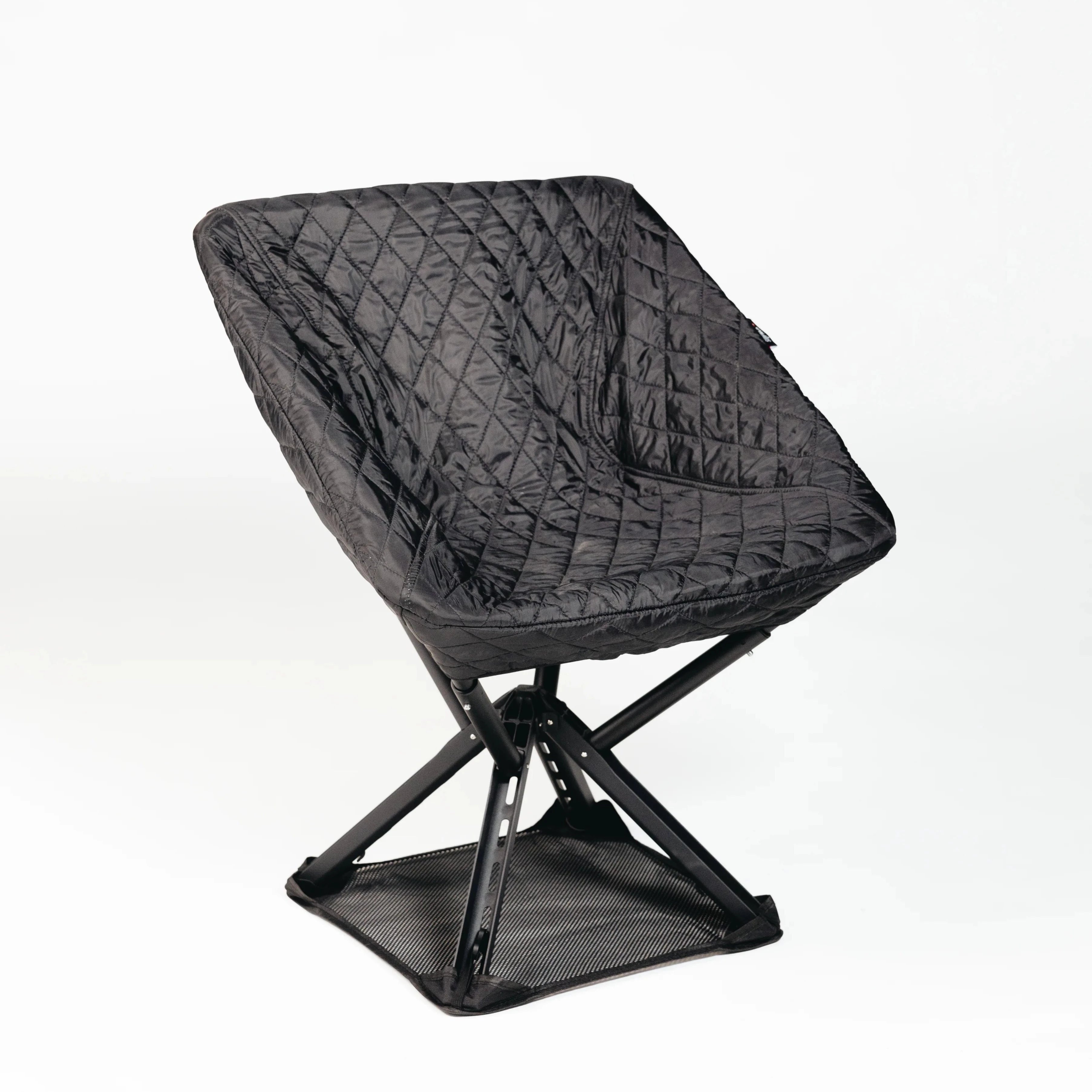
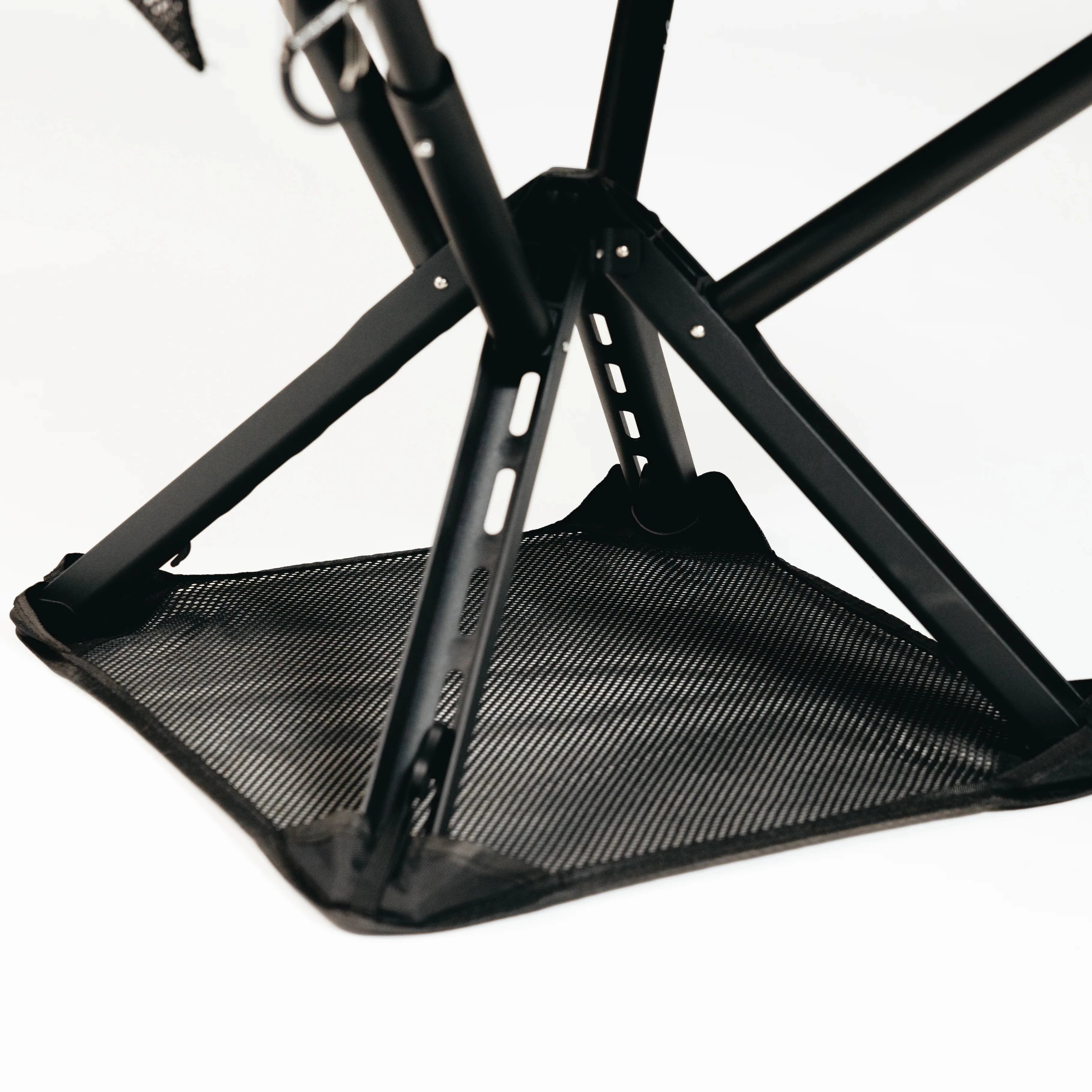
When it comes to materials, the gap between travel-ready and cheapo chairs is massive. Lightweight travel seating options at the premium end use 600D or 300D ripstop fabrics for the seat and back, which are woven in a crosshatch pattern that prevents small tears from spreading. Frames use 7075 aluminum, an aerospace-grade alloy that is both lighter and stronger than the standard 6061 aluminum used in budget chairs. That combination means ripstop and aluminum construction resists weather and corrosion far better than cheaper alternatives, and leading brands back that up with five-year warranties that they actually honor.
“The best travel chairs don’t feel like a compromise. They feel like the right tool for the job, every single time you pull them out.” — A sentiment shared by nearly every serious hiker and traveler who has made the switch from a bargain folding chair.
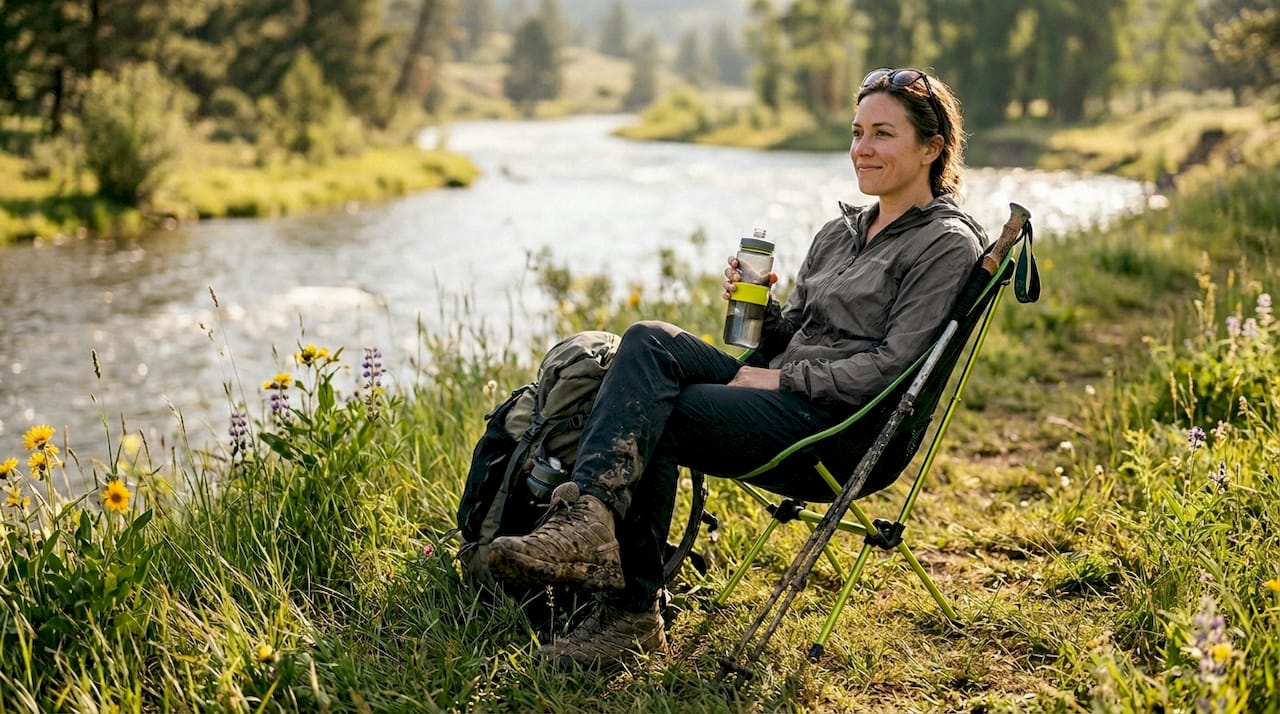
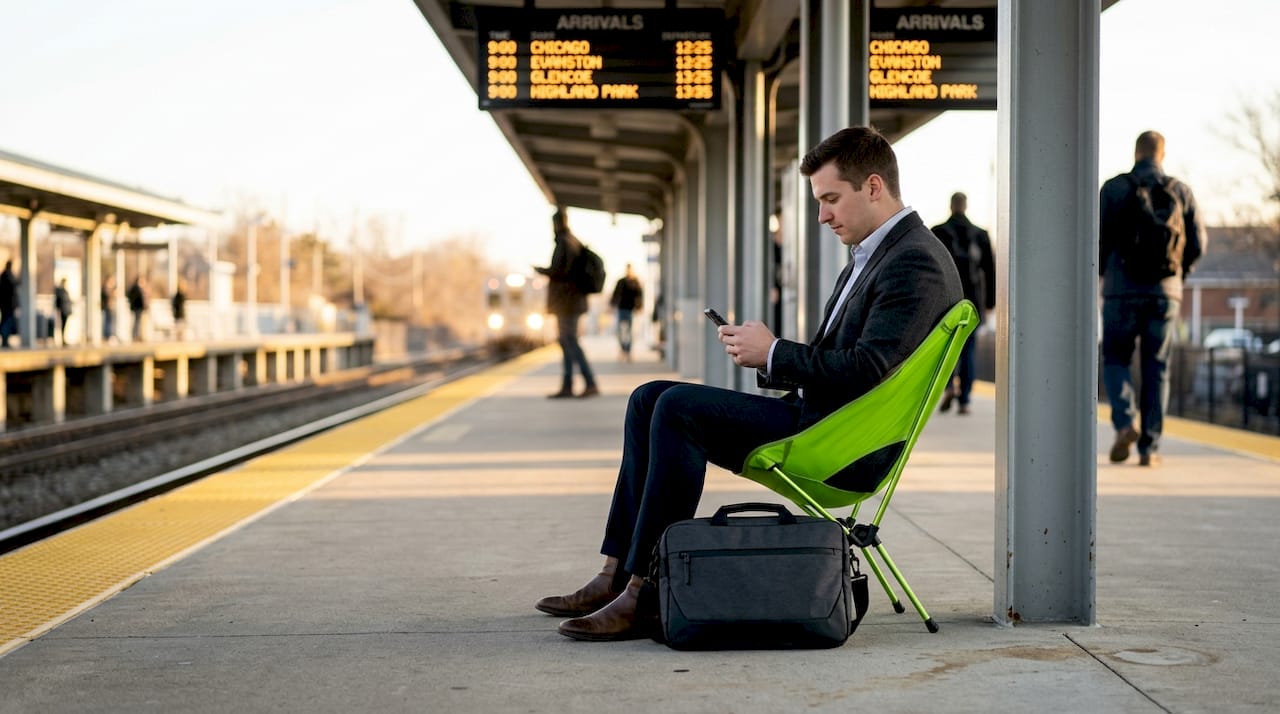
Urban use matters here too. Travel-ready seating is not only for muddy trails and lakeside camps. A seat that packs into your commuter bag is genuinely useful at outdoor concerts, sports sidelines, farmers markets, and any venue where standing for two hours is simply not appealing.
Pro Tip: Before buying, physically check the pole-to-pole connections on any folding frame chair. Wobbly joints are the number one sign of poor construction and the first thing that fails in the field.
Understanding the core features sets the stage to appreciate how these products transform your experiences on the go. It is one thing to list specs. It is another to feel the difference when you drop your pack after a long hike, pull out a one-pound chair, and actually sit comfortably instead of collapsing onto a rock.
Here are the most meaningful advantages you will notice right away:
📊 Stat callout: Independent benchmarks by CleverHiker rank the Helinox Chair Zero LT at the top for combined stability and comfort among ultralight options. The CLIQ Chair edges out Helinox in packed size but trails slightly on overall weight. Across major platforms, customer ratings for top travel chairs run from 4.2 to 4.7 out of 5, reflecting consistently positive real-world experiences.
When you look at foldable chairs comparisons for commuters and urban users, the benefits stack up differently than for backpackers. Weight matters less. Pack size matters more, because fitting into a work bag is a harder constraint than a hiking pack. Comfort during a two-hour outdoor event matters most of all. The good news is that the same material innovations driving ultralight hiking chairs are making urban travel seats genuinely excellent for all-day sitting.
With the benefits clear, let’s see how travel-ready options actually compare to standard folding chairs in real-world use. The numbers are pretty striking when you put them side by side.
| Feature | Travel-ready chair | Traditional folding chair |
|---|---|---|
| Weight | 0.9 to 2.2 lbs | 5 to 15 lbs |
| Packed size | Fits in a bag or clips to a pack | Requires carrying case or car trunk |
| Setup time | Under 60 seconds | 30 to 90 seconds |
| Comfort rating | 4.2 to 4.7 / 5 (user reviews) | 3.0 to 3.8 / 5 (user reviews) |
| Frame material | 7075 aluminum, carbon fiber | Steel, basic 6061 aluminum |
| Fabric | 300D or 600D ripstop | Polyester, vinyl, or cheap canvas |
| Warranty | 5 years and above | 1 year or none |
| Best for | Hiking, travel, events, commute | Backyard, tailgate, car camping |
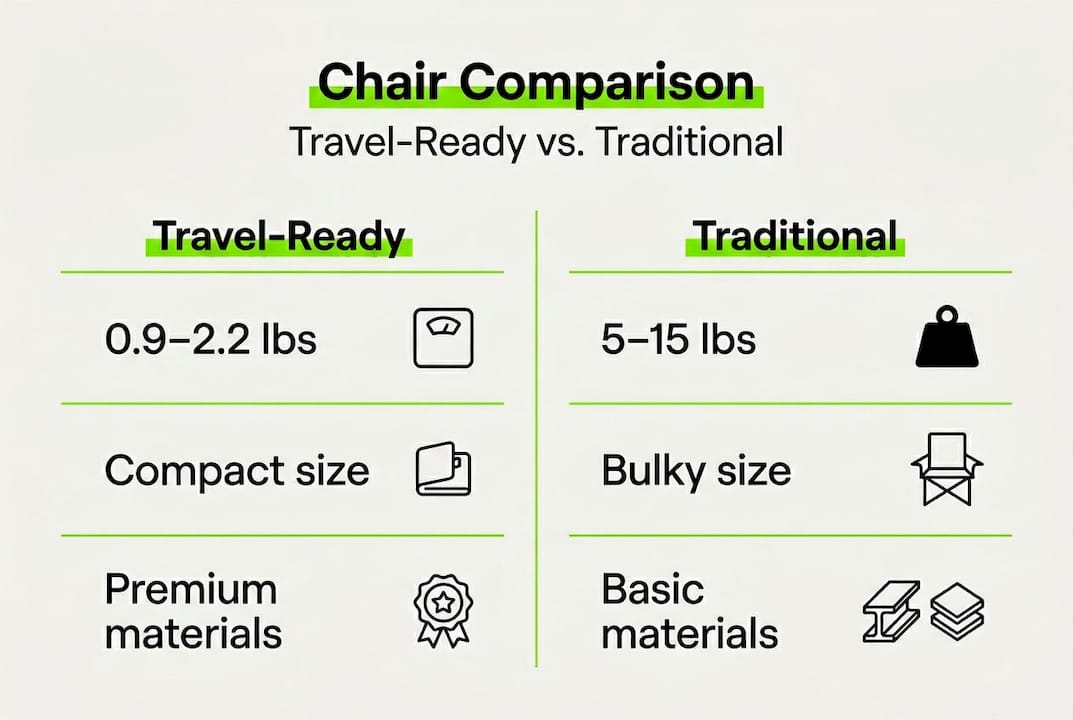
Traditional folding chairs have their place. If you are car camping with a family and comfort is the only priority, a big padded recliner chair is genuinely lovely. But for anyone who actually moves around, traditional chairs become a burden fast. They are awkward on public transit, impossible to attach to a daypack, and they eat up precious trunk space.
Scenarios where travel-ready wins every time:
The minimalist travel seating guide at Sitpack covers this beautifully, noting that once you experience a chair that fits in your bag, going back feels absurd. The durability standards achieved with ripstop fabrics and aluminum alloy frames mean travel-ready chairs also outlast many traditional options despite their lower weight.
Now that you’re aware of the differences and advantages, here’s a framework to help you pick the best seat for your journeys. The wrong choice is usually not a bad chair; it is the right chair for someone else’s adventures, not yours.
Step-by-step selection process:
Here is a data snapshot of leading models to help you compare before you buy:
| Model | Weight | Packed size | Load rating | Warranty |
|---|---|---|---|---|
| Helinox Chair Zero LT | 1.1 lbs | 3.5 × 13 in | 265 lbs | 5 years |
| CLIQ Chair | 2.0 lbs | 3.0 × 12 in | 250 lbs | Lifetime |
| Sitpack Zen | 1.3 lbs | 3.0 × 10 in | 265 lbs | Lifetime |
| Sitpack Campster II | 2.4 lbs | 4.0 × 16 in | 320 lbs | Lifetime |
| Helinox Chair One | 2.1 lbs | 4.0 × 14 in | 320 lbs | 5 years |
Pay close attention to how you personally respond to different seat heights and angles. Some people find low-slung chairs (like most ultralight backpacking models) difficult to stand up from after extended sitting. If your knees disagree with deep angles, look for higher seat height options, which often appear in the 15 to 17 inch range.
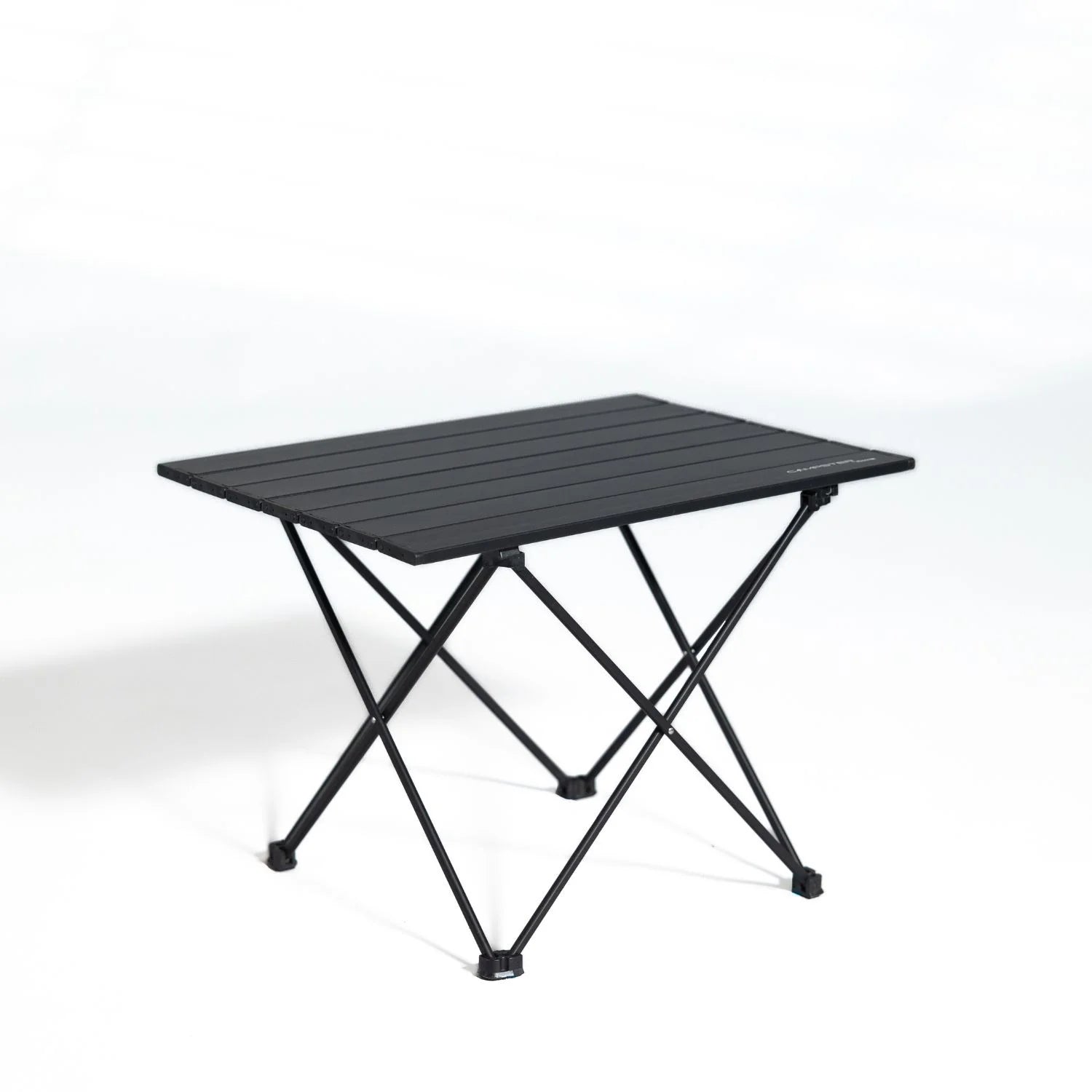
Also consider travel seating options that bundle accessories. A seat warmer pad or a compact side table changes the experience dramatically on cold-weather outings or longer rest stops. These small extras do not add meaningful weight but massively upgrade how the chair feels in practice.
Pro Tip: When comparing warranties, look for brands that explicitly cover frame failures and not just fabric defects. Frame failures under normal use are rare with quality materials, but knowing the brand stands behind both parts gives you genuine long-term confidence.
Here is an opinion that might ruffle a few feathers: travel-ready seating is not a luxury upgrade or a comfort-seeker’s indulgence. It is a fundamental part of traveling smart. I have watched dozens of people show up to trailheads, festivals, and city events with pristine hydration systems, top-tier footwear, and absolutely zero plan for where they will sit during rest breaks or lunch stops.
The common first-timer mistake is believing that sitting on the ground is “good enough” and that a proper chair is only for people who prioritize softness over adventure. That thinking has it completely backwards. Resting properly means you have more energy for the actual adventure. Sitting on wet, cold, or rocky ground is not toughness. It is just poor preparation.
Experienced outdoor travelers consistently report that a quality portable seat is the piece of gear they most wished they had purchased earlier. It is not the gear that gets the Instagram spotlight, but after a long day on the trail, the person sitting comfortably is the one who is rested and ready for tomorrow’s miles. The person sitting on a log with a wet base is not.
There is also a real-time dimension here. Every time you waste five minutes hunting for a flat rock or scraping mud off your pants, you are spending time that could go toward something better. A seat in your bag means you stop when you want, where you want, fully comfortably, and then keep moving. That flexibility compounds across a trip.
Check out these real-world chair comparisons and you will notice that the most glowing reviews almost always include a line like “I can’t believe I waited so long to get one of these.” That is not marketing language. That is the actual pattern of how people come around to understanding what portable seating adds to their lives.
The bottom line is this: smart adventurers pack for what might happen, not just what they planned. A seat that lives in your bag is always ready when opportunity or exhaustion strikes, whichever comes first.
Ready to experience the difference for yourself? Here’s where you can start.
If this article has clarified what you actually need in a travel seat, the next step is getting your hands on gear that lives up to the specs. At Sitpack, we have built our whole catalog around one idea: seating that goes wherever you go without making you regret bringing it.
Whether you are a weekend hiker, a daily commuter, or a full-time nomad, our shop travel seating options page lays out the best models with honest descriptions, real specs, and user reviews that tell the actual story. From the ultra-compact Sitpack Zen to the more robust Campster II, there is a seat sized exactly for your adventures. We offer worldwide shipping, a 45-day satisfaction guarantee, and lifetime warranties on our flagship models because we genuinely believe in the gear we sell. Go find your seat.
Travel-ready chairs use ripstop fabrics and 7075 aluminum for superior weather resistance and structural longevity, qualities that budget chairs built from steel and basic polyester simply cannot match.
Most leading models support 250 to 320 pounds, but you should always verify the specific manufacturer rating since capacities vary by frame design. Independent Helinox and CLIQ benchmarks confirm these ranges are reliable under real conditions.
Top-rated designs include ergonomic seat angles and tensioned fabric that supports the lower spine, keeping you comfortable even after several hours of continuous use.
Absolutely yes. The portability gain alone justifies the cost for anyone who moves around regularly, and the combination of superior durability and warranty coverage means the investment pays off over years of real use rather than a single season.