Cart
0
Sign up and get 10$ off your order
Expected delivery
1-3 days
You may also like
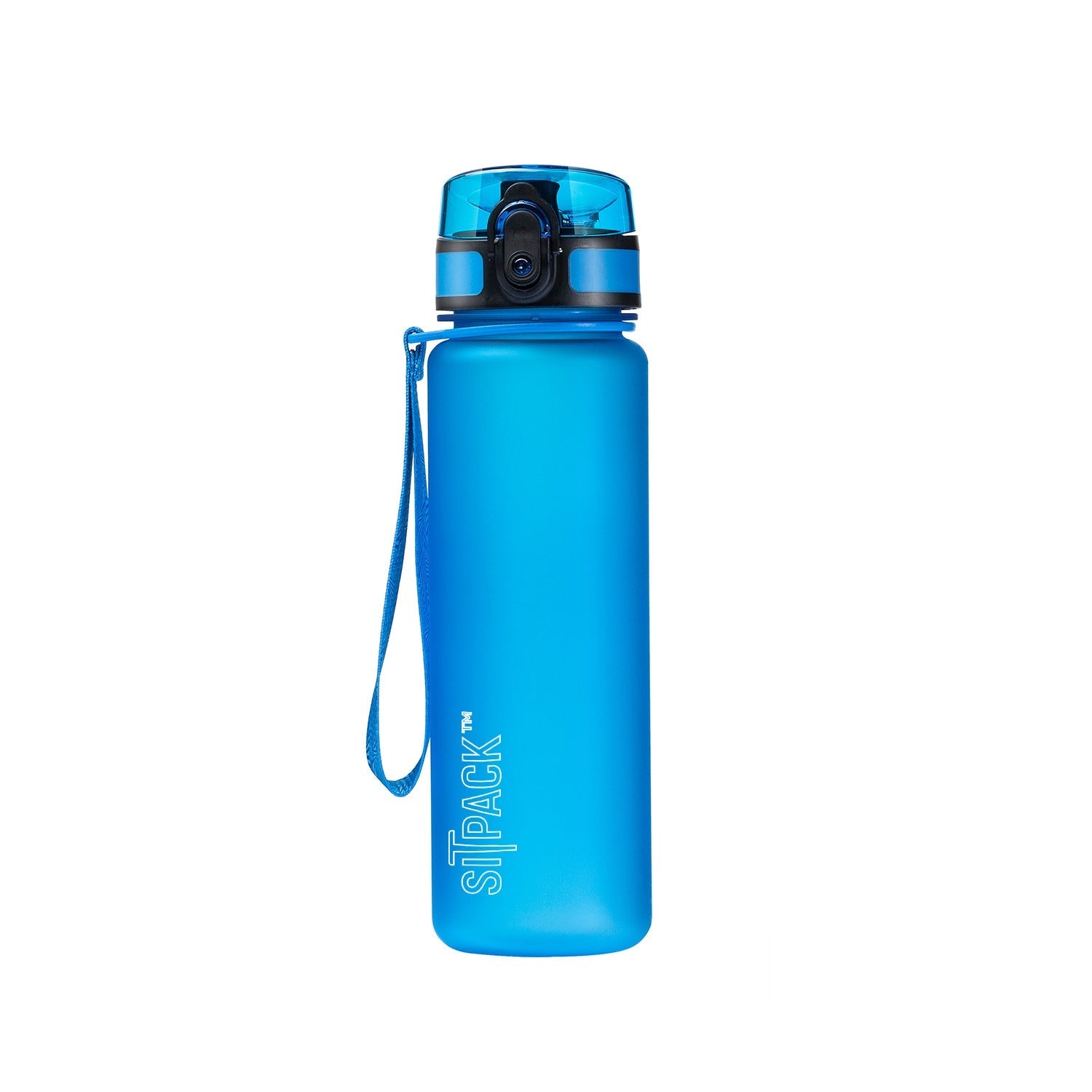
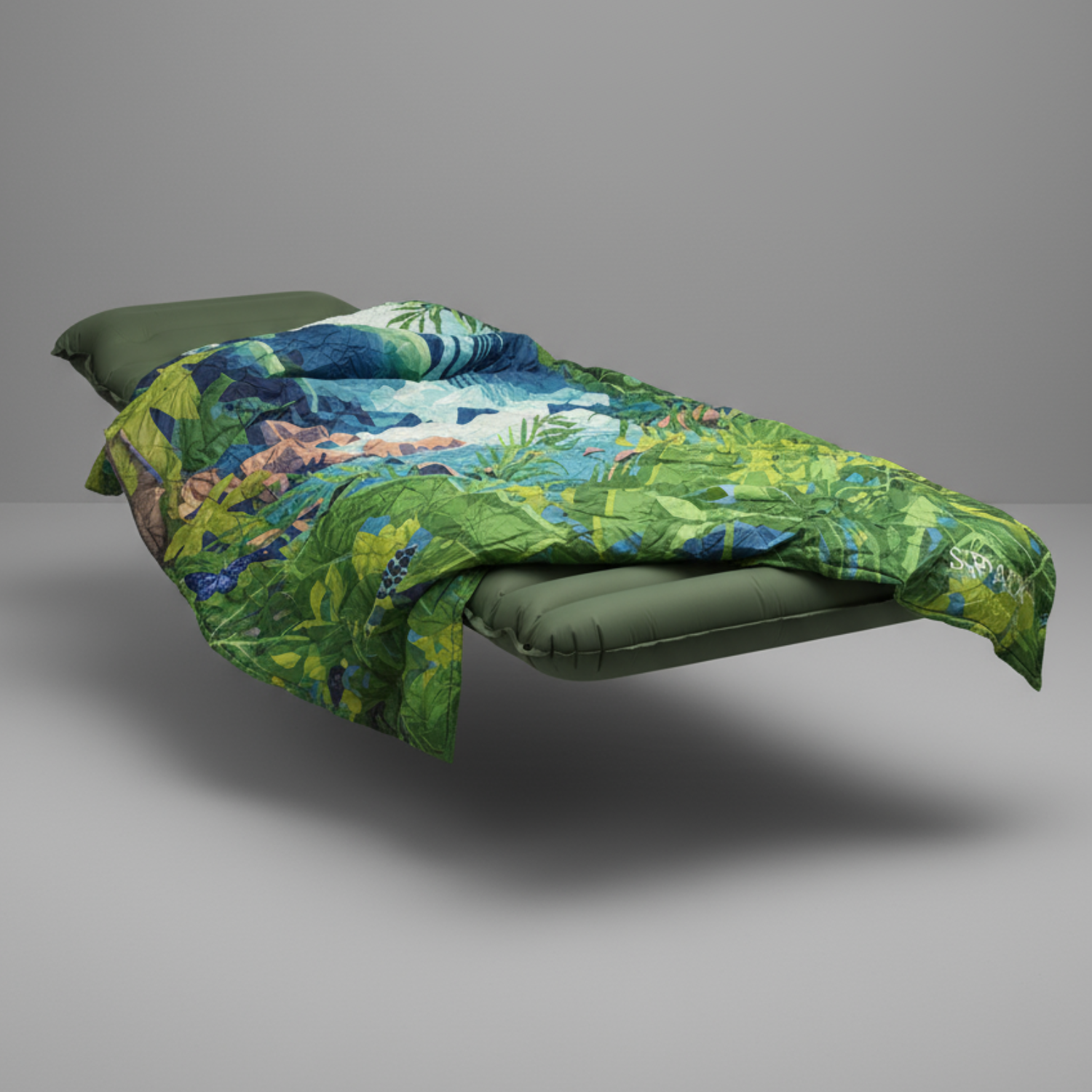
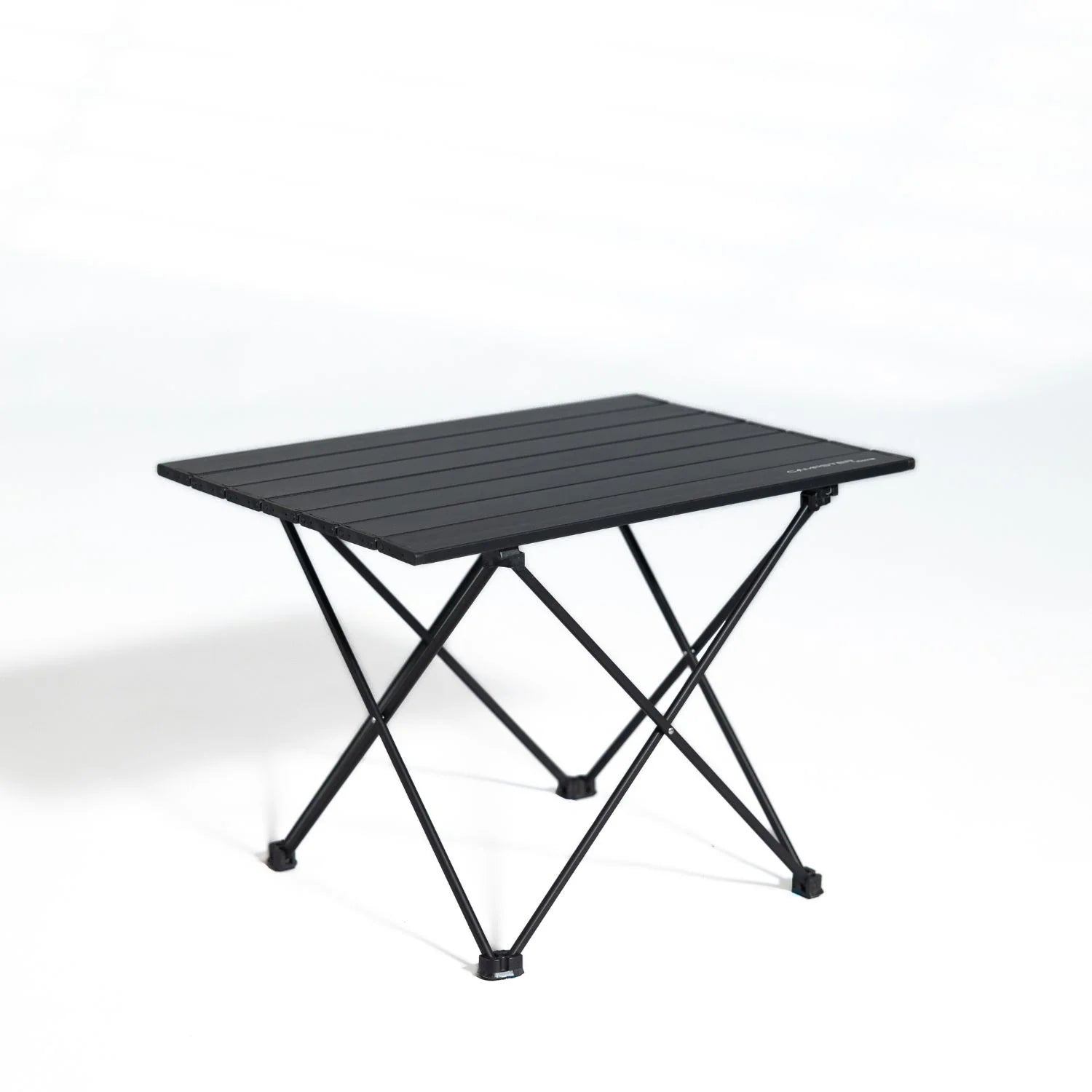
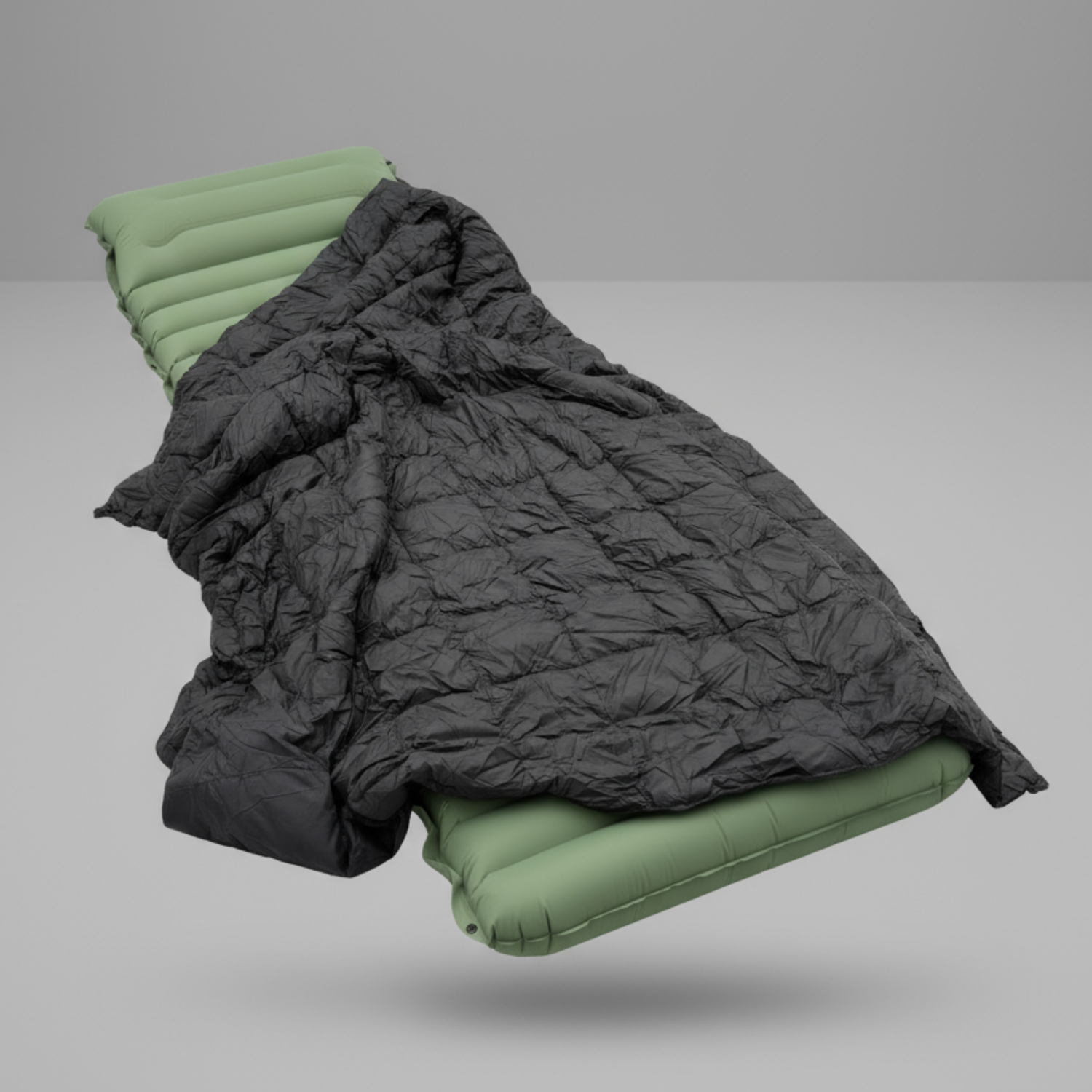


Danish Company

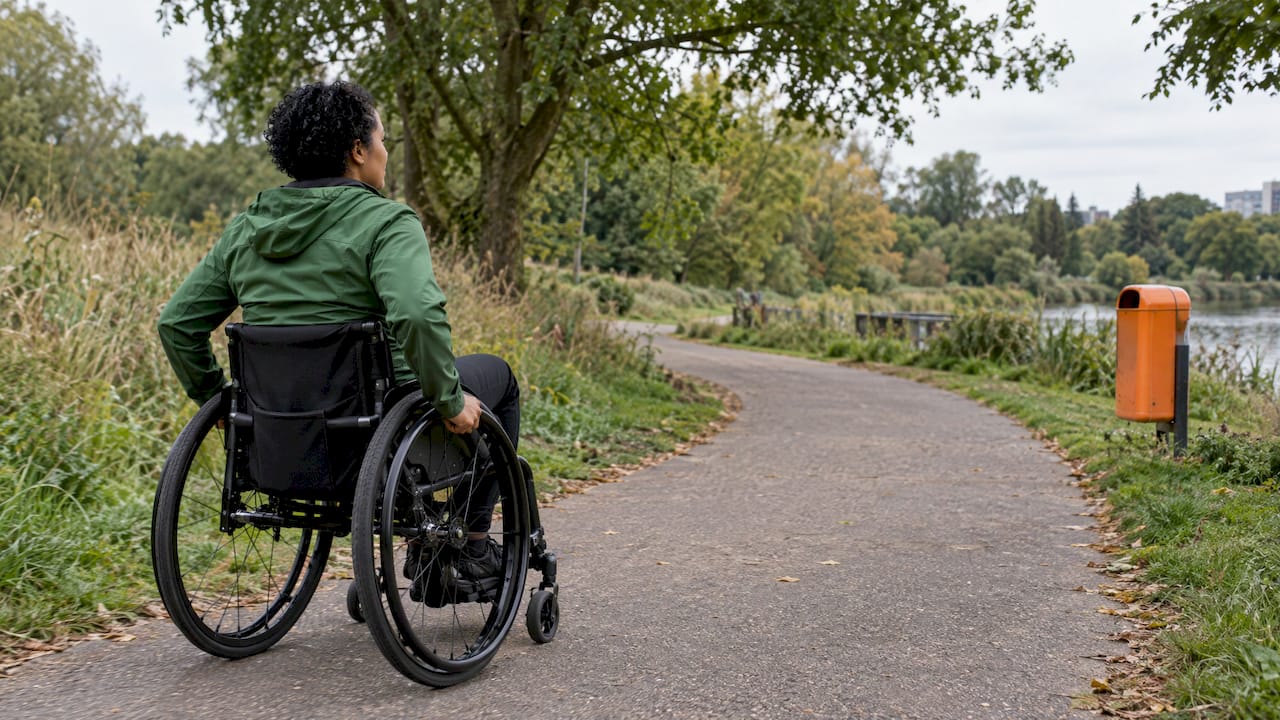
Outdoor mobility is your ability to move around outside your home: the walk to the shop, the bus to work, the trail to a campsite, the stroll to a park bench. Researchers define it as any way of getting around in the outdoor environment, from walking, cycling and public transport to rollators and wheelchairs. It matters because it decides how much of the world you can reach, and how long you can stay there once you arrive. That second part is where a good portable seat earns its place in your pack, and it is why we build our Campster II, Sitpack and OCTO lines the way we do.
The phrase sounds technical, but the idea is plain. A 2024 systematic review in PMC describes it as every way of transportation and mobility outdoors: walking, cars, buses, trains, trams, bicycles and scooters, plus devices such as rollators (walkers with wheels) and manual or electric wheelchairs.
A 2013 review by Taina Rantanen in the Journal of Preventive Medicine and Public Health puts the emphasis on ability. It says outdoor mobility is the physical ability to move and covers all trips outside the home, whether by foot or other transport. It also notes that this ability is what lets you reach everyday goods, use neighborhood facilities and take part in social, cultural and physical activities.
So the term is wider than hiking or disability access, though it includes both. If you commute on foot, wander a farmers market, haul a bag to a campsite or walk a dog to the end of the road and back, you are using outdoor mobility.
One framework, used in a 2024 PLOS One trial protocol on recovery after hip fracture, describes mobility through five determinants: physical, cognitive, psychosocial, environmental and financial. In everyday words:
The same source notes that these factors get more complicated the further you go from home, from a room to the garden, then the neighborhood, then the wider community and beyond. A ten-minute walk to the corner is one thing. A full day at a festival or a trailhead is another.
It is easy to treat getting around as a chore. The research treats it as something bigger.
A 2024 study of senior housing residents in Finland reports that leaving home on foot or by any transport lets older people take part in activities and community life, supports independent living and social integration, and is associated with greater quality of life.
A 2020 multidisciplinary review by Pantelaki, Maggi and Crotti looked at 57 papers. It found that more than 80% showed active mobility preventing psycho-physical harms in older adults, and it argues that mobility should be seen as a route to well-being through independence and social connections, not only as a way to reach places.
The reasons people care are very ordinary. In the hip fracture protocol mentioned above, patients described recovery as getting back to gardening, shopping, social events and volunteering. Notice that none of those is an athletic goal. They are the small outings that make a life feel full.
Globally, the scale is large: the 2024 PMC review points out that around 15% of the world’s population lives with some form of disability and tends to go out less. Making outdoor trips easier is not a niche concern.
Outdoor mobility is also the doorway to the outdoors itself, and the outdoors has its own payoff. A resource from the National Center on Health, Physical Activity and Disability says that fresh air, sunlight and nature can improve mood, reduce stress and support emotional health. It cites a 2017 study in which people with Parkinson’s who took part in nature activities improved their mobility and cardiorespiratory capacity.
A 2022 systematic review and meta-analysis in the Journal of Aging and Physical Activity found that practicing walking in natural outdoor settings was linked with greater improvements in mental health and well-being than practicing indoors. The same review reports that limited ability to get around the community independently predicts worse outcomes in older adults.
Motivation matters too. A 2024 scoping review in Frontiers in Rehabilitation Sciences notes that people are often more motivated to do physical activity outdoors than indoors because of the appeal of a natural setting, and that people with disabilities reported higher feelings of accomplishment and growth in outdoor activities.
Outdoor mobility is not one skill. It is a toolkit. The common modes look like this:
| Mode | What it suits | Worth knowing |
|---|---|---|
| Walking | Errands, commuting, trails | The WHO says it is free, needs no special equipment for most people and is medically safe for almost everyone |
| Walking with an aid | Stability on longer outings | Crutches, walkers and rollators are covered by the same WHO guidance |
| Wheeling | Wheelchair users who self-propel | The WHO calls it a valuable substitute for walking |
| Cycling | Longer distances, exploring | Can be adapted with handcycles and tricycles, and the WHO notes it places less stress on joints than many activities |
| Public transport | Commuting and day trips | Depends on accessible stops, vehicles and timetables |
| Paddling, fishing, skiing, gardening | Recreation | A 2017 review lists these among common activities for people with mobility impairments |
That 2017 review by Zhang and colleagues covered 27 articles and concluded that people with mobility disabilities gain physical, mental and social benefits from contact with nature. It found that people with spinal cord injuries enjoyed sea kayaking, and people with limb deficiencies mastered skiing with practice.
Good outdoor mobility is partly ability and partly preparation. The ONAT Guidebook, a practitioner resource on accessible outdoor activities, suggests checking ramps, parking, pathways, restrooms, terrain, transport, equipment, emergency contact options, weather and tides before you go. It also suggests thinking about quiet spaces and sensory triggers, and about medication and allergies for everyone in the group.
For trails, Sport Ireland’s accessibility guide sets out what a well-designed route looks like: accessible parking and set-down areas, level access from the car park, accessible toilets, and firm, stable, non-slip, obstacle-free surfaces. You can use that list as a checklist even when you are just picking a park for a picnic.
A practical routine before any outing:
If you have a medical condition, a recent injury or a balance concern, talk to your doctor or physical therapist before you take on longer or rougher outings. They can tell you what pace and terrain suit you.
One more point from the US Forest Service’s accessibility guidebook for outdoor recreation: accessibility never overrides safety requirements, a tension that shows up most often at overlooks and viewing structures. Both goals matter, and good design works to meet them together.
Natural England’s 2022 “Included outside” briefing lists the usual barriers for people with disabilities: limited mobility and affordable access, unsuitable infrastructure, low confidence in natural settings, and stereotypes. Its suggestions include telling people clearly what is available, and starting with small, local nature encounters as stepping stones. That last idea is worth borrowing whoever you are: a short outing close to home builds the confidence and habit for bigger ones.
Here is the simple connection. Most of what limits an outdoor day is not the destination. It is the middle: the stretch between the car and the viewpoint, the queue at the festival gate, the long wait for a bus where no bench exists. Planning stops is one of the most practical parts of outdoor mobility, and a stop is much more useful when you carry the seat with you.
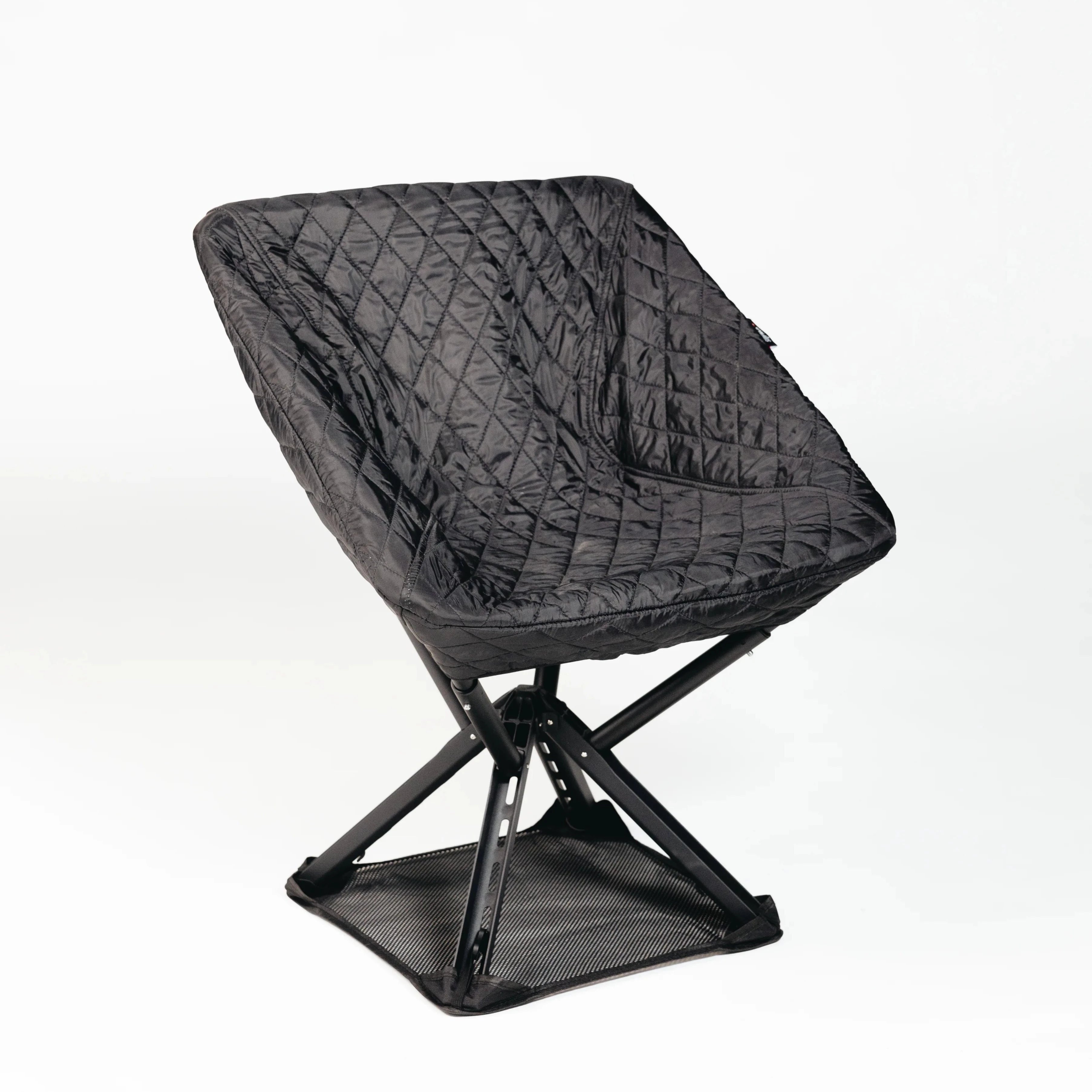
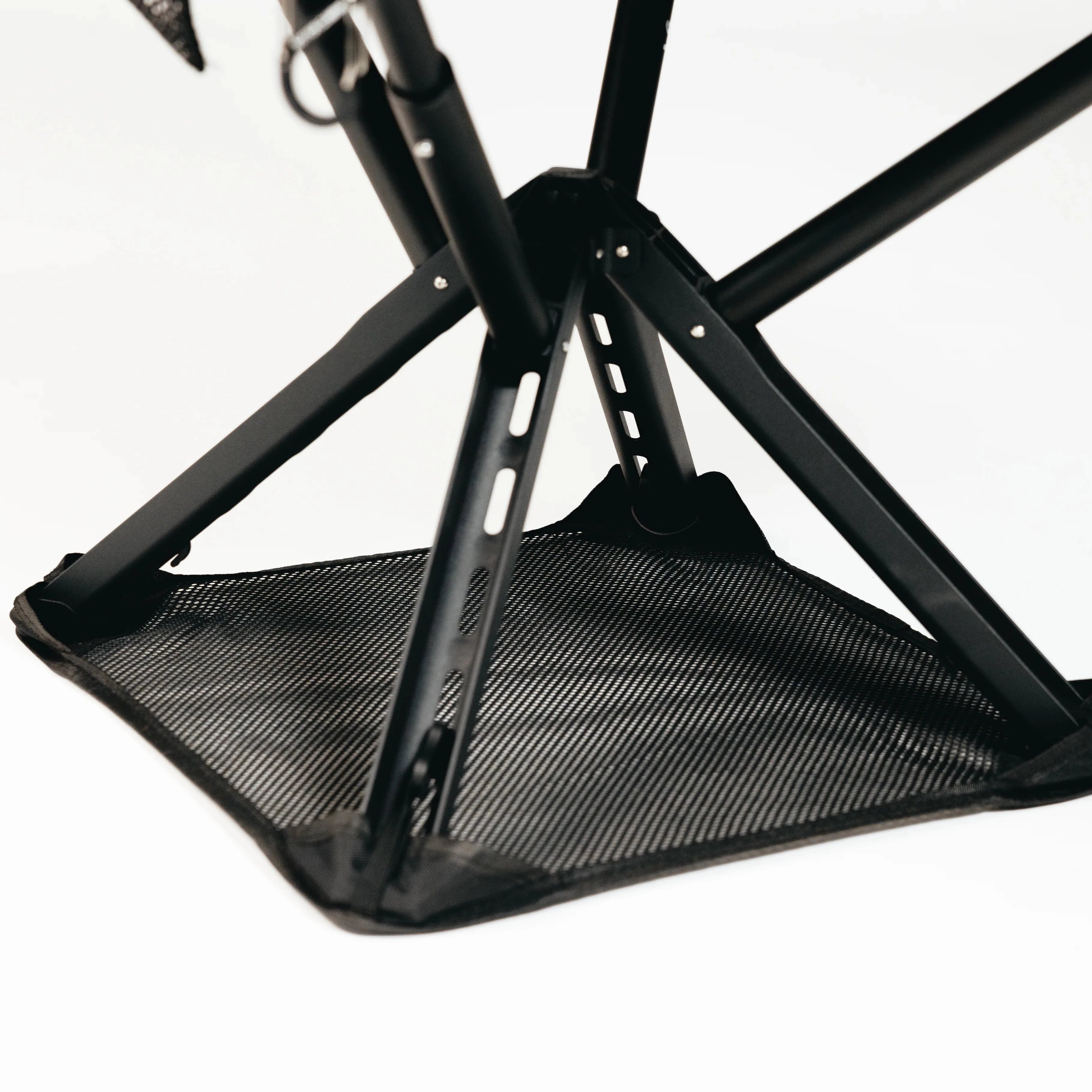
That is the idea behind our portable, foldable chairs and stools. They are designed to be lightweight and minimalistic, so you can bring one on a commute, a camping trip or a walk without making your pack a burden. A seat that travels with you turns any patch of ground into a rest point, which can make a longer outing feel more doable. Our guide to choosing outdoor seating for comfort and portability walks through what to look for, and our piece on the benefits of travel stools covers the compact end of the range.

Packing light is the other half of the story. Anglers who hike to a remote bank know that every ounce counts, and lightweight fishing tackle is built around exactly that thinking. Pair a light rod kit with a seat that folds small and you can walk farther, settle in longer and still carry everything in one go.
For events, the same logic applies. Festivals, sports sidelines and outdoor concerts mean standing for hours, and our outdoor event seating tips cover how to bring comfort with you without hauling a lot of gear.
When you pick a seat for outdoor mobility, think about how you move, not only how you sit.
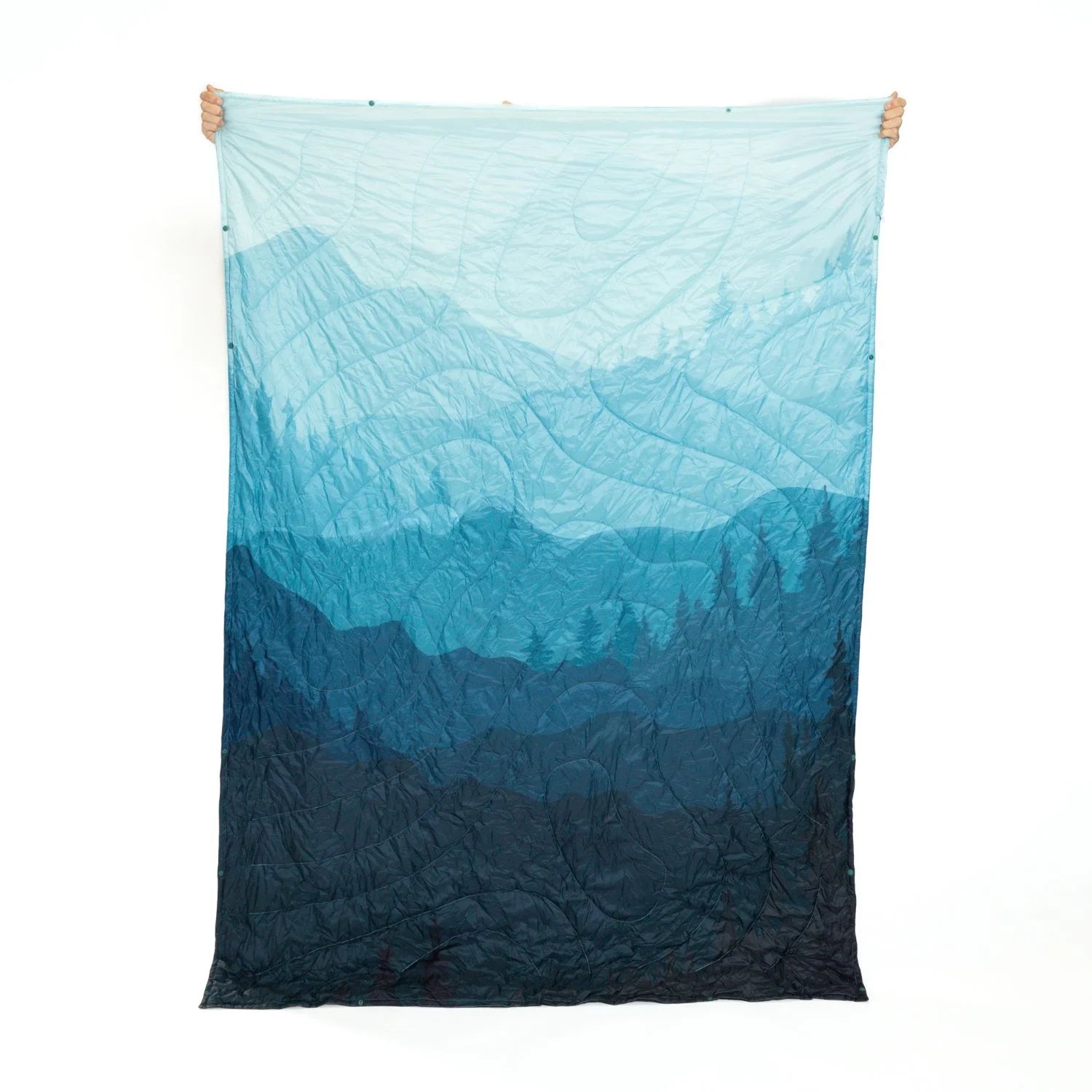
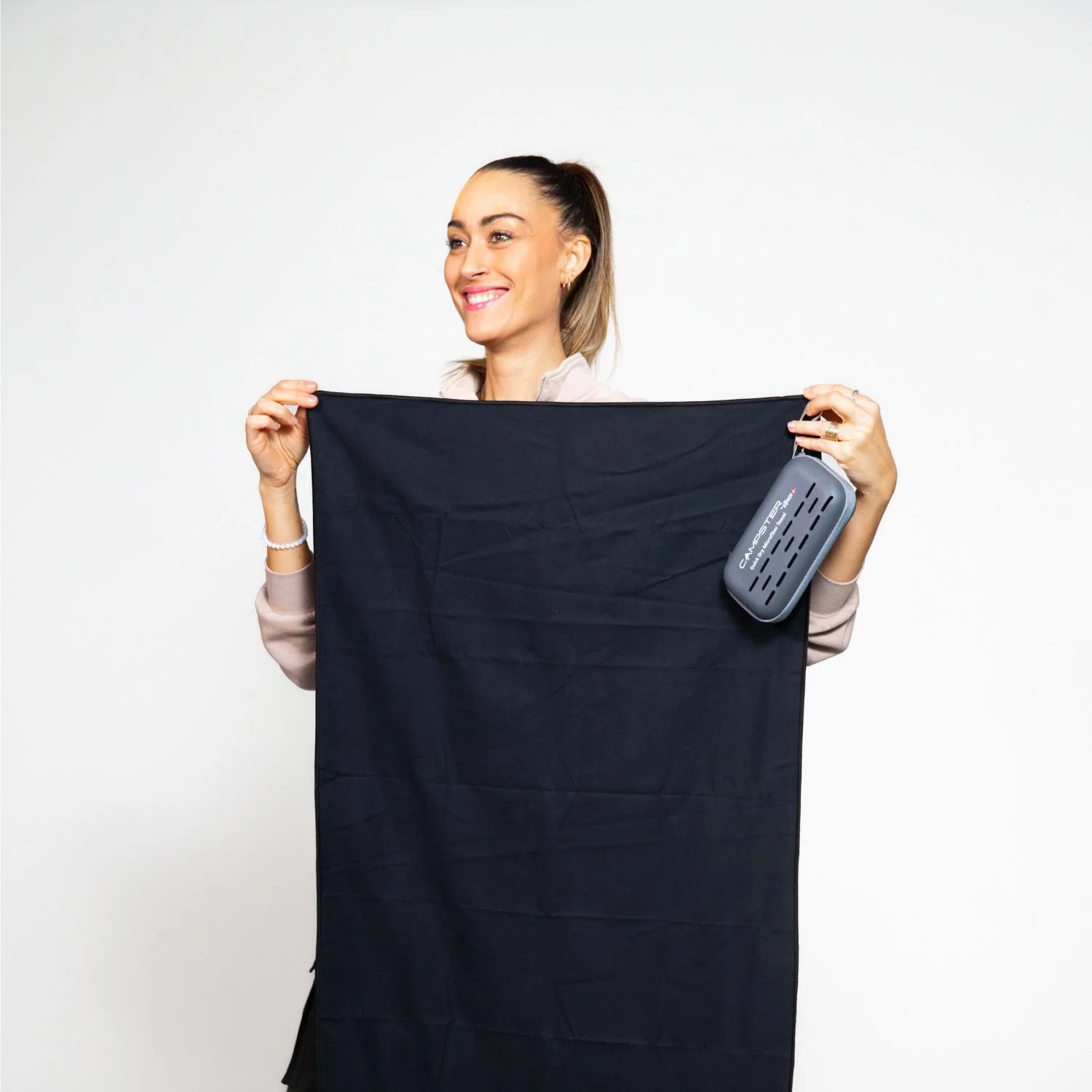
The Campster II is our folding camp chair, and the Sitpack line covers portable seating and stools. Our OCTO products add camp gear, and the Airwrap puffy blanket is there for cooler evenings. You can browse the Campster II collection or see everything in one place. Orders ship worldwide, and we offer a 45-day satisfaction guarantee.
If you want the simplest start, pick the seat that matches where you spend your time outside, whether that is a trail, a platform or a sideline, and make it part of your routine rather than a special-occasion item.
Our take on outdoor mobility
When we talk about getting outside, people jump to big adventures. We think the real story is smaller. It is whether you can go a bit further, stay a bit longer and enjoy the stop when you get there.
That is why we design around a few simple ideas: light to carry, quick to open, and tough enough to last. A chair that disappears into your pack is a chair you will actually bring. A chair you bring is a chair that gives you a place to land, in a park, on a trail or at a campsite.
We also like gear that does not need replacing every season. That is why the lifetime warranty on select items and the 45-day satisfaction guarantee matter to us. Outdoor mobility is a habit, and habits are easier to keep when your kit just works.
So start small. Plan your pauses, pack something to sit on, and let the next outing be a little longer than the last.
Jonas
It is your ability to get around outside your home, by foot or by any form of transport or mobility device. It covers everyday trips like commuting and shopping as well as recreation like hiking or paddling, as described in a 2024 systematic review.
Getting out lets you join in community life, stay independent and keep up social ties, and it is associated with better quality of life, according to research on older adults in Finland. It is also how you reach the mood and health benefits of time in nature.
Common choices include walking, Nordic walking, gardening, canoeing, kayaking, skiing and recreational fishing, based on a 2017 review of 27 articles. Adaptive cycling with handcycles or tricycles is another option. Check with your doctor or physical therapist about what suits your situation.
Plan your route, check surfaces and facilities, and build rest stops into the day. Carrying a lightweight folding seat means you can pause wherever you like instead of hunting for a bench.