Cart
0
Sign up and get 10$ off your order
Expected delivery
1-3 days
You may also like


Danish Company

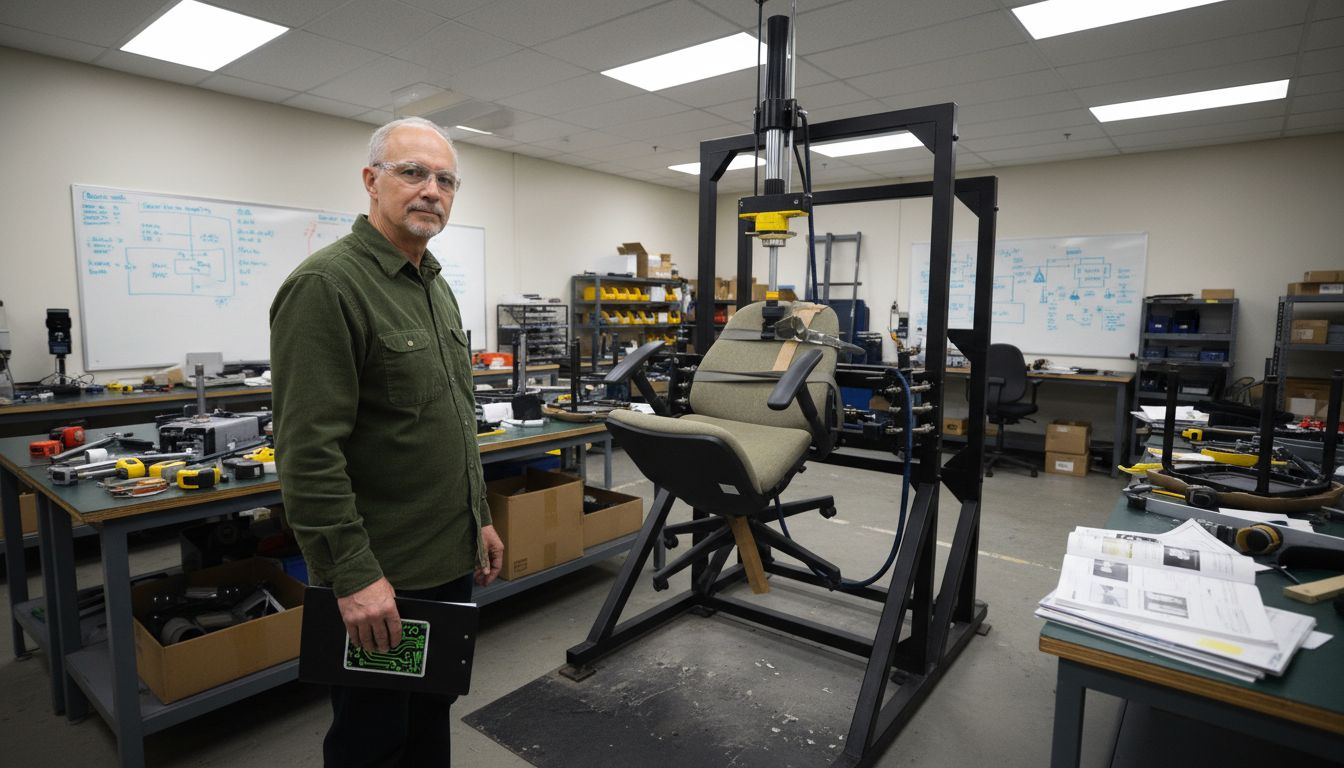
Most American campers and urban explorers are surprised to learn that chair durability involves more than just maximum weight limits. For eco-conscious travelers seeking sustainable adventures, understanding what truly defines a long-lasting, lightweight chair can make all the difference. Up to 60 percent of portable chairs fail due to design and material flaws rather than overt damage. This guide breaks down the myths and facts so you can invest confidently in a portable chair that delivers real quality and fits your active lifestyle.
| Point | Details |
|---|---|
| Understanding Durability | Chair durability involves multiple factors such as material composition, manufacturing precision, and design engineering, rather than just weight limits. |
| Material Insights | Material choices significantly impact a chair’s performance; metal frames provide strength while specialized padding and upholstery enhance comfort and longevity. |
| Engineering Practices | Advanced engineering methods like Finite Element Analysis help design chairs that withstand real-world stress effectively, enhancing their structural integrity. |
| Avoiding Common Pitfalls | Consumers should avoid selecting chairs based solely on cost, ignoring certifications, or neglecting maintenance, as these factors greatly influence durability and comfort. |
Chair durability isn’t just about how much weight a chair can support - it’s a complex intersection of material science, engineering design, and real-world performance. Dynamic load considerations reveal that chairs experience far more stress than most people realize. Beyond simple static weight limits, chairs must withstand constant movement, shifting positions, and repetitive stress without compromising structural integrity.
Contrary to popular belief, durability isn’t determined by a single factor like material type. Structural integrity emerges from a sophisticated interplay between material composition, manufacturing precision, design engineering, and intended usage environment. High-quality plastic chairs demonstrate that traditional assumptions about material weakness can be fundamentally incorrect. Modern manufacturing techniques enable lightweight yet incredibly robust seating solutions that challenge outdated perceptions.
Key factors influencing chair durability include:
Understanding these nuanced elements helps consumers make informed decisions about long-lasting seating investments. Not all chairs are created equal, and recognizing the sophisticated engineering behind durable designs can prevent premature replacements and ensure optimal comfort.
Pro Tip: Always check manufacturer specifications for dynamic load ratings, not just static weight limits, to truly understand a chair’s durability potential.
Chair materials represent more than aesthetic choices - they fundamentally determine structural performance, durability, and long-term usability. Chair frame materials play a critical role in defining how chairs withstand daily stress and environmental challenges. Understanding these materials helps consumers make informed decisions about seating investments that will endure years of consistent use.

Metal frames emerge as premier durability champions. Steel provides extraordinary strength and heavy-duty reliability, while aluminum offers a remarkable balance of lightweight characteristics and corrosion resistance. Ergonomic chair construction goes beyond simple frame selection, integrating sophisticated material science principles that enhance structural integrity. High-density foam padding, reinforced plastic components, and precision-engineered connections contribute to a chair’s ability to maintain comfort and functionality over extended periods.
Material performance varies dramatically across different categories:
Environmental exposure significantly influences material performance. Outdoor chairs require UV-resistant materials, while office chairs need abrasion-resistant fabrics. Selecting materials matched to specific usage scenarios ensures optimal longevity and sustained performance.
Here’s a summary comparing common chair frame and upholstery materials and their practical implications:
| Material Type | Strength & Stability | Durability in Humid Conditions | Maintenance Needs |
|---|---|---|---|
| Steel (Frame) | Maximum support for heavy loads | Excellent, resists bending | Low, rust prevention suggested |
| Aluminum (Frame) | Lightweight and rigid | High, does not corrode | Minimal, easy to clean |
| High-Density Foam | Consistent cushioning over time | May degrade with excess moisture | Occasional rotation helpful |
| Genuine Leather | Withstands heavy use | Can crack if not conditioned | Regular conditioning needed |
| Synthetic Fabric | Flexible and breathable | Color fading may occur outdoors | Simple cleaning, spot treat |
Pro Tip: Always inspect material certifications and manufacturer warranties to understand the true durability potential of your chair.
Structural engineering transforms a simple chair from a basic seating object into a precision-crafted support system. Finite Element Analysis revolutionizes chair design by allowing engineers to simulate complex load conditions and identify potential weakness points before physical manufacturing begins. This advanced computational approach means modern chairs can be engineered with unprecedented precision, anticipating real-world stress scenarios with remarkable accuracy.
Core structural stability depends on multiple interconnected design principles. Chair structure evaluation goes far beyond simple weight capacity measurements. Critical elements include:
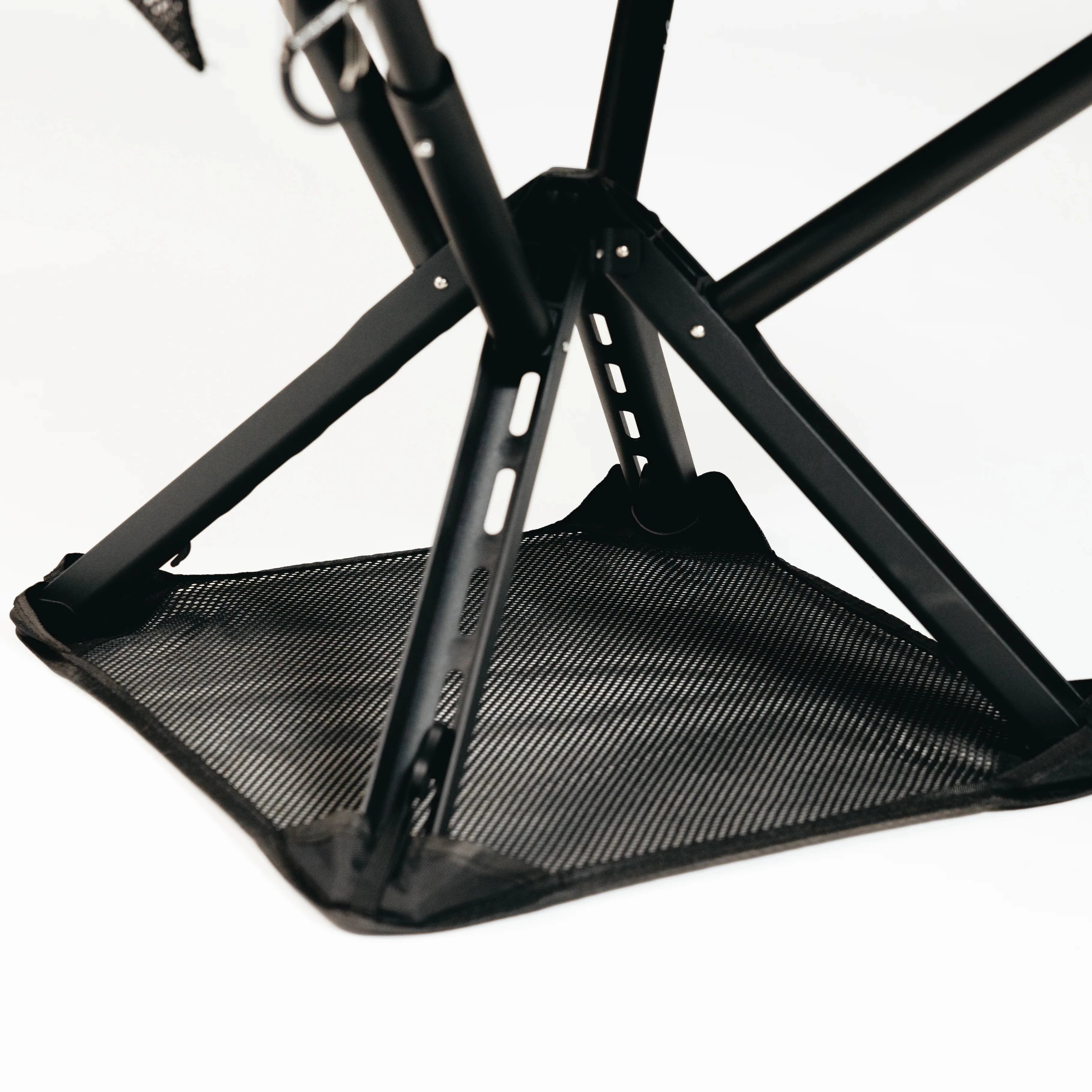
Engineering excellence manifests through strategic design choices. Reinforced steel holders, precision aluminum connecting pins, and carefully calculated weight distribution networks transform chairs from passive objects into dynamic support systems. Ergonomic considerations merge with mechanical engineering, creating structures that adapt to human movement while maintaining structural integrity. Advanced manufacturing techniques allow for microscopic precision in component creation, ensuring each chair can withstand repeated use without compromising comfort or safety.
Modern chair design represents a sophisticated dance between material science, human anatomy, and computational modeling. By integrating complex engineering principles, designers can create seating solutions that provide reliable, long-lasting support across diverse usage scenarios.
Pro Tip: When assessing a chair’s structural quality, always check the welding points and connection joints for smooth, consistent craftsmanship.
Chair testing standards represent a critical line of defense between consumers and potential structural failures. These rigorous protocols simulate years of intense use, providing comprehensive insights into a chair’s long-term performance and safety. By subjecting portable chairs to a battery of sophisticated tests, manufacturers can ensure that their products can withstand real-world challenges far beyond simple weight capacity measurements.
The most comprehensive testing protocols include multiple critical evaluations:
Ergonomic chair suppliers employ advanced testing methodologies that go beyond basic standards. Professional evaluations can simulate over 100,000 movement cycles, effectively mimicking a decade of intense use. These comprehensive assessments ensure that portable chairs can endure constant adjustments, weight shifts, and environmental variations without compromising structural integrity or user safety.
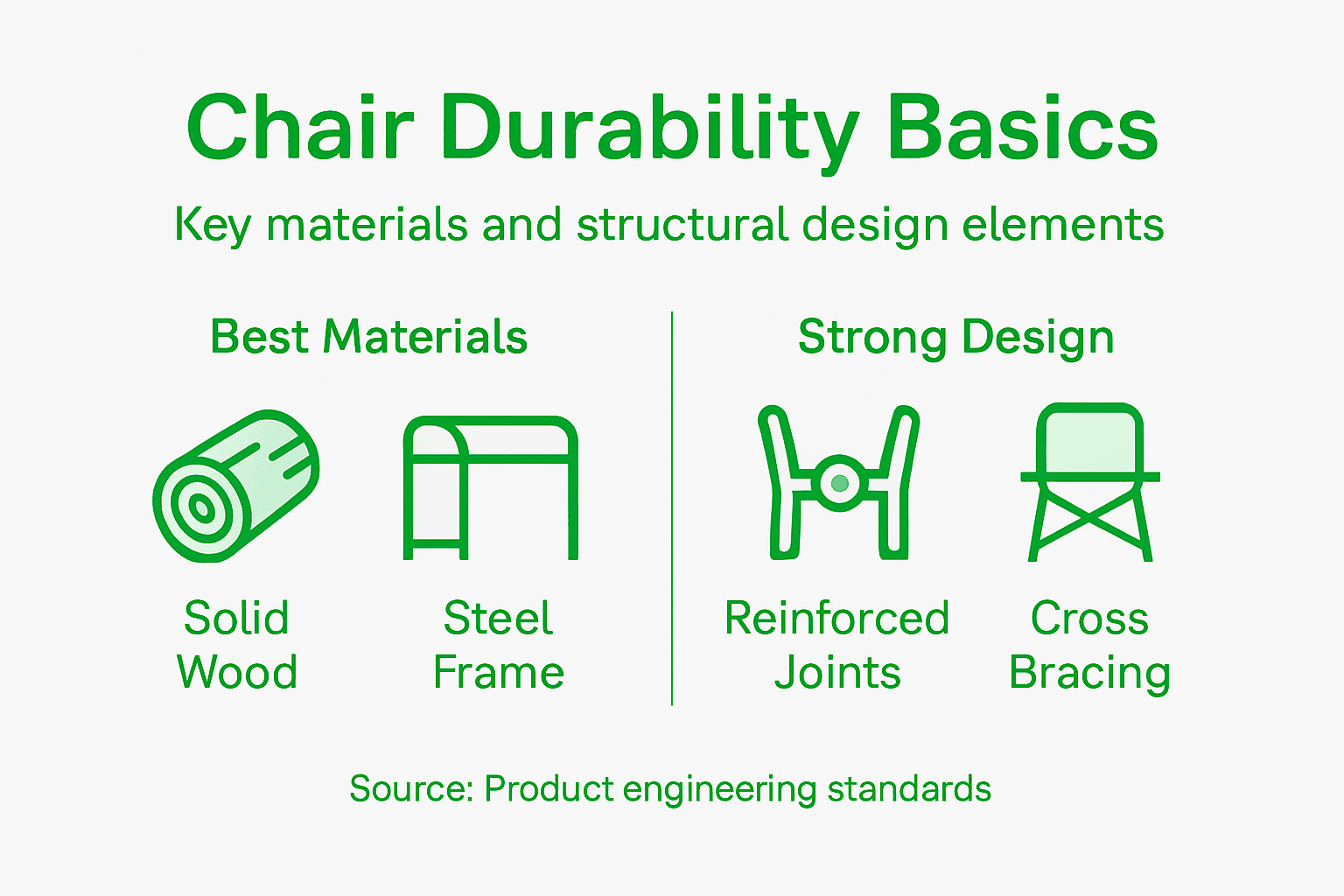
Understanding these testing standards empowers consumers to make informed decisions. The most reputable manufacturers willingly share their certification details, demonstrating transparency and commitment to quality. By prioritizing chairs that have undergone rigorous ANSI/BIFMA testing, users can select seating solutions that offer reliable performance and long-term durability.
This comparison shows how different chair testing standards impact user safety and product longevity:
| Standard/Test Type | What It Measures | Impact on Product Life |
|---|---|---|
| Static Load Capacity | Maximum stationary weight | Ensures basic structural safety |
| Impact Drop Test | Withstands sudden force | Reduces risk of failure |
| Cyclic Durability | Handles repeated movements | Simulates years of daily use |
| Stability Assessment | Resistance to tipping | Prevents accidents, boosts trust |
| Movement Endurance | Handles frequent adjustments | Prolongs functional lifespan |
Pro Tip: Always request documentation of testing certifications before purchasing a portable chair to ensure maximum reliability and safety.
Ergonomic chair selection demands more strategic thinking than most consumers realize. Making an uninformed purchase can lead to premature chair failure, wasted money, and potential physical discomfort. Understanding common mistakes helps buyers navigate the complex landscape of chair durability with greater confidence and insight.
Critical pitfalls to avoid include:
Chair longevity strategies reveal that durability extends far beyond initial purchase. Environmental factors like humidity, temperature fluctuations, and usage intensity dramatically impact a chair’s lifespan. Consumers must consider not just the chair’s immediate performance, but its ability to withstand diverse conditions over extended periods. This means examining material resilience, connection point strength, and manufacturer reputation as critical decision factors.
Successful chair selection requires a holistic approach. Rigorous research, understanding specific usage requirements, and prioritizing quality over immediate cost savings can prevent costly mistakes. By carefully evaluating construction details, certifications, and long-term performance potential, buyers can make investments that provide reliable comfort and support for years to come.
Pro Tip: Request detailed durability documentation and testing certifications before finalizing any chair purchase to ensure maximum long-term value.
Choosing a durable chair means understanding that materials, engineering, and real-world use all matter. This article highlights how dynamic load, advanced materials, and structural design define true chair longevity — going far beyond simple weight limits. If you want portable seating that keeps up with life’s challenges outdoors and on the go, durability is not a feature to compromise.

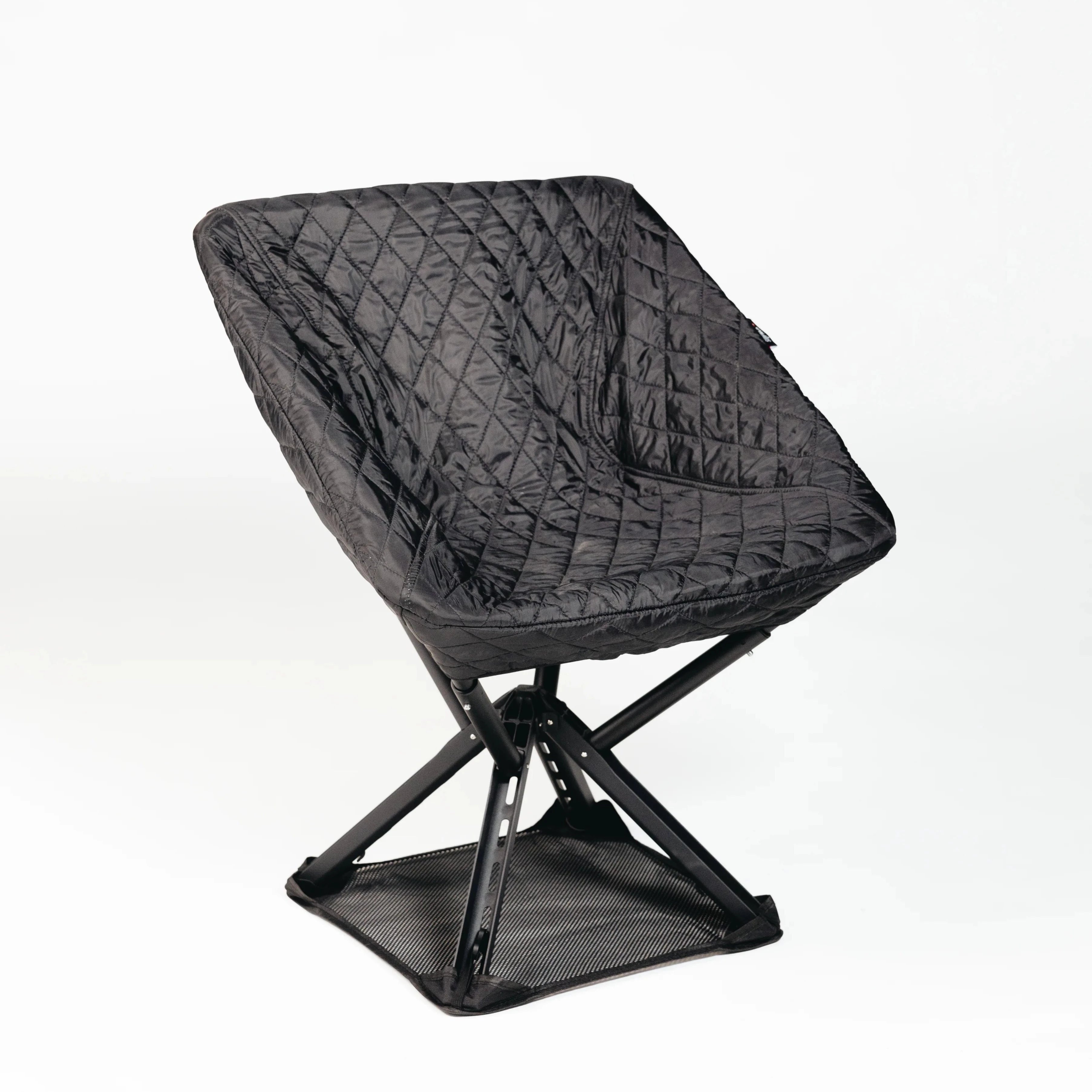
Explore the innovative range at Sitpack, where lightweight yet rugged designs like the Campster II and Sitpack Zen deliver exceptional strength and comfort crafted for movement and variable environments. Backed by smart engineering and eco-friendly materials, these foldable chairs withstand dynamic loads and frequent use without fail. Don’t settle for less when your outdoor adventures and daily routines demand reliability. Visit Sitpack now and invest in seating that proves durable comfort can be portable.
Materials such as metal (especially steel and aluminum), high-density foam, and various upholstery options (like genuine leather and breathable synthetic fabrics) significantly impact a chair’s durability and overall performance.
Design features like reinforced joints, precision-engineered connections, and weight distribution algorithms improve a chair’s structural integrity, enabling it to withstand stress and providing comfort over extended use.
Look for chairs that adhere to ANSI/BIFMA testing standards, which evaluate static load capacity, impact resistance, cyclic durability, and stability to ensure a product’s safety and longevity.
Regular maintenance includes cleaning upholstery, inspecting joints and frames for wear, and addressing any issues promptly. Understanding and following the manufacturer’s care instructions will also help prolong the chair’s lifespan.