Cart
0
Sign up and get 10$ off your order
Expected delivery
1-3 days
You may also like


Danish Company


TL;DR:
- Travel-sized furniture is designed to fold, pack, or compress for easy transport and storage in small living spaces. It offers benefits such as space efficiency, portability, multifunctionality, and cost savings, making it ideal for apartments, dorms, or mobile lifestyles. High-quality pieces provide comfort and durability, reducing stress and relocation costs while enhancing adaptable, clutter-free environments.
Travel-sized furniture is defined as any piece designed to fold, pack, or compress into a fraction of its functional size, making it easy to carry, store, or reposition at will. If you are living in a studio apartment, bouncing between cities, or squeezing a home office into a spare corner, knowing why prioritize travel-sized furniture is the most practical question you can ask. Multifunctional furniture reduces clutter and supports diverse use of compact spaces, which means one well-chosen piece can do the work of three. Sitpack has built its entire product line around this idea, and the results speak for themselves.
Compact furniture solves the single biggest problem in small-space living: too much stuff, not enough room. The advantages of travel-sized furniture go well beyond just saving square footage, though. They touch your wallet, your stress levels, and your ability to adapt your home to whatever life throws at you.
Here is where portable furniture genuinely earns its keep:
Pro Tip: Before buying any compact piece, measure both its folded dimensions and its open footprint. A chair that packs to the size of a water bottle but opens to seat a full-grown adult comfortably is the sweet spot you are looking for.
The importance of lightweight furniture becomes especially clear when you factor in moving costs. Modular and space-saving units ease relocation compared to traditional bulky furniture. That alone can save you hundreds of dollars every time you move.

Choosing between compact and traditional furniture is not about which is objectively better. It is about which fits your life right now. Traditional furniture is best suited for large, stable homes, while travel-sized furniture provides flexibility for small or frequently changing spaces.
| Feature | Travel-sized furniture | Traditional furniture |
|---|---|---|
| Footprint | Minimal when folded or stored | Fixed and often large |
| Weight | Light enough to carry solo | Typically requires help to move |
| Setup time | Minutes, sometimes seconds | Often permanent placement |
| Durability | High-quality pieces last years | Generally built for decades |
| Cost upfront | Lower to mid-range | Mid to high range |
| Best for | Apartments, travel, nomads | Stable homes, families |
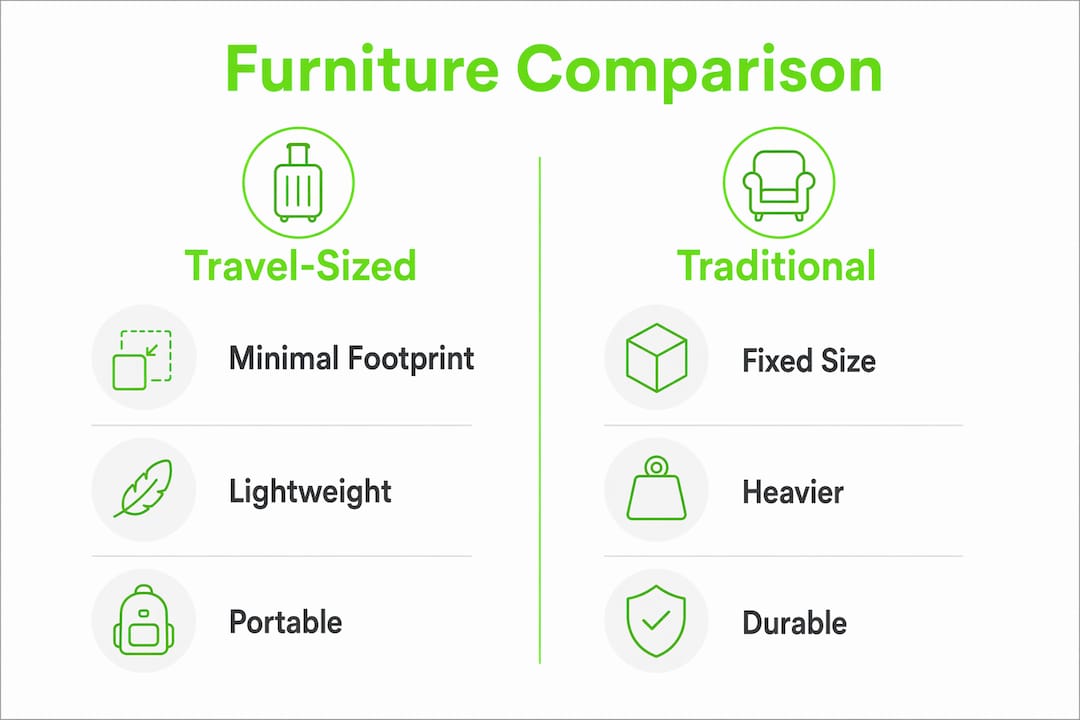
Traditional furniture wins on raw comfort and longevity in a fixed setting. A solid oak dining table is not going anywhere, and that is exactly the point. But if your living situation changes every year or two, that same table becomes a liability at moving time.
Travel-sized furniture does have trade-offs worth acknowledging. Entry-level foldable pieces can feel flimsy if you skip quality checks. Inflatable options require a pump and occasional maintenance. And some compact designs sacrifice back support for the sake of a smaller packed size. The key is choosing pieces built for real use, not just for novelty.
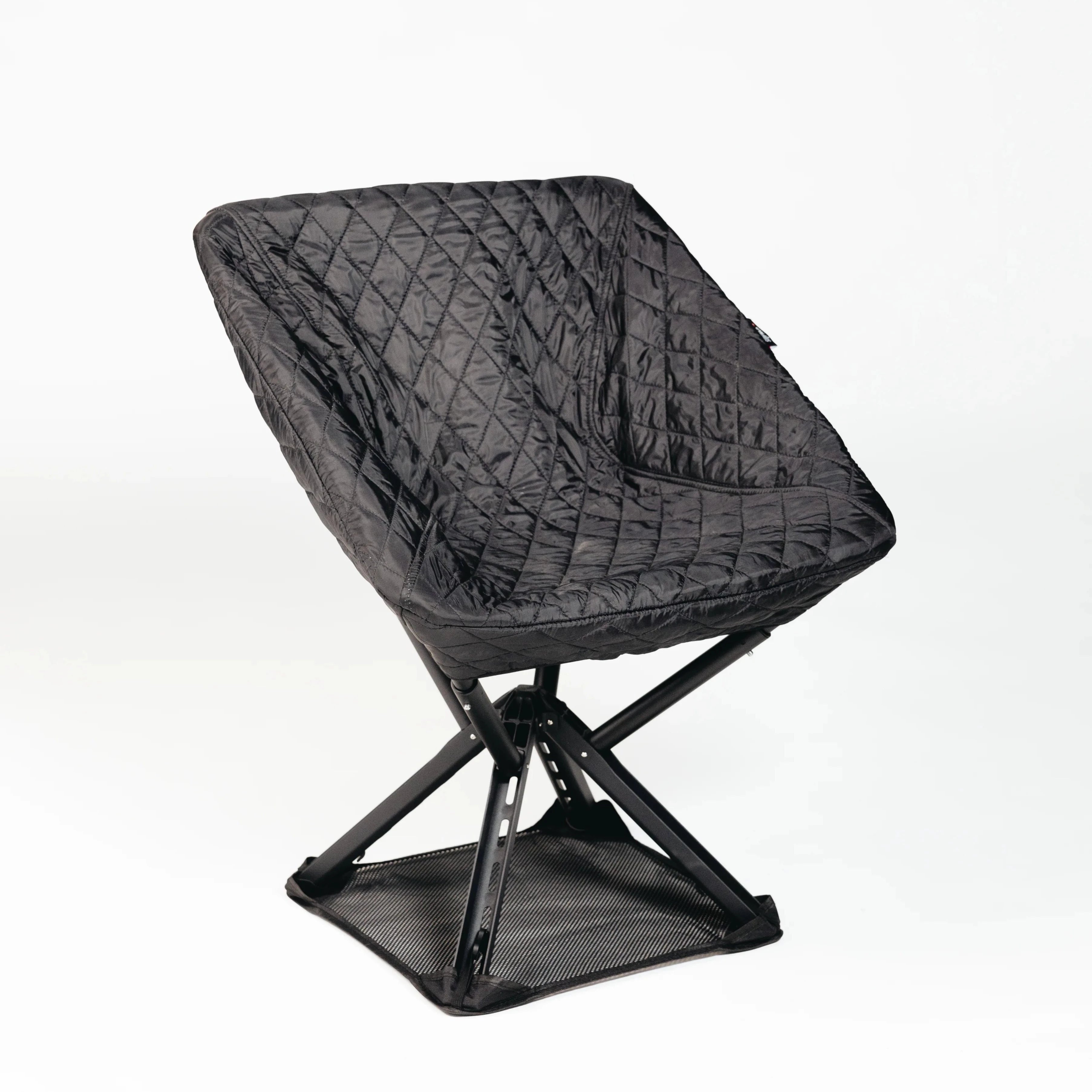
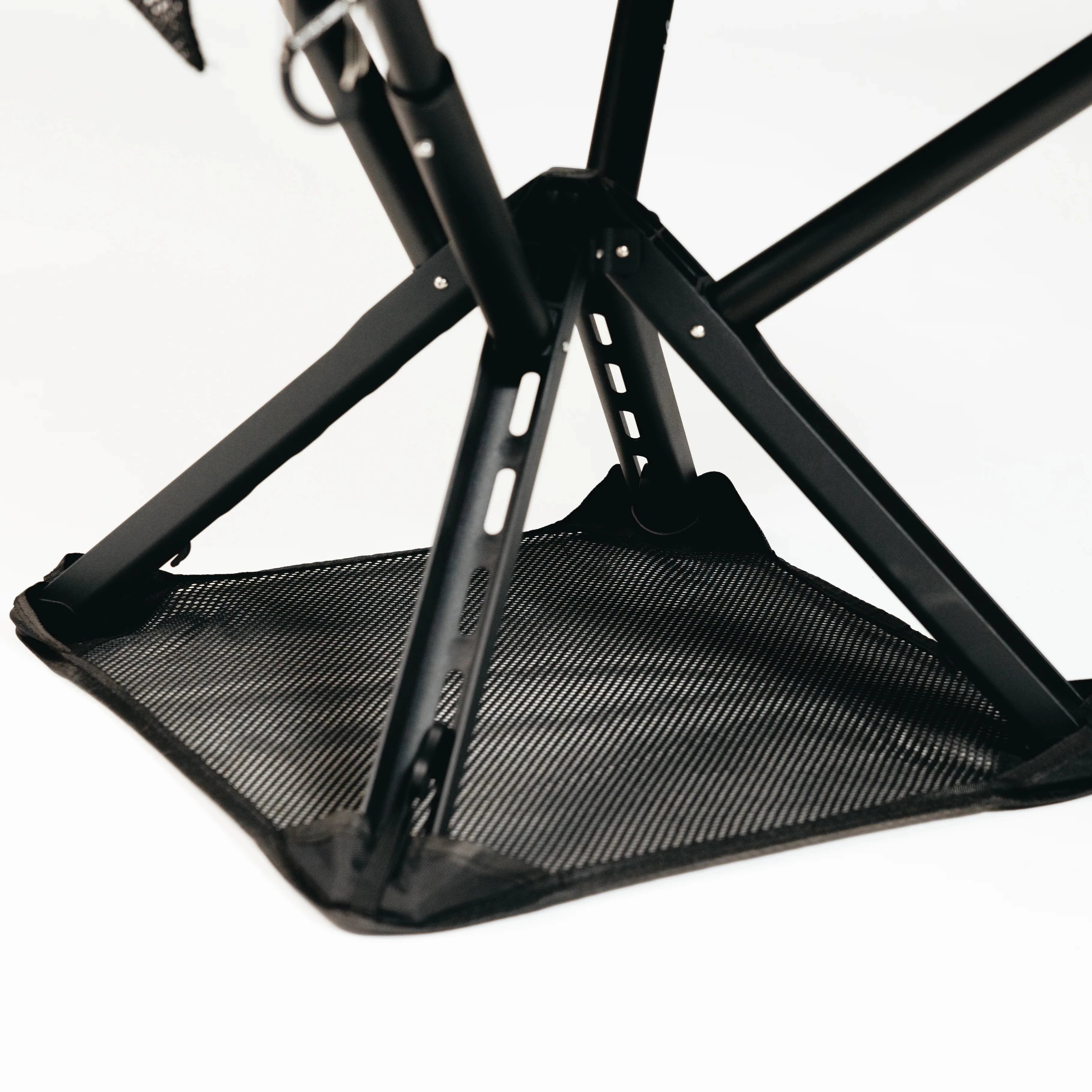
The durability gap between compact and traditional furniture has narrowed considerably. Brands focused on outdoor and travel seating now use aircraft-grade aluminum, ripstop nylon, and reinforced hinges that hold up through years of hard use. Sitpack’s portable seating line, for instance, is built with lifetime warranty coverage, which puts it firmly in the “buy once” category rather than the “replace every season” pile.
The best travel-sized furniture ideas are the ones that solve a real, recurring problem in your daily life. The applications are broader than most people expect.
Small apartments and dorms. Convertible sofas and storage ottomans enable organized, flexible home setups without sacrificing style. A storage ottoman that doubles as a coffee table and extra seating is three pieces of furniture in one. In a 400-square-foot studio, that math matters enormously.
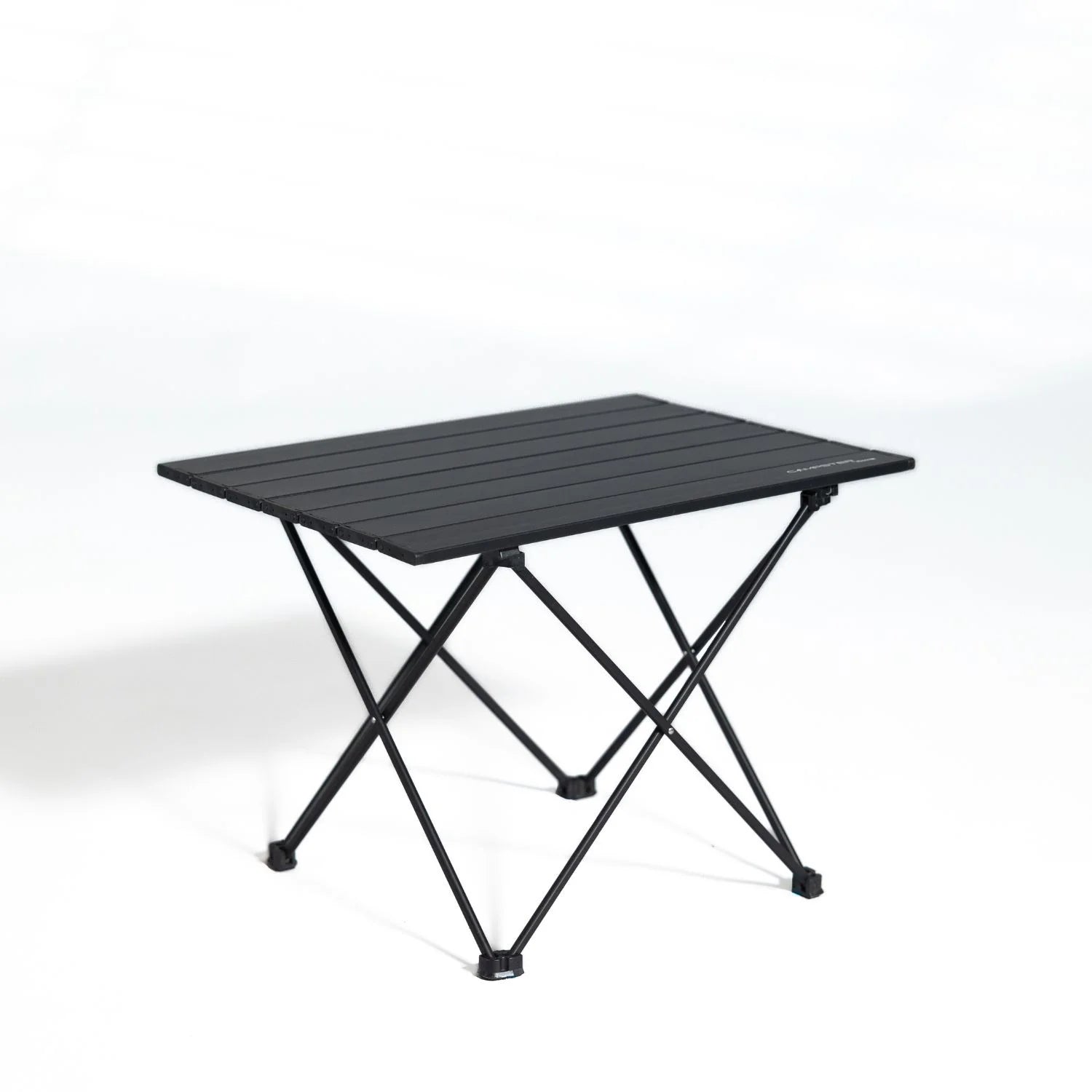
Outdoor enthusiasts and campers. Portable seating is the obvious win here, but travel furniture for small spaces extends to camp kitchens, folding tables, and packable loungers. The advantages of compact furniture for outdoor use include being able to carry a full setup in a single backpack without breaking a sweat.
Remote workers. A foldable desk and a quality portable chair can turn a balcony, a park bench area, or a co-working café corner into a productive workspace. The setup takes two minutes and packs into a bag you can sling over one shoulder.
Shared living spaces. When four people share a three-bedroom apartment, flexible furniture lets common areas shift from dining room to movie night to study hall without anyone hauling heavy pieces around.
Pro Tip: When integrating compact pieces into a styled space, stick to a consistent color palette. Travel-sized furniture in neutral tones like charcoal, sand, or slate reads as intentional design rather than a compromise.
Learning how to select travel-friendly furniture for outdoor settings follows the same logic as indoor selection: prioritize weight, packed size, and real-world comfort over specs on a product page.
Selecting the right compact piece comes down to five criteria, applied in order of your personal priorities.
Maintenance for foldable and inflatable pieces is straightforward. Wipe down frames with a damp cloth after outdoor use. Store inflatable pieces slightly deflated to relieve pressure on seams. Check hinges and locking mechanisms every few months and apply a drop of lubricant if they stiffen. Avoid leaving fabric pieces in direct sunlight for extended periods, as UV exposure degrades most materials faster than physical wear does.
The most common mistake buyers make is prioritizing packed size above everything else. A chair that fits in your palm but collapses under normal use is worse than useless. Comfort and structural integrity come first. Convertible furniture types built for outdoor adventurers set a useful benchmark: if it holds up on a mountain trail, it will hold up in your living room.
Travel-sized furniture is the most practical investment for anyone living in a small, shared, or frequently changing space, because it combines space efficiency, portability, and multifunctionality into a single purchase.
| Point | Details |
|---|---|
| Space efficiency is the core benefit | Foldable and compact pieces free floor space and reduce clutter without sacrificing function. |
| Multifunctionality saves money | One convertible piece replaces two or three single-use items, lowering long-term costs. |
| Portability reduces moving stress | Lightweight modular furniture is far easier and cheaper to relocate than traditional bulky pieces. |
| Quality matters more than packed size | Choose frames with high weight ratings and outdoor-rated fabrics to avoid replacing pieces every season. |
| Style and function can coexist | Neutral tones and clean designs make compact furniture look intentional in any living space. |
I have watched the conversation around compact living shift from “making do” to “making a choice.” That shift matters. People are not choosing travel-sized furniture because they cannot afford a sectional sofa. They are choosing it because a sectional sofa locks them into a fixed life, and a lot of us are not living fixed lives anymore.
What I find genuinely underrated is the psychological effect of a clean, open room. When your furniture folds away, your space breathes. You think more clearly. You feel less trapped by your own stuff. That is not a marketing claim. That is just what happens when you remove visual clutter from a room you spend most of your waking hours in.
The one thing I push back on is the idea that compact always means compromise. I have sat in portable chairs that were more comfortable than the office chair I used for five years. I have used foldable tables that were sturdier than dining tables that cost three times as much. The quality ceiling for travel-sized furniture has risen dramatically, and most people are still operating on outdated assumptions about what compact gear can do.
My recommendation: pick one room, swap one piece for a compact alternative, and live with it for a month. You will either love the flexibility or realize you need something more permanent. Either way, you will know. And knowing beats guessing every time.
— Jonas
If you have made it this far, you already know that compact furniture is not a trend. It is a practical response to how people actually live now.
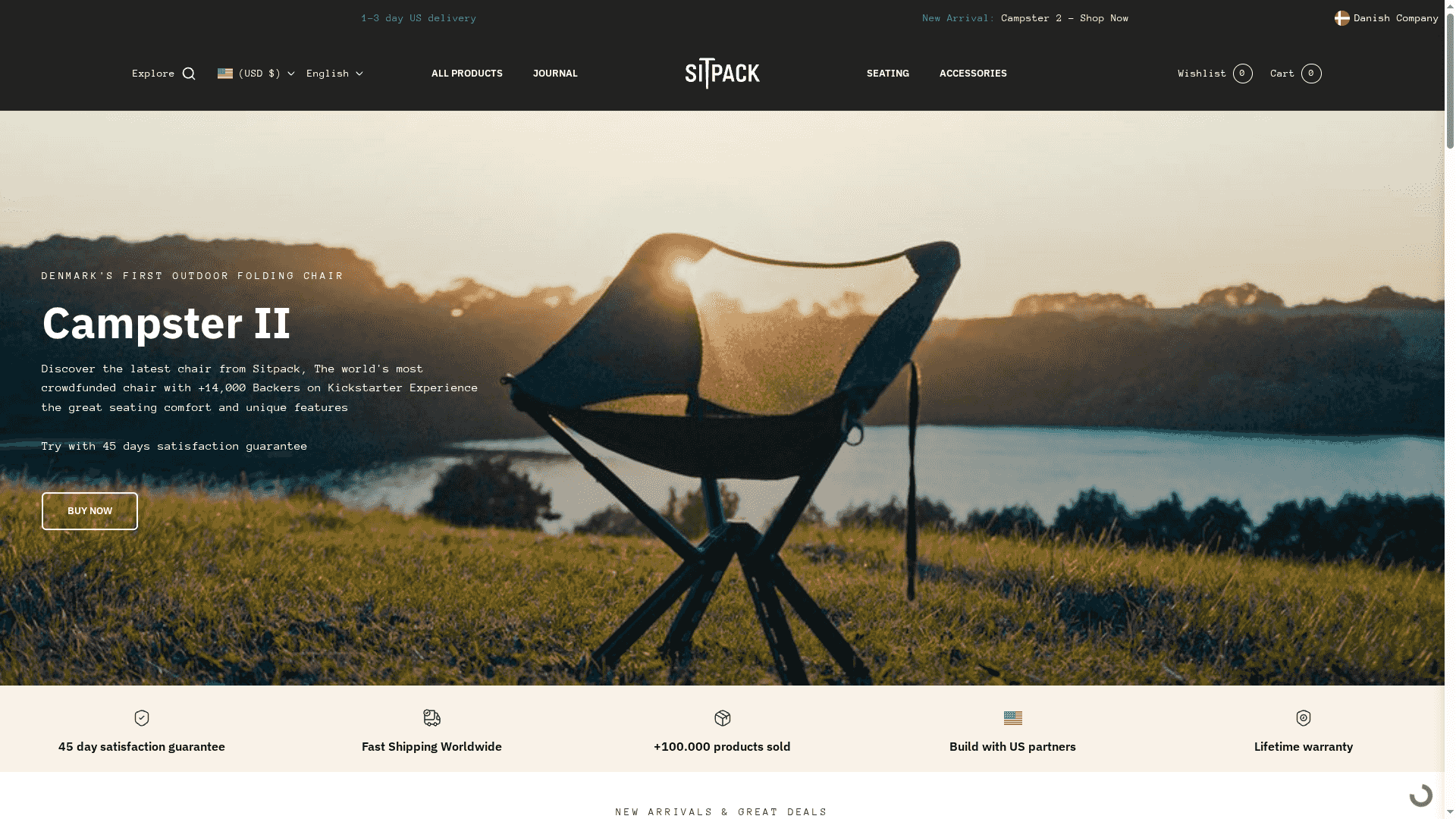
Sitpack designs portable seating for people who refuse to choose between comfort and freedom. The Campster II and Sitpack Zen are built with lightweight frames, lifetime warranty coverage, and a packed size that fits in a bag you are already carrying. Whether you are furnishing a studio apartment, heading to a festival, or setting up a remote workspace on a rooftop, Sitpack has a seat for that. Check out the full range at sitpack.com and find the piece that fits your life, not just your floor plan.
Travel-sized furniture refers to pieces designed to fold, compress, or pack into a small form for easy transport and storage. Common examples include foldable chairs, inflatable benches, nesting tables, and convertible sofas.
Portable furniture offers space efficiency, lower moving costs, and multifunctionality that traditional pieces cannot match in small or changing living situations. It is the better fit for apartments, dorms, and mobile lifestyles.
High-quality compact furniture uses reinforced frames and outdoor-rated fabrics that deliver real comfort without bulk. The key is choosing pieces with solid weight ratings and ergonomic design rather than the smallest packed size available.
Wipe frames after outdoor use, store inflatable pieces slightly deflated, and check hinges every few months with a drop of lubricant. Avoid prolonged UV exposure to extend fabric life significantly.
Space-saving furniture is increasingly viewed as a long-term financial strategy because one multifunctional piece replaces several single-use items. The upfront cost is typically lower, and quality pieces last for years with minimal maintenance.