Cart
0
Sign up and get 10$ off your order
Expected delivery
1-3 days
You may also like


Danish Company


Whether you’re an outdoor enthusiast planning your next camping trip or an urban dweller maximizing a small balcony, traditional bulky furniture creates frustration. Heavy, rigid pieces demand too much space, resist easy transport, and rarely adapt to changing needs. Compact furniture solves these challenges with lightweight, foldable, and modular designs that prioritize portability, comfort, and sustainability. This guide explores the key advantages of compact furniture, helping you choose solutions that fit your active lifestyle while reducing environmental impact. You’ll discover evaluation criteria, practical benefits, eco-friendly features, and honest trade-offs to make informed decisions.
| Point | Details |
|---|---|
| Portable space efficiency | Compact furniture reduces space needs and improves transportability through folding mechanisms and modular components. |
| Fast setup and modularity | Modular designs enable quick assembly and customization without tools. |
| Eco friendly materials | Recycled components and low VOC finishes reduce environmental impact. |
| Cost and durability tradeoffs | Some compact furniture carries higher upfront costs and may use lighter parts that wear faster. |
Choosing the right compact furniture requires understanding what matters most for your specific use case. Five core criteria guide smart decisions: portability, setup ease, comfort, durability, and environmental impact. Portability determines how easily you can move furniture between locations, whether that’s packing a car for a weekend camping trip or carrying a chair to a rooftop gathering. For travelers and urban dwellers, weight and folded dimensions directly affect convenience. Setup ease matters when you want to spend time enjoying activities rather than wrestling with complicated assembly. Modular systems provide quick setup, intuitive assembly, and high customization compared to traditional furniture that often demands tools and lengthy instructions.
Comfort balances with portability in compact designs. While traditional furniture may offer plush cushions, modern compact options use ergonomic engineering and quality materials to deliver surprising comfort without bulk. Durability ensures your investment lasts through repeated use and varied conditions. Look for reinforced joints, weather-resistant fabrics, and sturdy frames that handle outdoor elements. Environmental impact increasingly influences purchasing decisions as conscious consumers seek sustainable materials and responsible manufacturing. Eco-friendly compact furniture reduces waste through recycled components and minimizes harmful emissions with low-VOC finishes.
When evaluating options, consider these practical factors:
Understanding these criteria helps you prioritize features that align with your lifestyle. A frequent traveler might value ultra-light weight above all, while an urban balcony user may prioritize space-saving storage and aesthetic appeal. Modular outdoor furniture flexible solutions demonstrate how thoughtful design addresses multiple criteria simultaneously, creating versatile pieces that adapt to changing needs without compromise.
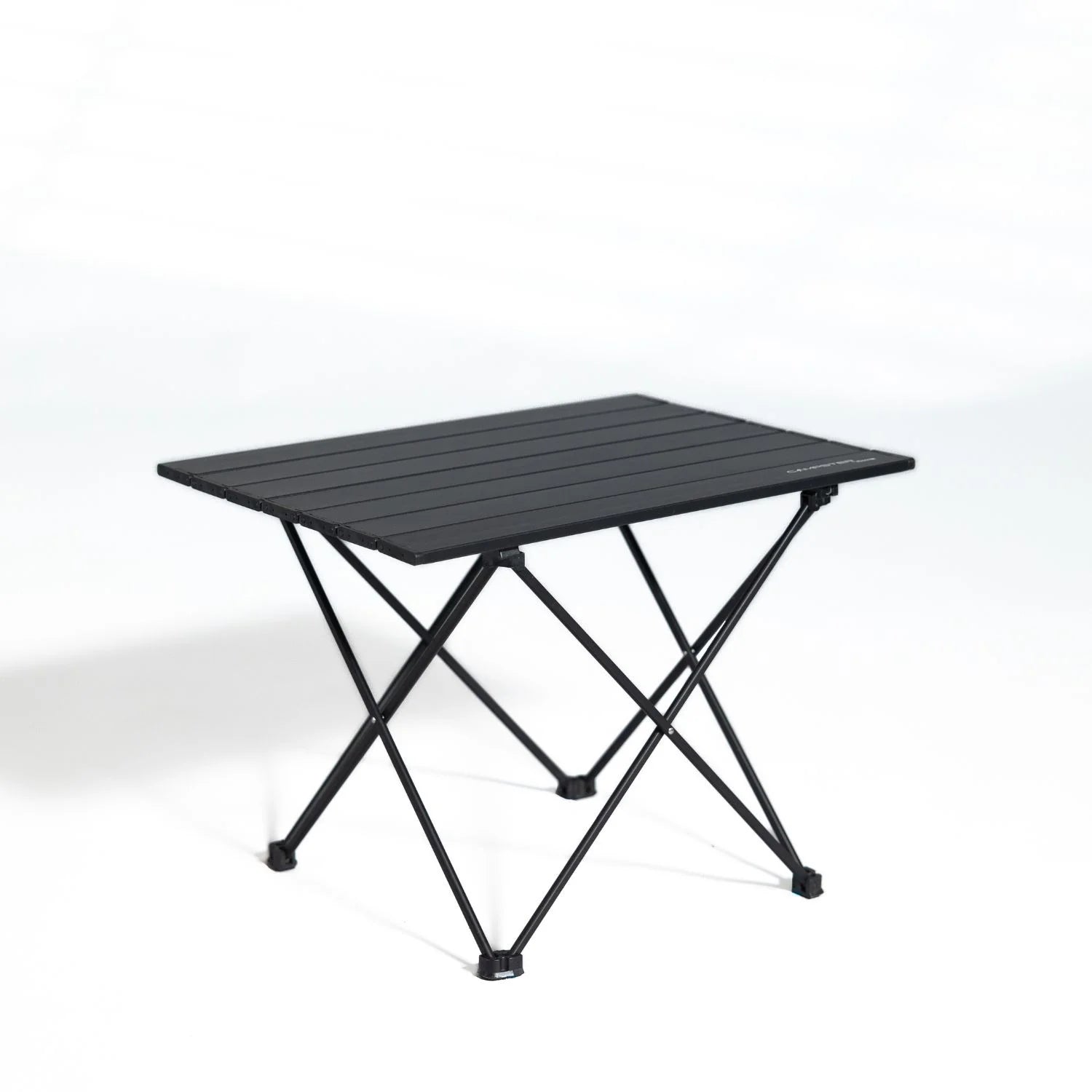
Compact furniture transforms how you use limited space and navigate travel logistics. Compact furniture offers superior portability and space efficiency, with designs folding down to sizes like 90x70x53cm or fitting into compact carry bags that slip easily into car trunks or closets. This dramatic size reduction happens through intelligent engineering: folding mechanisms, telescoping legs, and modular components that nest together. Lightweight materials like aluminum alloy and engineered composites deliver strength without unnecessary weight. The Portal table weighs 13 lb 3.2 oz and folds to a carry bag size, making it manageable for solo carry while providing a stable surface for outdoor meals.
For urban dwellers, space efficiency creates breathing room in cramped apartments. A foldable chair stored against a wall or under a bed frees valuable floor space for daily activities, then deploys quickly when guests arrive. Balconies and patios benefit enormously from furniture that tucks away during inclement weather or when you need the area for other purposes. This flexibility reduces the psychological stress of clutter, creating calmer living environments. Travelers appreciate how compact furniture eliminates the compromise between comfort and cargo space. Instead of sitting on coolers or makeshift seating, you enjoy proper ergonomic support without sacrificing room for other gear.
Maximize portability with these strategies:
Pro Tip: Combine lightweight folding chairs with a modular table system to create a complete outdoor dining setup that fits in a single backpack, leaving room for food and other essentials.
“Reducing physical clutter in living spaces correlates with decreased cortisol levels and improved focus, making space-efficient furniture a wellness investment beyond mere convenience.” — Dr. Sarah Chen, Environmental Psychologist
The outdoor chair transportation guide offers additional insights on optimizing how you move and store portable seating, ensuring you get maximum utility from compact designs.
Modular compact furniture revolutionizes how quickly you adapt spaces to different activities and preferences. Modular systems provide quick, intuitive assembly and high customization compared to traditional furniture that locks you into fixed configurations. Setup typically requires no tools and completes in under five minutes. Snap-together connectors, tension-based frames, and color-coded components guide assembly without confusing instructions. This speed matters when you arrive at a campsite after dark or need to reconfigure your balcony for an impromptu gathering.
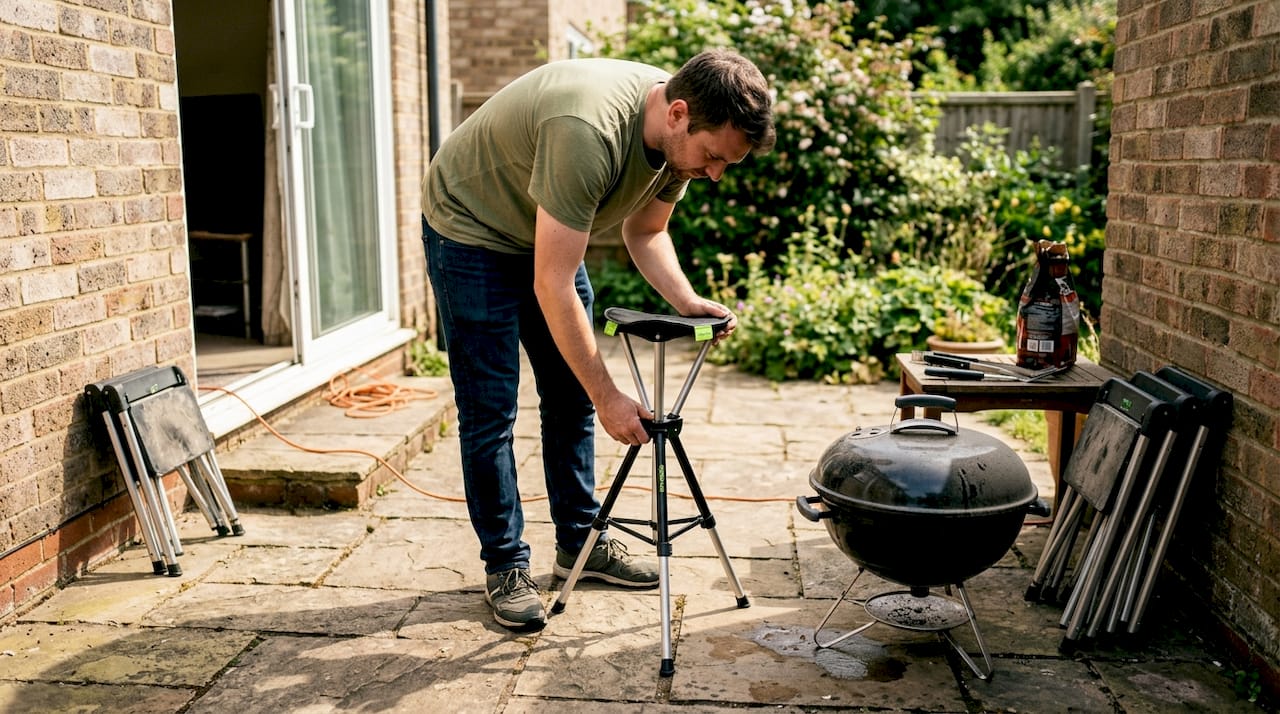
Customization extends beyond simple assembly. Modular systems let you adjust height, orientation, and component arrangement to suit specific needs. A table might convert from dining height to coffee table level. Seating modules rearrange from individual chairs to a connected bench. This adaptability means one furniture set serves multiple purposes, reducing the total number of pieces you need to own and store. Traditional furniture forces you to buy separate items for each use case, consuming more space and resources.
The psychological benefits of customization enhance user satisfaction significantly. When furniture adapts to you rather than forcing you to adapt to it, comfort and enjoyment increase. Adjustable backrests accommodate different postures. Removable armrests allow closer grouping for conversations. These small tweaks create personalized experiences that rigid traditional furniture cannot match. Modular outdoor furniture flexible solutions showcase how thoughtful design empowers users to create exactly the setup they envision.
Consider these customization advantages:
Pro Tip: Start with a core modular set that covers your most frequent use cases, then add specialized components as you discover specific needs through actual use rather than anticipated scenarios.
The contrast with traditional furniture becomes stark when you face real-world situations. Moving a heavy wooden table requires multiple people and risks damage. Adjusting a fixed chair means grabbing cushions or accepting discomfort. Compact modular alternatives eliminate these frustrations, giving you control and flexibility that traditional options simply cannot provide.
Sustainability increasingly drives furniture choices as environmental awareness grows among outdoor enthusiasts and urban consumers. Sustainable materials like recycled wood composites, low-VOC finishes, and wood flour composites improve durability and reduce environmental impact compared to conventional furniture manufacturing. Recycled wood composites repurpose waste materials that would otherwise fill landfills, creating strong structural components without harvesting new timber. Low-VOC finishes minimize harmful chemical emissions during production and throughout the furniture’s life, improving both environmental and indoor air quality.
Engineered materials deliver unexpected benefits for outdoor durability while supporting sustainability goals. Wood-plastic composites resist moisture, insects, and UV degradation far better than solid wood, extending usable life and reducing replacement frequency. This longevity means fewer resources consumed over time despite potentially higher initial material costs. The environmental impact varies significantly across furniture lifecycle stages, as this comparison demonstrates:
| Lifecycle Stage | Traditional Furniture Impact | Compact Eco-Friendly Impact | Reduction |
|---|---|---|---|
| Pre-production | High (virgin materials, energy-intensive processing) | Moderate (recycled content, efficient manufacturing) | 30-40% |
| Production | High (VOC emissions, waste generation) | Low (low-VOC finishes, minimal waste) | 50-60% |
| Transportation | Moderate (bulky shipping, multiple trips) | Low (compact packaging, efficient logistics) | 40-50% |
| Use phase | Low (minimal ongoing impact) | Low (minimal ongoing impact) | Comparable |
| End of life | High (landfill disposal, difficult recycling) | Moderate (recyclable components, easier disassembly) | 25-35% |
Pre-production stage has the highest environmental impact, making material choice crucial for overall sustainability. Compact furniture using recycled content and efficient manufacturing processes significantly reduces this burden.
Additional eco-friendly benefits include:
Choosing eco-friendly compact furniture aligns with a holistic outdoor lifestyle that values nature preservation. When you invest in sustainable gear, you support manufacturing practices that protect the environments you enjoy exploring. This creates a positive feedback loop where consumer demand drives industry innovation toward even better sustainable solutions.
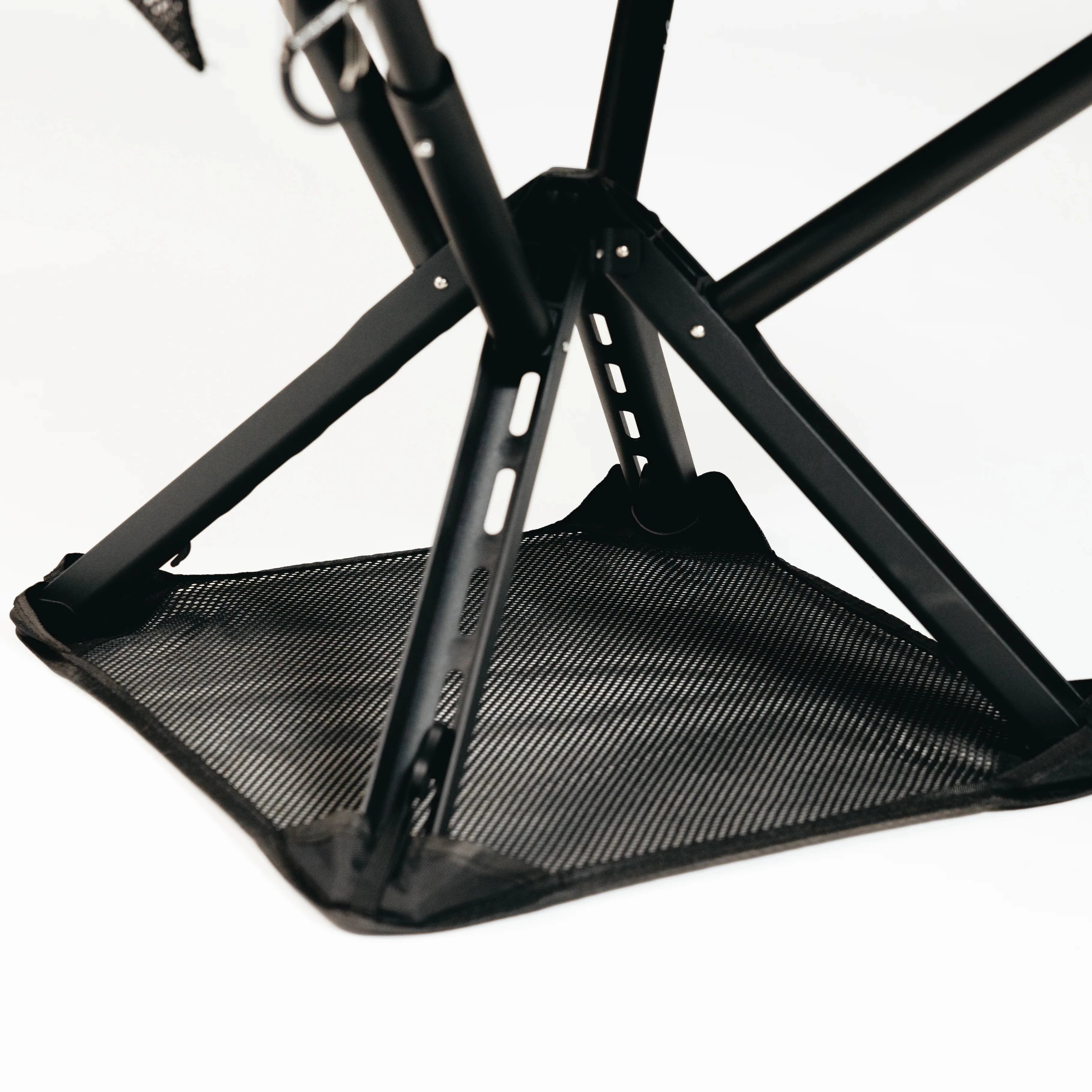
Balanced decision-making requires understanding potential drawbacks alongside advantages. Plastic components may wear in cold conditions; slight wobble if legs are not locked; folding furniture may sacrifice long-term comfort compared to solid traditional pieces. Plastic clamps and hinges, while lightweight and functional, can become brittle in freezing temperatures or degrade with prolonged UV exposure. This doesn’t make them unsuitable, but it does require awareness of operating conditions and proper care.
Stability on uneven ground presents another consideration. Compact furniture with folding legs or adjustable feet may wobble on rough terrain if not properly locked or leveled. Traditional heavy furniture resists tipping through sheer weight, while lightweight alternatives require correct setup to achieve stability. Most quality compact designs include locking mechanisms and leveling options, but user diligence matters. Forgetting to engage a leg lock or skipping ground preparation can create unsafe conditions.
Cost considerations vary depending on features and quality. Basic folding chairs cost less than premium modular systems with advanced materials and engineering. However, comparing price alone misses the value equation. A slightly more expensive modular set that replaces three separate traditional pieces and lasts twice as long delivers better long-term value. Upfront investment in quality compact furniture pays dividends through versatility, durability, and reduced replacement costs.
Manage limitations effectively with these practices:
Understanding these trade-offs helps set realistic expectations. Compact furniture excels in specific scenarios: travel, limited space, adaptability, and environmental consciousness. It may not replace every traditional piece in your home, but it solves problems that conventional furniture cannot address. The key is matching furniture characteristics to your actual needs rather than expecting one solution to serve every possible situation perfectly.
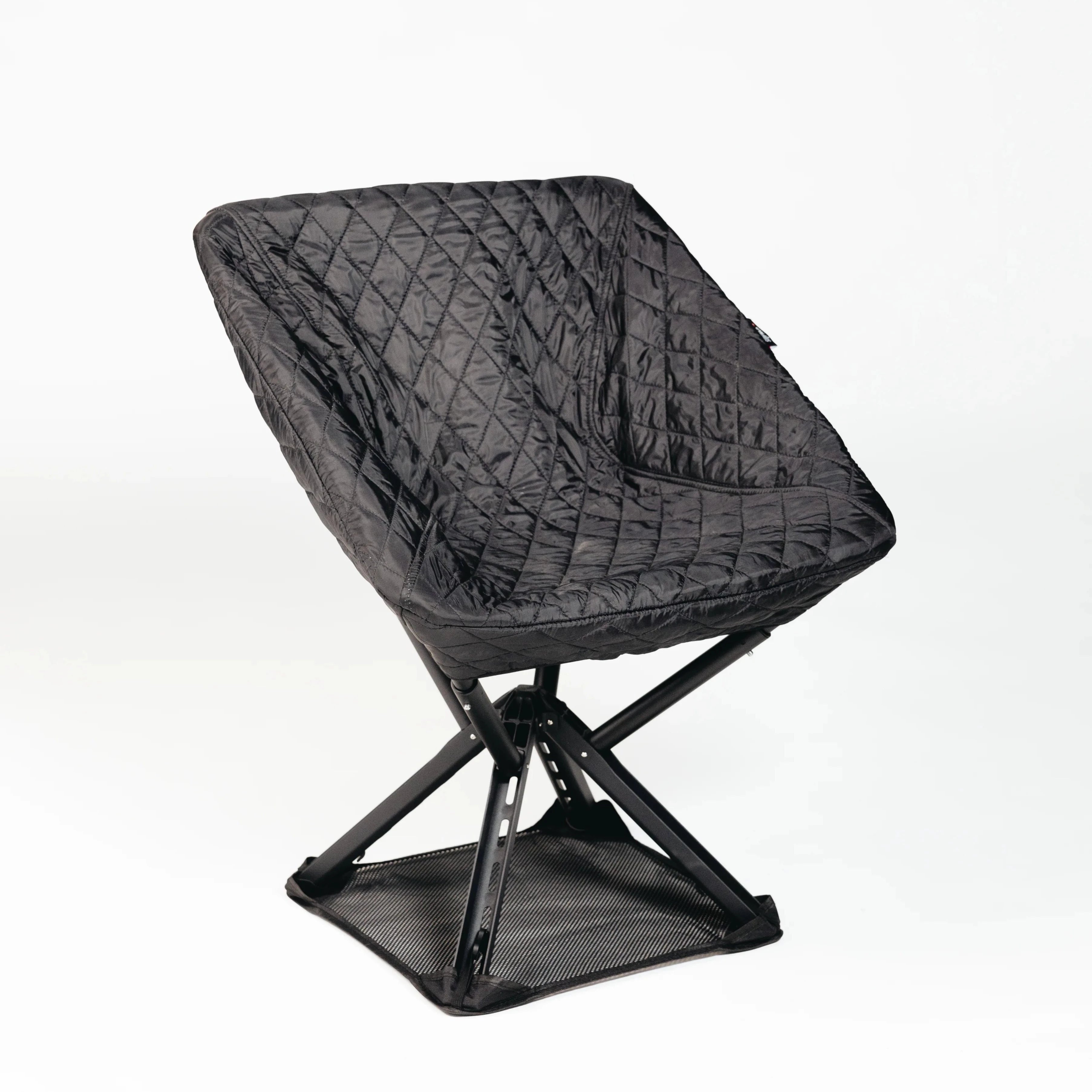
Now that you understand the advantages and considerations of compact furniture, it’s time to explore solutions designed specifically for active lifestyles. Sitpack specializes in innovative portable seating and outdoor furniture that combines lightweight engineering with exceptional comfort and durability. Whether you need a foldable chair for weekend camping trips, modular seating for your urban balcony, or versatile tables that adapt to any adventure, Sitpack compact furniture solutions offer thoughtfully designed options backed by lifetime warranties and customer satisfaction guarantees.
Every Sitpack product reflects deep understanding of what outdoor enthusiasts and urban dwellers actually need: gear that doesn’t compromise between portability and performance. From the ultra-compact Zen chair to the modular Campster system, you’ll find furniture that folds impossibly small yet delivers real comfort when deployed. Eco-friendly materials and minimalist Scandinavian design ensure your gear looks as good as it performs. Explore the full range today and discover how the right compact furniture transforms your outdoor experiences and urban living spaces.
Compact furniture excels for outdoor activities through lightweight construction, foldable designs, and easy transport in backpacks or vehicle storage. These pieces set up quickly at campsites, beaches, or parks without requiring tools or complex assembly. Durability features like weather-resistant fabrics and corrosion-proof frames handle outdoor elements reliably. The space efficiency means you can pack complete seating and table setups without sacrificing room for other essential gear.
Modular furniture adapts seamlessly to challenging urban layouts with odd corners, limited square footage, and multipurpose room requirements. Individual components rearrange to create different configurations as needs change throughout the day or season. This flexibility reduces visual and physical clutter, which research shows decreases stress and improves mental clarity in small spaces. Modular furniture for small spaces demonstrates how intelligent design maximizes functionality without overwhelming limited areas. Storage becomes simpler when pieces fold or nest together during periods of non-use.
Many compact furniture manufacturers prioritize sustainability through recycled materials, responsible sourcing, and efficient production methods. Sustainable materials like recycled wood composites and low-VOC finishes lower environmental impact across multiple lifecycle stages compared to conventional furniture. Compact packaging and lighter shipping weights reduce transportation emissions significantly. The longevity of quality modular systems means fewer replacements over time, decreasing overall resource consumption. Look for brands that transparently share material sourcing and manufacturing practices to verify eco-friendly claims.
Plastic components may wear; users should avoid overloading and exposure to extreme conditions to maximize furniture lifespan. Regular inspection of joints, hinges, and locking mechanisms helps catch wear before failures occur. Clean frames and fabrics periodically with mild soap and water to prevent dirt buildup that accelerates degradation. Store furniture indoors or use protective covers during extended periods of non-use, especially in harsh weather. Check that all leg locks engage fully before each use to ensure stability and prevent stress on components. Outdoor chair care tips provide detailed guidance on maintaining portable seating through seasons of active use.