Vogn
0
Tilmeld dig og få 10% i rabat på din ordre
Forventet levering
1-3 dage
Du vil måske også kunne lide
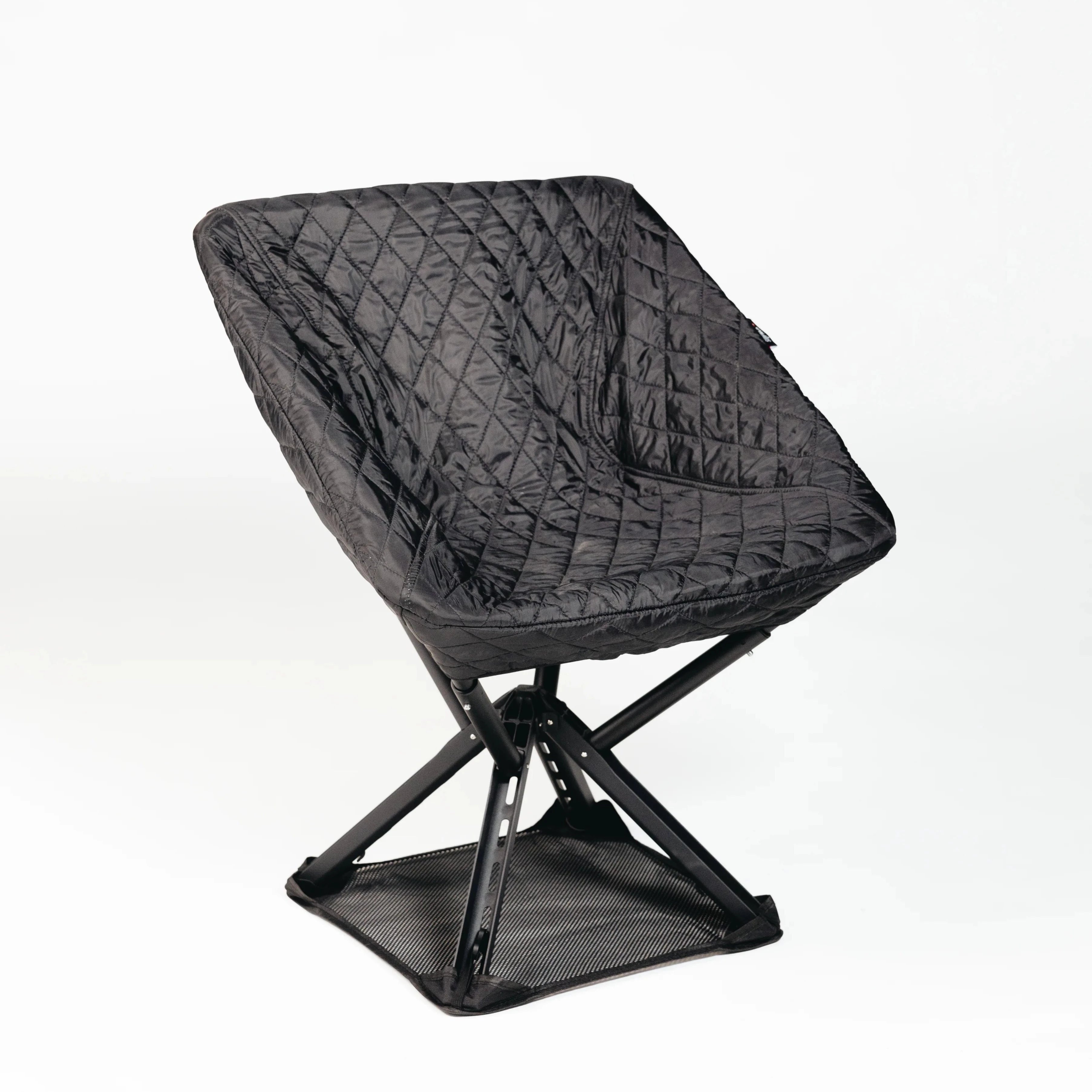
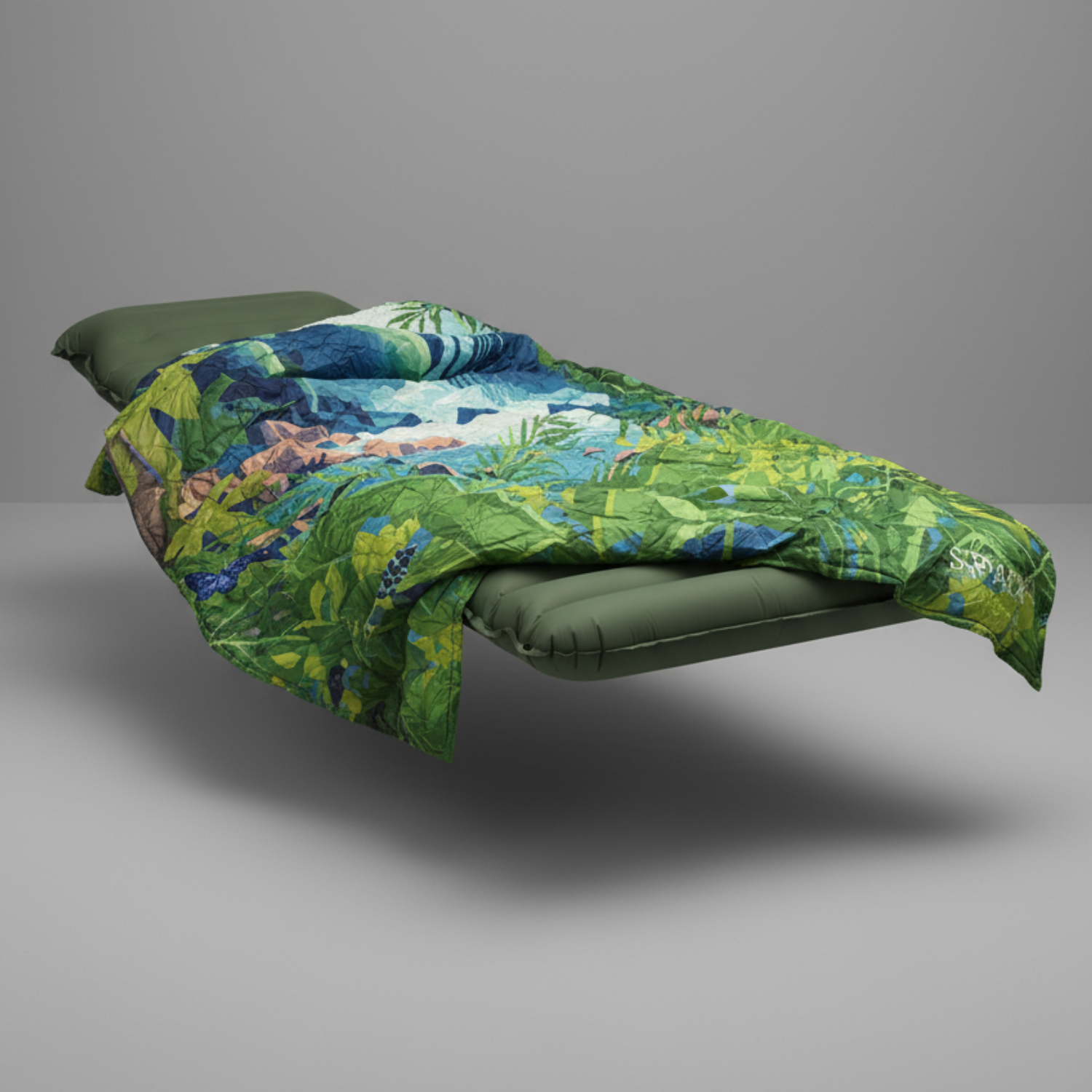


Dansk Firma


Nearly **60 percent of American backpackers now prioritize lightweight, eco-friendly gear for every adventure. Travel towels have become must-have essentials for outdoor enthusiasts who want to save space while reducing their environmental impact. With smart materials and compact design, these towels deliver extraordinary performance wherever you go, helping you stay comfortable and fresh throughout camping trips, daily commutes, or long-distance exploration.
| Point | Details |
|---|---|
| Advanced Materials | Travel towels use innovative materials like microfiber for superior performance. |
| Multifunctional Use | They serve multiple purposes beyond drying, such as cooling wraps and picnic mats. |
| Compact and Lightweight | Travel towels are designed for easy packing, perfect for minimalist travel. |
| Sustainability Focus | Eco-friendly options are available, supporting environmentally responsible practices. |
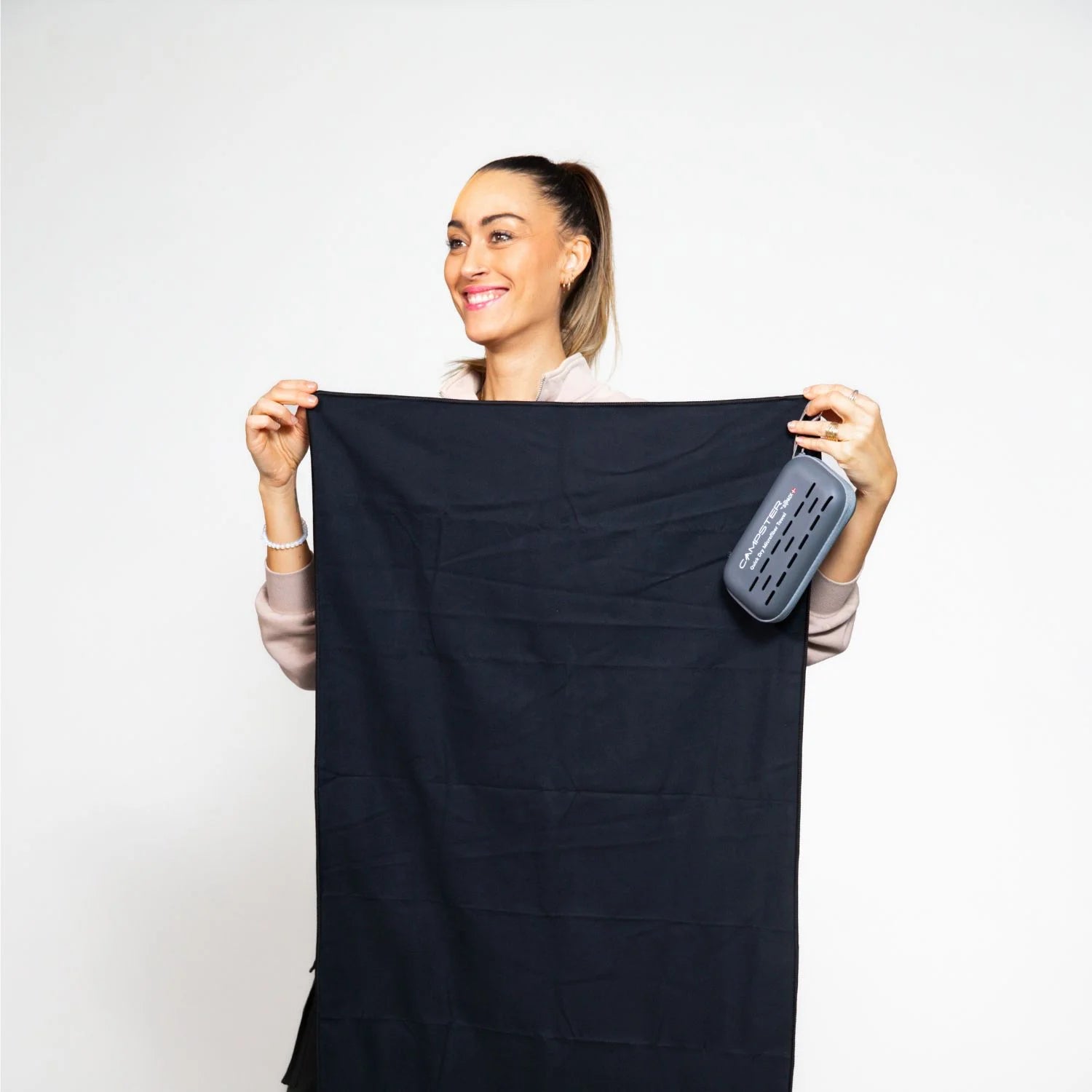
Travel towels aren’t just ordinary bathroom linens. They represent a technological leap in personal care accessories designed specifically for adventurers and minimalist travelers. Advanced microfiber technology transforms these compact companions into multipurpose tools that dramatically outperform traditional cotton towels in almost every meaningful way.
The core distinction lies in their engineered design. Unlike standard towels that remain heavy and damp for hours, travel towels utilize specialized synthetic fibers that enable rapid moisture absorption and lightning-fast drying times. These innovative textiles can hold several times their weight in water while remaining incredibly lightweight. Their compact profile means they compress down to a fraction of a standard towel’s size, making them perfect for backpackers, campers, and global nomads who prioritize space efficiency.
Key features that set travel towels apart include:
Moreover, these towels go beyond simple moisture management. They serve as multipurpose survival tools capable of functioning as beach mats, emergency blankets, cooling wraps, and improvised ground covers. Their robust construction ensures durability across diverse environmental conditions, from humid tropical forests to arid desert landscapes.
Pro Tip: Always hang your travel towel to air dry completely between uses to maximize its antimicrobial properties and extend its functional lifespan.
Travel towels represent a sophisticated ecosystem of materials engineered to meet the diverse needs of modern adventurers. Comprehensive material guides reveal a fascinating array of fabric options, each with unique performance characteristics designed to enhance travelers’ experiences across different environments and usage scenarios.
The primary materials dominating the travel towel market include microfiber, bamboo, organic cotton, and innovative synthetic blends. Microfiber towels, typically composed of polyester-polyamide combinations, stand out as the gold standard for travelers. These synthetic marvels offer exceptional water absorption, lightning-fast drying times, and an incredibly compact profile that makes them ideal for backpackers and minimalist travelers seeking maximum efficiency.
Material Characteristics Comparison:
Eco-friendly towel innovations are transforming the market, with manufacturers increasingly prioritizing sustainable materials that balance performance and environmental responsibility. Travelers can now select towels that not only meet their functional requirements but also align with their ecological values, choosing options made from recycled synthetics, organic fibers, and responsibly sourced materials.
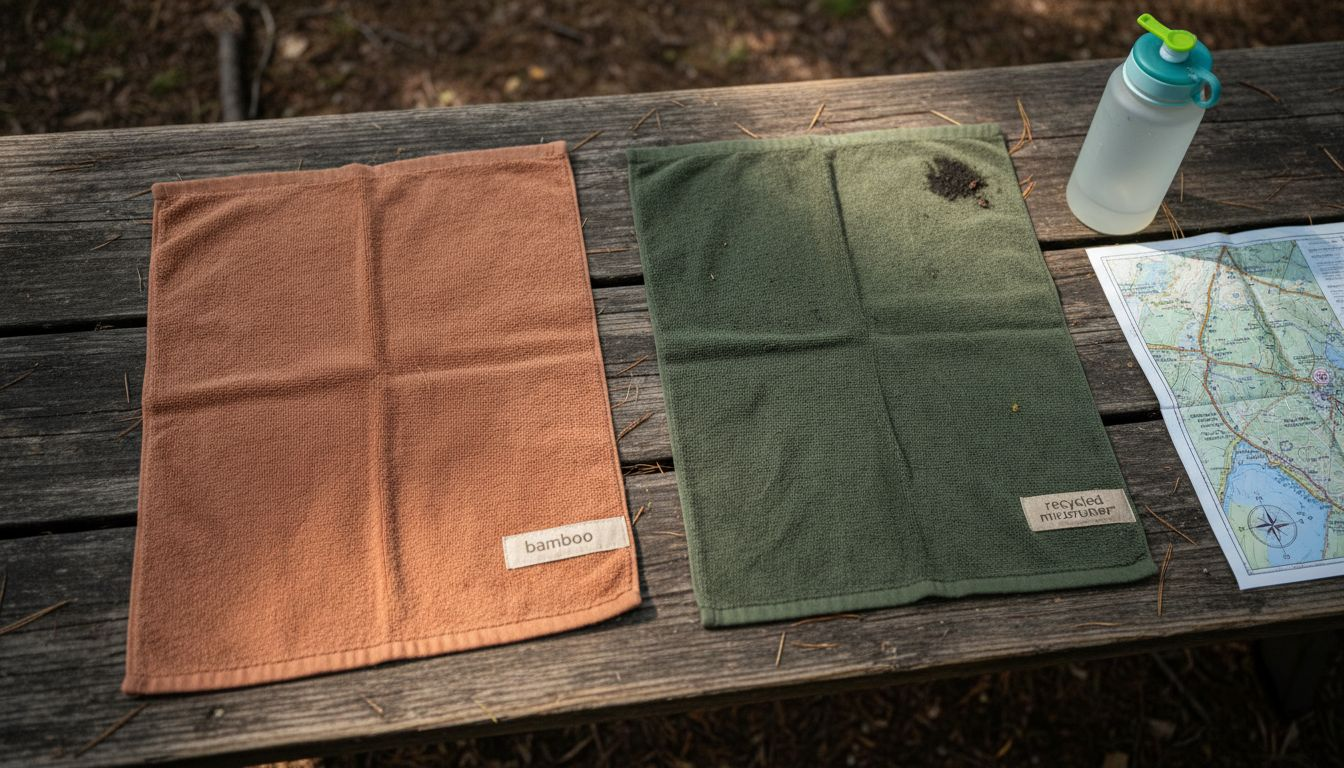
Pro Tip: Select a travel towel material based on your specific trip conditions, balancing performance needs with environmental considerations and personal comfort preferences.
Here’s a summary comparing travel towel materials, focusing on which trips and users benefit most from each:
| Material Type | Best For | Typical User | Environmental Impact |
|---|---|---|---|
| Microfiber | Backpacking, hostels | Ultralight travelers | Moderate (synthetic) |
| Bamboo | Eco-resorts, beach trips | Eco-conscious tourists | Low (renewable) |
| Organic Cotton | Comfort-focused journeys | Sensitive skin users | Low (biodegradable) |
| Recycled Synthetics | Multi-day adventures | Sustainability advocates | Lowest (recycled) |
Outdoor adventurers demand more than just a simple cloth for drying off. Travel towels designed for outdoor use represent a sophisticated solution engineered to withstand the most challenging environmental conditions while delivering exceptional performance across multiple scenarios.
The hallmark of a superior travel towel lies in its multifunctional capabilities. These aren’t just moisture-wicking accessories, but versatile tools that adapt to diverse outdoor challenges. High-performance travel towels can seamlessly transition from beach accessories to emergency blankets, picnic mats, and quick-dry personal care items. Advanced engineering ensures they remain lightweight, compact, and resilient against harsh environmental factors.
Key Performance Features for Outdoor Use:
The evolution of travel towels reflects a deep understanding of outdoor enthusiasts’ complex needs. Modern designs incorporate advanced synthetic materials that offer unprecedented functionality. They’re not just about absorption anymore—they’re about creating a reliable, adaptable companion for adventurers who demand maximum performance with minimal equipment.
Pro Tip: Always pack your travel towel in an easily accessible, waterproof compartment of your backpack to maintain its quick-dry capabilities and prevent unnecessary moisture exposure.
Advanced moisture-wicking technology transforms travel towels from simple drying tools into sophisticated personal care companions. These innovative textiles go far beyond traditional towel functions, addressing the complex hygiene and comfort needs of modern travelers across diverse environments and activities.
The core advantage of modern travel towels lies in their sophisticated design that prioritizes both personal comfort and comprehensive hygiene protection. Microfiber construction enables rapid moisture absorption while simultaneously creating a protective barrier against bacterial growth. This means travelers can stay dry, clean, and comfortable whether they’re navigating humid jungle trails, recovering from intense gym workouts, or relaxing on sandy beaches.
Versatile Use Scenarios:
Unlike traditional towels that become breeding grounds for bacteria and unpleasant odors, these advanced travel towels represent a holistic solution for maintaining personal cleanliness. Their intelligent design ensures maximum functionality with minimal weight, making them an essential tool for health-conscious travelers who refuse to compromise on comfort or hygiene standards.
Pro Tip: Invest in multiple travel towels and rotate them during extended trips to maintain optimal hygiene and prevent bacterial buildup.
Sustainable travel towels represent a revolutionary approach to personal care that extends far beyond individual convenience, embodying a comprehensive commitment to environmental responsibility. These innovative textiles transform the traditional concept of a simple drying tool into a powerful statement of ecological consciousness.
The environmental impact of travel towels goes well beyond their immediate function. Eco-friendly options crafted from organic cotton, bamboo, hemp, and recycled synthetic fibers dramatically reduce water consumption, chemical pollution, and overall carbon footprint. Unlike conventional cotton towels that require extensive resources and harmful manufacturing processes, these sustainable alternatives prioritize both planetary health and user experience.
Key Sustainability Features:
Comprehensive eco-towel guides highlight the transformative potential of conscious consumer choices. By selecting travel towels designed with environmental stewardship in mind, travelers can directly contribute to global sustainability efforts while enjoying superior performance and comfort. These towels represent more than just a personal accessory—they’re a tangible commitment to preserving our planet’s delicate ecological balance.
Pro Tip: Research the specific manufacturing processes and material sourcing of your travel towel to ensure you’re making the most environmentally responsible choice possible.
Travel towels represent a technological leap beyond traditional cotton towels, offering a sophisticated solution for modern travelers who demand performance, efficiency, and versatility. The differences extend far beyond mere fabric composition, encompassing critical factors like weight, drying speed, packability, and functional adaptability.
When evaluating performance metrics, microfiber travel towels dramatically outshine conventional cotton alternatives. While standard towels absorb moisture adequately, they languish in damp conditions, becoming breeding grounds for bacteria and unpleasant odors. Microscopic fiber structures in travel towels enable unprecedented moisture management, drying up to ten times faster and maintaining a consistently fresh feel.
Comparative Performance Breakdown:
Beyond technical specifications, travel towels represent a paradigm shift in personal care technology. They’re not just accessories but intelligent solutions designed for travelers who refuse to compromise between comfort, hygiene, and practical functionality. The investment in a high-quality travel towel translates to reduced luggage weight, faster drying times, and enhanced overall travel experience.
For quick reference, here is how travel towels and regular cotton towels stack up in daily travel situations:
| Scenario | Travel Towel Advantage | Cotton Towel Limitation |
|---|---|---|
| Airport Security | Passes bag checks easily | Bulky, adds carry-on weight |
| Hostel Shower | Dries instantly | Stays damp, smells |
| Beach Visit | Sand repels off easily | Retains sand and moisture |
| Hiking/Camping | Packs small, lightweight | Difficult to carry |
Pro Tip: Invest in a quick-drying microfiber travel towel and pack a small, lightweight backup to ensure maximum flexibility during your adventures.
Travel towels solve key challenges for travelers who seek space efficiency, hygiene, and sustainability without compromising on comfort. Just like the towels discussed, the innovative seating solutions at Sitpack focus on lightweight design, durability, and eco-friendly materials, perfectly complementing the minimalist traveler’s gear. With products engineered to dry quickly, resist odor, and pack compactly, you can confidently embrace every outdoor adventure.
Explore how combining a quick-dry travel towel with portable, foldable chairs like the Campster II or Sitpack Zen enhances your comfort on the go. Visit Sitpack now to find seating and accessories crafted for sustainability and convenience. Make smarter choices that save space and support a cleaner planet—shop today and be ready for your next journey.
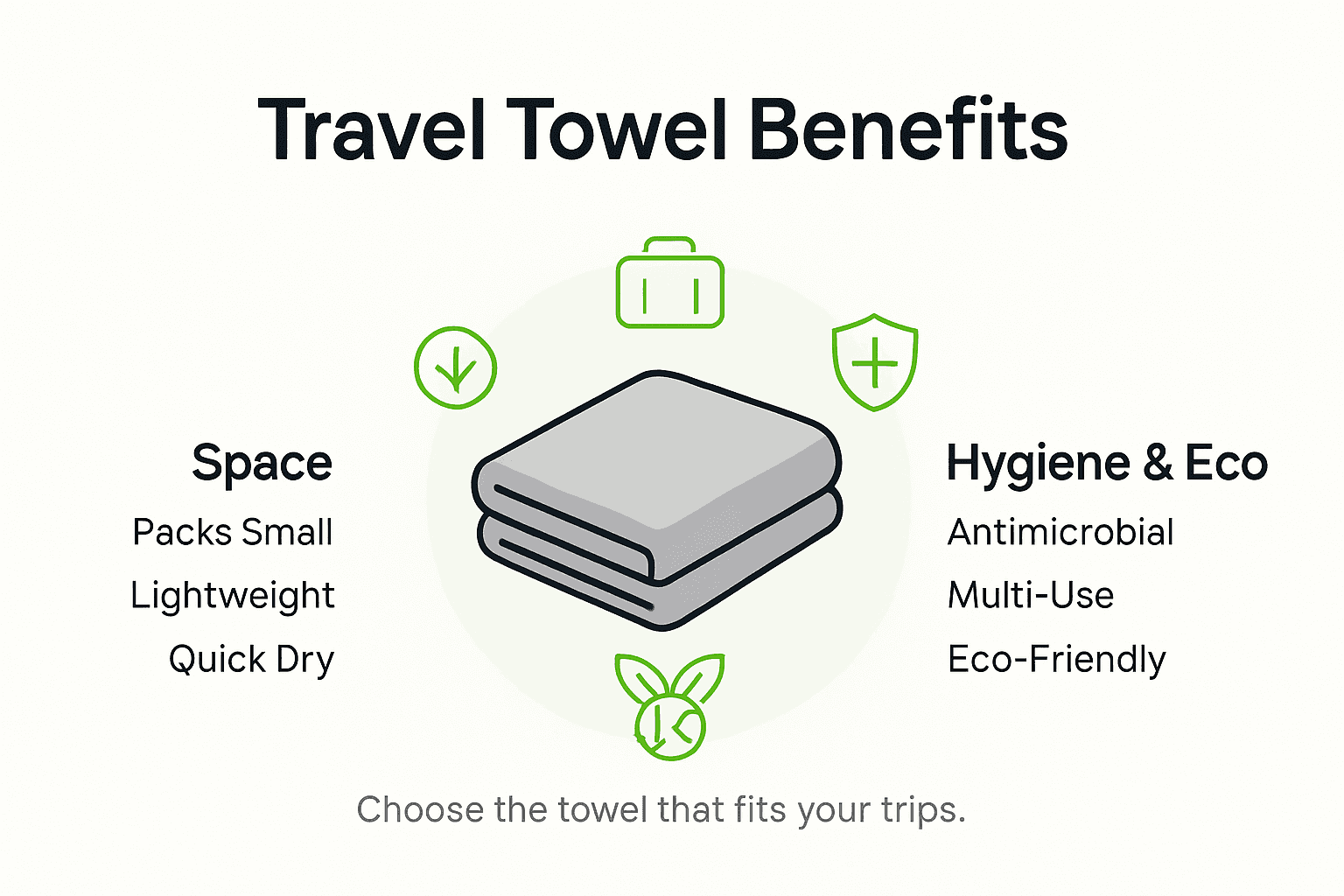
Travel towels offer several benefits including space efficiency, rapid drying capabilities, antimicrobial properties for improved hygiene, and eco-friendly materials that support sustainability.
Travel towels dry up to ten times faster than regular cotton towels and have antimicrobial properties that help prevent bacteria growth and odors, making them more hygienic for frequent use during travels.
Common materials for travel towels include microfiber, bamboo, organic cotton, and recycled synthetic blends. Microfiber is lightweight and absorbs water quickly, while bamboo is naturally antibacterial and eco-friendly. Organic cotton offers comfort but dries slower.
Yes, travel towels are versatile and can be used for a variety of purposes, such as beach mats, emergency blankets, picnic mats, and cooling wraps, making them essential tools for various outdoor activities.