Vogn
0
Tilmeld dig og få 10% i rabat på din ordre
Forventet levering
1-3 dage
Du vil måske også kunne lide
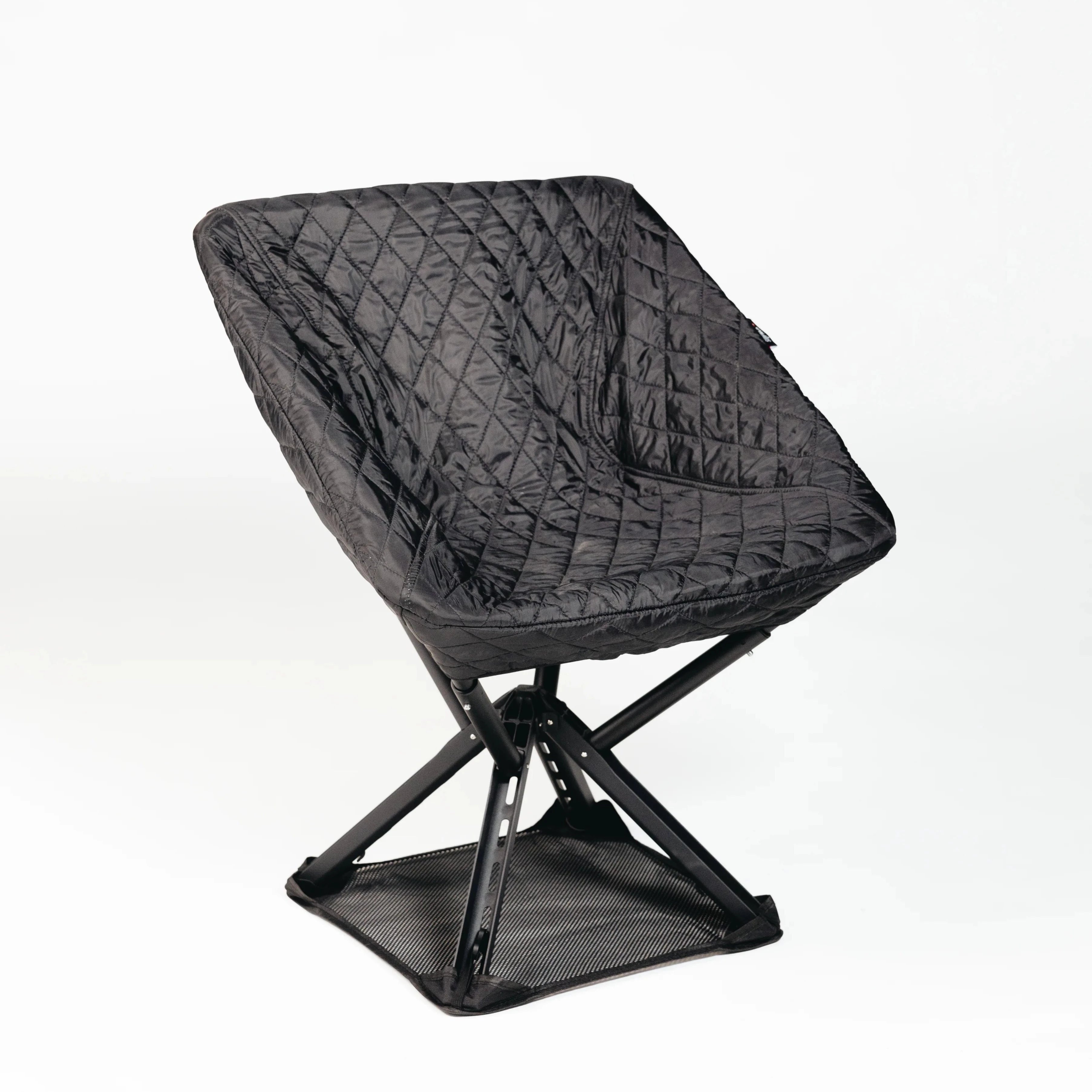
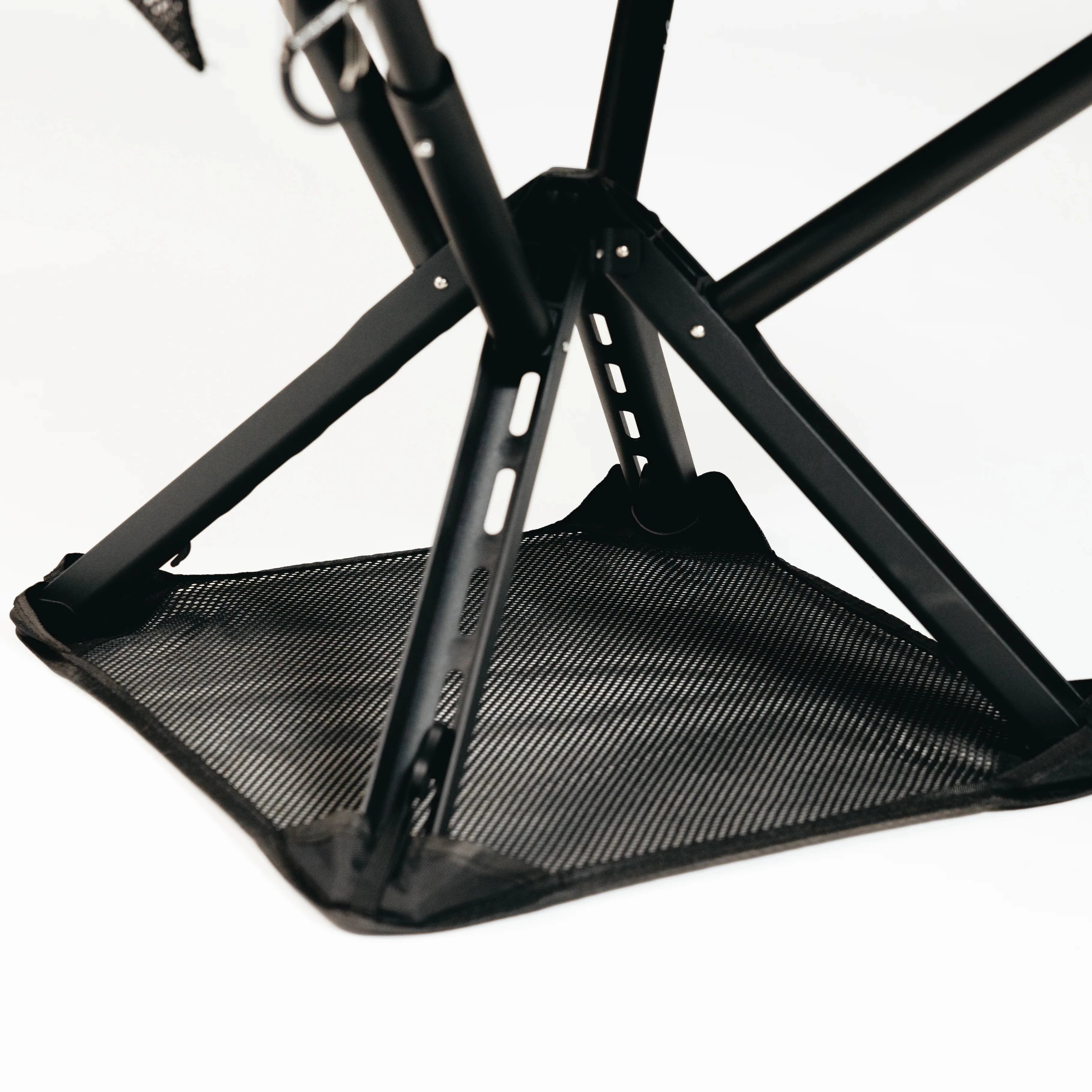
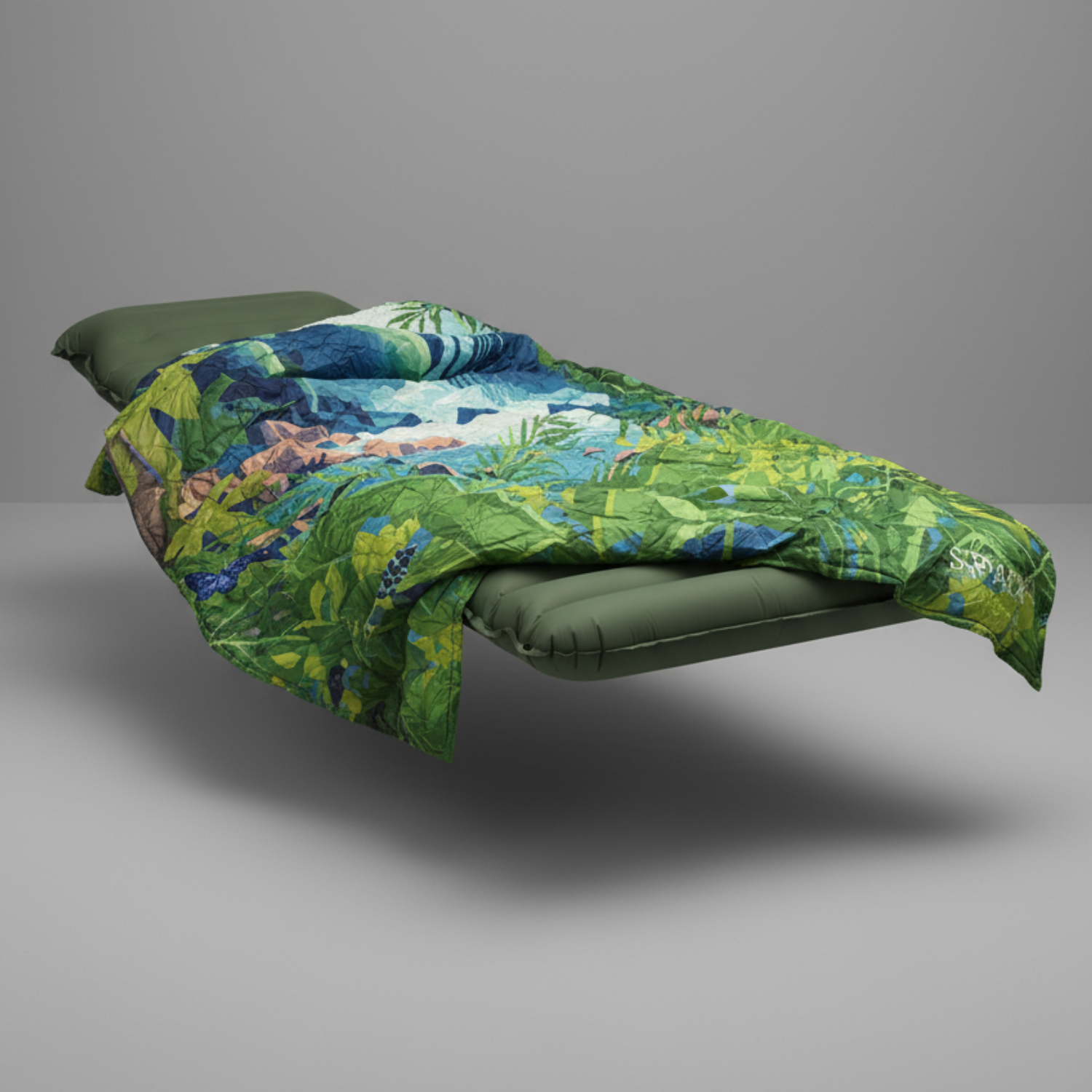
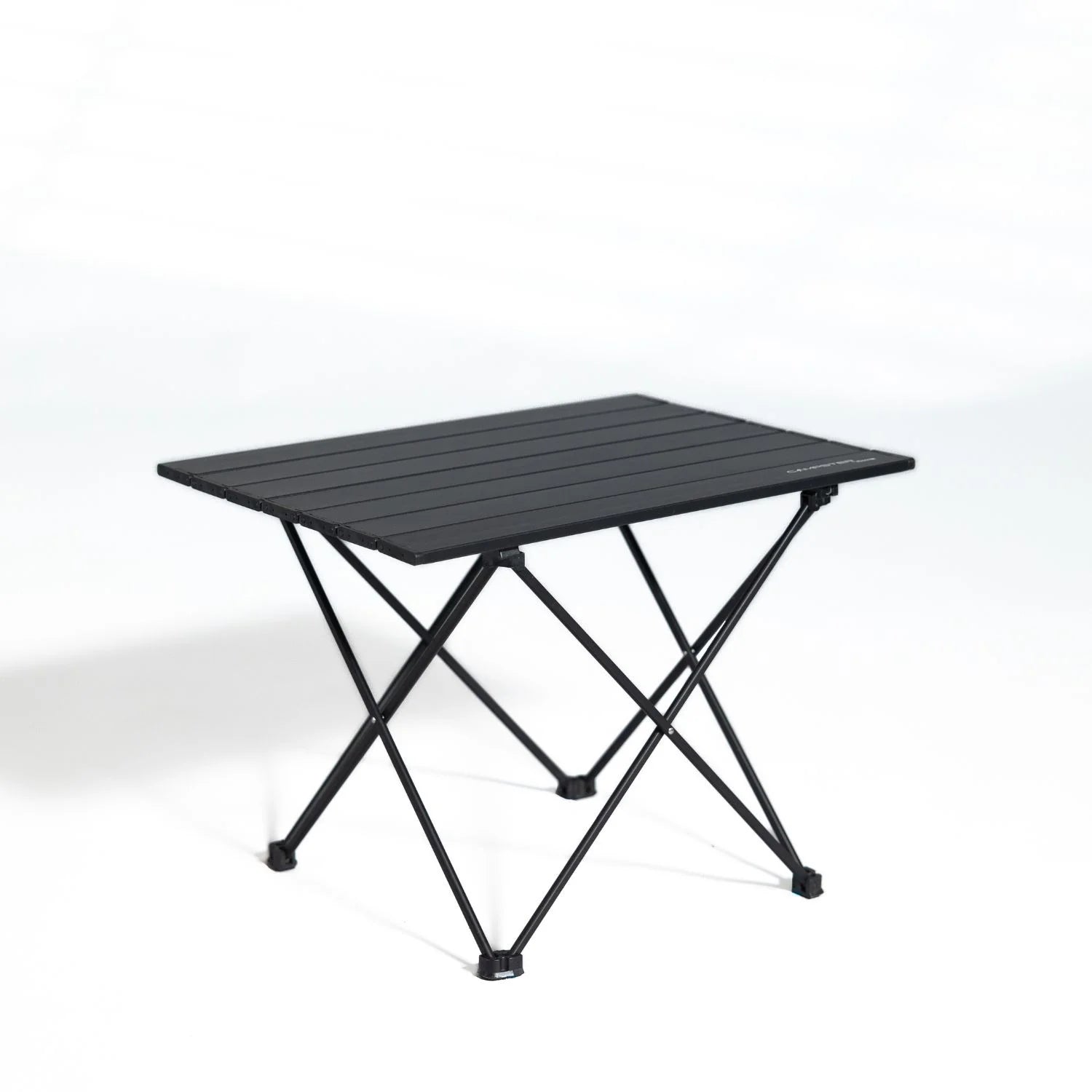
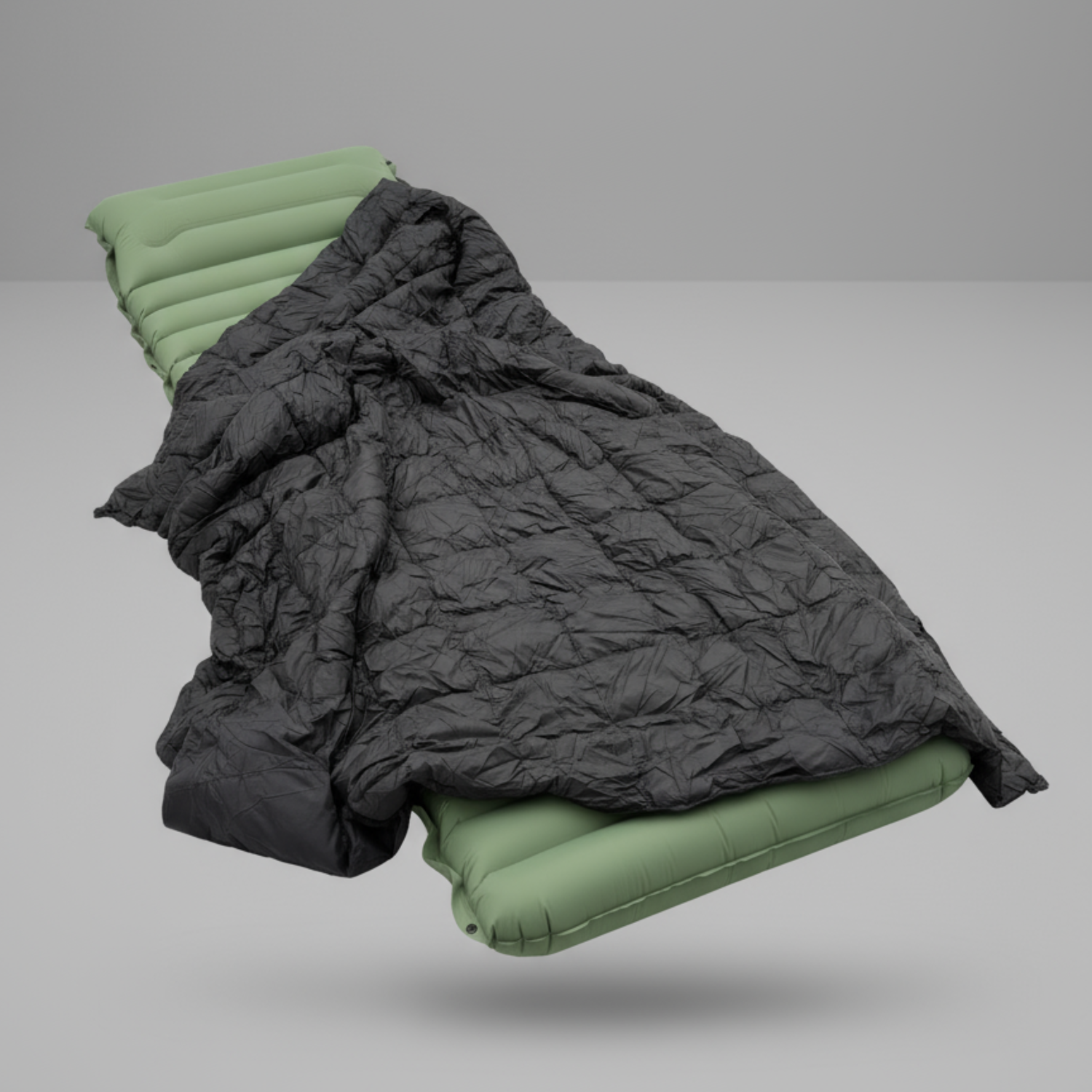
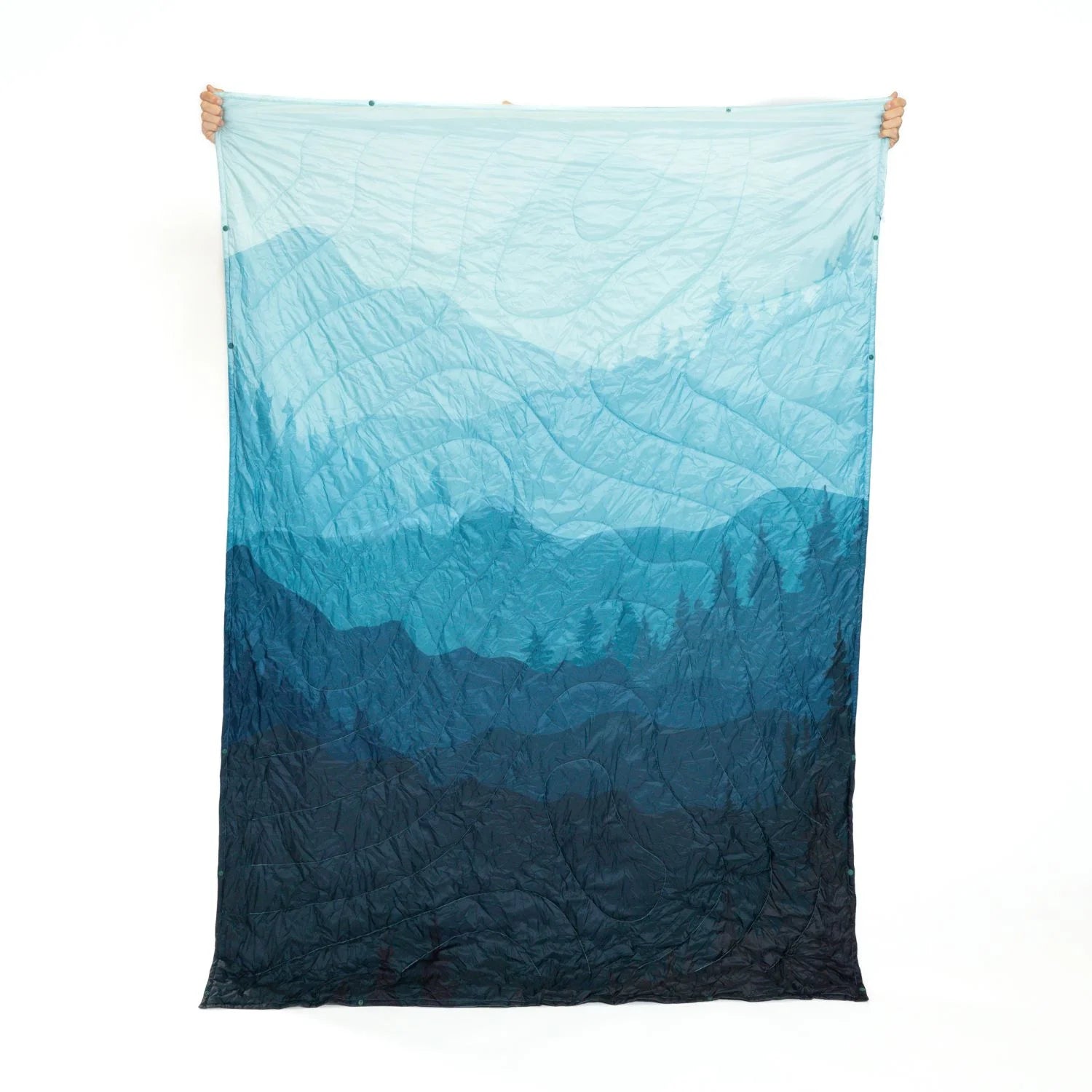
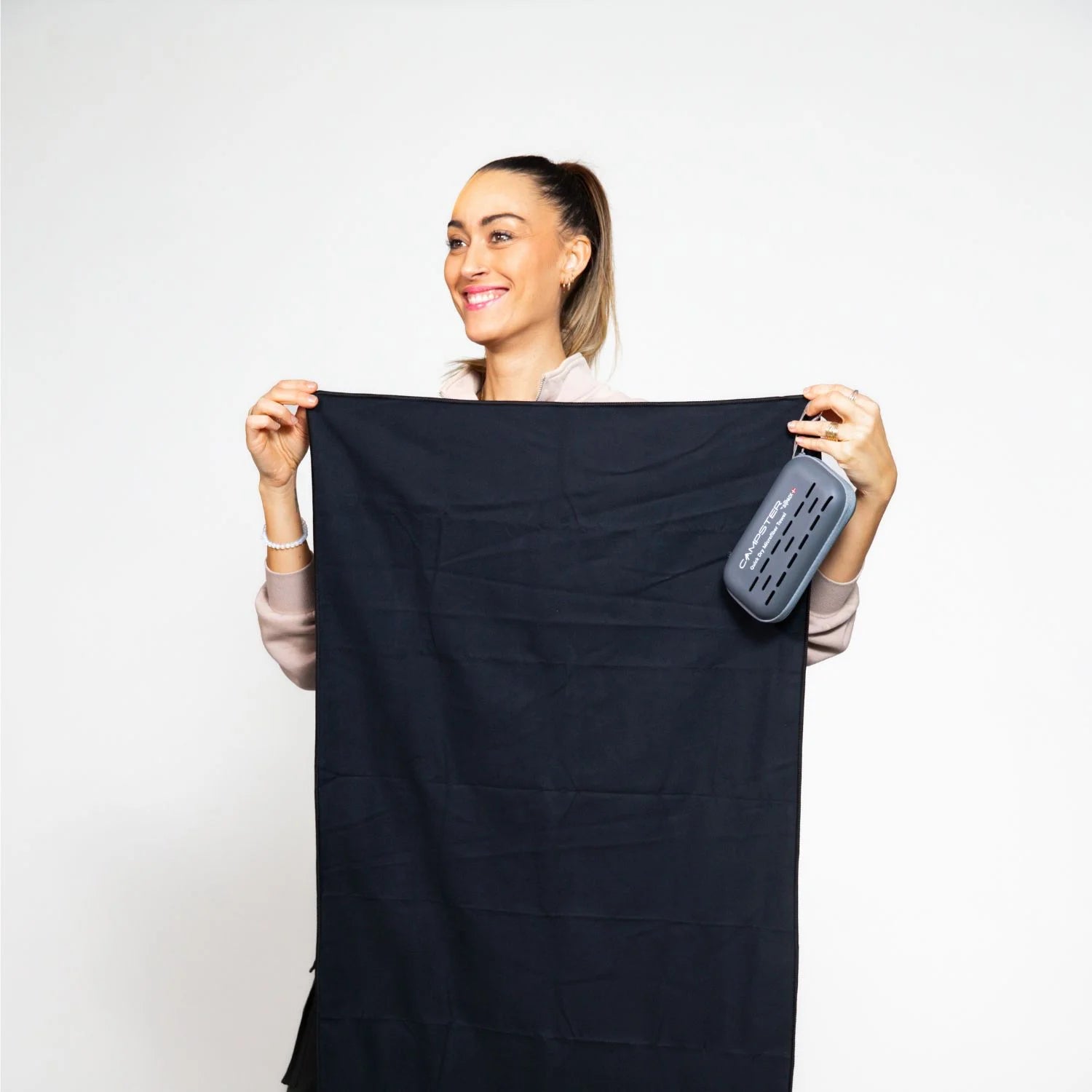


Dansk Firma


Most urban residents face a daily struggle to maximize limited outdoor space, with American cities reporting that up to 60 percent of apartments feature balconies smaller than six square meters. Small-space living demands furniture that is portable, durable, and truly multi-functional. For eco-conscious city dwellers seeking active lifestyles and smart sustainability, understanding how multi-use outdoor furniture can redefine comfort, convenience, and environmental impact is the key to transforming tiny patios into adaptable retreats.
| Point | Details |
|---|---|
| Multi-use Outdoor Furniture | Represents an innovative solution to urban space challenges by integrating multiple functions into a single product. |
| Key Features | Essential characteristics include modular design, portability, versatility, and weather resistance to meet urban lifestyle demands. |
| Space Efficiency | These furniture pieces optimize limited outdoor spaces, accommodating diverse functions and enhancing daily routines. |
| Sustainability Focus | Eco-friendly materials and low-impact production processes are crucial for developing multifunctional outdoor furniture in modern environments. |
Outdoor furniture has evolved dramatically from simple static designs to sophisticated, adaptable solutions that meet contemporary urban living challenges. Multi-use outdoor furniture represents a revolutionary approach to spatial design, offering flexibility and practicality for urban dwellers seeking smart, efficient living environments. Contemporary urban space frameworks demonstrate how multifunctional elements can dramatically improve quality of life by maximizing limited spatial resources.
At its core, multi-use outdoor furniture transcends traditional single-purpose designs by integrating multiple functions into a single product. These innovative pieces are engineered to serve diverse purposes seamlessly. Key characteristics include:
Academic research exploring outdoor furniture design principles emphasizes the growing importance of versatility in urban environments. These pieces aren’t just furniture but strategic solutions addressing complex spatial challenges. Whether transforming from seating to storage or collapsing for easy transportation, multi-use outdoor furniture represents a sophisticated response to modern lifestyle demands.
The fundamental philosophy behind multi-use outdoor furniture centers on sustainability, efficiency, and user-centric design. By creating products that adapt to changing needs, manufacturers are responding to increasingly dynamic living situations where flexibility isn’t just convenient—it’s essential. Urban professionals, minimalist enthusiasts, and eco-conscious consumers are driving this design revolution, demanding furniture that works as hard and intelligently as they do.
Pro Tip - Versatility Check: Before purchasing multi-use outdoor furniture, test its adaptability by imagining at least three different scenarios where the piece could serve you effectively, ensuring maximum value and utility.
Multi-use outdoor furniture offers an impressive range of design innovations that transform traditional spatial expectations. Contemporary outdoor furniture design explores numerous versatile configurations that enable users to maximize limited outdoor spaces with intelligent, adaptive solutions. These variations represent more than aesthetic choices—they’re strategic responses to evolving urban living challenges.
The primary multi-use outdoor furniture variations can be categorized into several distinct types:
Convertible Pieces
Modular Systems
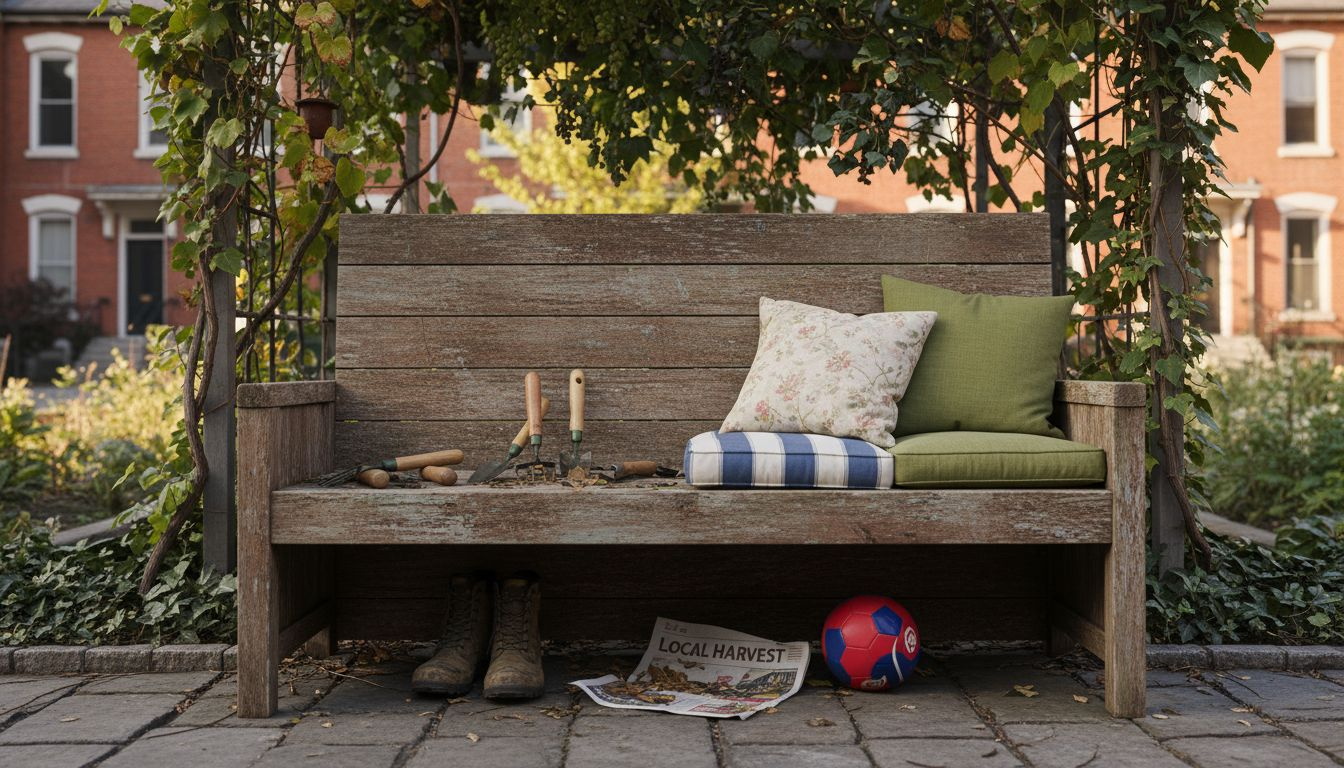
Innovative outdoor furniture solutions demonstrate remarkable adaptability across different environments. Storage benches represent a prime example, offering seating while providing concealed space for cushions, gardening tools, or recreational equipment. Modular sofas allow users to reshape their outdoor living areas instantly, adapting to everything from intimate conversations to large social gatherings.
Beyond practical configurations, these furniture types prioritize material durability and weather resistance. Aluminum frames, synthetic woven textures, and waterproof fabrics ensure that multi-use pieces can withstand diverse environmental conditions while maintaining aesthetic appeal. The design philosophy centers on creating products that are lightweight, portable, and capable of serving multiple functions without compromising structural integrity or user comfort.
Here’s a comparison of multi-use outdoor furniture types and their primary strengths:
| Furniture Type | Key Advantage | Best Urban Use Case |
|---|---|---|
| Convertible | Maximizes single item utility | Small patios and balconies |
| Modular | Provides flexible seating options | Social gatherings, events |
| Stackable | Easy storage and scalability | Outdoor cafes, shared spaces |
| Expandable | Adapts to group size changes | Rooftop parties, family meals |
Pro Tip - Space Optimization: When selecting multi-use outdoor furniture, prioritize pieces that offer at least two distinct functions, ensuring maximum utility and value for your specific living environment.
Urban mobility demands outdoor furniture that’s as dynamic and flexible as the lifestyles of modern city dwellers. Comprehensive design guides highlight the critical features that transform outdoor furniture into versatile urban solutions, emphasizing the need for adaptable, lightweight, and multifunctional pieces that seamlessly integrate into fast-paced metropolitan environments.
The essential features for active urban lifestyles center around several key attributes:
Portability
Durability
Versatility
Modern urban professionals require outdoor furniture that transcends traditional static designs. Pieces must rapidly transition between scenarios—from compact home storage to instant workplace seating, from balcony relaxation to impromptu social gatherings. Innovative materials like aerospace-grade aluminum, quick-dry synthetic fabrics, and modular construction techniques enable furniture that responds instantaneously to changing environmental and social demands.
The intersection of technology, design, and urban lifestyle has revolutionized outdoor furniture expectations. Intelligent design now prioritizes not just aesthetic appeal, but functional performance. Waterproof capabilities, UV resistance, antimicrobial treatments, and ergonomic engineering represent the new standard for urban outdoor furniture. These advanced features ensure that each piece becomes a reliable companion for city dwellers navigating complex, ever-changing metropolitan landscapes.
Pro Tip - Lifestyle Compatibility: Select outdoor furniture that can transform between at least three distinct use cases, ensuring maximum utility and adaptability for your dynamic urban environment.
Space optimization represents more than a design trend—it’s a critical lifestyle strategy for urban dwellers managing limited square footage. Academic research demonstrates how multifunctional furniture profoundly transforms small living environments, enabling individuals to maximize every inch of available outdoor space with intelligent, adaptable solutions.
The primary benefits of multi-use outdoor furniture for small spaces include:
Space Efficiency
Routine Enhancement
Psychological Benefits
Contemporary urban lifestyle trends highlight the growing importance of versatile outdoor spaces that adapt to changing personal and social needs. A single piece of furniture can now transform from a compact storage unit to a comfortable seating area, then quickly convert into a dining surface—all without consuming excessive space or requiring complex setup.
The strategic design of multi-use outdoor furniture goes beyond mere functionality. These innovative pieces address fundamental urban challenges by creating microenvironments that support work, relaxation, entertainment, and personal wellness. Lightweight materials, modular configurations, and ergonomic designs enable urban residents to curate dynamic outdoor experiences that reflect their unique lifestyle demands, all within constrained spatial parameters.
Pro Tip - Spatial Intelligence: Prioritize furniture pieces that offer at least two distinct functions, ensuring your outdoor space remains flexible, efficient, and responsive to your evolving daily routines.
Sustainable design has revolutionized outdoor furniture, transforming environmental consciousness from a niche concern to a fundamental design principle. Innovative research explores groundbreaking approaches to creating eco-friendly multifunctional furniture, demonstrating how material selection and manufacturing processes can dramatically reduce ecological impact while maintaining superior performance.
The most promising eco-friendly material innovations for outdoor furniture include:
Recycled Materials
Natural Composites
Low-Impact Production
Contemporary sustainable design strategies are reshaping how we conceptualize outdoor furniture materials, focusing on circular economy principles that extend product lifecycles and minimize environmental degradation. Innovative manufacturers now prioritize materials that can be easily recycled, biodegraded, or repurposed, creating a closed-loop system that challenges traditional linear production models.
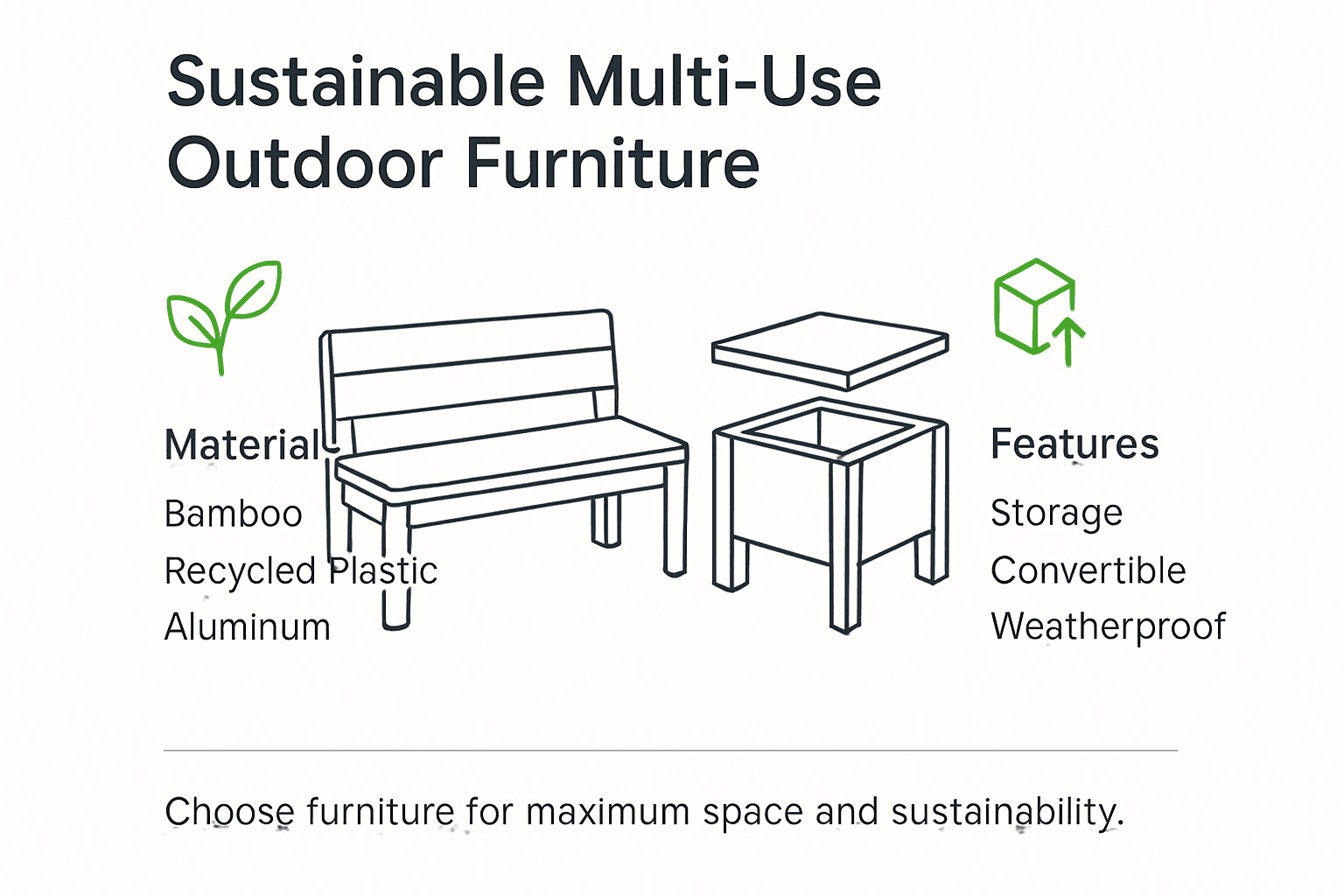
The future of eco-friendly outdoor furniture lies in holistic design approaches that consider environmental impact across every stage of production. Advanced materials like carbon-negative composites, biodegradable polymers, and regenerative textiles are pushing the boundaries of sustainable design. These innovations not only reduce ecological footprints but also offer enhanced durability, lightweight performance, and aesthetic versatility that meet the demanding requirements of modern urban lifestyles.
The following table summarizes innovative eco-friendly materials and their unique sustainability benefits:
| Material Innovation | Environmental Benefit | Durability Rating |
|---|---|---|
| Reclaimed Ocean Plastic | Reduces marine pollution | High |
| Bamboo Composite | Rapid renewable resource | Moderate |
| Upcycled Industrial Waste | Minimizes landfill output | High |
| Biodegradable Polymer | Discards safely post-use | Moderate |
Pro Tip - Sustainability Assessment: Before purchasing outdoor furniture, research the manufacturer’s environmental certifications and ask specific questions about material sourcing, production processes, and end-of-life recyclability.
Strategic selection of multi-use outdoor furniture requires more than aesthetic appreciation—it demands critical evaluation of potential pitfalls. Expert guides highlight the most common mistakes urban consumers make when purchasing adaptable outdoor furniture, providing crucial insights into avoiding costly and impractical investments.
Key mistakes to avoid during shopping and usage include:
Shopping Errors
Usage Mistakes
Design Red Flags
Practical design insights emphasize the importance of selecting versatile pieces that align with specific lifestyle needs, warning against purchasing furniture that looks impressive but fails under real-world conditions. Urban dwellers must look beyond marketing claims and rigorously assess each piece’s practical adaptability, durability, and genuine multi-use potential.
Successful multi-use outdoor furniture selection requires a holistic approach that balances aesthetic preferences with functional demands. Consumers should prioritize pieces with transparent performance specifications, robust warranty coverage, and demonstrable versatility. Carefully examining connection mechanisms, material resilience, and genuine adaptability helps prevent frustrating purchases that promise flexibility but deliver disappointment.
Pro Tip - Functionality Test: Before purchasing, physically test the furniture’s transformation mechanisms and imagine at least three distinct use scenarios to ensure genuine multi-functionality.
Maximizing space and embracing sustainability are essential challenges when choosing outdoor furniture. This article highlights the importance of versatile, portable designs that adapt to dynamic lifestyles while reducing environmental impact. If you seek lightweight, foldable seating that complements your evolving outdoor routines without sacrificing durability or comfort, there are innovative options waiting for you.
Explore the perfect balance of minimalism, functionality, and eco-friendly materials at Sitpack. From the compact Campster II to the sleek Sitpack Zen, our outdoor seating solutions transform your small spaces and outdoor adventures instantly. Act now to enjoy fast worldwide delivery, a 45-day satisfaction guarantee, and lifetime warranty benefits tailored for urban enthusiasts who value smart, sustainable living. Discover how truly adaptable seating can elevate your outdoor experiences today at Sitpack.
Multi-use outdoor furniture is designed to serve multiple functions within a single product, such as converting from seating to storage or adapting from a table to a bench. This approach addresses the need for flexibility in limited outdoor spaces.
The primary benefits of multi-use outdoor furniture in small spaces include space efficiency, enhanced routines for various activities, and reduced visual clutter. This type of furniture minimizes the need for multiple items, creating flexible living zones.
Key features to consider include portability with lightweight materials, durability with weather-resistant construction, and versatility through multiple configuration options. These elements ensure the furniture adapts to various urban lifestyles and environments.
To ensure eco-friendliness, look for furniture made from recycled materials, natural composites, and produced through low-impact manufacturing processes. Researching the manufacturer’s environmental certifications can also help confirm their sustainability practices.