Vogn
0
Tilmeld dig og få 10% i rabat på din ordre
Forventet levering
1-3 dage
Du vil måske også kunne lide
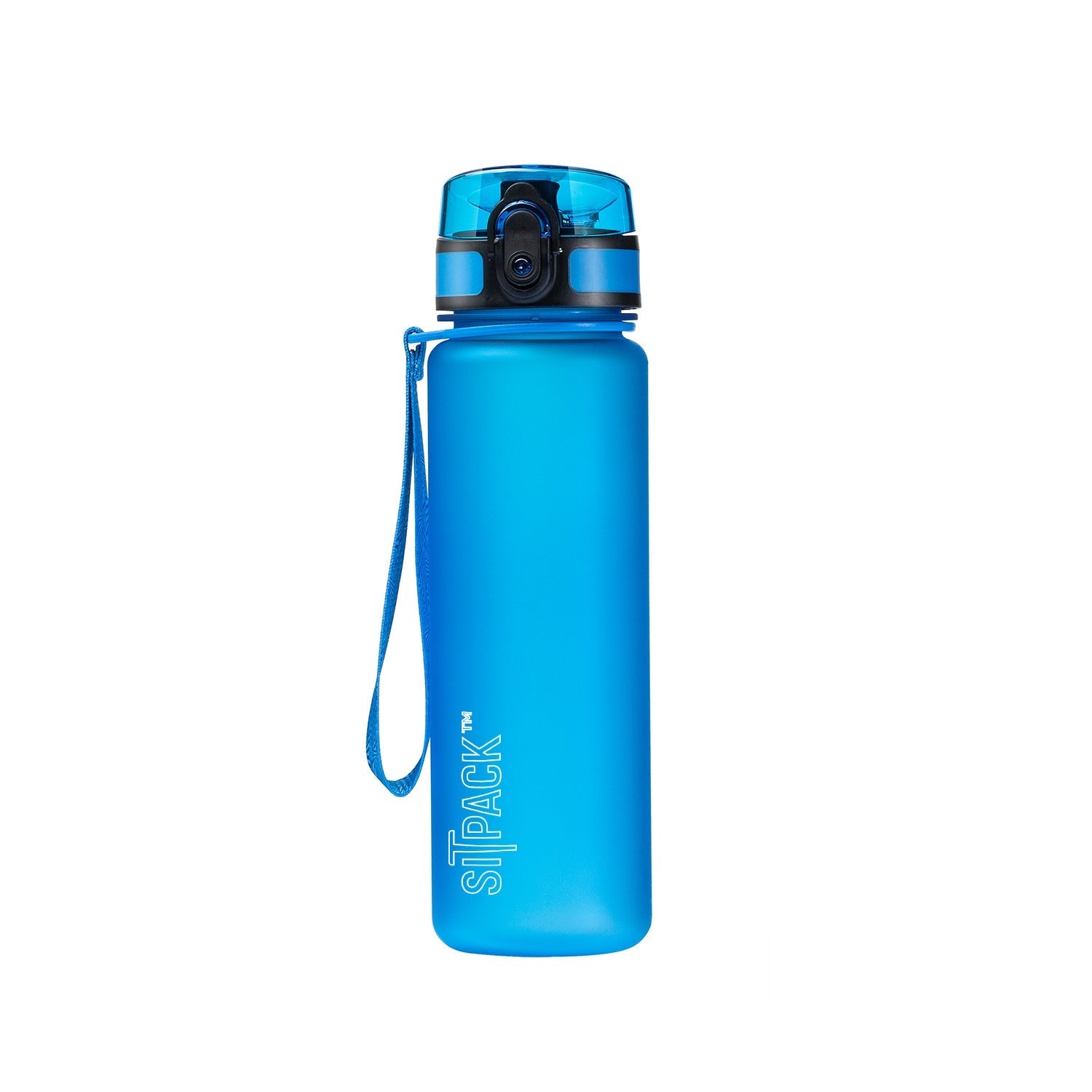
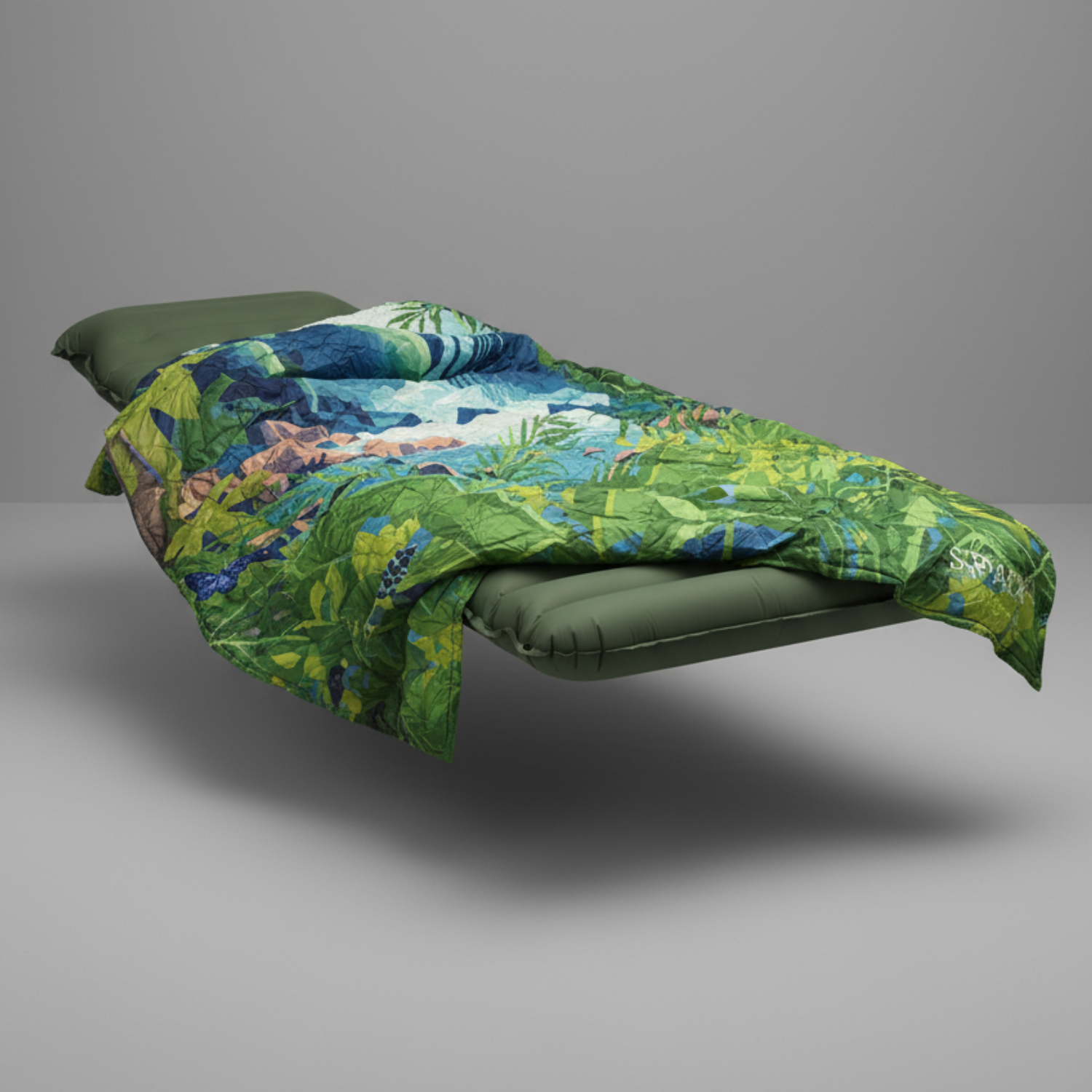
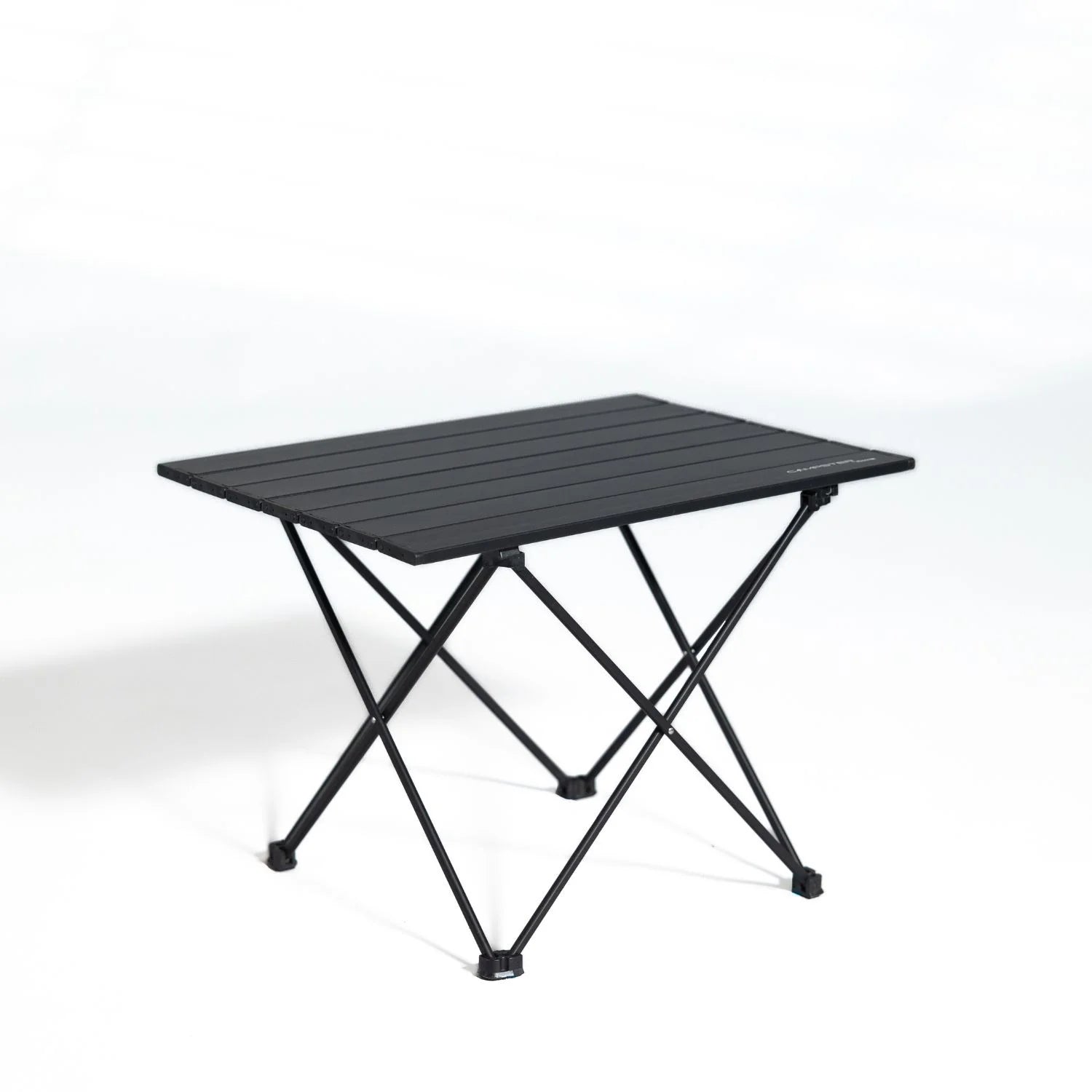
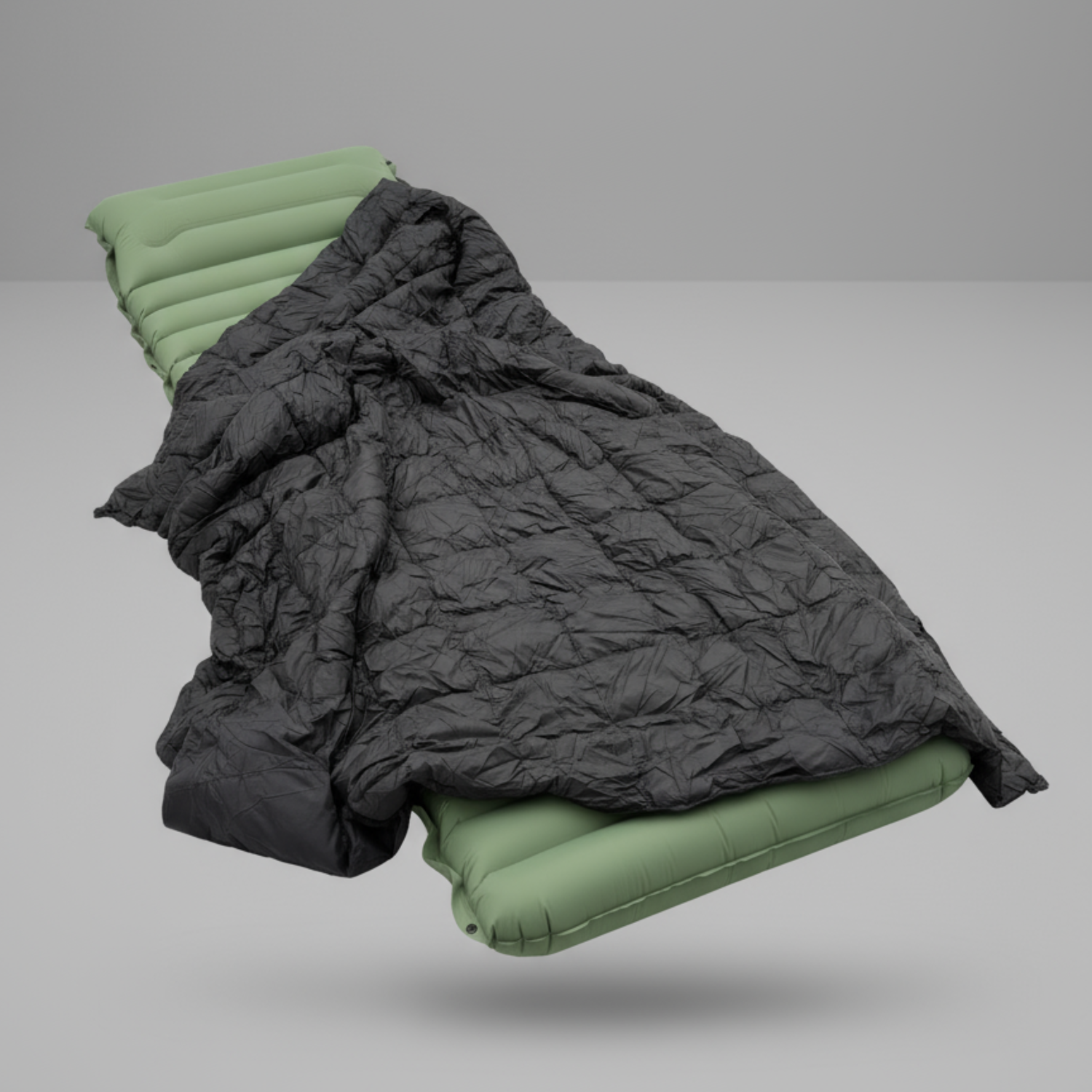


Dansk Firma

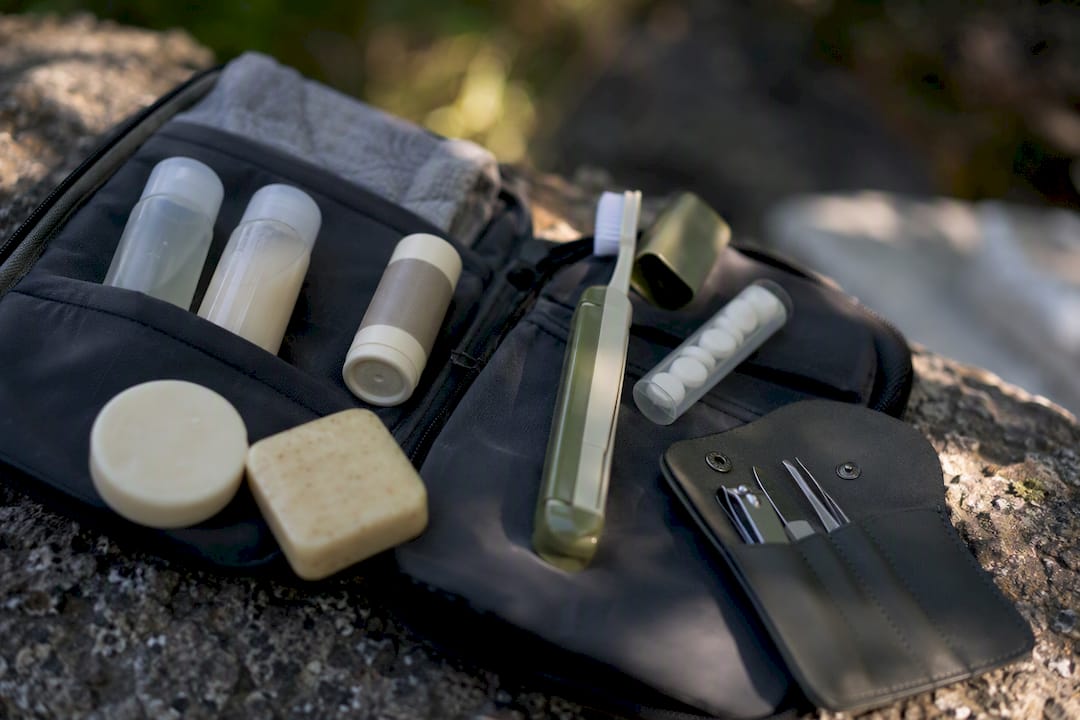
Here’s the compact core: toothbrush and toothpaste (or toothpaste tablets), travel deodorant, sunscreen or a moisturizer with SPF built in, a basic cleanser, travel-sized shampoo or a shampoo bar, a razor, essential meds and a mini first-aid kit, SPF lip balm, hand sanitizer, and one multitasking moisturizer. That’s it. That’s your foundation for nearly any trip, from a weekend in the mountains to a three-week haul across two continents.
Ten items sounds almost too simple, but a well-built kit doesn’t need much more. A 15-item core toiletry kit weighs about 820 grams and covers the bulk of what most trips demand, with only four items counting as liquids under the standard 3.4 oz (100 ml) carry-on rule. Sitpack fans already know the drill: pack light, pack smart, ditch the dead weight. The full printable checklist is below, but start memorizing this shortlist now.
Pro Tip: Anything over 3.4 oz (100 ml) has to go in checked luggage or get decanted. Build your kit around that limit from the start instead of fighting it at security.
A minimalist toiletry kit built around ten to fifteen core items, solid alternatives, and strict adherence to the 3.4 oz (100 ml) carry-on rule covers nearly every trip type without overpacking.
| Point | Details |
|---|---|
| Core kit stays compact | A 15-item essentials kit weighs about 820 g and covers most trips with only four liquid items. |
| Know the liquid rule | Each container must be 3.4 oz (100 ml) or smaller and fit in one quart-sized bag per passenger. |
| Solids save real space | Shampoo, conditioner, soap bars, and toothpaste tablets can free up two to four quart-bag slots. |
| Match your kit to the trip | Beach, cold, and camping trips each need small swaps like reef-safe sunscreen or biodegradable soap. |
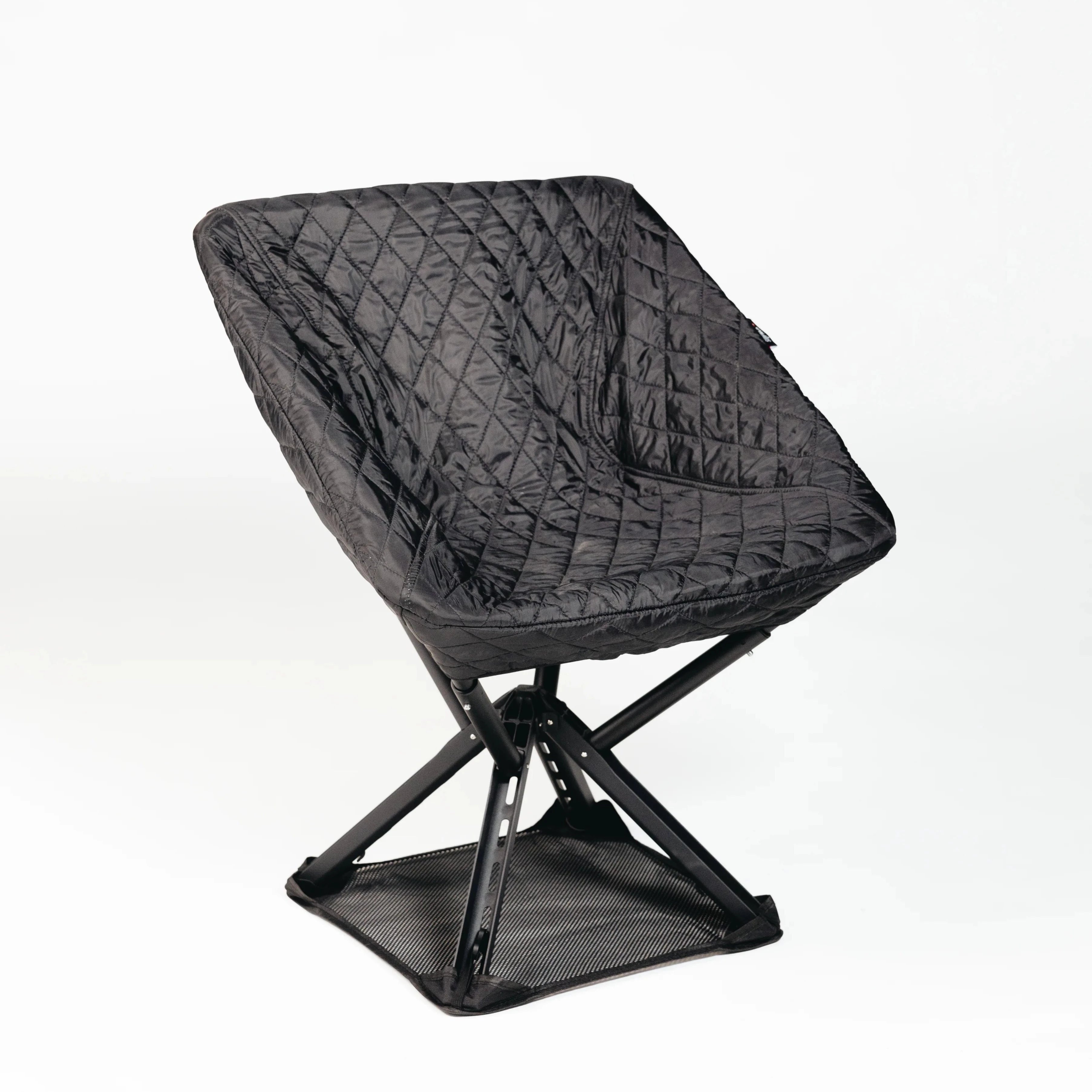
| Pair toiletries with lightweight gear | Sitpack’s foldable seats and travel towels complement a minimalist kit to cut overall baggage weight. |
A good toiletry kit isn’t a random pile of bottles. It’s built category by category, with each slot earning its place. Here’s how to think through it.
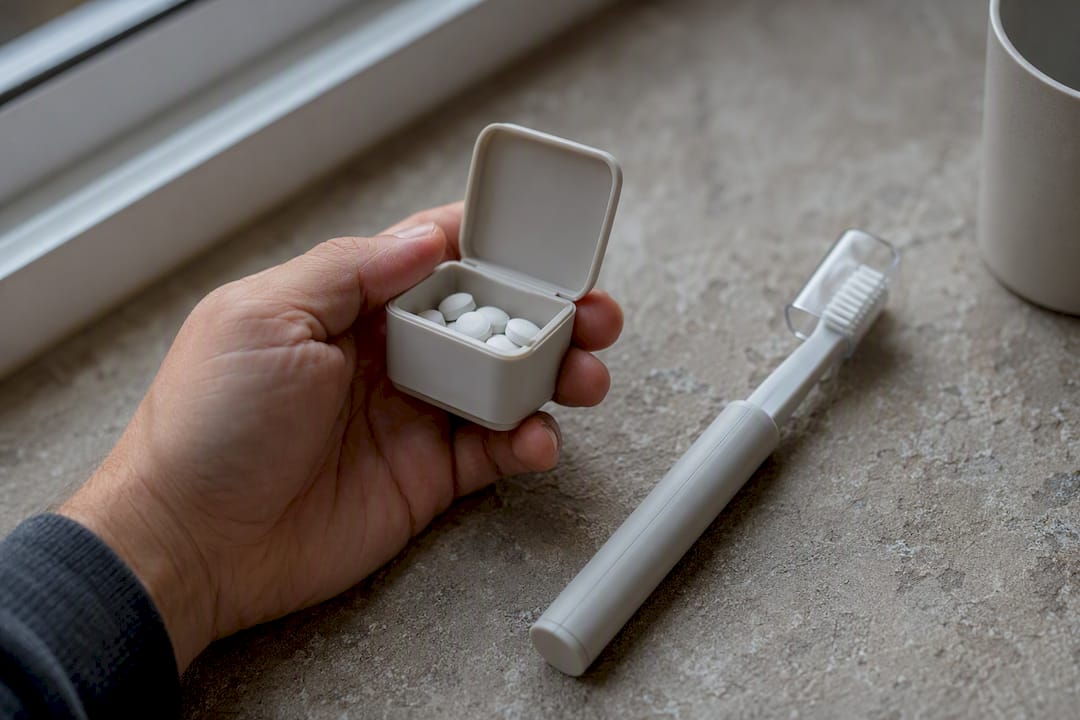
Toothpaste tablets have quietly taken over the minimalist packing world, and for good reason. They weigh next to nothing, they’re not liquids (so they skip the quart bag entirely), and a month’s supply fits in a container the size of a lip balm tube. Pair them with a travel toothbrush that folds or has a cap, and you’ve solved dental care in about two square inches of your bag. Floss picks beat a full spool for short trips, too.
Skip the ten-step routine. You need a cleanser, a moisturizer with SPF (this one product replaces two), and an SPF lip balm. That’s the core. Targeted treatments, like a retinol or a specific acne cream, only make the cut if you use them daily and would genuinely notice their absence. Everything else is aspirational packing, and aspirational packing is how a carry-on turns into a checked bag.
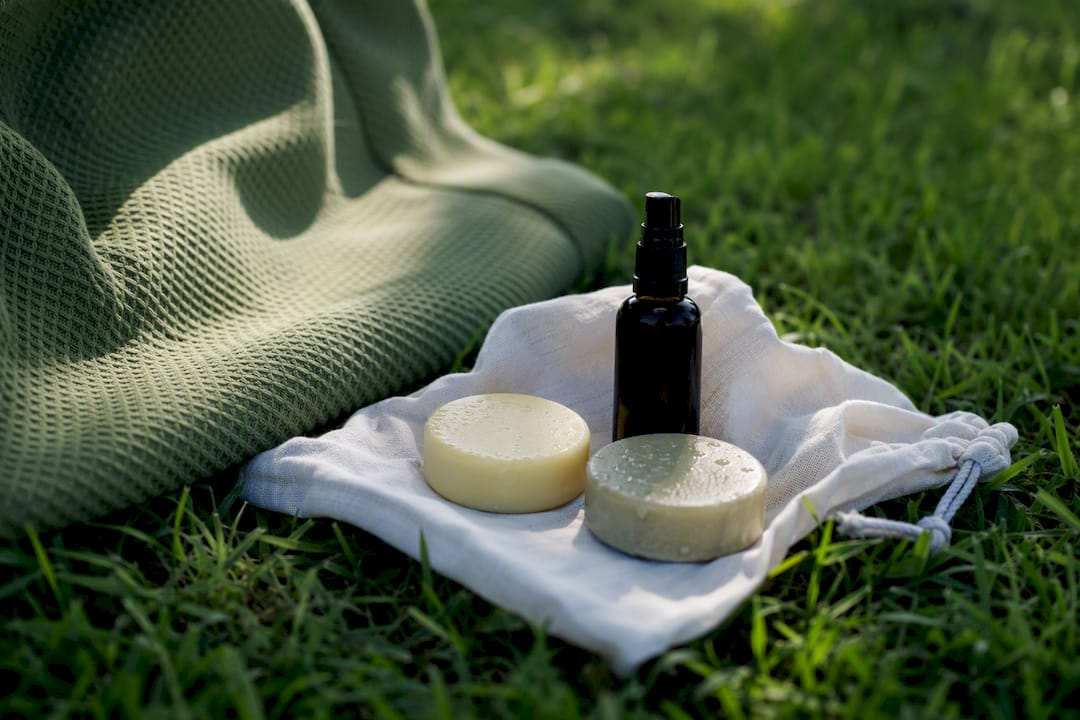
This is where the liquid vs. solid decision matters most. Travel-sized bottles work fine for short trips, but shampoo bars and conditioner bars eliminate the leak risk entirely and never count against your liquid allowance. Dry shampoo earns a spot only on trips longer than five days or anywhere water access might be unreliable, like a multi-day trek or a remote cabin stay.
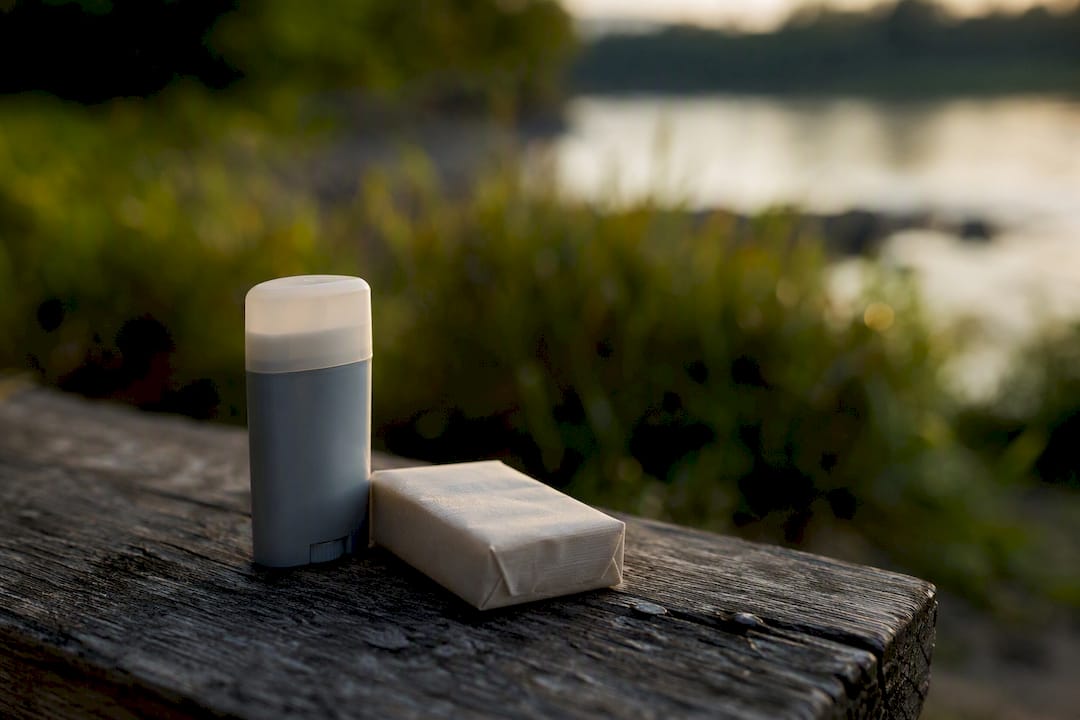
Deodorant stick over gel, always. Sticks don’t count as a TSA liquid, they don’t leak, and they survive temperature swings better. Bar soap saves more space than body wash and lasts longer per ounce. If you menstruate, pack a small supply of your preferred product plus a couple of backups. Restocking abroad is possible but not always convenient, especially outside major cities.
Razors, nail clippers, and tweezers are all carry-on legal, though a straight razor blade needs to go in checked luggage. Disposable razors save weight over cartridge systems. Keep these tools in a small hard case so they don’t puncture anything else in your bag.
The smartest packing rule cuts across every category: pack what’s personal and hard to replace, skip what a hotel probably has. According to PureWow’s travel packing guidance, experienced travel editors consistently recommend leaving full-size bottles at home and relying on hotel-provided basics whenever the trip includes a hotel stay. That’s not laziness. That’s math.
The rule most travelers know as “3-1-1” governs nearly every essential toiletries for travel decision you’ll make in the packing process. Each liquid container must measure 3.4 oz (100 ml) or smaller, and every container has to fit inside one clear, quart-sized bag per passenger. No exceptions on the bag size. No stacking two bags to double your allowance.
What counts as a liquid trips people up more than the size limit itself. Gels, pastes, creams, and aerosols all count, which means toothpaste, mascara, and deodorant gel are all liquids in the eyes of airport security, even though none of them pour like water. Medications and baby formula are common exceptions and generally travel in larger quantities, though you’ll want to declare them at the checkpoint.
Two workarounds solve most of the friction here: switch to solid alternatives wherever possible, or decant liquids you truly can’t replace into smaller containers. And here’s a habit worth building: pack the quart bag at the very top of your carry-on or personal item. When a security officer asks for it, you shouldn’t be excavating your whole bag to find it.
Your quart-sized bag handles the security checkpoint. Everything else about your kit is really about organization, and that’s where a hanging toiletry bag or a set of modular pouches earns its keep. Use the quart bag strictly for what security needs to see. Use a separate hanging bag or pouch system for the rest, sorted by category so you’re not digging through a jumbled mess every morning of the trip.
According to CVS’s guidance on travel-size toiletries, hanging and modular toiletry bags cut down on counter clutter in hotel bathrooms and let you pull the whole kit out fast at security. Frequent travelers often keep a permanently packed “carry-on essentials pouch” stocked with mini versions of everything, so half the packing job is already done before a trip gets booked. Look for pouches made from wipeable, water-resistant material in the 0.5 to 1 liter range. Anything bigger tempts you to overfill it.
Pro Tip: Keep one pouch permanently packed with mini toiletries, even between trips. Restocking it after each trip takes ten minutes and saves you from ever packing at midnight again.
Solids are the single biggest space-saver in modern travel packing, and the math backs it up. A 25-item minimalist toiletry kit framework spans seven functional categories, and switching even a handful of them to solid form can free up two to four quart-bag slots, sometimes clearing the whole bag.
The tradeoff is real for some people. Bar shampoo doesn’t lather the same way for very fine or very curly hair, and stick sunscreen can be harder to apply evenly on large areas like your back. If you have a liquid product your skin genuinely depends on, like a specific prescription-strength cleanser, keep it in checked luggage in full size rather than forcing a solid swap that might trigger a reaction mid-trip.
Prescriptions always travel in their original packaging, always in your carry-on, never in checked luggage where a delayed bag could strand you without them. Pack a few extra days’ supply beyond your trip length in case of delays, and carry a copy of the prescription or a doctor’s note for anything that might raise questions at a border.
Your compact first-aid kit doesn’t need to be elaborate:
Some destinations carry specific health recommendations, like malaria prophylaxis or altitude medication, that go beyond a general packing list. Check region-specific medical guidance from a travel clinic or your doctor before departure rather than relying on a generic checklist for those calls.
The core list flexes based on where you’re headed and how you’re getting there.
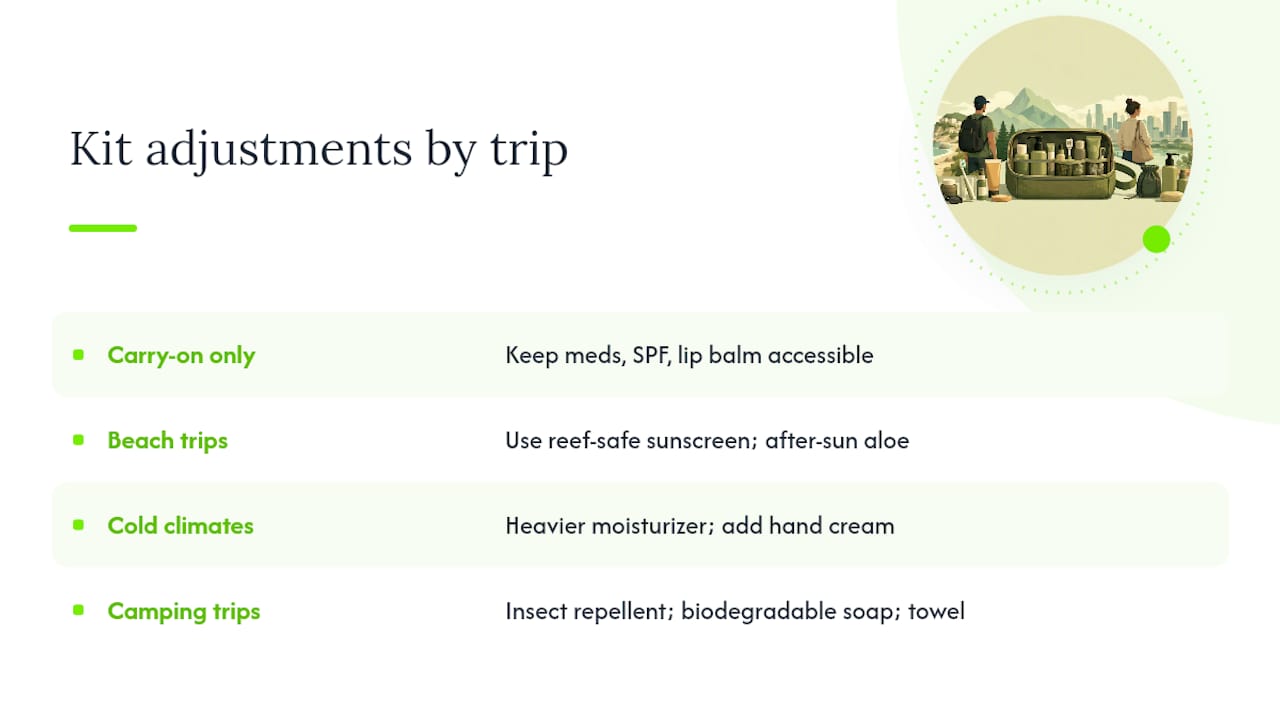
Carry-on only: Prioritize your quart bag and keep meds, SPF, and lip balm in your personal item for easy access during the flight.
Beach trips: Swap in reef-safe sunscreen, add an after-sun aloe gel, and consider a clarifying shampoo if you’ll be swimming daily. Chlorine and salt water both strip hair faster than usual.
Cold or dry climates: Upgrade to a heavier moisturizer, add hand cream, and pack a richer lip balm than you’d use in summer.
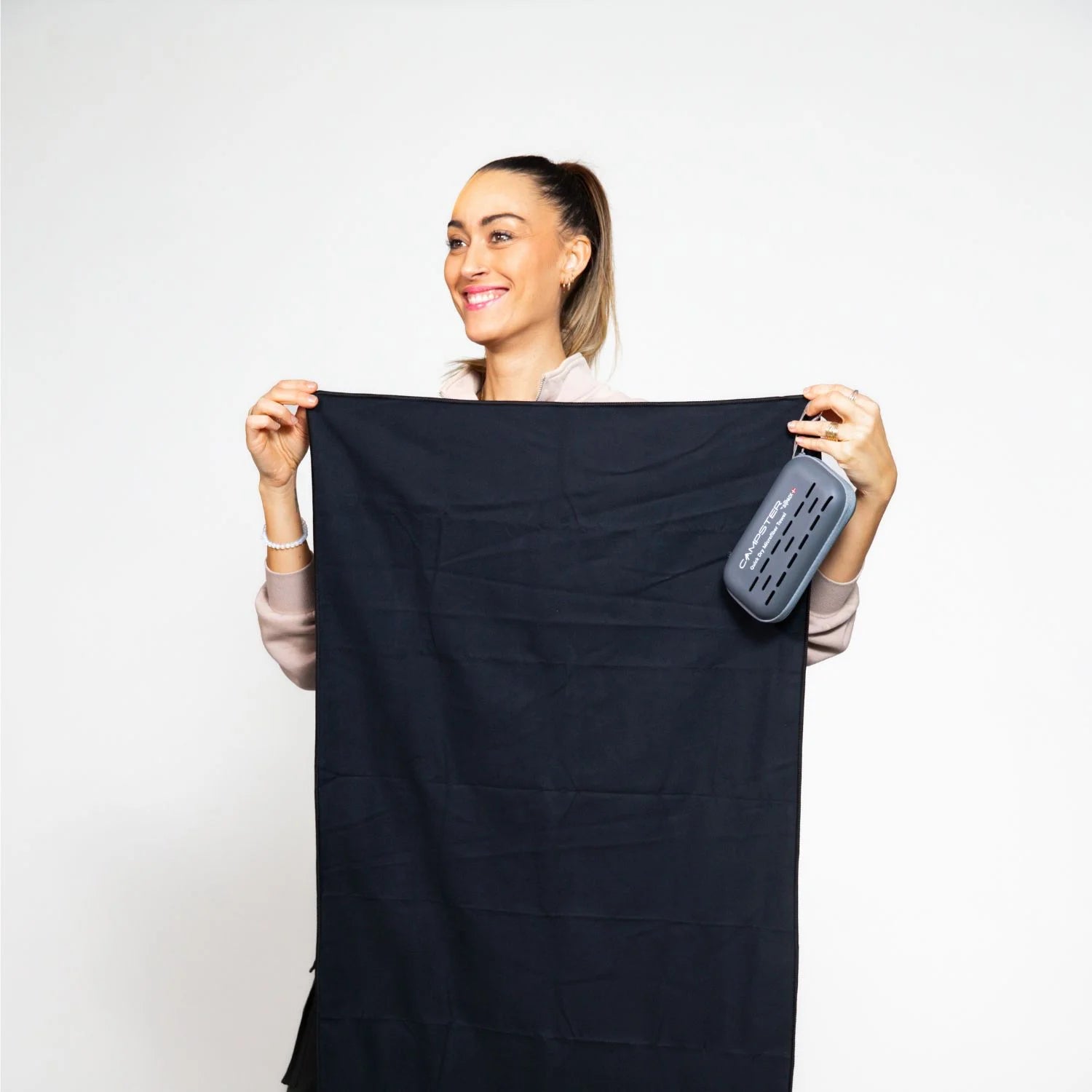
Camping and adventure travel: Biodegradable soap protects water sources, insect repellent becomes non-negotiable, and wet wipes cover the gaps when a shower isn’t available. A compact travel towel rounds out the kit without adding real bulk, and it’s worth checking a backpacking essentials guide before a multi-day trip to make sure nothing critical gets left behind.
The 15-item core (covers most trips): toothbrush, toothpaste or tablets, deodorant, SPF moisturizer, cleanser, shampoo (bottle or bar), soap or body wash, razor, medications, pain reliever, antihistamine, SPF lip balm, hand sanitizer, nail clippers, floss.
The expanded 25-item list adds: conditioner, dry shampoo, aloe gel, antidiarrheal, blister plasters, antiseptic wipes, tweezers, menstrual supplies, insect repellent, biodegradable soap.
Lightweight and minimalistic aren’t just words on Sitpack’s product pages. They’re a packing philosophy that applies just as well to your toiletry bag as it does to your seating gear.
Humidity wrecks certain products faster than travelers expect. Powder-based items clump, some solid deodorants soften and smear, and hair products behave unpredictably in tropical air. Pack deodorant sticks over gels in humid climates, and store any powder products in a sealed container rather than a loose bag pocket.
Dry climates pull moisture out of your skin and lips fast, which means the moisturizer and lip balm that felt optional on a beach trip become daily essentials in a desert or high-altitude destination. Bring a richer formula than you’d use at home, and expect to reapply more often than usual.
Cold climates bring a different problem: liquids can freeze or thicken in unheated cargo holds or car trunks during winter road trips. Sunscreen, in particular, thickens and separates in cold storage, so give it a good shake before applying if it’s spent time in freezing temperatures.
High-altitude destinations combine UV exposure with dry air, which is a rough combination for skin. SPF becomes non-negotiable even on cloudy days, since UV intensity increases with elevation regardless of visible sun.
The general rule: match your kit’s texture and packaging to the climate, not just the trip length. A shampoo bar that works fine in a temperate city might crumble faster in a humid rainforest lodge, and a lightweight lotion that’s perfect for a beach week won’t cut it in a mountain cabin in February.
Every gram in your toiletry bag is a gram you’re carrying on your back or paying for in baggage fees, so treat weight as a real design constraint, not an afterthought.
Start by auditing what’s already in your bag from the last trip. Most travelers find at least two or three items they never touched, and those are the first cuts. Decanting is the next lever: a full-size bottle of sunscreen weighs far more than the same product split into a 3 oz silicone bottle, mostly because you’re carrying product you won’t use in the trip’s timeframe anyway.
Solid alternatives do double duty here. They’re not just liquid-rule compliant, they’re genuinely lighter per use than their bottled equivalents, since you’re not paying a water-weight tax on every application. A shampoo bar that lasts 60 washes weighs a fraction of what three months of bottled shampoo would weigh in total.
Multi-use products cut weight by consolidation rather than reduction. An SPF moisturizer replaces two bottles. A tinted lip balm with SPF replaces both a lip product and a sunscreen stick. Every product that does two jobs is one less container in your bag, and that adds up fast across a two-week itinerary.
Running out of something mid-trip isn’t a crisis in most cities. Pharmacies, convenience stores, and supermarkets stock the basics almost everywhere urban travel takes you, and prices are often comparable to home. This is exactly why packing full-size backups of common items rarely makes sense for city-based itineraries. You can restock deodorant, sunscreen, or basic soap within a short walk of most hotels.
Remote destinations flip that calculation entirely. A multi-day trek, an island with one small shop, or a rural stay far from a town center means what’s in your bag when you leave is what you have for the duration. This is where the “pack extra of anything irreplaceable” rule matters most, particularly for prescription medications, specific skin treatments, or menstrual products in a size or brand you actually need.
The smart middle ground is knowing which category you’re in before you pack. A trip built around cities and towns can run leaner, trusting local stores to fill gaps. A trip built around wilderness, small islands, or multi-day routes without town access needs a fuller kit from day one, with less reliance on the assumption that you’ll find what you need along the way.
Every trip, I decant two small bottles of whatever liquid I’ll actually use daily and drop them straight into a carry-on pouch that stays packed between trips. The insider tip: label each mini bottle with a strip of tape and the product name, because three unlabeled clear bottles at 6 a.m. all look the same.
— Jonas
There are other ways to lighten a travel load, from ultralight backpacks to compression cubes, but a minimalist toiletry kit only tells half the story if the rest of your gear still weighs you down. Sitpack built its reputation on the other half: foldable seating and travel accessories designed to disappear into a bag until you need them. Pairing a compact toiletry pouch with travel-friendly bedding solutions for frequent travellers, a lightweight travel towel, and a folding seat means less checked luggage, fewer bag fees, and a lot less to carry through an airport. If your kit is already trimmed down, it’s worth seeing what else in your pack could lose the weight. Browse Sitpack’s travel accessories and see what fits your next trip.