Cart
0
Sign up and get 10$ off your order
Expected delivery
1-3 days
You may also like


Danish Company

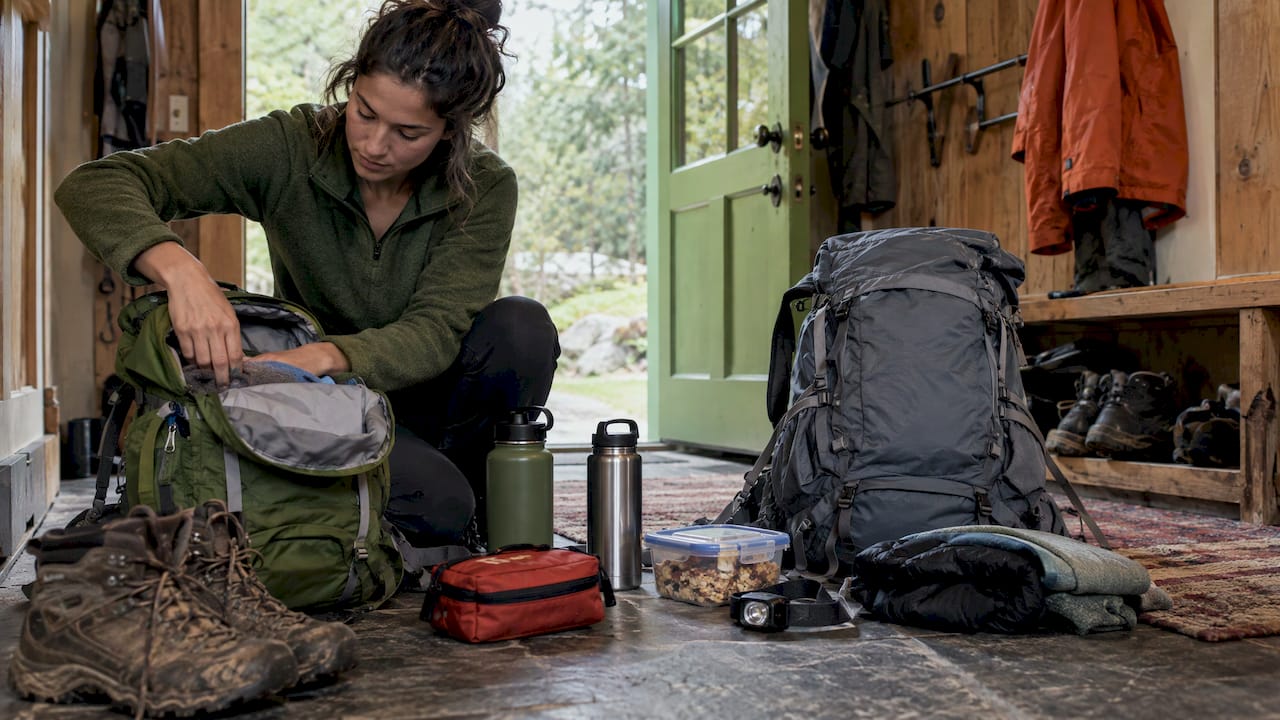
A good hiking checklist starts with the Ten Essentials: navigation, sun protection, extra clothing, light, first aid, fire, repair tools, food, water and emergency shelter. Pack those every time, then add clothing, food and comfort extras to match your route and the weather. Below is the full list, with the extra items an overnight trip needs and a few honest tips from people who have stood in a trailhead parking lot realizing the map is still on the kitchen counter.
Think of the Ten Essentials as a system, not a shopping list. The Forest Service frames it as two questions: could you respond well to an accident, and could you safely spend a night out if you had to? The Deschutes National Forest guidance uses exactly that test. If your pack answers yes to both, you are in good shape.
Here is the list as the National Park Service describes it:
The American Hiking Society adds an 11th item: a trash bag, so the trail stays as nice as you found it. We like that one. It weighs almost nothing and it is the easiest good deed in hiking.
The American Hiking Society points out that duct tape and safety pins cover most gear repairs, and that a signaling device belongs alongside your knife. For fire, it recommends waterproof starters that light quickly and burn long. For shelter, an emergency blanket or bivy sack does the job on a day hike.
On multi-day trips, your tent only counts as emergency shelter if it is with you at all times. If you leave it at camp while you summit a peak, you have left your shelter behind too.
The Washington Trails Association suggests light clothes made of wool or synthetic fabric, and no cotton. Cotton holds sweat and stays damp. Wet and cold is how a pleasant walk turns into a long afternoon.
A simple clothing checklist:
The golden rule of layering is that you should be slightly cool when you start walking. You will warm up within ten minutes, and nobody enjoys peeling off a sweaty jacket on a steep switchback.
The American Hiking Society says to plan on half a liter per hour in moderate temperatures and terrain. The National Park Service’s Great Smoky Mountains guidance puts it at at least one liter per two hours. Heat, climbing and sun push you above either number, so treat them as a floor.
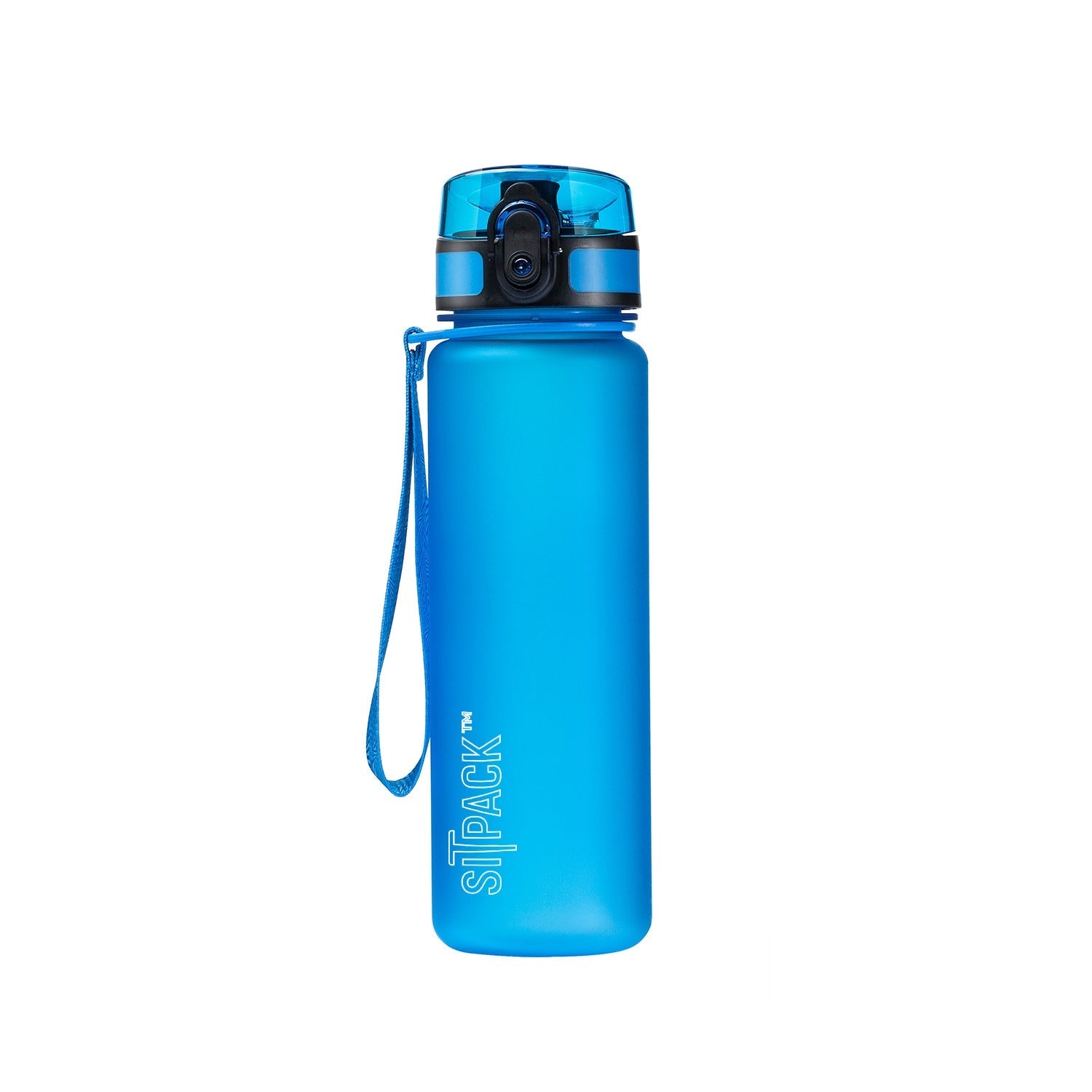
The Washington Trails Association recommends at least two reusable bottles of about 32 ounces each for a day hike.

Do not trust a stream because it looks clear. Purdue University Extension warns that some pathogens thrive in remote mountain water, and you cannot know what fell in upstream. Its guidance:
For a day hike, Purdue suggests sandwiches, bread and cheese, or other non-perishable foods. The American Hiking Society recommends calorie-dense food and an extra portion in case you are out longer than planned. The Washington Trails Association adds nuts or dried fruit, and a sealable container for food waste.
If you are building a snack plan, a simple healthy snacking checklist helps you portion things before you leave. Pack the extra day’s worth of no-cook food in a separate bag so you never eat into it by accident.
Print this, screenshot it, or tape it to the inside of your closet door.
| Category | What to bring |
|---|---|
| Pack | Day pack (many people like a waterproof liner or rain cover) |
| Navigation | Map, compass, GPS or a downloaded offline map, charged phone |
| Light | Headlamp plus spare batteries |
| Clothing | Wicking layers, insulating layer, rain shell, hat, extra socks |
| Sun | Sunglasses, sunscreen, hat |
| Water | Two bottles, plus purification if you will refill |
| Food | Lunch, snacks, one extra day’s no-cook food |
| First aid | Kit with your own medications, blister care |
| Fire and repair | Lighter or waterproof matches, fire starter, knife or multi-tool, duct tape |
| Shelter | Space blanket or bivy |
| Extras | Whistle, trash bag, toilet paper and a bag to carry it out |
The Department of Conservation in New Zealand lists nearly the same kit, including a whistle, a survival blanket and extra high-energy snacks. When two different countries’ agencies agree, that is a decent sign the list is solid.
The Washington Trails Association also mentions trekking poles and a trowel as items worth considering. Beyond safety, a camera, a notebook, a plant guide or binoculars make a casual hike more fun. And a lightweight seat for a lunch stop is our favorite luxury: rocks are rarely the right shape for a human.

When you stay out, the Ten Essentials stay in. The National Park Service says to add a supportive backpack, tent, sleeping bag and pad, stove and fuel, extra food with safe storage, and a repair kit for overnight hikes.
| Add for overnights | Why |
|---|---|
| Larger pack with good support | Carries the added weight comfortably |
| Tent or shelter | Your sleeping spot, and your emergency shelter only while it is in your pack |
| Sleeping bag and pad | Warmth and insulation from the ground |
| Stove, fuel, pot, cup, spoon | Hot food and boiled water |
| Food and storage container | Park rules often dictate the type |
| Water purification | Filter or tablets |
| Toiletries, trowel, toilet paper | For catholes and leave-no-trace |
| Extra clothing | Camp layers and sleep layers |
The Alaska Public Lands gear checklist lines up with this, adding a bear canister for food. Check the rules where you are going: Rocky Mountain National Park requires a hard-sided, lockable bear canister for all food, trash and scented items, plus a headlamp with extra batteries and foot care in your first-aid kit.
The Appalachian Mountain Club has a three-season gear list that stacks the 10 Essentials with personal and camping gear, which is a handy cross-check once your list gets long.
Weight matters on overnights. If you are trimming your pack, this guide on minimalist travel essentials is a good way to think about carrying only what earns its place. We have more detail in our own guides: the backpacking 10 essentials checklist, the overnight backpacking checklist and things to bring backpacking for trips of one to seven nights. If this is your first time, backpacking essentials for beginners walks through it step by step.
The checklist is only half the job. The Washington Trails Association advises that you make a plan, write down your itinerary and send it to a friend, and have a backup trail in mind. It also suggests reading recent trip reports and checking the weather, plus avalanche forecasts where they apply.
Two habits matter more than any single item:
A quick pre-trip routine: lay everything on the floor, check batteries and expiration dates on medications, then pack it in the order you will need it. Rain jacket and snacks on top, spare socks at the bottom.
No single list fits every trail. Use the base list, then ask four questions before each trip:
In short: colder means more layers and light, hotter means more water and sun cover, longer means more food and a shelter plan.
Perspective
We build seating and small outdoor gear, so our bias is out in the open: we think comfort is part of safety. A hiker who rests properly, eats a real lunch and stays warm during a stop makes better decisions on the way back down.
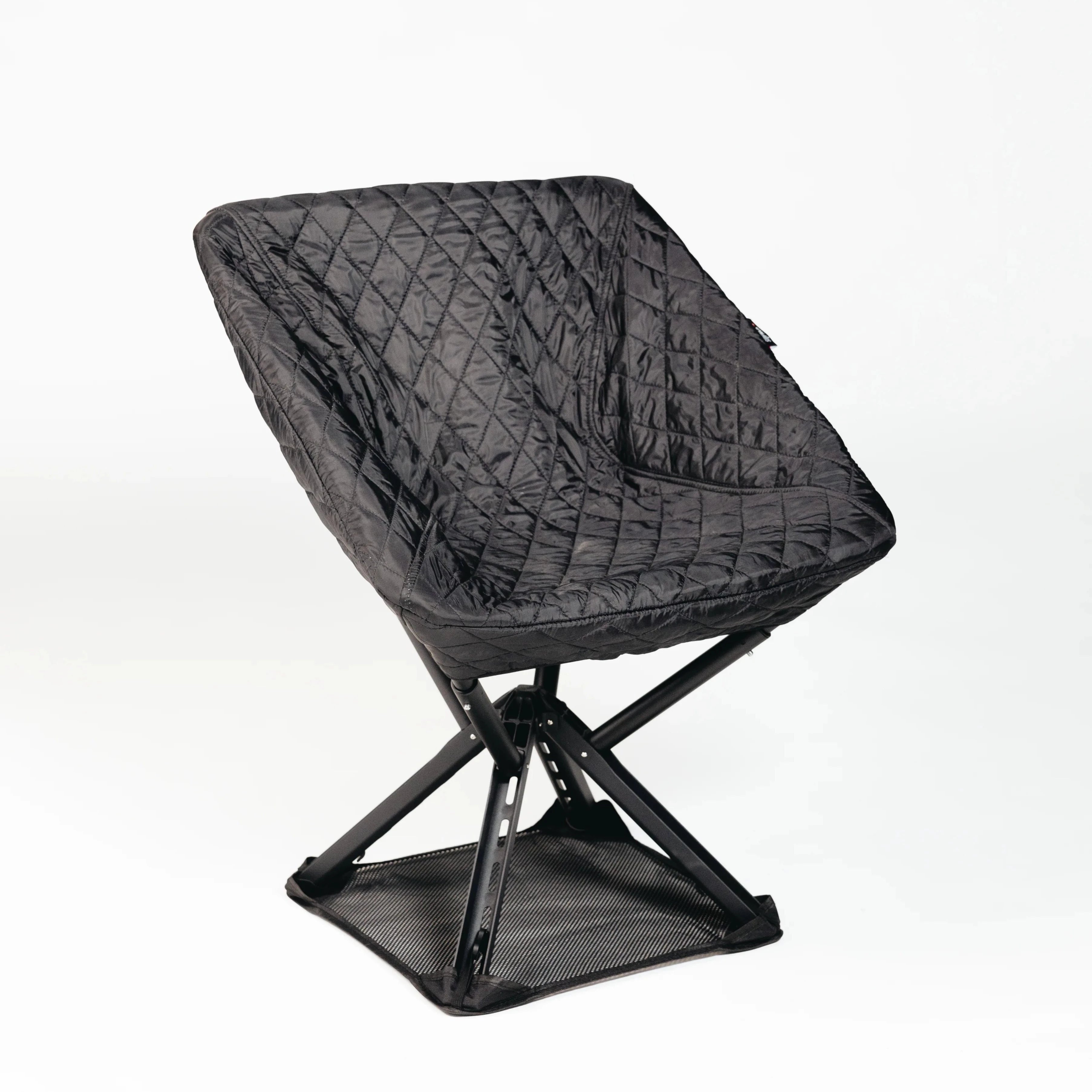
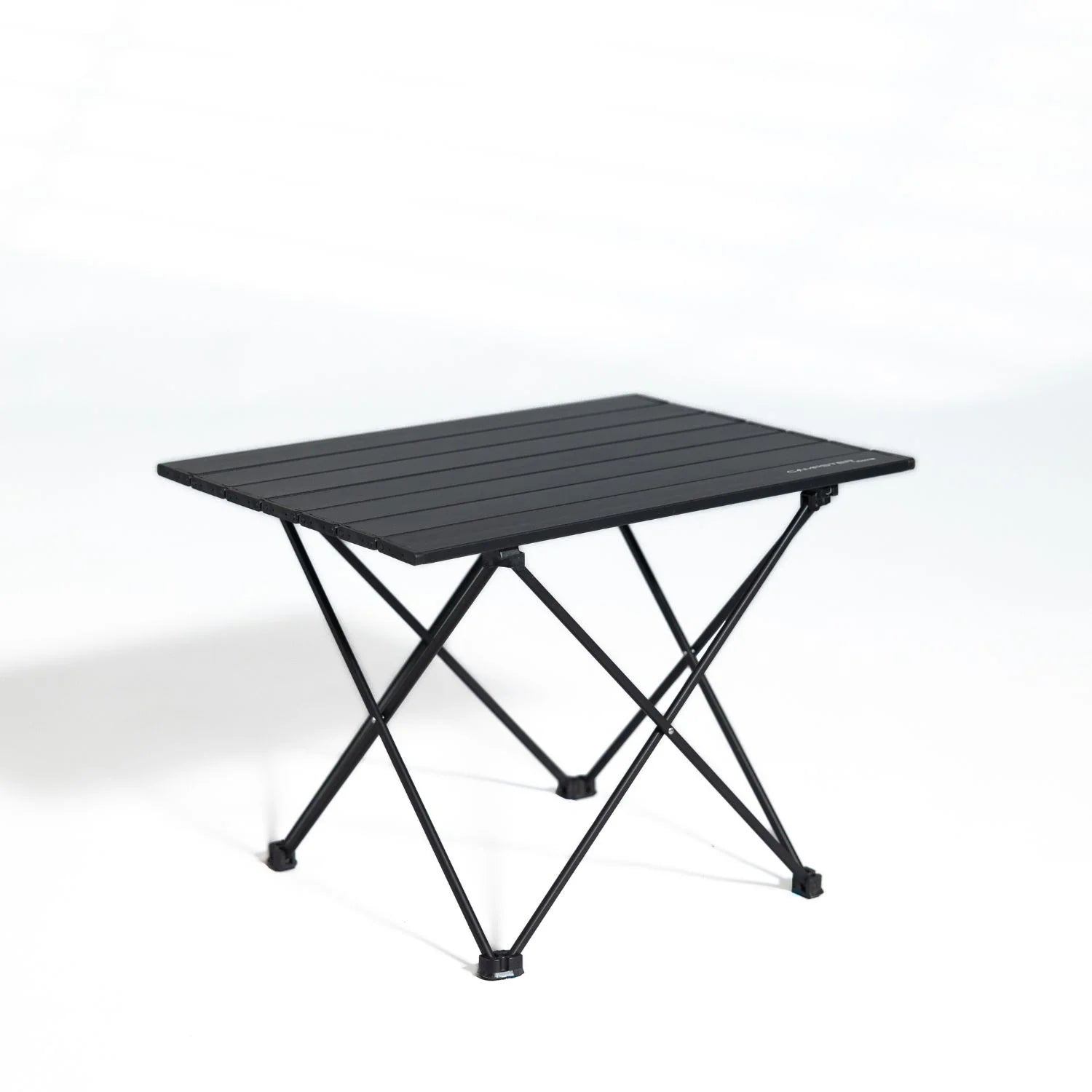
That is why we design around light weight and a small packed size. Our Campster II chair and Sitpack 2.0 folding stool are made so that a seat is something you can actually justify bringing. Our OCTO and Airwrap lines follow the same idea for light, tools and warmth: gear that is minimal, durable and easy to carry.
Still, the Ten Essentials come first. Add comfort once the safety kit is in your pack, and keep the whole thing light enough that you want to carry it.
Jonas
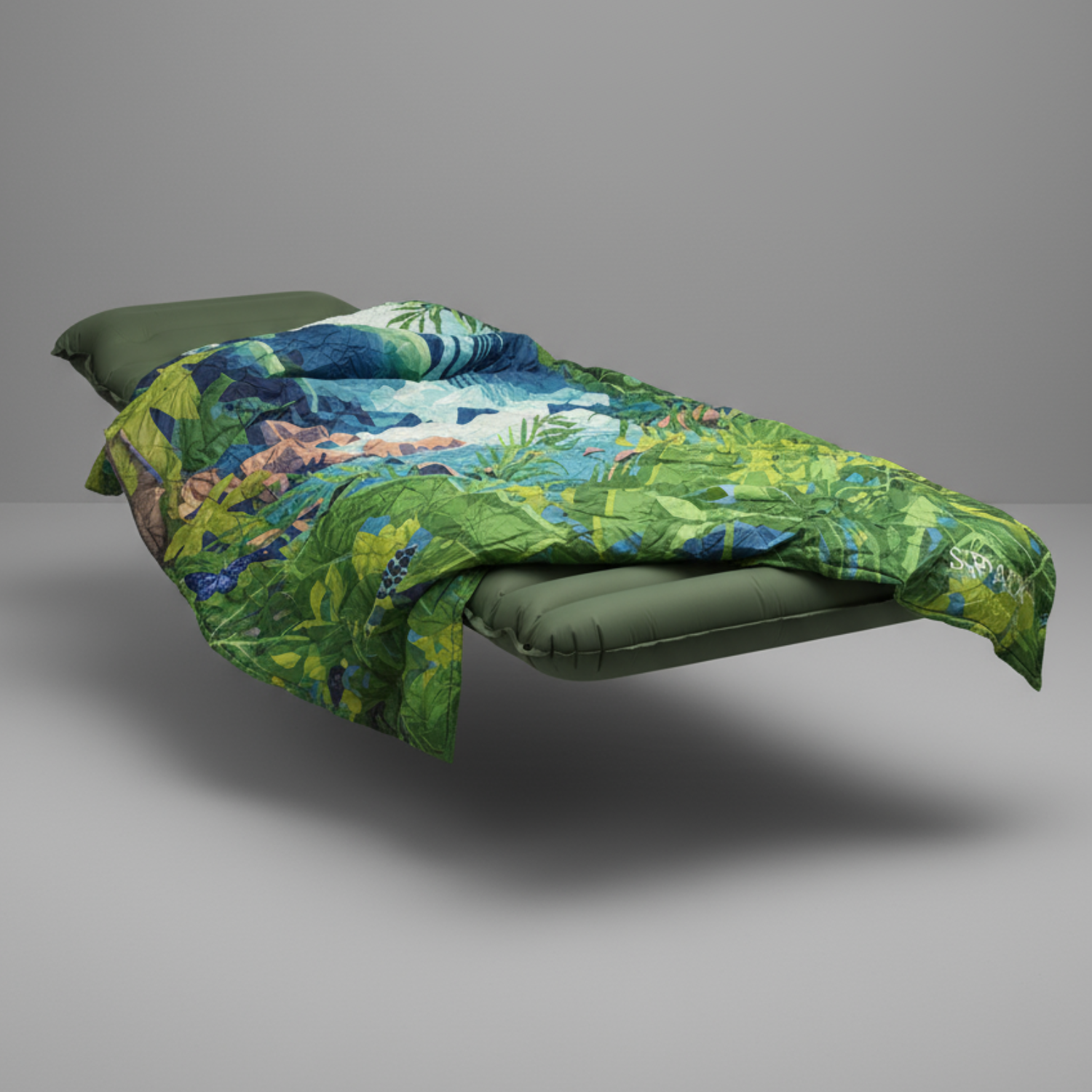
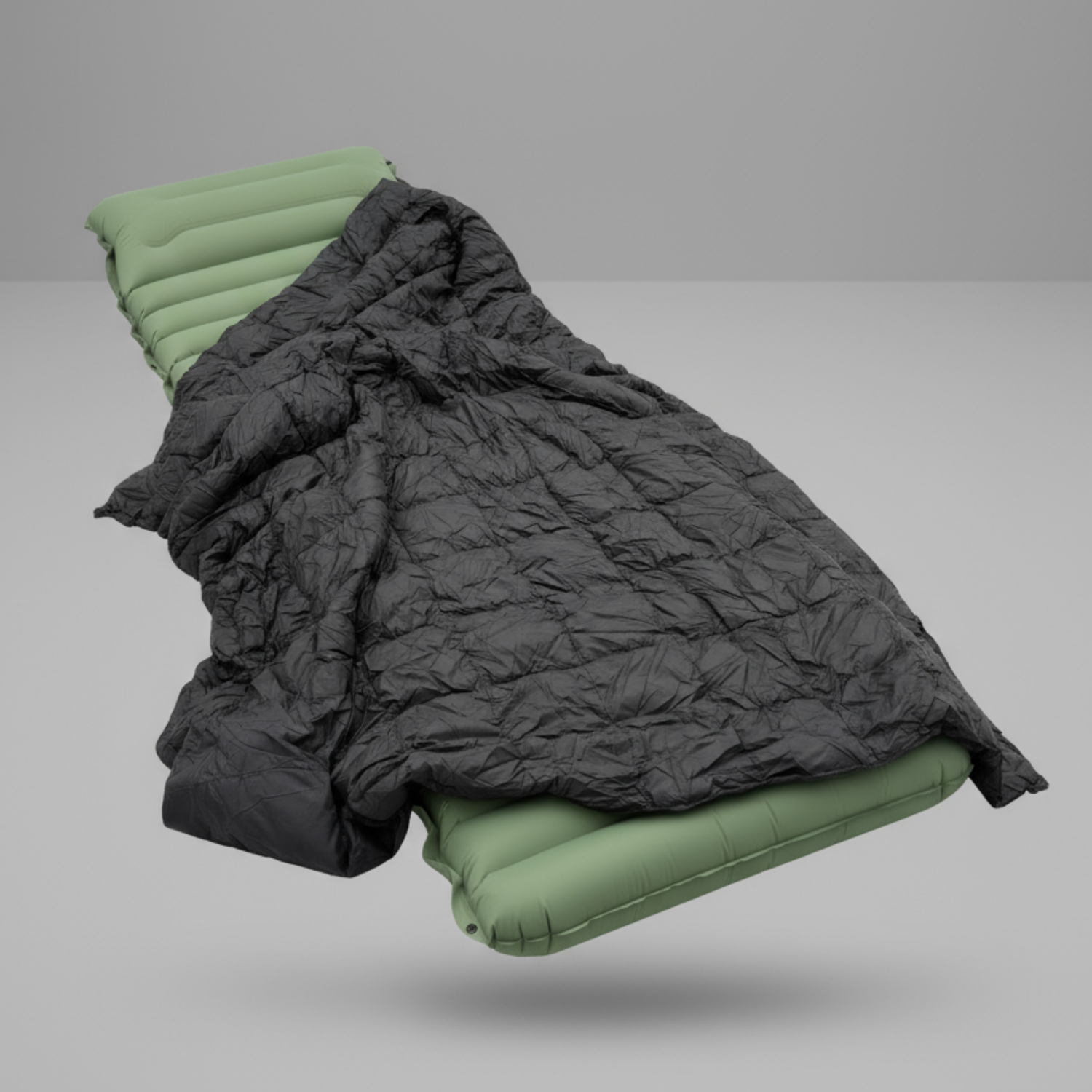
Once the essentials are packed, add the things that make you want to stay out longer. Our Campster II is a portable folding chair for lunch stops and camp evenings. The Sitpack 2.0 folding stool is our compact option. For after-dark light, take a look at the OCTO Camp Light, and for chilly breaks there is the Airwrap puffy adventure blanket.
Every order comes with our 45-day satisfaction guarantee, we ship worldwide, and select items carry a lifetime warranty. Browse the full range on our all products page.
If you are planning a camp-based trip, our camping gear checklist covers the setup side.
They are navigation, sun protection, extra clothing, illumination, first-aid supplies, fire, repair kit and tools, nutrition, hydration and emergency shelter. The National Park Service lists them as the basics for any outing. The American Hiking Society adds a trash bag as an 11th item.
A common planning figure is half a liter per hour in moderate temperatures and terrain, per the American Hiking Society. Heat, altitude and steep climbs call for more. Bring a purification method if you plan to refill from a stream or lake.
Yes, but it builds on the same base. According to the National Park Service, you add a supportive backpack, tent, sleeping bag and pad, stove and fuel, extra food with safe storage, and a repair kit. Check local rules on bear canisters.
Choose wool or synthetic layers and avoid cotton, as the Washington Trails Association recommends. Carry an extra layer for cold or rain, and wear shoes or boots with good ankle support.