Vogn
0
Tilmeld dig og få 10% i rabat på din ordre
Forventet levering
1-3 dage
Du vil måske også kunne lide




Dansk Firma


TL;DR:
- Travel seating terminology helps travelers understand plane seat dimensions, layout, and functions for better selection.
- Knowing key metrics like seat pitch, width, and recline allows for choosing seats that match individual travel needs and comfort preferences.
Travel seating terminology is the standardized language that describes the dimensions, layout, and qualities of seats across different modes of travel, especially air travel. Knowing terms like seat pitch, seat width, recline type, and alphanumeric cabin codes gives you real power at booking. Without this vocabulary, you are essentially choosing blind. This travel seating guide covers every core term you need, from economy pitch ranges to bulkhead trade-offs, so you can stop guessing and start selecting seats that actually match how you travel.
Seat comfort is defined by three core metrics: seat pitch, seat width, and recline. Economy pitch runs 28–34 inches, while business class regularly exceeds 60 inches. That gap explains why a long-haul economy flight feels like a punishment and a business class seat feels like a small apartment.
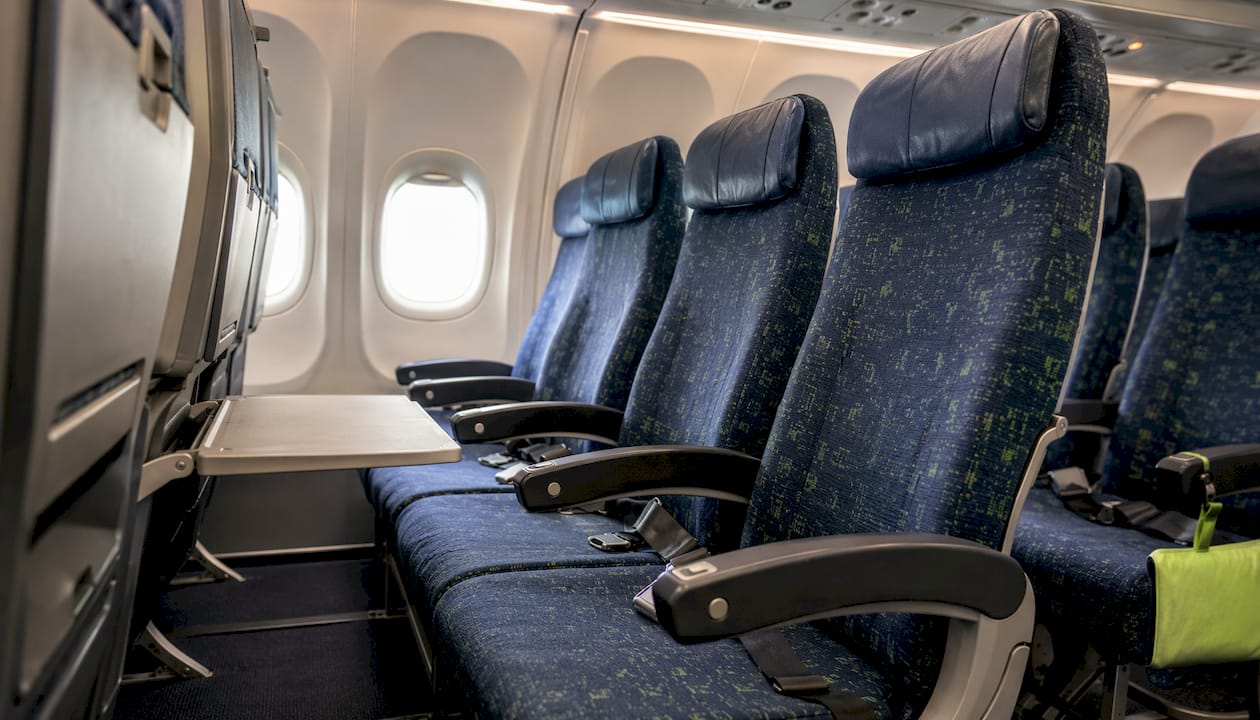
Seat pitch is the distance from one point on a seat to the same point on the seat directly in front. It is not legroom, though the two are related. A seat with 30 inches of pitch and a slim seatback can feel roomier than one with 32 inches and a thick recline mechanism eating into your space.
Seat width in economy typically falls between 17 and 19 inches. That measurement covers the space between armrests, not the full seat pan. A one-inch difference in width sounds trivial until you are sitting elbow-to-elbow on a six-hour flight.
Recline describes how far a seatback tilts backward. Airlines use three main recline types: standard recline (the seatback tilts back a few inches), pre-reclined (the seat is fixed at a slight angle, common in exit rows and last rows), and full flat recline (found in premium cabins, where the seat converts to a near-horizontal surface). Ergonomic features like lumbar support and adjustable headrests matter just as much as raw measurements. Good spinal support can outweigh a marginal gain in pitch or width.
| Cabin class | Typical pitch | Typical width | Recline type |
|---|---|---|---|
| Economy | 28–34 inches | 17–19 inches | Standard (2–4 inches) |
| Premium economy | 35–38 inches | 19–21 inches | Standard to extended |
| Business class | 60+ inches | 21–26 inches | Full flat or angled flat |
| First class | 78+ inches | 22–30 inches | Full flat |
Pro Tip: Check the seat pitch AND the seatback thickness before booking. A seat with 32 inches of pitch but a bulky recline mechanism can feel tighter than a 30-inch pitch seat with a slim shell design.
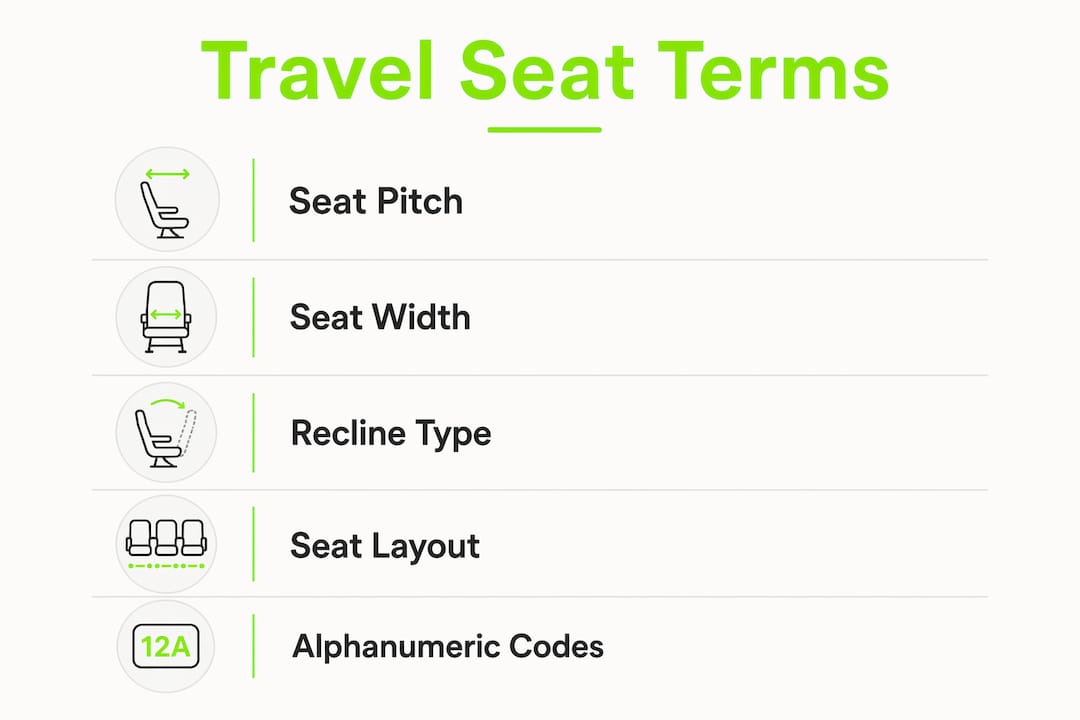
Alphanumeric seat codes are the shorthand airlines use to map every seat in a cabin. A “3-3” layout describes a narrow-body aircraft like the Airbus A320, with three seats on each side of the aisle. A “3-4-3” layout describes a wide-body like the Boeing 777, with three seats on each side and four across the center. The numbers tell you how many seats are in each group; the letters tell you which seat within that group you occupy.
Row numbers run from front to back, starting at row 1 near the cockpit. Column letters run across the aircraft. On a 3-3 layout, columns A, B, and C sit on the left side, while D, E, and F sit on the right. On a 3-4-3 wide-body, the center block typically uses D, E, F, and G. Seat 14A means row 14, left window. Seat 32D means row 32, first seat of the center block.
Narrow-body aircraft (single-aisle) carry fewer passengers and fly shorter routes. Wide-body aircraft (twin-aisle) handle long-haul international routes and seat significantly more travelers. The configuration directly affects how crowded the cabin feels and how easy it is to move around.
Airline seating policies have shifted significantly in recent years, and knowing the rules saves you money. Major U.S. airlines including Alaska, American, Frontier, Hawaiian, and JetBlue guarantee adjacent seats for children under 13 and an accompanying adult at no extra charge. You do not need to pay a seat selection fee to sit next to your kid on these carriers.
Elite status changes the math entirely. Status holders often receive complimentary preferred seat selection for up to eight passengers on the same reservation. That perk alone can justify the spend on a co-branded airline credit card if you travel with family or colleagues regularly.
Airlines are also rethinking what “better seating” means. United’s Economy Plus innovation on the Airbus A321XLR converts the open middle seat into a shared table space, prioritizing elbow room and workspace over traditional legroom. This signals a broader shift: airlines are moving toward hybrid seating designs that treat the seat as a workstation, not just a place to park yourself.
Pro Tip: If you hold no elite status, book early and choose your seat at the time of purchase. Many airlines release blocked premium seats 24–48 hours before departure, so check again at online check-in.
The best seat is not a universal answer. Window seats help travelers who want uninterrupted sleep and light control, while aisle seats suit anyone who moves around frequently or needs restroom access. Choosing based on your actual travel goal beats chasing a seat by reputation alone.
Here is how to match seat type to travel purpose:
Two seat types deserve a specific warning. Last-row seats typically have zero recline and sit next to noisy galleys and lavatories. The legroom trade-off rarely compensates for the noise and the fixed seatback. Also, not every window seat actually has a window. Tools like AeroLOPA show cross-sectional seat maps that reveal window alignment, which standard airline seat maps often get wrong.
Seating terminology also applies beyond aircraft. Cruise ships use “fixed seating” arrangements where passengers return to the same table and server each night, building a continuity that enhances the dining experience by the third night. Understanding how seat assignment language works across travel modes makes you a more confident traveler overall.
Pro Tip: Always cross-check your chosen seat on a detailed third-party seat map before finalizing your booking. Airline seat maps frequently omit details like missing windows, proximity to galley carts, or reduced recline.
Understanding travel seating terminology is the single most effective way to stop leaving comfort to chance and start booking seats that match how you actually travel.
| Point | Details |
|---|---|
| Seat pitch defines legroom | Economy pitch runs 28–34 inches; business class exceeds 60 inches. |
| Alphanumeric codes map every seat | A “3-3” code means narrow-body; “3-4-3” means wide-body with a center block. |
| Seat type should match travel goal | Window seats aid sleep; aisle seats suit movement; bulkhead rows work for families. |
| Last-row seats carry real trade-offs | Zero recline and galley noise make them a poor choice despite occasional legroom gains. |
| Policies and status change the cost | Elite status and family seating rules can eliminate seat selection fees entirely. |
I have booked what looked like a perfect window seat, settled in, and found myself staring at a blank panel of fuselage. No window. Not even close. That experience taught me something the standard travel seating guide rarely says out loud: the airline’s own seat map is a marketing document, not a technical diagram.
The terminology matters, but so does verifying it against reality. I now treat seat pitch figures as a floor, not a promise. A 32-inch pitch seat with a thick recline mechanism and a seatback entertainment screen bolted to the back can feel tighter than a 30-inch pitch seat with a slim shell design. The number alone tells you nothing about how the space actually feels when someone in front of you reclines.
My honest advice is to stop chasing the “best” seat by prestige and start choosing by purpose. I have sat in exit rows on six-hour flights and arrived feeling better than I did after business class on a two-hour hop, simply because the legroom matched what my body needed. Ergonomic design principles confirm this: support and posture matter more than raw space. A seat that holds your lumbar correctly beats a wide seat with no contour every time.
The travelers I see struggling most are the ones who pick seats reactively, at check-in, with whatever is left. The ones who arrive comfortable are the ones who read the seat map three days before departure, cross-check it on a third-party tool, and book with a specific goal in mind. That is not obsessive. That is just using the vocabulary you now have.
— Jonas
Knowing your airline seating options gets you to the right seat. What you bring with you determines how you feel when you land. Sitpack designs portable travel seating built around ergonomic support and genuine portability, so comfort does not stop at the gate.
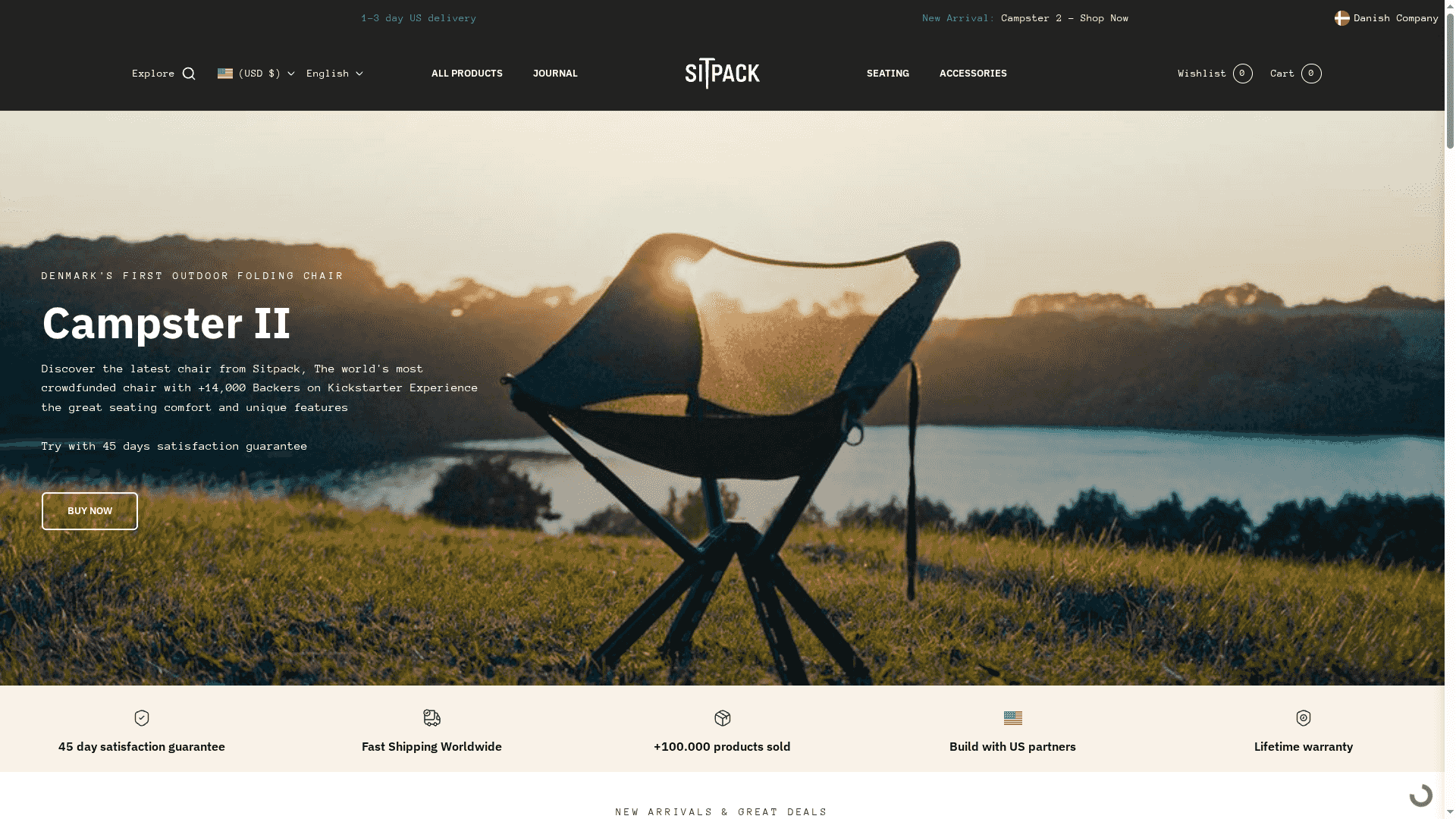
The Sitpack Zen and Campster II are built from eco-friendly materials, weigh almost nothing in your bag, and give you a proper place to sit during layovers, outdoor waits, or any moment when airport seating falls short. Sitpack backs every product with a lifetime warranty and ships worldwide. If you want ergonomic seating solutions that travel as light as you do, Sitpack is worth a look before your next trip.
Seat pitch is the distance from one point on a seat to the same point on the seat directly ahead. Economy class pitch typically runs 28–34 inches, while business class often exceeds 60 inches.
A bulkhead seat is the first row of a cabin section, positioned in front of a solid wall rather than another seat. It offers extra legroom but no underseat storage, and airlines often assign it for bassinet use.
Row numbers identify your position from front to back, and column letters identify your seat within that row. A “3-3” layout uses columns A, B, C on the left and D, E, F on the right, so seat 14A is row 14, left window.
Exit row seats offer extra legroom and are often free to select early, but they come with fixed or limited recline and require passengers to assist in an emergency. They are a strong choice for legroom but not for sleeping.
Economy Plus is a branded cabin tier, used by carriers like United, that offers additional seat pitch, typically 4–7 inches more than standard economy, along with occasional extras like open middle seat table spaces on newer aircraft.