Vogn
0
Tilmeld dig og få 10% i rabat på din ordre
Forventet levering
1-3 dage
Du vil måske også kunne lide




Dansk Firma

TL;DR:
- Optimizing seat pitch, position, and posture significantly enhances comfort during urban transit and cycling. Simple adjustments like choosing middle seats or correct bike geometry can prevent discomfort and improve the commute experience. Portable seats provide effective relief during delays or crowded conditions, addressing accessibility and fatigue concerns.
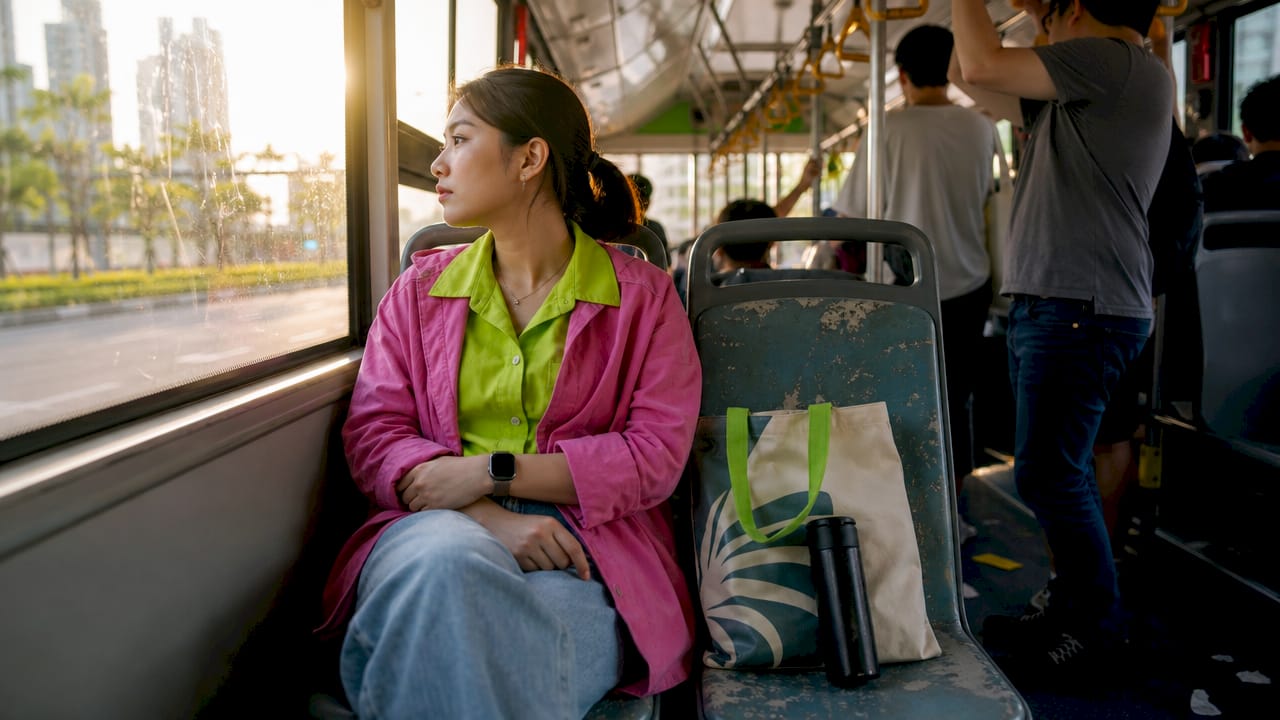
Urban commuting seating tips are practical adjustments and choices that directly improve your comfort, posture, and convenience during daily travel on buses, trains, and bikes. Research shows that something as simple as seat pitch, the distance between rows, can determine whether your commute feels tolerable or genuinely pleasant. The difference between a 20 cm pitch and a 45 cm pitch is not subtle. Brands like Sitpack have built entire product lines around the reality that public transit seating often falls short, and that commuters who come prepared ride better. This guide covers the best seat choices, bike setup fundamentals, portable seating options, and how to fix the most common discomforts before they ruin your morning.
The seat you choose on a bus or train shapes your entire commute, and most riders pick one out of habit rather than strategy. Seat pitch is the single biggest comfort variable in public transit. Participant comfort ratings increased nearly 100-fold at a 45 cm pitch compared to a 20 cm pitch, meaning the difference between cramped and comfortable is measurable and dramatic. When you have a choice of cars or sections, always move toward the roomier configuration.
Seat orientation matters just as much as pitch. Side-facing bench seating showed statistically significant higher comfort, legroom, and ease-of-movement ratings compared to forward-facing seats at a similar 30 cm pitch. That said, side-facing seats come with a trade-off: they expose you to more lateral sway, which can trigger motion sickness on winding routes. Forward-facing seats near the middle of the vehicle tend to be the sweet spot for most riders.
Location within the vehicle is a factor that most commuters ignore entirely. Middle-third seats reduce motion sickness by stabilizing the ride experience, because they sit closest to the vehicle’s center of mass. Front seats amplify every bump and braking event. Rear seats bounce the most. If you commute on a route with sharp corners or frequent stops, the middle third is your best friend.
Aisle seats give you easy exits and stretch room for your legs, but aisle positions reduce shoulder space and expose you to foot traffic from other passengers. Window seats offer more privacy and a surface to lean against, which is genuinely useful on longer commutes. The right choice depends on your route length and how often you need to get up.
| Seat type | Pitch / orientation | Comfort level | Best for |
|---|---|---|---|
| Forward-facing, middle third | 45 cm pitch | High | Most commuters, motion sickness prone |
| Side-facing bench | ~30 cm pitch | High legroom | Short urban hops, less sway |
| Forward-facing, front row | 45 cm pitch | Moderate | Easy boarding, frequent stops |
| Aisle seat | Any pitch | Moderate | Frequent exits, long legs |
| Rear seats | Any pitch | Low | Avoid if possible |
Pro Tip: On commuter rail lines, some cars are retrofitted with first-class seat pitch for the same ticket price. Wider-pitch train cars are a well-kept secret among regular riders. Check the car numbering on your line and board accordingly.
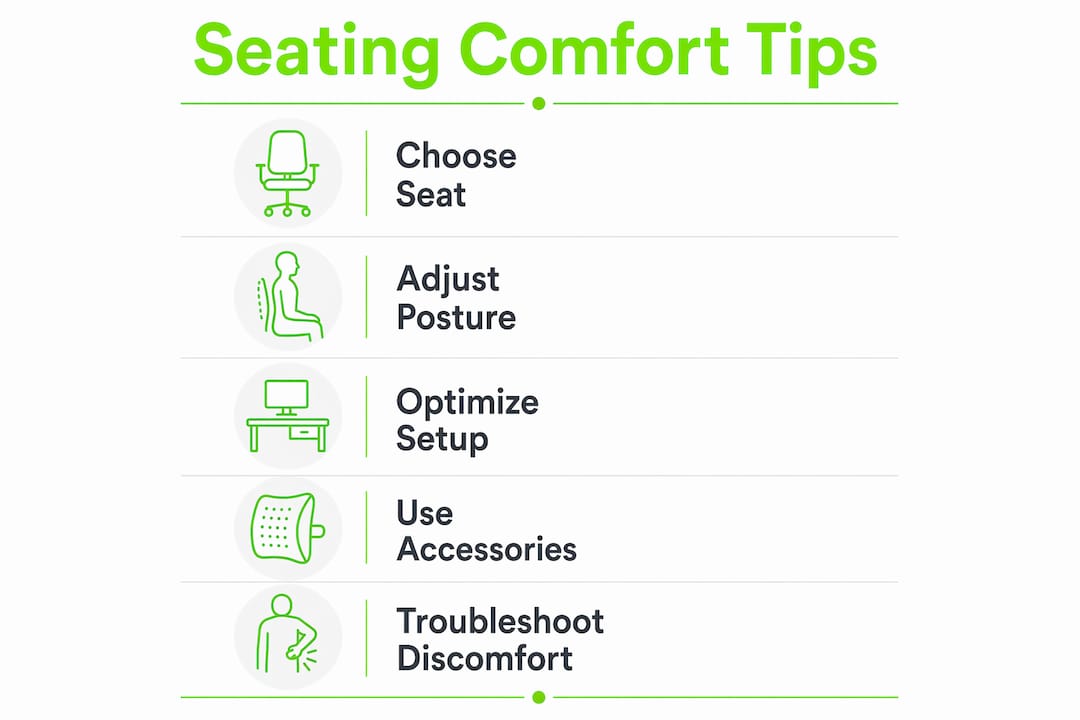
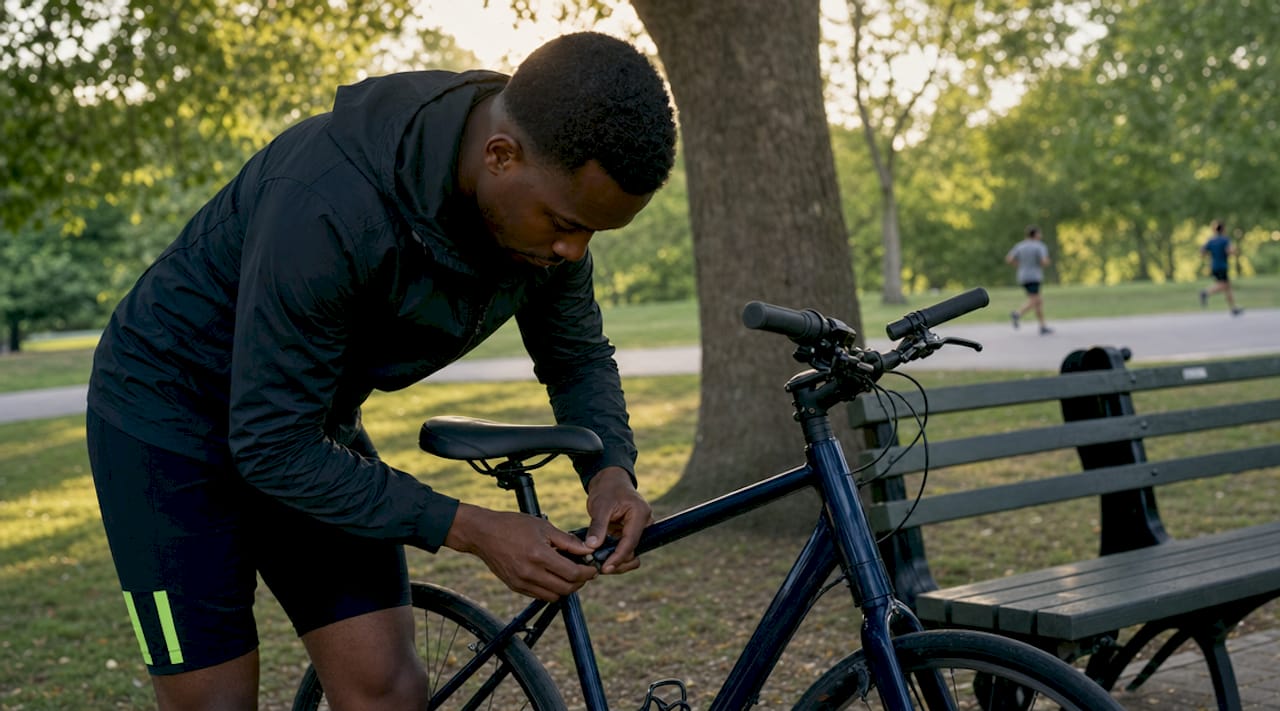
Getting your bike geometry right is the single most impactful thing you can do for commuting posture, and most city riders never bother. A poorly set saddle or handlebar turns a 20-minute ride into a slow accumulation of back pain, wrist strain, and numb hands. The good news is that the adjustments take about ten minutes and require only a hex key.
Follow these steps to dial in your setup:
Set saddle height first. Your leg should be almost fully extended at the bottom of the pedal stroke, with just a slight bend at the knee. Saddle height set this way maximizes pedaling efficiency and prevents the hip rocking that causes lower back pain on longer rides.
Check handlebar height relative to the saddle. For city commuting, handlebars level with or above saddle height promote an upright, relaxed posture and reduce strain on your back, shoulders, and wrists. Racing geometry is designed for aerodynamics, not for riding in traffic with a backpack on.
Adjust your reach. The distance from saddle to handlebars determines how your torso sits. Optimum reach means slightly bent elbows and relaxed shoulders. If your arms are locked straight, you are absorbing every road vibration directly into your spine.
Angle the brake levers correctly. This one gets overlooked constantly. Brake lever angles adjusted to your natural finger position reduce wrist discomfort and improve your overall riding posture. Rotate them slightly downward so your wrist stays neutral when gripping.
Choose the right saddle material. Gel saddles absorb vibration well for shorter urban commutes. Memory foam saddles conform to your sit bones over time and work better for rides over 30 minutes. Avoid ultra-narrow performance saddles unless you are genuinely riding fast.
Pro Tip: Before you ride, sit on the saddle and place your heel on the pedal at its lowest point. Your leg should be fully straight. When you move your foot to the ball, you get that ideal slight bend automatically. No measuring tape needed.
The most common mistake city riders make is putting all their weight on the saddle or handlebars. Engaging your core and legs and standing briefly at stoplights improves both comfort and circulation. Think of your bike as a system where your body is an active participant, not a passenger.
Portable seating is defined as any compact, carry-anywhere seat that supplements or replaces inadequate transit seating. It is a category that has grown significantly as urban transit systems struggle to keep pace with ridership demand. Compact portable seats are lightweight and enhance comfort during standstill waits or transit delays, which is exactly when standing fatigue hits hardest.
The scenarios where portable seating earns its place in your bag are specific and real:
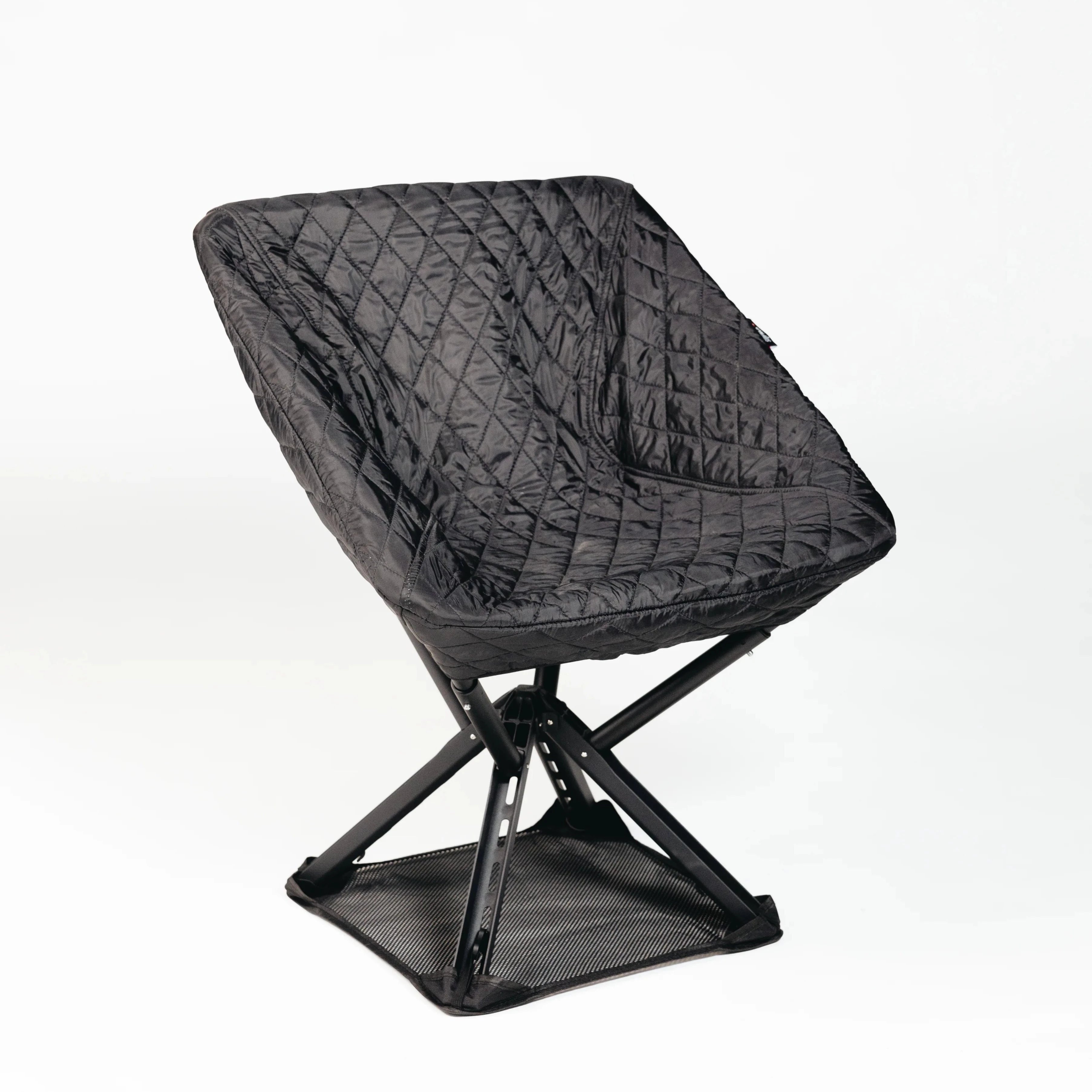
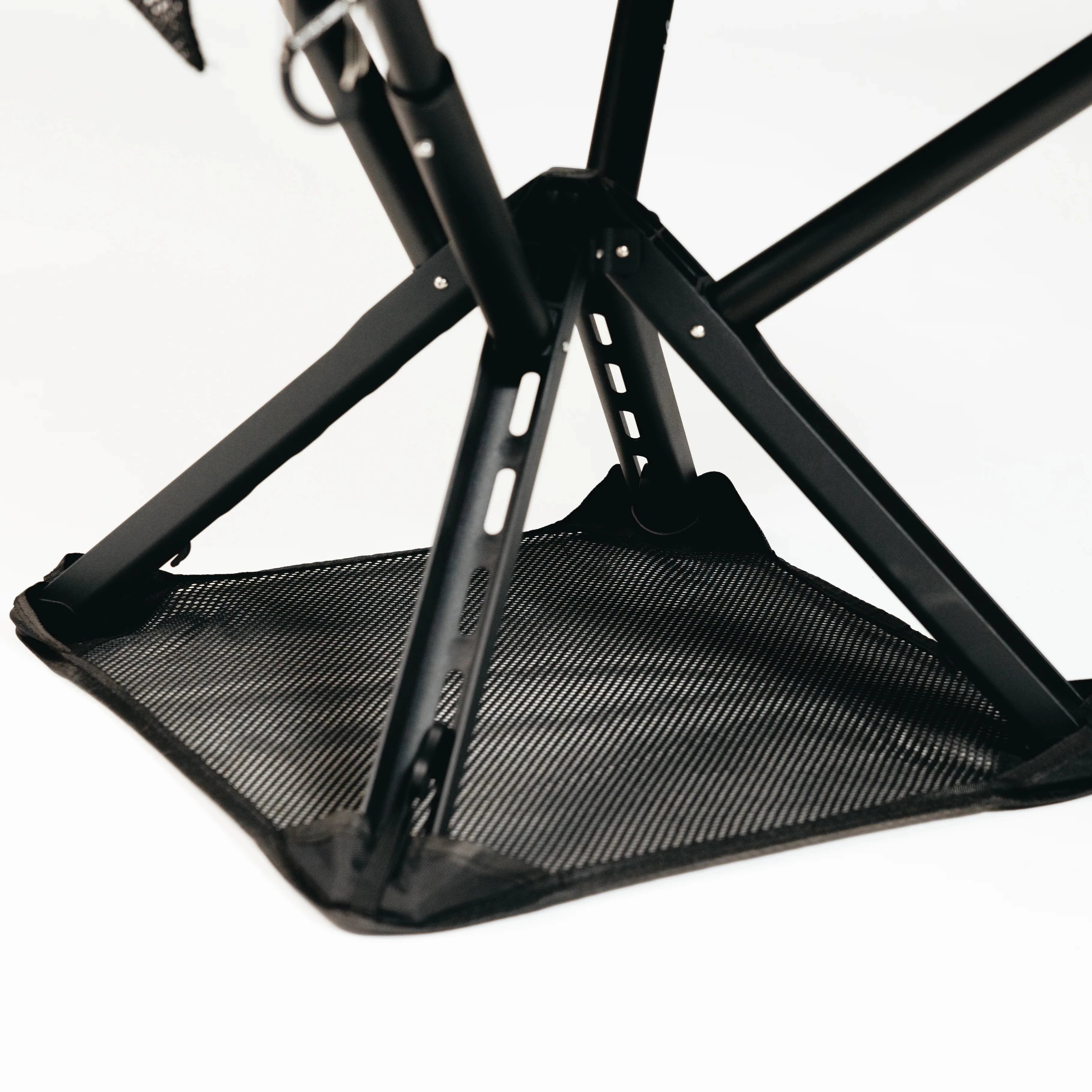
When choosing a portable seat for urban commuting, the key considerations are weight, packed size, and load capacity. A seat that weighs more than 500 grams starts to feel like a burden after a week. Packed dimensions matter too: it needs to fit in a commuter bag or clip to a backpack without adding bulk. Products like the Sitpack Zen are designed specifically around these constraints, with a telescoping design that collapses to a size smaller than a water bottle.
The urban portable seating category also addresses an accessibility gap. Older adults, pregnant commuters, and people with joint conditions often cannot stand for extended periods, yet they face the same crowded transit conditions as everyone else. A personal portable seat closes that gap without depending on other passengers to give up their spots.
Most commuting discomforts follow predictable patterns, and each one has a specific fix. Identifying the cause correctly is what separates a solution from a temporary distraction.
| Symptom | Likely cause | Fix |
|---|---|---|
| Lower back pain | Saddle too low or seat with no lumbar support | Raise saddle, add lumbar cushion |
| Numb hands or wrists | Locked elbows, handlebar too low | Raise bars, bend elbows slightly |
| Numb sit bones | Saddle too hard or wrong width | Switch to gel or memory foam saddle |
| Motion sickness | Front or rear seat position | Move to middle-third seat |
| Leg fatigue on transit | No footrest, poor seat height | Use bag as footrest, shift position every 15 min |
| Shoulder tension | Gripping handrails too tightly | Relax grip, engage core for balance |
Back pain on public transit is almost always a posture problem compounded by seat design. Most bus and train seats offer minimal lumbar support, which means your lower back rounds after about 15 minutes. A small inflatable lumbar cushion, or even a rolled jacket, changes the equation entirely. Shifting your weight every 10 to 15 minutes also prevents the pressure buildup that causes numbness.
For bike commuters, varying your weight distribution between saddle, pedals, and handlebars is the most underrated comfort strategy. Standing on the pedals for 10 to 15 seconds at each red light restores circulation and gives your sit bones a break. It also loosens your hip flexors, which tighten up fast on short-crank city bikes.
Pro Tip: If your hands go numb on a bike commute, the problem is almost never the gloves. It is your handlebar height and elbow angle. Raise the bars by one stem spacer before spending money on padded gloves.
Accessories worth carrying include a thin seat pad for hard transit seats, a small lumbar roll, and padded cycling shorts if your bike commute exceeds 20 minutes. None of these are heavy or expensive, and each one addresses a specific, documented discomfort rather than a vague notion of “more comfort.”
Seat pitch, orientation, and vehicle position are the three variables that determine transit comfort, and adjusting your bike geometry takes ten minutes but pays off on every ride.
| Point | Details |
|---|---|
| Seat pitch is decisive | A 45 cm pitch delivers dramatically higher comfort than 20 cm; always choose the roomiest car available. |
| Middle-third positioning | Sitting in the middle third of a bus or train minimizes sway, vibration, and motion sickness. |
| Bike setup fundamentals | Saddle height, handlebar level, and reach angle determine posture; adjust all three before blaming the commute. |
| Portable seating fills the gap | A compact seat like the Sitpack Zen handles crowded trains, long waits, and hybrid commutes where fixed seating fails. |
| Troubleshoot by symptom | Match each discomfort to its specific cause and fix rather than applying generic comfort advice. |
Here is something most seating guides will not tell you: the biggest gains in commuting comfort do not come from buying better gear. They come from paying attention to where you sit and how you hold your body, which costs nothing.
I spent two years commuting by bike before I realized my wrists hurt because my handlebars were set an inch too low, not because city roads are rough. One stem spacer fixed what I had been blaming on Copenhagen’s cobblestones. On transit, I used to default to whatever seat was closest to the door. Moving to the middle of the car on a long bus route felt like a different vehicle entirely.
The portable seating piece genuinely surprised me. I was skeptical that carrying a seat would feel worth it, but on a delayed train platform in winter, parking my posterior on a Sitpack instead of standing for 35 minutes changed my entire attitude about that commute. It is the kind of thing that sounds trivial until you are the only person sitting while everyone else shifts from foot to foot.
My honest recommendation: fix your bike geometry first if you ride. Then learn your transit line’s car layout and pick your position deliberately. Add a portable seat if your commute involves unpredictable waits. Layer in accessories only after you have addressed the structural issues. Trial and error is part of it, but you can shortcut a lot of that by treating seating as a system rather than an afterthought.
— Jonas
If your daily commute involves standing on crowded platforms, waiting out delays, or dealing with transit seats that were clearly designed by someone who has never used public transit, Sitpack has a direct answer for that.

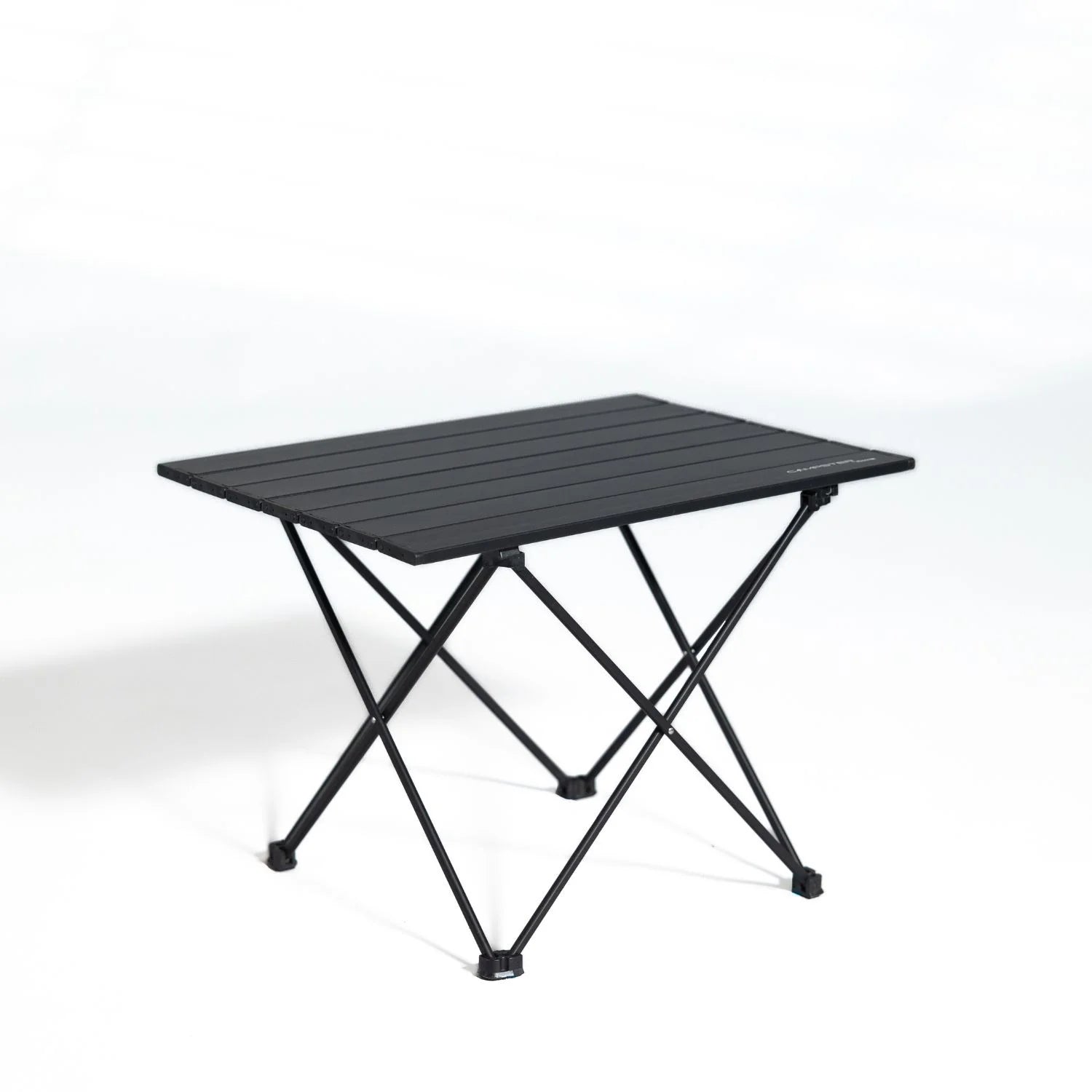
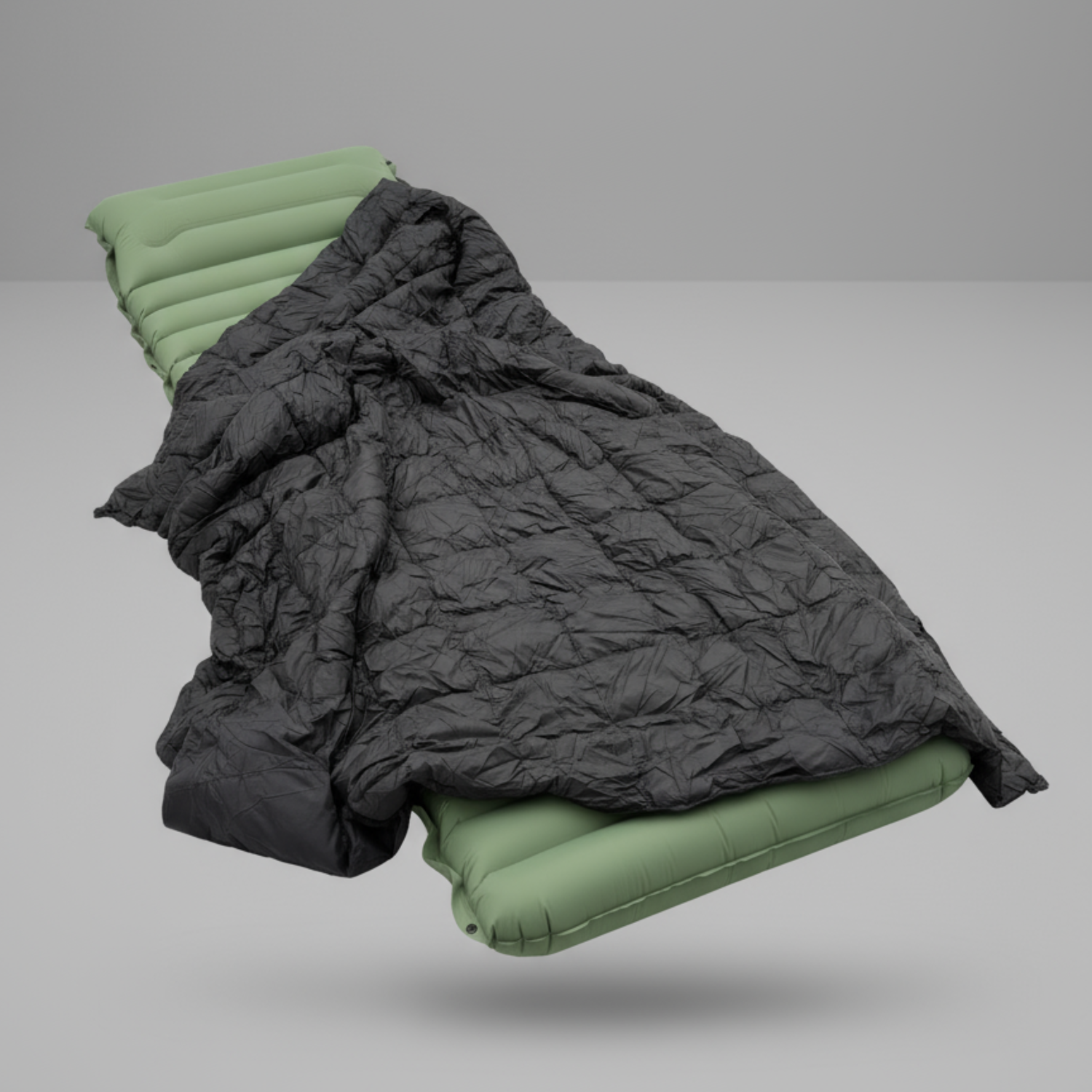
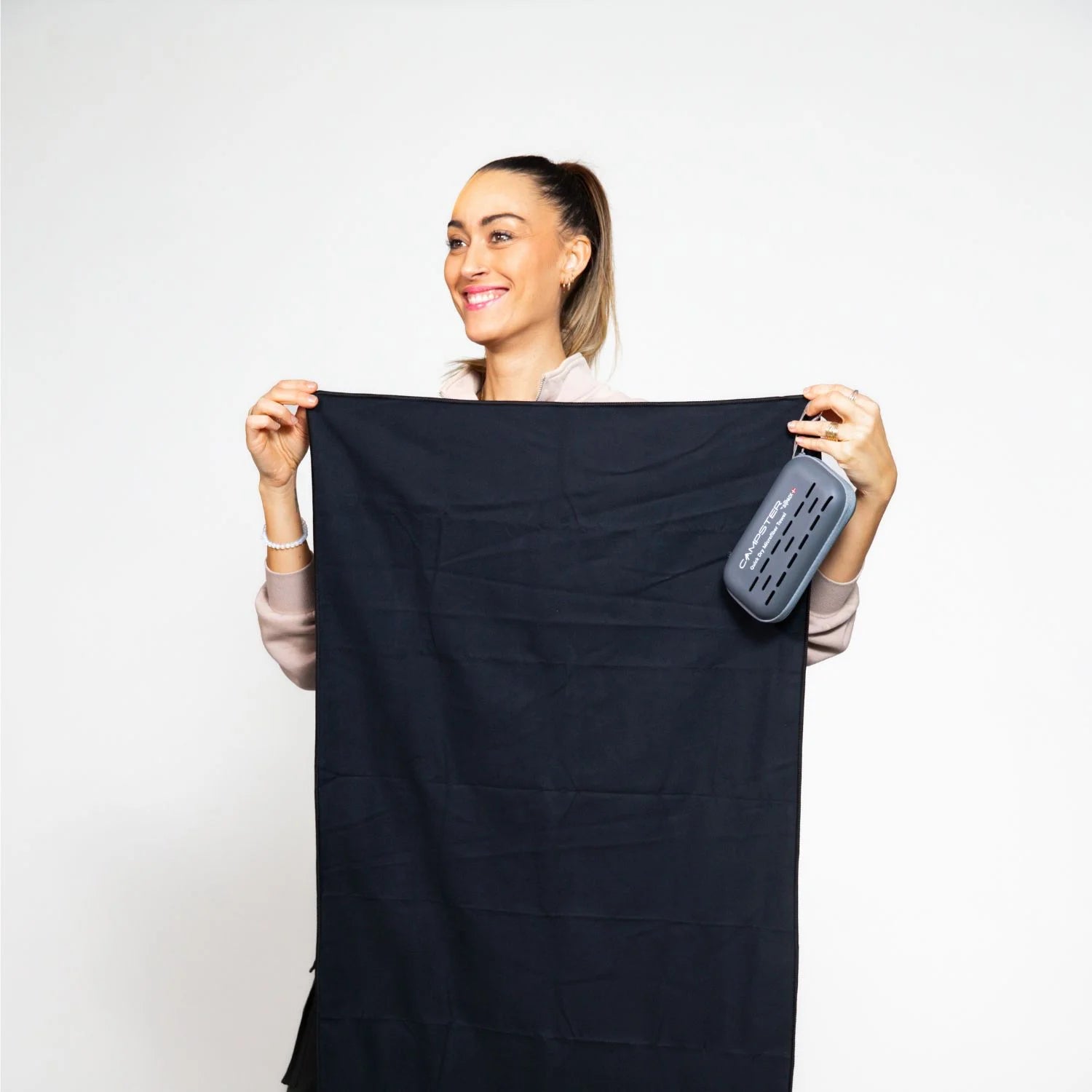
The Sitpack Zen and Campster II are built for exactly the urban commuter who wants a seat that fits in a bag and deploys in seconds. Lightweight, durable, and compact enough to forget you are carrying them until you need them. No more leaning against walls or standing for 40 minutes because every bench is taken. Check out the full range of portable commuter seats at Sitpack and find the one that fits your commute style.
The most comfortable seat on a bus is a forward-facing seat in the middle third of the vehicle, where sway and vibration are minimized. At 45 cm seat pitch, comfort ratings improve dramatically compared to tighter configurations.
Your saddle should be set so your leg is almost fully extended at the bottom of the pedal stroke, with a slight bend at the knee. This position maximizes pedaling efficiency and prevents lower back strain on daily rides.
Side-facing seats offer more legroom and spaciousness at equivalent pitch, but they expose riders to more lateral sway. Forward-facing seats in the middle of the vehicle are generally better for longer commutes or riders prone to motion sickness.
A portable seat is most useful during crowded peak-hour trains, long platform waits, and hybrid commutes with multiple transit legs. Portable seating is especially valuable for commuters who cannot stand for extended periods due to age, pregnancy, or joint conditions.
Numb hands are almost always caused by locked elbows and handlebars set too low, which transfers road vibration directly into your wrists. Raising the handlebars and maintaining a slight elbow bend resolves the issue without any additional accessories.