Cart
0
Sign up and get 10$ off your order
Expected delivery
1-3 days
You may also like


Danish Company

TL;DR:
- Proper beach camping starts with essential gear like wind-resistant shelter, elevated sleeping systems, and sand-ready seating. Prioritize shade, hydration, and sand management at the tent entrance, and always check tide charts and permits beforehand. Compact, stable seating like Sitpack stools is vital for carrying and comfort on sandy terrains.
The non-negotiable beach camping necessities come down to five categories: wind-resistant shelter and shade, an elevated sleeping system, sand-ready seating, a sand-management zone, and solid hydration and first-aid supplies. Get those five right and everything else is a comfort upgrade.
The short version: prioritize shade first, sleep elevated, manage sand at the tent entrance, check NOAA tide charts before you pitch, and bring seating that packs small enough to carry without a second thought.
Beach camping checklists shift the priority order compared to mountain or forest trips: shade, hydration, dry storage, and sand control move to the top. Here is the full category breakdown.
| Category | Economy pick | Mid-range pick | Premium pick |
|---|---|---|---|
| Shelter | Basic dome tent + wire stakes | Aerodynamic dome + sand stakes | Low-profile tent + screw-in anchors |
| Sleep | Foam pad + budget bag | Self-inflating pad + 3-season bag | Lightweight cot + down bag |
| Seating | Folding camp chair | Low beach chair | Sitpack Campster II or Zen |
| Cooler | Soft-sided cooler | Hard cooler with drain plug | Rotomolded cooler with latches |
Pro Tip: Pack your first-aid kit, headlamp, and tide chart printout last so they sit on top and are reachable the moment you arrive.
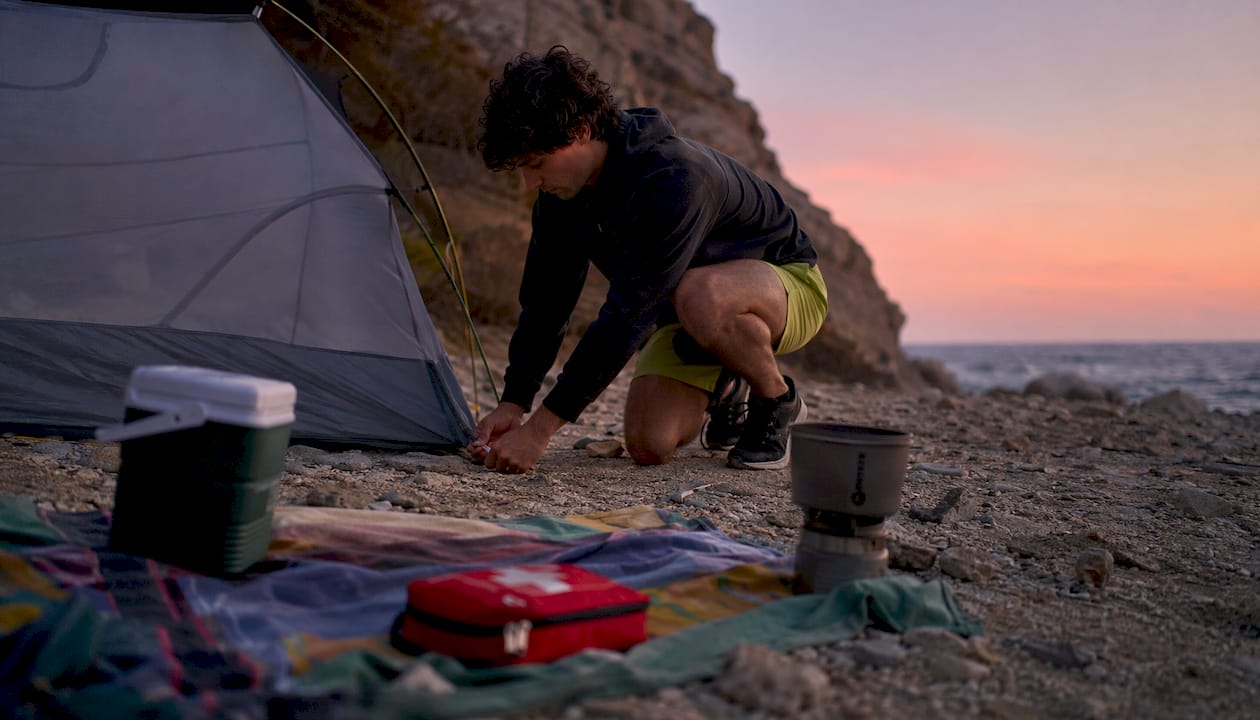
A sand-ready tent needs a strong frame, low profile, and multiple anchoring options. Dome-style or aerodynamic shapes shed wind far better than cabin tents.
Pro Tip: Bring four extra guylines beyond what came in the box. Coastal gusts arrive without warning, and a tent that felt solid at noon can become a kite by 3 PM.
Sand acts as a heat sink at night, pulling warmth away from your body faster than forest ground does. A three-season sleeping bag rated to 50–60°F paired with an elevated sleeping pad or lightweight cot solves both the insulation and the comfort problem.
Protect zippers and fabric from sand and salt by storing your sleeping bag in a dry bag during the day. After the trip, unzip fully, shake it out, and let it air-dry before packing it away for storage.
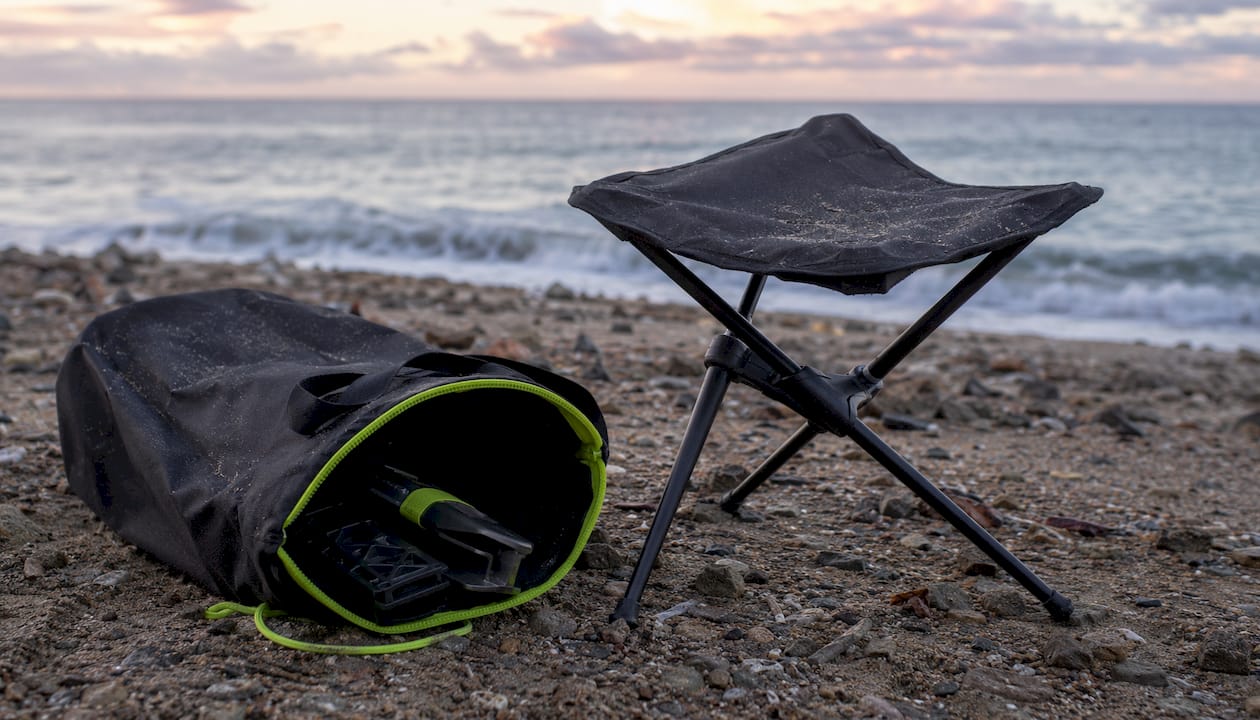
Compact, low-profile seating that resists tipping and collects minimal sand is the category most campers underpack. A full-size folding chair works fine in a parking-lot campground; on a remote beach where you carry everything, it becomes the item you regret.
| Seating type | Stability | Pack size | Sand performance | Best use |
|---|---|---|---|---|
| Compact stool | Good | Very small | Excellent | Hiking-in sites |
| Low beach chair | Very good | Medium | Good | Car-accessible beaches |
| Lounger | Fair | Large | Fair | Established campgrounds |
| Hammock (strap-based) | Excellent | Small | Excellent | Sites with trees or posts |
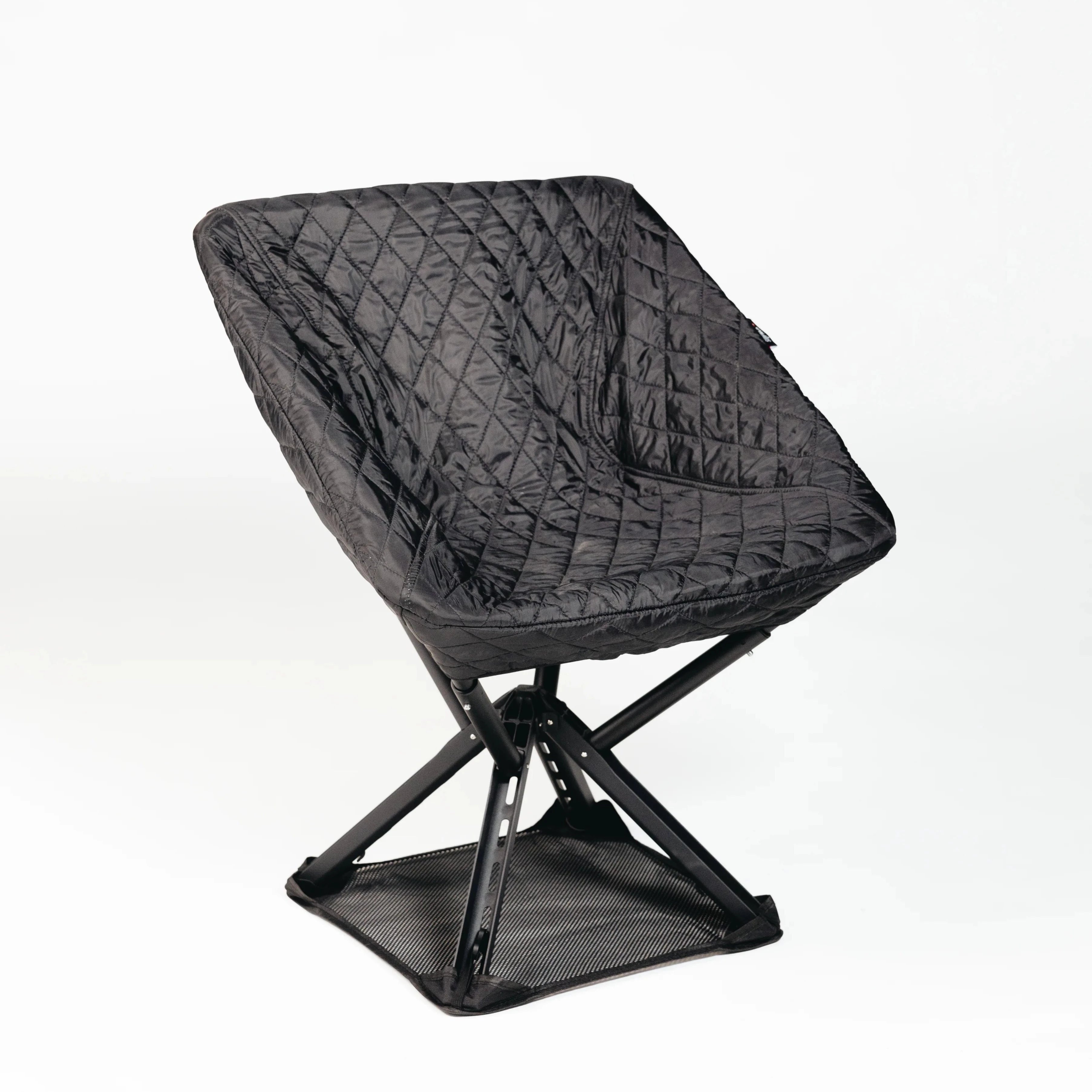
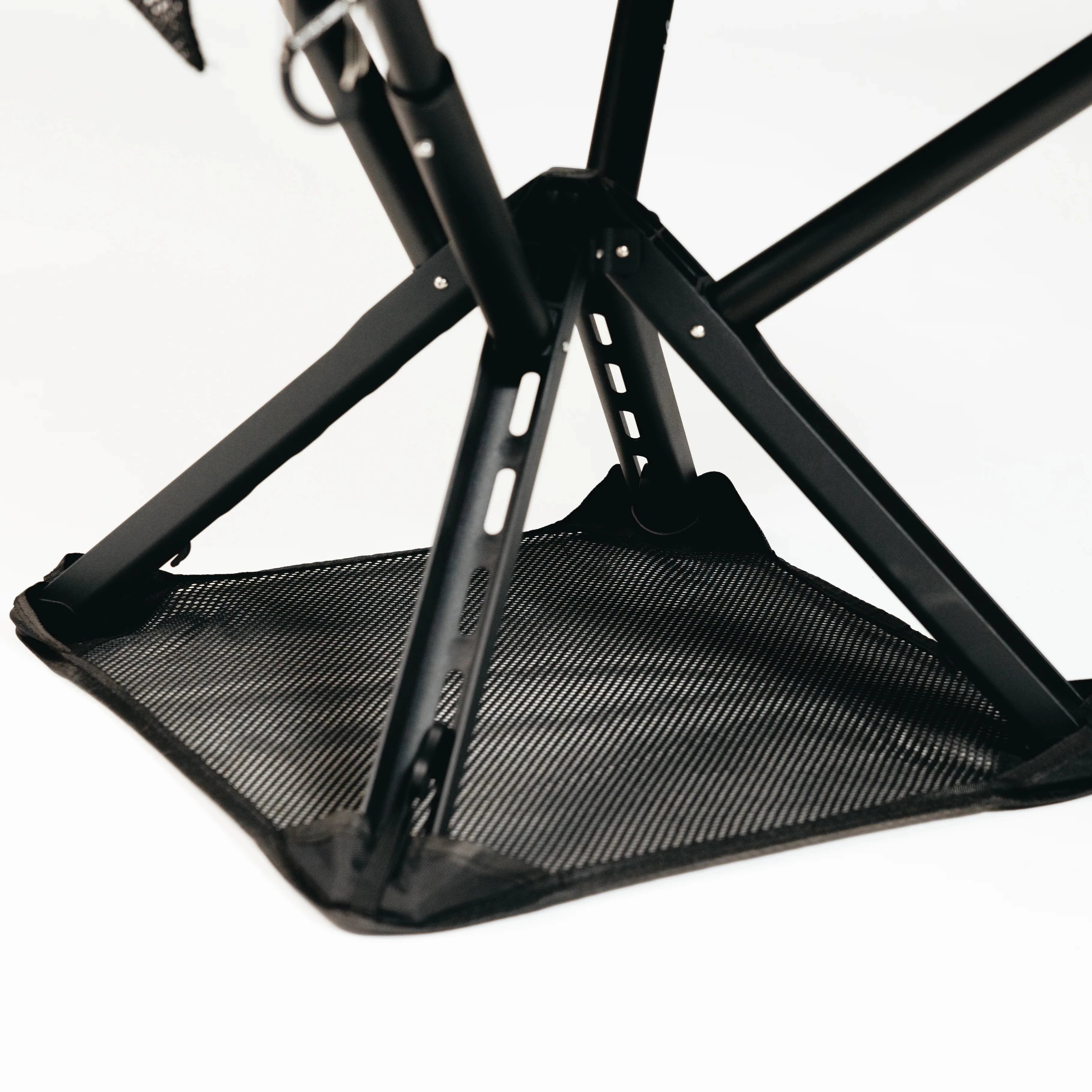
The Sitpack Campster II is a standout for beach use: it folds down to a size that disappears into a daypack, the seat fabric stays sand-resistant, and the legs stay stable on uneven sand. The Sitpack Zen takes the minimalist angle even further, weighing next to nothing and packing into a jacket pocket. Both come with a lifetime warranty and a 45-day satisfaction guarantee, so if the beach proves them wrong, you are covered.
Pro Tip: Store your Sitpack in a dry bag or zip pouch between uses. Sand in the folding mechanism is the one enemy of any compact stool, and a 10-second bag habit prevents it entirely.
For a deeper look at how these stack up against other compact camping stools, Sitpack’s chair-selection guide covers the key criteria worth checking before you buy.
Sand-specific gear like sand mats, dry bags, and quick-dry towels form a layered defense that experienced campers swear by. The goal is a transition zone between beach and tent.
Pro Tip: Keep your phone, keys, and headlamp in an external dry pouch clipped to the outside of your tent. That way you never have to enter with sandy hands just to grab them.
Always check tide charts and set up well above the high tide line. NOAA’s tide prediction tool covers every U.S. coastal location and is free. Many beaches also require permits, restrict vehicle access, or have specific fire rules; confirm those before you leave home.
A shade-first layout keeps energy levels up and reduces heat risk during setup. Here is a repeatable sequence:
If wind picks up suddenly mid-setup, pause and re-stake the canopy before continuing. A loose canopy becomes a hazard faster than a half-pitched tent does.
Copy this into your notes app or print it before you leave.
Shelter
Sleep
Seating
Cooking
Clothing
Safety
Tools
Don’t forget: tide check the night before, spare sunscreen in your day bag, and a dry bag specifically for your phone and keys.
Customize by season: add a sleeping bag liner for cold coastal nights in fall, or swap the cot for a hammock if your beach has trees.
A successful beach camping trip comes down to shade first, elevated sleep, a sand-management zone at the tent entrance, a pre-trip tide and permit check, and seating that packs small enough to carry without a second thought.
| Point | Details |
|---|---|
| Shade before everything else | Pitch your canopy first; it protects you and your gear during the rest of setup. |
| Sleep elevated off sand | A pad or cot prevents heat loss into sand overnight. |
| Build a de-sanding zone | An oversized tarp at the tent entrance, plus a water bucket, keeps sand out of sleeping gear. |
| Check tides and permits | Use NOAA tide charts and confirm vehicle and fire rules before you leave home. |
| Sitpack for compact seating | The Campster II and Zen pack small, perform on sand, and carry a lifetime warranty plus a 45-day guarantee. |
Here is a take you will not find in most packing guides: the biggest gear mistake at the beach is not forgetting sunscreen or sand stakes. It is bringing seating that is too bulky to carry and then leaving it in the car.
Most campers grab a full-size folding chair because it is comfortable at home. Then they face a 400-yard carry across soft sand and leave it behind. They spend the whole trip sitting on a towel, which is fine for an hour and miserable by day two. The fix is not to buy a lighter version of the same chair. It is to rethink the category entirely: a compact stool that fits in a pack means you actually bring it, every time, to every spot on the beach.
The same logic applies to every item on your packing list. If it is too heavy or too bulky to carry to your actual campsite, it does not exist for practical purposes. Pack for the walk, not for the parking lot.
Beach camping asks a lot from your gear, and most of it is about portability. You need seating that goes wherever you go, not just to the car park.
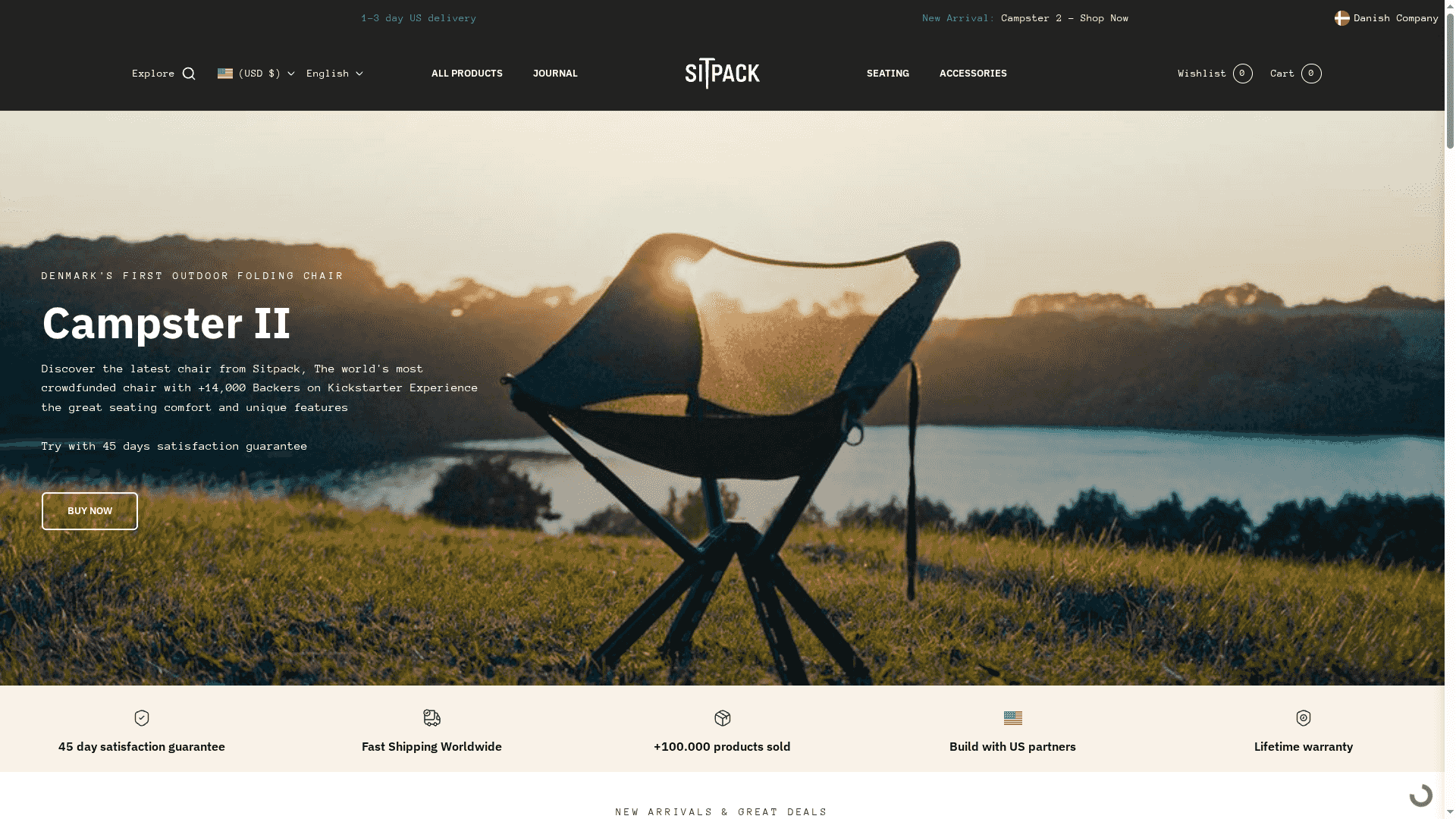
The Sitpack Campster II and Sitpack Zen are built for exactly this: ultra-compact, sand-friendly, and light enough to clip onto a pack without noticing the weight. Both fold down small, resist sand buildup in the folding mechanism, and come with a lifetime warranty plus a 45-day satisfaction guarantee. If your first beach trip proves them wrong, send them back. For outdoor seating tips tailored to camping and travel, Sitpack’s blog covers the full picture. Browse the full range at sitpack.com and pick the model that fits your pack size.
Always verify local rules, fire restrictions, and tide forecasts for your specific beach before you leave. Regulations vary by state and by individual beach, and they change seasonally.