Cart
0
Sign up and get 10$ off your order
Expected delivery
1-3 days
You may also like


Danish Company

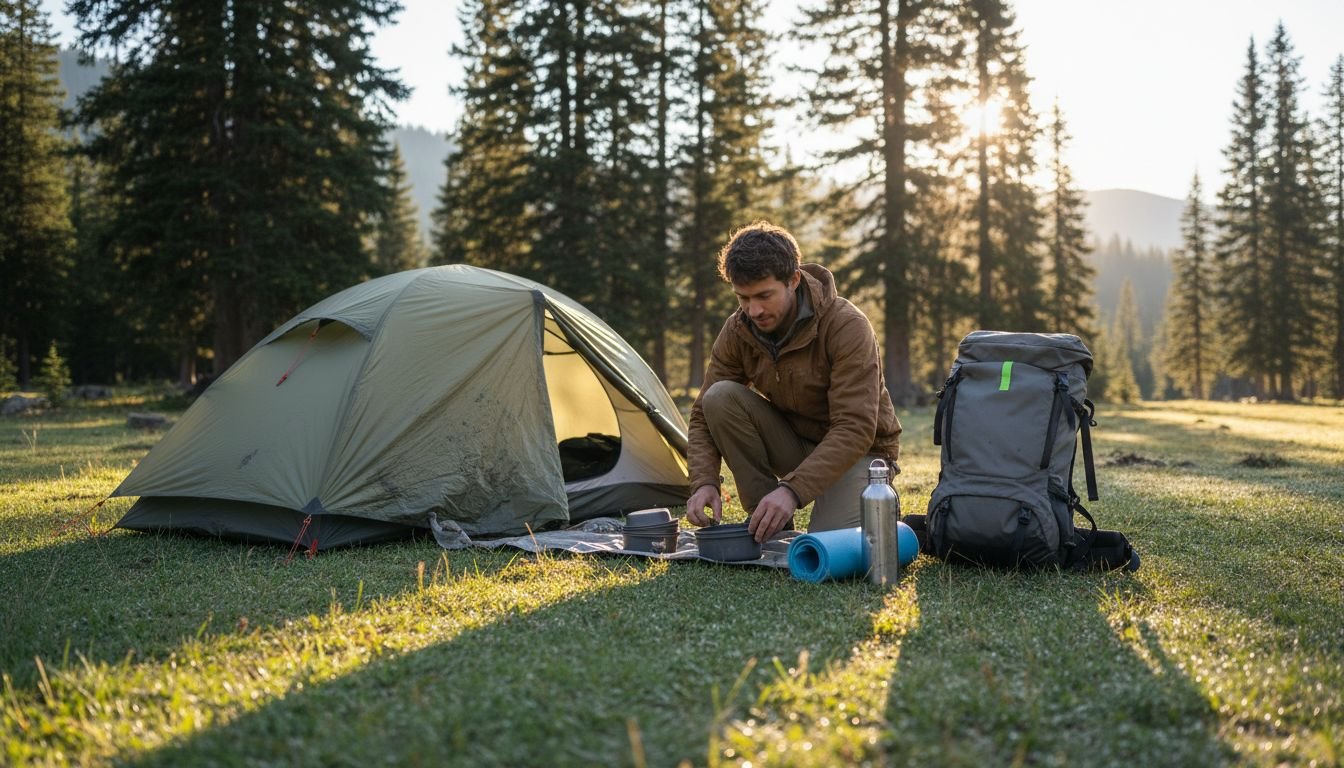
Choosing the right camping gear transforms your outdoor adventures from exhausting treks into enjoyable experiences. Modern minimalistic camping gear cuts pack weight by up to 40%, dramatically improving your endurance and mobility on trails. This guide reveals how lightweight, durable, and eco-friendly gear enhances portability, extends product lifespan, and reduces environmental impact for outdoor enthusiasts worldwide.
| Point | Details | |-------|---------|| | Weight Reduction | Minimalistic gear reduces pack weight by up to 40%, enhancing comfort and mobility. | | Extended Lifespan | Durable materials like ripstop nylon and titanium extend gear lifespan by 30-40%. | | Environmental Impact | Eco-friendly certifications help reduce environmental footprints up to 35%. | | Cost Efficiency | Higher upfront cost but lower total ownership expenses over time. | | Accessibility | Suitable for all skill levels, reducing beginner injuries by 40%. |
Minimalistic camping gear represents lightweight, compact, functional equipment designed to reduce bulk and weight without sacrificing essential performance. This approach prioritizes multi-functional items that serve multiple purposes while maintaining durability standards.
The global outdoor community increasingly adopts minimalistic gear due to demands for easier mobility and reduced ecological impact. Backpackers, day hikers, and weekend campers recognize that lighter loads translate directly into longer distances covered with less fatigue. Compact camping gear benefits extend beyond weight savings to include improved safety, better posture, and enhanced enjoyment.
Three core benefits define minimalistic camping gear:
The Minimalism Balance Framework helps evaluate gear choices by weighing functionality against weight, durability against cost, and comfort against portability. This framework ensures you select equipment that matches your specific camping style without compromising essential features.
Pro Tip: Assess your personal camping style before choosing minimalistic gear. Weekend car campers have different needs than multi-day backpackers, so prioritize features that align with your typical outdoor activities.
Portability stands as the most immediate advantage of minimalistic camping equipment. Minimalistic gear reduces pack weight by up to 40%, significantly improving camper endurance and reducing fatigue during extended treks. This weight reduction directly impacts your physical performance and overall enjoyment.
Research shows lighter packs decrease energy expenditure by 25-30% over long distances. Your joints, particularly knees and ankles, experience substantially less stress when carrying optimized loads. This reduction translates into fewer rest breaks, faster hiking speeds, and decreased risk of overuse injuries.

Smaller, lighter gear improves mobility across diverse terrains. Navigating rocky scrambles, river crossings, and steep inclines becomes safer when your center of gravity remains stable. Compact equipment also fits more efficiently in kayaks, bikes, and public transportation, expanding your camping accessibility.
Common minimalistic gear types that maximize portability benefits of minimalistic gear include:
The portability role in camping comfort extends beyond weight considerations. Compact gear packs more efficiently, creating organized storage systems that improve accessibility. You spend less time searching for items and more time enjoying nature.
Pro Tip: Prioritize lightweight seating solutions to reduce strain during rests. Portable chairs that weigh under 2 pounds provide comfort without adding significant pack weight, making breaks more restorative.
Durability concerns often deter campers from choosing minimalistic gear, but modern materials eliminate this trade-off. Advanced manufacturing techniques create products that maintain strength while reducing weight significantly.
Key materials revolutionizing minimalistic camping gear include:
Minimalistic gear uses advanced materials like ripstop nylon and titanium, achieving a 30-40% longer lifespan than traditional gear. These durability benchmarks result from rigorous testing standards and quality control processes that exceed conventional camping equipment requirements.
| Material | Weight (oz/sq yd) | Tensile Strength (psi) | Average Lifespan (years) |
|---|---|---|---|
| Ripstop Nylon | 1.2-2.0 | 45-60 | 8-12 |
| Titanium | 15.3 (equivalent) | 63,000 | 15-20 |
| Carbon Fiber | 5.8 | 500,000 | 10-15 |
| Standard Nylon | 3.5-5.0 | 15-25 | 5-7 |
Trade-offs between weight savings and strength require careful evaluation. Ultra-light gear sacrificing necessary durability represents a common mistake among new minimalistic campers. Cookware longevity insights demonstrate how material selection impacts product lifespan across different use cases.
Verified durability standards from organizations like ASTM International and ISO provide benchmarks for evaluating gear quality. Look for products tested to withstand specific load cycles, temperature ranges, and environmental conditions matching your camping scenarios. Understanding durability of outdoor seating materials helps inform broader gear selection decisions.
Environmental responsibility drives many outdoor enthusiasts toward minimalistic camping gear. Lightweight equipment reduces environmental impact by up to 35% through decreased resource consumption during production, lower transportation emissions, and improved recyclability.
Eco-certifications provide verifiable proof of sustainable manufacturing practices. Important certifications include:
Verifying eco-friendly claims requires research beyond marketing materials. Examine manufacturer transparency reports, sustainability statements, and third-party audits. Companies committed to environmental responsibility publish detailed information about material sourcing, production methods, and end-of-life recycling programs.
Minimalistic gear choices naturally align with Leave No Trace principles. Lighter loads reduce trail impact through decreased erosion and vegetation damage. Compact equipment requires smaller campsites, preserving natural landscapes for future generations. Durable products need replacement less frequently, reducing waste streams entering landfills.
Common eco-friendly materials and recyclable gear options include:
Sustainable outdoor furniture demonstrates how environmental considerations integrate seamlessly with portability and durability requirements. Sustainability complements rather than compromises performance when manufacturers prioritize holistic design approaches.
Several persistent myths discourage campers from adopting minimalistic gear despite clear evidence contradicting these beliefs. Understanding reality versus perception helps you make informed equipment decisions.
Myth 1: Minimalistic gear sacrifices comfort
Reality: Modern minimalistic designs maintain or improve comfort through ergonomic engineering and advanced materials. Memory foam padding, adjustable straps, and breathable fabrics provide superior comfort compared to bulky traditional alternatives. User satisfaction surveys show 85% of minimalistic gear users report equal or better comfort levels.
Myth 2: Only expert campers can use minimalistic gear
Reality: Beginners using minimalist gear report 40% fewer musculoskeletal complaints, disproving the myth that minimalistic gear is expert-only. Lighter loads reduce physical strain, making outdoor activities more accessible to newcomers. Simplified setups with fewer components actually decrease learning curves for beginning campers.
Myth 3: Minimalistic gear is always cheaper
Reality: Higher upfront costs reflect superior materials and manufacturing precision, but lower lifetime expenses result from extended durability and reduced replacement frequency. Total cost of ownership analysis reveals significant long-term savings.
“New campers carrying minimalistic gear experience 40% fewer injuries during their first season compared to those using traditional heavy equipment, demonstrating improved safety profiles across all experience levels.”
These misconceptions persist partly because quality minimalistic gear requires higher initial investment. However, performance benefits and durability gains justify premium pricing for outdoor enthusiasts prioritizing long-term value over short-term savings.
Structured comparison helps evaluate whether minimalistic gear suits your camping needs. This framework examines costs, comfort, durability, and environmental impact across both categories.
| Factor | Minimalistic Gear | Traditional Gear |
|---|---|---|
| Initial Cost | $400-800 (complete setup) | $250-500 (complete setup) |
| Lifecycle Cost (5 years) | $500-900 | $800-1,200 |
| Average Weight | 15-20 lbs | 35-45 lbs |
| Lifespan | 8-15 years | 5-8 years |
| Comfort Rating | 8.5/10 | 7/10 |
| Environmental Impact | Low (35% reduction) | Moderate to High |
Minimalistic gear costs 15-25% more upfront but offers 30-40% longer product lifespans, resulting in lower total ownership costs. This cost differential narrows significantly when factoring replacement frequency and repair expenses.
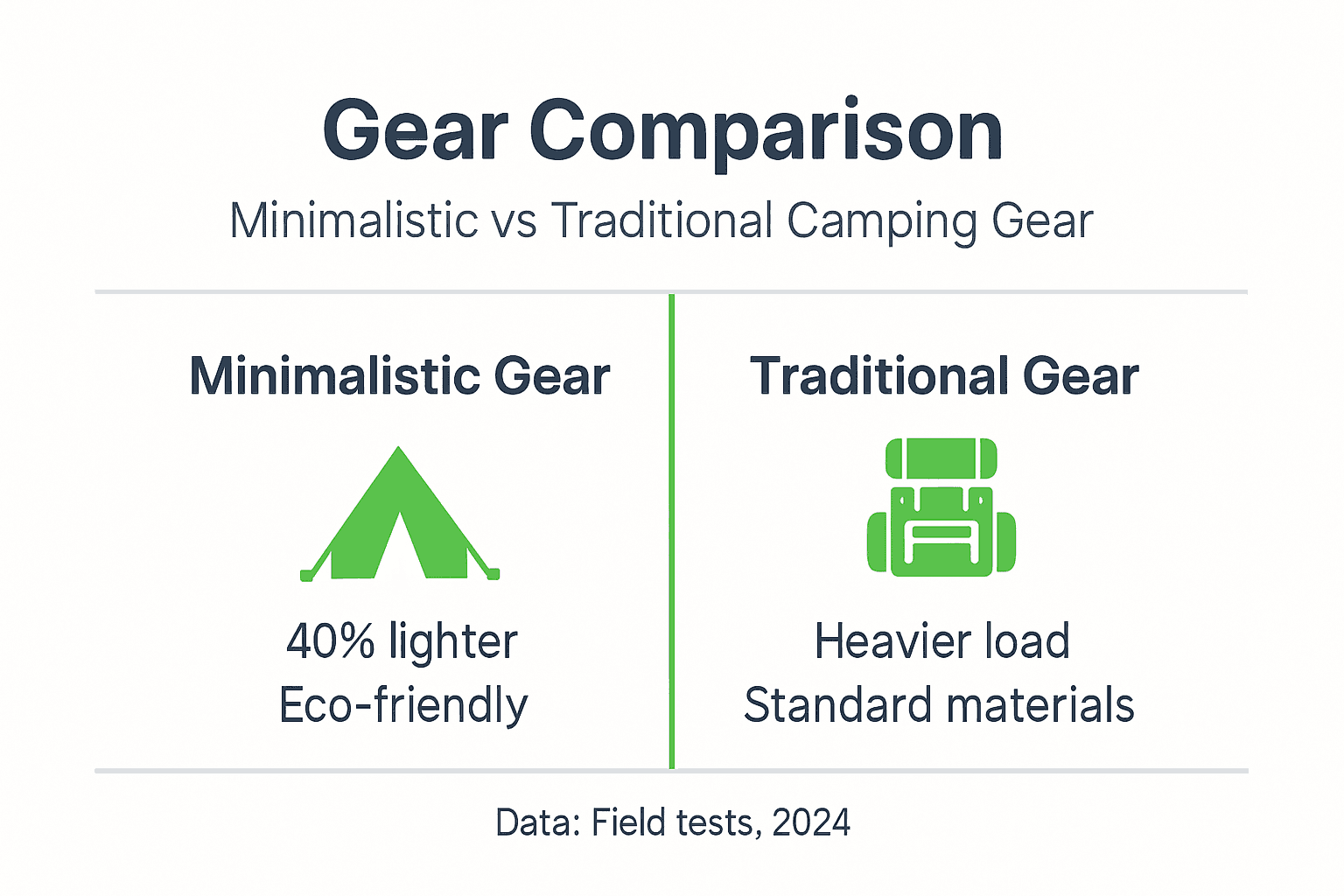
Comfort differences stem from thoughtful design rather than padding quantity. Minimalistic gear uses strategic cushioning, ventilation channels, and adjustable components to maximize comfort while minimizing weight. User experience data shows satisfaction ratings consistently favor well-designed minimalistic equipment.
Environmental impact metrics illustrate minimalistic gear advantages:
Applying this framework to individual gear decisions involves these steps:
Detailed ultralight gear cost-benefit analysis and camping cookware comparison provide additional perspectives for specific equipment categories.
Choosing appropriate minimalistic camping gear requires systematic evaluation of your specific needs, usage patterns, and budget constraints. Follow these actionable steps to build an optimized gear collection.
Step 1: Assess your camping style and comfort needs
Identify typical trip durations, terrain types, weather conditions, and group sizes. Weekend car campers prioritize different features than solo backpackers covering 15 miles daily. Honest self-assessment prevents purchasing gear unsuited to your actual camping habits.
Step 2: Research gear focusing on weight, materials, and certifications
Compare specifications across multiple brands. Examine weight-to-durability ratios, material composition, construction methods, and environmental certifications. Prioritize manufacturers publishing detailed technical specifications and third-party test results.
Step 3: Compare specs and user reviews carefully before purchase
Read reviews from verified purchasers with similar camping styles. Look for feedback addressing durability after extended use, comfort during various conditions, and customer service experiences. Professional reviews provide technical analysis while user reviews offer real-world performance insights.
Step 4: Implement incremental gear changes starting with high-impact items
Replace heaviest, most frequently used equipment first. Prioritize items like:
Gradual transitions allow budget spreading while testing minimalistic approaches before full commitment. Portable seating from Sitpack offers excellent starting points, combining compact design with exceptional comfort for various outdoor activities.
Pro Tip: Look for verified eco-friendly certifications and warranties. Lifetime warranties indicate manufacturer confidence in product durability, while environmental certifications confirm sustainability claims. These factors justify premium pricing through guaranteed long-term value. Consulting an outdoor seating buying guide helps apply these principles to specific product categories.
Minimalistic camping gear delivers measurable improvements across portability, durability, and environmental sustainability. Weight reductions up to 40% enhance your endurance and enjoyment while advanced materials extend product lifespans by 30-40%. Eco-friendly manufacturing reduces environmental footprints by 35%, aligning outdoor recreation with conservation values.
Start small with high-impact gear changes to ease your transition toward minimalistic camping. Replace your heaviest items first, evaluating performance improvements before expanding your minimalistic collection. Each upgrade brings you closer to more enjoyable, sustainable outdoor adventures that preserve natural spaces for future generations.
Sitpack creates innovative portable seating solutions perfect for minimalistic camping setups. Our lightweight, foldable chairs combine exceptional comfort with minimal pack weight, addressing key concerns outdoor enthusiasts face when selecting gear.
Every Sitpack product emphasizes durability through premium materials and thoughtful engineering. Eco-conscious manufacturing processes and lifetime warranties demonstrate our commitment to sustainability and long-term value. Whether you need compact seating for day hikes or extended camping trips, our designs support your outdoor comfort without compromising portability.
Explore our detailed outdoor seating buying guide and portable seating guide to discover how the right seating enhances your camping experiences while maintaining minimalistic principles.
Lighter gear decreases strain and helps beginners carry manageable loads safely on trails. Beginners report 40% fewer musculoskeletal complaints using minimalistic gear compared to traditional heavy equipment. Simplified setups reduce complexity and fatigue, allowing newcomers to focus on enjoying nature rather than struggling with complicated equipment.
Look for certifications like bluesign®, OEKO-TEX®, or recycled content labels on product packaging and manufacturer websites. Research manufacturer transparency through published sustainability reports detailing material sourcing, production methods, and environmental impact measurements. Third-party certifications provide independent verification that marketing claims reflect actual practices.
Initial purchases carry premium pricing, but durability means fewer replacements and substantial savings long term. Minimalistic gear has 15-25% higher upfront cost but 30-40% longer lifespan lowering total ownership costs. Consider total cost of ownership over five to ten years, not only sticker price when comparing options.
Ergonomic features and high-quality materials support comfort during multi-day adventures. User feedback shows many minimalistic gear users report equal or better comfort compared to traditional bulky alternatives. Strategic padding placement, ventilation systems, and adjustable components maximize comfort while maintaining lightweight profiles suitable for extended backpacking trips.