Cart
0
Sign up and get 10$ off your order
Expected delivery
1-3 days
You may also like
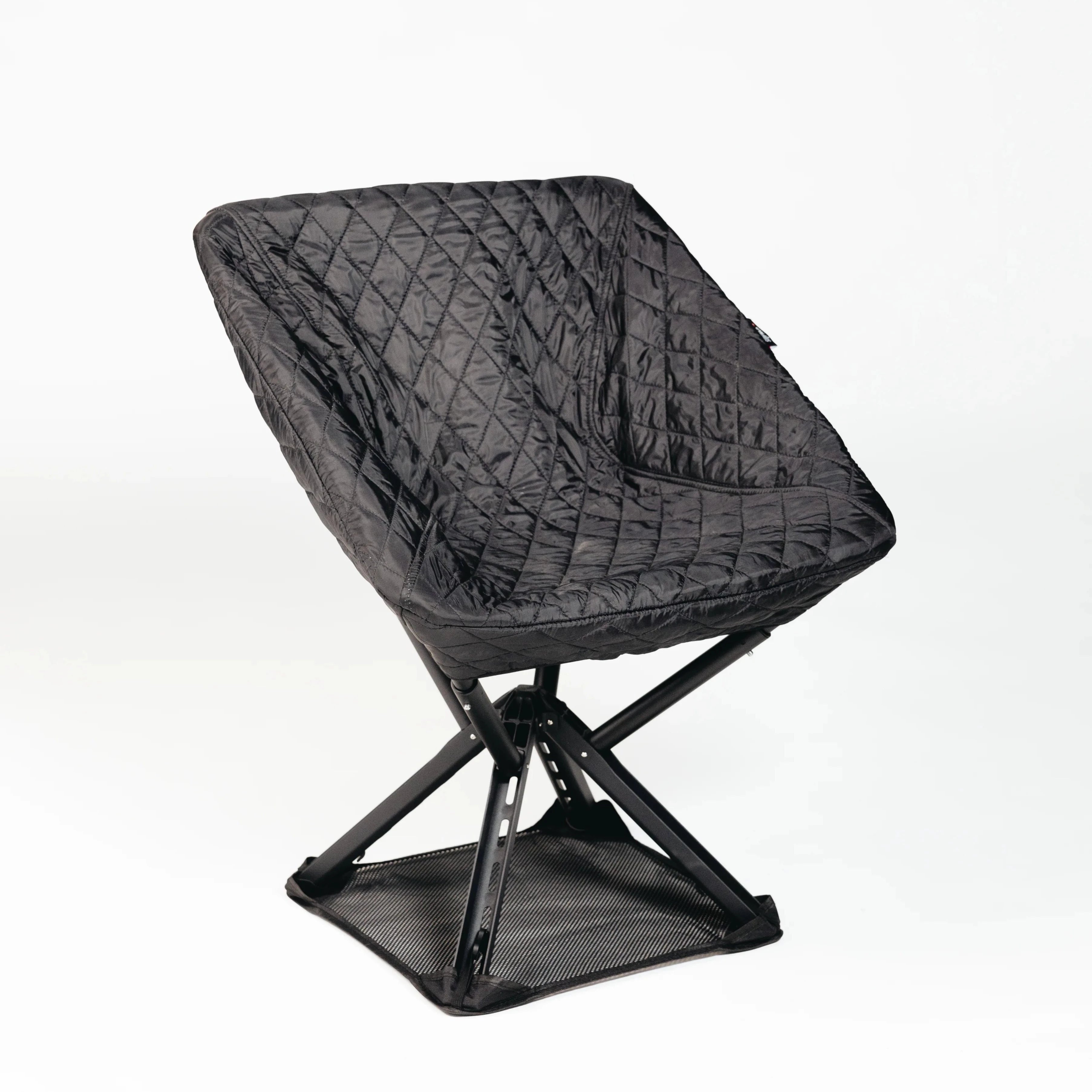
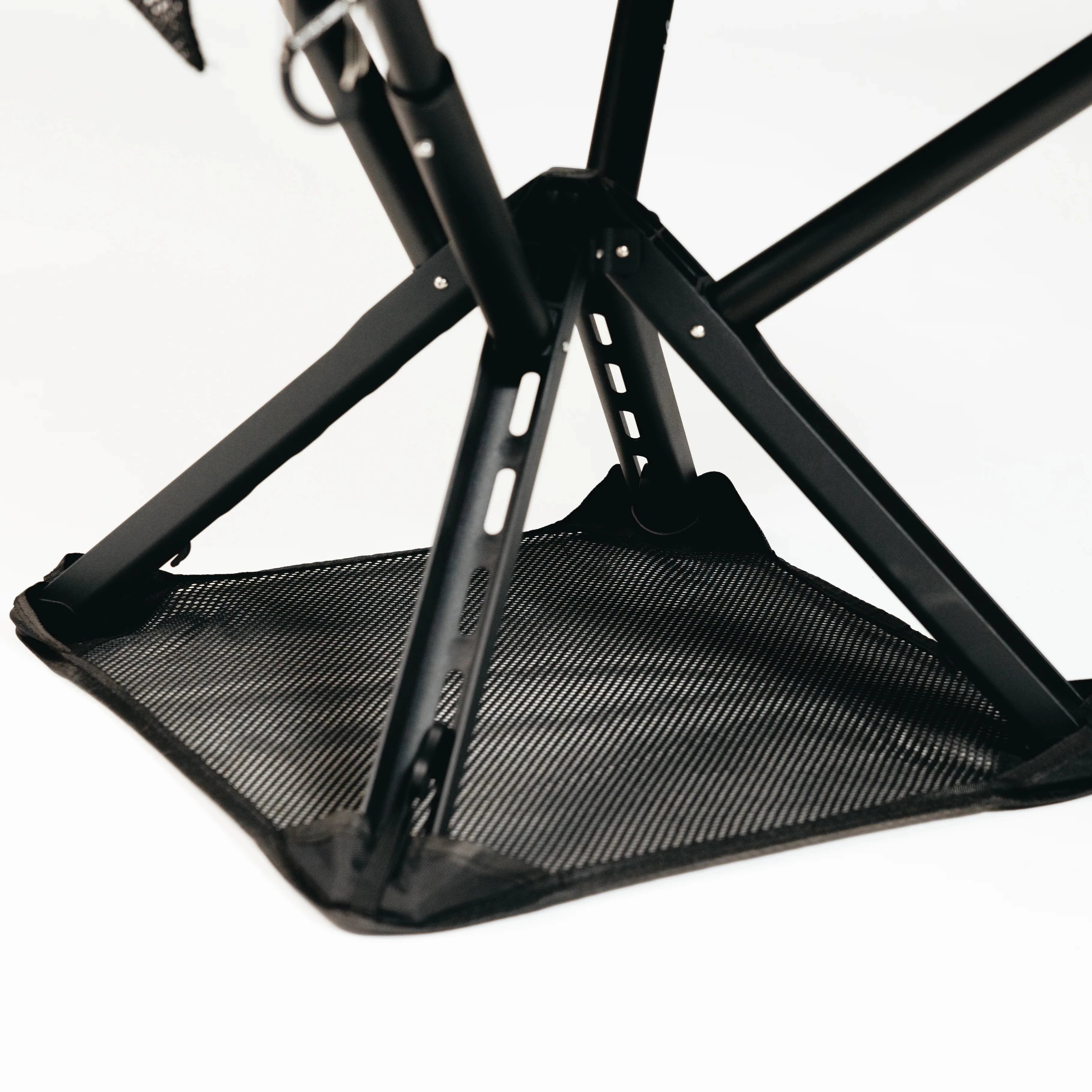
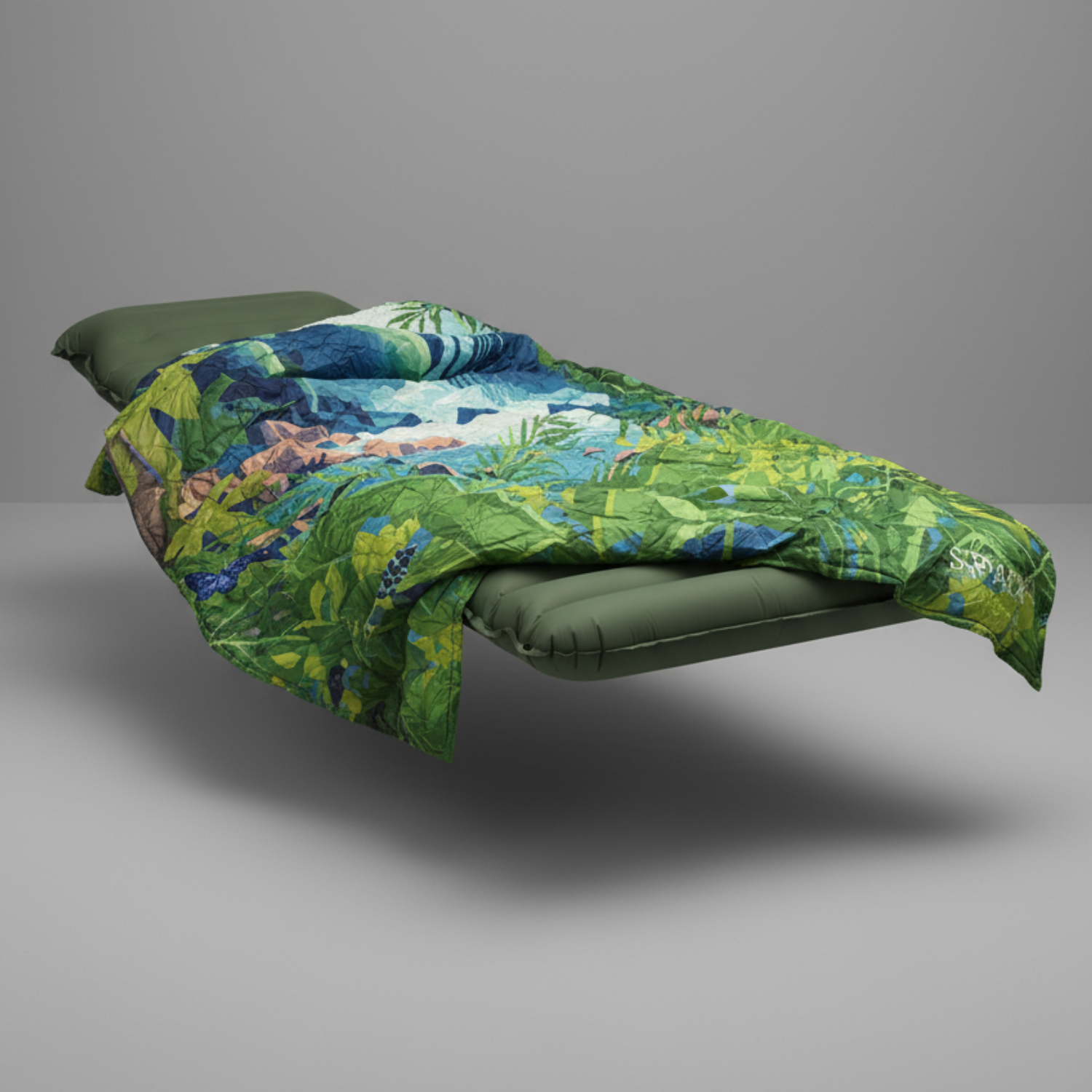
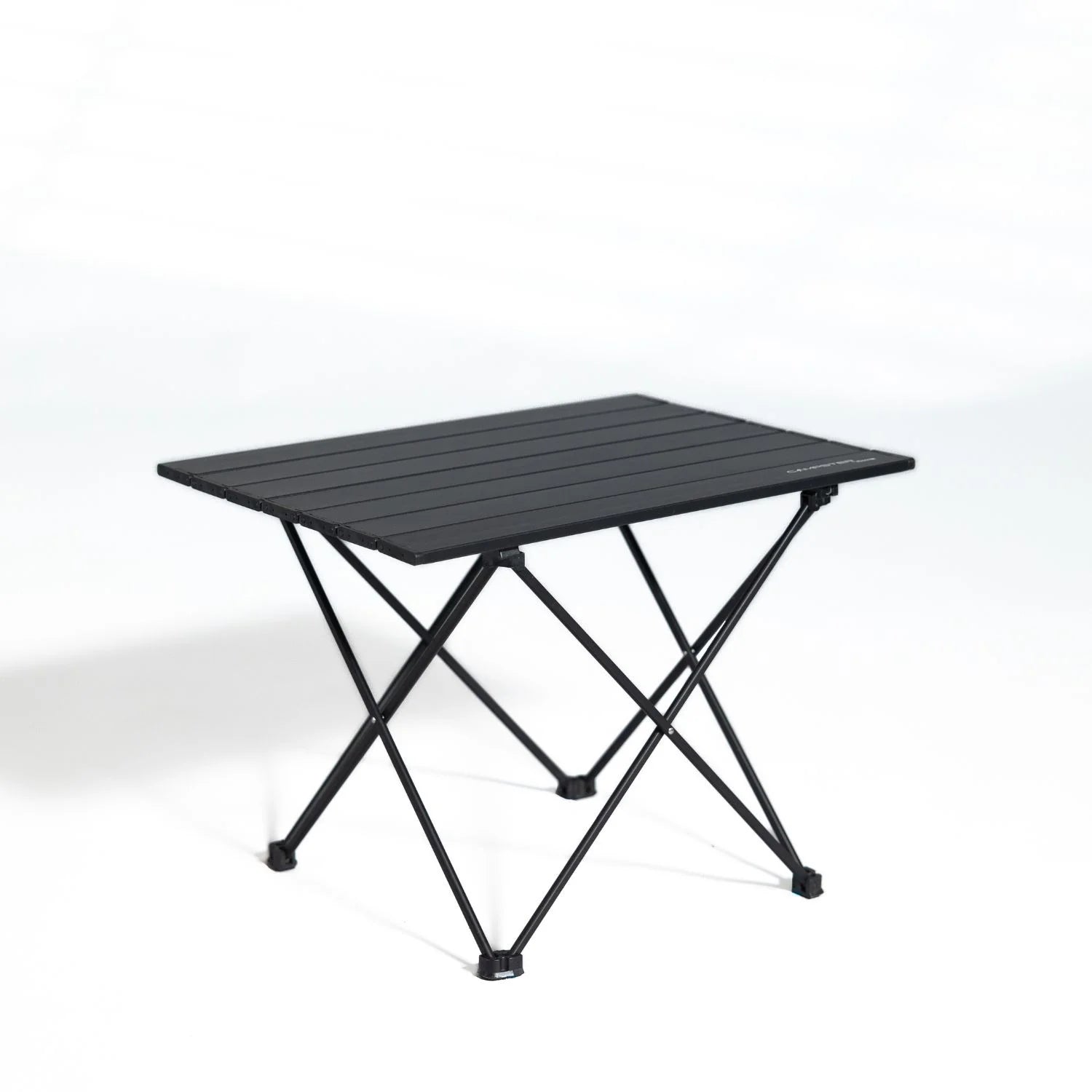
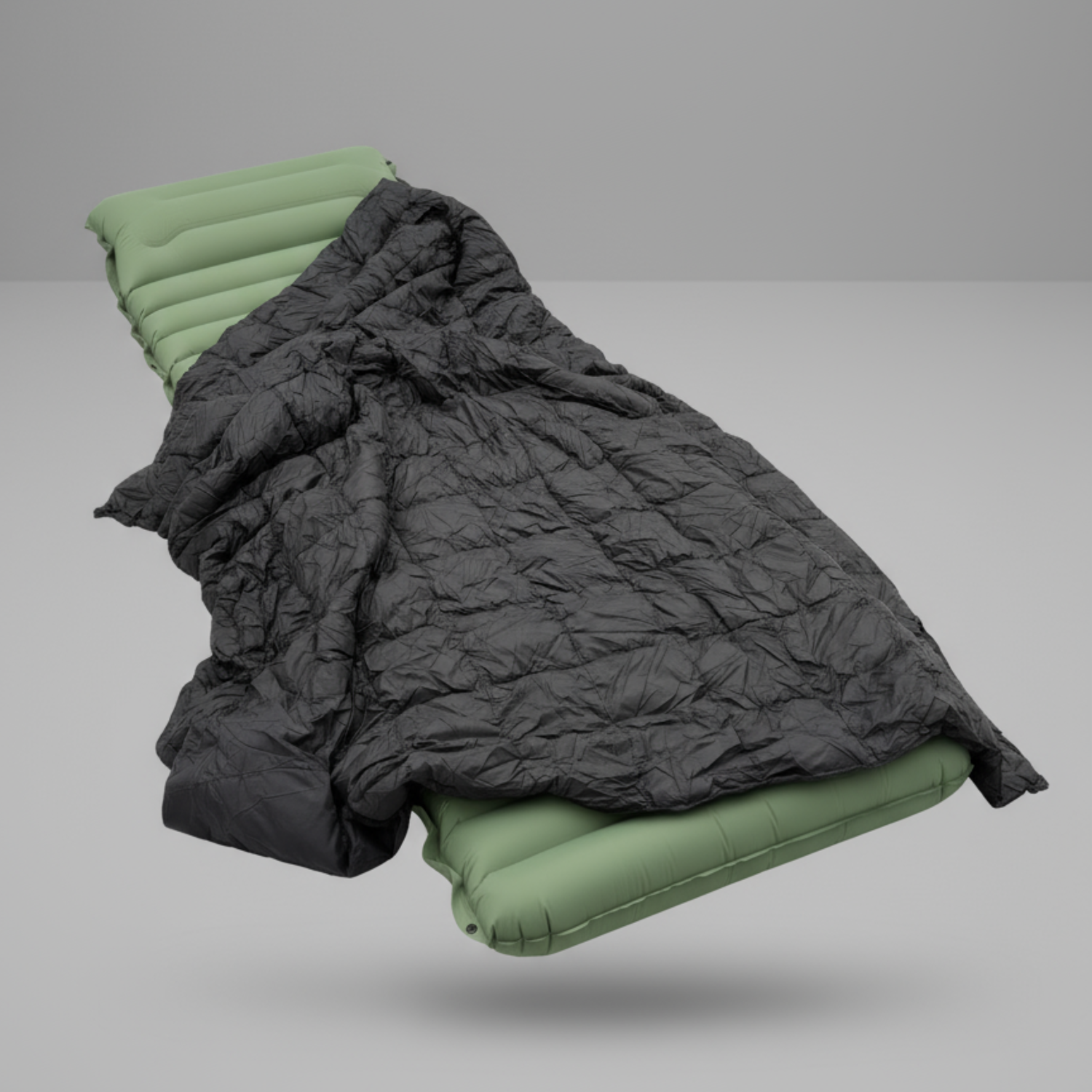
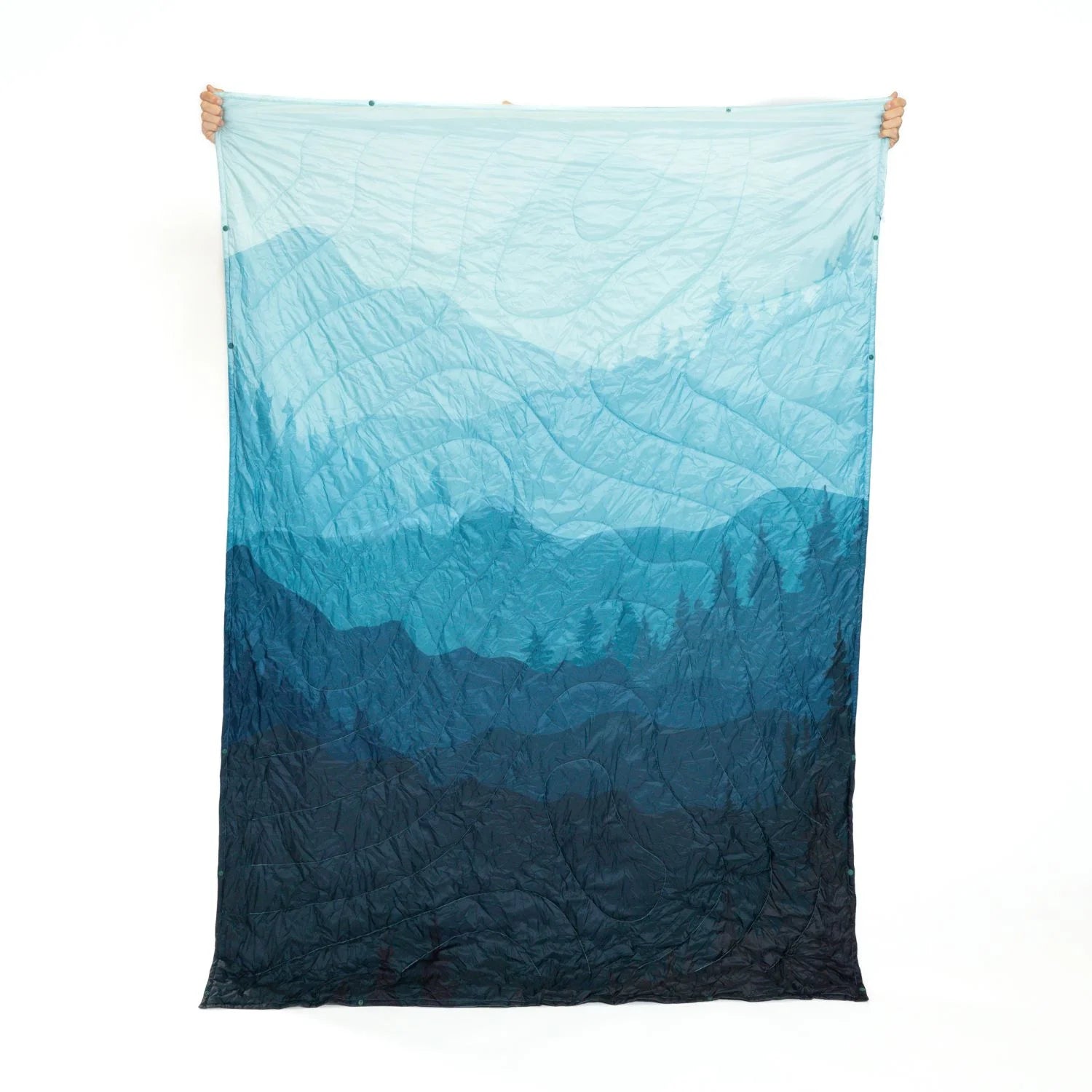
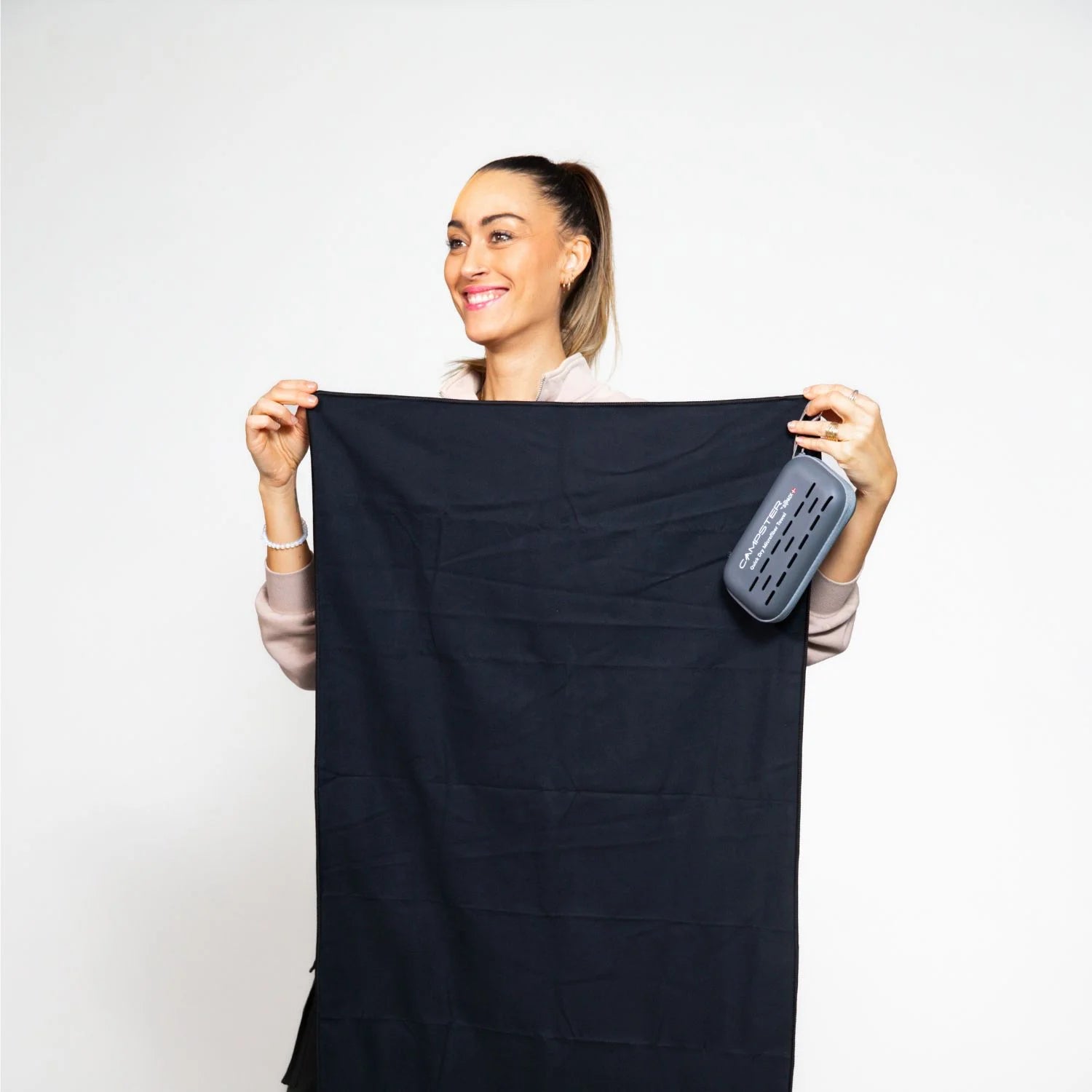


Danish Company


If you’ve ever stood in a parking lot debating whether to pack the comfy camp chair or the ultralight sitting pad, you already know the struggle. Travelers and outdoor enthusiasts have long faced an annoying trade-off: haul heavy gear for comfort, or go spartan and spend every evening perched on a rock. The good news? Modular furniture has quietly rewritten that deal. Today’s best portable setups are lightweight, tool-free, and built from eco-conscious materials that don’t cost the planet a favor. This guide breaks down everything you need to know to pick the right modular furniture for your next adventure.
| Point | Details |
|---|---|
| Modular means adaptable | Travel modular furniture adapts to changing needs and space, making every trip more comfortable. |
| Lightweight and eco-friendly | Advances in materials ensure modular gear is both portable and sustainably produced. |
| Know your priorities | Choose gear based on a balance between setup speed, portability, durability, and comfort. |
| Test before you go | Always assemble new gear at home to prevent surprises out in the field. |
Modular furniture, in the travel context, means gear that can be assembled, reconfigured, and broken down quickly without tools. Think of it as the LEGO system of outdoor comfort: individual components that snap, clip, or slot together to form chairs, tables, sleeping platforms, or whatever your campsite demands that evening.
The core idea is flexibility. Instead of one fixed piece of furniture that does one thing, modular systems let you adapt. A set of poles and a seat fabric becomes a chair. Add a surface panel and voila, you’ve got a side table. Swap in a wider base and you have something closer to a lounger. The same components serve multiple purposes, which means less gear overall.
What makes furniture genuinely modular for travel comes down to a few defining traits:
“The shift toward modular travel furniture reflects a broader demand for gear that adapts to the traveler, not the other way around. Ultralight materials and smart engineering have made it possible to have genuine comfort without the penalty of extra weight.”
The Helinox Chair One (re) is probably the most recognized example in this space. It pioneered the idea that a real, supportive camp chair could pack down to the size of a water bottle. That concept has since spread across the entire portable furniture market, inspiring tables, cots, and even modular kitchen setups designed for travelers who refuse to rough it unnecessarily.
For everyday travelers, the practical upside is enormous. You’re no longer choosing between comfort and convenience. Modular furniture hands you both, and it does it in a package that fits in your carry-on or straps to your backpack without drama.
Now that you know what modular means, let’s see how the right materials and designs make these products a portable reality.
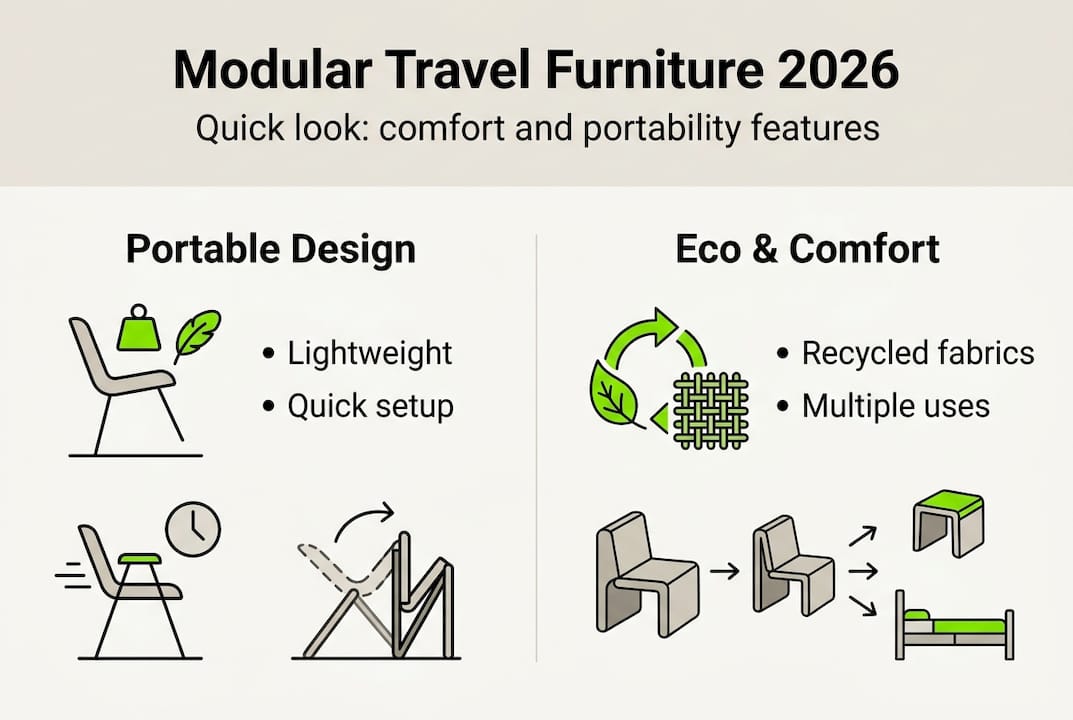
The secret weapon in modern modular furniture is advanced aluminum alloy. It’s rigid enough to support a full-grown adult, light enough to forget it’s in your pack, and corrosion-resistant enough to survive a week of coastal camping. Paired with recycled polyester or ripstop nylon fabrics, these frames create setups that feel solid but weigh almost nothing.
Here’s a quick look at how some popular modular travel furniture stacks up:
| Product | Weight | Packed size | Max load |
|---|---|---|---|
| Helinox Chair One (re) | 2 lbs 7.5 oz | 14.6 x 4.7 x 4.3 in | 320 lbs |
| BOXIO TABLE | 8.6 lbs | 35.4 x 3.9 x 7.1 in | 66 lbs |
| Sitpack Campster II | Under 2 lbs | Fits in a jacket pocket | 265 lbs |
The Helinox Chair One (re) weighs just 2 lbs 7.5 oz, supports up to 320 lbs, and packs to a remarkably small 14.6 x 4.7 x 4.3 inches, making it a legitimate option for both backpackers and car campers. The BOXIO TABLE takes a different approach, using Eurobox-compatible modules for height adjustment up to 35.5 inches, holding 66 lbs, and packing to 35.4 x 3.9 x 7.1 inches at 8.6 lbs.
Setting up most modular chairs follows a satisfyingly simple process:
Compared to traditional folding chairs, which often involve stiff hinges, rusted bolts, and a minor wrestling match, this process is genuinely pleasant. Fixed folding furniture also tends to be heavier and bulkier, with no option to reconfigure for different uses.
For a deeper look at what separates good from great in this category, the lightweight outdoor seating guide covers the full spectrum of options worth considering.
Pro Tip: If you’re camping on soft ground like sand or loose soil, pack a small square of rubber matting or a dedicated ground sheet. Slipping it under your chair’s feet prevents the legs from sinking and keeps your setup stable all evening.
Beyond portability, today’s travelers need furniture that respects the planet. That’s where eco-friendly modular solutions shine.
The modular approach is inherently less wasteful than traditional furniture. When one part breaks on a conventional folding chair, the whole thing usually ends up in a landfill. With modular systems, you replace only the broken component. That single design choice dramatically extends the product’s life and keeps material out of the waste stream.
But the sustainability story goes deeper than repairability. Leading brands are now building eco-conscious choices directly into the materials themselves. Here’s what to look for when shopping for greener modular gear:
The FoldAway modular sofa is a useful case study here. Its eco-features include recycled PET and wool upholstery, repurposed aluminum construction, and bluesign-certified fabrics, with modular designs that reduce waste through repairability and recyclability. That’s a meaningful package for travelers who want their gear choices to align with their values.
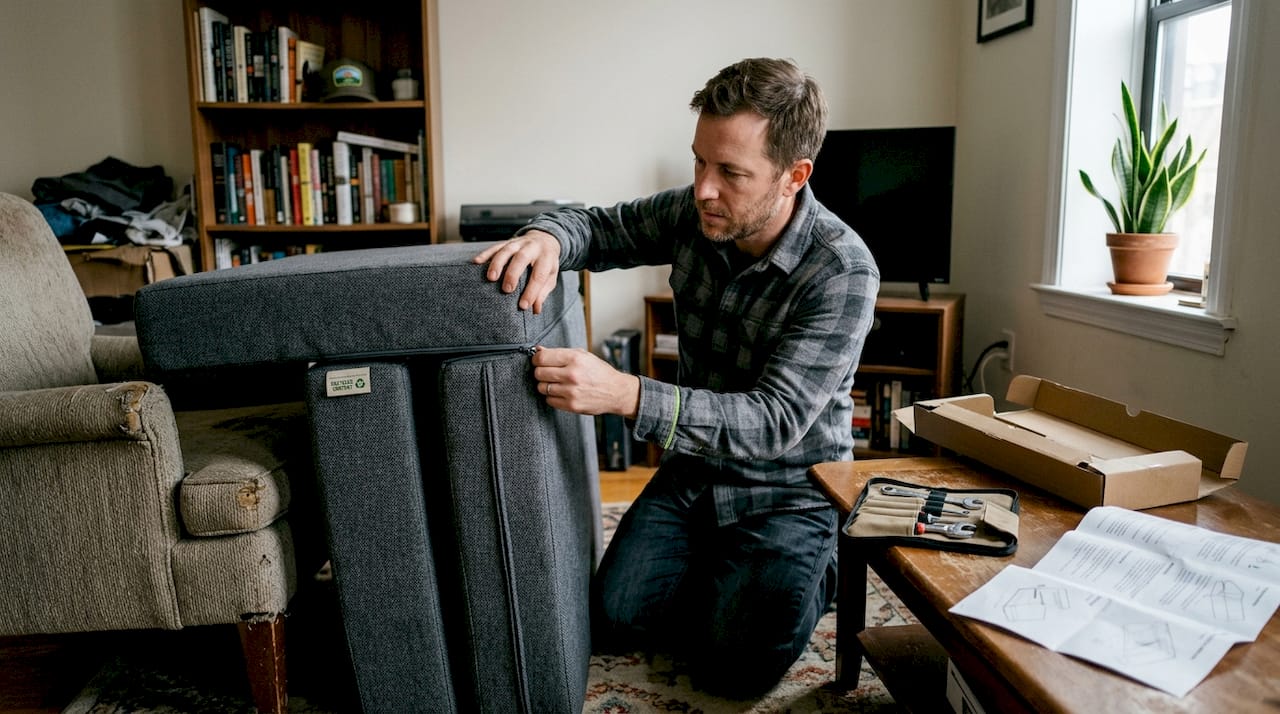
Brands like Helinox, FoldAway, BOXIO, and Muvo are actively pushing this space forward. They’re proving that ultralight and eco-conscious aren’t competing priorities. Done right, they reinforce each other: lighter materials often require less energy to produce, and modular construction naturally supports longer product lifespans.
For travelers who care about their footprint as much as their comfort, exploring sustainable modular options is a genuinely rewarding rabbit hole. The market has matured quickly, and the quality of eco-focused gear today is impressive.
Not all products are equal, and some come with real trade-offs. Here’s how to get the most out of modular options based on expert experiences.
Let’s start with an honest comparison between modular and fixed furniture:
| Feature | Modular furniture | Fixed folding furniture |
|---|---|---|
| Setup speed | 1 to 3 minutes | Under 30 seconds |
| Packed size | Very compact | Bulky |
| Weight | Ultralight | Moderate to heavy |
| Weather performance | Good, varies by model | Consistent |
| Flexibility | High, multiple configs | Low, single use |
| Repairability | Excellent | Poor |
The trade-off is real: fixed folding furniture wins on raw setup speed. If you’re a solo traveler setting up camp in a rainstorm, a traditional folding table that opens with one flick is genuinely faster than assembling a modular system with cold, wet hands. Modular setups can be less ideal for solo quick setups compared to fixed folding tables in bad weather, so it’s worth being honest with yourself about your typical conditions.
Here’s what to check before buying any modular gear:
For a curated breakdown of top-performing options, the expert lightweight chair list is a solid starting point. And if you want to see how modular principles extend beyond chairs into full camp setups, Muvo modular furniture offers some genuinely creative configurations worth exploring.
Pro Tip: Always do a full test assembly at home before your first trip. You’ll learn the quirks of your specific system in a comfortable setting, not in the dark with a headlamp and hungry campmates waiting.
Let’s step back and be blunt about something the marketing rarely says out loud: modular travel furniture is not for everyone, and pretending otherwise does you a disservice.
The “one-size-fits-all comfort” pitch is a myth. If you’re glamping with a car full of gear and a generator, you don’t need a modular system. You need a good fixed chair and a solid table, full stop. Modular gear earns its keep when weight and pack size are genuine constraints, not just aspirational ones.
For real adventure travel, backpacking, cycle touring, or multi-day hikes, the weight and portability advantages are transformative. But if your “outdoor adventure” involves driving to a campsite and setting up 50 meters from your trunk, the assembly complexity of modular furniture may frustrate more than it impresses.
It’s also worth noting that home modular sofas are fantastic for urban travelers but are far too heavy for outdoor or backpacking use. Camping modular gear prioritizes ultralight construction over deep lounging comfort, so if you’re expecting the sinking-into-a-sofa feeling, you’ll be disappointed. The field-tested modular reviews on our site give you an honest picture of what real-world use actually looks like.
The travelers who benefit most are those who genuinely move, who cover ground, who prioritize the journey over the base camp setup. For them, modular furniture is a genuine game-changer.
If the idea of packing light without sacrificing a decent place to park yourself at the end of a long trail day sounds appealing, you’re in the right place. At Sitpack, we’ve built our entire lineup around exactly that philosophy: gear that travels as hard as you do, without weighing you down.
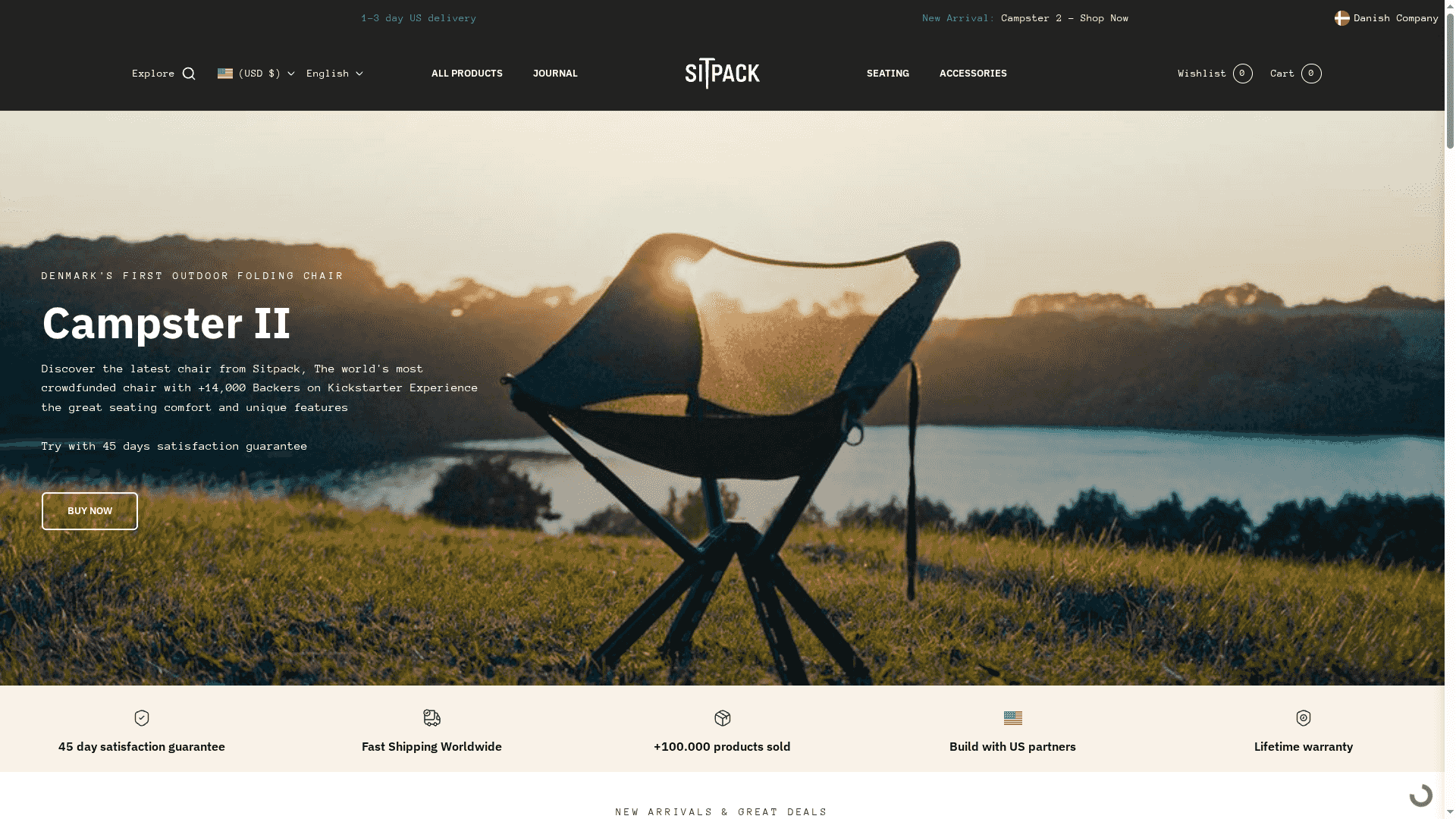
From the Campster II to the Sitpack Zen, our modular travel solutions are designed for travelers who want real comfort in a genuinely portable package. Browse our curated picks, read real user reviews, and see the full lightweight guide to find the setup that fits your adventure style. Your next trip deserves better than a cold rock.
Travel modular furniture allows tool-free assembly using shock-corded poles and clip systems, supports multiple configurations, and adapts quickly for seating, storage, or other needs without carrying extra gear.
Most portable modular chairs balance lightweight build with genuine support. The Helinox Chair One (re) supports 320 lbs and handles hours of use comfortably, though deep-sofa-style lounging isn’t what these chairs are built for.
Use rubber feet or a ground sheet under your chair’s legs. Soft ground causes legs to sink on even well-designed chairs, and a simple mat solves the problem instantly.
Many leading brands genuinely earn the label. Recycled PET fabrics, repurposed aluminum, and bluesign-certified materials are increasingly standard, and the modular design itself reduces waste by making individual parts replaceable.
Choose modular if weight and flexibility matter to your travel style. Modular setups are less ideal for solo travelers in bad weather who need instant deployment, where fixed folding furniture wins on pure speed.