Cart
0
Sign up and get 10$ off your order
Expected delivery
1-3 days
You may also like


Danish Company

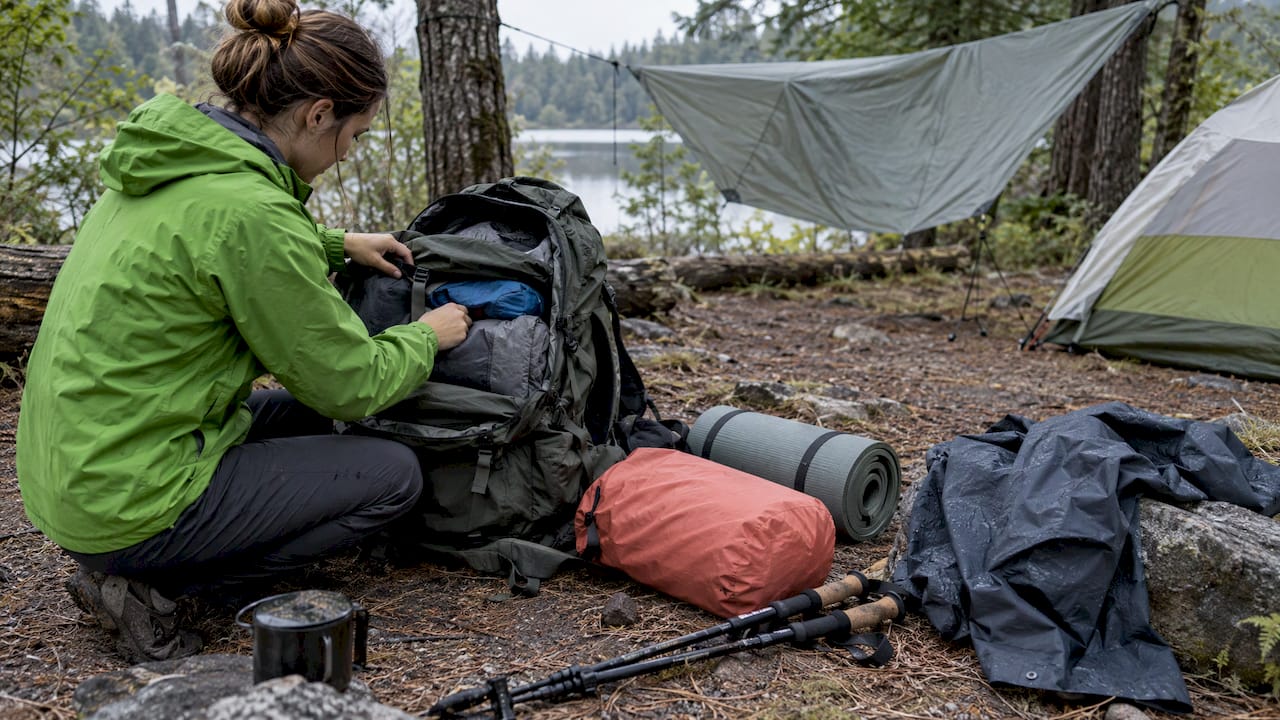
Multi-use travel gear is any item that earns its space in your bag by doing two or three jobs: a packing cube that doubles as a laundry bag, a neck gaiter that works as a sun shade, a foldable chair that is also your lunch counter, your waiting-room seat and your campfire perch. Pick things that pass the “at least two jobs” test, add a lightweight seat you will actually use, and your bag gets lighter without your trip getting any less comfortable.
We make portable seating at Sitpack, so we are a bit biased about where to start. Still, the logic holds for any kit: the heaviest thing in your pack is usually the thing you carry for one purpose and use for ten minutes.
A lot of “multi-use” labels are marketing. Real multi-use gear has three traits: the second job is something you genuinely need on the trip, it does that job without a trick, and it does not make the first job worse.
The Washington Trails Association treats this as a skill rather than a shopping list. Its multipurpose-gear guide points out that a foam sleeping pad can serve as a sit pad that will not pop on rocky ground and can lean against a tree as a backrest, a stuff sack filled with clothes makes a pillow, and hiking poles propped in the ground can dry a tent or rain fly in the sun. Rain gear, the same guide notes, can also protect you from mosquitoes, biting flies and stinging nettle.
Notice what those examples have in common. Nobody bought a pillow; they reused a stuff sack. The trick is to look at what you already pack and ask what else it could do, then buy the few new things that fill real gaps.
KEEN’s multi-use hiking gear guide makes the same point with small items. A neck gaiter can be a helmet liner, face cover, hat, sun shade, wind break or insect shield, and you can dip it in cold water to cool down. Paracord can hang a lantern or secure a tarp, and carabiners hang gear or tension a rain tarp.
Before anything goes in your bag, ask three questions:
If the answer to the third question is yes, you have found a keeper. A blanket that is also a seat cushion and a pillow replaces two items. A chair that is also a table-height perch for your stove replaces a bit of everything.
If you do nothing else, start with how your luggage is organized. Wirecutter’s guide to maximizing space when packing lists packing cubes to compress and organize clothes, a toiletry bag or see-through pouch for personal-care items, and small sealed waterproof bags for anything that might leak. It also suggests an optional roll-top bag packed along the spine of your luggage that doubles as a laundry bag, an emergency holdall and a sack for wet clothes. That one bag is multi-use gear in its purest form.
The same guide’s author argues that packing cubes beat bundling and rolling, because compression and “Tetris-like” stacking pay off most when you move between several destinations.
Wirecutter tested 36 sets of cubes over eight years. Its packing-cube review says the best balance of quality and value sits between $20 and $40, and that a standard 12-liter cube weighs about 4 oz while ultralight versions come in around 2 oz. It matches sets to the traveler: a standard set for most people, a lightweight set for light packers and a compression set for heavy packers.
A few practical notes from using cubes on the road:
A packable daypack is another classic two-in-one. Wirecutter’s packable daypack testing covered 18 bags for travel, hiking and commuting. Its picks hold at least 20 liters comfortably, are water resistant to some degree and fold small enough to fit easily in a carry-on. Stash it in your suitcase on the way out, then use it for day trips and the flight home when your souvenirs have outgrown the suitcase.
Clothing and soft goods are where multi-use thinking pays off most, because they are bulky and you rarely use them for just one thing.
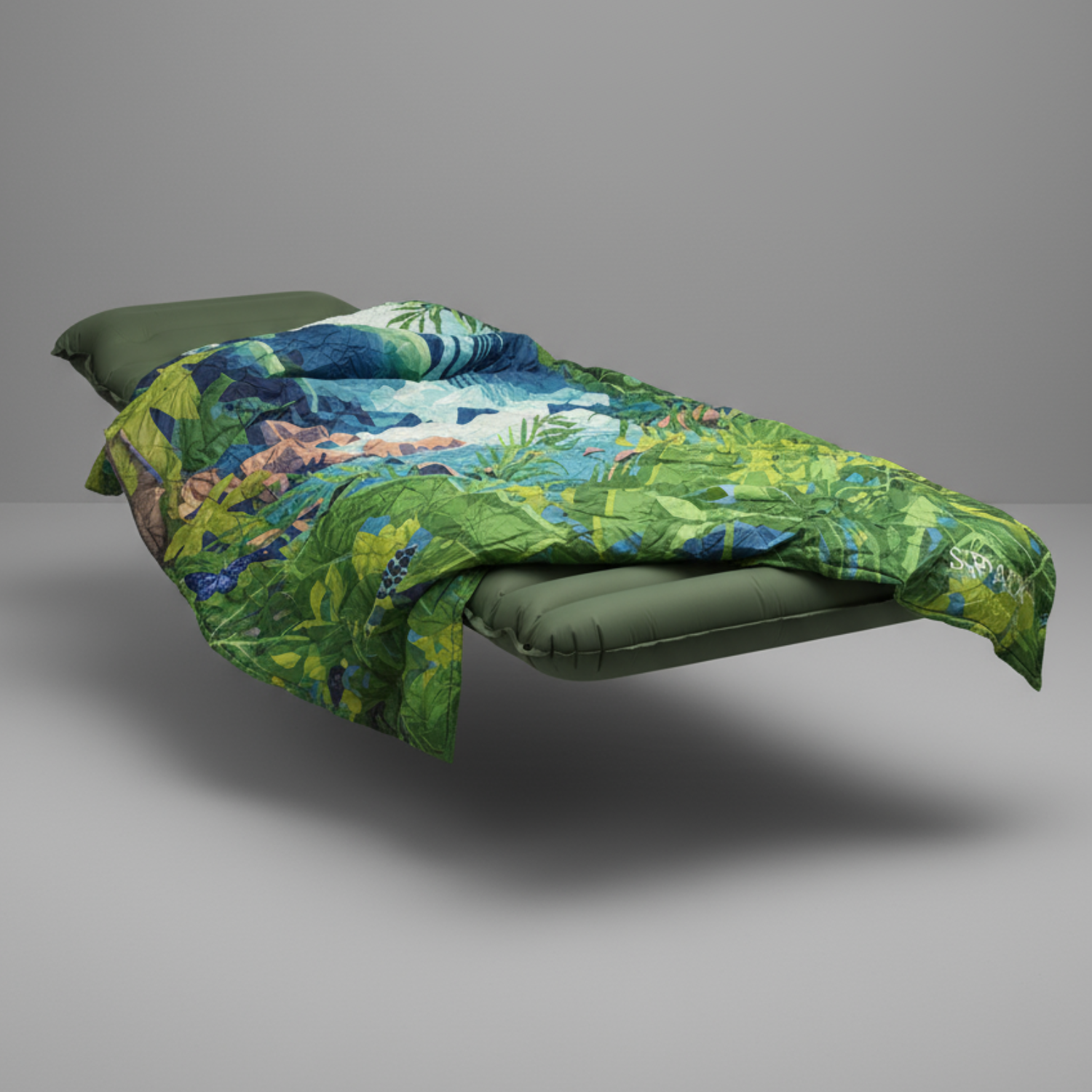
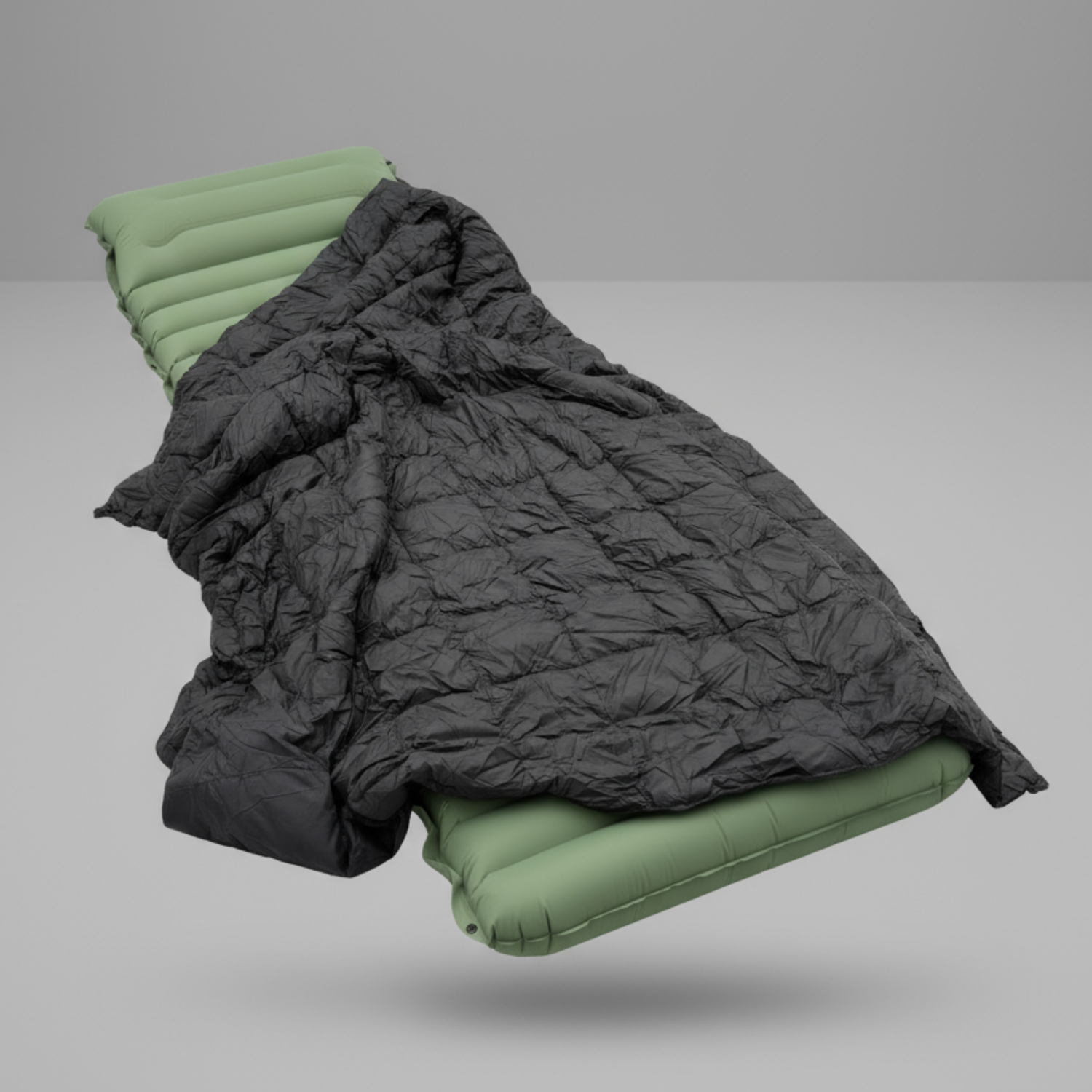
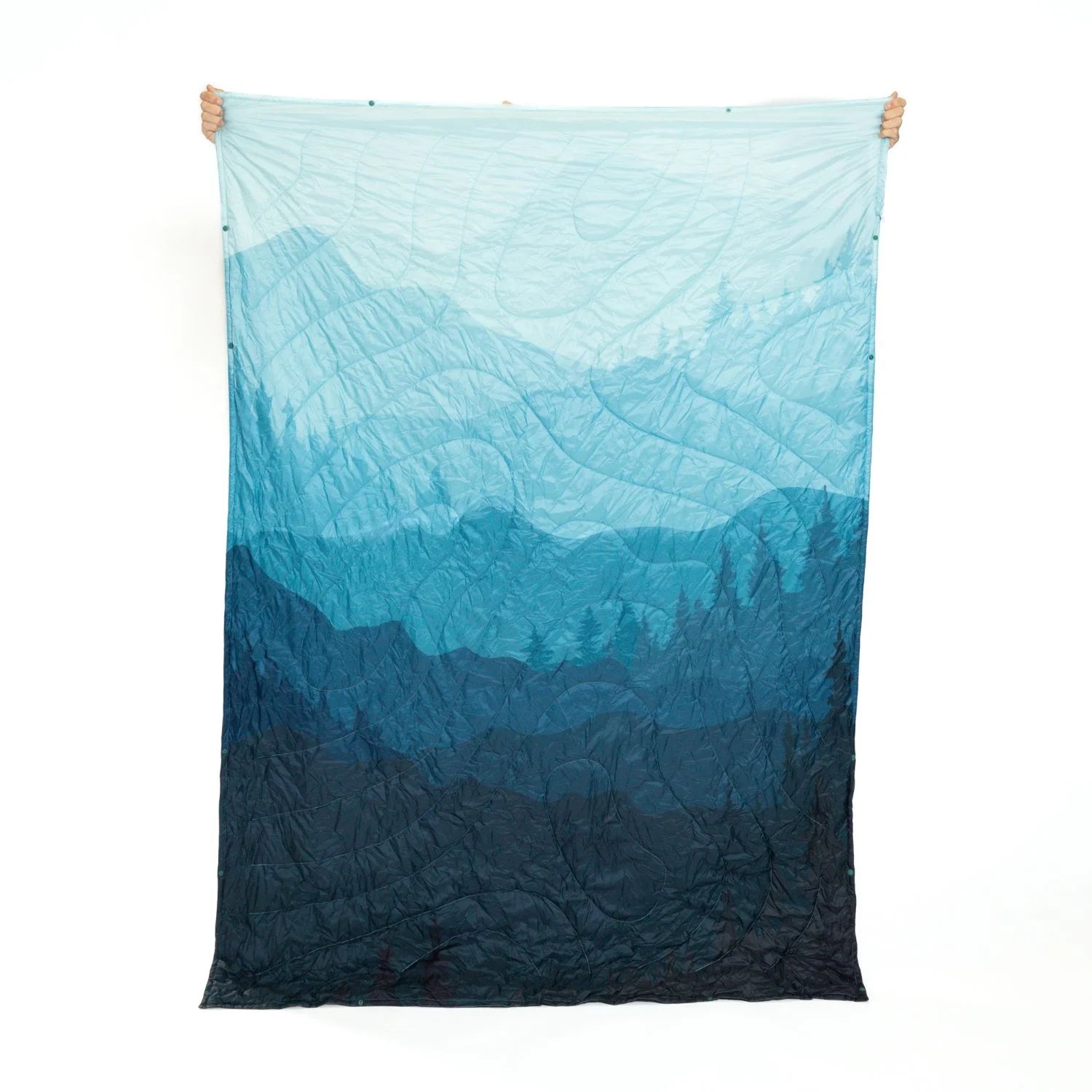
Our Airwrap puffy adventure blanket is built around that last idea: one soft piece that works as a wrap, a seat cushion or a pillow on the road. If you are building a kit from scratch, a wrap like this does the jobs of three separate items.
Small accessories add up. Here are the ones that routinely earn their weight:
| Item | Main job | Second and third jobs |
|---|---|---|
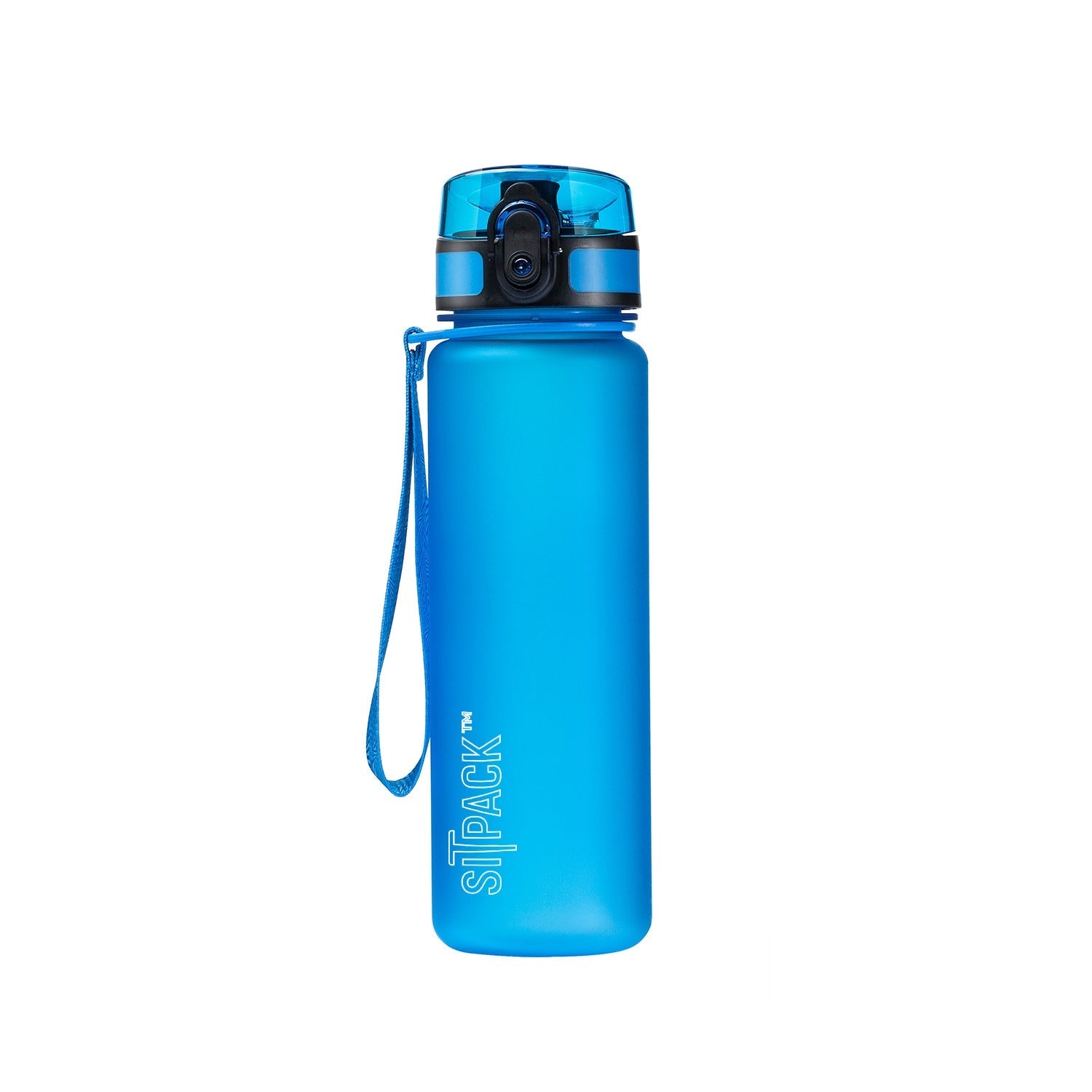
| Reusable water bottle | Hydration | Hot-water bottle on a cold night, ice-water neck cooler when wrapped in a cloth |
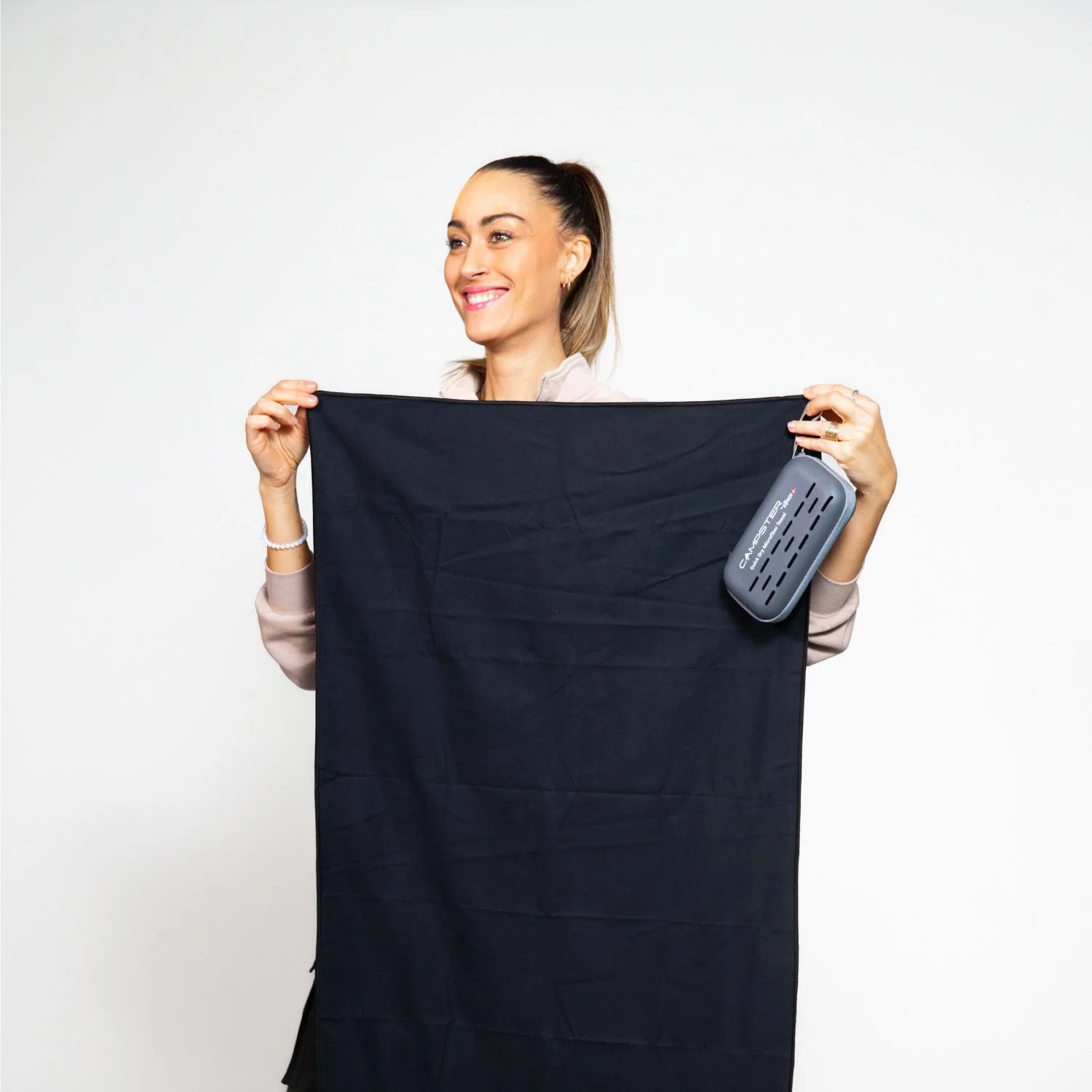
| Quick-dry travel towel | Drying off | Beach mat, seat cover, sun shade, wipe-down cloth for gear |
| Roll-top bag | Carrying wet or dirty items | Laundry bag, emergency holdall, beach bag |
| Neck gaiter | Neck warmth | Sun shade, headband, face cover, bug barrier |
| Camp light | Light at camp | Tent light, nightlight, table light for a picnic |
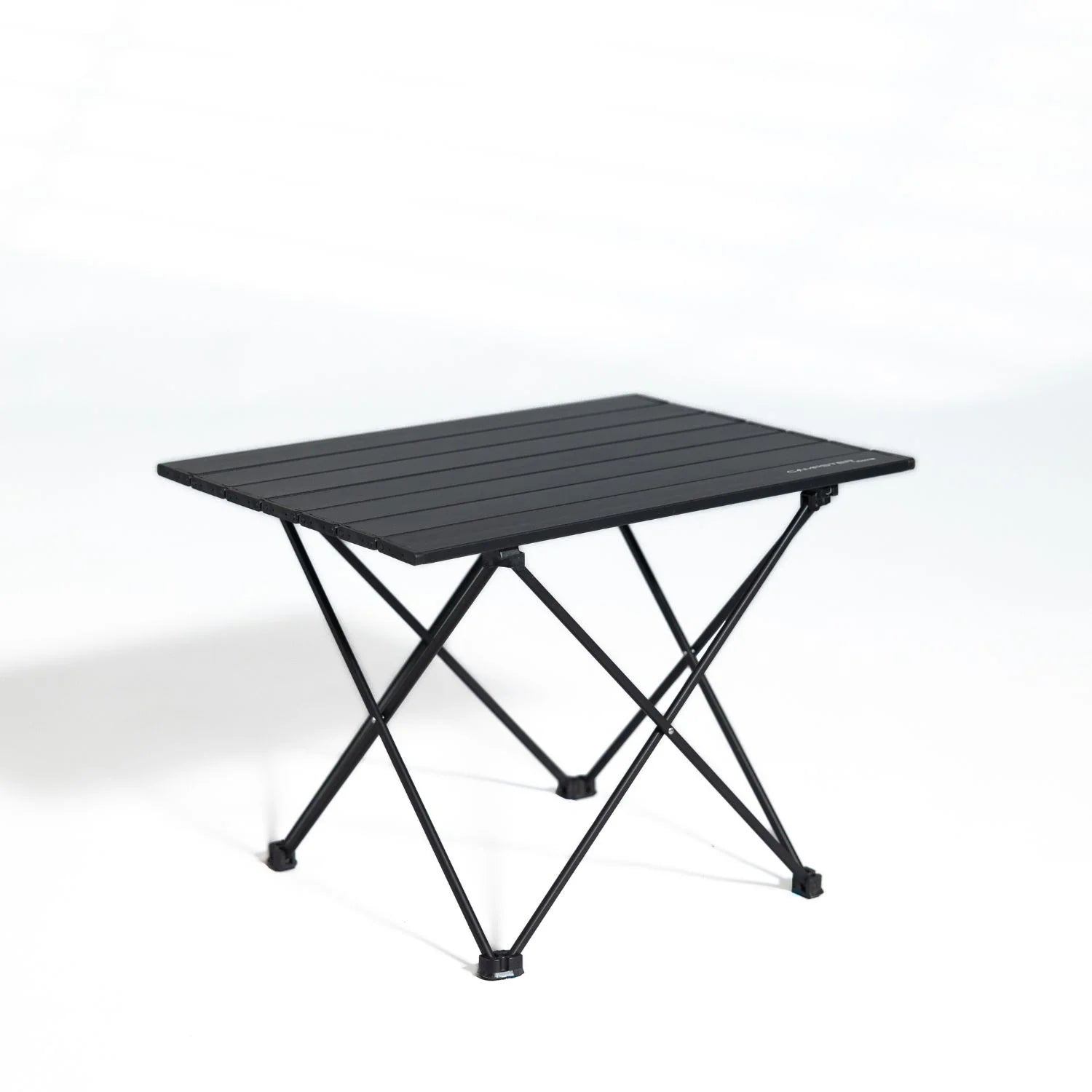
| Foldable chair or stool | Seating | Footrest, low table, waiting-room lifesaver |
We carry travel towels, water bottles and the OCTO line for this reason. The OCTO Camp Light is a good example of gear that fits camp, tent and picnic evenings alike, and the OCTO Quick Tent covers shelter for a day at the beach or the park.
Seating gets left out of most travel lists, and that is a shame, because a seat solves problems everywhere you go. Think about how much of a trip is spent standing around: boarding gate lines, train platforms, trailheads, a market with no benches, a festival lawn, a long photo stop, a kid’s soccer sideline on the way back home.
A lightweight, foldable chair turns each of those into a comfortable break. It is also a camp chair, a beach perch, a stool to put your boots on and a place to eat lunch that is not the dirt. That is five jobs from one item, which is the whole point of this article.

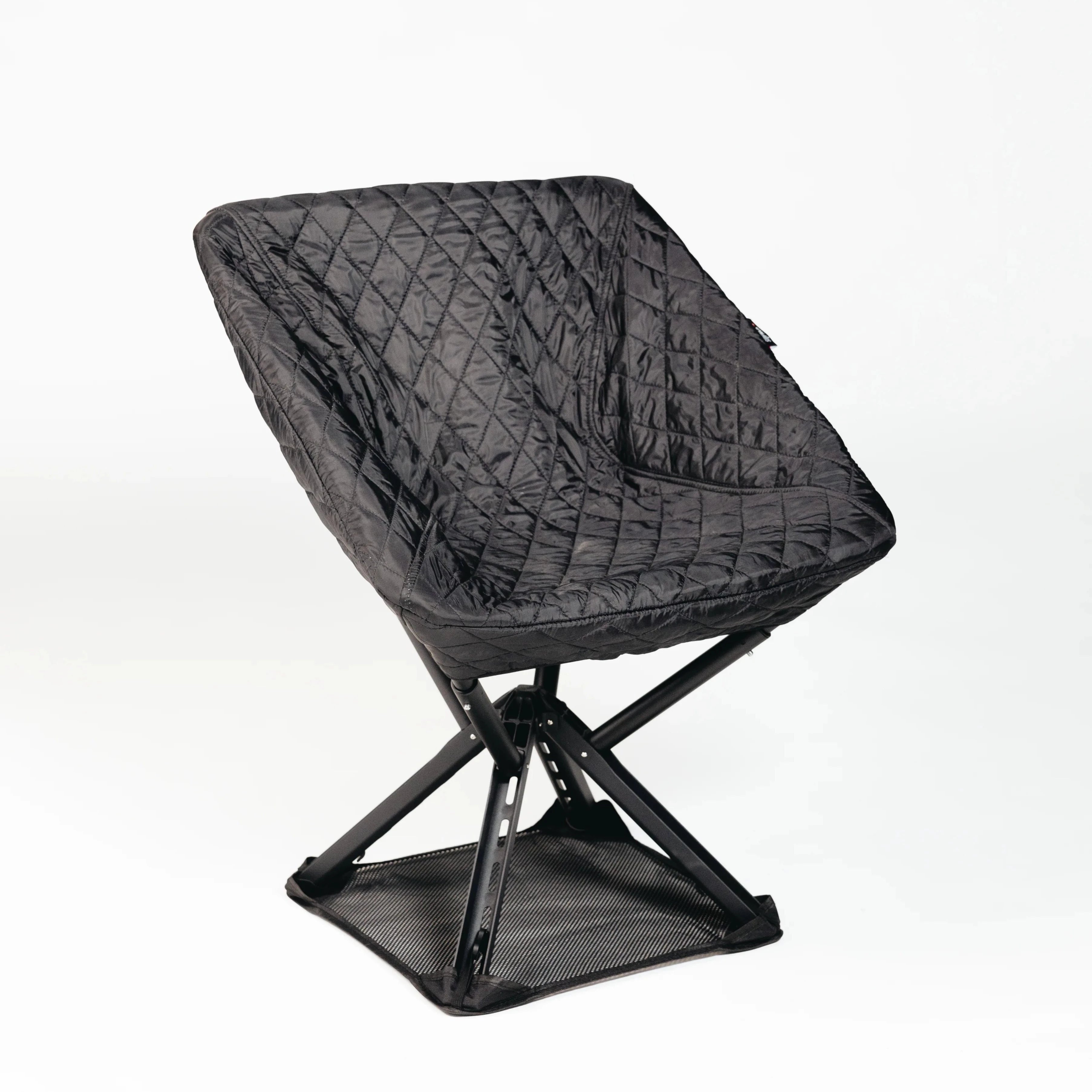
That is exactly what we designed the Campster II for: portable, foldable seating with a lightweight, minimalistic design built to be carried everywhere, not stored in the trunk. If you want to see how seating can pull double duty, our guide to multifunctional seats for outdoor comfort walks through seven examples.
The Sitpack range also includes other seating and stools, and you can browse all of it on our full product collection.
If you are interested in teaching younger travelers how this kind of improvised thinking works, camping skills for children shows how everyday items can double as a seat or a pillow once kids learn to look at gear that way.
Once you have a short list, run each item through four checks. They apply to a chair, a blanket, a cube or a bottle.
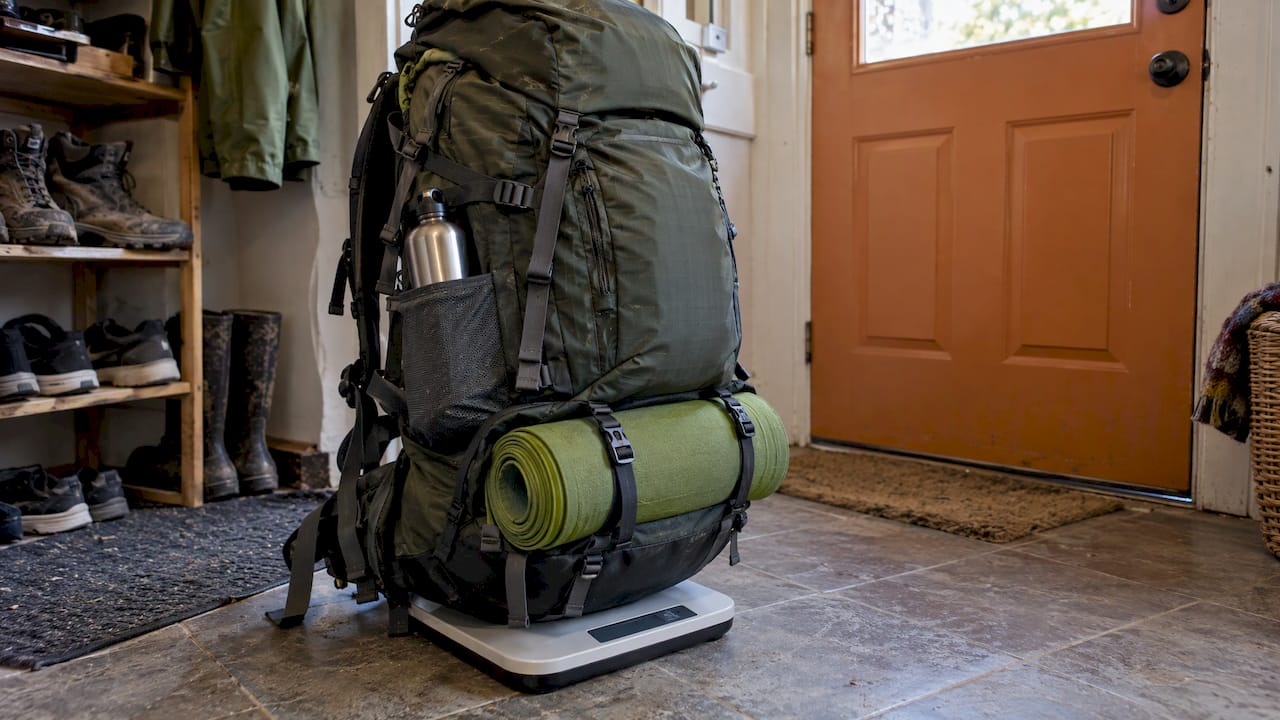
Weight is cumulative. Ounces feel like nothing in the shop and a lot at mile six. Wirecutter’s figures give you a reference: a standard packing cube is about 4 oz and an ultralight one about 2 oz, so a set of five can differ by half a pound before you have packed a thing. Our own writing on why lightweight travel matters for outdoor comfort goes deeper on how small savings add up.

A light item that does not pack down is still a problem. Ask where it will live in your bag: in a side pocket, strapped to the outside, or rolled up inside a cube. If it needs its own bag, it needs to earn that space with more than one job.
Multi-use gear works twice as hard, so it wears out twice as fast if it is flimsy. Look at stitching, zippers and fabric. A tip from reviewers in the packing-cube world applies everywhere: check stitching quality before you trust a piece of gear with a whole trip. We back many of our designs with a lifetime warranty on select items and a 45-day satisfaction guarantee, so you can buy with confidence.
Comfort is the check people skip. A seat that is light but awkward stays at home. A blanket that is warm but scratchy gets left behind. If you will not use it willingly, it is dead weight, however many jobs it claims to do.
Searchers often ask about the 5-4-3-2-1 packing rule. It is a clothing formula: 5 tops, 4 bottoms, 3 pairs of shoes, 2 layering pieces and 1 set of accessories. It is a handy way to cap your wardrobe, and it works best when every piece mixes with the others.
You can borrow the idea for the rest of your kit. A similar cap for gear might look like this:
That is a template, not a law. Trim it for a weekend city break, stretch it for a week of camping.
If you are flying with a carry-on, your toiletry pouch has to follow the TSA’s 3-1-1 rule. Liquids must be in containers of 3.4 ounces (100 ml) or less, all fitting in one quart-size bag per passenger, and empty reusable water bottles are fine through the checkpoint. That makes an empty bottle one of the easiest multi-use items to carry: fill it after security and it is ready for the whole day.
| Trip type | Core multi-use items | Seat plan |
|---|---|---|
| City weekend | Packable daypack, one wet bag, gaiter or scarf | Foldable stool or chair for markets and parks |
| Road trip | Cubes by person, blanket, bottle | Chair for rest stops and sideline picnics |
| Camping weekend | Light, blanket, towel, gaiter | Camp chair at the fire |
| Long-haul travel | Compression cube, wrap, empty bottle | Compact seat for layovers |
For more on trimming a pack for the outdoors, see our guide to lightweight packing, and our piece on minimalistic camping gear covers why lighter, simpler kit tends to be friendlier to the planet too.
If you care about waste, multi-use gear is already on your side: owning fewer, longer-lasting things beats owning many single-job ones. When you buy, favor durable materials and repairable designs, and think of a warranty as part of the product. Our approach is to use durable and often eco-friendly materials and to stand behind select items with a lifetime warranty, so what you buy keeps working for many trips.
We started Sitpack in Denmark with a simple irritation: you carry a bag full of gear, and there is still nowhere comfortable to sit. A chair feels like a luxury until you have one at the right moment, and then it feels like the most obvious thing in the pack.
That is why we think seating belongs in every multi-use kit. It is the one item that makes all the others more pleasant to use. You cook better when you are not crouching. You read the map better when you are not balancing on a rock. You enjoy the view more when your back is happy.
Our approach is lightweight and minimalistic by design. Every ounce has to justify itself, and we would rather make one thing that does many jobs than ten things that each do one. The Campster II, the Airwrap blanket and the OCTO range all follow that logic, and we back them with a 45-day satisfaction guarantee, plus a lifetime warranty on select items.
So when you plan your next kit, start with the two-job test, trim your clothing with a rule like 5-4-3-2-1, and then put a good seat at the center of the list. The rest tends to fall into place.
Jonas
If you want a ready starting point, begin with the Campster II, our portable foldable chair, then add an Airwrap blanket and an OCTO Camp Light. We ship worldwide, and every order comes with our 45-day satisfaction guarantee. You can see everything on the Sitpack product page or start at sitpack.com.
It is any item that does at least two jobs you genuinely need on a trip. A packing cube that becomes a laundry bag, a gaiter that becomes a sun shade, or a blanket that becomes a seat cushion and pillow all count. If the second job is a stretch, it does not.
It is a minimalist clothing formula: 5 tops, 4 bottoms, 3 pairs of shoes, 2 layering pieces and 1 set of accessories. It keeps a capsule wardrobe small and mix-and-match friendly. You can adapt the numbers to the length and climate of your trip.
A compact foldable chair is designed to travel in or on your pack, which is why we make them. For flights, check your airline’s carry-on size and weight limits and pack the chair inside your bag or luggage. For road trips, hikes and camping, it simply rides along.
Most trips do well with two to four cubes in mixed sizes. Travel + Leisure’s tester packed 10 days of clothes for Greece without needing all five cubes in her set and still had room left in her duffel. Start small and add only if you are running out of room.