Cart
0
Sign up and get 10$ off your order
Expected delivery
1-3 days
You may also like



Danish Company


Packing light while protecting the wild places you love is no small feat for the modern American adventurer. With outdoor travel surging across the United States and Canada, more eco-conscious campers are trading bulky cotton towels for compact alternatives. In fact, up to 60 percent of gear weight comes from items that could be lighter or more versatile. This guide uncovers how travel towels help American explorers simplify their pack, stay dry anywhere, and tread gently on the planet.
| Point | Details |
|---|---|
| Travel Towels Are Essential for Outdoor Activities | Their lightweight, quick-drying materials make them ideal for hikers, campers, and travelers, providing excellent moisture management. |
| Material Choices Matter | Microfiber towels offer rapid drying and high absorbency, while alternatives like cotton and bamboo provide comfort but may lack efficiency. |
| Sustainability Benefits | Choosing environmentally friendly materials can reduce resource consumption and minimize the ecological impact of textile production. |
| Proper Maintenance Extends Lifespan | Avoid common mistakes such as improper drying and cleaning to maintain hygiene and functionality of travel towels in outdoor conditions. |
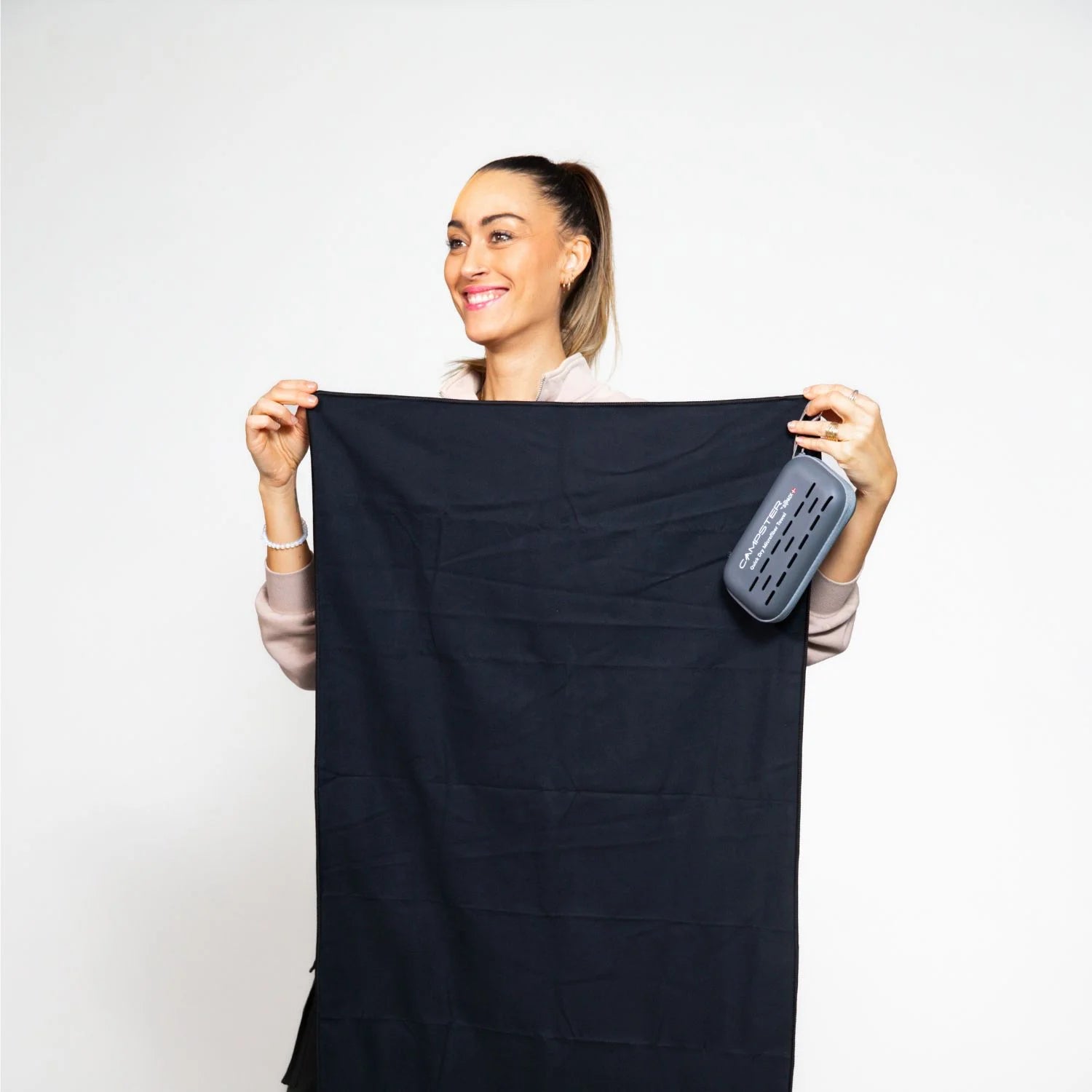
Travel towels represent a revolutionary lightweight solution for outdoor enthusiasts seeking practical moisture management during adventures. Unlike traditional bathroom towels, these compact companions are engineered specifically for mobility and performance in challenging environments. Travel towels are pieces of absorbent cloth designed for easy transport during outdoor activities, offering unparalleled convenience for hikers, campers, and global travelers.
The fundamental characteristics of travel towels distinguish them from standard terry cloth options. These specialized textiles typically feature ultra-lightweight microfiber construction, enabling rapid moisture absorption and near-instantaneous drying. Key attributes include:
Outdoor education programs recognize the immense utility of these multipurpose tools. These towels support practical needs in outdoor learning and adventures, facilitating hygiene and comfort during water-related activities. Whether you’re swimming in mountain lakes, kayaking coastal waters, or participating in wilderness training, travel towels provide essential functionality.
Pro tip: Select a travel towel with antimicrobial treatment to minimize odor and bacterial development during extended outdoor expeditions.
Travel towels represent a diverse ecosystem of materials engineered to meet the demanding needs of outdoor enthusiasts. Different fabric choices dramatically impact towel performance and overall user experience, with each material offering unique advantages for specific adventure scenarios. Understanding these variations helps travelers select the optimal towel for their specific outdoor activities.
The primary material categories for travel towels include:
Consumer research indicates that travelers select towels based on critical performance metrics like durability, weight, drying speed, and environmental impact. Microfiber towels have emerged as the most popular choice for serious outdoor enthusiasts due to their exceptional combination of lightweight design and rapid moisture management.
Here’s a side-by-side comparison of travel towel materials to guide your selection:
| Material Type | Best for | Downsides | Eco Consideration |
|---|---|---|---|
| Microfiber | Hardcore adventurers | Less soft texture | Often made from recycled PET |
| Cotton | Comfort seekers | Heavy, slow to dry | Biodegradable, high resource use |
| Bamboo | Eco travelers | Can be costly | Sustainable and antimicrobial |
| Synthetic blends | Durability needs | May lack softness | Varies, sometimes recycled |
Pro tip: When selecting a travel towel, prioritize weight and packability over pure absorbency, as these factors significantly impact your overall outdoor experience and luggage management.

Travel towels have emerged as a powerful tool for environmentally conscious outdoor enthusiasts seeking to minimize their ecological footprint. The evolution of sustainable textile manufacturing has transformed these essential accessories from simple moisture-management tools into sophisticated eco-friendly solutions that actively contribute to environmental preservation.
The sustainability advantages of modern travel towels span multiple dimensions:
Towel reuse programs demonstrate the significant environmental and economic benefits of minimizing laundry frequency, with travel towels representing a microcosm of this sustainable approach. By selecting high-quality, durable travel towels, adventurers can dramatically reduce water consumption, energy expenditure, and overall waste generation associated with traditional textile products.

Pro tip: Invest in high-quality travel towels made from sustainable materials, and commit to proper care and maintenance to maximize their ecological and economic benefits.
Outdoor education and adventure programs recognize travel towels as versatile tools that extend far beyond simple moisture management. These compact accessories have revolutionized how outdoor enthusiasts approach personal comfort, hygiene, and equipment management during wilderness experiences, transforming from basic drying tools into multipurpose survival assets.
The diverse practical applications of travel towels include:
Outdoor industry research confirms these towels are essential gear, valued for their lightweight design and fast-drying capabilities that support active lifestyles. Their compact nature means adventurers can carry multiple functional tools without sacrificing valuable backpack space, making them a strategic choice for minimalist travelers and serious outdoor enthusiasts.
The following table summarizes practical uses of travel towels across outdoor scenarios:
| Application Area | How It Helps | Advantage for Travelers |
|---|---|---|
| Personal Hygiene | Quick body/sweat drying | Maintains comfort in wild |
| Gear Maintenance | Wipe equipment surfaces | Protects electronics, gear |
| Survival/First Aid | Improvised bandaging | Useful for emergencies |
| Environment Utility | Water collection/filter | Supports sustainability efforts |
Pro tip: Pack multiple travel towels of different sizes to maximize versatility and preparedness during your outdoor adventures.
Traditional cotton towels represent a fundamental shift in textile design compared to modern travel towels, with each option presenting unique advantages for different scenarios. Understanding the nuanced differences helps outdoor enthusiasts make informed choices about their moisture management equipment.
Key comparison points between travel and traditional towels include:
Consumer research reveals that travelers carefully balance performance, comfort, and environmental considerations when selecting between these towel types. While traditional towels offer superior softness, travel towels excel in practical outdoor applications, making them increasingly popular among adventurers who prioritize functionality and space efficiency.
Pro tip: Consider owning both travel and traditional towels to leverage their respective strengths across different outdoor and home scenarios.
Outdoor travelers frequently encounter avoidable errors when managing their travel towels, which can compromise both performance and hygiene. Understanding these common pitfalls helps adventurers maximize the utility and longevity of their essential moisture management tools.
The most critical mistakes travelers make include:
Outdoor safety guidelines emphasize the importance of proper towel maintenance to prevent bacterial growth and maintain hygiene during adventures. Travelers who invest time in understanding their equipment can significantly extend their travel towels’ functional lifespan and performance.
Pro tip: Always hang your travel towel completely flat and open after each use, allowing complete air circulation to prevent bacterial growth and unpleasant odors.
Travel towels play a vital role in keeping you comfortable, hygienic, and eco-conscious during your outdoor adventures. This article highlights the importance of lightweight, quick-drying, and sustainable towels that reduce environmental impact while supporting your active lifestyle. At the same time, finding the right portable and durable gear to complement your travel towel is essential for the ultimate outdoor setup.
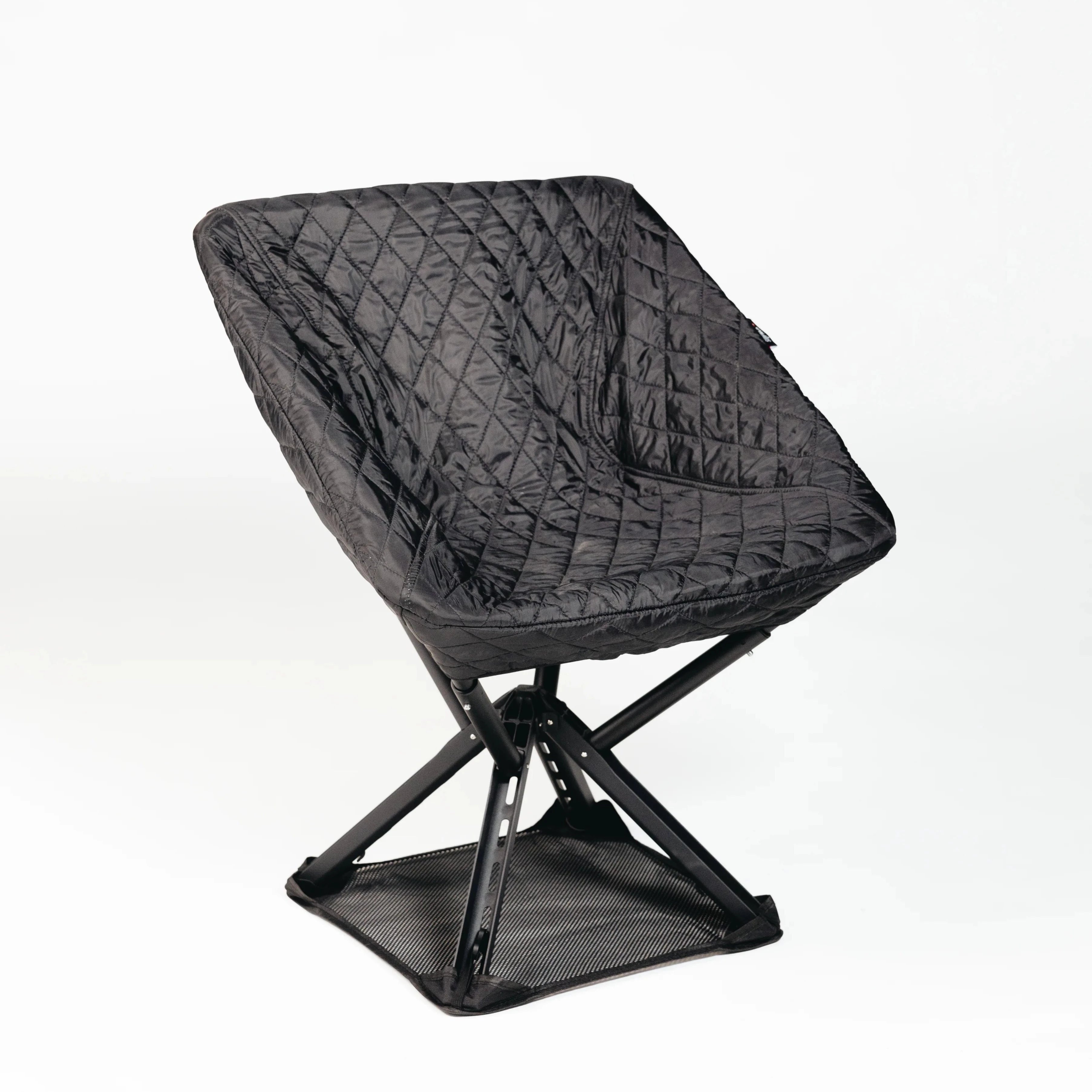
Discover how Sitpack offers innovative seating solutions like the Campster II and Sitpack Zen. These foldable chairs emphasize minimalistic design, durability, and user comfort—all while supporting your commitment to sustainability. Pair your eco-friendly travel towel with our compact seating and accessories to create a streamlined, lightweight outdoor kit that reduces waste and saves space.
Explore Sitpack’s collection today to experience the perfect balance of convenience and eco-consciousness. Take control of your next adventure by investing in gear designed for durability, comfort, and a smaller environmental footprint. Don’t wait—upgrade your outdoor essentials now and enjoy fast worldwide delivery with a 45-day satisfaction guarantee.

Travel towels are lightweight, compact towels designed specifically for outdoor activities. Unlike traditional cotton towels, travel towels often use microfiber materials that absorb moisture quickly and dry rapidly, making them more suitable for challenging environments.
Travel towels are primarily made from microfiber, cotton, bamboo, and synthetic blends. Microfiber is known for its lightweight and quick-drying properties, cotton offers softness but is heavier, bamboo provides eco-friendliness and antimicrobial benefits, and synthetic blends combine the strengths of multiple materials for durability and performance.
To maintain your travel towel, ensure it dries completely after each use by hanging it flat and open. Wash it according to care instructions, avoiding harsh detergents and high temperatures, and store it in a dry, cool place to prevent mold and odors.
Travel towels are eco-friendly due to their reduced resource consumption during manufacturing, use of sustainable materials like recycled fibers or bamboo, and their durability, which leads to fewer replacements needed over time. By minimizing laundry frequency and waste, they help reduce the environmental impact associated with traditional towels.