Cart
0
Sign up and get 10$ off your order
Expected delivery
1-3 days
You may also like


Danish Company

TL;DR:
- The outdoor lifestyle now encompasses daily activities that combine comfort, style, and well-being.
- Creating an inviting, functional outdoor space involves zoning, lighting, and ergonomic seating to encourage frequent use.
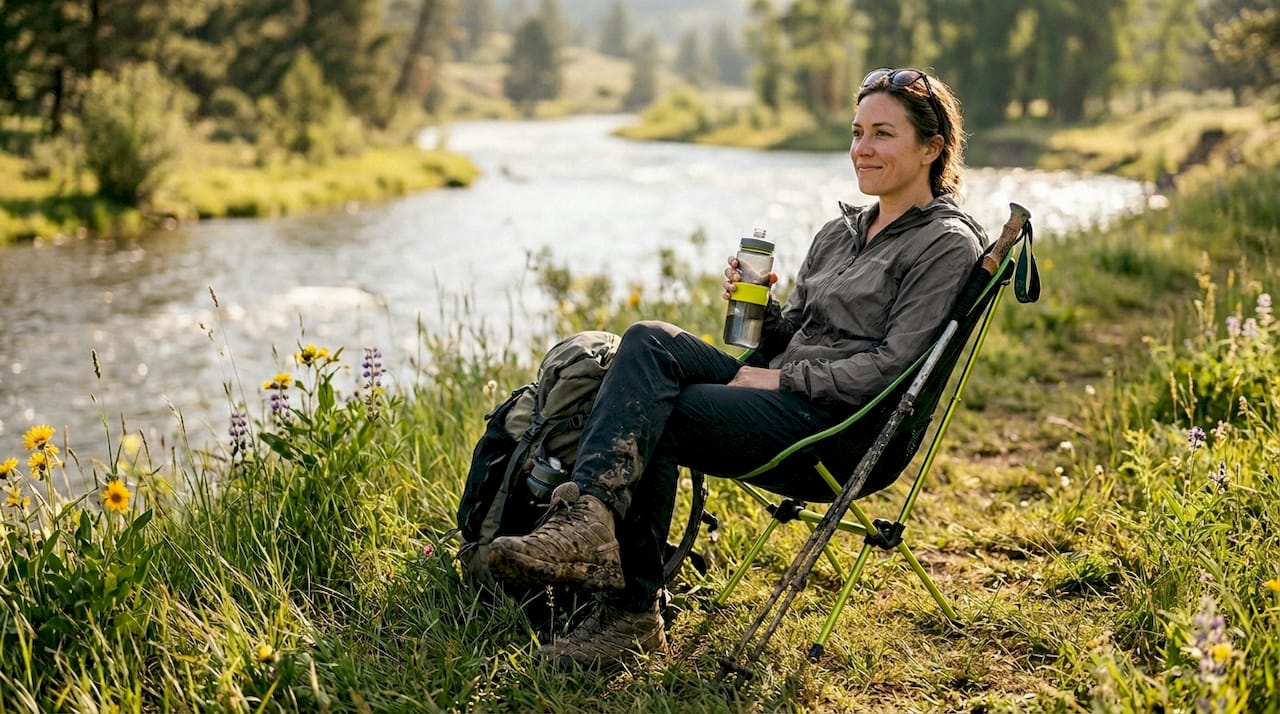
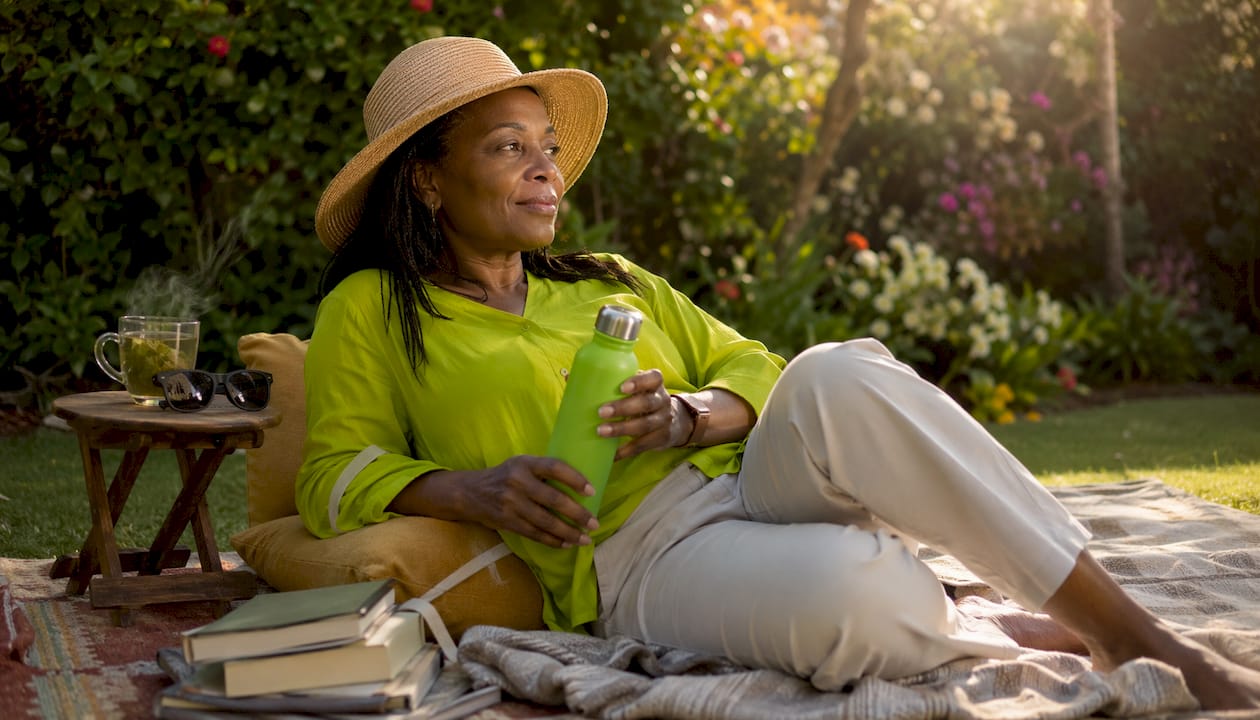
The outdoor lifestyle is the choice to make outdoor spaces and activities a regular, comfortable, and stylish part of daily life. Not just weekends in the wilderness or hardcore trail runs — we’re talking about morning coffee on the patio, a lunchtime walk through the park, tending your garden, or simply pulling up a good chair and breathing some fresh air. Modern outdoor living has shed its extreme-sports-only image and grown into something genuinely inclusive.
Here’s what the contemporary outdoor lifestyle actually looks like:
Sitpack sits right at the center of this shift, designing lightweight portable seating that makes it easier to actually stay outside longer, wherever you happen to land.
The biggest shift happening right now? Outdoor living has become a smarter, more stylish lifestyle choice — less about roughing it, more about extending the comfort and personality of your indoor life into open air. Think of it as your living room, but with better air quality and no Wi-Fi guilt.
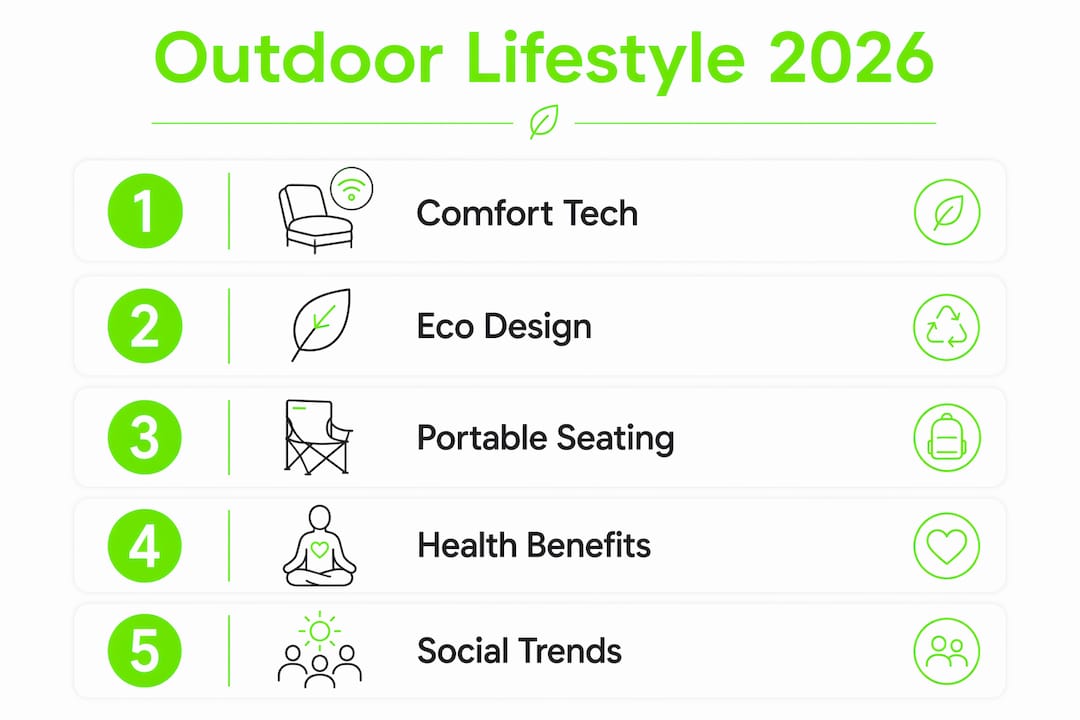
A few trends worth paying attention to:
The outdoor seating trend has been building for a few years, but 2026 is the year comfort tech and eco-conscious design are genuinely converging.
Here’s the honest truth about outdoor spaces: most people set them up once and then barely use them. The culprit is usually friction — too much effort to drag out cushions, no shade, nowhere to set a drink. Fix the friction, and you’ll fix the usage.
Plan it like a room, not a yard. Outdoor spaces designed with indoor-room logic — conversation-distance seating, defined zones, surfaces within reach — get used far more often than spaces that are just furniture dropped on a patio. Apply the same flow principles you’d use inside.
A practical checklist for getting it right:
Pro Tip: Don’t cheap out on seating. Comfort cannot be styled away — a beautiful chair that hurts after 20 minutes will sit empty. Invest in weather-resistant frames with ergonomic cushions, and your outdoor space will actually earn its square footage.
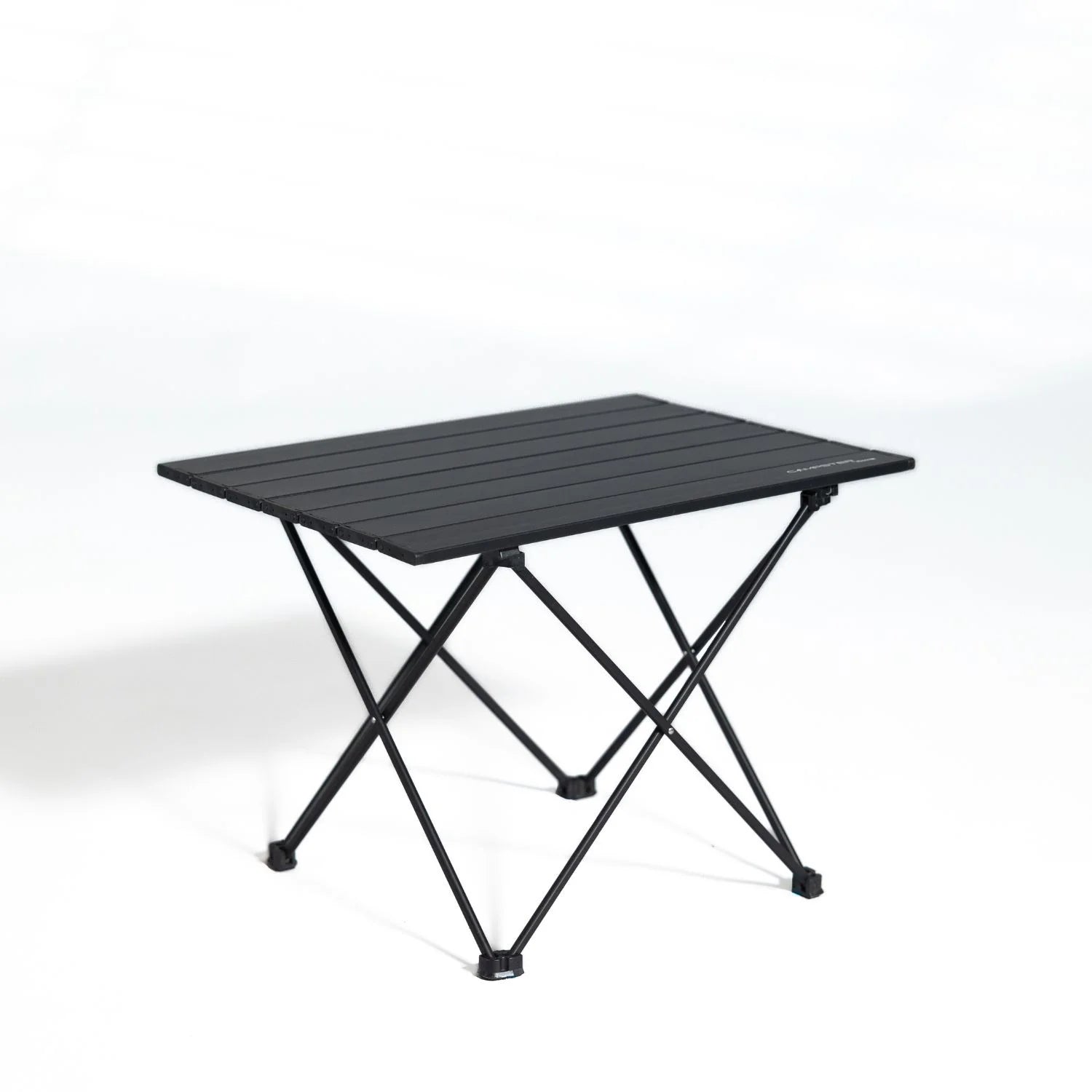
The role of outdoor accessories in making a space feel complete is bigger than most people realize. A seat warmer, a thermal blanket, a well-placed side table — these details are what turn “nice patio” into “place I actually want to be.”
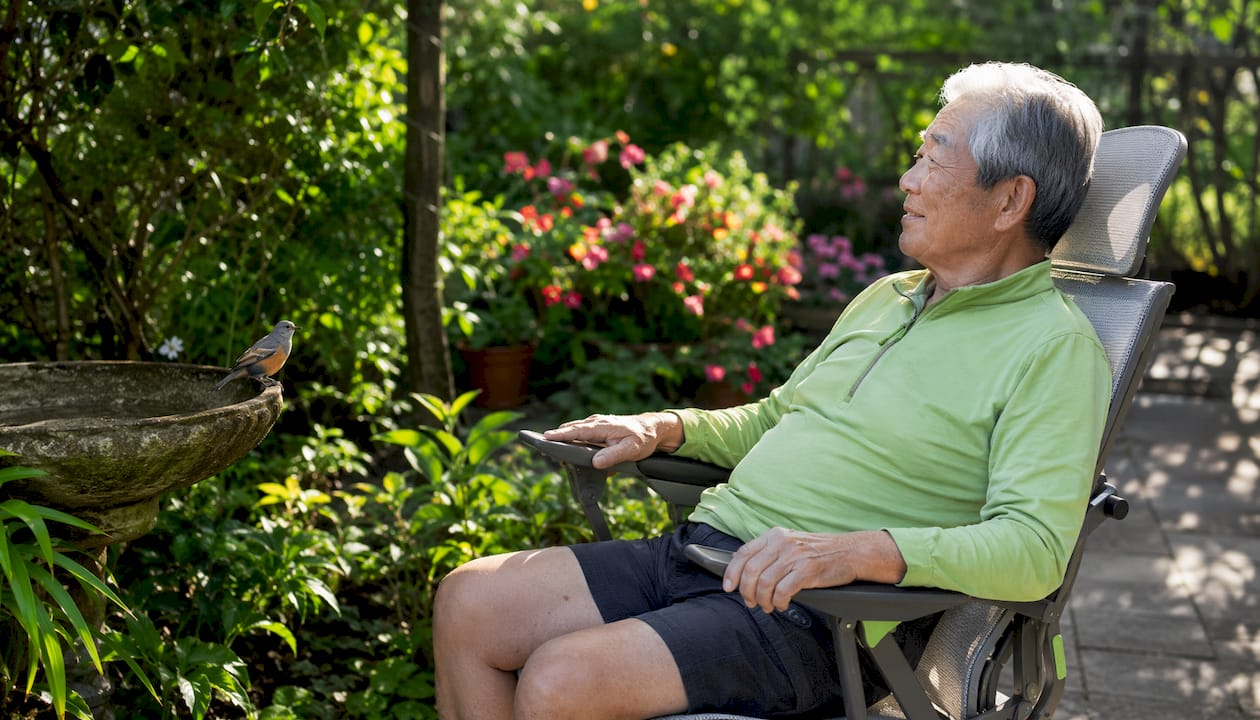
Seating is where the outdoor lifestyle either clicks or collapses. You can have the perfect view, the right lighting, and a cold drink in hand — but if your chair is making your lower back stage a protest, you’re heading inside within the hour.
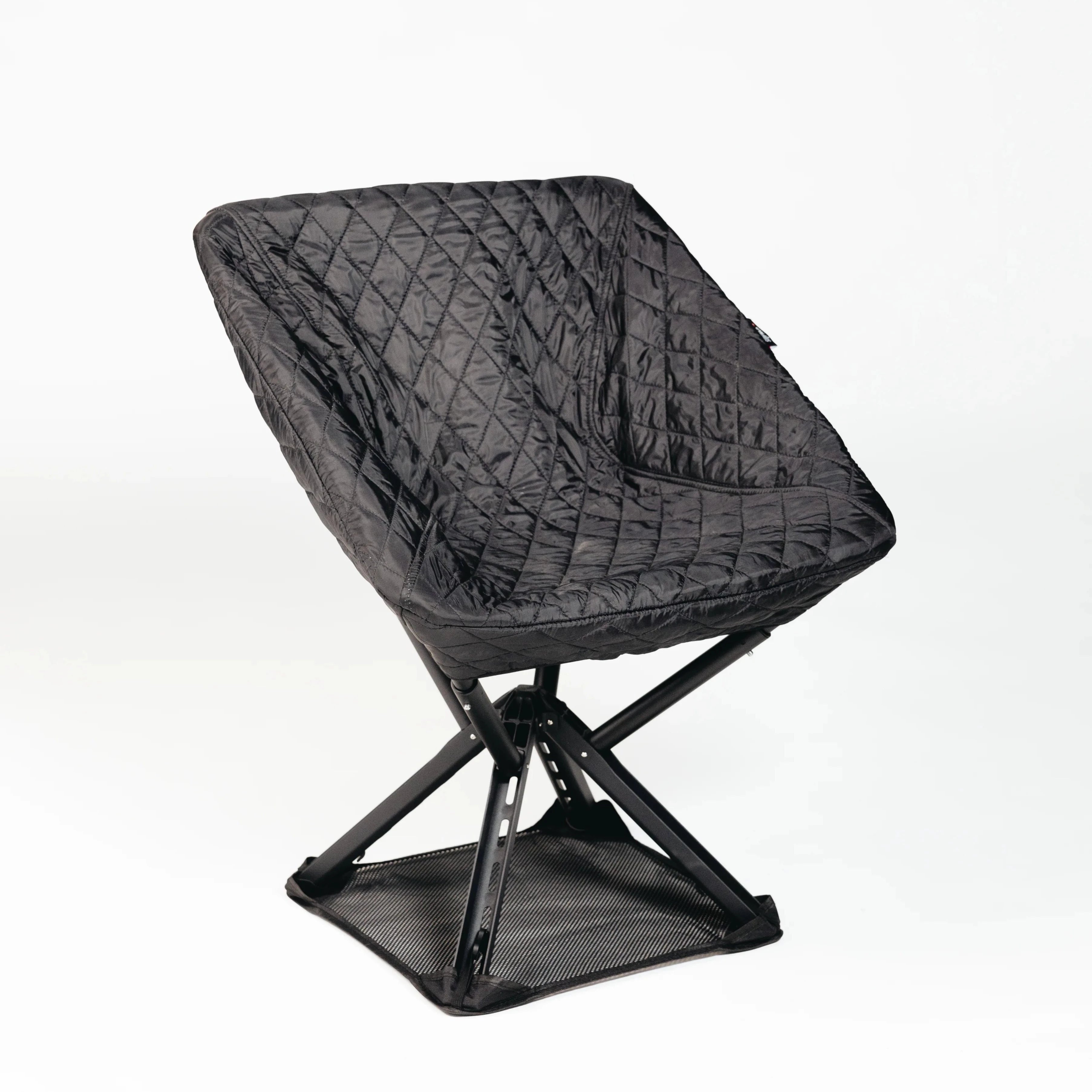
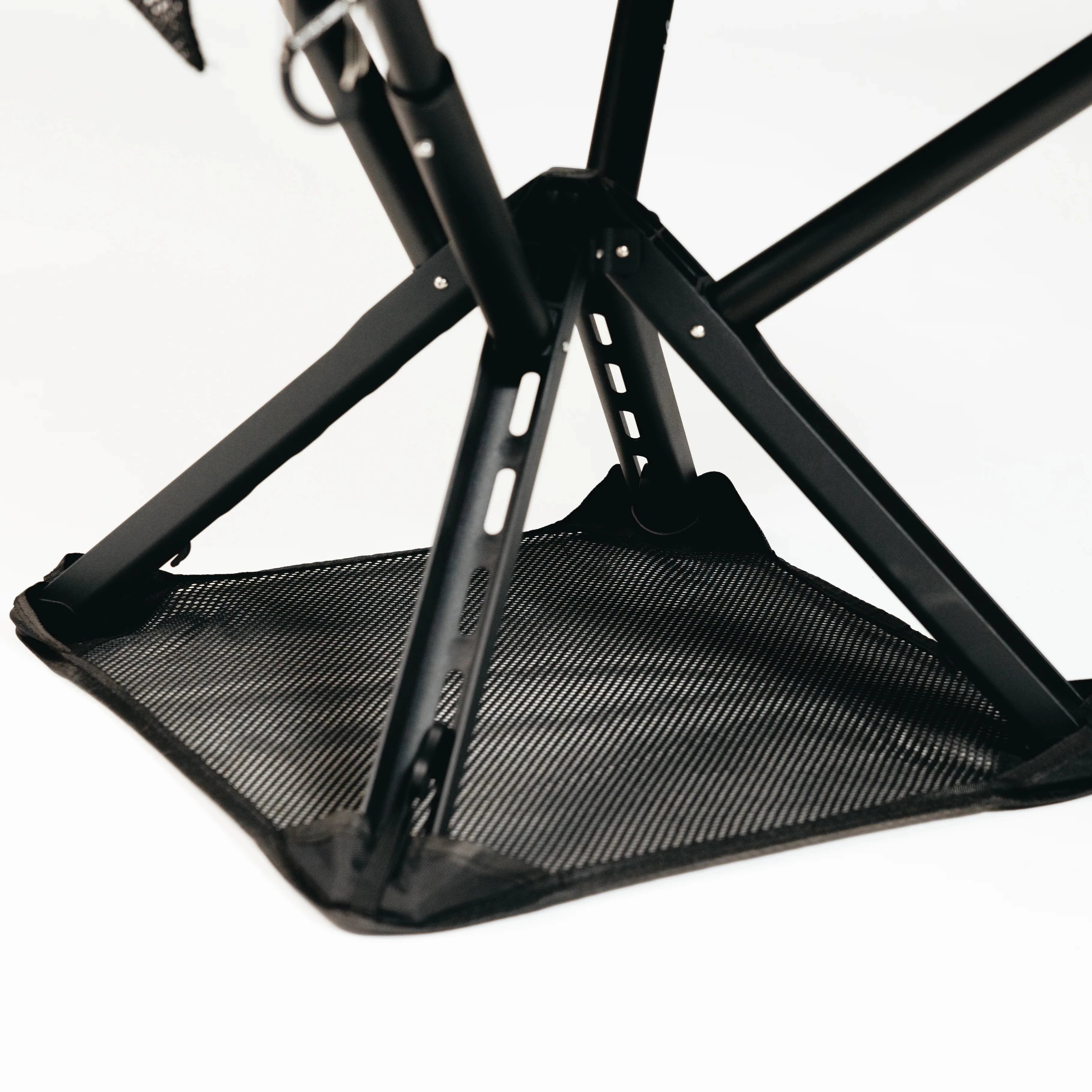
Sitpack has built its entire product line around solving this exact problem. The focus is on lightweight, ergonomic portable seating with eco-friendly materials that hold up to real outdoor conditions without weighing you down. The Campster II and Sitpack Zen are designed to go wherever you go — trail, festival, backyard, or bleacher — without the bulk of traditional camp chairs.
Why ergonomics specifically matter for outdoor use:
The comfort tech behind modern outdoor gear has come a long way from the rickety folding chairs of decades past. Ergonomics and portability used to be a trade-off; now, with the right design, you get both. That’s the whole point of what Sitpack builds.
Spending at least 120 minutes per week in nature is linked to meaningful improvements in physical and mental health. The easier and more comfortable you make that time outside, the more likely you are to actually hit it.
The outdoor lifestyle is an accessible, everyday choice that blends comfort, personal style, and wellbeing — and the right seating is what makes it stick.
| Point | Details |
|---|---|
| Outdoor lifestyle is inclusive | It covers everyday activities like gardening, patio relaxing, and walking, not just extreme sports. |
| 2026 trends favor comfort and sustainability | Zoning, layered lighting, and eco-friendly materials like teak and Sunbrella fabric define the modern outdoor setup. |
| Reduce friction to increase use | Fixed shade, weatherproof storage, and surfaces near every seat are what turn a patio into a space you actually use. |
| Ergonomic seating is non-optional | Comfort cannot be improvised with styling; invest in weather-resistant, ergonomic chairs like those from Sitpack. |
| 120 minutes outdoors per week matters | Research links that weekly threshold to measurable gains in physical and mental health. |