Cart
0
Sign up and get 10$ off your order
Expected delivery
1-3 days
You may also like


Danish Company

TL;DR:
- Adventure-ready chairs are lightweight, durable, and quick to set up for various outdoor activities.
- Key features include aluminum frames, compact packed size, and stable performance on uneven terrain.
- Choosing the right chair depends on your primary use, prioritizing comfort, weight, and ease of setup.
Not every folding chair deserves a spot in your pack. Plenty of people grab whatever collapsible seat they find at a discount store, haul it to a trailhead or festival, and then wonder why they’re wrestling with wobbly legs on uneven ground or nursing a sore back by noon. The truth is, “adventure-ready” is not just a marketing phrase slapped on anything with a fold. It signals a specific set of design choices that separate genuinely capable outdoor seating from the cheapo chairs that belong in a garage sale pile. This guide breaks down exactly what those choices are, how they perform in real conditions, and how you can pick the right seat for your next outing without overthinking it.
| Point | Details |
|---|---|
| True adventure-ready features | Lightweight, compact, and durable builds distinguish adventure-ready chairs from regular portable seating. |
| Performance in real conditions | Materials and design matter most for reliable use across different outdoor and urban settings. |
| Choosing what matters | Focusing on comfort and practicality over extra features leads to smarter seat choices for your adventures. |
| Common pitfalls | Avoid being misled by marketing and prioritize real-world needs and activity type when shopping. |
Let’s clear something up right away. A chair being “portable” or “foldable” does not automatically make it adventure-ready. Plenty of bulky beach chairs fold in half, and nobody’s hauling those up a mountain trail. The term adventure-ready describes a chair that meets a specific performance threshold across four core dimensions: weight, packed size, durability, and setup speed.
Here’s where most buyers go wrong. They see a chair marketed as “outdoor” and assume it’s built for serious use. But outdoor can mean anything from a backyard barbecue to a three-day backcountry trip. Those are wildly different demands. A true adventure-ready chair is engineered to handle both without making you regret packing it.
According to lightweight seating essentials, adventure-ready chairs must be portable, durable, and easy to set up. That’s the baseline. Everything else is a bonus.
So who actually needs this level of performance? Think about:
Each of these use cases demands something a standard folding chair simply cannot deliver. The adventure-ready category exists because real outdoor use is unpredictable. Terrain changes. Weather shifts. You might need to move fast. Your chair needs to keep up.
“The best outdoor chair is the one you actually bring with you. If it’s too heavy or too bulky, it stays home, and that’s the worst chair of all.”
That’s the honest truth. A chair that checks every spec box but sits in your trunk unused is worthless. Adventure-ready chairs earn their place by being genuinely easy to bring along, every single time.
Now that we’ve nailed the definition, let’s talk specifics. What exactly should you be looking at when comparing chairs? Here’s a breakdown of the features that actually move the needle.
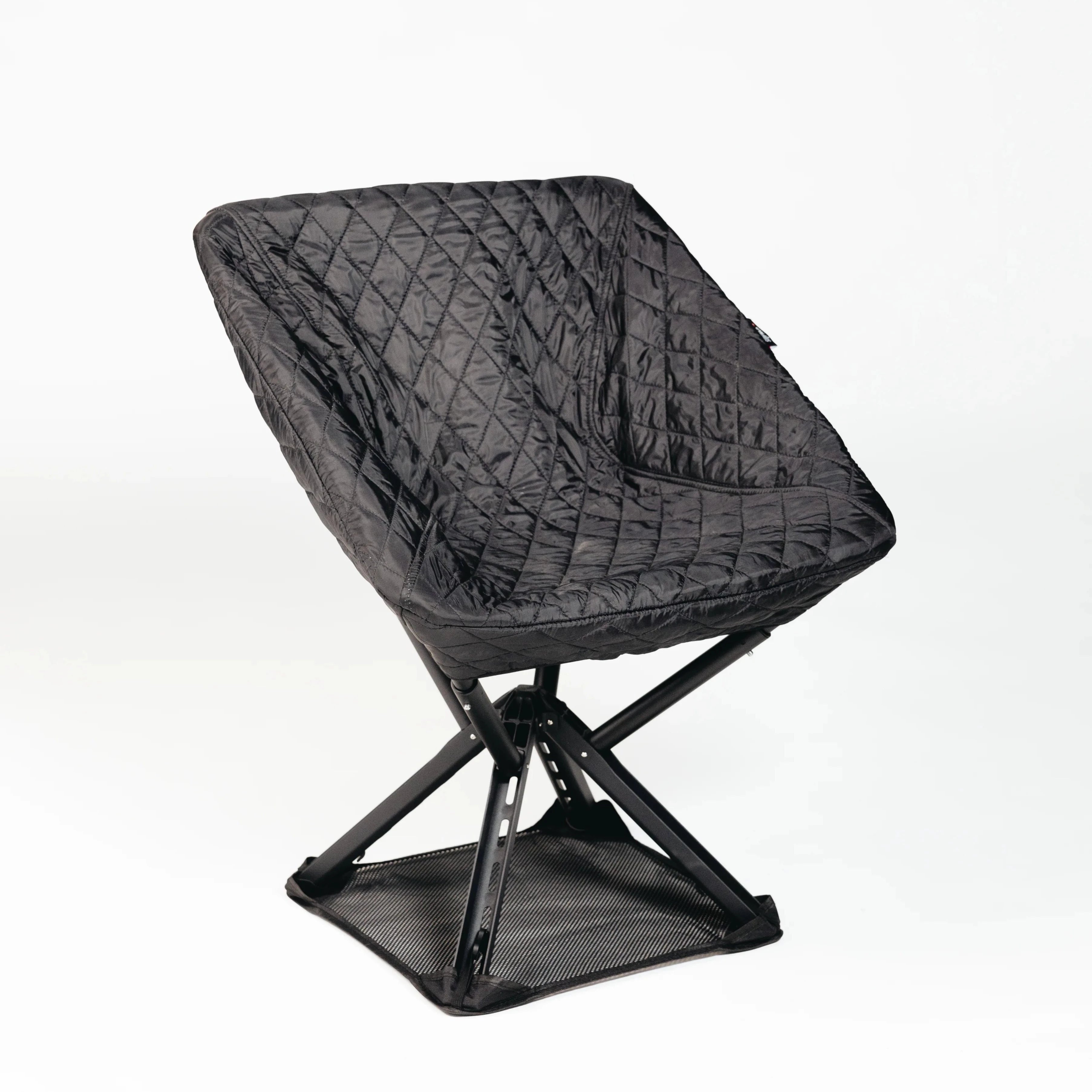
1. Frame material Aluminum is the gold standard for adventure-ready chairs. It’s light, strong, and naturally resistant to rust. Steel is heavier but cheaper, making it fine for car camping where weight isn’t a factor. Composite materials and carbon fiber show up in premium ultralight models, shaving weight even further but often at a higher price point.
2. Packed size and weight This is where most “outdoor” chairs fail. Lightweight materials and compact designs improve portability and storage dramatically. Look for chairs that pack down to roughly the size of a water bottle or a small umbrella. Anything larger starts eating into your pack space fast.
3. Setup mechanism You want a chair that goes from packed to ready in under 30 seconds. Telescoping poles, snap-lock joints, and self-deploying frames are all solid options. Avoid chairs with fiddly connectors or instructions you’d need a manual to follow.
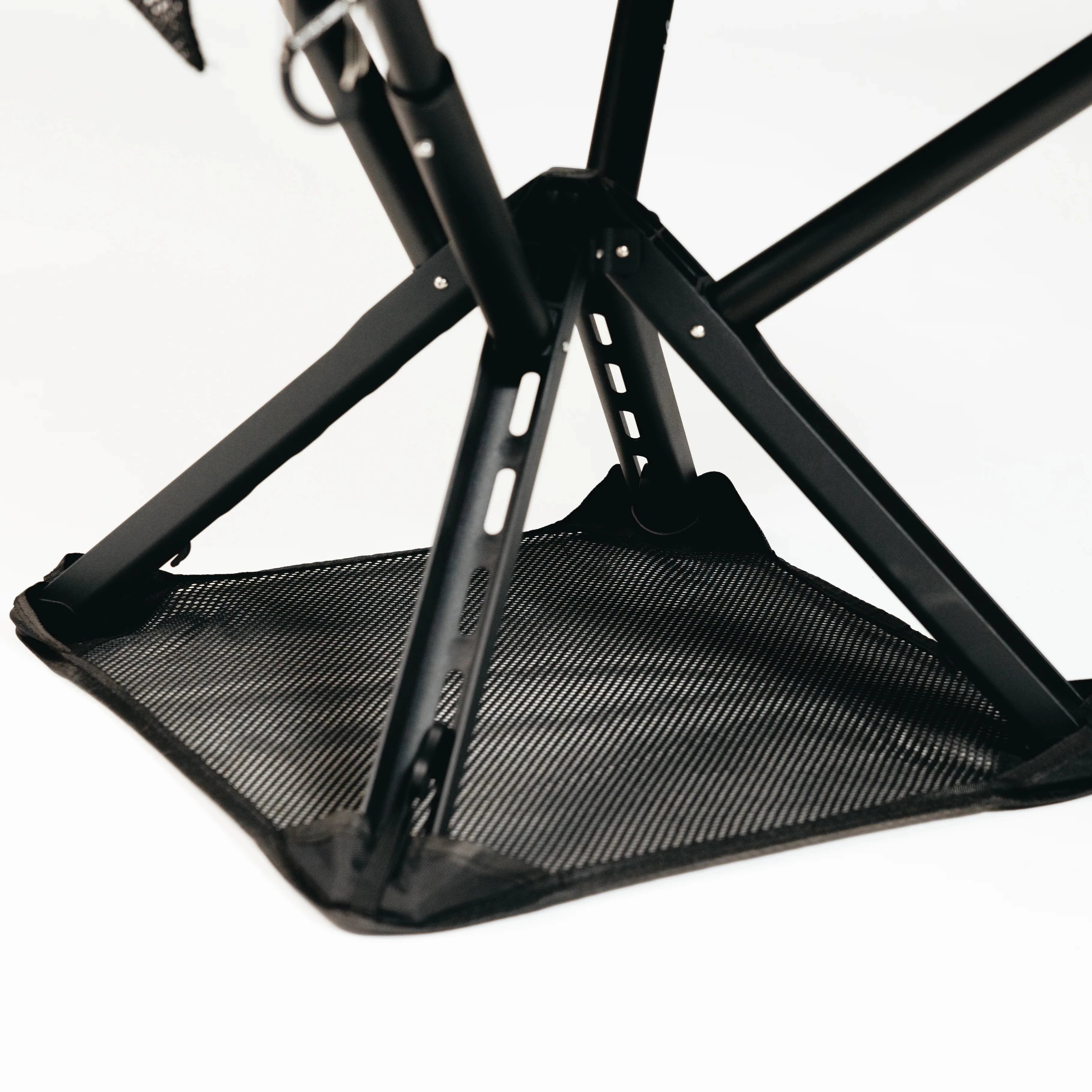
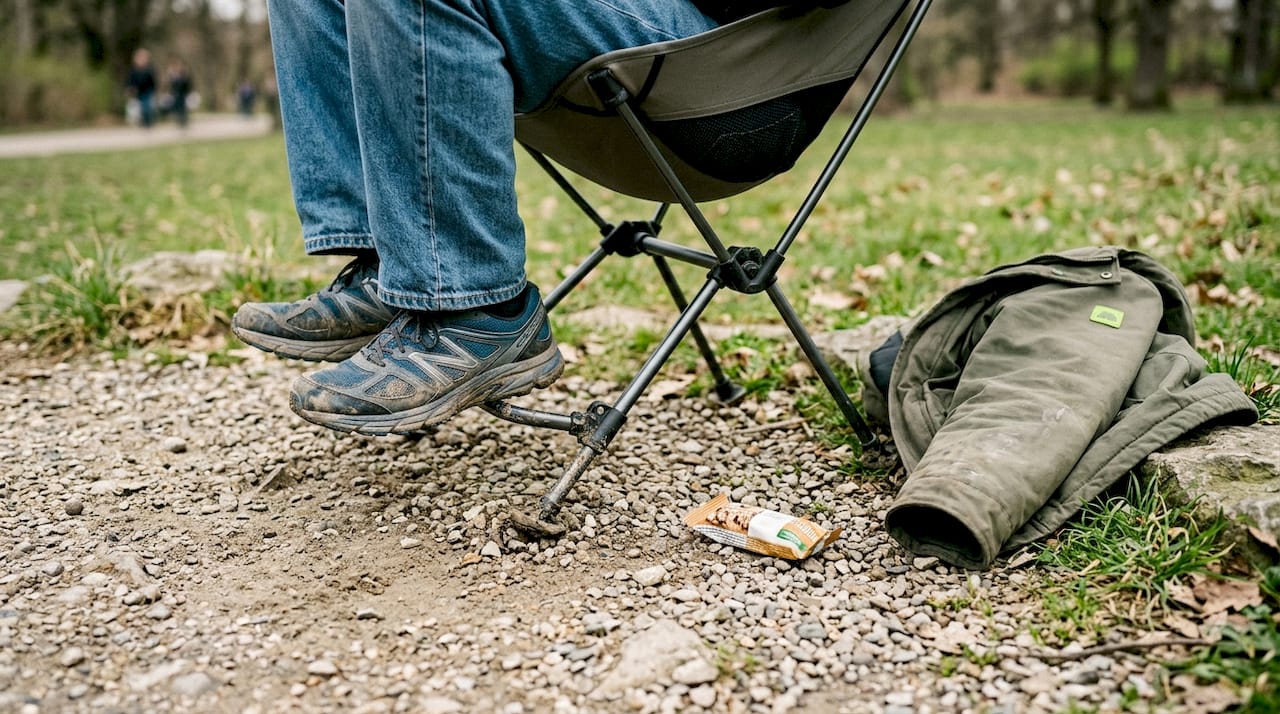
4. Weather and terrain performance A good adventure-ready chair sits stable on grass, gravel, sand, and slightly uneven ground. Wide feet or adjustable legs help here. Weather-resistant fabrics like ripstop nylon handle light rain and UV exposure without degrading quickly.
5. Comfort and support Don’t sacrifice your back for the sake of a few grams. Look for chairs with decent seat depth, back support, and a seat height that works for your body.
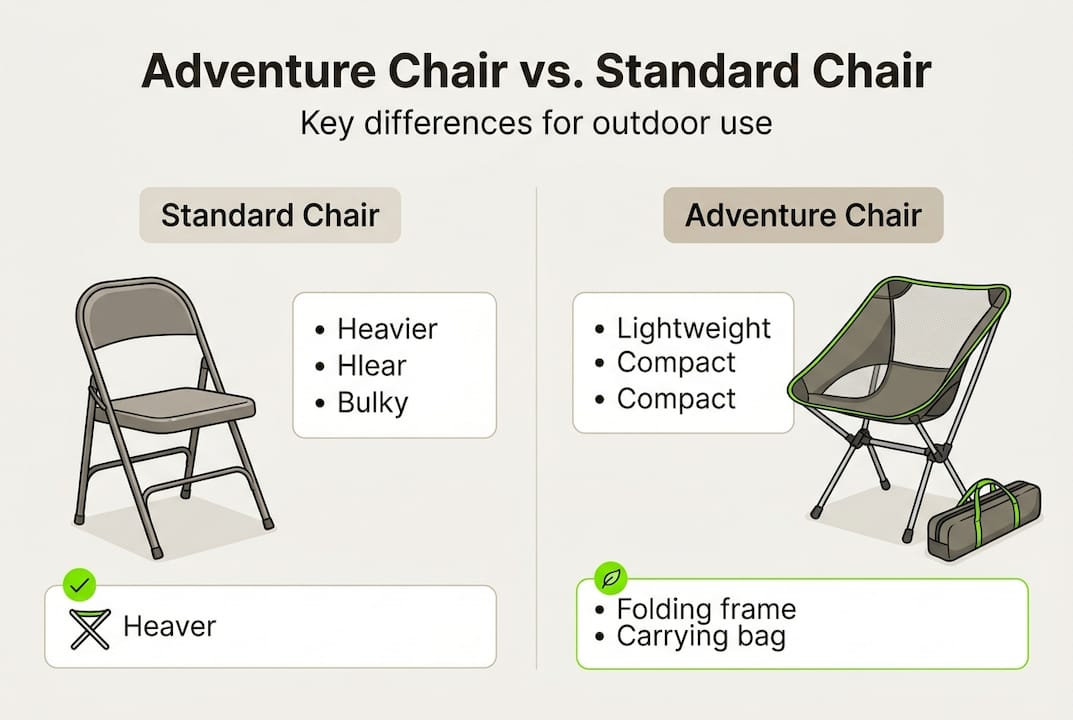
Here’s a quick comparison to help you visualize the differences:
| Feature | Standard folding chair | Adventure-ready chair |
|---|---|---|
| Weight | 8 to 15 lbs | 1 to 3 lbs |
| Packed size | Large, bulky | Bottle or umbrella-sized |
| Setup time | 1 to 3 minutes | Under 30 seconds |
| Terrain adaptability | Flat surfaces only | Uneven, varied terrain |
| Weather resistance | Minimal | Moderate to high |
Pro Tip: Before buying, check the chair’s weight limit and seat height. A chair that’s too low makes standing back up a workout, especially after a long hike when your legs are already toasted.
Bonus features like cup holders, storage pouches, and modular attachments are nice to have, but don’t let them distract you from the core four: weight, size, setup, and durability. Get those right first, then look at the extras.
Features on a spec sheet only tell part of the story. Let’s see how adventure-ready chairs actually perform when you’re out there in the field.
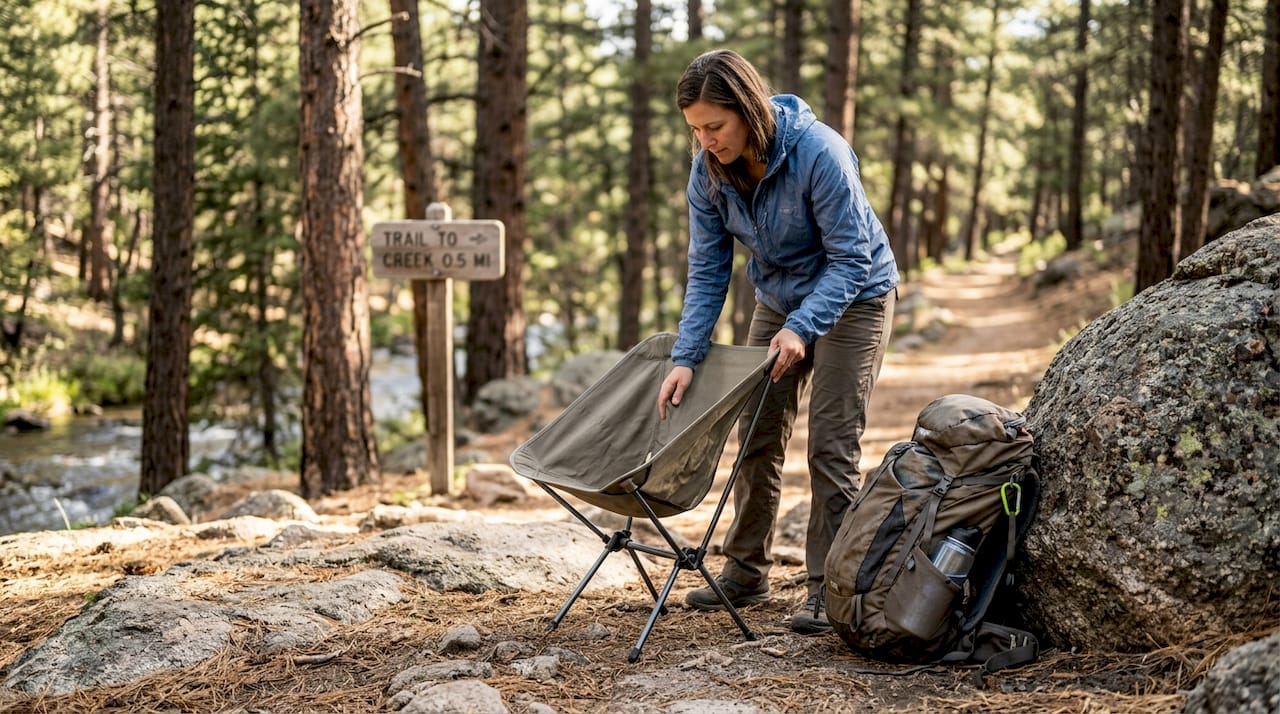
Mountain hikes and backpacking trips Every gram matters when you’re climbing elevation. An adventure-ready chair weighing under 2 pounds can mean the difference between bringing a seat and going without. Compact chairs save up to 40% of packing space compared to standard folding models, which is a massive deal when you’re fitting a week’s worth of gear into one bag. On uneven rocky terrain, wide-footed or adjustable-leg designs keep you stable without sinking or tipping.
Festival grounds and outdoor events Here, setup speed is king. You’re moving between stages, grabbing a spot on the grass, and you need your chair ready before the headliner starts. A chair that snaps open in seconds and packs into a small carry bag is worth its weight in gold. Durability matters too since festival grounds are rough on gear.
City parks and urban adventures Portability here means something slightly different. You’re not worried about trail weight, but you do want something that fits in a backpack or tote without being obvious or awkward. Lightweight compact chair benefits shine in urban settings where you want to sit comfortably without hauling a full-size chair through a subway turnstile.
Car camping This is the most forgiving scenario. Weight matters less, but comfort and durability step up in importance. You want a chair that holds up over multiple nights, handles campfire smoke and morning dew, and still feels good after a full day outdoors.
Here’s how different adventure scenarios stack up against key chair features:
| Scenario | Weight priority | Setup speed | Terrain adaptability | Comfort priority |
|---|---|---|---|---|
| Backpacking | Very high | High | High | Medium |
| Festivals | Medium | Very high | Medium | Medium |
| Urban use | Medium | High | Low | High |
| Car camping | Low | Medium | Medium | Very high |
Key takeaways from real-world use:
Okay, you’ve got the knowledge. Now let’s translate it into a smart buying decision. Here’s how to approach the process without getting lost in the weeds.
Step 1: Define your primary use case Be honest with yourself. Are you a hardcore backpacker logging serious miles, or are you mostly hitting festivals and city parks? Your primary use case should drive every decision that follows. A chair optimized for backcountry trips looks very different from one built for weekend travel.
Step 2: Set your weight and size limits Decide upfront how much space and weight you can spare. If you’re backpacking, aim for under 2 pounds and a packed size that fits inside your bag. If weight isn’t a concern, you can prioritize comfort and durability instead.
Step 3: Prioritize your top three features You can’t have everything in a single chair, so rank your priorities. Selecting the right chair boosts on-the-go comfort and reduces physical strain, so comfort should almost always make your top three. Then pick two from: weight, setup speed, weather resistance, and durability.
Step 4: Avoid these common pitfalls
Step 5: Think about value, not just price A quality adventure-ready chair is an investment. Spending a bit more upfront on a well-built model with a solid warranty saves you money in the long run because you won’t be replacing it every season. Check best lightweight chairs to compare value across price points.
Pro Tip: If you’re torn between two chairs, take the lighter one. After a few miles on the trail, you’ll never regret saving a pound. You will, however, regret carrying the heavier one.
Here’s something I’ve noticed after spending a lot of time testing and recommending outdoor gear: most people walk into the chair-buying process with a list of features they think they need, and walk out with something that’s either overkill or totally wrong for their actual adventures.
The outdoor gear industry loves adding features. Cup holders, integrated coolers, side tables, adjustable recline angles. And sure, some of those are genuinely useful. But most long-term outdoor users I’ve talked to end up simplifying their gear after real experience. They stop chasing the feature-packed option and start valuing the chair that’s actually in their bag when they need it.
The real difference-makers are comfort, weight, and ease of setup. Full stop. Everything else is negotiable. If a chair nails those three things, it’s going to serve you well across almost every scenario you throw at it. Exploring compact chair essentials reinforces this point clearly: the chairs that earn loyal fans are the ones that disappear into your pack and reappear exactly when you need them, without drama.
Don’t let marketing buzzwords steer you toward complexity. The best adventure-ready chair is the simplest one that meets your core needs reliably.
If you’ve made it this far, you’ve got a solid handle on what separates a genuinely adventure-ready chair from the rest of the pack. Now it’s time to put that knowledge to work.
At Sitpack adventure chairs, we’ve built our entire lineup around the principles covered in this guide: lightweight frames, minimal packed size, fast setup, and real-world durability. Whether you’re a weekend hiker, a festival regular, or an urban explorer who refuses to sit on the ground, there’s a Sitpack solution designed for your kind of adventure. Browse the full range, check out customer reviews, and find the chair that fits your life. Your back (and your pack) will thank you.
Yes, adventure-ready chairs are designed for versatility, working well in outdoor and urban environments because of their lightweight and durable builds. Their compact and versatile design means they transition easily from a forest campsite to a city park bench situation.
Most adventure-ready chairs weigh between 1 and 3 pounds, making them easy to carry for any outing. Lightweight outdoor chairs in this range hit the sweet spot between portability and structural strength.
Not necessarily. Many modern chairs use ergonomic designs and smart materials to ensure comfort while remaining lightweight and compact. Ergonomically designed compact chairs prove you don’t have to choose between feeling good and traveling light.
High-quality aluminum frames paired with durable fabrics like ripstop nylon are the preferred combination for balancing weight, strength, and weather resistance. Aluminum frames and durable fabrics consistently outperform heavier steel alternatives in real outdoor conditions.