Cart
0
Sign up and get 10$ off your order
Expected delivery
1-3 days
You may also like


Danish Company

TL;DR:
- Outdoor accessories enhance comfort through pressure redistribution, moisture management, and thermal regulation, enabling longer, more enjoyable outdoor experiences. Proper gear selection—focused on fit, material climate compatibility, and durability—maximizes benefits and prevents discomfort or injury. Effective integration and regular maintenance of accessories ensure long-term performance and a better overall outdoor experience.
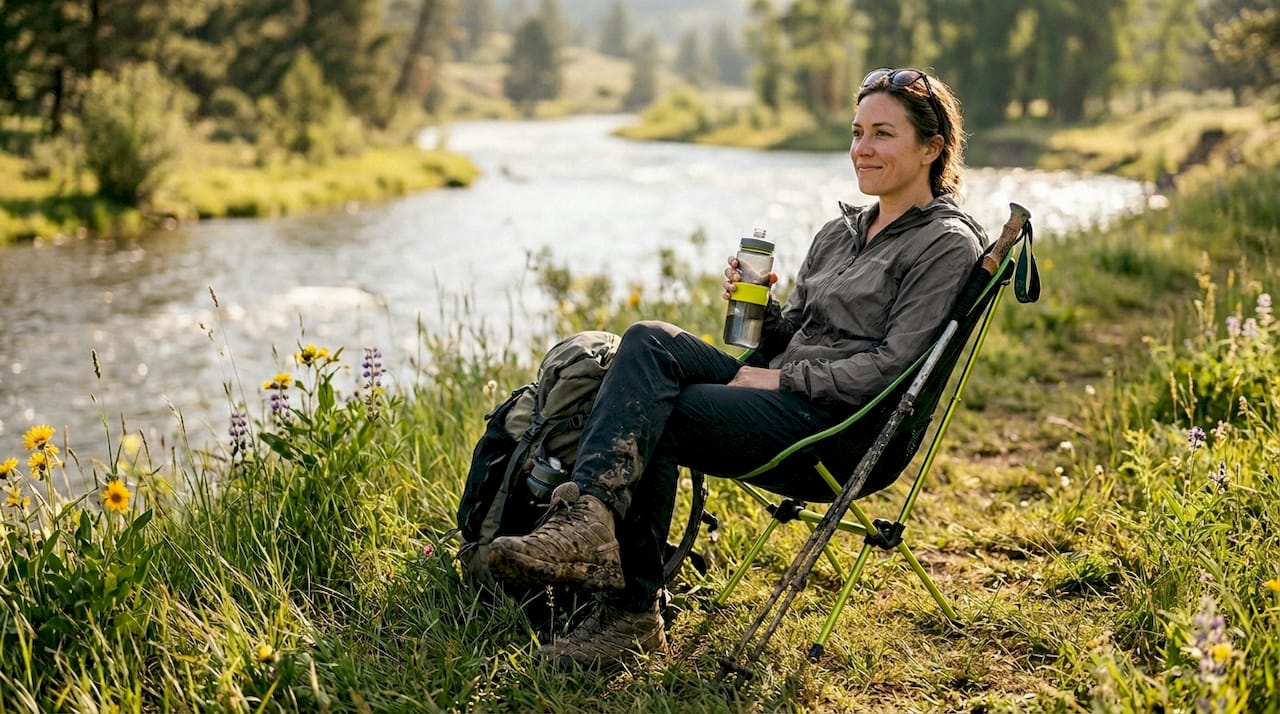
Most people think outdoor accessories are just about looking the part around the campfire. Wrong. The real reason to think seriously about why choose outdoor accessories comes down to something far more practical: your body, your comfort, and your ability to actually enjoy yourself out there. The right gear redistributes pressure on tired feet, keeps your core temperature stable in sweltering heat, and can genuinely improve your mood on a long trail day. This article breaks down the science, the smart selection process, and how to get the most from every piece of gear you carry.
| Point | Details |
|---|---|
| Comfort is engineered, not accidental | Ergonomic design and material science work together to reduce fatigue and prevent injury during outdoor activities. |
| Climate matching matters | Picking accessories suited to your typical environment dramatically improves their real-world performance. |
| Multi-feature gear wins | Accessories combining moisture management, insulation, and protection deliver stronger comfort than single-purpose items. |
| Weight vs. comfort trade-offs are real | Advanced comfort technology sometimes adds weight, which can reduce how often you actually reach for the gear. |
| Systems thinking pays off | Selecting accessories that work together as a system produces better long-term outdoor comfort than buying items in isolation. |
Let’s start with something that surprises a lot of people. Comfort from outdoor accessories is not about softness or padding. It comes from dynamic pressure redistribution, and that distinction matters a lot. A 2026 MDPI study with 20 participants found that adaptive pneumatic insoles significantly improved cushioning, foot fit, and overall comfort by actively redistributing plantar pressure across fatigue-prone foot regions. The takeaway is that comfort gains come from smart load management, not just extra cushioning.
This same principle applies across the full spectrum of outdoor gear. Ergonomically designed seating reduces spinal load during rest breaks. Adjustable straps on packs and accessories adapt to body shape in real time. Materials like moisture-wicking fabrics pull sweat away from skin, reducing friction and the kind of low-grade irritation that turns a good hike into a miserable slog.
Here is what to look for when evaluating the physical comfort benefits of outdoor gear:
The role of outdoor accessories in reducing fatigue is genuinely underappreciated. Studies consistently show that when physical strain is managed well, people go further, stay out longer, and come home in better shape mentally and physically.
Pro Tip: When trying any new comfort-oriented accessory, test it on a shorter outing first. Your body needs a session or two to adapt, and problems like pressure points or chafing show up faster on a two-hour walk than a full-day adventure.
Getting hot and staying hot is one of the fastest ways to ruin an outdoor experience. The science of how accessories manage your body temperature is more nuanced than most gear guides let on, and it is worth understanding before you spend money.
Evaporative cooling technology is a good example. A 2026 Scientific Reports study tested four cooling vests under varied conditions and found that cellulose-based vests showed superior cooling capacity at 35 to 40 degrees Celsius and 20% relative humidity. But here is the catch: those same vests performed significantly worse in humid environments because the air was already saturated and could not absorb the evaporated moisture. The climate dependency of cooling accessories is real, and ignoring it means buying gear that underperforms right when you need it most.
The comparison below shows how different accessory materials perform across environmental conditions:
| Accessory type | Best environment | Limitation |
|---|---|---|
| Evaporative cooling vest (cellulose) | Hot, dry climates (35-40°C, low humidity) | Loses effectiveness above 60% relative humidity |
| Waterproof breathable jacket | Wet, cold, or mixed conditions | Can trap heat in very warm temperatures |
| Insulating thermal blanket | Cold, windy exposed areas | Adds bulk and weight when not needed |
| Cooling headband | Hot, humid exercise environments | Limited to head and neck region only |
| Moisture-wicking base layer | Universal, especially humid activity | Low insulation value in cold conditions |
The benefits go beyond just temperature. A 2025 Frontiers in Psychology review found that outdoor clothing and accessories combining ergonomic fit, moisture management, insulation, and protective membranes improve not just physical comfort but psychological wellbeing too. When you feel physically stable and protected, your stress response softens and your enjoyment of the environment increases. That is not a minor side effect. It is one of the strongest arguments for why invest in outdoor accessories properly rather than grabbing whatever is cheapest on the shelf.
Pro Tip: Before buying any cooling or thermal accessory, check the typical humidity range of the environments you frequent. A cellulose cooling vest is a smart buy for desert hiking but a poor investment for humid jungle trekking.
Good gear selection starts with understanding your actual conditions, not the marketing copy on the label. Here is what matters and what often gets ignored.
Ergonomic fit comes first. An accessory that does not fit your body will not deliver its designed benefits, no matter what the materials are. Adjustability is not a luxury feature. It is how the gear reaches its performance potential for your specific frame and movement patterns.
Material compatibility with your climate is non-negotiable. Two products with identical marketing claims can behave very differently in the field because their substrate water capacity and internal structures differ. A label that says “cooling technology” tells you almost nothing about whether the vest will actually cool you in humid North Carolina in July versus dry Colorado in August.
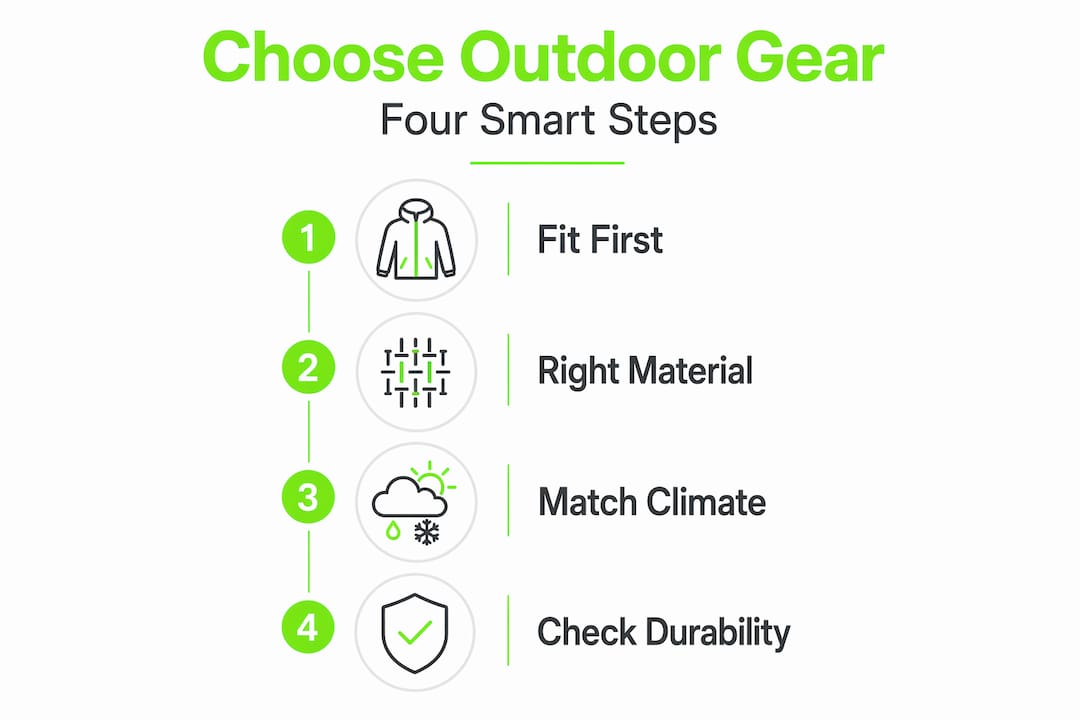
Durability standards vary enormously. A 2026 Scientific Reports comparison of different orthotic materials found that TPU and thermoplastic options consistently outperformed others in flexibility and long-term durability. The same principle applies to hiking gear, seating, and protective accessories. Materials matter, and cheap materials fail at the worst moments.
The trade-offs you should actually think about:
You can find a detailed breakdown of what makes gear last in real conditions over at picking durable outdoor gear, which covers selection criteria in practical, hands-on terms.
Choosing good accessories is only half the equation. How you integrate them into your routine determines whether you actually enjoy their benefits or leave them gathering dust in the garage.
Here is a practical approach to building an accessory system that works:
Explore how camping accessories in 2026 have evolved in terms of materials and comfort engineering, especially if you are building or refreshing a camping kit from scratch.
I have watched people spend real money on gear that looked great in the store and spent most of its life in a bag. The pattern is almost always the same: they bought for aesthetics or brand name rather than fit-for-purpose function. The packaging looked technical, but nobody checked whether the material actually performed in their climate or whether the design was genuinely ergonomic versus just styled to look ergonomic.
What I have learned is that the advantages of outdoor supplies really show up when you apply multi-factor accessory design principles to your selections. Gear that integrates moisture control, thermal management, ergonomic support, and protection consistently outperforms gear that only does one of those things well. That research from Frontiers in Psychology is not just academic. I have felt it on trail. Days where everything works together, you barely notice the gear. That is when it is doing its job.
I also want to be honest about the weight trade-off. More comfortable technology is often heavier technology. There is a real tension between maximum comfort and the weight you are willing to carry, and that tension does not disappear just because a product is well designed. You have to decide what your priorities are on any given trip and choose accordingly. A two-day backpacking trip and a day hike with a car parked at the trailhead call for completely different decisions.
The best outdoor enthusiasts I know treat their gear like a toolkit, not a collection. Every piece earns its place or it gets replaced. That mindset is what separates people who consistently have great outdoor experiences from people who have great gear and still have miserable days out there.
— Jonas
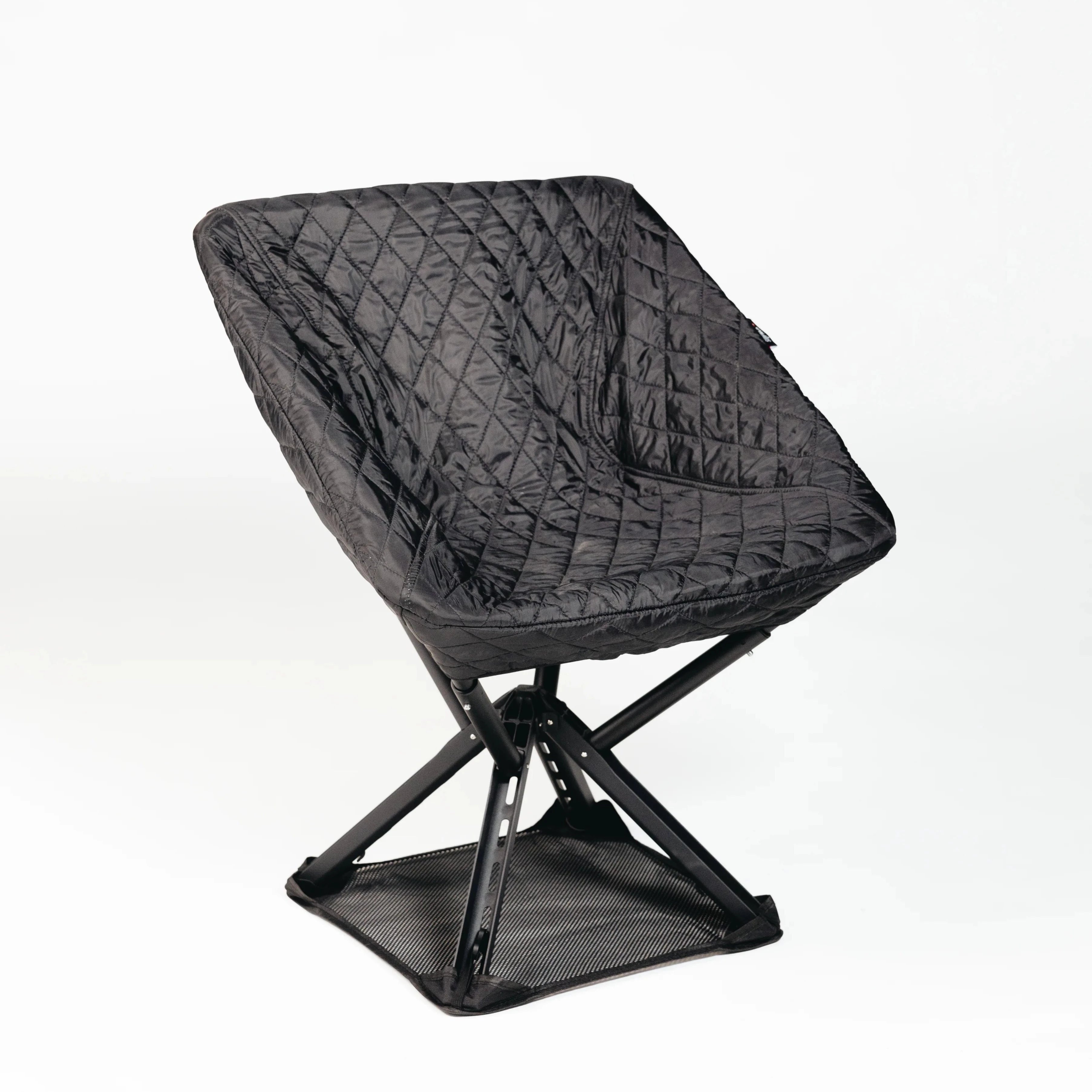
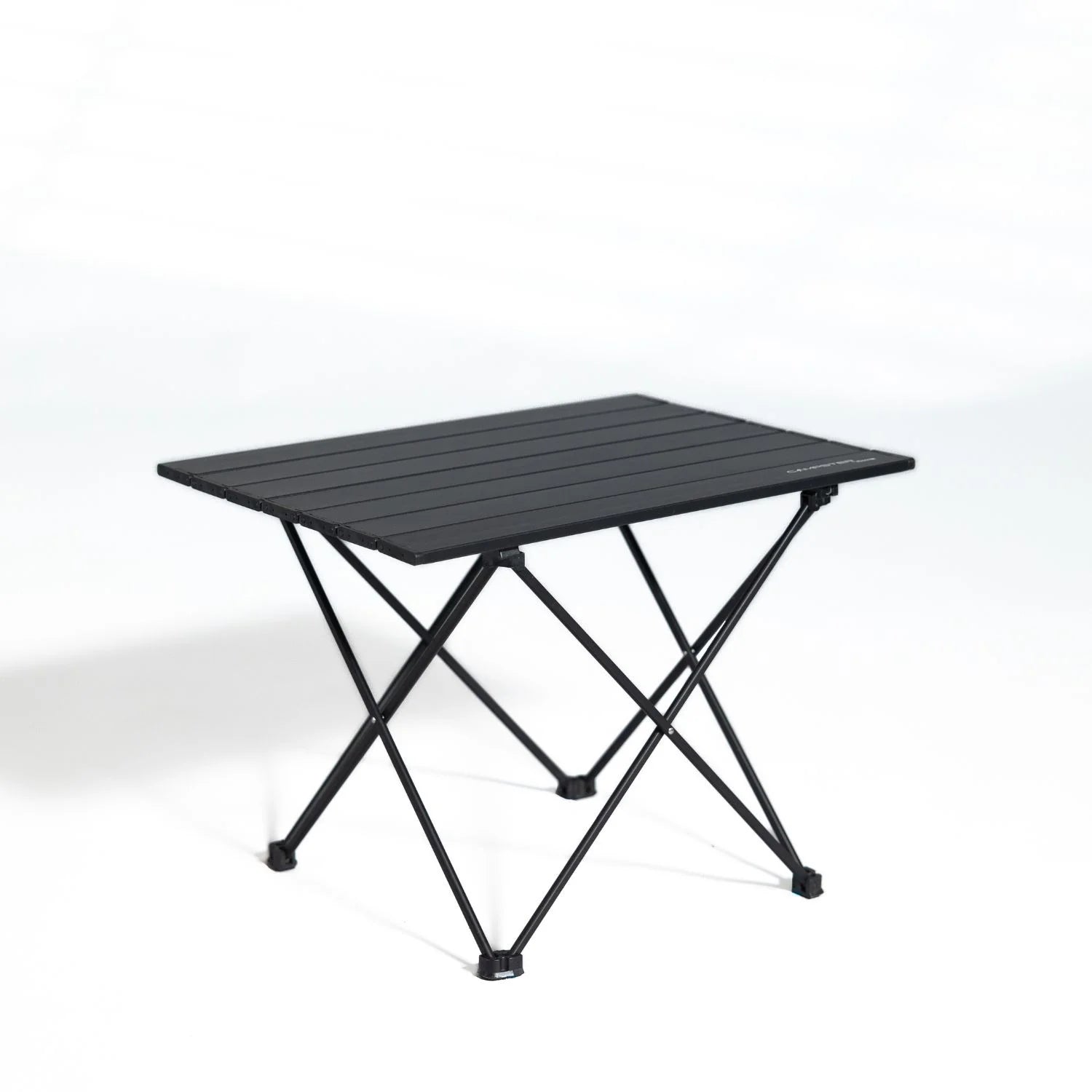
If ergonomic outdoor seating has ever been your weak link, you are not alone. Sitting on a rock or a cold log is one of those small miseries that adds up over a long day outside. Sitpack builds portable, foldable seating solutions with exactly this problem in mind.
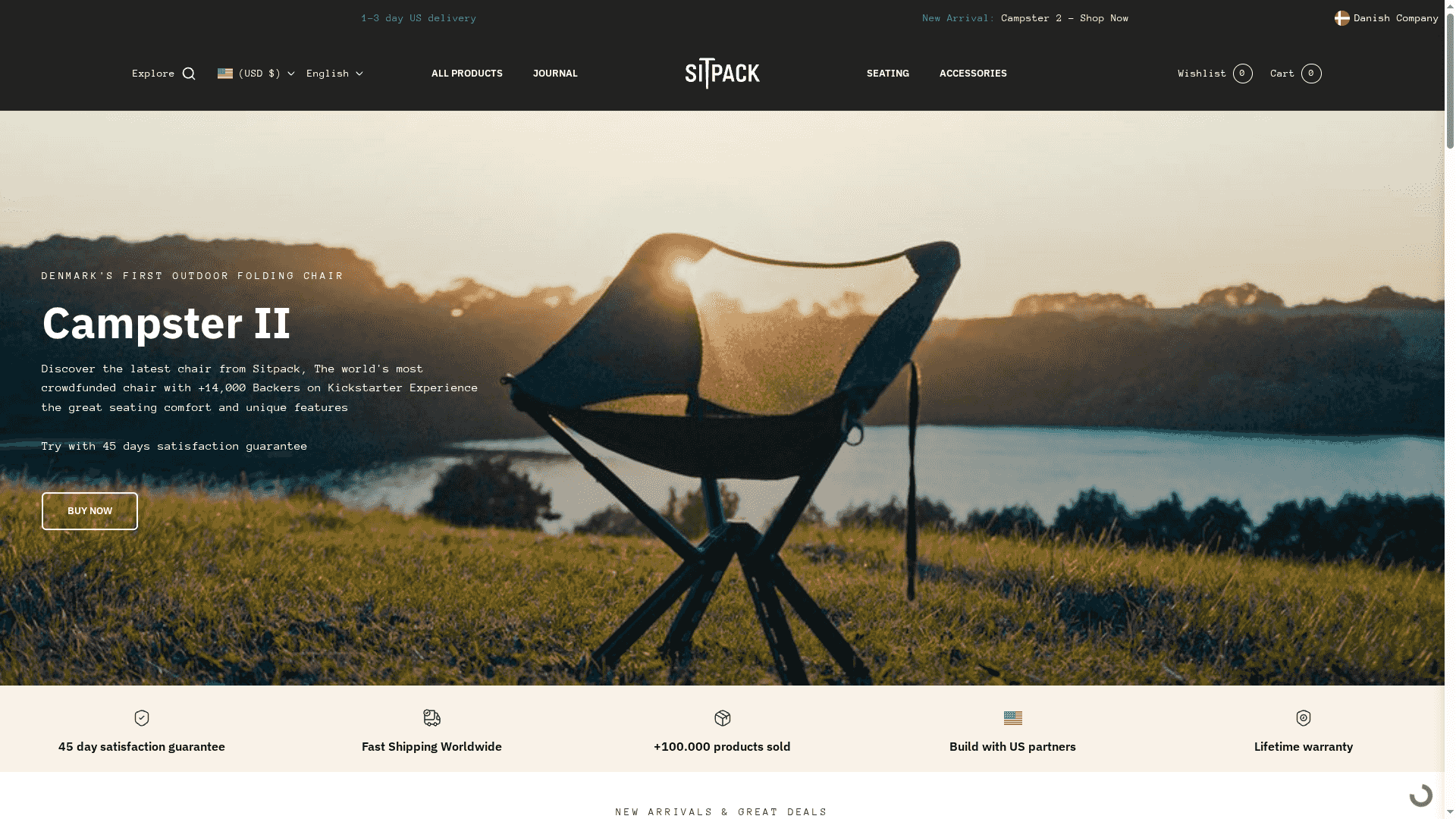
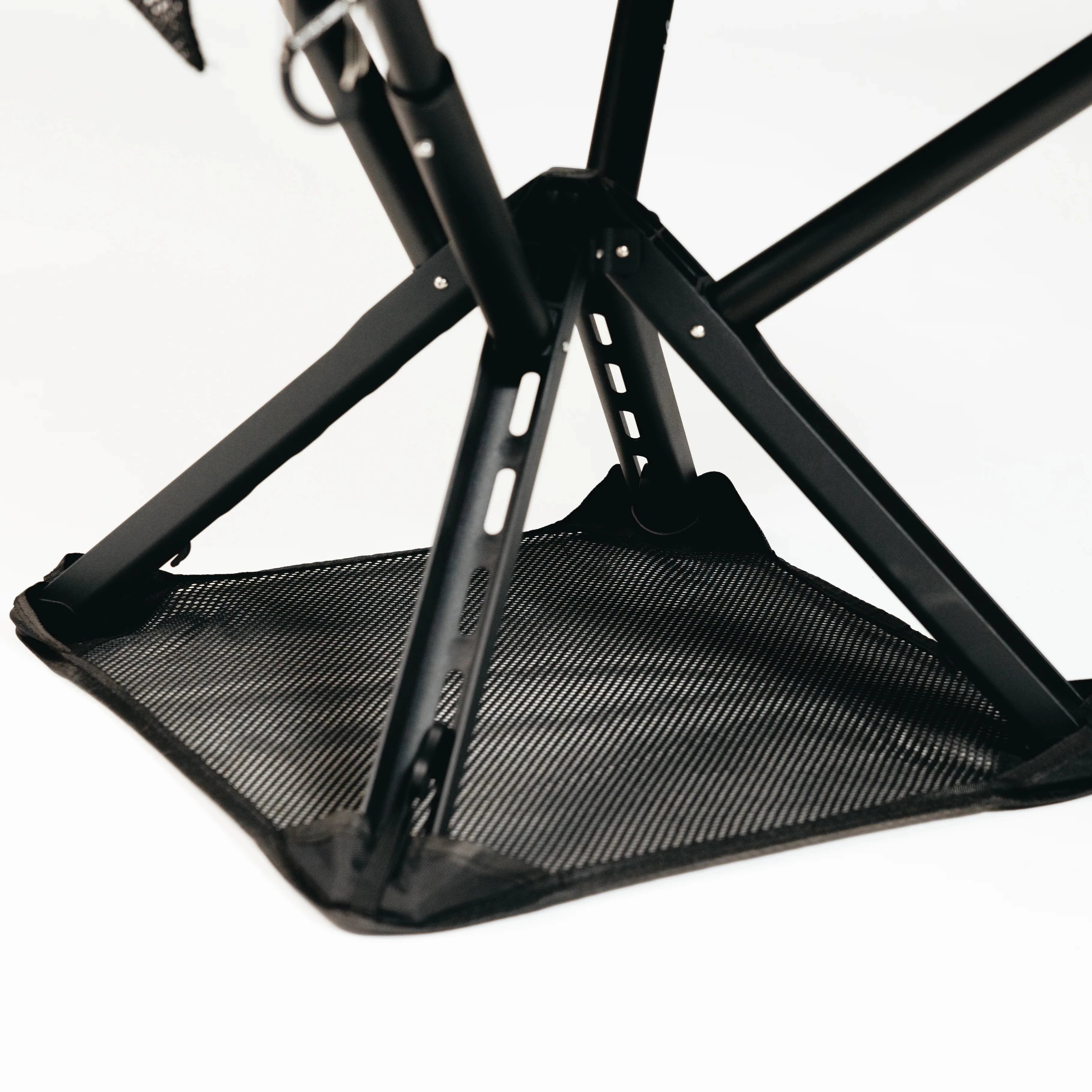
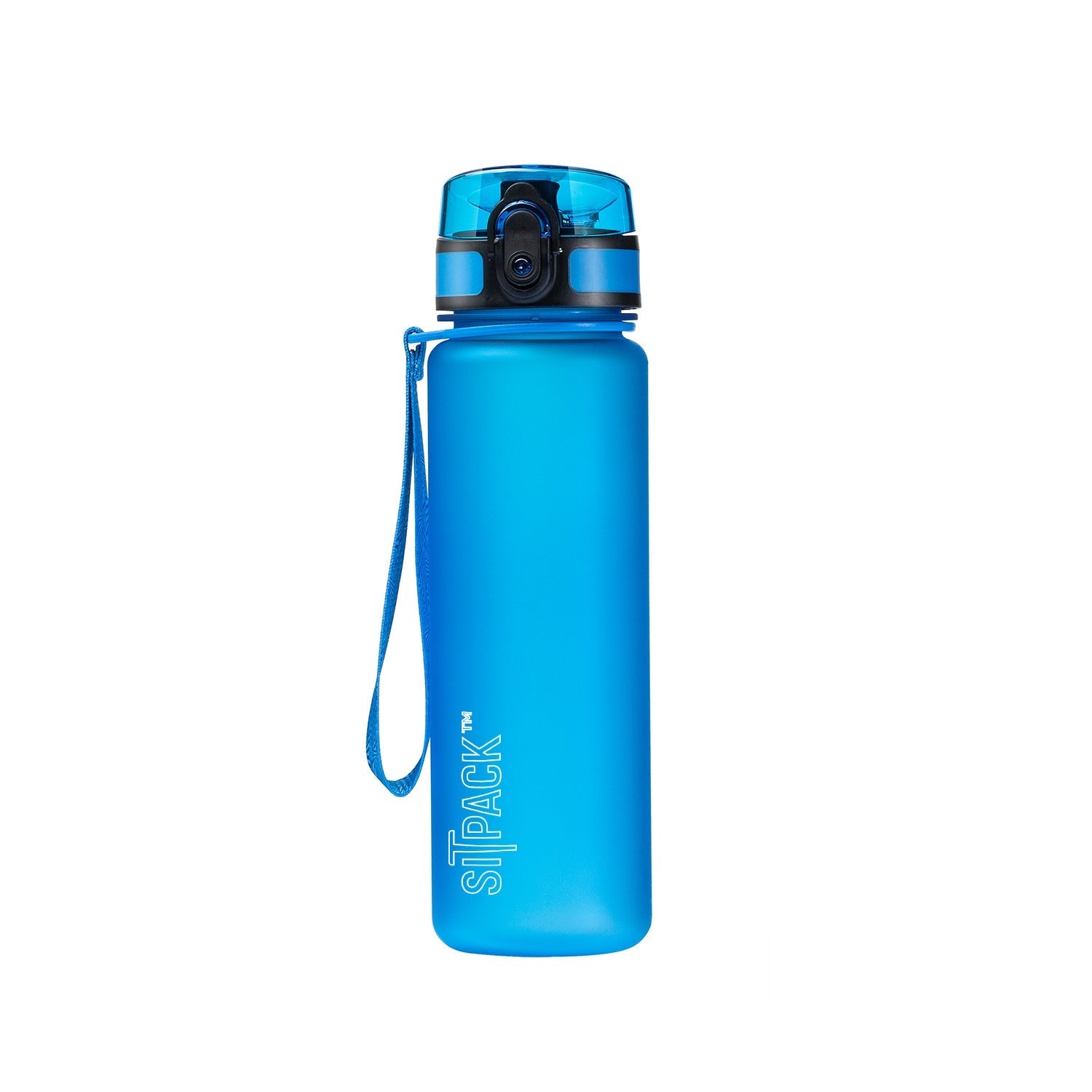
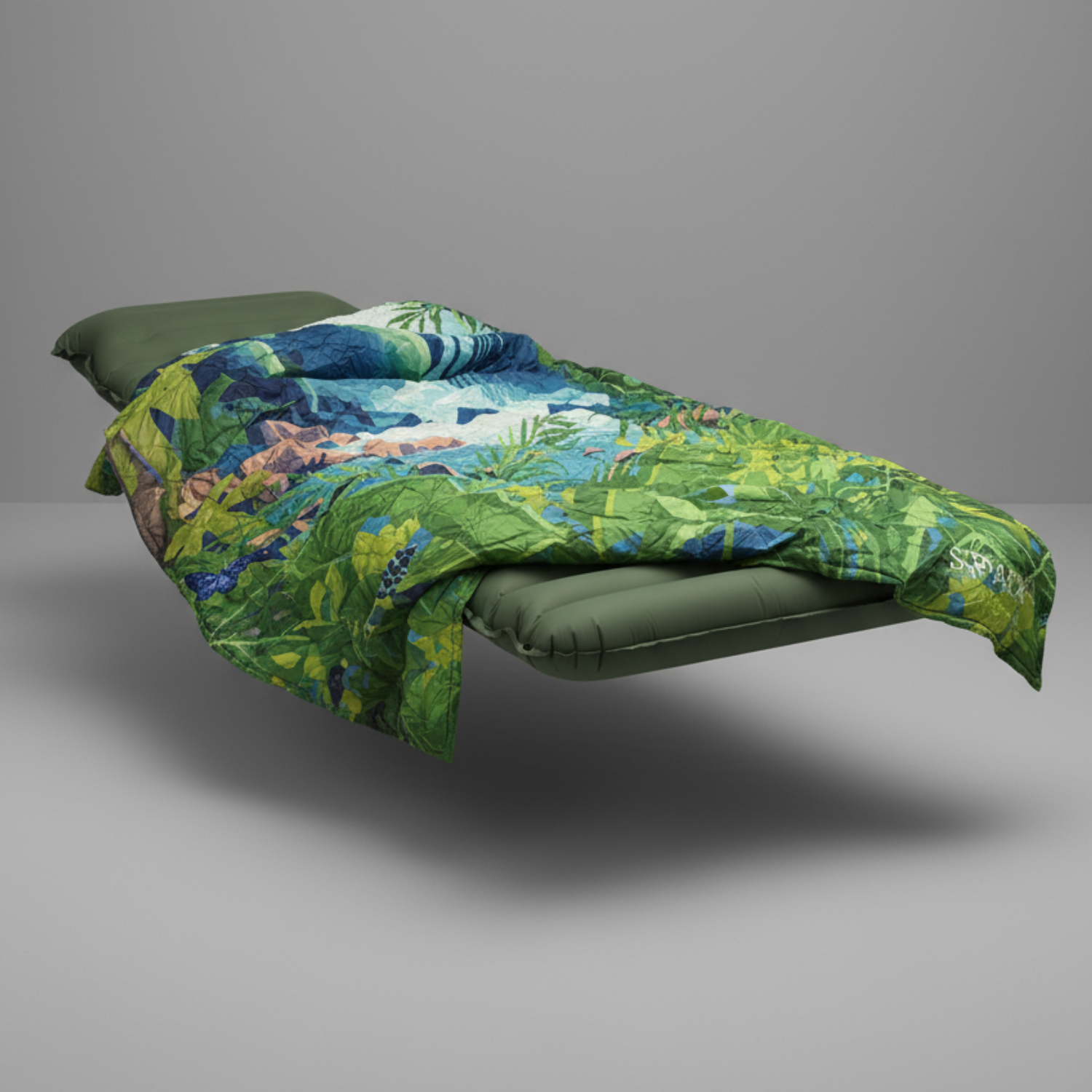
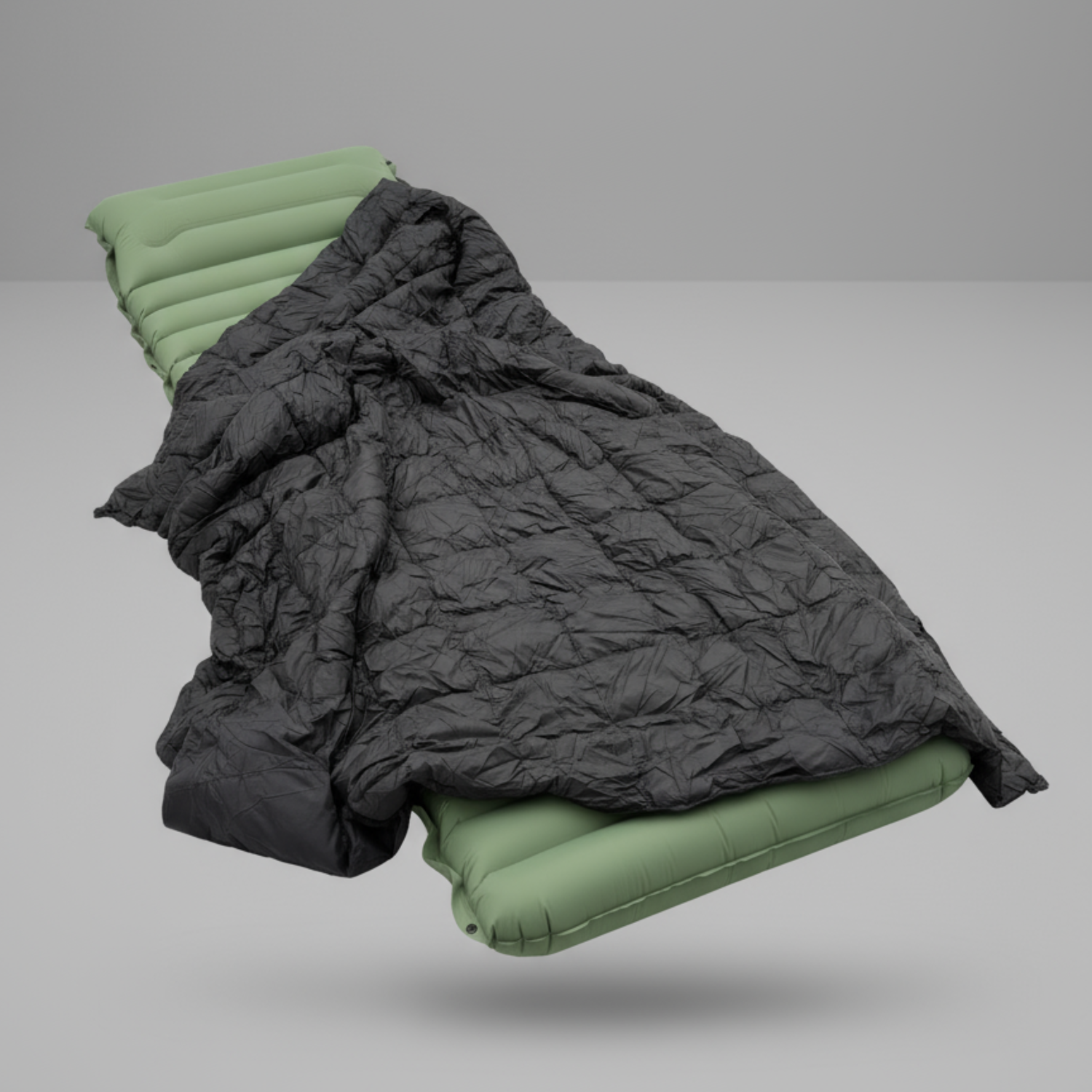
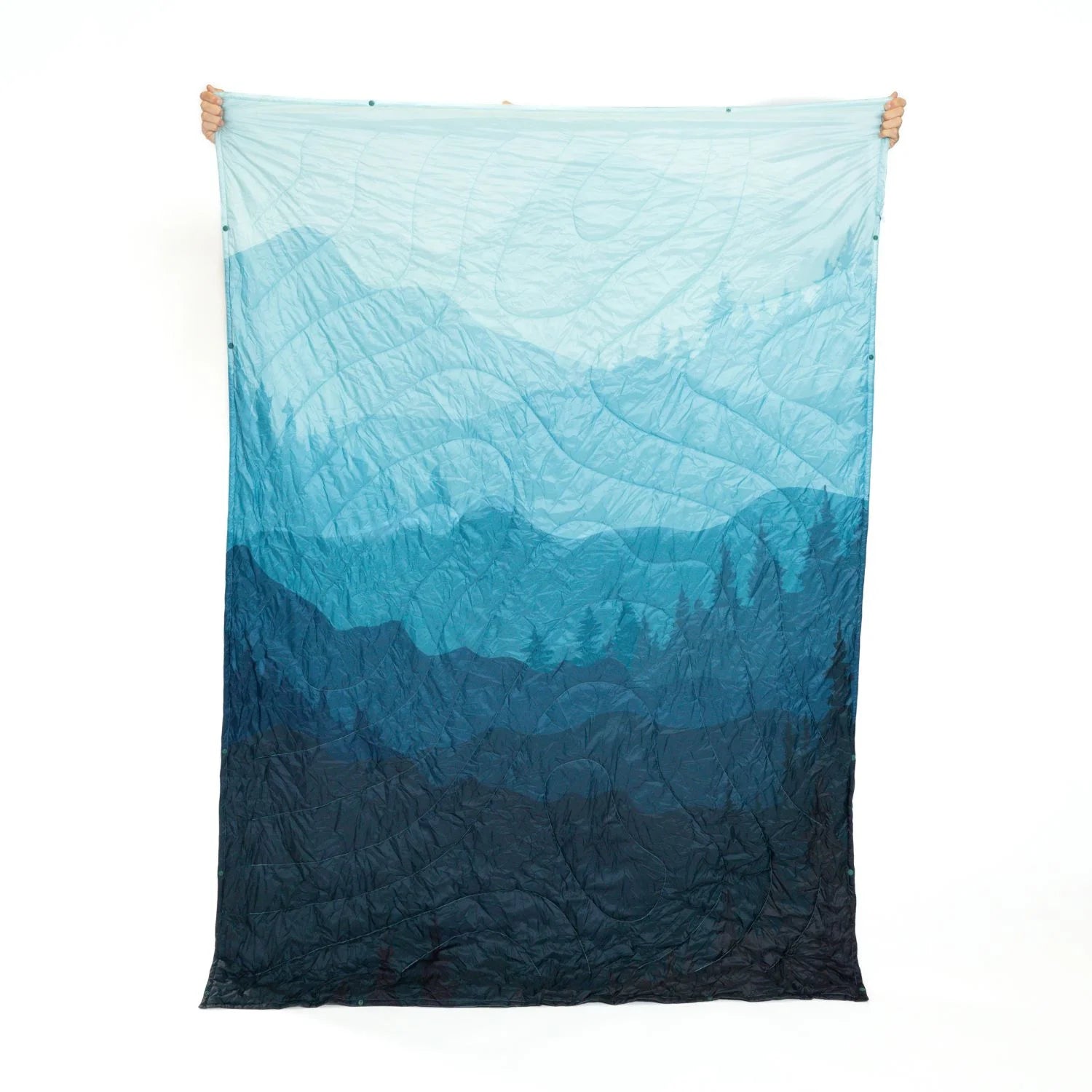
The Campster II and Sitpack Zen are engineered for lightweight portability without sacrificing comfort, and the broader accessory range includes seat warmers, thermal blankets, water bottles, and travel towels that function as a coherent outdoor comfort system. Everything ships internationally with a 45-day satisfaction guarantee and a lifetime warranty on core products, which is the kind of backing you want when you are investing in gear you plan to use for years. Browse the full range at Sitpack’s outdoor accessories and see how portable, well-designed seating can change the feel of your next adventure.
Purpose-built outdoor accessories use ergonomic design and tested materials to reduce fatigue, manage temperature, and prevent injury in ways that improvised solutions simply cannot replicate. The right gear is the difference between finishing a long day strong and cutting it short.
The primary benefits of outdoor gear are pressure redistribution, moisture management, and thermal regulation, which together reduce physical fatigue and improve psychological wellbeing during outdoor activities, as shown in multiple studies.
Check the accessory’s material specifications against your typical environment. Evaporative cooling gear works best in hot, dry conditions but loses effectiveness in humidity, so matching material to climate is critical before buying.
Not automatically, but higher quality accessories typically use materials and designs that integrate multiple comfort features rather than just one, which consistently delivers stronger performance than single-feature budget gear.
Inspect key items like waterproof membranes, cushioning, and structural components before each major trip. Accessories that have lost function should be replaced rather than worked around, since compromised gear rarely fails at convenient moments.