Cart
0
Sign up and get 10$ off your order
Expected delivery
1-3 days
You may also like


Danish Company

TL;DR:
- Modern ergonomic portable chairs offer extended comfort and better terrain adaptability compared to traditional stools.
- Stability on uneven or soft ground depends on wider bases, rubberized feet, and terrain-specific accessories.
- Properly choosing and practicing with your seating enhances outdoor comfort, reducing fatigue and maximizing usage.
Most outdoor enthusiasts assume any portable chair will do the job. Grab something foldable, toss it in the trunk, and you’re set, right? Not quite. The uncomfortable truth is that the majority of portable seats on the market today are poorly engineered for real-world use, leaving you with an aching back, a wobbling frame, and a setup process that could test the patience of a saint. Modern mobile seating has advanced dramatically, and understanding what separates a genuinely great portable seat from a cheapo chair that betrays you mid-campfire can make or break your next adventure.
| Point | Details |
|---|---|
| Ergonomic impact | Modern portable seating can significantly improve posture and reduce fatigue for outdoor enthusiasts. |
| Stability matters | Design variations like wider bases and ground sheets solve sinking and wobble issues on uneven terrain. |
| Ease of setup | Quick setup and intuitive designs are crucial for ensuring portable seating is actually used. |
| Personalization | Selecting seating based on your activity and conditions maximizes comfort and convenience. |
With misconceptions cleared, let’s ground our understanding in the history and recent transformation of portable seating technologies. Because this isn’t just a story about chairs. It’s a story about how we’ve slowly figured out that sitting, even temporarily outdoors, deserves serious design attention.
For most of outdoor recreation history, portable seating meant one thing: a folding stool or a basic camp chair with aluminum legs and a strip of canvas. These designs prioritized portability above everything else. Small, light, cheap. The trade-off? Your spine paid the price after about 45 minutes. Traditional stools offered zero lumbar support, canvas sagged unpredictably, and leg designs that looked fine in the store turned into wobbly disasters on uneven ground.
The shift started happening in the early 2000s when outdoor gear companies began applying ergonomic research to portable furniture. Instead of simply shrinking indoor chair designs, engineers started asking different questions: How does the human body actually distribute weight when seated outdoors? What angle of hip flexion reduces fatigue over two or three hours? How can a frame be both ultralight and structurally sound?
The answers produced measurable results. Modern ergonomic portable seating now targets specific postural metrics, including hip and lumbar angles, to reduce muscle fatigue during extended sitting. Portable seating design is increasingly informed by ergonomic research, with mechanically supporting posture and distributing load proven to reduce fatigue and discomfort during prolonged sitting. That’s not marketing language. That’s biomechanics.
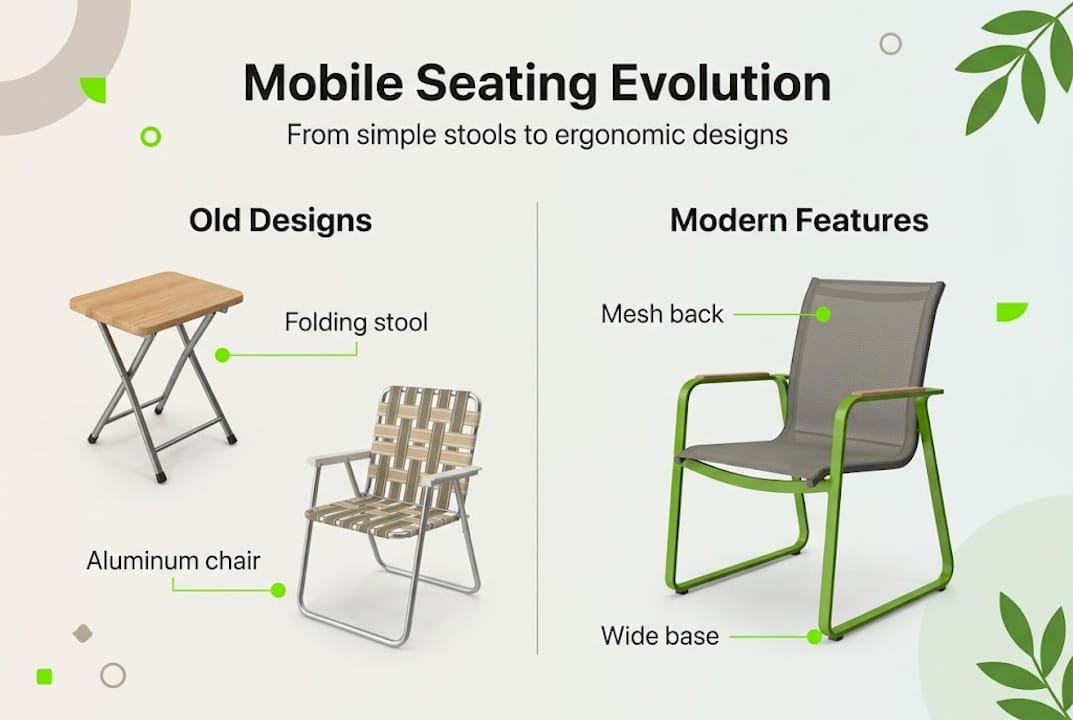
Here’s a quick look at how traditional and modern portable seating stack up across key performance areas:
| Feature | Traditional portable stool | Modern ergonomic portable chair |
|---|---|---|
| Lumbar support | None | Contoured or adjustable |
| Weight | 0.5 to 1.5 kg | 0.8 to 2.5 kg |
| Setup time | Under 30 seconds | 30 to 90 seconds |
| Terrain adaptability | Poor | Good to excellent |
| Comfort duration | 30 to 60 minutes | 2 to 4+ hours |
| Packability | High | Medium to high |
“The best portable chair is the one you’ll actually bring with you — and actually sit in comfortably for hours, not minutes.”
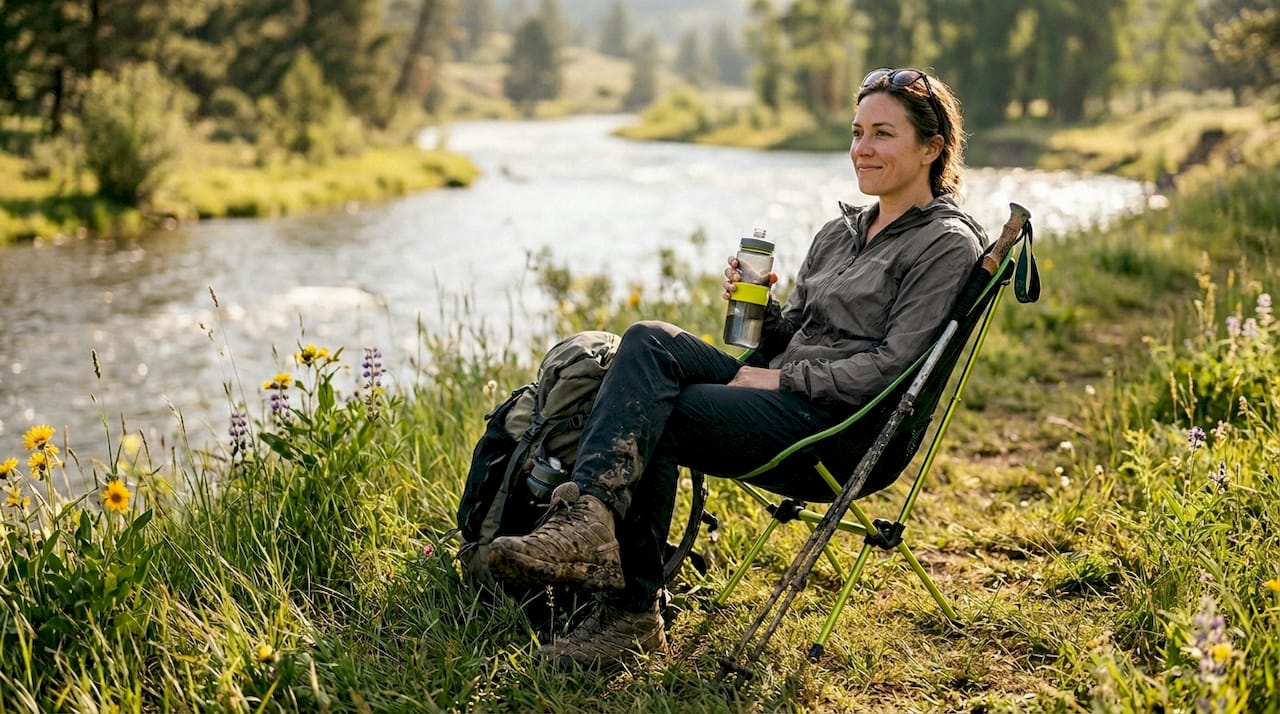
Modern portable seating now supports a wide range of use cases that traditional designs simply couldn’t handle. Think urban commuters who need a seat during outdoor concerts, festival-goers standing in line for hours, hikers who want a proper rest at a summit, and campers who spend entire evenings around a fire. The seating buying guide at Sitpack covers how to match seating design to your specific activity, which is a genuinely useful starting point if you’re feeling overwhelmed by the options.
Key improvements in modern portable seating include:
The evolution isn’t finished either. Designers are still refining the balance between packability and comfort, and the results keep getting better.
Now that we understand the ergonomic advances, let’s tackle another persistent issue: stable seating on rough outdoor terrain. Because there’s nothing quite as humbling as slowly sinking into soft mud while trying to look relaxed at a campsite.
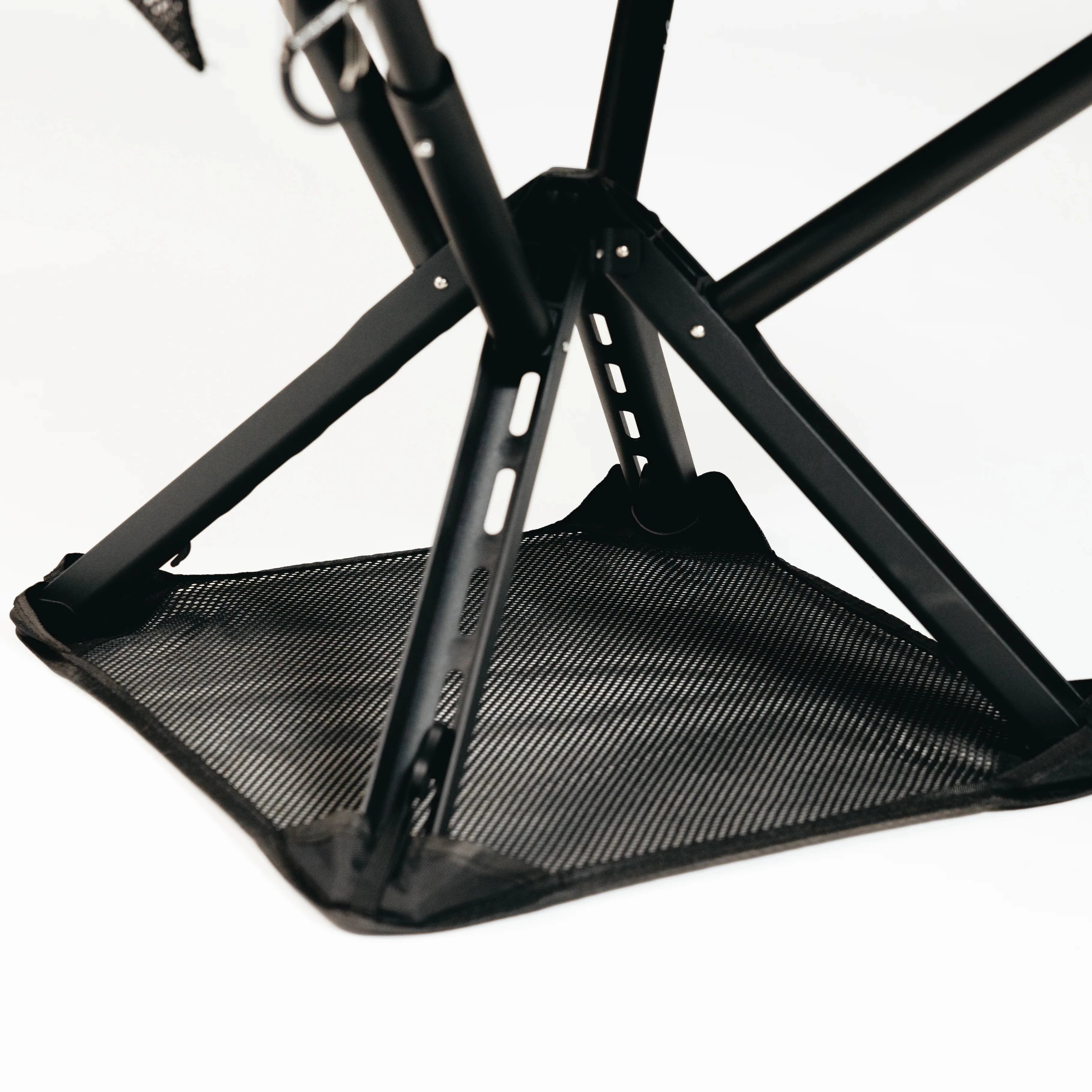
Stability is arguably the most underappreciated test criterion for portable seating. Most people evaluate a chair in a showroom or living room, on a flat, hard floor. Then they take it to a beach, a forest floor, or a festival field, and suddenly the whole thing behaves like it’s auditioning for a circus act. Stability on uneven or soft ground is a core engineering constraint, and lightweight designs often require trade-offs or add-ons like wider bases and ground sheets to prevent sinking and wobbling.
The engineering solutions to this problem are more creative than you might expect. Here’s a ranked breakdown of the most effective stability approaches:
Let’s compare two common approaches directly:
| Stability factor | Basic folding stool | Advanced portable chair |
|---|---|---|
| Base footprint | Narrow | Wide or adjustable |
| Leg tips | Bare metal | Rubberized or capped |
| Ground sheet compatibility | None | Often included or available |
| Performance on soft ground | Poor | Good |
| Performance on rocky terrain | Moderate | Good to excellent |
For practical advice on navigating different terrain types, the camping seating tips section at Sitpack is packed with real-world guidance that goes beyond the basics.
Pro Tip: Before any outdoor trip, scout the terrain type you’ll be sitting on. Sandy beach? Bring a ground sheet or wide-base chair. Rocky hillside? Prioritize a tripod design or rubberized feet. Investing in the right stability add-on for your specific environment costs very little but saves a lot of frustration.
One thing that surprises people is how much terrain awareness improves the experience. Most seating failures in the field aren’t about the chair being bad. They’re about using the wrong chair for the conditions. A minimalist stool that’s perfect for a hard-packed festival ground becomes a liability in a rain-softened campsite. Matching your seating choice to your terrain is just as important as matching your footwear to the trail.
After solving stability, comfort is the next vital area where design truly impacts your outdoor experience. And here’s where the gap between budget and quality portable seating becomes most obvious, often painfully so.
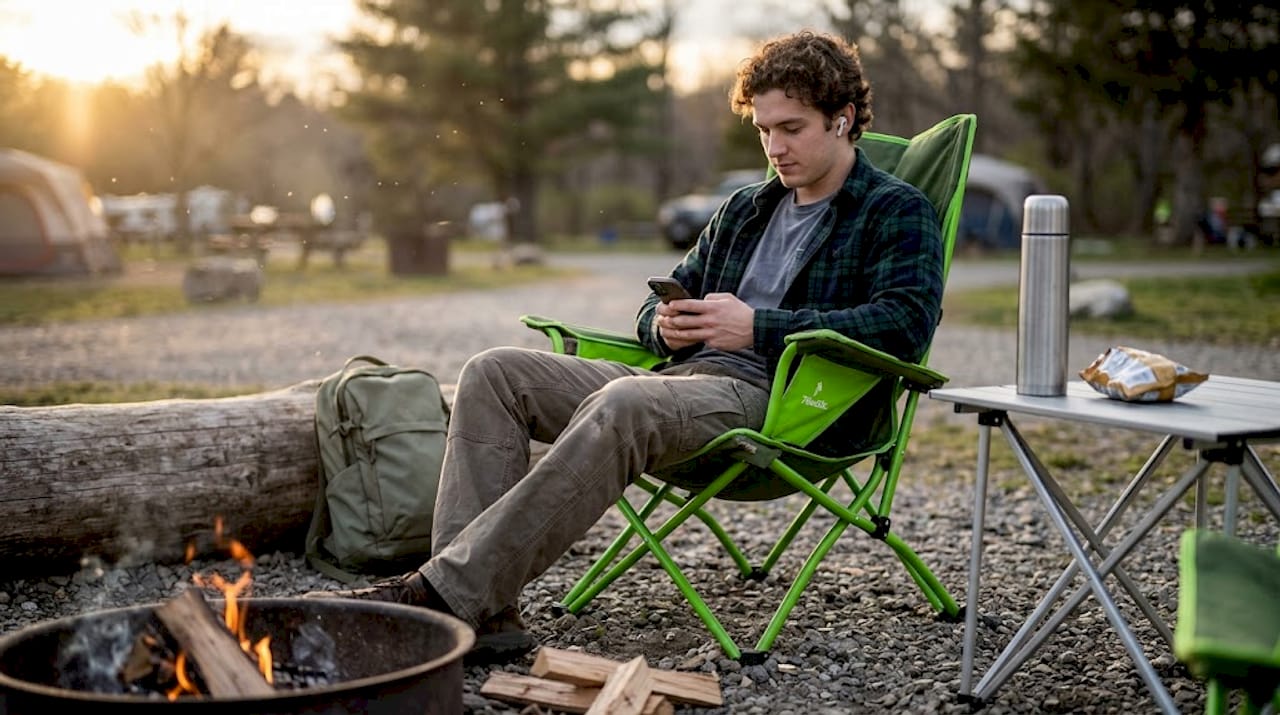
The core ergonomic principle in portable seating is maintaining the spine’s natural S-curve while seated. When that curve collapses, which happens almost immediately in poorly designed chairs, your lower back muscles start compensating. After an hour or two, those muscles fatigue, and the discomfort sets in. This is why you feel fine for the first 30 minutes in a cheap camp chair, then progressively worse for the next two hours.
Portable seating design can reduce fatigue and discomfort during prolonged sitting, which matters enormously for people who use portable chairs for extended periods at events, campsites, or travel layovers. The key design features that deliver this benefit include:
Comfort stat worth knowing: Research into flexible seat pan designs shows measurable improvements in postural maintenance and muscle fatigue profiles compared to rigid seat alternatives, particularly during sitting sessions exceeding 60 minutes.
When you’re seated for two, three, or four hours at an outdoor event or around a campfire, even a five-degree improvement in lumbar angle makes a noticeable difference in how you feel at the end of the day. That’s not a small thing. That’s the difference between waking up refreshed and waking up stiff.
For practical guidance on choosing seating that delivers genuine comfort at outdoor events, the event seating tips resource at Sitpack breaks down what to look for based on activity duration and environment. It’s worth a read before your next festival or extended outdoor trip.
One often-overlooked factor is seat depth. A seat that’s too deep forces you to either slouch against the backrest or perch on the edge, neither of which supports good posture. Quality portable chairs are increasingly designed with seat depth in mind, not just width and height. Small details like this separate genuinely ergonomic designs from chairs that merely look comfortable in a product photo.
Comfort and stability matter, but let’s not overlook the day-to-day usability factor: how quickly and easily you deploy your seat. Because the most ergonomically perfect chair in the world is useless if it’s still in your bag because you couldn’t be bothered wrestling with it.
Setup time and ease of use are practical determinants of whether portable seating actually gets used. Expert reviewers explicitly test setup and takedown in real camping contexts, and the results consistently show that chairs with complex assembly get left behind. It’s human nature. If something is annoying to set up, you’ll find reasons not to bother.
The good news is that modern design has made enormous strides in usability. Here’s a practical checklist for evaluating setup quality before you buy:
Pro Tip: Practice setting up and packing your portable chair at home a few times before your first trip. It sounds obvious, but familiarity with the mechanism means you won’t be fumbling with it in the dark at a campsite or rushing to pack up before a festival crowd surges. Two or three practice runs at home can save real stress in the field.
The outdoor seating tips page at Sitpack includes hands-on advice about choosing seating that fits your pace and activity style, including recommendations for people who prioritize ultra-fast deployment over maximum comfort features.
Usability also extends beyond setup. Carry systems matter. A chair that sets up in 20 seconds but requires a complicated stuff-sack origami routine to pack away is still a frustration. Look for integrated carry straps, compact fold dimensions that fit in a daypack, and weight distribution that makes carrying comfortable over longer distances. The whole package has to work together.
Here’s the honest truth that most gear guides won’t tell you: people consistently underutilize their portable seating because they treat it as an afterthought. Shoes get researched for weeks. Tents get obsessively compared. But the thing you park your posterior on for six hours at a festival? “Eh, any chair will do.”
That attitude costs you. Not in dollars, but in comfort, energy, and enjoyment. Smart outdoor users treat seating as strategic gear, selecting it deliberately, testing it before trips, and refining their choice based on real experience. The portable seating guide at Sitpack is a great resource for making that shift from reactive to intentional.
The practical advice is simple but easy to skip. Research the ergonomic design of any chair before buying, not just the weight and packed size. Practice your setup at home. Match your seating choice to the specific activity and terrain, not just the general category of “outdoor.” And don’t settle for “good enough” just because the chair was cheap or convenient. Over a long trip or a full festival weekend, small ergonomic improvements accumulate into a genuinely better experience. Your future self, the one who isn’t stiff and sore on day two, will thank you for the extra thought you put in upfront.
Ready to take the next step? Here’s where you can find cutting-edge mobile seating to enhance your outdoor experiences.
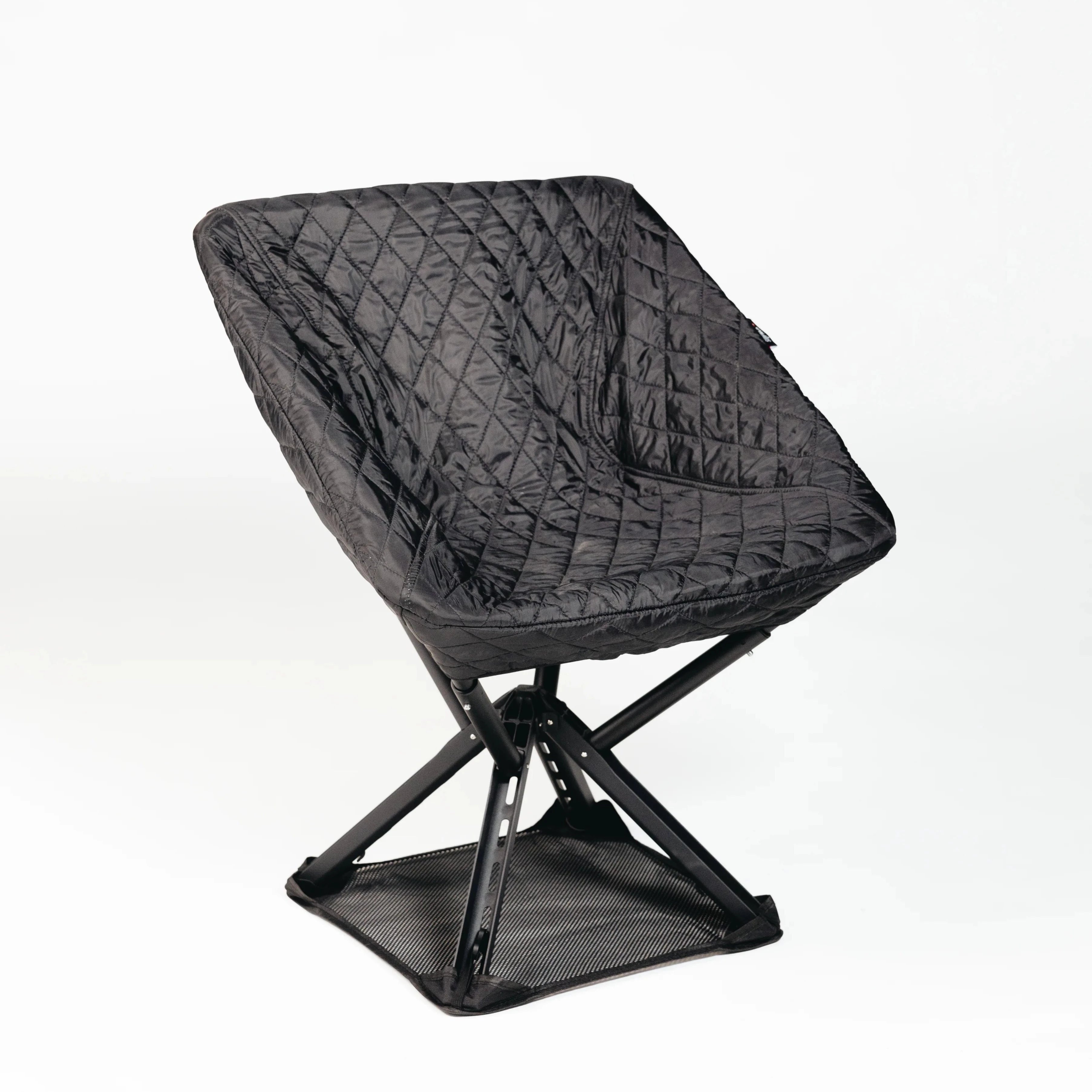
If the ideas in this article resonated with you, then you’ll appreciate what Sitpack has built. Every product in the Sitpack portable seating lineup is engineered with the principles we’ve covered here: genuine ergonomic support, terrain-ready stability, and setup simplicity that actually holds up in real-world conditions. From the ultralight Campster II to the minimalist Sitpack Zen, these aren’t chairs designed to look good in a catalog. They’re designed to be used, repeatedly, comfortably, and without fuss. Browse the full range, check out the accessories like seat warmers and travel towels, and find the setup that fits your next adventure.
Solutions use wider bases or ground sheets to distribute weight and minimize sinking or wobble, as lightweight designs often require these add-ons to maintain stability on soft or uneven terrain.
Yes, absolutely. Ergonomic designs significantly reduce muscle fatigue and help maintain proper posture during prolonged sitting, which makes a real difference over a full day at an event.
Single-step mechanisms and intuitive locking joints allow for fast deployment and packing. Experts test setup and takedown specifically in real camping contexts because usability directly determines whether a chair actually gets used.
Consider the type of activity, the ground conditions you’ll encounter, the level of ergonomic support you need, and how quickly you need to set up and pack away. Matching all four factors to a single chair is the goal, and it’s more achievable than most people think with today’s range of purpose-built portable seating options.