カート
0
サインアップすると注文から 10 ドル割引になります
配達予定
1〜3日
こちらもおススメ


デンマークの会社


Finding a seat that is both truly portable and comfortable is a challenge many American adventurers face. As eco-minded travelers and camping enthusiasts demand lighter gear, the market for foldable seating is growing fast. In fact, the global outdoor furniture market is projected to surpass $23 billion by 2026, driven by smarter materials and sustainability. This guide explains how modern lightweight seats overcome old myths, support your lifestyle, and help you choose the best eco-friendly option for city commutes or outdoor escapes.
| Point | Details |
|---|---|
| Importance of Design | Lightweight seating blends ergonomic design with advanced materials, enhancing comfort and usability for various environments. |
| Versatility in Use Cases | These seats are adaptable, catering to outdoor, urban, and event scenarios, ensuring you have the right support regardless of your location. |
| Sustainability Matters | Investing in lightweight seating often includes sustainable choices that offer long-term durability and reduced environmental impact. |
| Avoid Common Pitfalls | Focus on quality and ergonomic features rather than just price to ensure a satisfactory and durable lightweight seating choice. |
Lightweight seating represents far more than just a portable chair—it’s a dynamic solution designed for modern adventurers and urban explorers seeking comfort without compromise. These innovative seating options fundamentally reimagine how we experience mobility, transforming traditional concepts of portable furniture into sleek, adaptable companions for every journey.
Contrary to popular misconceptions, lightweight seating isn’t about sacrificing comfort for portability. Research on flexible seating design reveals these solutions can actually enhance physical and emotional well-being. They address critical user needs by providing adaptable support across diverse environments—from outdoor camping trips to urban commuting scenarios. The key lies in understanding that modern lightweight seating integrates ergonomic principles with compact engineering.
Common myths about lightweight seating often revolve around perceived limitations. Many assume these chairs are flimsy, uncomfortable, or only suitable for minimal use. However, contemporary designs challenge these preconceptions by incorporating advanced materials like aerospace-grade aluminum, high-tensile synthetic fabrics, and intelligent folding mechanisms. These innovations ensure durability, comfort, and remarkable weight reduction without compromising structural integrity.
Key Characteristics of Quality Lightweight Seating:
Pro tip: When selecting a lightweight seat, prioritize versatility and weight-to-support ratio over pure minimalism—a truly exceptional portable chair balances portability with genuine comfort and reliability.
Lightweight portable seating encompasses a diverse range of innovative designs tailored to meet the dynamic needs of modern adventurers, travelers, and outdoor enthusiasts. From minimalist camping chairs to urban commuter solutions, these seating options represent a sophisticated evolution in portable comfort technology.
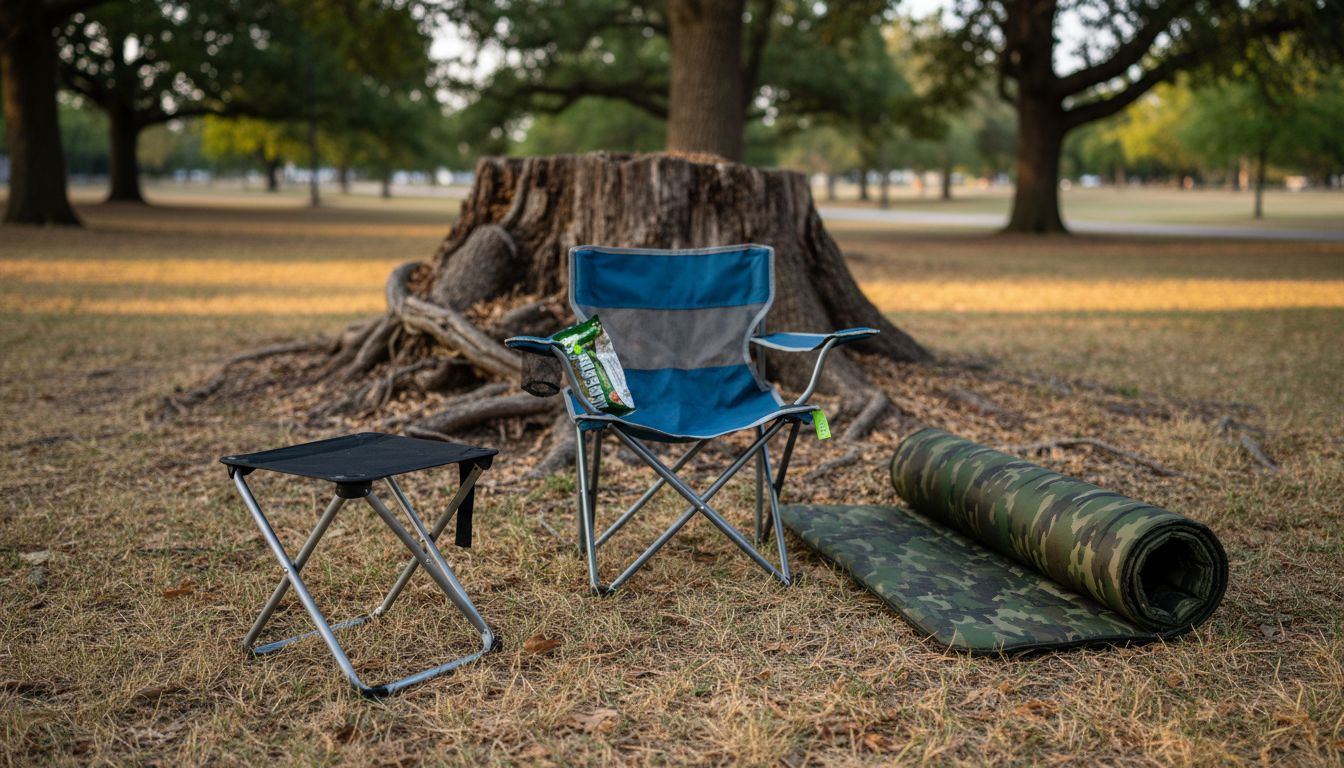
Research on sustainable lightweight design highlights the complex engineering behind portable seating, revealing multiple categories that cater to specific user requirements. These categories typically include ultralight backpacking chairs, compact folding stools, inflatable seats, minimalist ground seats, and advanced ergonomic portable chairs. Each type addresses unique environmental challenges and user mobility needs, demonstrating remarkable engineering precision in creating versatile seating solutions.
The primary categories of lightweight portable seats can be classified based on their specific use cases and design characteristics:
Backpacking and Hiking Seats:
Urban Commuter Seats:
Specialized Portable Seating:
Pro tip: When selecting a portable seat, consider your primary use case, expected terrain, weight restrictions, and personal comfort requirements to find the most suitable lightweight seating solution.
Lightweight portable seating represents a sophisticated intersection of materials science, ergonomic design, and user-centric engineering. Modern portable seats are no longer simple utilitarian objects, but carefully crafted solutions that balance weight, durability, and comfort through innovative design approaches.
Breakthrough research in lightweight seating design reveals remarkable advancements in material selection and structural optimization. Designers now integrate bio-based materials like hardwood composites, advanced synthetic fibers, and experimental substances such as mycelium to create seating solutions that are incredibly light yet structurally robust. These materials are meticulously engineered to meet stringent performance criteria, including load-bearing capacity, moisture resistance, and environmental sustainability.
Critical Material Characteristics:
Design Considerations for Optimal Comfort:
Performance Metrics for Lightweight Seats:
Pro tip: Always test a portable seat’s weight capacity and material flexibility before committing to a long-term outdoor adventure or extended travel scenario.
Lightweight portable seating has revolutionized how modern adventurers and professionals experience mobility, transforming traditional expectations of comfort and convenience across multiple environments. From bustling airport terminals to remote wilderness trails, these innovative seating solutions provide unprecedented flexibility and support.
Comprehensive research on public seating design highlights the remarkable adaptability of lightweight seats across diverse contexts. These versatile solutions are engineered to meet specific requirements in travel hubs, urban spaces, camping scenarios, and large-scale events, demonstrating an extraordinary range of functional applications that extend far beyond traditional furniture limitations.
Travel and Transit Applications:
Urban Mobility Solutions:
Camping and Outdoor Recreation:
Event and Large Gathering Uses:
Pro tip: Select a lightweight seat that matches your most frequent environment—versatility matters more than absolute perfection for any single scenario.
Here is a summary of how different user environments influence ideal lightweight seating choices:
| Environment | Top Seating Priorities | Common Features |
|---|---|---|
| Outdoor Adventure | Weight and packability | Ultralight, weather-resistant materials |
| Urban Commuting | Quick deployment, compactness | Foldable, slim profile design |
| Events & Gatherings | Rapid setup, group seating | Modular, easy to transport |
| Travel & Transit | Minimal storage, comfort | Stackable, ergonomic support |
The evolution of portable seating represents a fundamental shift in how we conceptualize comfort, mobility, and user experience across diverse environments. Traditional seating models, once considered the gold standard, are increasingly being challenged by innovative lightweight alternatives that prioritize flexibility, adaptability, and user-centric design.
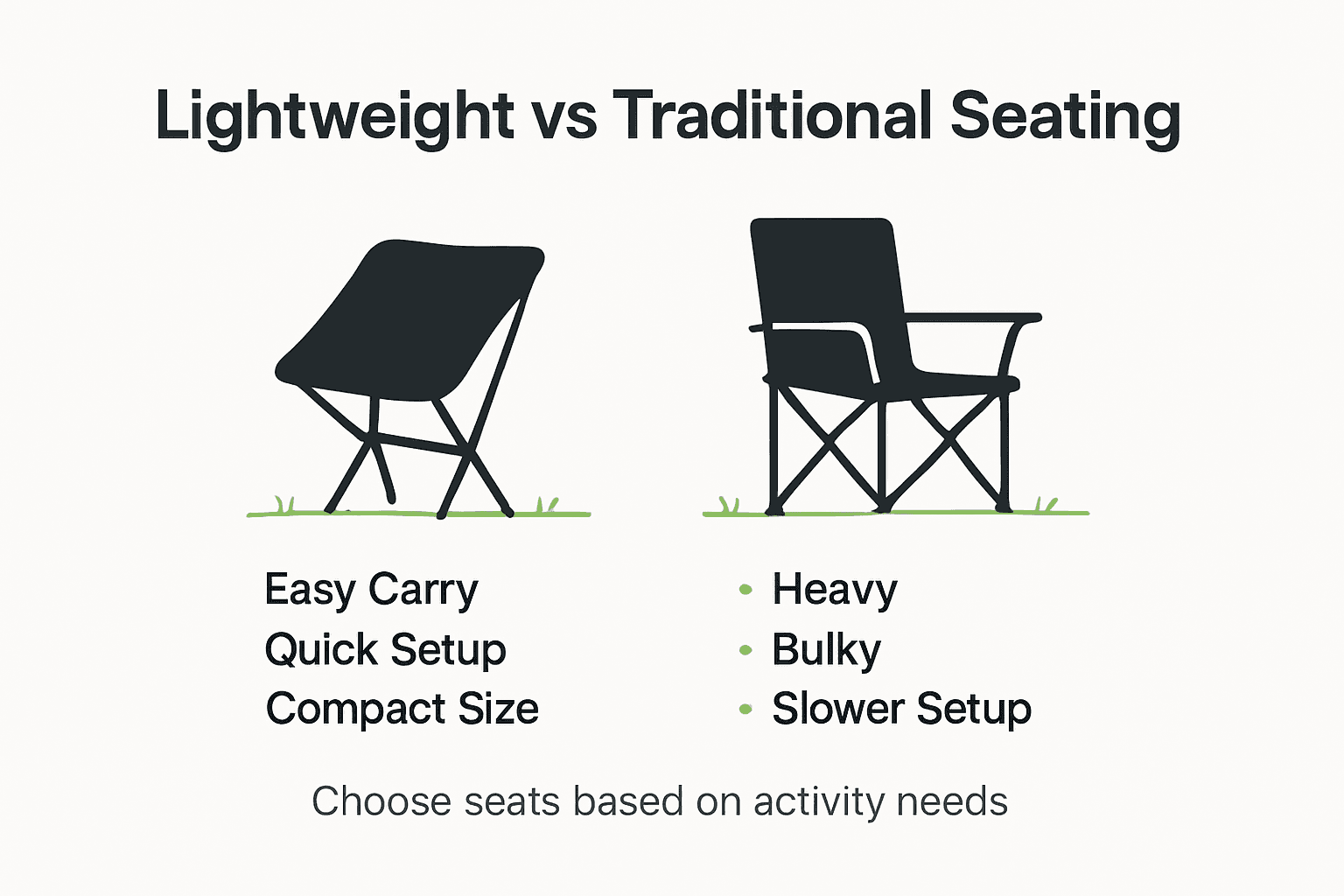
Contemporary research on seating dynamics reveals critical distinctions between traditional and lightweight seating solutions. While conventional chairs often restrict movement and create physical constraints, lightweight portable seats are engineered to support dynamic user needs, promoting better engagement, comfort, and overall well-being. This fundamental difference transforms seating from a static object to an adaptive personal support system.
Comparative Analysis:
Traditional Seating Characteristics:
Lightweight Seating Advantages:
Performance Metrics Comparison:
Pro tip: Prioritize versatility and personal mobility requirements when selecting seating—a lightweight option that matches your lifestyle will always outperform traditional alternatives.
Navigating the world of lightweight seating requires a strategic approach that balances financial investment, environmental responsibility, and practical functionality. Modern consumers increasingly recognize that choosing the right portable seat involves more than just price comparison—it demands a holistic understanding of long-term value and sustainable design principles.
Comprehensive research on sustainable seating design reveals critical insights into the complex decision-making process surrounding lightweight seating options. Sustainable materials and construction methods can significantly increase upfront costs, but often translate into substantial long-term benefits, including reduced environmental impact, improved durability, and enhanced user experience.
Cost Evaluation Factors:
Common Mistakes to Avoid:
Sustainability Considerations:
Pro tip: Invest in a lightweight seat that balances affordability with quality—sometimes spending 20% more upfront can save you 50% in replacement costs over time.
Compare costs and sustainability considerations for lightweight seating investment:
| Factor | Budget Option Impact | Premium Sustainable Impact |
|---|---|---|
| Initial Cost | Lower, may sacrifice durability | Higher, lasts longer |
| Replacement Frequency | More frequent | Rarely needed |
| Environmental Impact | Increased waste, lower recyclability | Reduced footprint, eco-friendly materials |
| Long-term Value | Potential hidden costs | Savings over time |
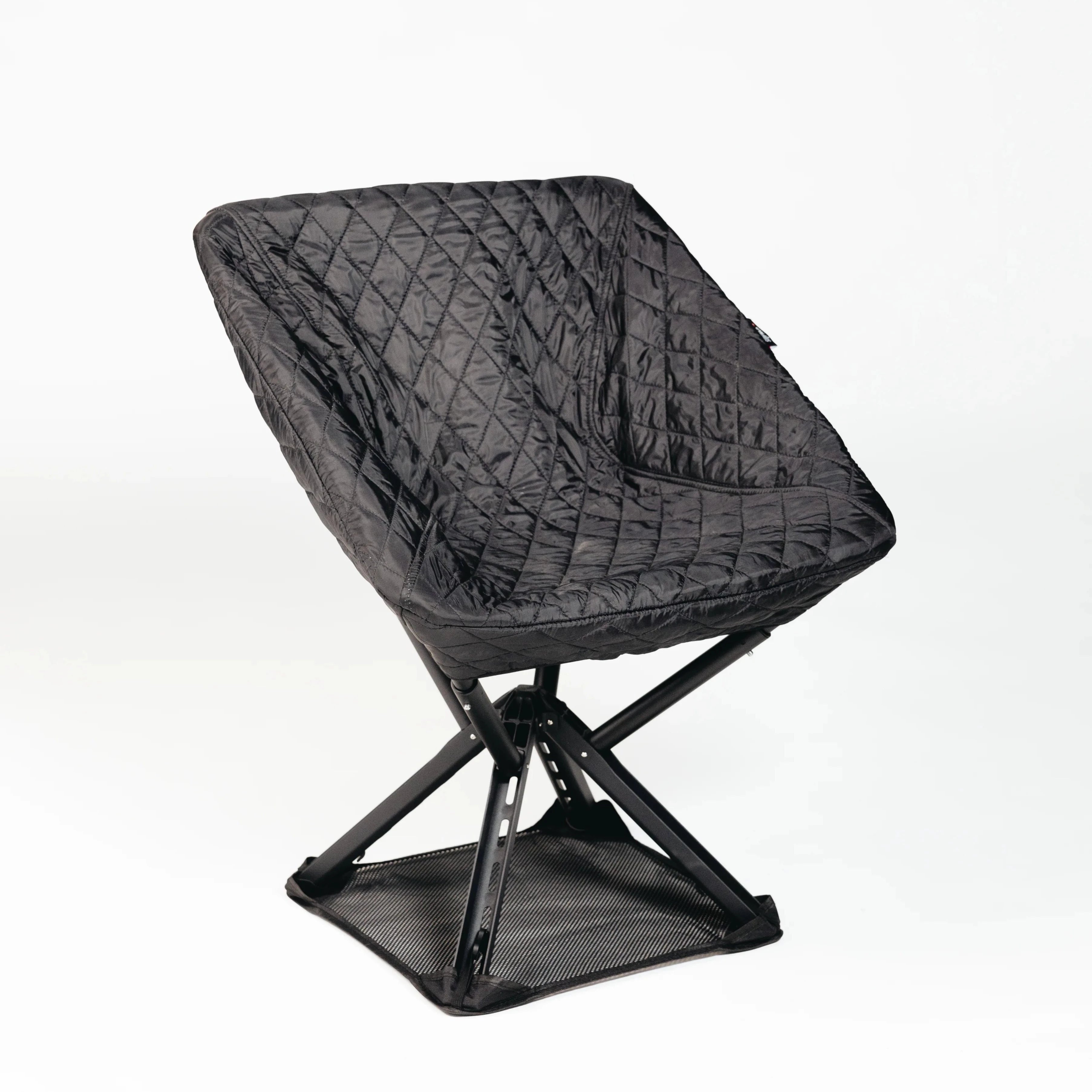
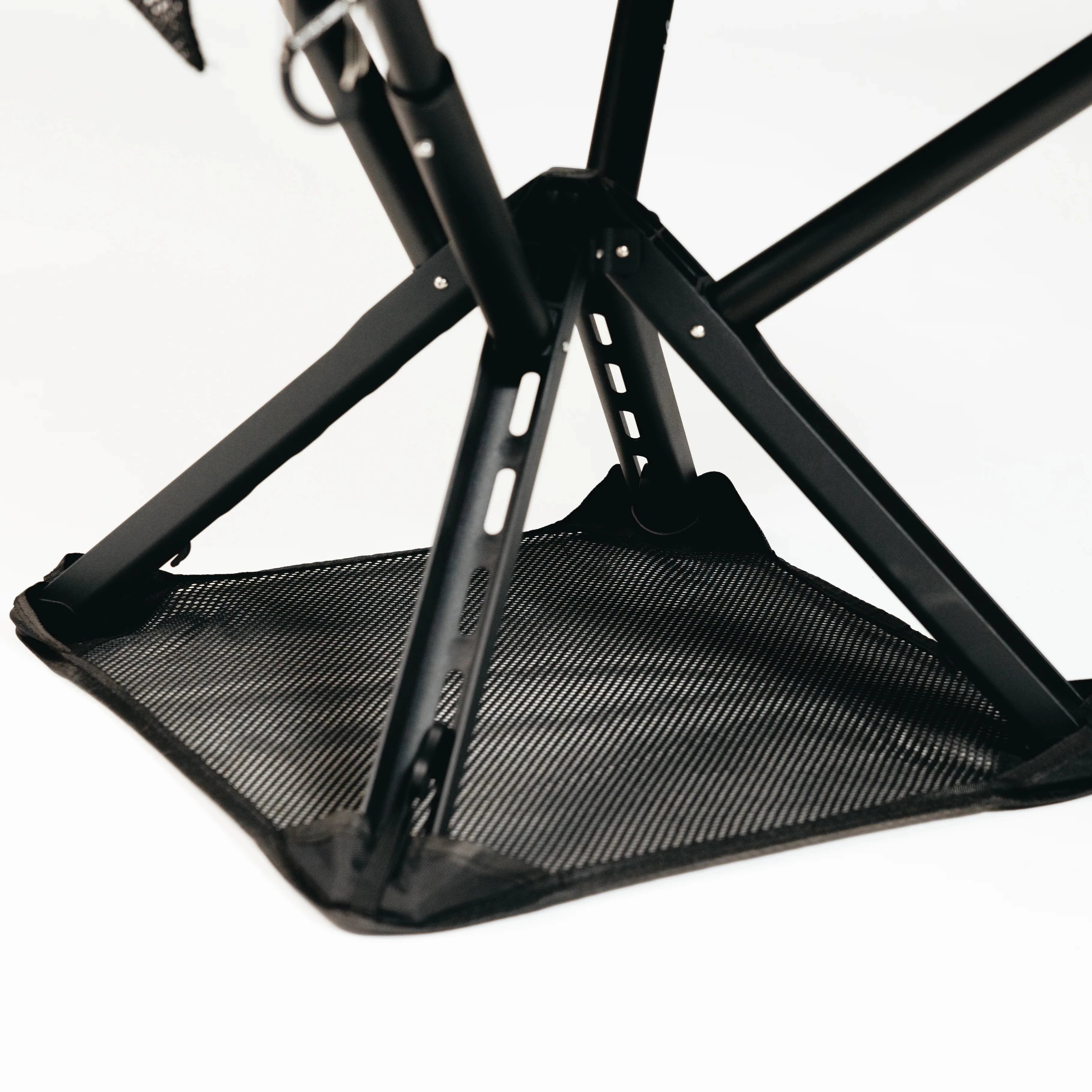
Struggling to find a portable seat that perfectly balances durability, comfort, and minimalist design as highlighted in the benefits of lightweight seating for outdoor life Use Sitpack to explore innovative seating solutions like the Campster II and Sitpack Zen that expertly combine ergonomic support with ultralight materials These chairs resolve common challenges such as bulkiness and discomfort while enhancing your mobility and lifestyle
Experience firsthand how thoughtfully engineered lightweight seats can transform your outdoor adventures whether backpacking, camping, or urban commuting Visit Sitpack now to shop best-sellers and new arrivals featuring eco-friendly materials and lifetime warranties Act today to enjoy fast worldwide delivery and a 45-day satisfaction guarantee ensuring you get comfort without compromise
Lightweight seating is designed for portability without compromising comfort. It typically features durable materials, a compact folding mechanism, and ergonomic designs that enhance user experience during outdoor adventures.
Lightweight seating is generally more portable and easier to set up than traditional camping chairs, often weighing under 5 pounds. It offers flexibility and adaptability, allowing users to easily transport and quickly deploy their seating in diverse outdoor settings.
Key features to consider include weight (ideally under 5 pounds), compact folding design, weather resistance, support for various body types, and ease of setup and breakdown to ensure optimal use in outdoor conditions.
Yes, modern lightweight seating options utilize advanced materials such as aerospace-grade aluminum and high-tensile synthetic fabrics, ensuring that they are both durable and comfortable, suitable for repeated use in various outdoor environments.