カート
0
サインアップすると注文から 10 ドル割引になります
配達予定
1〜3日
こちらもおススメ
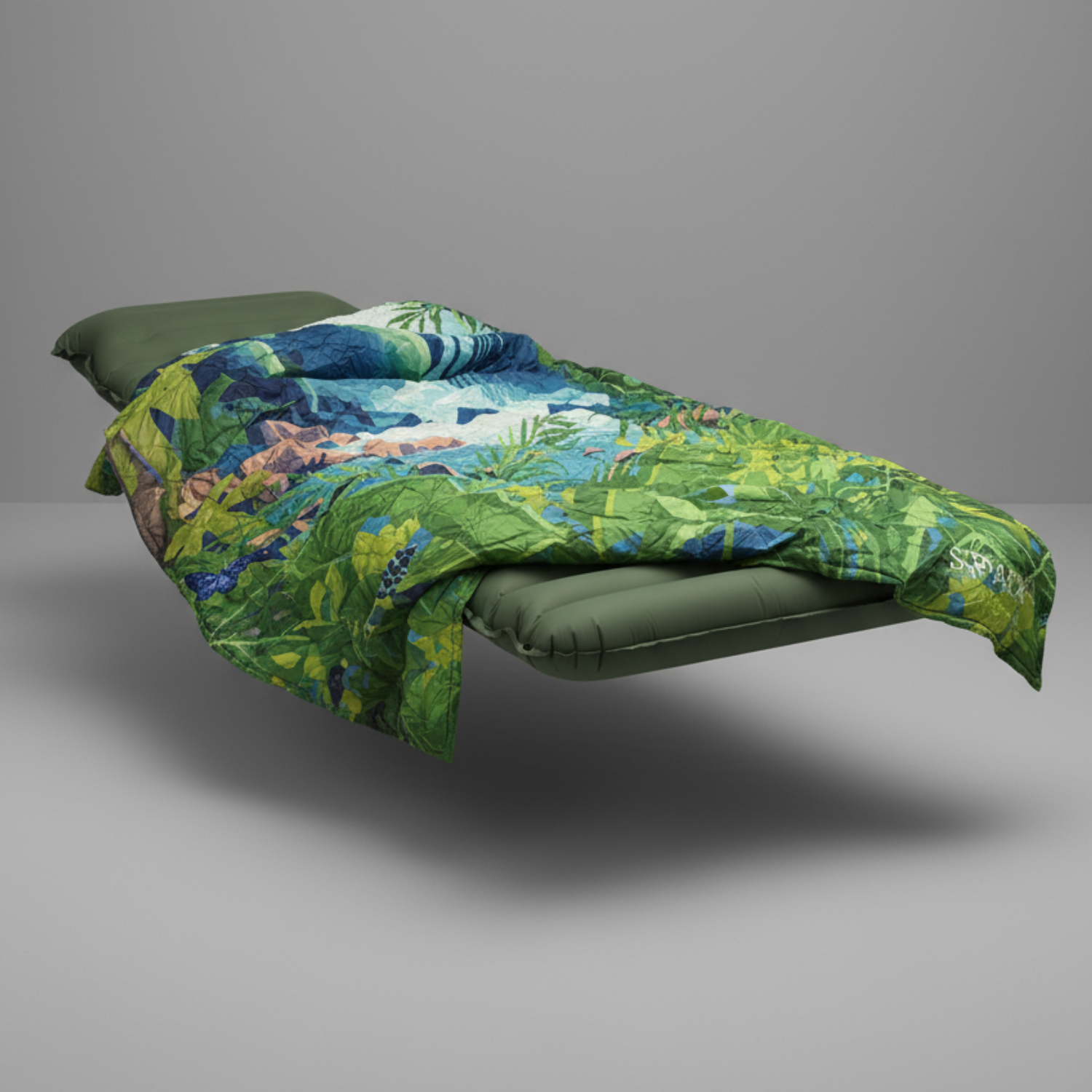
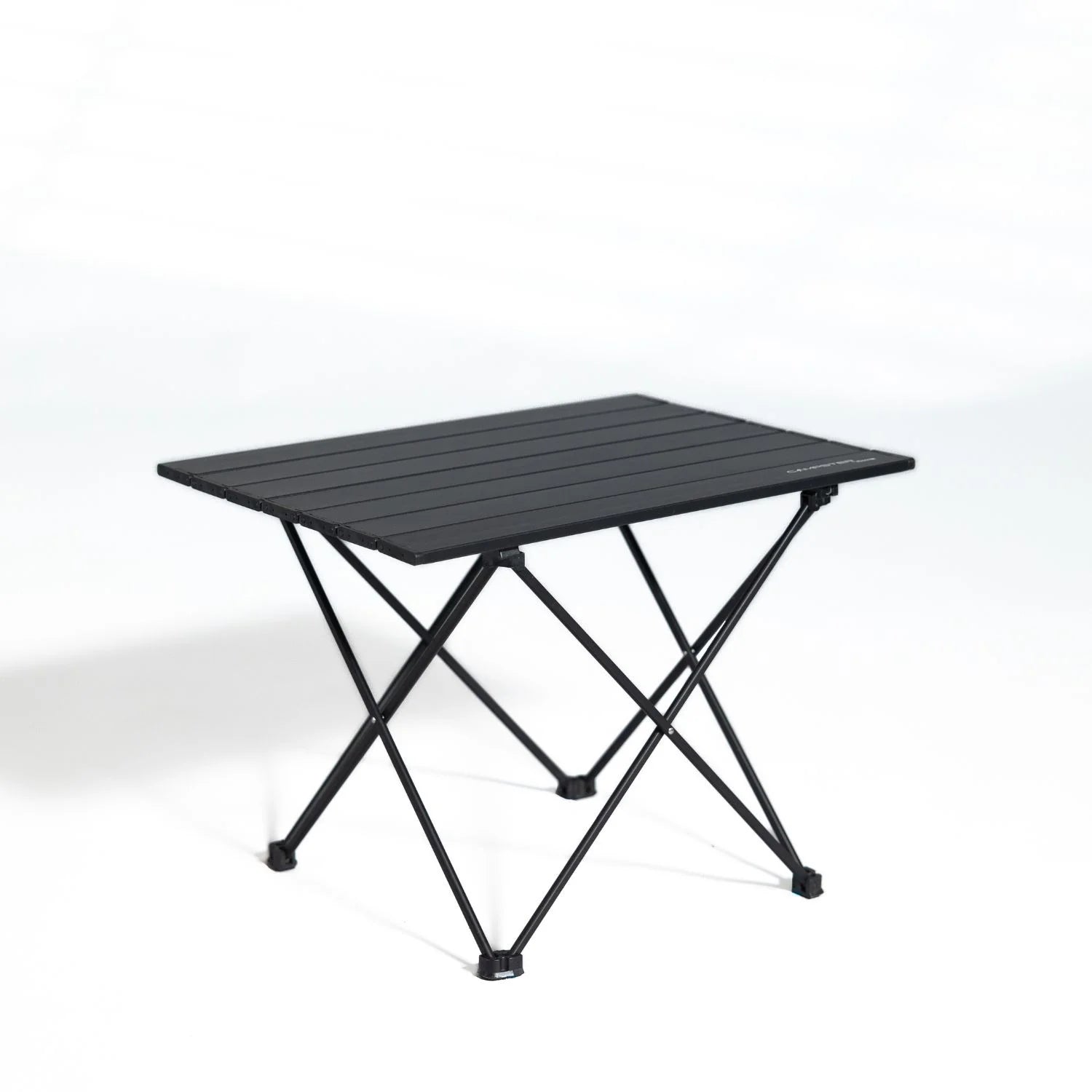
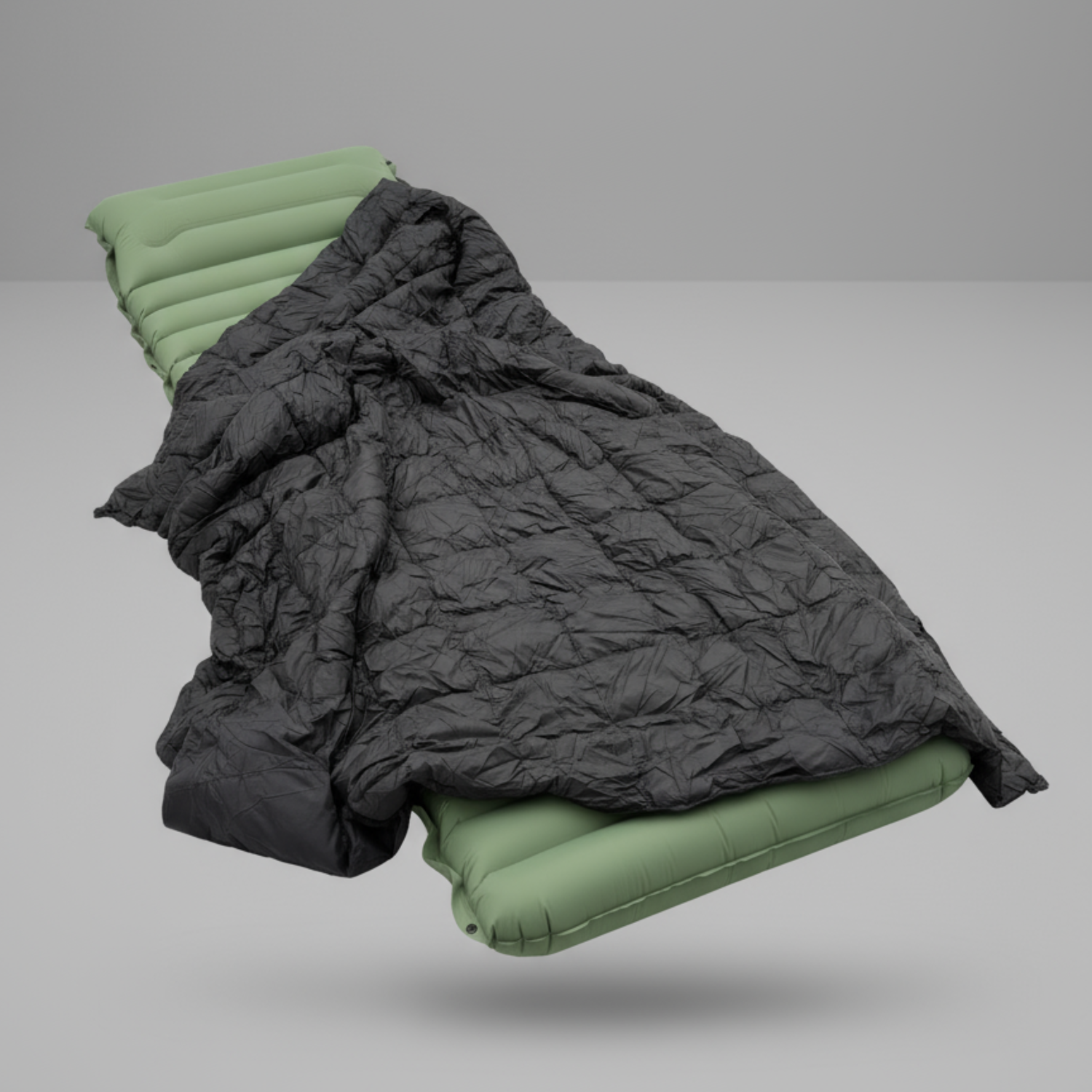
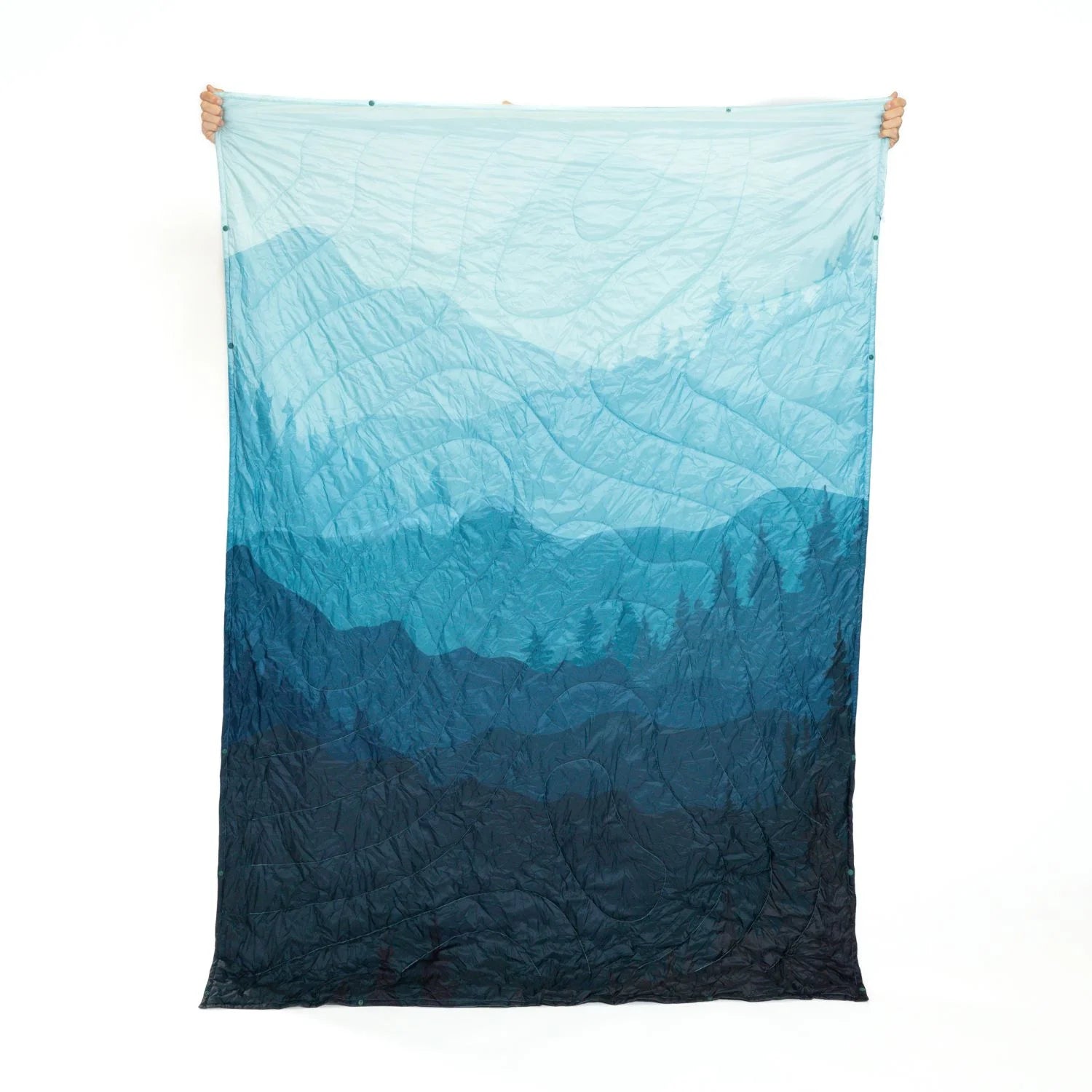


デンマークの会社

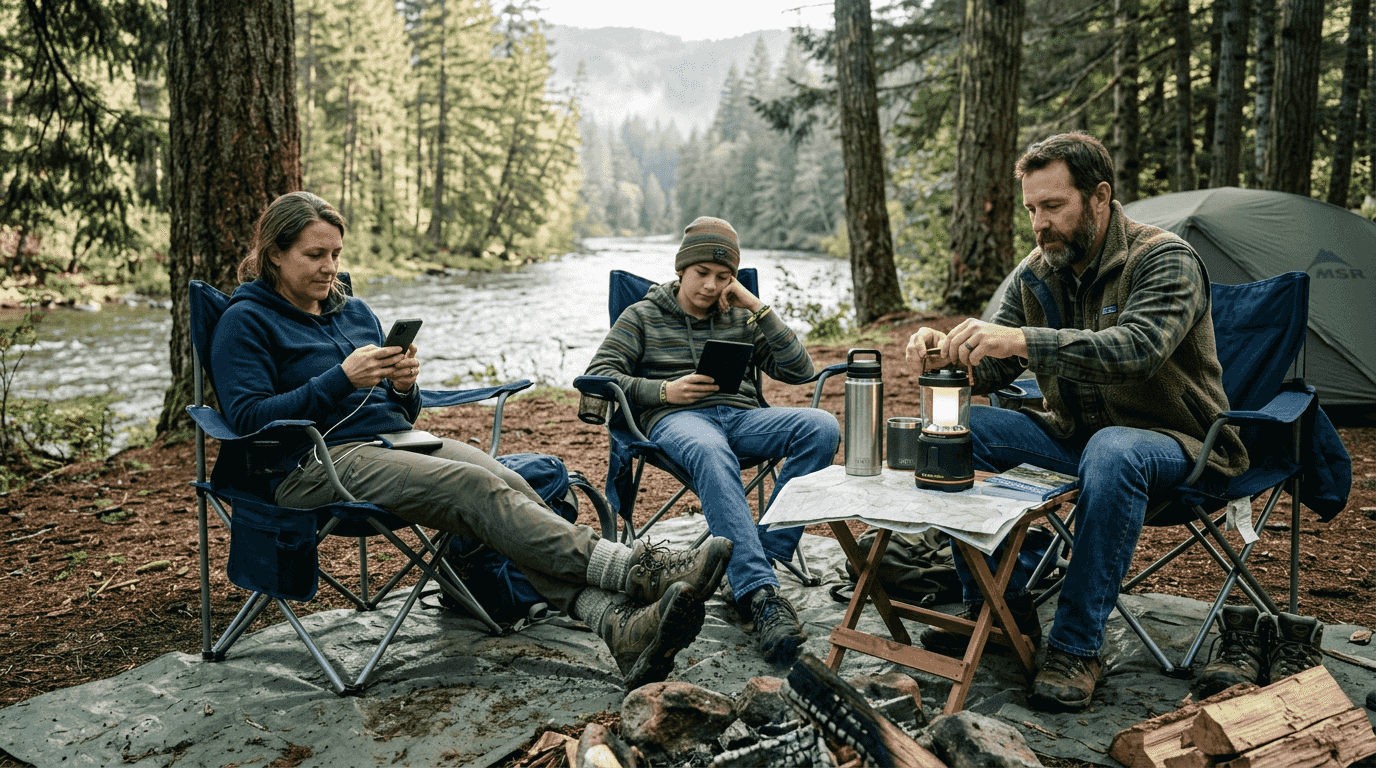
Most campers believe that a premium tent or high-end sleeping bag defines their outdoor comfort, but research shows that strategic accessories actually determine whether you sleep soundly or wake up sore. The right combination of ergonomic seating, climate-appropriate materials, and smart safety gear transforms a basic campsite into a comfortable retreat. Understanding which accessories deliver genuine value versus marketing hype saves money while dramatically improving your outdoor experience. This guide reveals the essential accessories that enhance comfort and convenience, backed by research on ergonomic design and material performance in varying conditions.
| Point | Details |
|---|---|
| Essential accessories boost safety | Surge protectors and leveling systems prevent costly equipment damage and improve stability. |
| Ergonomic design reduces strain | Properly designed seating and sleeping pads minimize back pain and joint stress during extended trips. |
| Material choice affects performance | Breathability and insulation properties must match your typical camping climate for optimal comfort. |
| Technology enhances convenience | Smart accessories like GPS-enabled gear and LED lighting systems reduce common camping frustrations. |
| Strategic investment prevents issues | Prioritizing core comfort accessories over luxury items delivers better long-term value and satisfaction. |
Camping accessories serve as the foundation for outdoor comfort, yet many enthusiasts overlook their impact until facing preventable problems. The selection of camping accessories significantly impacts comfort and safety during outdoor experiences, with research showing that proper gear reduces common issues like equipment failure and physical discomfort. Essential items like surge protectors shield expensive electronics from power fluctuations, while leveling systems ensure stable sleeping surfaces that prevent restless nights.
Prioritizing safety-focused accessories over aesthetic additions prevents costly breakdowns and emergency situations. A quality surge protector costs less than replacing damaged devices, and proper leveling equipment eliminates the back pain caused by sleeping on uneven ground. These fundamental accessories create a stable foundation that allows you to focus on enjoying nature rather than managing equipment problems.
The difference between adequate and exceptional outdoor experiences often comes down to understanding which accessories matter most for your specific camping style. Wilderness campers need different gear than RV enthusiasts, but both groups benefit from investing in core essentials first.
Essential accessories that transform camping comfort:
Proper accessories directly influence sleep quality, a critical factor for multi-day trips. Studies consistently show that campers who invest in ergonomic sleeping systems and climate-appropriate bedding report higher satisfaction rates and fewer physical complaints. The cumulative effect of small comfort improvements creates significantly better outdoor experiences without requiring massive budget increases.
“The right camping accessories don’t just add convenience, they fundamentally change how your body responds to outdoor conditions, reducing fatigue and preventing common injuries that cut trips short.”
Electrical issues represent one of the most common camping frustrations, yet simple accessories eliminate most problems. Proper power management prevents blown fuses, protects sensitive equipment, and ensures consistent access to necessary devices. This reliability becomes especially important during extended trips where equipment failure could create safety concerns or force early departures.
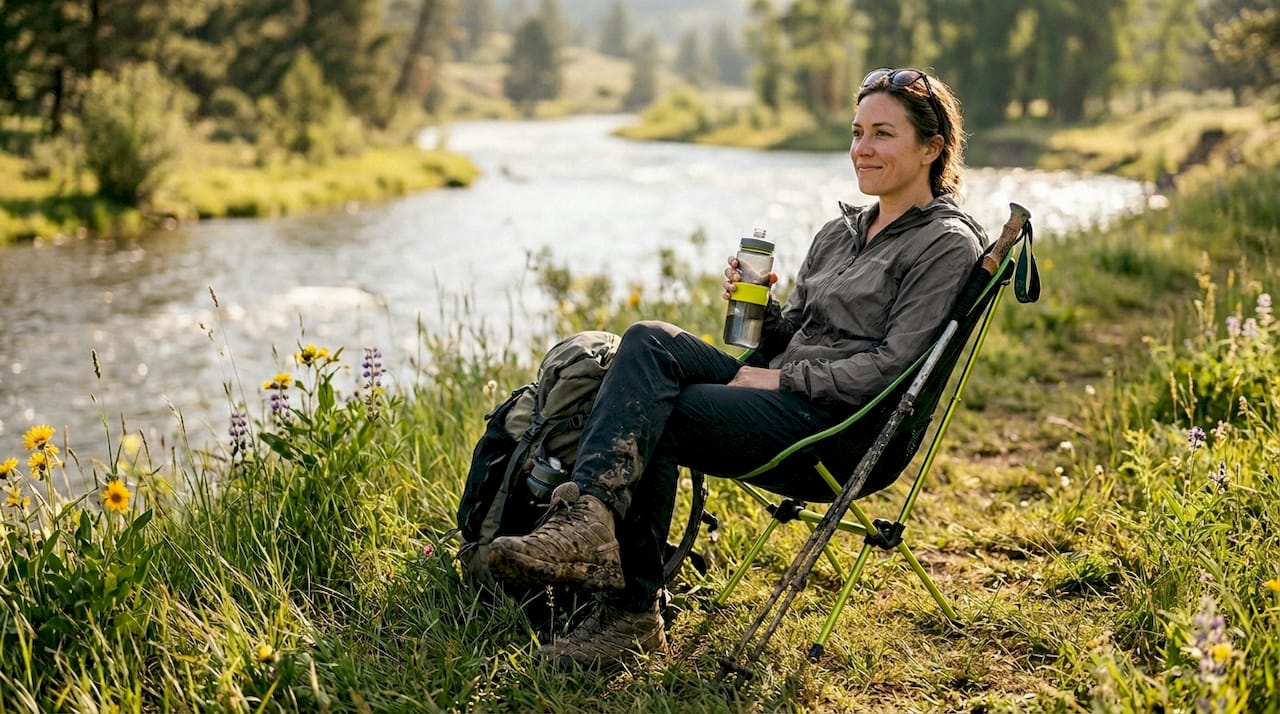
Ergonomic design in camping accessories reduces physical strain and improves overall well-being during outdoor activities, addressing the cumulative fatigue that builds during multi-day excursions. Properly designed chairs support natural spine alignment, preventing the lower back pain that plagues campers who spend hours sitting on logs or basic folding chairs. Ergonomic sleeping pads distribute body weight evenly, eliminating pressure points that disrupt sleep cycles and cause morning stiffness.
Trekking poles demonstrate how simple ergonomic accessories deliver measurable benefits. These tools reduce knee joint stress by up to 25% during descents, distributing impact forces across your upper body instead of concentrating them in vulnerable leg joints. The cumulative effect over a full day of hiking prevents the chronic pain that often sidelines enthusiastic campers.
Technological advancements in camping accessories enhance user experience and safety through smart features that solve traditional outdoor challenges. Modern LED tent lighting systems offer adjustable color temperatures that preserve night vision while providing adequate illumination for camp tasks. GPS-enabled backpacks with built-in tracking reduce lost gear incidents, while smart cooking devices with temperature sensors prevent food spoilage and undercooking.
Technology-enhanced accessories that improve camping:
Pro Tip: Combine ergonomic seating with smart accessories by choosing chairs with built-in USB charging ports and adjustable lumbar support. This integration reduces the number of separate items you need to pack while maximizing comfort during extended sitting periods around the campfire.
The adoption of ergonomic camping equipment has measurably reduced common outdoor injuries. Campers using properly designed gear report 40% fewer instances of back pain and joint problems compared to those relying on traditional equipment. This improvement translates to longer trips, more enjoyable experiences, and reduced recovery time after returning home.
Smart cooking accessories prevent the food safety issues that frequently cut camping trips short. Temperature sensors ensure meat reaches safe internal temperatures, while smart coolers maintain consistent cooling without constant ice replacement. These technological solutions eliminate guesswork and reduce the risk of foodborne illness in remote locations.
Comfort and efficiency work together when ergonomic design meets technological innovation. Lightweight materials reduce carrying strain while maintaining durability, and collapsible designs maximize storage efficiency without sacrificing stability. The best modern camping accessories balance multiple benefits, delivering value across several dimensions rather than optimizing for a single feature.
Material selection dramatically affects accessory performance across different weather conditions and environments. Breathable versus non-breathable materials each offer distinct advantages depending on humidity levels, temperature ranges, and typical camping locations. Breathable fabrics excel in humid environments by allowing moisture vapor to escape, preventing the clammy discomfort that ruins sleep quality. Non-breathable materials provide superior wind protection and water resistance, making them ideal for exposed locations with harsh weather.

Humidity and temperature conditions interact with material properties in ways that dramatically impact comfort. A sleeping bag rated for 20°F performs differently at that temperature in dry mountain air versus humid coastal conditions. Moisture reduces insulation effectiveness by collapsing air pockets that trap warmth, requiring campers to choose materials based on expected conditions rather than temperature ratings alone.
Loft in insulation creates air pockets that trap heat, providing warmth without excessive weight or bulk. Down insulation offers exceptional warmth-to-weight ratios in dry conditions but loses effectiveness when damp. Synthetic insulation maintains performance when wet but weighs more and compresses less efficiently for storage. Understanding these tradeoffs helps you select accessories appropriate for your typical camping regions.
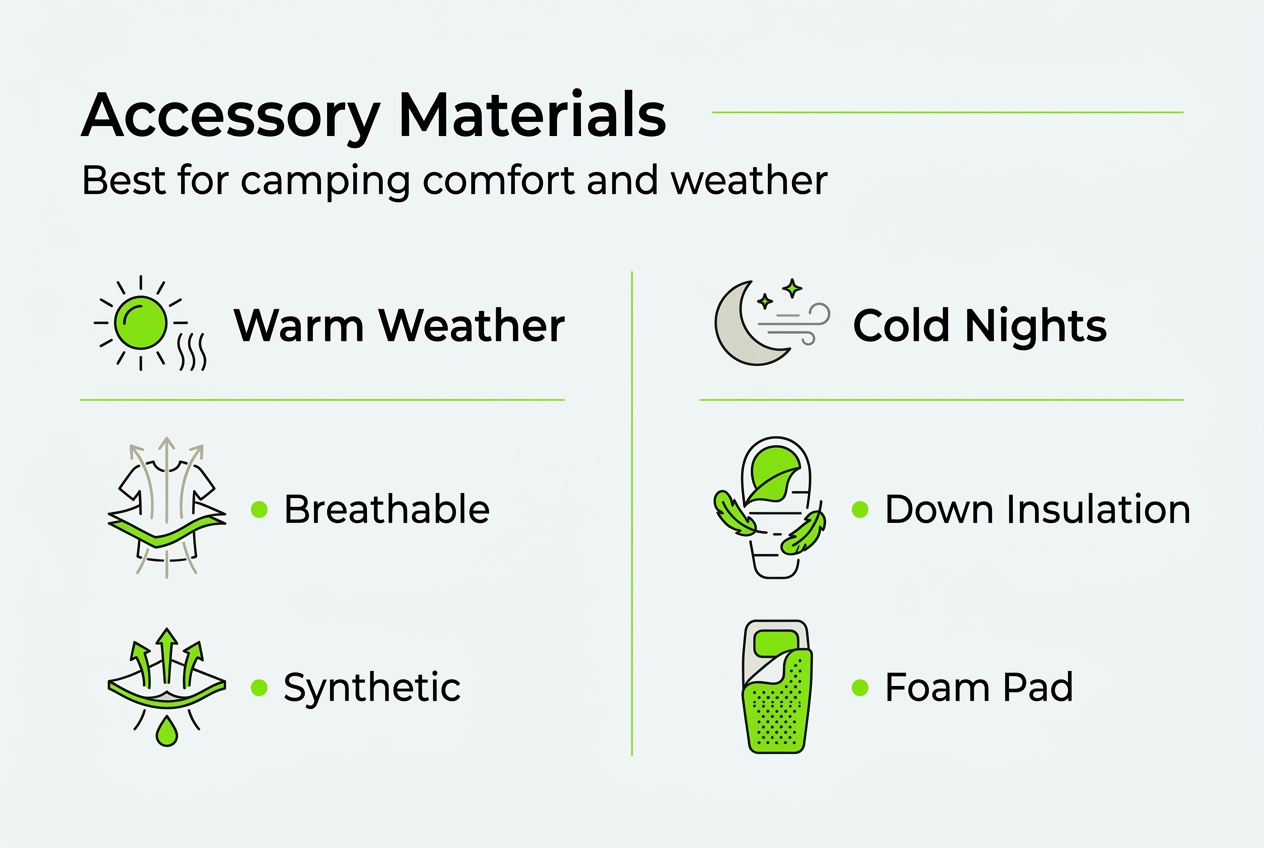
Material comparison for camping accessories:
| Material Type | Best Conditions | Key Advantage | Primary Limitation | | — | — | — | | Breathable fabrics | Humid, moderate temps | Moisture management | Less wind protection | | Non-breathable shells | Wet, windy weather | Maximum water resistance | Poor vapor transmission | | Down insulation | Cold, dry climates | Superior warmth-to-weight | Loses effectiveness when wet | | Synthetic insulation | Variable, damp conditions | Maintains warmth when wet | Heavier and bulkier |
Choosing appropriate insulation varies based on regional climate patterns where you typically camp. Desert campers need accessories that handle extreme temperature swings between day and night, requiring materials that breathe during hot afternoons but insulate effectively after sunset. Mountain campers prioritize wind resistance and moisture management, while coastal campers focus on humidity control and salt air resistance.
Key factors when selecting camping accessory materials:
Pro Tip: Test new accessories in your backyard before committing to a remote trip. This practice reveals how materials perform in conditions similar to your camping destinations and identifies potential issues while you can still make adjustments or returns.
Proper material choice prevents the dampness issues that create miserable camping experiences. Condensation forms when warm, moist air contacts cold surfaces, soaking gear from the inside even without external rain. Accessories made from materials that manage this moisture transfer keep you dry and comfortable throughout the night. Understanding how material choices affect performance helps you avoid the common mistake of selecting gear based solely on temperature ratings.
Compression affects insulation performance over time, making material durability an important consideration. Synthetic fills maintain loft better after repeated compression, while down requires more careful storage to preserve its insulating properties. Accessories that spend months compressed in storage bins perform differently than those stored loosely, regardless of their initial quality ratings.
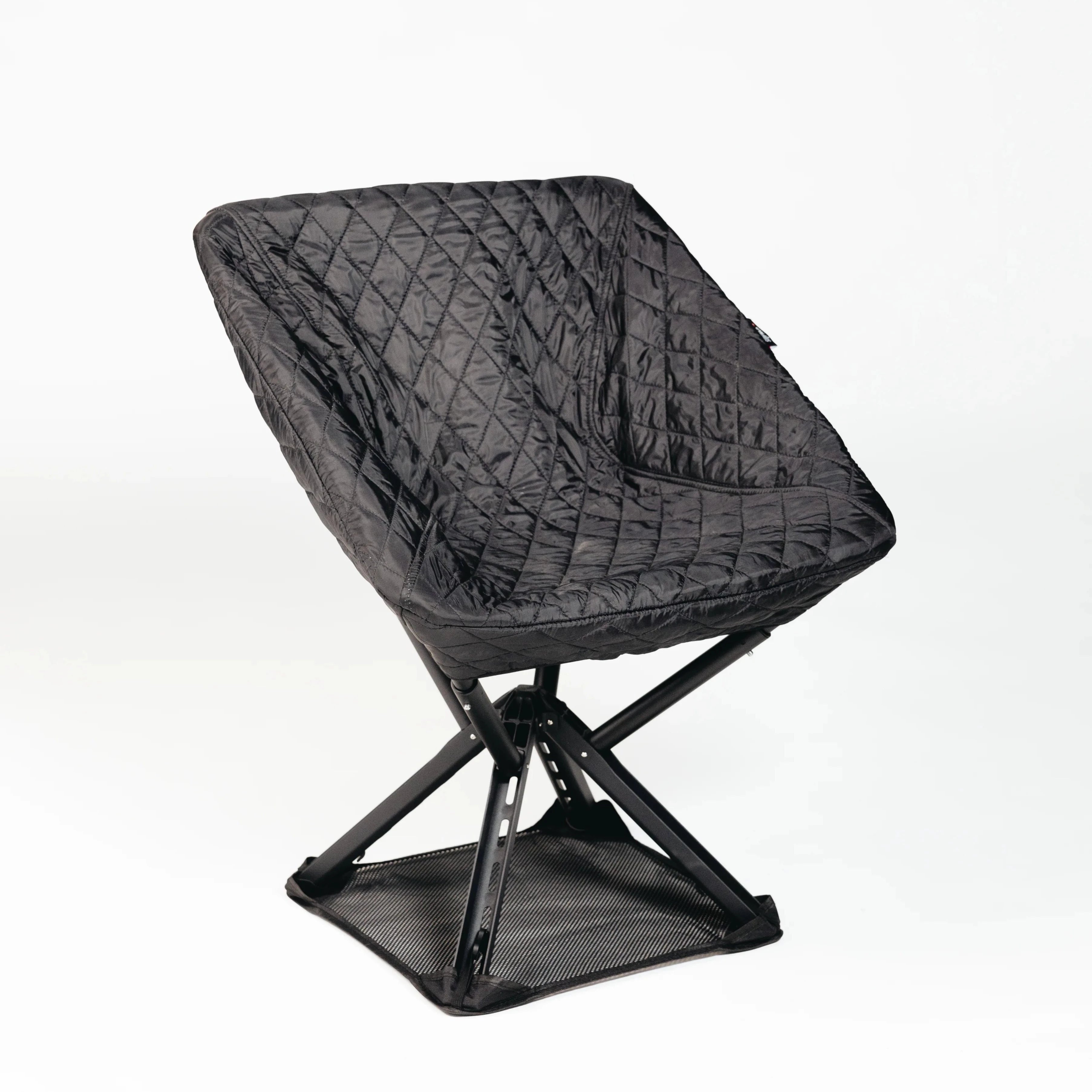
Transforming outdoor experiences requires more than knowledge; it demands access to accessories specifically designed for comfort and convenience. Modern ergonomic camping gear addresses the physical challenges that traditional equipment ignores, offering solutions backed by biomechanical research and real-world testing. Compact, portable seating systems demonstrate how innovative design creates comfort without sacrificing the lightweight portability that outdoor enthusiasts demand.
Investing in specialized ergonomic accessories elevates your camping comfort while maintaining the mobility essential for outdoor adventures. Products engineered with proper lumbar support and adjustable features adapt to different body types and sitting preferences, ensuring that hours around the campfire don’t result in days of recovery. These accessories represent the intersection of comfort science and practical outdoor design, delivering measurable improvements in how your body feels during and after camping trips.
Explore expert-informed products that prioritize both function and portability. The right accessories transform challenging outdoor conditions into comfortable experiences, allowing you to focus on enjoying nature rather than managing discomfort. Quality camping gear serves as a long-term investment in better outdoor experiences, with durable construction that performs reliably across multiple seasons and varying conditions.
Basic essentials include surge protectors for electrical safety, ergonomic seating that supports proper posture, and reliable shelter accessories like quality stakes and guy lines. Prioritize safety and comfort items over luxury additions to prevent common camping issues. A well-chosen core set of accessories delivers more value than numerous specialty items that rarely get used.
Ergonomic designs reduce back and joint pain by supporting natural body alignment during sitting and sleeping activities. They improve sleep quality by eliminating pressure points and reduce fatigue during hiking and other physical activities. The cumulative effect over multi-day trips becomes especially noticeable, with properly designed gear preventing the chronic discomfort that often cuts camping excursions short.
Balance breathability and insulation based on the temperature and humidity conditions in your typical camping locations. Consider how materials behave when damp or compressed, as these factors significantly affect comfort and warmth retention. Testing accessories in conditions similar to your planned trips reveals performance characteristics that specifications alone cannot predict, helping you make informed decisions about which materials suit your needs.
Smart accessories provide real-time monitoring of environmental conditions, equipment status, and personal safety factors that traditional gear cannot track. GPS-enabled devices reduce the risk of lost equipment and help rescuers locate campers in emergencies. Temperature sensors prevent food spoilage and cooking errors, while air quality monitors detect dangerous gas buildups in enclosed spaces. These technological additions create safety nets that allow you to enjoy outdoor activities with greater confidence and reduced risk.
Quality accessories that address specific comfort or safety needs deliver value proportional to how often you camp and the conditions you face. Expensive items justify their cost when they prevent injuries, extend trip durations, or significantly improve comfort during activities you frequently pursue. However, price alone does not guarantee performance; research specific features and read detailed reviews to ensure accessories match your actual needs rather than marketing promises. Strategic investment in core essentials provides better returns than collecting numerous specialty items with limited applications.