カート
0
サインアップすると注文から 10 ドル割引になります
配達予定
1〜3日
こちらもおススメ


デンマークの会社


Most American campers now demand gear that does more than just survive the elements. With over 60 percent of outdoor enthusiasts prioritizing comfort and sustainability, ergonomic camping equipment is changing the way people experience nature worldwide. For tech-savvy adventurers aged 25 to 40, choosing eco-friendly gear designed to fit real human needs means less physical strain and more time enjoying the outdoors. Discover how smart product choices can transform each journey into a truly comfortable escape.
| Point | Details |
|---|---|
| Ergonomic Design is Essential | Ergonomic camping equipment prioritizes comfort and safety by adapting to human physical needs and minimizing strain. |
| Core Features Enhance User Experience | Key features include adjustable configurations, lightweight materials, and breathable designs that improve outdoor activity efficiency. |
| Real-World Benefits Improve Enjoyment | Properly designed gear reduces physical strain and muscle fatigue, enhancing overall enjoyment and connection with nature. |
| Sustainability is Crucial | Manufacturers must balance ergonomic design with environmental responsibility, focusing on durable, repairable, and eco-friendly materials. |
Ergonomic camping equipment represents more than just outdoor gear - it’s a thoughtful approach to designing recreational tools that prioritize human comfort and safety. Ergonomic design principles fundamentally transform how we interact with outdoor environments by adapting equipment to match human physical needs and biomechanical capabilities.
At its core, ergonomic camping equipment focuses on creating gear that supports natural body mechanics while minimizing physical strain during outdoor activities. This means designing chairs, sleeping bags, backpacks, and other camping accessories that distribute weight efficiently, reduce muscle fatigue, and prevent potential injuries. Camping Gear Engineering integrates advanced manufacturing techniques with human-centered design principles to achieve these goals, ensuring that every piece of equipment enhances rather than hinders outdoor experiences.
Key characteristics of truly ergonomic camping equipment include:
Pro tip: When selecting ergonomic camping gear, always prioritize personal comfort and test equipment for individual body mechanics before extended outdoor trips.
Ergonomic camping gear represents a sophisticated approach to outdoor equipment design, carefully engineered to enhance user experience and physical comfort. Biomechanical design principles drive the development of gear that adapts to human body mechanics, reducing strain and maximizing performance during outdoor activities.
The core features of ergonomic camping equipment go far beyond simple functionality. Adaptive design is a critical element, ensuring that gear can be customized to individual body types and physical requirements. Camping gear engineering emphasizes creating equipment that seamlessly integrates with human movement, focusing on elements like weight distribution, body alignment, and natural motion support.
Key ergonomic features include:
Materials play a crucial role in ergonomic gear design. Advanced synthetic fabrics and innovative structural technologies enable manufacturers to create equipment that is simultaneously lightweight, durable, and supremely comfortable. By analyzing human biomechanics and movement patterns, designers can develop camping gear that feels like a natural extension of the user’s body.
Pro tip: Always test camping gear in controlled environments before extended trips to understand its specific ergonomic adaptations and personal comfort level.
Innovations in outdoor ergonomic equipment have revolutionized how campers and outdoor enthusiasts interact with their gear. Modern design approaches now prioritize human-centered engineering that transforms traditional camping equipment into sophisticated, biomechanically optimized tools that enhance comfort, safety, and overall outdoor experience.
Ergonomic camping equipment spans multiple categories, each with unique design considerations. Portable seating solutions, backpacks, sleeping systems, and protective gear now incorporate advanced materials and intelligent design principles. Camping gear engineering has evolved to create equipment that adapts to individual body mechanics, environmental conditions, and specific outdoor activity requirements.
Key types of ergonomic camping equipment include:
Materials science plays a crucial role in these innovations. Advanced synthetic fabrics, memory foam technologies, and sustainable composites enable manufacturers to create lightweight, durable equipment that responds dynamically to user needs. Designers now integrate sensors, adaptive technologies, and biomechanical research to develop camping gear that feels like a natural extension of the human body.
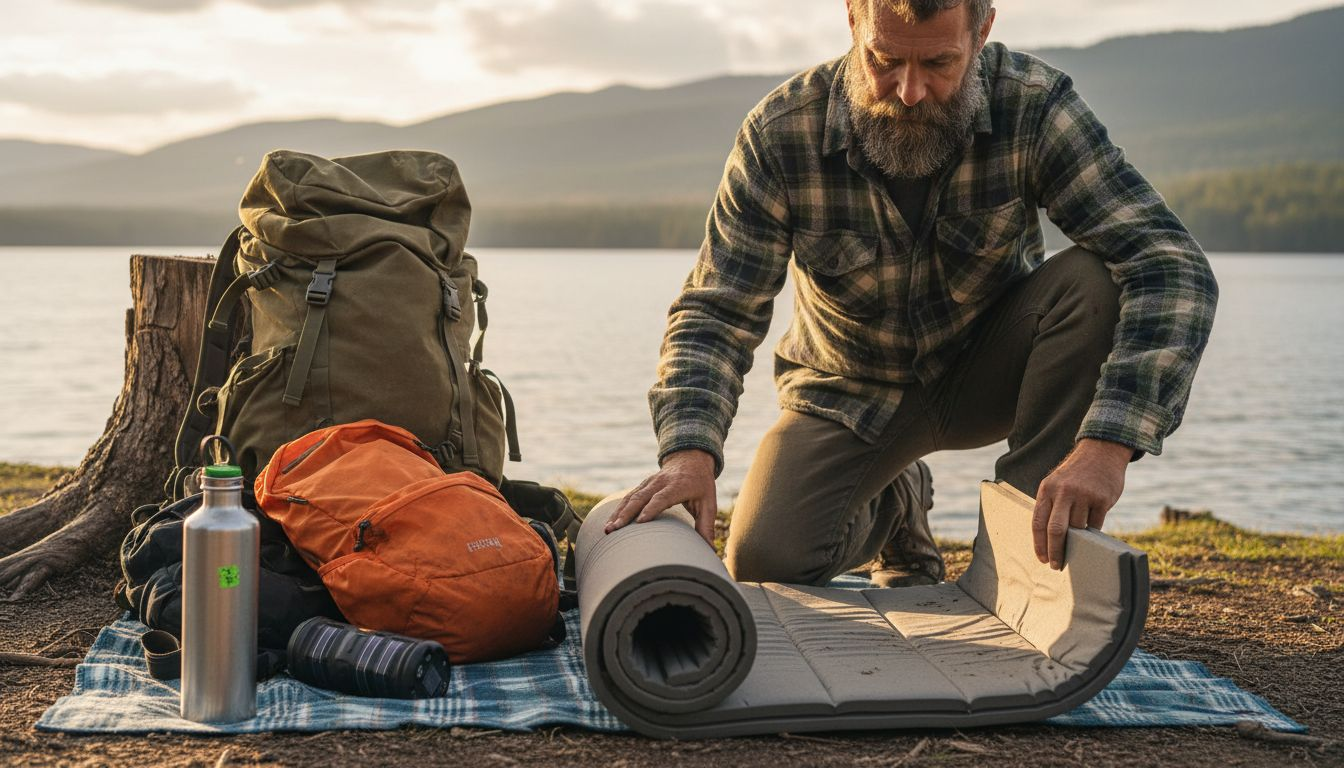
Here’s a comparison of ergonomic camping gear for key outdoor needs:
| Equipment Type | Ergonomic Advantage | Practical Outdoor Benefit |
|---|---|---|
| Backpack | Even weight distribution | Less back and shoulder fatigue |
| Camp Chair | Lumbar support, optimal posture | Comfort during extended sitting |
| Sleeping System | Contoured, temperature adaptive | Better sleep and body recovery |
| Cooking Equipment | Intuitive, user-friendly design | Increased efficiency, safety |
| Protective Clothing | Strategic ventilation, flexibility | Comfort during variable activities |
Pro tip: Invest in multipurpose ergonomic gear that offers maximum adaptability across different outdoor environments and activity levels.
Camping ergonomics transforms outdoor experiences from potentially challenging adventures into comfortable, enjoyable journeys. By integrating human-centered design principles, ergonomic equipment helps outdoor enthusiasts minimize physical strain, reduce injury risks, and maximize their enjoyment of natural environments.
The physical benefits of ergonomic camping gear extend far beyond basic comfort. Outdoor recreation research demonstrates that well-designed equipment can significantly reduce muscle fatigue, prevent potential injuries, and support proper body mechanics during activities like hiking, setting up camp, and navigating challenging terrain. These design innovations enable users to maintain better posture, distribute weight more effectively, and conserve energy throughout their outdoor adventures.
Key real-world benefits of ergonomic camping equipment include:
Mental well-being receives an equally significant boost from ergonomic design. By reducing physical stress and creating more intuitive interactions with outdoor gear, these innovations help campers stay more relaxed, focused, and present in their natural surroundings. The psychological comfort derived from reliable, well-designed equipment can transform potentially stressful outdoor experiences into moments of genuine connection and enjoyment.
Pro tip: Invest in versatile, ergonomically designed gear that can adapt to multiple scenarios, ensuring maximum comfort and functionality across different outdoor environments.
Camping gear engineering reveals critical challenges in creating truly sustainable and user-friendly outdoor equipment. Manufacturers must navigate a complex landscape of competing priorities, balancing ergonomic design, durability, user comfort, and environmental responsibility.
The environmental ergonomics of outdoor gear demands a holistic approach. Environmental design principles increasingly require manufacturers to consider the entire lifecycle of camping equipment, from raw material sourcing to eventual disposal. This means developing products that not only support human physical needs but also minimize ecological impact.
Common pitfalls in ergonomic camping equipment design include:
Sustainable design requires a nuanced approach that goes beyond simple material selection. Manufacturers must now integrate advanced recycling technologies, explore biodegradable composites, and develop products with extended lifespans. By embracing circular economy principles, outdoor gear companies can create equipment that supports both human performance and environmental conservation.
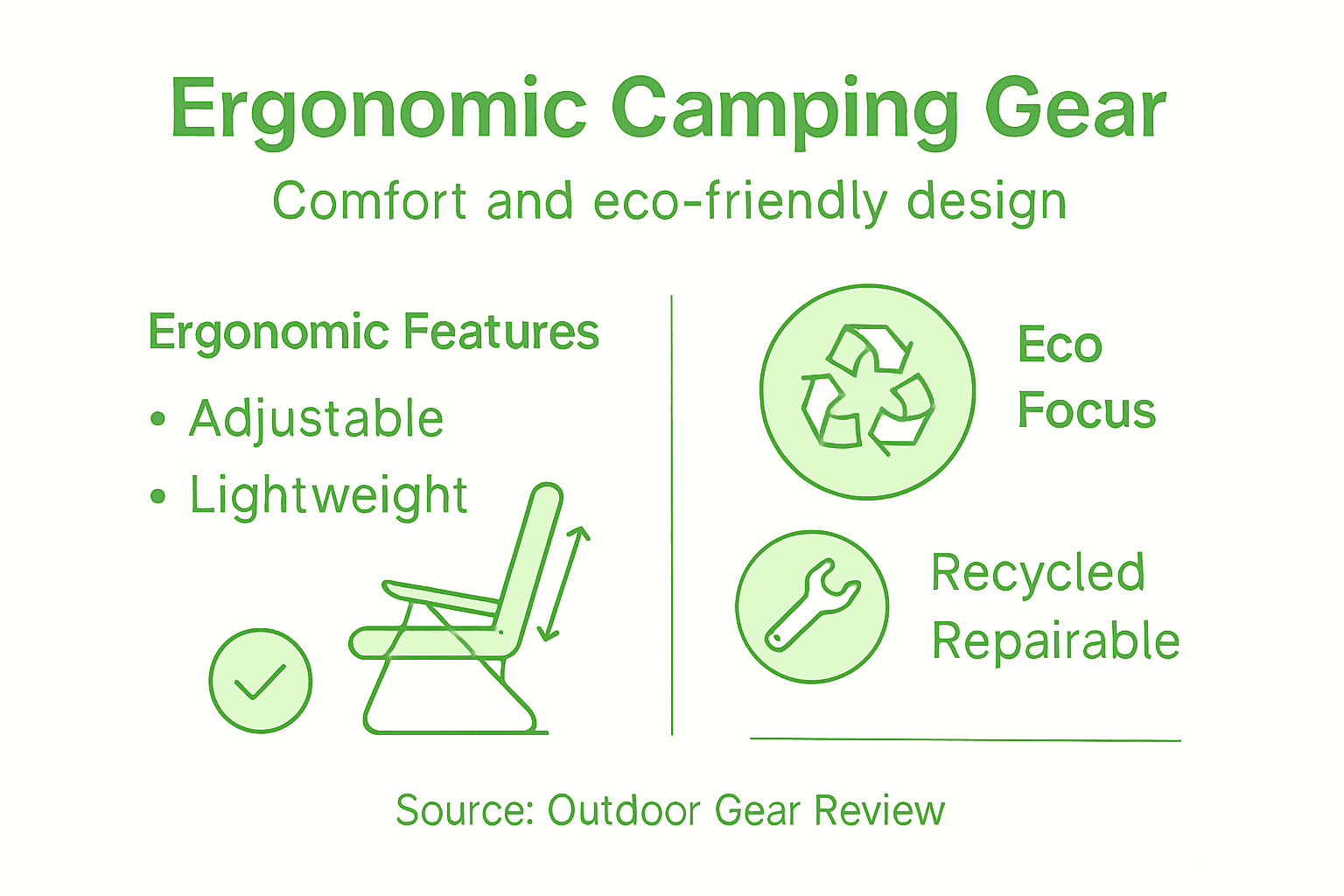
Consider these sustainable design strategies for ergonomic camping equipment:
| Eco Strategy | Environmental Benefit | User-Focused Impact |
|---|---|---|
| Recycled Materials | Reduces raw resource use | Lighter, modern fabrics |
| Modular Repair Design | Extends product lifespan | Easy on-site fixes |
| Biodegradable Composites | Minimizes landfill waste | Maintains comfort and resilience |
| Take-Back Programs | Promotes product recycling | Simplifies responsible disposal |
Pro tip: Choose camping equipment from brands that provide transparent sustainability reporting and offer repair or recycling programs for their products.
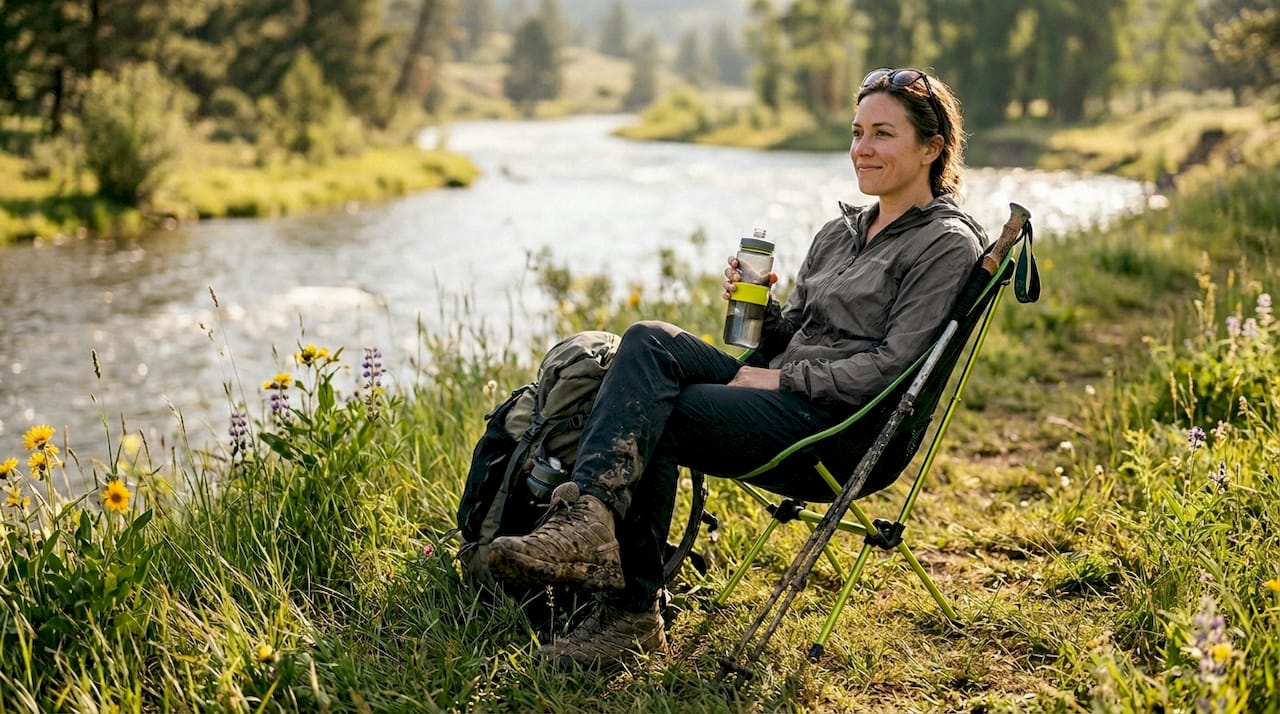
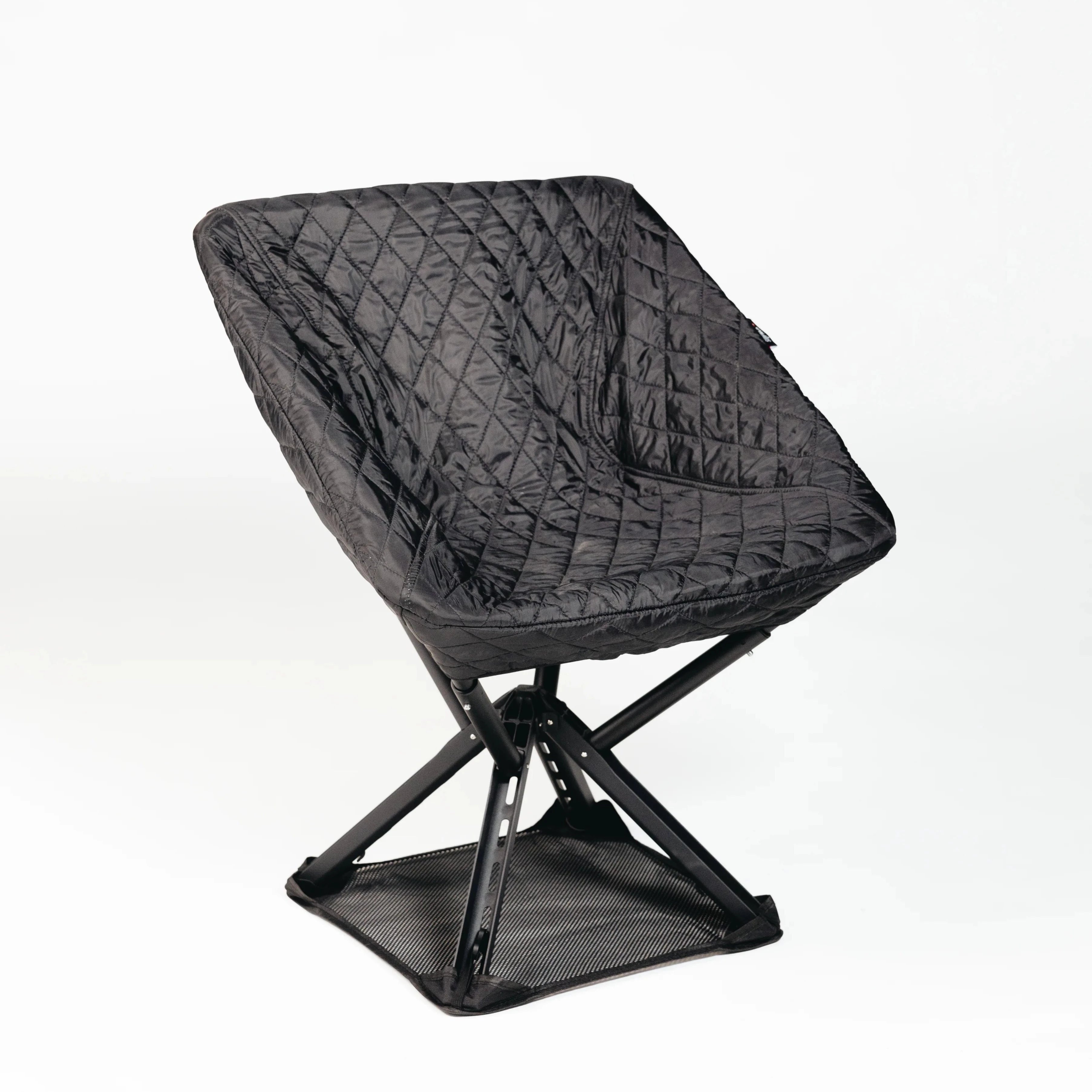
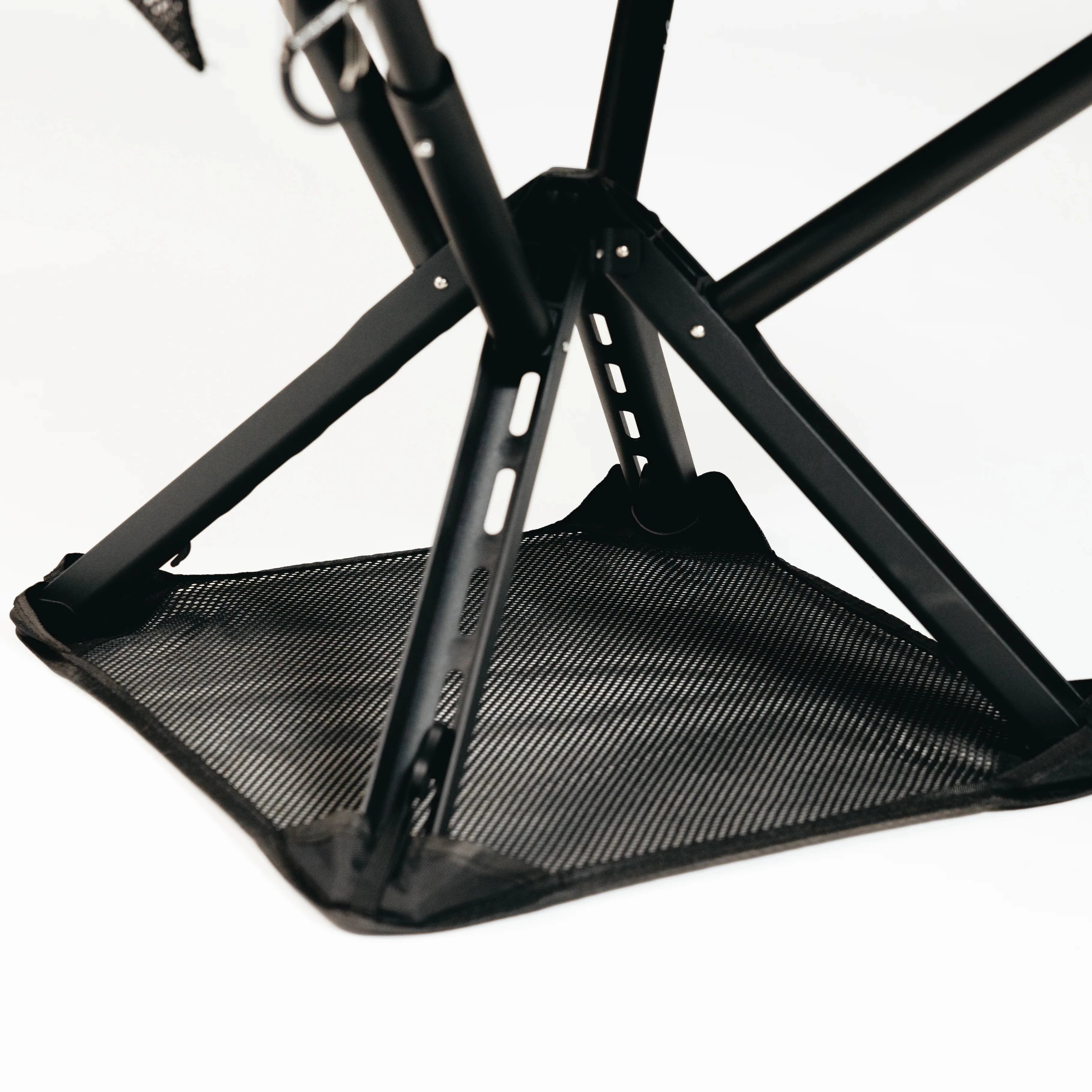
Ergonomic camping equipment focuses on reducing physical strain and enhancing comfort during your outdoor adventures. If durability, lightweight design, and adjustable support are your goals, then embracing ergonomic seating is essential. Many outdoor enthusiasts face challenges with bulky, uncomfortable chairs that do not support natural posture or adapt to different body types. At Sitpack, we understand these pain points and offer innovative foldable chairs like the Campster II and Sitpack Zen that prioritize user comfort, portability, and sustainable materials without compromising durability.
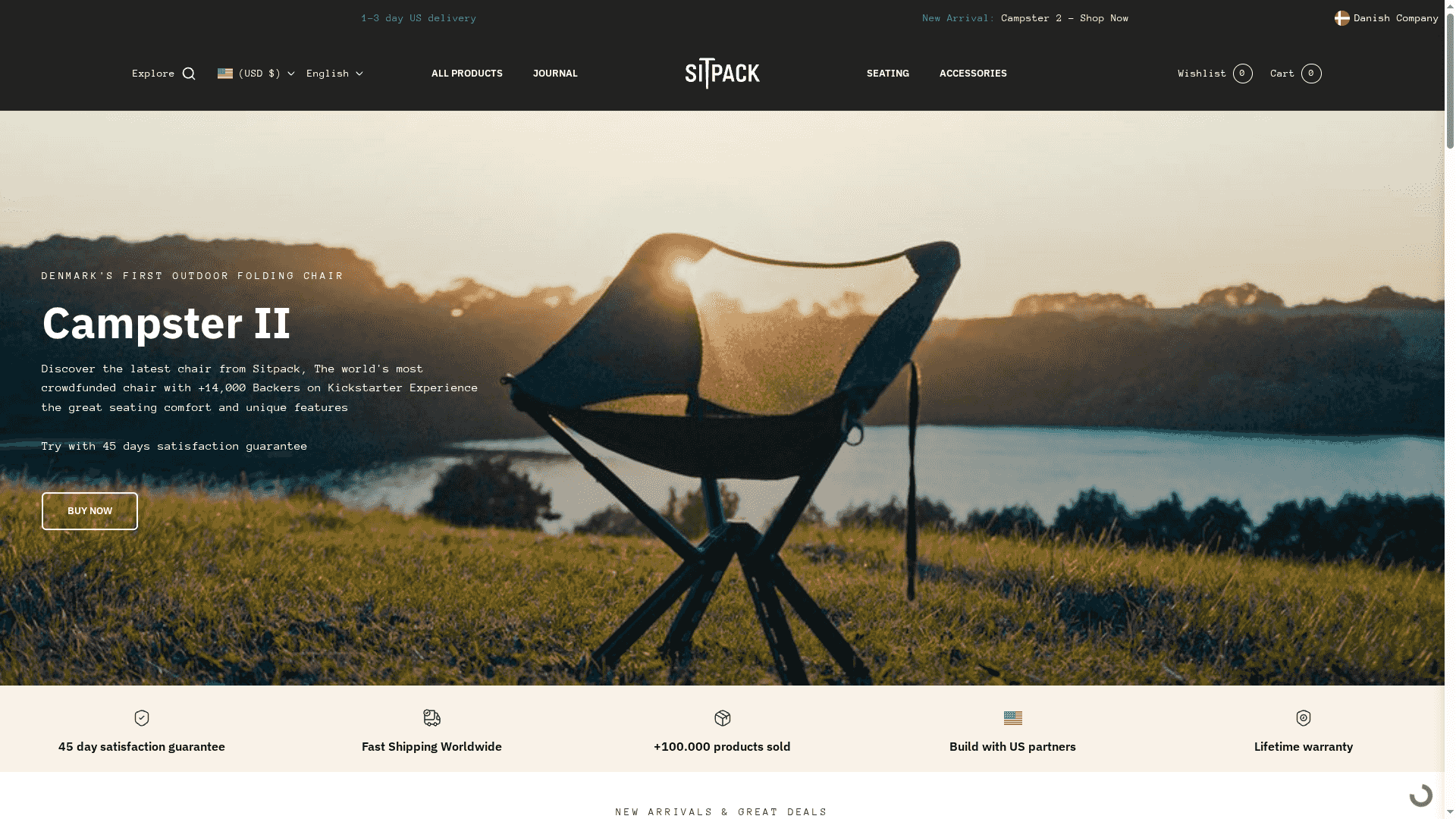
Ready to transform your outdoor experience with seating that moves with you? Discover how Sitpack ergonomic chairs blend advanced design and lightweight construction to significantly reduce fatigue on the trail or at camp. Explore our collection today to find the perfect seating companion backed by a lifetime warranty and fast worldwide delivery. Don’t settle for camping gear that hinders your natural movement. Visit Sitpack now and elevate your outdoor comfort to the next level.
Ergonomic camping equipment refers to outdoor gear designed with human comfort and biomechanics in mind, aiming to reduce physical strain while enhancing user experience during activities like hiking and camping.
The benefits include reduced physical strain, enhanced muscular support, improved mobility, better temperature regulation, and increased cognitive focus by minimizing discomfort, allowing for a more enjoyable outdoor experience.
Select gear that accommodates your body type, prioritizes comfort, features adjustable configurations, and is lightweight. Always test equipment for personal comfort and specific ergonomic adaptations before extended trips.
Common features include adjustable strap systems, contoured shapes for proper body alignment, breathable materials, strategic padding to minimize pressure points, and modular designs for customized configurations.