カート
0
サインアップすると注文から 10 ドル割引になります
配達予定
1〜3日
こちらもおススメ
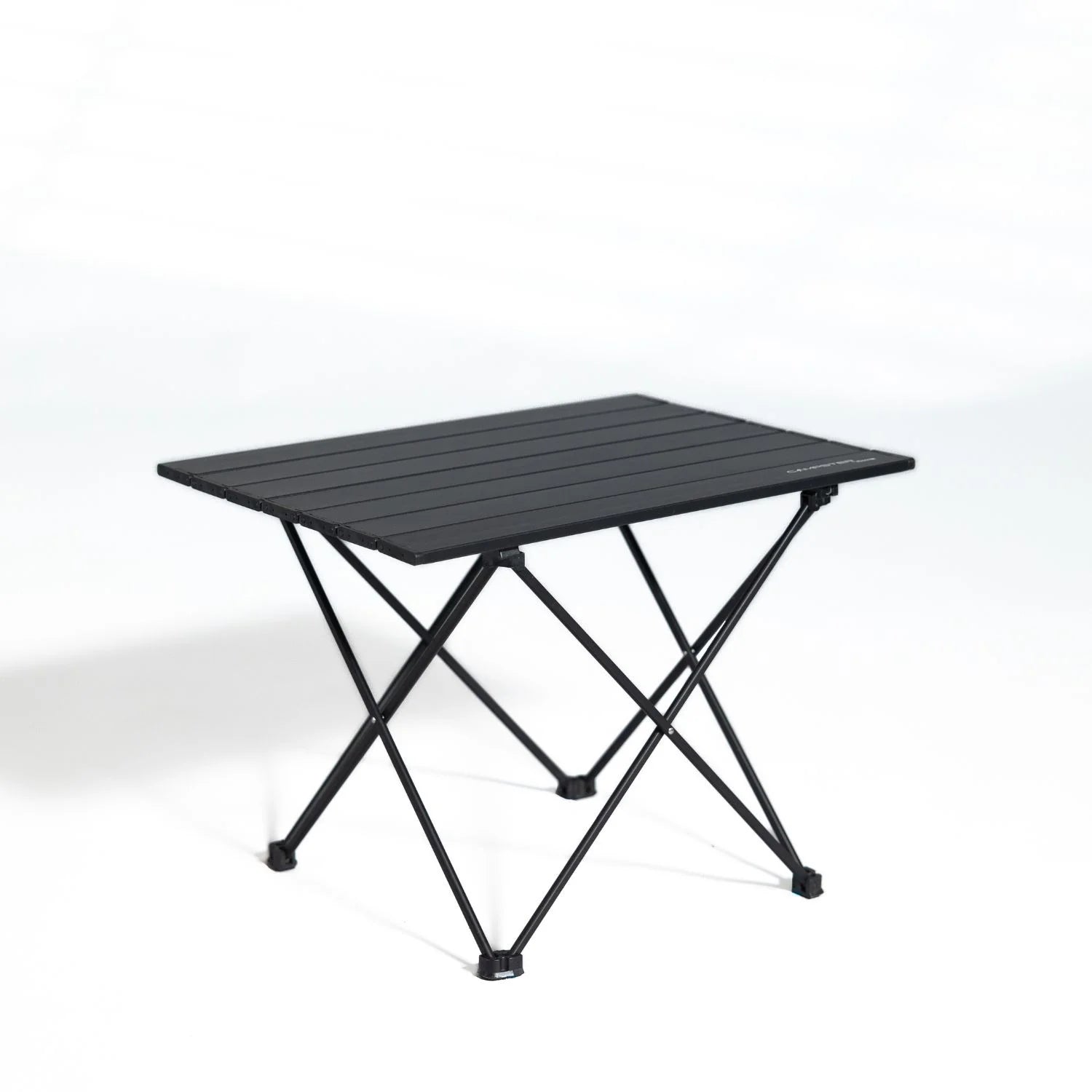
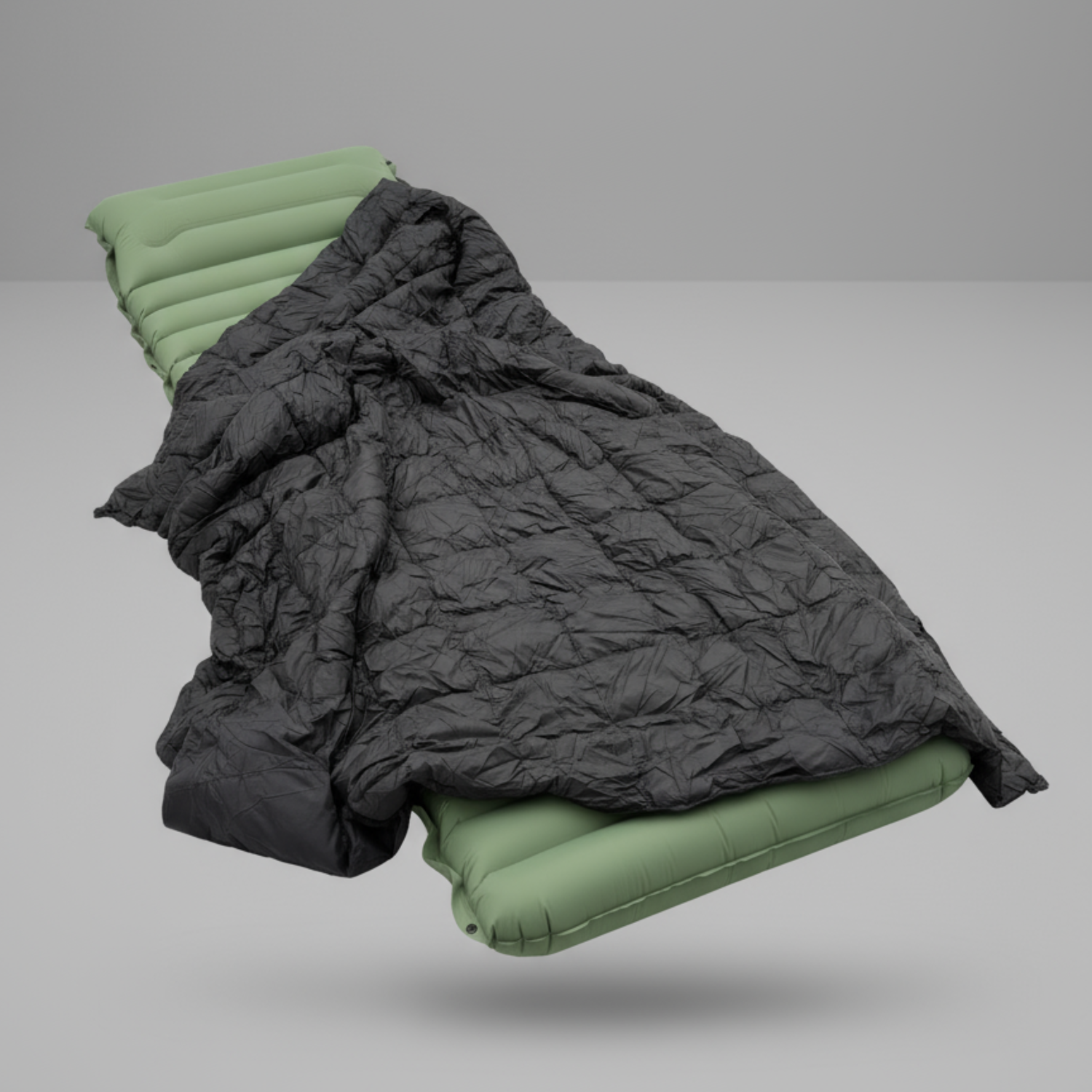
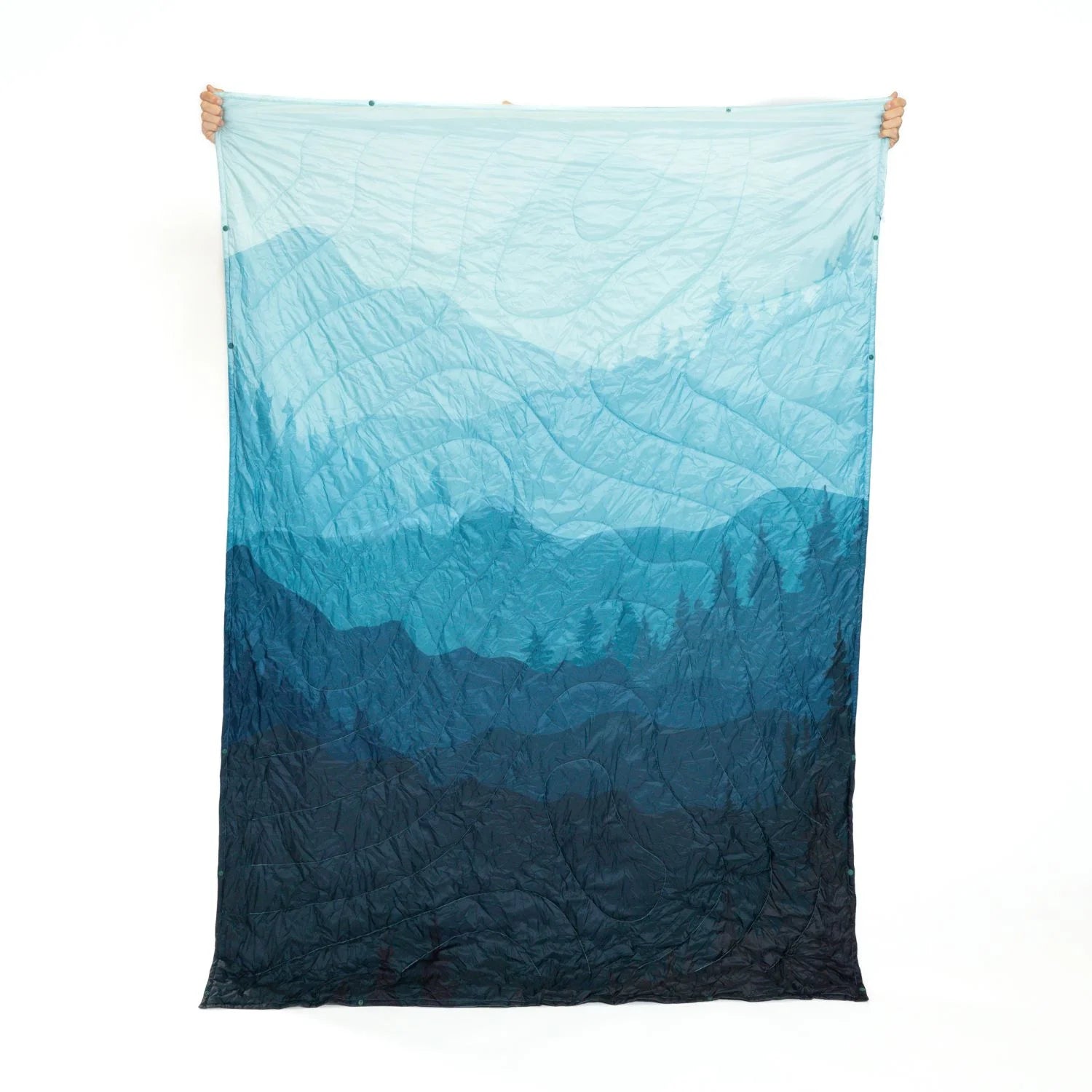
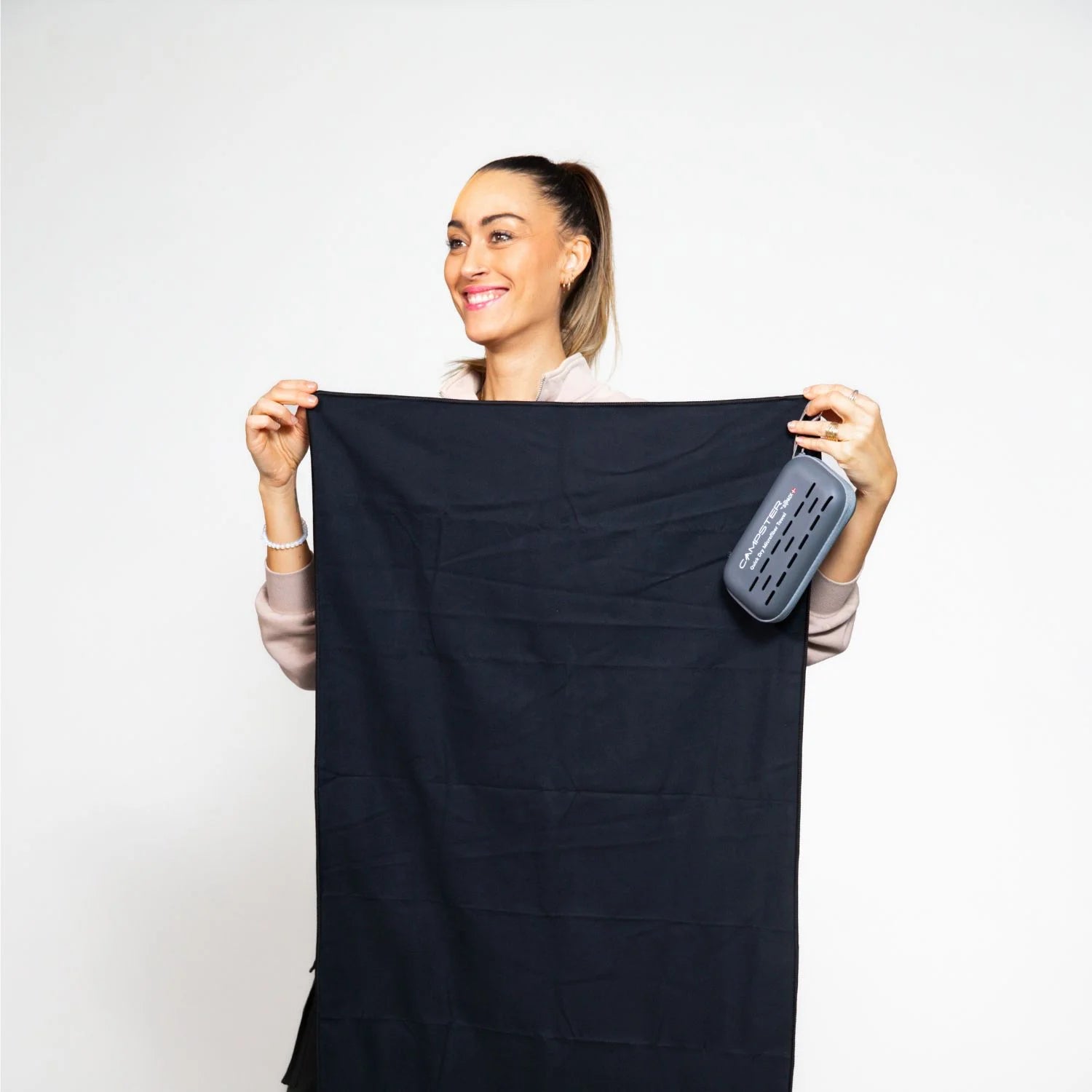


デンマークの会社


Most American urban outdoor enthusiasts now expect more than just basic patio chairs. With over 60 percent demanding seating that transitions easily from rooftop gatherings to remote campsites, comfort and functionality have become nonnegotiable. Modern portable furniture blends eco-friendly innovation with sleek adaptability, allowing you to enjoy every environment—whether exploring a European park or a Canadian trail—without sacrificing your values or personal style.
| Point | Details |
|---|---|
| Modern outdoor furniture integrates advanced materials and ergonomic design. | Focus on weather-resistant, lightweight, and versatile pieces to enhance outdoor living spaces. |
| Sustainability is a critical aspect of contemporary designs. | Select furniture made from recycled materials and sustainable resources for eco-friendly options. |
| Prioritize functionality alongside aesthetics. | Choose multi-functional and adaptable designs that cater to diverse outdoor environments. |
| Be mindful of purchasing pitfalls. | Assess climate conditions, maintenance needs, and long-term value to make informed decisions. |
Modern outdoor furniture represents a dynamic evolution beyond traditional patio sets. Contemporary outdoor design now integrates advanced materials, ergonomic engineering, and aesthetic versatility to transform exterior spaces into functional living environments. These innovative pieces are no longer simple static objects but sophisticated systems designed for comfort, durability, and style.
Today’s outdoor furniture distinguishes itself through several key characteristics. Weather-resistant materials like high-performance synthetic wickers, aluminum alloys, and marine-grade polymers enable furniture to withstand extreme temperatures, ultraviolet exposure, and moisture without compromising structural integrity. The design philosophy prioritizes adaptability - furniture pieces are lightweight, often modular, and engineered to transition seamlessly between different outdoor environments.
The contemporary outdoor furniture landscape encompasses several critical design principles:
Ergonomic considerations have become paramount, with designers focusing on creating pieces that provide superior comfort while maintaining a sleek, modern aesthetic. Cushions are engineered with quick-drying fabrics, frames are constructed with rust-resistant components, and overall design embraces clean lines and adaptable spatial requirements.
Pro tip: When selecting outdoor furniture, prioritize pieces that offer weather resistance, lightweight portability, and design flexibility to maximize your outdoor living experience.
Outdoor furniture has dramatically transformed, offering an expansive range of styles that cater to diverse preferences and functional needs. Contemporary outdoor furniture types span from classic lawn chairs to sophisticated modular configurations that seamlessly blend aesthetic appeal with practical utility. These designs reflect a nuanced understanding of how exterior spaces can become dynamic extensions of personal living environments.
The landscape of outdoor furniture encompasses several distinctive categories. Innovative furniture styles now include multi-functional pieces that transcend traditional limitations. Classic options like Adirondack chairs, garden benches, and dining sets have been reimagined with advanced materials and ergonomic considerations. Key categories include:
Materials play a critical role in modern outdoor furniture design. Manufacturers now utilize sustainable synthetic polymers, recycled aluminum, marine-grade composites, and high-performance wicker to create pieces that resist environmental challenges. The focus has shifted from purely decorative elements to intelligent design that prioritizes durability, lightweight construction, and seamless adaptability across different outdoor settings.

Contemporary outdoor furniture increasingly embraces technological integration and customization. Designers are incorporating features like integrated charging stations, weatherproof fabrics with UV protection, and modular components that allow users to reconfigure their outdoor living spaces with unprecedented flexibility. The result is a new generation of furniture that responds dynamically to individual lifestyle needs.
Pro tip: When selecting outdoor furniture, prioritize versatile pieces with multiple configuration options and weather-resistant materials to maximize long-term functionality and aesthetic appeal.
Modern outdoor furniture has evolved to meet the dual demands of mobility and environmental responsibility. Sustainable design principles are transforming how manufacturers approach outdoor furniture production, creating pieces that are not just functional but also ecologically conscious. This approach reflects a growing awareness of environmental impact and the need for more intelligent, adaptable living solutions.
Portability has become a critical feature in contemporary outdoor furniture design. Manufacturers are engineering lightweight, compact pieces that can be easily transported, stored, and reconfigured. Key characteristics of portable outdoor furniture include:
Sustainability goes beyond material selection, encompassing a comprehensive approach to environmental responsibility. Manufacturers are now implementing life cycle design principles that prioritize reduced carbon footprint, recyclable materials, and long-term durability. Eco-friendly outdoor furniture often incorporates recycled plastics, sustainably sourced wood, and innovative composite materials that minimize environmental impact while maintaining superior performance and aesthetic appeal.
The intersection of portability and sustainability represents a significant innovation in outdoor furniture design. Modern pieces are engineered to be lightweight yet durable, using advanced materials that reduce environmental strain while providing maximum functionality. Designers are creating furniture that can seamlessly transition between indoor and outdoor spaces, adapting to changing user needs and minimizing resource consumption.
Pro tip: When selecting portable and sustainable outdoor furniture, prioritize pieces with multi-functional designs and certifications that verify their environmental credentials.
Outdoor furniture materials represent far more than aesthetic choices. They fundamentally determine a piece’s performance, longevity, and user experience. Each material brings unique characteristics that impact comfort, resistance to environmental challenges, and overall furniture quality, making selection a critical decision for outdoor living spaces.

The landscape of modern outdoor furniture materials is diverse and sophisticated. Key materials offering exceptional performance include:
Here’s a comparison of popular modern outdoor furniture materials and their unique benefits:
| Material Type | Durability | Comfort Features | Sustainability Impact |
|---|---|---|---|
| Teak | Highly weather-resistant | Naturally smooth, ages well | Renewable, long lifespan |
| Aluminum | Rust-proof, lightweight | Stays cool in sun | Often recycled, long-lasting |
| HDPE (Synthetic Resin) | Withstands sun and rain | Molded for ergonomic comfort | Made from recycled plastics |
| Synthetic Wicker | UV/moisture resistant | Flexible seating surface | Low-energy manufacturing methods |
| Recycled Plastic | Colorfast, resists cracking | Sturdy, easy to clean | Diverts plastic waste from landfill |
Ergonomic considerations play a crucial role in material selection. Sustainable outdoor materials must balance structural integrity with user comfort. Advanced manufacturing techniques now enable materials to provide superior support, moisture resistance, and thermal regulation. The best outdoor furniture materials create a seamless interface between human body mechanics and environmental challenges, ensuring comfort across varying weather conditions.
The interaction between material composition and design engineering determines ultimate furniture performance. Modern manufacturers prioritize materials that offer multi-dimensional benefits: environmental sustainability, structural durability, aesthetic appeal, and user comfort. Advanced treatments and innovative fabrication methods have transformed traditional materials, creating outdoor furniture that can withstand intense sunlight, dramatic temperature fluctuations, and moisture exposure while maintaining its original structural and aesthetic qualities.
Pro tip: When evaluating outdoor furniture materials, perform a tactile and visual inspection to assess texture, weight, and potential UV and moisture resistance.
Outdoor furniture purchasing mistakes can transform an exciting investment into a costly disappointment. Consumers often rush decisions without considering critical factors like local climate, space requirements, and long-term durability. Understanding these potential pitfalls becomes essential for making informed, strategic purchasing choices that deliver both aesthetic appeal and functional performance.
The most significant buying challenges typically involve several key areas:
Smart purchasing strategies demand a comprehensive approach to evaluation. Buyers should conduct thorough research on material performance, assess local weather conditions, and understand the specific maintenance requirements for different furniture types. This means examining factors like UV resistance, moisture tolerance, structural integrity, and potential repair or replacement costs before making a final selection.
Budget considerations extend beyond initial purchase price. Quality outdoor furniture represents an investment in long-term comfort and aesthetic enjoyment. Savvy purchasers recognize that spending slightly more on well-constructed pieces from reputable manufacturers can prevent recurring replacement costs. This approach requires balancing upfront expenses with anticipated durability, performance, and potential maintenance requirements.
Here is a summary that helps buyers compare key factors when selecting outdoor furniture:
| Consideration | Why It Matters | Impact on Choice |
|---|---|---|
| Local Climate | Affects material durability | Choose for rain, sun, or cold |
| Space Constraints | Determines optimal set sizes | Pick modular or compact pieces |
| Maintenance Needs | Influences upkeep effort | Prefer low-maintenance finishes |
| Upfront Budget | Controls initial investment | Balance cost and quality |
| Long-Term Value | Reflects product longevity | Invest for reduced replacements |
Pro tip: Create a detailed spreadsheet comparing potential outdoor furniture options, including initial cost, estimated maintenance expenses, expected lifespan, and material-specific performance characteristics.
Modern outdoor furniture demands lightweight portability, weather resistance, and sustainable materials to keep up with your active lifestyle. If you want seating that adapts effortlessly to diverse environments while maintaining superior comfort and durability, explore innovative solutions designed to solve these exact challenges. Whether you prioritize ergonomic design or eco-friendly construction, finding multifunctional outdoor seating is easier than ever.
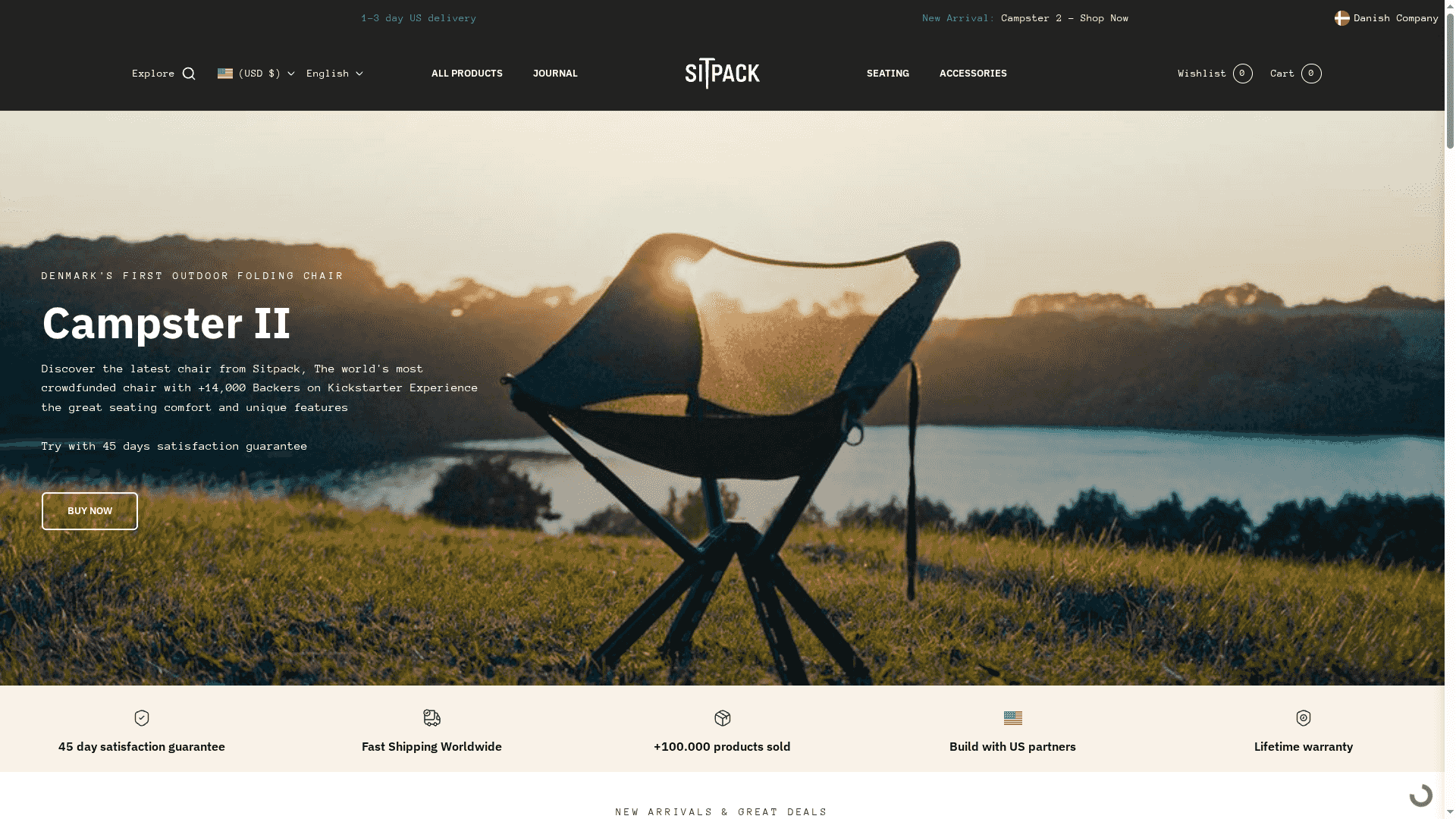
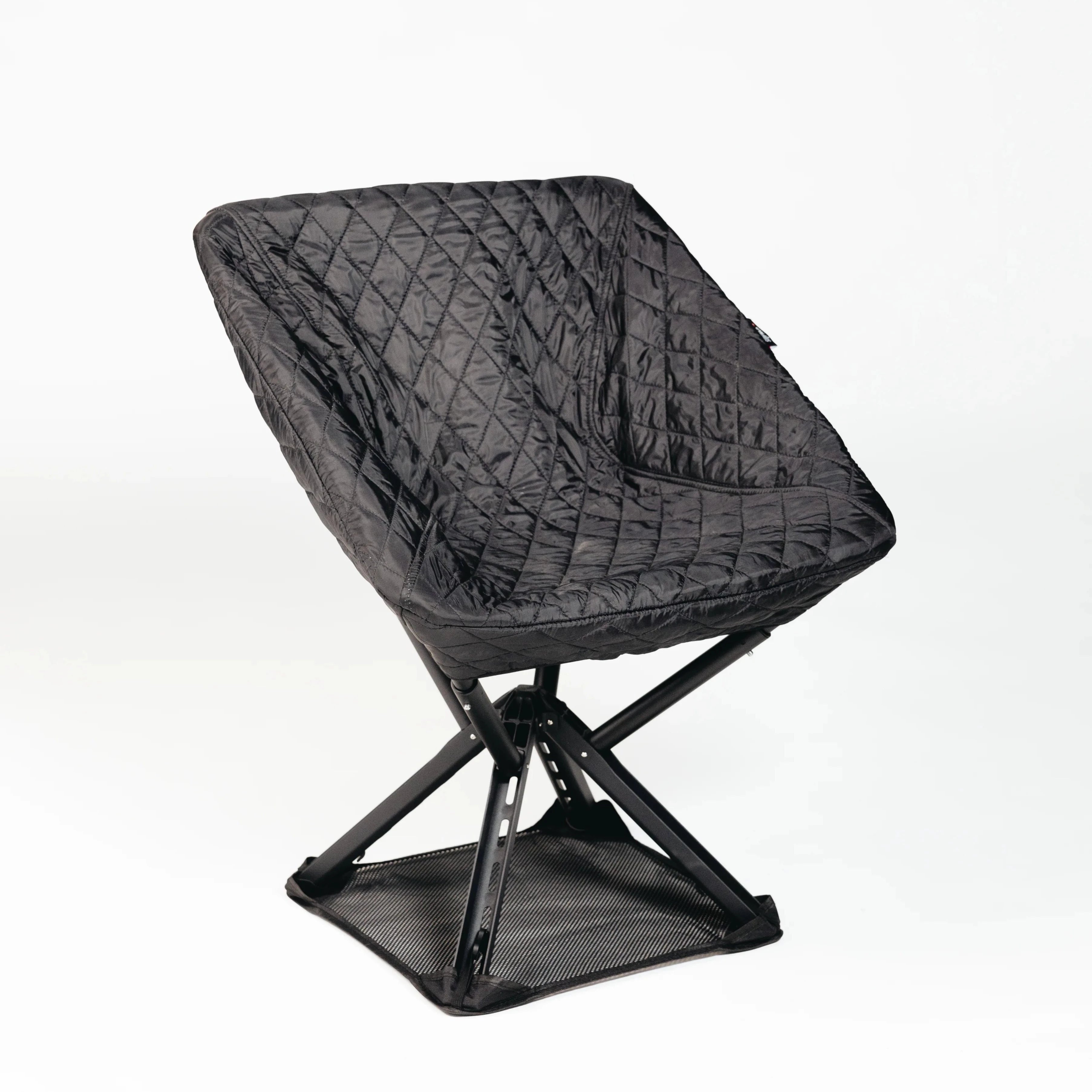
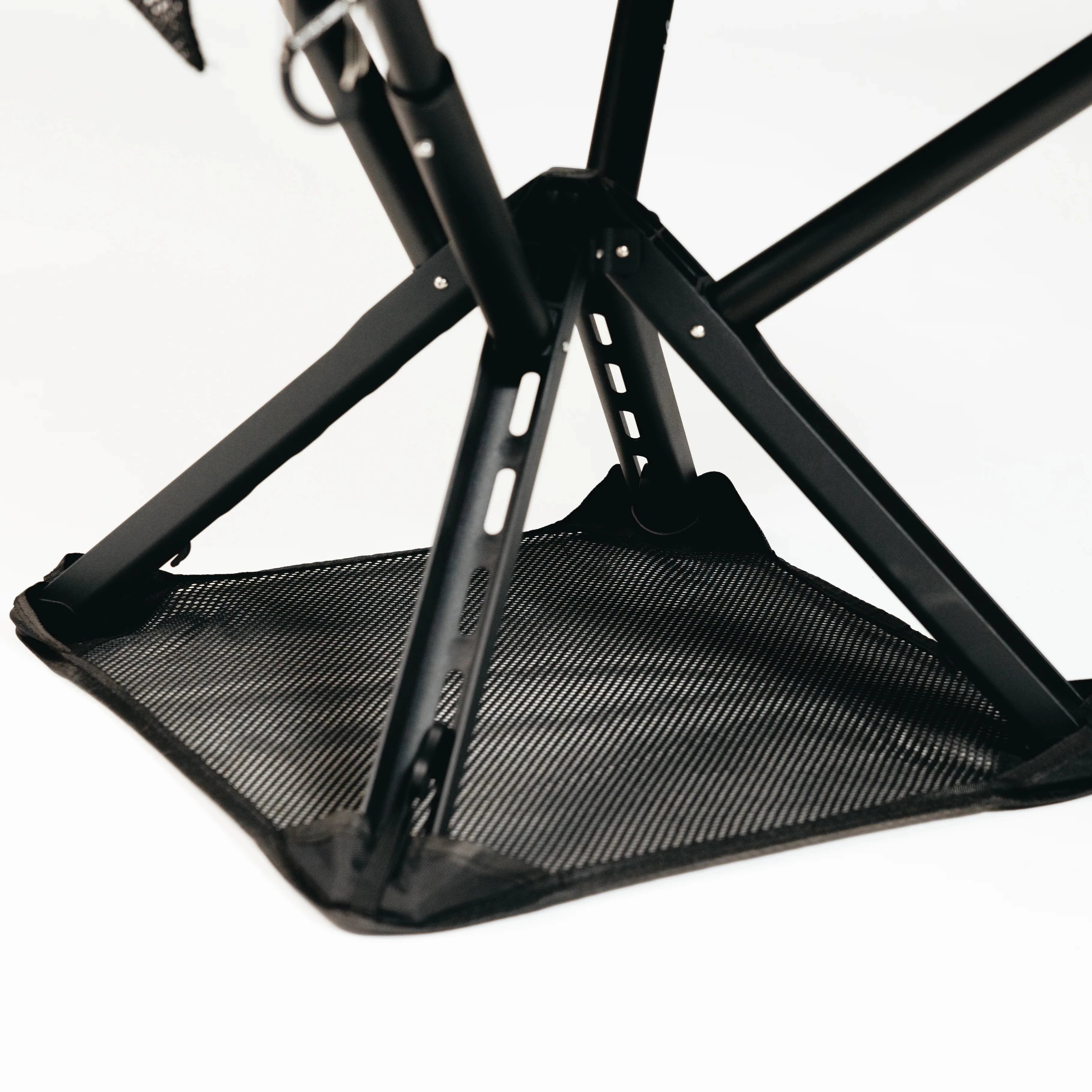
Experience the benefits of foldable, minimalistic seating like the Campster II and Sitpack Zen at Sitpack. With products crafted for portability, durability, and user comfort, you can elevate your outdoor adventures without compromise. Don’t miss out on fast worldwide shipping and a 45-day satisfaction guarantee. Take the next step now by visiting Sitpack’s landing page to explore new arrivals and best-sellers tailored to your outdoor and travel needs.
Modern outdoor furniture features weather-resistant materials, ergonomic designs, minimalist shapes, sustainability, and multi-functional configurations that enhance both style and functionality in outdoor living spaces.
When selecting outdoor furniture, prioritize materials that are durable, weather-resistant, and sustainable, such as teak, aluminum, high-density polyethylene (HDPE), synthetic wicker, and recycled plastics to ensure longevity and comfort.
Look for lightweight designs with collapsible frames and compact storage capabilities. Portable outdoor furniture should be easy to transport and reconfigure to adapt to various outdoor settings and needs.
Avoid ignoring climate-specific material requirements, underestimating maintenance demands, prioritizing appearance over functionality, failing to measure space accurately, and overlooking budget constraints and long-term value when making your purchase.