カート
0
サインアップすると注文から 10 ドル割引になります
配達予定
1〜3日
こちらもおススメ


デンマークの会社


TL;DR:
- Innovation in outdoor seating transforms static furniture into adaptable systems that enhance comfort, sustainability, and social engagement. Modular, smart, ergonomic, and sustainable materials design creates flexible, durable, and eco-friendly outdoor furniture suited for evolving social and environmental needs. Prioritizing social geometry and lifecycle considerations results in more functional, inclusive, and cost-effective outdoor spaces.
Innovation defines outdoor seating today, transforming it from static furniture into adaptable systems that serve comfort, community, and the environment simultaneously. The role of innovation in outdoor seating now spans smart technology, ergonomic engineering, and materials science, all converging to meet how people actually live, work, and gather outside. Whether you’re a designer speccing a public plaza or an outdoor enthusiast hunting for the perfect portable perch, the shifts happening right now are genuinely worth paying attention to. Modular systems, climate-responsive fabrics, and solar-powered features are no longer concept renders. They’re shipping products and installed installations reshaping how we think about sitting outside.
Modular outdoor seating represents the single biggest shift in outdoor furniture design over the past decade. Where traditional fixed benches serve one configuration forever, modular systems allow reconfiguration for different crowd sizes, seasonal layouts, and social contexts. A sectional that seats eight for a summer dinner can break into four portable units for a winter storage stack. That flexibility is not a luxury feature. It’s a functional requirement for anyone managing dynamic outdoor spaces.
Modular systems improve social engagement and portability by replacing rigid infrastructure with reconfigurable components. This matters enormously for event planners, urban designers, and homeowners who need their outdoor space to do more than one thing. The Klopp system, for example, uses short-stock wood and industrial connectors designed for site-sensitivity and easy reuse, so components can be moved, repaired, or repurposed without waste.
Circular design principles take modularity a step further. Circular design for modular furniture ensures components can be disassembled, repaired, or recycled, reducing environmental waste and long-term costs. This is the difference between furniture you replace every five years and furniture that evolves with your space.
Here’s a quick comparison of how modular and traditional fixed seating stack up:
| Feature | Modular seating | Traditional fixed seating |
|---|---|---|
| Reconfigurability | High | None |
| Repairability | Component-level | Full replacement |
| Portability | Designed for it | Rarely possible |
| Sustainability | Circular-ready | Often landfill-bound |
| Cost over time | Lower (repair vs. replace) | Higher |
Key advantages of modular outdoor seating at a glance:
Pro Tip: When speccing modular seating for a public or commercial space, prioritize systems with standardized connectors. Proprietary fittings lock you into one supplier and make repairs expensive down the line.
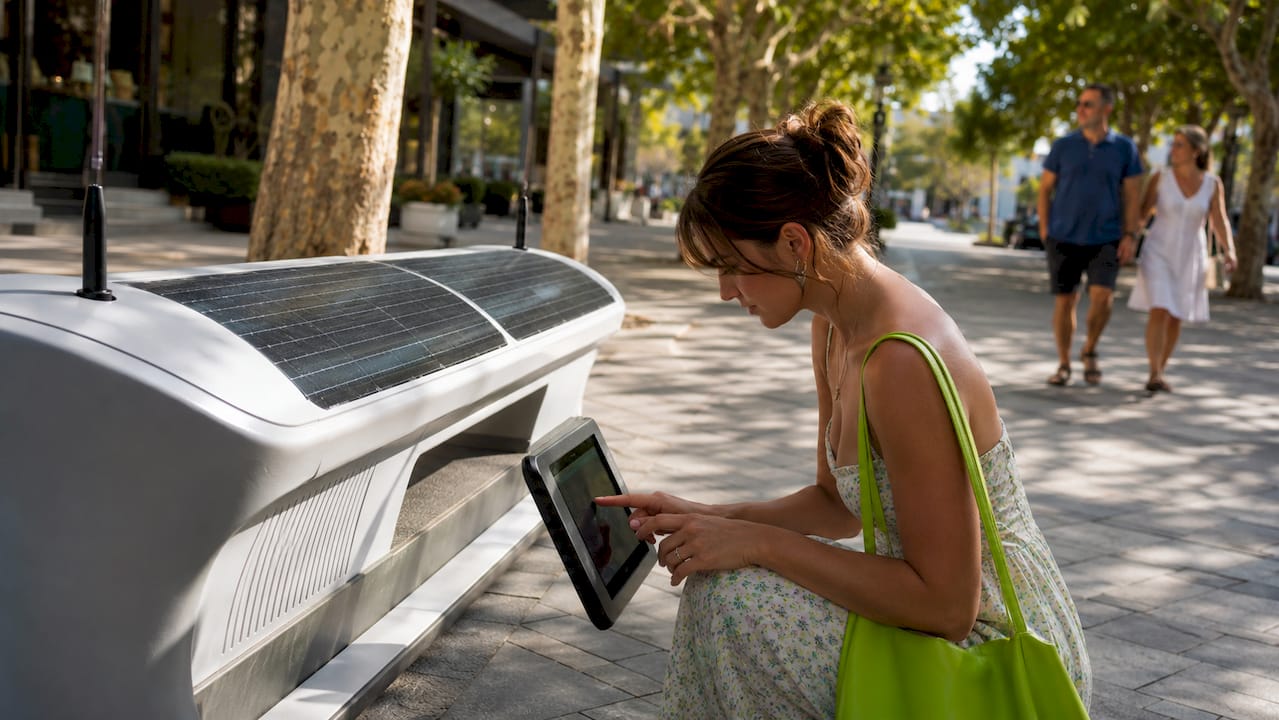
Smart technology embedded in outdoor furniture is no longer a gimmick. Smart benches equipped with solar panels, Wi-Fi, and environmental sensors are already installed in cities across Europe and North America, harvesting solar energy for device charging while collecting usage data for urban planners. That data loop is genuinely useful. Planners can see which benches get used most, at what times, and adjust maintenance schedules or add seating where demand is highest.
Climate-responsive materials are the quieter revolution. Heat-reflective fabrics and porous concrete surfaces can lower surface temperatures up to 19°C and reduce air temperatures by 3 to 5°C in the immediate vicinity of seating areas. That’s the difference between a bench you avoid at 2 p.m. in July and one you actually want to sit on.
Ergonomic advancements round out the tech picture. Curved cushions and adjustable reclining seats support natural posture and reduce discomfort during extended outdoor use. These aren’t just comfort upgrades. They’re accessibility improvements that make outdoor spaces usable for older adults and people with mobility considerations.
Here’s how the key technological improvements rank by user impact:
Pro Tip: For residential patios, you don’t need a smart bench to get climate benefits. Shade sails combined with light-colored, porous paving materials around your seating area deliver meaningful temperature reduction at a fraction of the cost.
Sustainability in outdoor seating goes well beyond swapping plastic for wood. Sustainability includes maintainability, repair programs, and takeback initiatives that extend product lifespan far beyond what any single material choice can achieve. The most forward-thinking manufacturers are designing for the end of a product’s life before they finalize the beginning of it.
Vestre, the Norwegian outdoor furniture company, exemplifies this approach. Their products use Scandinavian pine and SSAB Zero steel, where SSAB Zero uses recycled steel and fossil-free energy to deliver a significantly lower carbon footprint than conventional steel production. The material choice is intentional and traceable, not just a marketing claim.
Practical sustainable material options for outdoor seating today include:
The economic case for sustainable seating is straightforward. Furniture designed for repair and component replacement costs less over a ten-year horizon than furniture designed for single-use replacement cycles. For public procurement, that argument is increasingly winning budget approvals.
| Material | Environmental benefit | Durability rating |
|---|---|---|
| SSAB Zero steel | Fossil-free production | Excellent |
| FSC-certified timber | Responsible forestry | Good to excellent |
| Ocean plastic lumber | Diverts waste from oceans | Good |
| Recycled aluminum | Low-energy reprocessing | Excellent |
Designers who think seriously about outdoor seating design don’t just place furniture. They choreograph spatial sequences: approach, pause, gather, move. This concept of spatial sequence creates intuitive, comfortable experiences rather than leaving people to figure out where to sit and how to orient themselves. Get the sequence wrong and people drift past your seating area without stopping. Get it right and the space fills naturally.
Proxemics, the study of how physical space affects human behavior, is now a core tool in outdoor furniture design. Proxemics-based design manipulates shape and spacing to subtly guide social behavior, making public furniture more inclusive and engaging. Vestre’s STOOP and UNITY bench systems use this principle directly. By adjusting the gap between seats and the angle of orientation, the same bench can encourage strangers to chat or give solo users comfortable personal space.
Flow lanes of at least 36 inches accommodate circulation between seating clusters, while conversation circles anchor social interaction at a human scale. These aren’t arbitrary measurements. They come from decades of behavioral research on how people move through and occupy shared spaces.
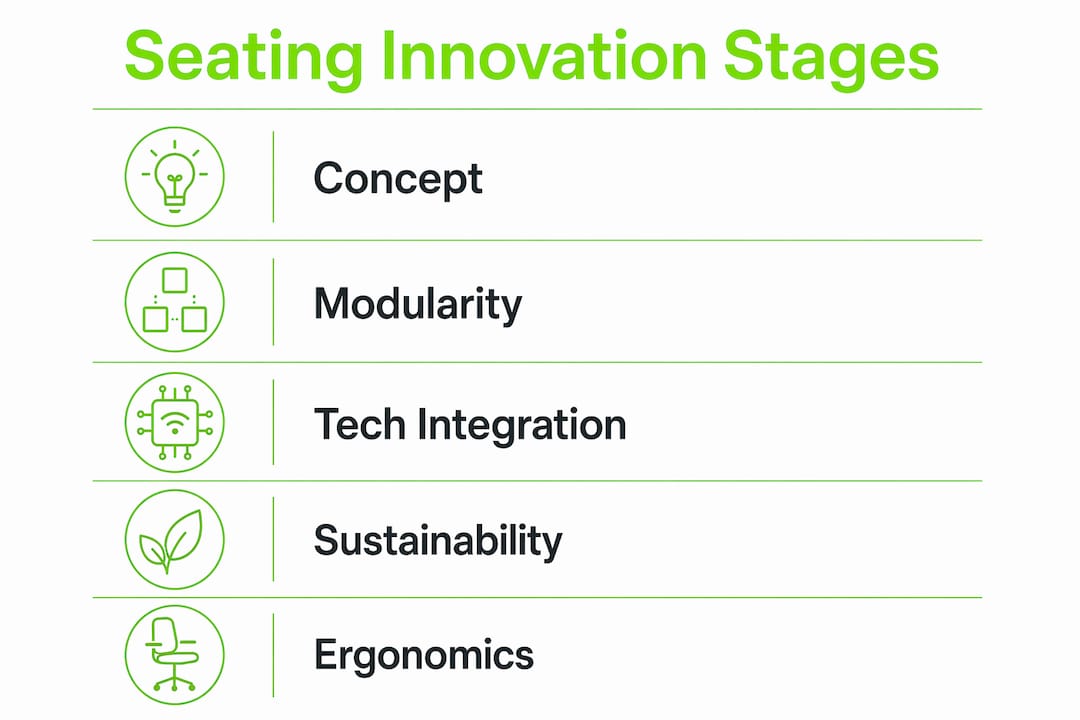
Key design principles that make outdoor seating work socially and ergonomically:
Pro Tip: The OUTSIDERS study found that outdoor seating functions as a critical interface for human connection in urban spaces. If you’re designing for a community context, include at least one seating cluster oriented for face-to-face conversation, not just parallel viewing.
The trends worth tracking in 2026 are the ones solving real problems rather than chasing aesthetics. Urban adaptive furniture that harvests solar energy and supports modular transformation of public spaces is moving from pilot projects to standard procurement specs in several European cities. That’s a meaningful signal for designers working on public commissions.
For residential and small-space applications, compact outdoor furniture that adapts to limited square footage is the practical answer to urban density. Low-profile seating and perimeter-focused arrangements can increase usable patio space by 20 to 30%, which is a genuine quality-of-life improvement for apartment dwellers with balconies or small terraces.
Trends worth incorporating into your next outdoor seating project:
The problem-solving approach to seating is what separates genuinely useful outdoor furniture from decorative pieces that look great in a catalog and disappoint in real use. Start with the behavior you want to support, then choose materials and forms that serve it.
Innovation in outdoor seating works when modularity, ergonomics, and sustainable materials are treated as a system rather than separate features.
| Point | Details |
|---|---|
| Modularity beats fixed design | Reconfigurable systems serve more uses, cost less over time, and support circular economy goals. |
| Smart tech extends usability | Solar charging, heat-reflective surfaces, and ergonomic adjustability make outdoor seating practical in more conditions. |
| Sustainable materials are economic | Recycled steel, FSC timber, and ocean plastics reduce long-term costs alongside environmental impact. |
| Social geometry shapes behavior | Proxemics-based layouts and flow lanes determine whether people actually use a space or walk past it. |
| Design for the end first | Furniture designed for disassembly and repair outlasts and outperforms furniture designed only for first sale. |
Here’s something I’ve noticed after years of watching outdoor furniture trends come and go: the most impactful innovations aren’t the flashiest ones. The solar-powered smart bench gets the press coverage, but the real game is being played in material sourcing and modular connector design. A bench that can be repaired with a standard hex key and replacement slats available for twenty years is more innovative, in any meaningful sense, than one with a built-in USB port that becomes obsolete in three years.
What genuinely excites me about where outdoor seating is heading is the convergence of proxemics research with modular design. The idea that you can intentionally tune a seating system to encourage or discourage social interaction, just by adjusting gap widths and orientations, is powerful. It means designers are finally treating outdoor furniture as social infrastructure rather than just weatherproof decoration.
The challenge I see most often is that clients and procurement teams still default to lowest upfront cost. Sustainable, modular, ergonomically considered seating almost always costs more at purchase and dramatically less over a decade. Making that case clearly, with lifecycle cost data and maintenance projections, is the practical skill that separates designers who get these projects built from those who just write about them.
If you’re working on an outdoor seating project right now, my honest advice is this: spend more time on the spatial sequence and social geometry than on the finish color. The behavior the space enables matters more than how it photographs.
— Jonas
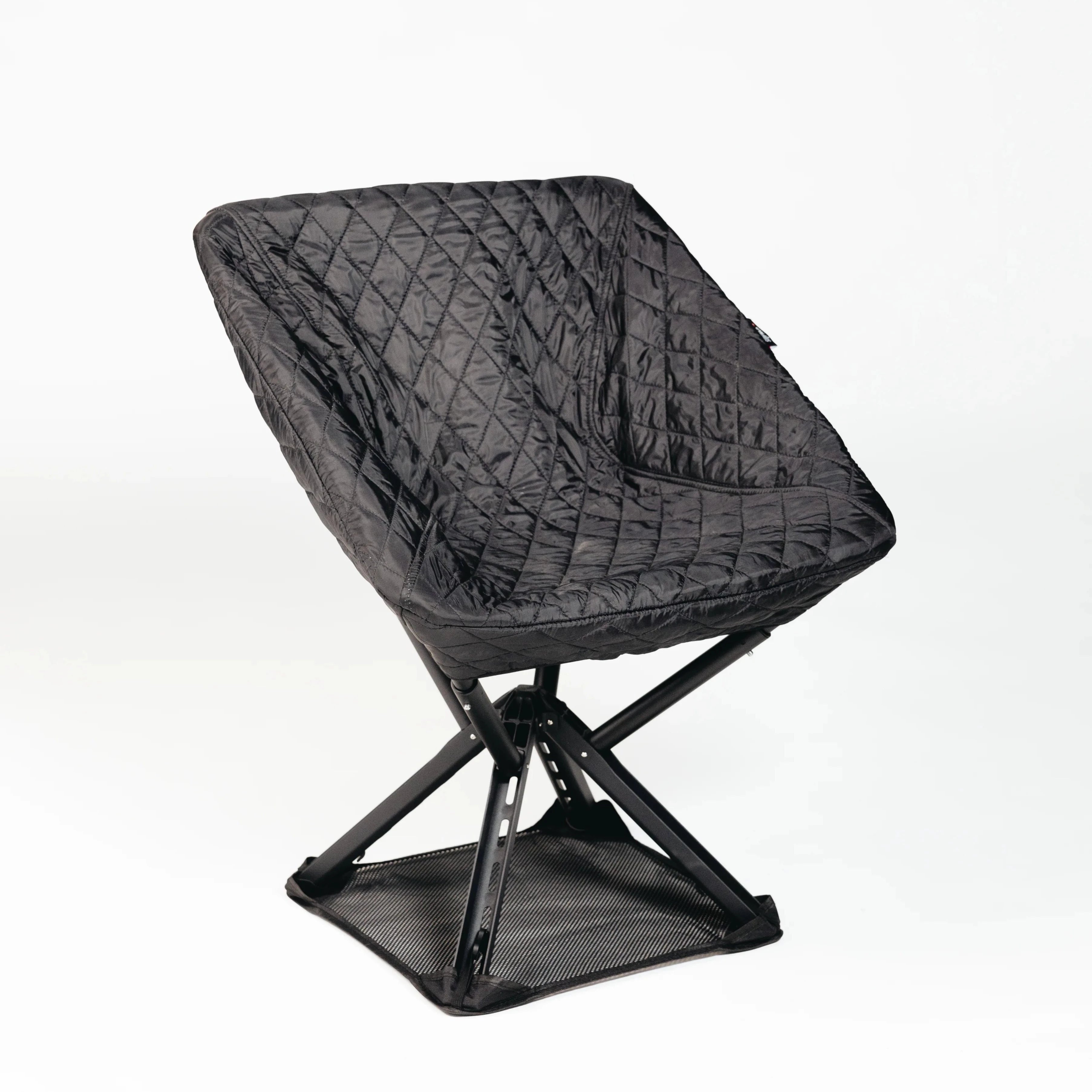
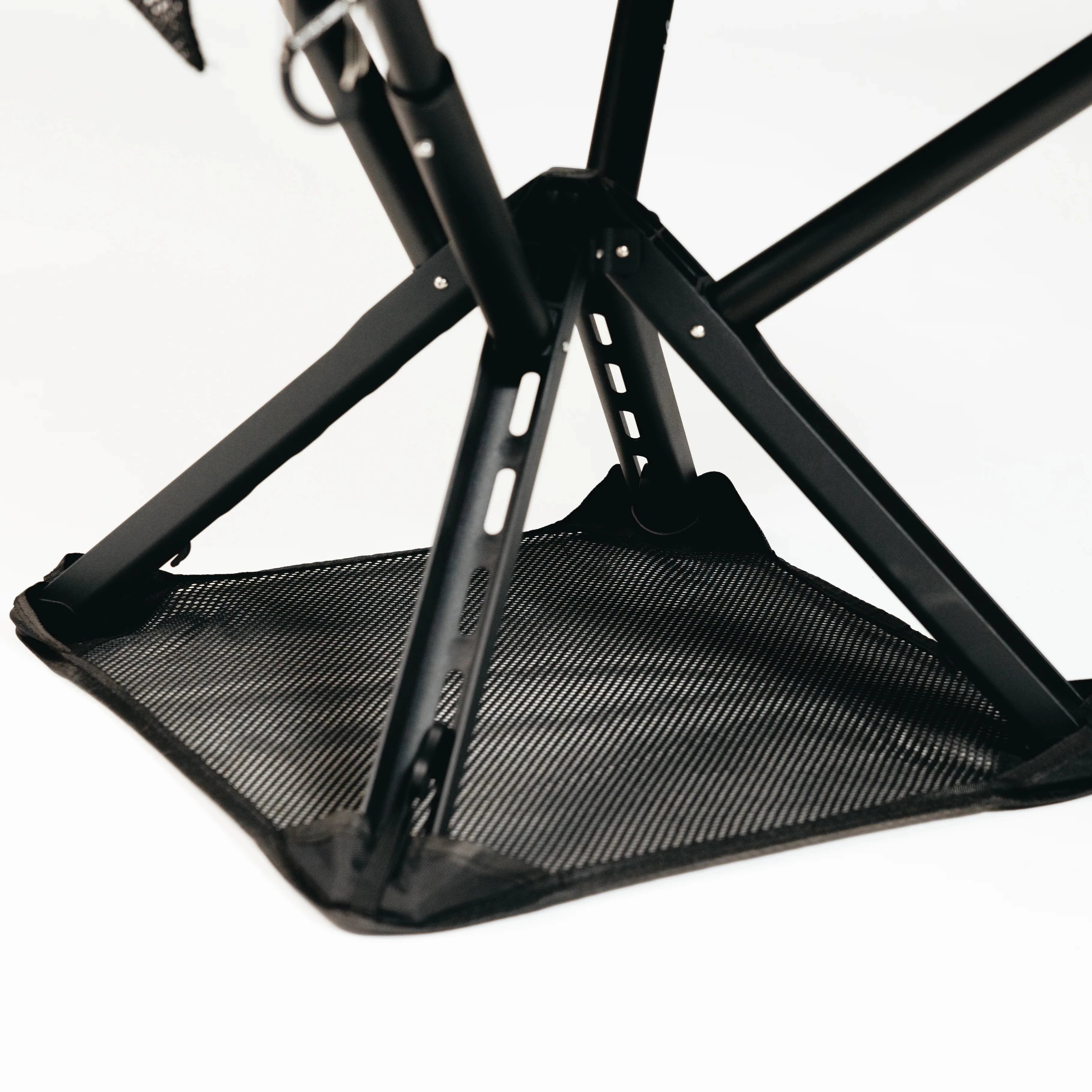
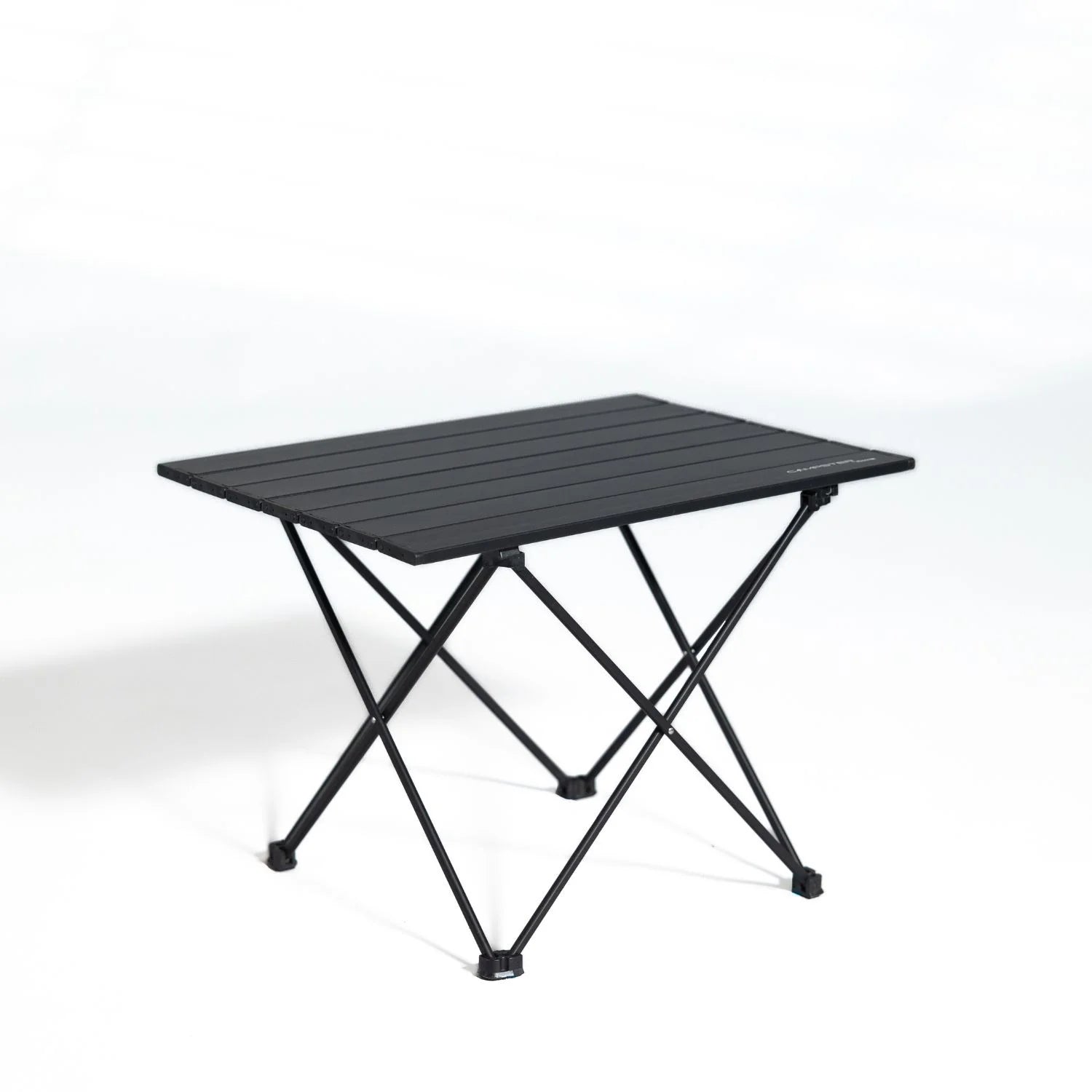
Sitpack builds portable seating that takes the principles above and applies them at the individual scale. The Campster II and Sitpack Zen are designed for people who want genuine ergonomic comfort without hauling a full-size chair to a concert, trailhead, or urban park. Both products use lightweight, durable materials with a minimalistic design philosophy that prioritizes function over bulk. If you’re a designer looking for portable seating solutions to recommend to clients, or an outdoor enthusiast who’s tired of sitting on the ground, Sitpack’s lineup is worth a serious look. Explore the full range of portable seating solutions and find the right fit for your next outdoor adventure or project.
Innovation in outdoor seating transforms static furniture into adaptable systems that improve comfort, social interaction, and environmental sustainability. It encompasses modular design, smart technology, ergonomic engineering, and sustainable materials working together.
Modular systems allow reconfiguration for different crowd sizes, seasons, and social contexts, replacing rigid infrastructure with flexible components that can be repaired or repurposed rather than replaced.
Leading options include SSAB Zero recycled steel, FSC-certified Scandinavian pine, ocean plastic lumber, and recycled aluminum. Each offers durability alongside a measurably lower environmental footprint compared to conventional materials.
Curved cushions, adjustable reclining seats, and varied seat heights support natural posture and extend comfortable use. Layout strategies like low-profile and perimeter-only arrangements can increase usable patio space by 20 to 30%.
The leading trends include solar-powered smart benches, climate-responsive surface materials, soft industrial aesthetics, modular pop-up parks, and manufacturer takeback programs that support circular economy goals.