カート
0
サインアップすると注文から 10 ドル割引になります
配達予定
1〜3日
こちらもおススメ
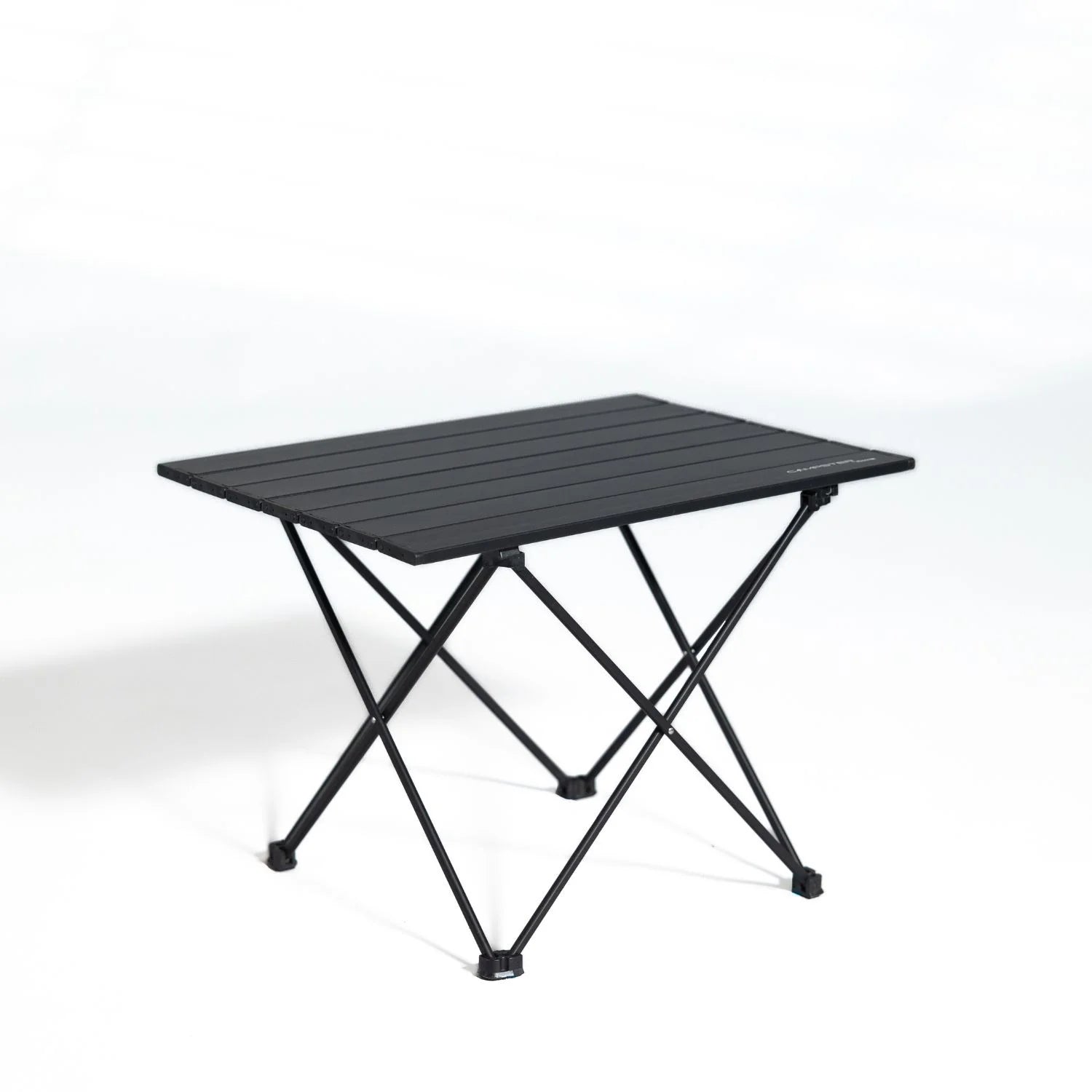
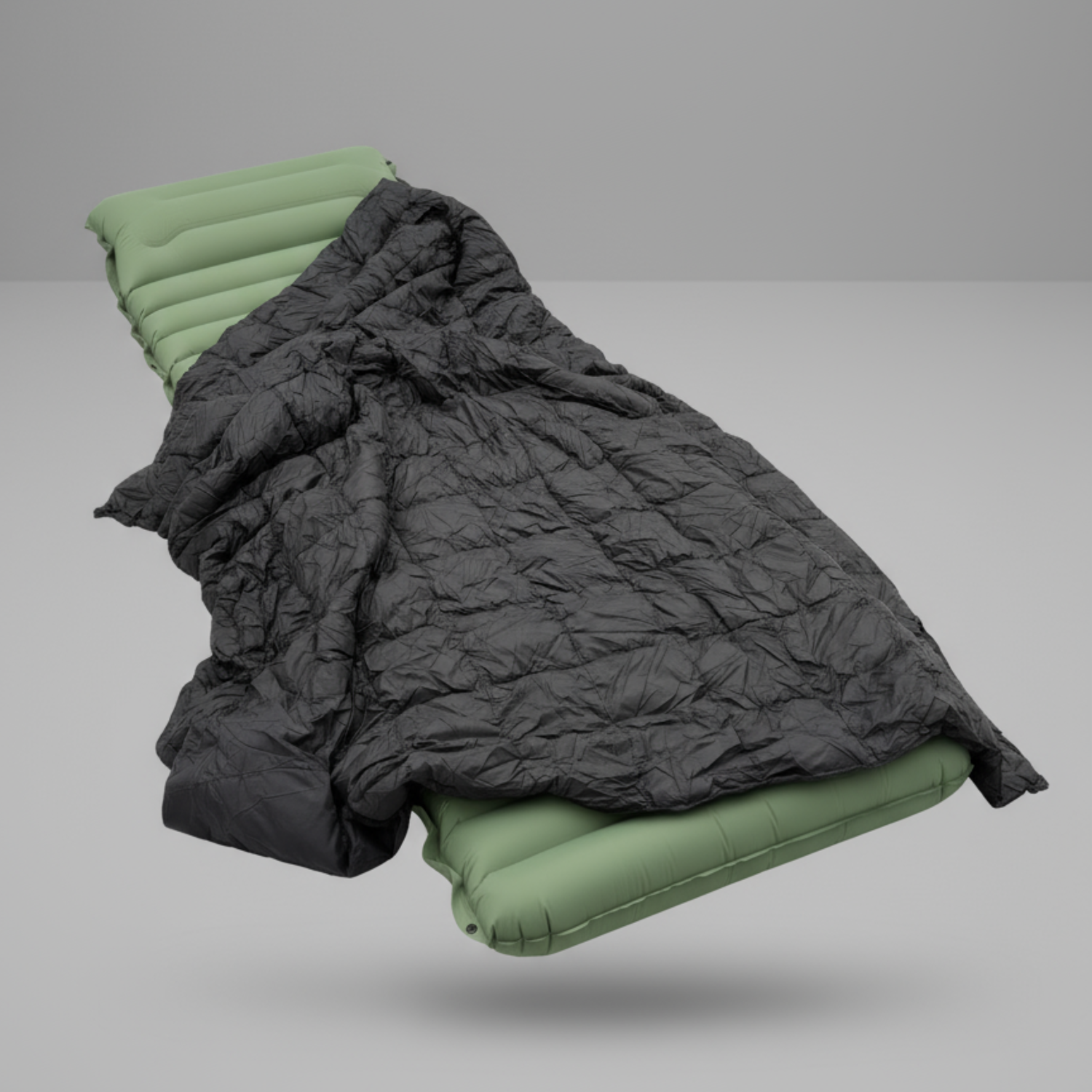
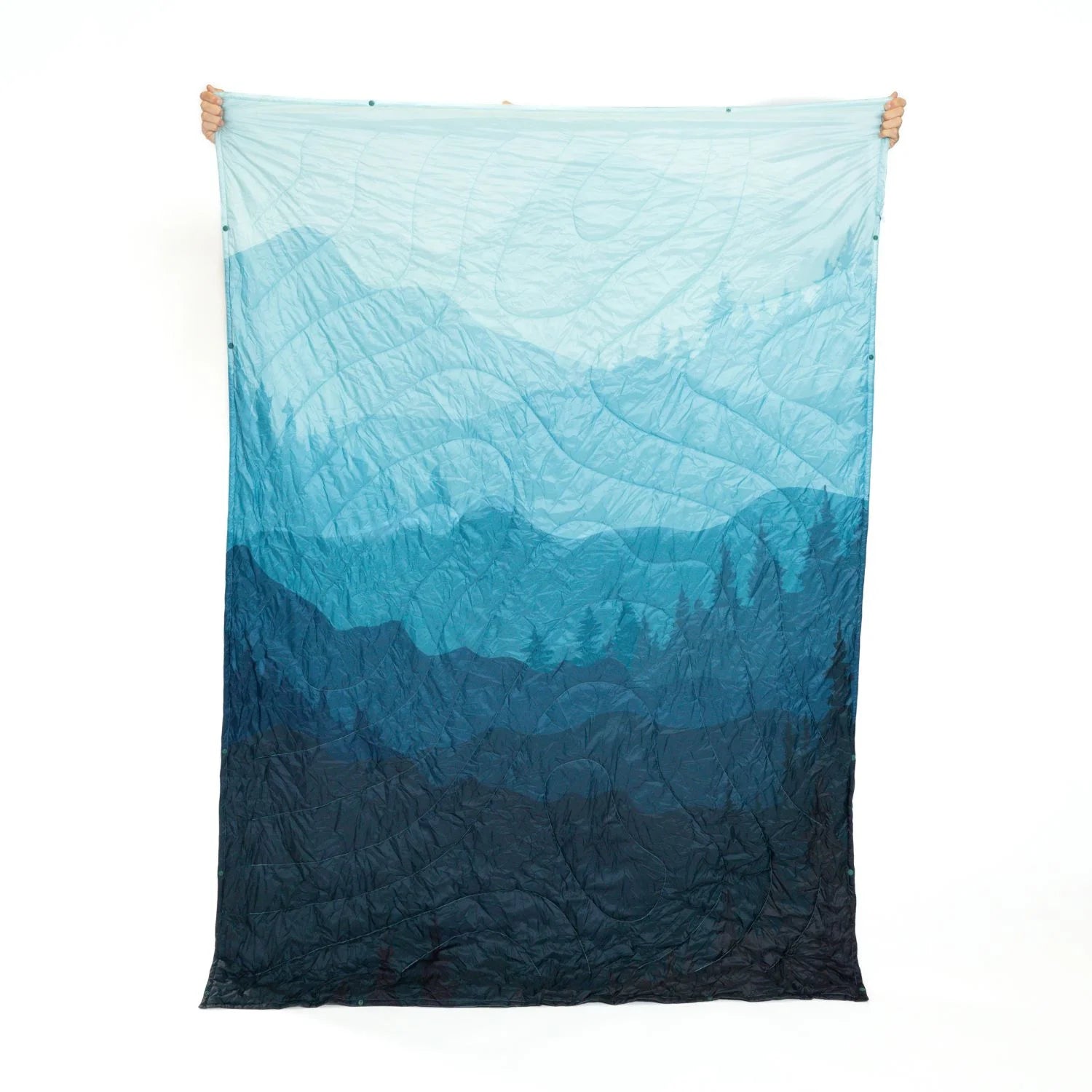
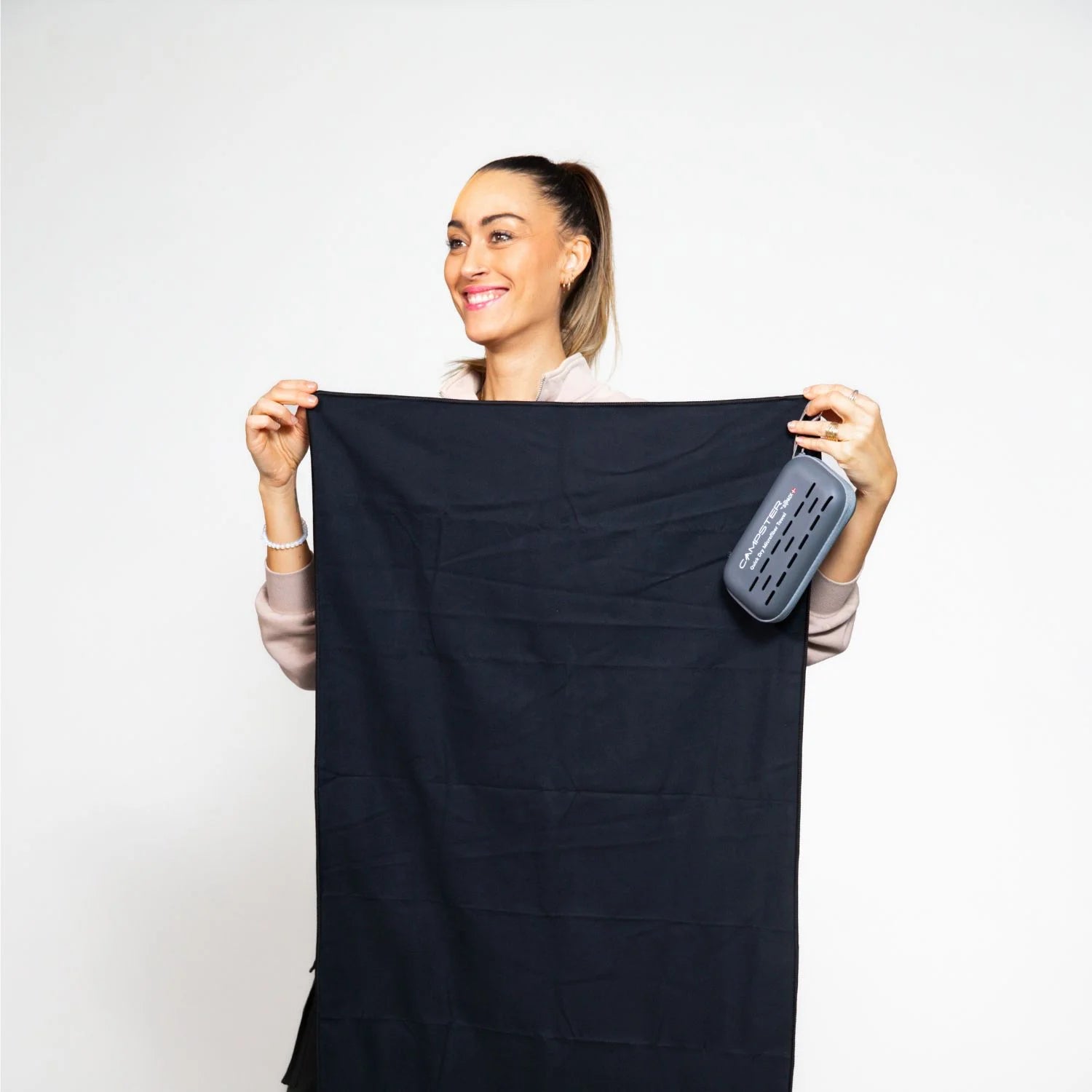


デンマークの会社

TL;DR:
- Travel bottles should be durable, lightweight, and compliant with TSA rules for safe and eco-friendly travel. Choosing the right material, filling bottles to 70-80%, and testing caps beforehand can prevent leaks and spills on flights. Reusable bottles made from recycled materials support sustainability and save money over time.
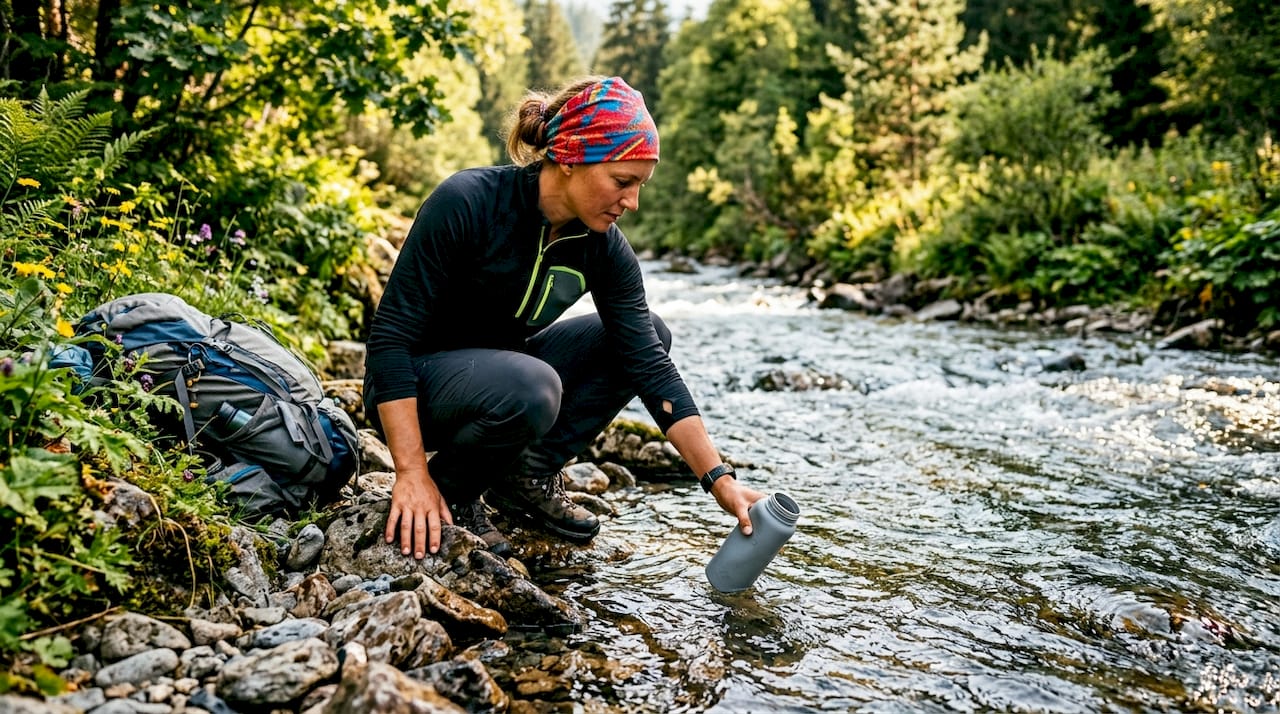
A travel-friendly bottle is defined as a durable, lightweight, reusable container designed to carry liquids safely and conveniently during trips, hikes, and adventures. The best travel bottles combine TSA compliance, leak-proof construction, and eco-conscious materials into one package that fits your bag without weighing you down. Americans discard over 1 billion plastic bottles annually, which makes the case for investing in a quality reusable option stronger than ever. Whether you’re boarding a red-eye flight or scrambling up a trail, the right bottle makes a real difference to your comfort, your pack weight, and the planet.
The TSA’s 3-1-1 rule is the single most important regulation every traveler must understand before packing liquids. Each container is capped at 3.4 oz (100 ml), and all containers must fit inside one clear, quart-sized bag per passenger. That limit applies to the container size, not the fill level. A 6 oz bottle that’s only half full still gets confiscated at the checkpoint.
Here’s what TSA compliance looks like in practice:
Pro Tip: Label each bottle before you leave home. Waterproof labels or short codes readable in low light save real time at security and in dim hotel bathrooms.
Travelers who use specialty shampoos, serums, or supplements unavailable in travel size benefit most from refillable bottle kits. Casual travelers often find store-bought travel sizes easier for short trips. Know which category you fall into before you buy.
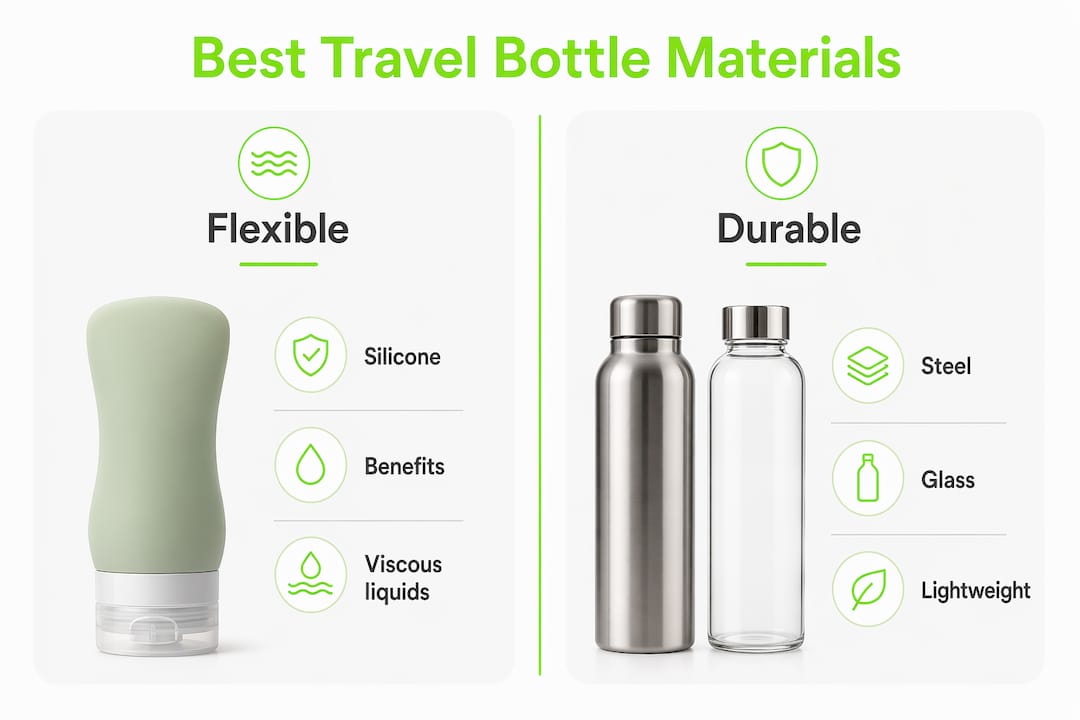
Material choice determines how your bottle performs under pressure, literally. Each material has a specific strength, and picking the wrong one for your liquid type is a common and avoidable mistake.
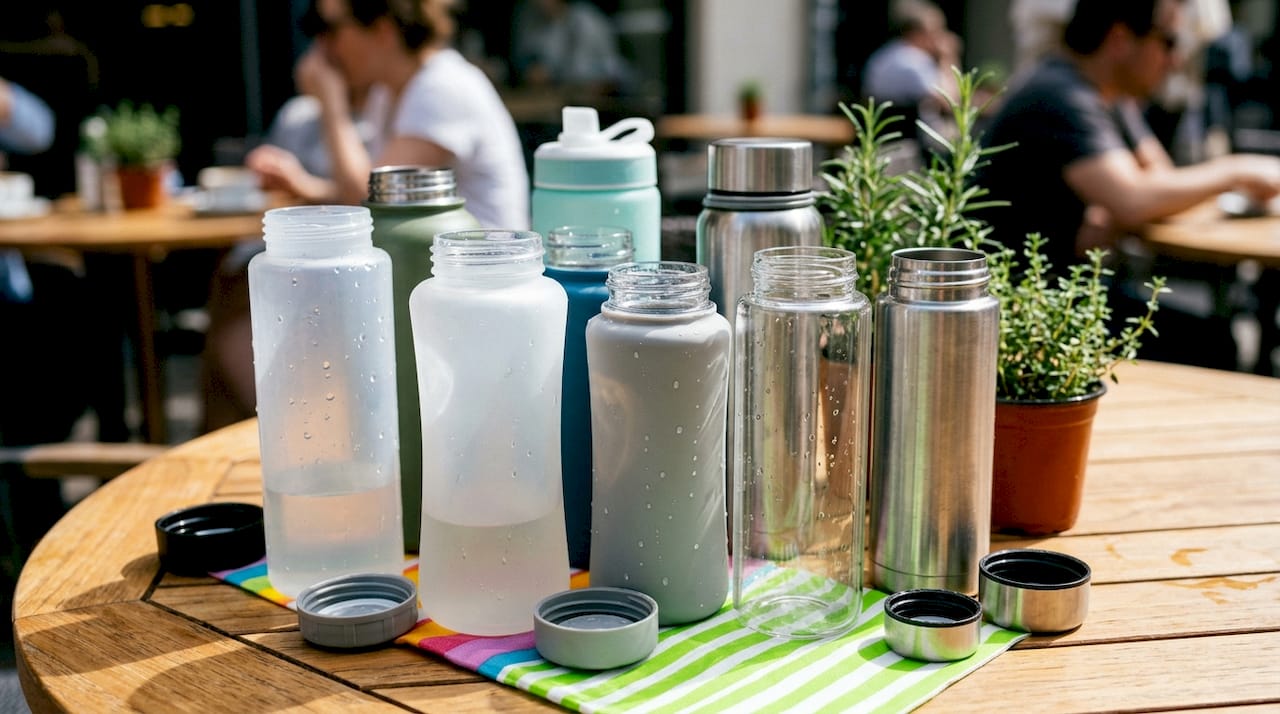
Silicone is the top pick for thick, viscous liquids like shampoo, conditioner, and body wash. It’s flexible and squeezable, which means you can push every last drop out without wrestling the bottle. Silicone absorbs cabin pressure changes better than rigid materials, reducing the risk of leaks mid-flight. The ideal silicone durometer for travel bottles sits in the 40–60 Shore A range, which balances squeeze ease with long-term durability.
BPA-free plastic bottles are clear, lightweight, and usually the most affordable option. You can see exactly how much product remains, which is handy when rationing sunscreen on a week-long trip. The downside is that low-quality plastics can retain odors and leach chemicals over time, especially when exposed to heat. Stick to bottles labeled BPA-free and replace them when they show discoloration or smell.
Glass is chemically inert, meaning it won’t react with your liquid or pick up flavors. Borosilicate glass handles temperature swings without cracking, which makes it a solid pick for hot beverages. The obvious trade-off is weight and fragility. Glass works best for short trips where you’re packing carefully and not throwing your bag around.
Stainless steel and aluminum bottles are the most durable option for outdoor adventurers. Modern stainless steel bottles use 67–90% recycled content and deliver 15–18 hours of cold retention. That’s a serious performance spec for a day hike or a long travel day. Some aluminum options, like the CacheWerk outdoor bottle, combine lightweight construction with genuine trail durability.
| Material | Best for | Key strength | Watch out for |
|---|---|---|---|
| Silicone | Thick liquids | Flexible, pressure-resistant | Can stain with dark liquids |
| BPA-free plastic | Everyday use | Affordable, clear | Odor retention over time |
| Borosilicate glass | Sensitive liquids | Chemically inert | Heavy and fragile |
| Recycled stainless steel | Outdoor adventures | Durable, insulated | Heavier than plastic |
Pro Tip: For hygienic, safe hydration, choose borosilicate glass or stainless steel over standard plastic. Clinical-grade materials prevent both chemical leaching and odor buildup.
Leaks on a plane are not just annoying. They can ruin electronics, clothes, and everything else in your carry-on. The good news is that most leaks are preventable with a few simple habits.
Fill to 70–80% capacity. Air pressure at cruising altitude causes trapped air inside bottles to expand. Filling above 80% increases leak risk because there’s no room for that expansion. Leave headspace every time.
Use the “burp” technique. Before sealing your bottle, squeeze it gently to push out excess air, then cap it immediately. This reduces internal pressure and keeps the seal tight during ascent.
Choose locking caps over friction-fit lids. Screw tops with locking mechanisms hold under pressure far better than caps that simply press on. If your bottle came with a friction-fit lid, consider upgrading the cap or switching bottles.
Pack bottles upright. Gravity still works on planes. An upright bottle with a secure cap is far less likely to leak than one rattling around sideways in your bag.
Use secondary containment. Pack your toiletry bag inside a sealed zip-lock bag as a backup layer. Even leak-proof bottles can fail under unusual pressure, and a zip-lock costs almost nothing.
Test at home first. Fill your bottles, seal them, and turn them upside down over the sink for 60 seconds before your trip. If they drip, fix the problem before you’re at 35,000 feet.
Pro Tip: Store bottles cap-side up in your bag whenever possible. It sounds obvious, but most in-flight leaks happen because bottles get flipped during overhead bin shuffling.
The right bottle for a weekend business trip looks nothing like the right bottle for a two-week backpacking expedition. Matching your bottle to your trip type saves weight, space, and frustration.
For travelers who want a modular packing system that keeps bottles organized alongside other gear, a well-designed travel bag setup makes a real difference in how efficiently you move through airports and trailheads.
Reusable travel bottles are one of the most direct ways to cut your personal plastic footprint on the road. The habitual use of reusable bottles is a meaningful step toward reducing the billion-plus disposable bottles discarded in the US every year. That number represents a systemic problem, and your individual choice genuinely contributes to the solution.
Investing in a bottle made from 90% recycled stainless steel, like the Klean Kanteen Rise Reflect with its bamboo cap, means you’re carrying a product with a documented low-impact material chain. Recycled steel requires significantly less energy to produce than virgin steel, and bamboo is a rapidly renewable resource. The recycled stainless steel construction and plastic-free design set a clear standard for what sustainable hydration gear looks like in practice.
Quality refillable kits typically pay for themselves within 3–5 trips by eliminating the need to buy travel-size products repeatedly. That’s both a financial and environmental win. A bottle with a 10-year warranty or a lifetime guarantee costs more upfront but generates far less waste over its lifespan than a cheap plastic set replaced every year. Pair your reusable bottles with solid toiletries where possible, since solid shampoo bars and soap eliminate liquid containers entirely and sidestep TSA rules altogether.
The most effective approach to travel-friendly bottles is choosing the right material for your liquid type, filling to 70–80% capacity, and always testing your seal before you leave home.
| Point | Details |
|---|---|
| TSA compliance is non-negotiable | Containers must be 3.4 oz or smaller and fit in one clear quart-sized bag. |
| Material determines performance | Silicone suits thick liquids; stainless steel suits outdoor hydration and insulation. |
| Fill level prevents leaks | Filling to 70–80% leaves headspace for cabin pressure expansion and reduces spills. |
| Sustainability compounds over time | Bottles with recycled content and long warranties generate less waste per year of use. |
| Match bottle to trip type | Collapsible pouches suit ultralight packing; insulated steel suits long outdoor days. |
I’ll be honest: I ruined a perfectly good merino wool shirt on a flight to Copenhagen because I trusted a friction-fit cap on a silicone shampoo bottle. That was an expensive lesson in the difference between “leak-resistant” and “leak-proof.” The bottle looked fine at home. At altitude, it had other ideas.
What I’ve found after that incident, and many trips since, is that most travelers underestimate how much cabin pressure actually matters. You can buy a well-reviewed bottle and still end up with a wet bag if you skip the headspace rule or skip the home test. The gear is only as good as the habit behind it.
I’m also a bit skeptical of the “just buy solid toiletries” advice as a complete solution. Solid shampoo bars work brilliantly for some hair types and terribly for others. The better approach is to treat your water bottle for travel kit as a system: the right material for each liquid, the right fill level, the right cap, and a zip-lock as backup. Build the system once, test it, and it works every trip.
One more thing: don’t skip the labeling step. I know it sounds fussy. But grabbing conditioner instead of face wash at 6 AM in a dim hotel bathroom is genuinely disorienting, and waterproof labels cost almost nothing.
— Jonas
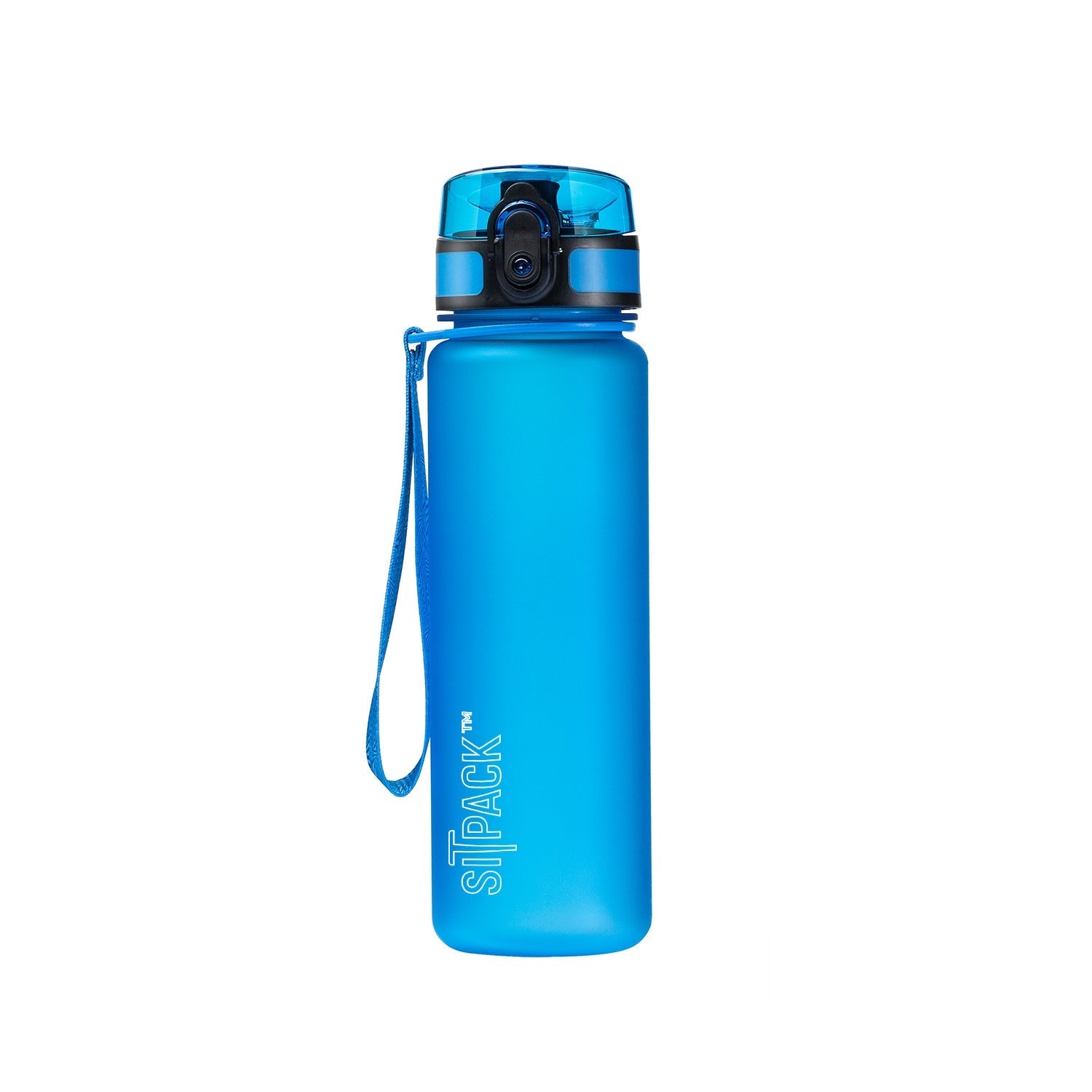
Staying hydrated on the move is as much about your gear setup as it is about your intentions. Sitpack designs products for travelers and outdoor enthusiasts who want everything they carry to earn its place in the bag.
Sitpack’s lineup includes water bottles built for portability and durability, alongside lightweight travel accessories that complement a well-packed kit. Whether you’re heading to a trailhead or an airport, the goal is the same: carry less, do more, and leave less behind. Explore Sitpack’s travel gear to find bottles and accessories that fit the way you actually travel, not just the way gear ads say you should.
The TSA caps each container at 3.4 oz (100 ml), and all containers must fit in one clear quart-sized bag per passenger. The container size determines compliance, not the fill level.
Silicone is best for thick liquids like shampoo because it flexes under cabin pressure. Stainless steel is best for water and beverages because it insulates well and resists denting.
Fill bottles to only 70–80% capacity, use the burp technique to release air before sealing, and always pack bottles upright inside a zip-lock bag as secondary protection.
Quality refillable kits pay for themselves within 3–5 trips by eliminating repeated travel-size purchases, and they generate far less plastic waste over their lifespan.
Yes. Empty reusable water bottles pass through TSA checkpoints without restriction and can be filled at airport water fountains after security.