カート
0
サインアップすると注文から 10 ドル割引になります
配達予定
1〜3日
こちらもおススメ
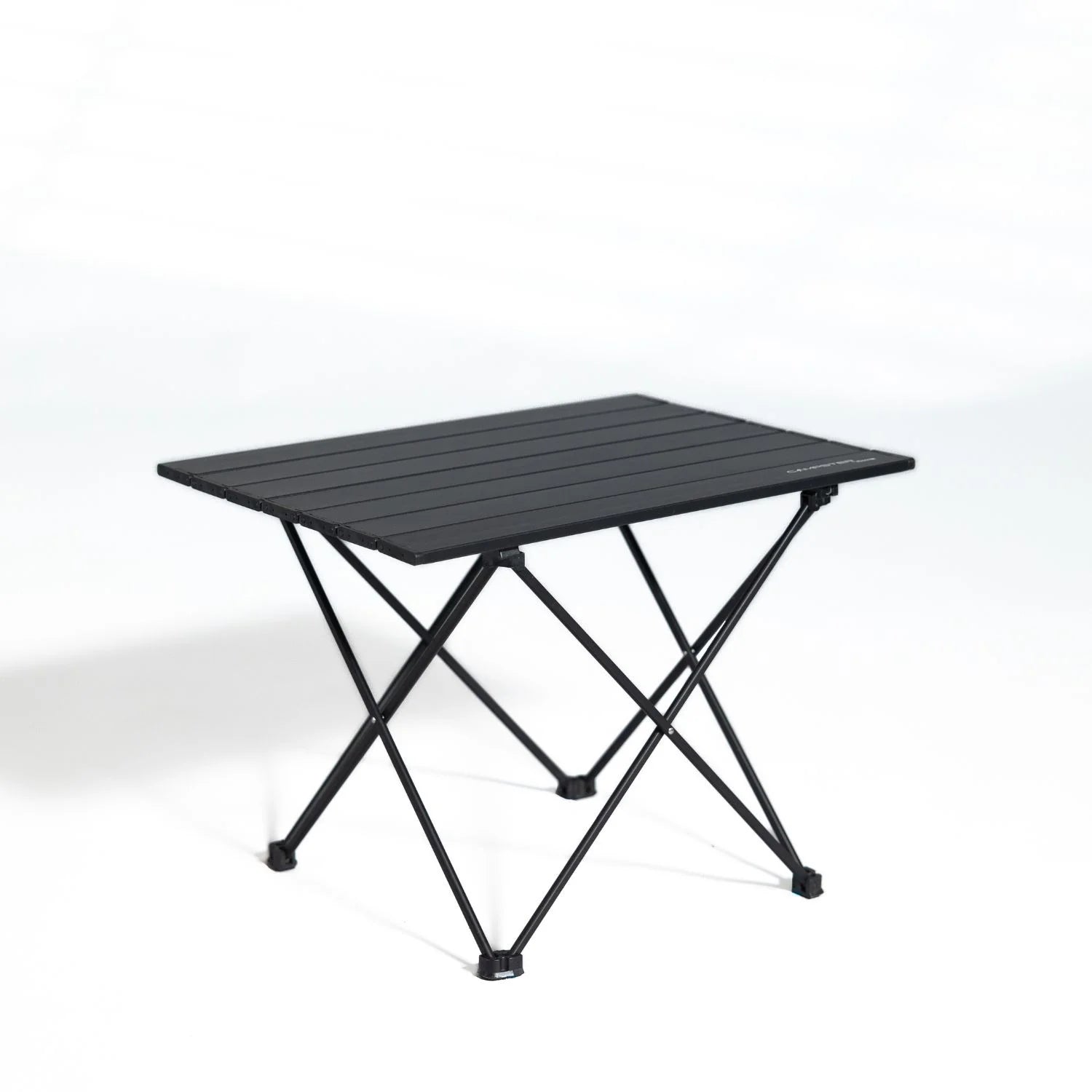
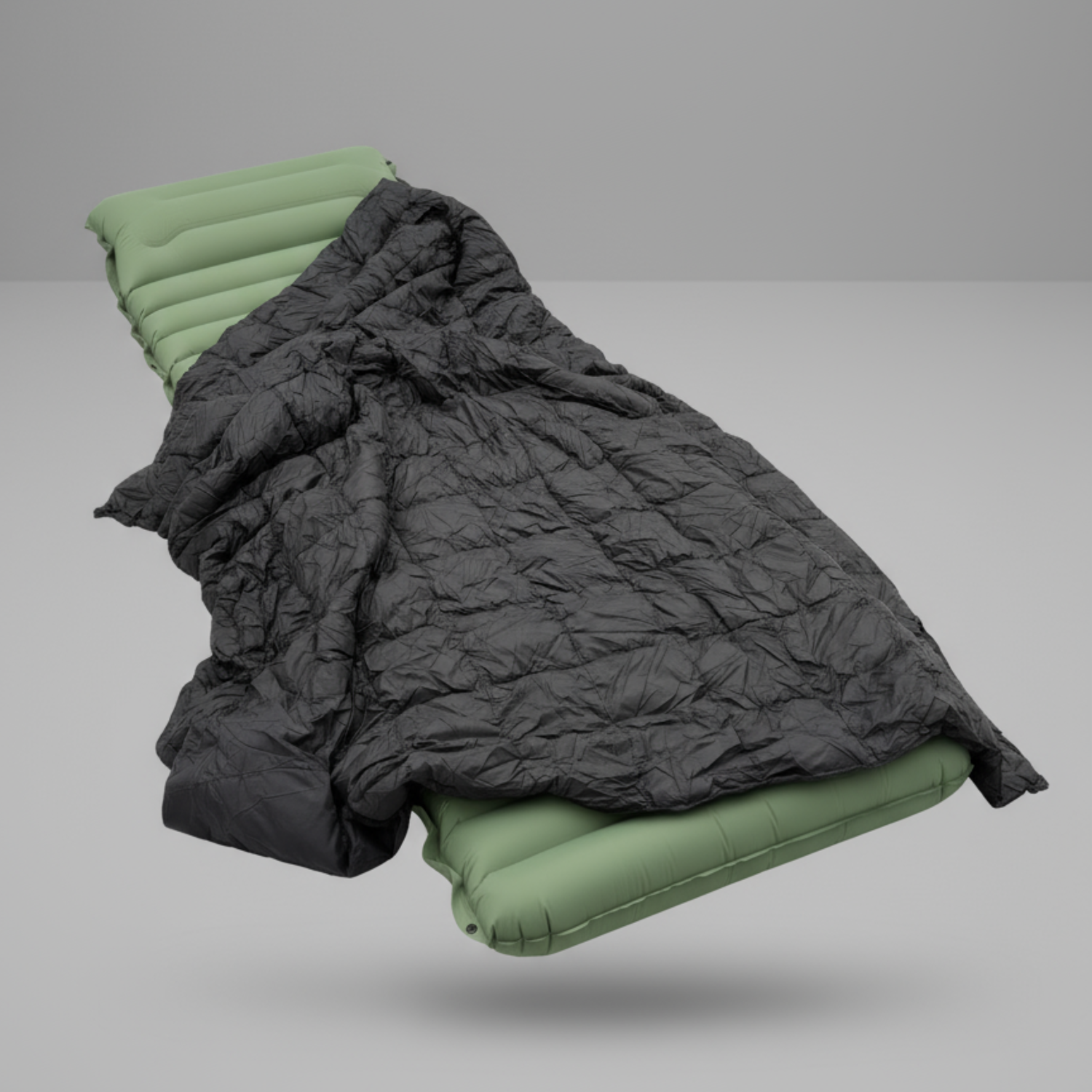
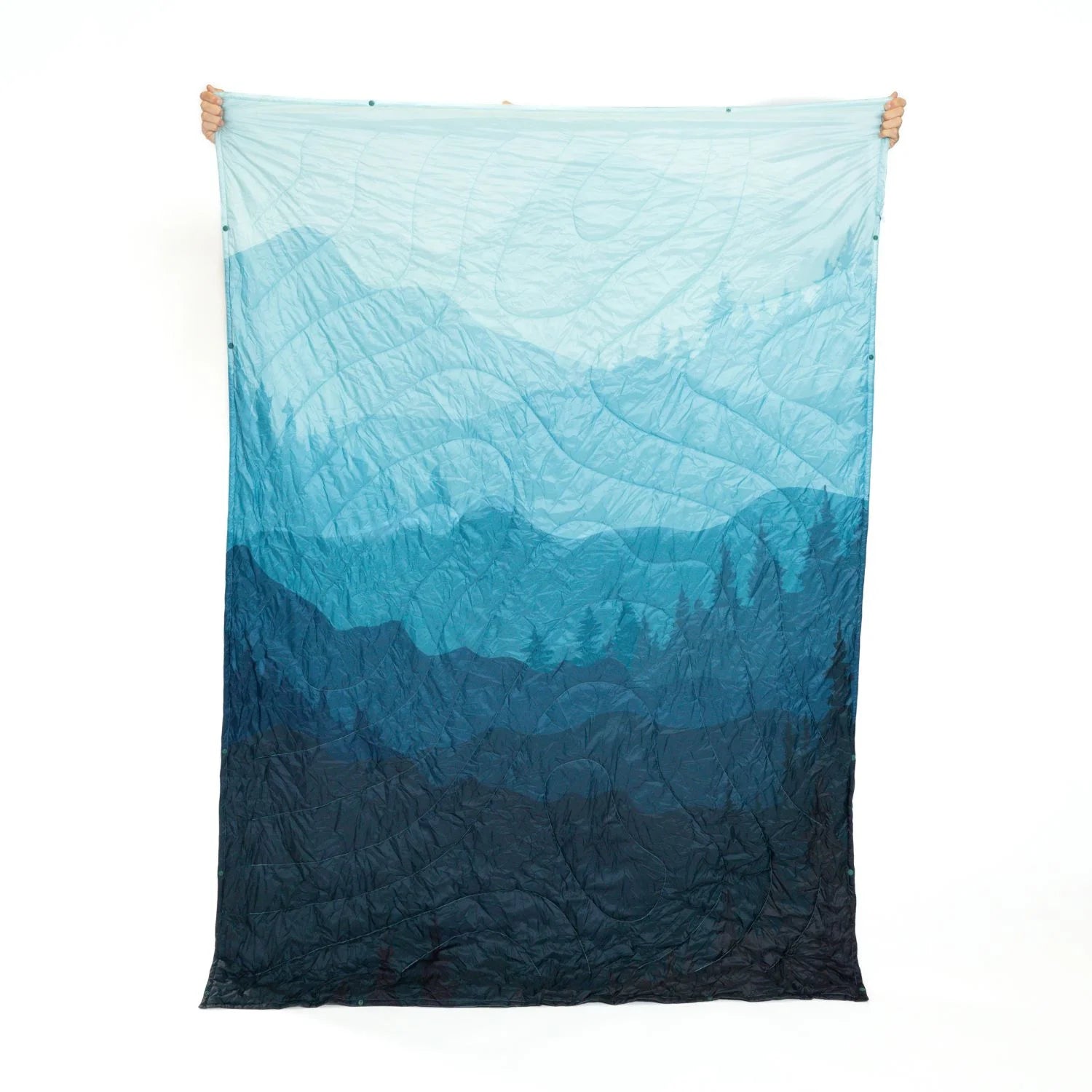


デンマークの会社


Packing for a mountain camping trip or a weekend exploring the rugged coasts of Australia calls for smart gear choices. If you believe that only heavy cotton towels offer comfort, modern travel towel innovations might surprise you. These lightweight, quick-drying towels can absorb several times their weight in water, making them an ideal partner for adventurers who value efficiency and sustainability. Discover how smart material choices challenge old myths and make a travel towel a reliable companion with your portable seating gear.
| Point | Details |
|---|---|
| Travel Towels Are Versatile | Suitable for all travelers, from casual tourists to serious adventurers, due to their lightweight and quick-drying features. |
| Material Matters | Choose travel towels based on specific needs; microfiber offers absorption and packability, while synthetic options provide durability. |
| Prioritize Hygiene | Ensure antimicrobial properties and quick-drying capabilities to prevent bacterial growth during travel. |
| Eco-Friendly Choices Exist | Opt for sustainable options that reduce environmental impact through responsible material sourcing and durable construction. |
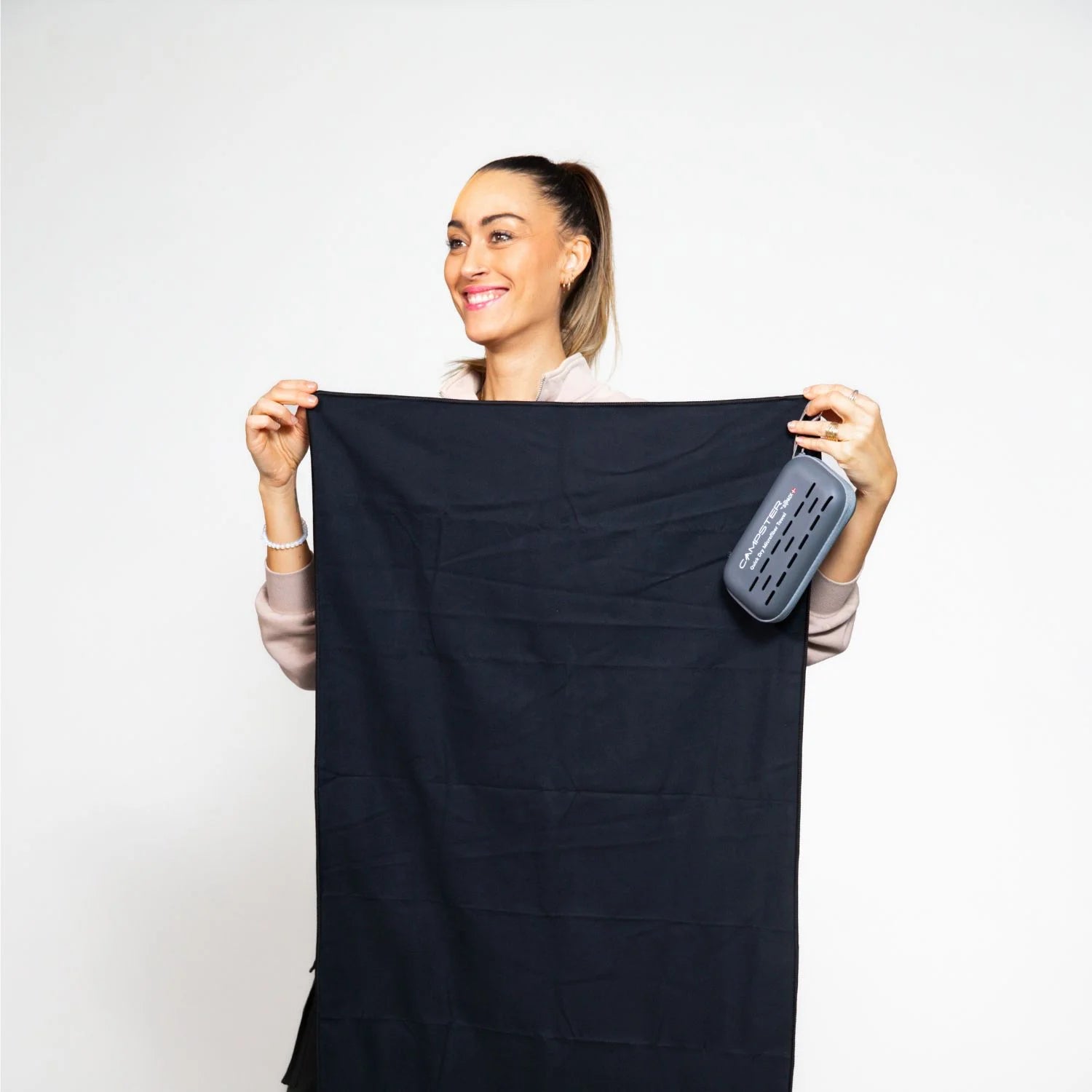
A travel towel is a specialized fabric companion designed for adventurers and travelers seeking maximum portability and quick-drying capabilities. Unlike traditional bulky terry cloth towels, these compact marvels are engineered to solve real-world challenges faced by outdoor enthusiasts and globetrotters.
Travel towels have fascinating origins connected to traditional textile practices. Historical textile innovations reveal that these lightweight alternatives emerged from centuries of travelers seeking efficient drying solutions. Modern travel towels typically feature microfiber or specialized synthetic materials that dramatically reduce weight and enhance moisture absorption compared to standard cotton towels.
Common myths about travel towels often misrepresent their actual performance. Here are some widespread misconceptions:
Towel technology has advanced significantly, with manufacturers developing materials that provide exceptional performance. Some travel towels now incorporate antimicrobial treatments, UV protection, and compact compression capabilities that make them superior to traditional options.
Towel Day celebrations highlight the cultural significance of these versatile tools, demonstrating that a great travel towel is more than just a piece of fabric - it’s a reliable companion for any journey.
Pro tip: Always hang your travel towel after use and avoid storing it while damp to maintain its quick-drying properties and prevent bacterial growth.
Travel towels represent a sophisticated spectrum of fabric engineering, each designed to meet specific performance needs for outdoor enthusiasts and travelers. Understanding the nuanced world of towel material characteristics reveals a complex landscape of textile innovations.
The primary materials used in travel towel construction include microfiber, cotton blends, and specialized synthetic fabrics. Each material offers unique advantages:
The construction techniques significantly impact a travel towel’s performance. Manufacturers utilize various weaving methods, from flat weaves that maximize compactness to terry cloth loops that enhance absorption. Advanced textile technologies now incorporate features like UV protection, quick-dry treatments, and compact compression capabilities.
Choosing the right travel towel is about balancing weight, absorbency, and packability for your specific adventure needs.
Interestingly, some manufacturers draw inspiration from industrial paper towel manufacturing processes, applying similar principles of fiber arrangement and tensile strength to create high-performance travel fabrics.
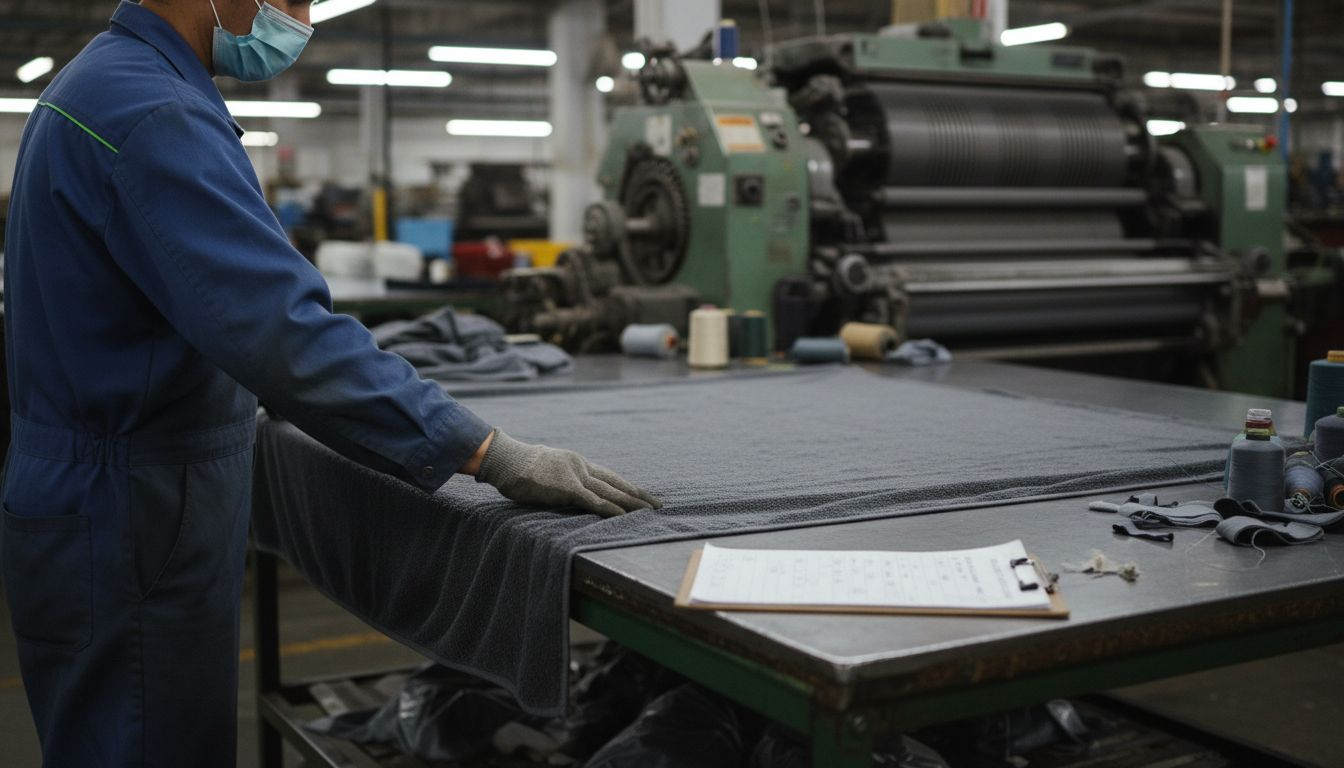
Here’s a quick comparison of travel towel materials and their best-use scenarios:
| Material Type | Best Use Cases | Strengths | Typical Downsides |
|---|---|---|---|
| Microfiber | Backpacking, hiking | Ultra-light, dries quickly | Less plush feel |
| Cotton Blend | Comfort travel, hotels | Softness, good absorbency | Heavier, slower drying |
| Synthetic Performance | Beach, sports, camping | Durable, resists odors and sand | May cause skin irritation |
Pro tip: When selecting a travel towel, always consider the specific environment and activities you’ll encounter to match the material’s performance characteristics.
Travel towels revolutionize personal comfort by combining three critical performance attributes: quick-drying capabilities, exceptional lightweight design, and remarkable durability. Advanced fabric technologies have transformed these humble accessories into sophisticated travel companions that meet the demanding requirements of modern adventurers.
The three key features that define superior travel towels are meticulously engineered to provide maximum functionality:
Performance matters more than appearance when selecting the perfect travel towel for your adventures.
Synthetic fiber innovations have dramatically improved travel towel characteristics. Materials like nylon, polyester, and merino wool now offer unprecedented combinations of quick-drying properties, moisture-wicking abilities, and wrinkle resistance. These advanced fabrics ensure travelers can maintain personal hygiene and comfort in diverse environments, from humid rainforests to arid desert landscapes.
Pro tip: Always hang your travel towel fully extended after use to maximize air circulation and maintain its quick-drying performance.
Sustainable travel towels represent a critical intersection between personal convenience and environmental responsibility. Global sustainable tourism initiatives are transforming how travelers approach their equipment choices, with eco-conscious fabric selections playing a pivotal role in reducing environmental impact.
The key eco-friendly benefits of sustainable travel towels include:
Choosing a sustainable travel towel is more than a purchase - it’s a statement of environmental commitment.
Sustainable travel practices emphasize the importance of selecting products that align with broader ecological preservation goals. Advanced manufacturing techniques now enable the creation of travel towels that not only perform exceptionally but also contribute to reducing the global environmental burden. These innovations include water-conserving production methods, energy-efficient processing, and the integration of recycled materials into fabric development.
Pro tip: Research manufacturers that provide transparent sustainability certifications and environmental impact reports when selecting your travel towel.
Travel towels, while revolutionary, are not without potential pitfalls that can compromise their effectiveness and your personal hygiene. Microbiological risks associated with improper towel maintenance can turn these convenient travel companions into potential health hazards.
Key risks and drawbacks to be aware of include:
Not all travel towels are created equal - your health depends on proper selection and maintenance.
Towel hygiene standards emphasize the critical importance of understanding potential microbial risks. Travelers must be vigilant about selecting towels with quick-drying properties, antimicrobial treatments, and materials that resist bacterial colonization. The wrong towel can transform from a travel essential into a potential health risk.
Pro tip: Pack a small, quick-drying antimicrobial spray to sanitize your travel towel between thorough washings.
Travel towels and traditional bath towels represent two fundamentally different approaches to personal drying, each designed for distinct purposes. Towel design fundamentals reveal a critical divergence in materials, performance, and intended use that goes far beyond simple fabric differences.
Key comparative characteristics include:
Performance trumps tradition when selecting the right towel for your adventure.
Consumer towel research highlights that travel towels sacrifice traditional plushness for remarkable functional advantages. The thin, quick-drying synthetic fibers used in travel towels represent a technological leap from conventional cotton designs, offering unprecedented convenience for modern travelers and outdoor enthusiasts.
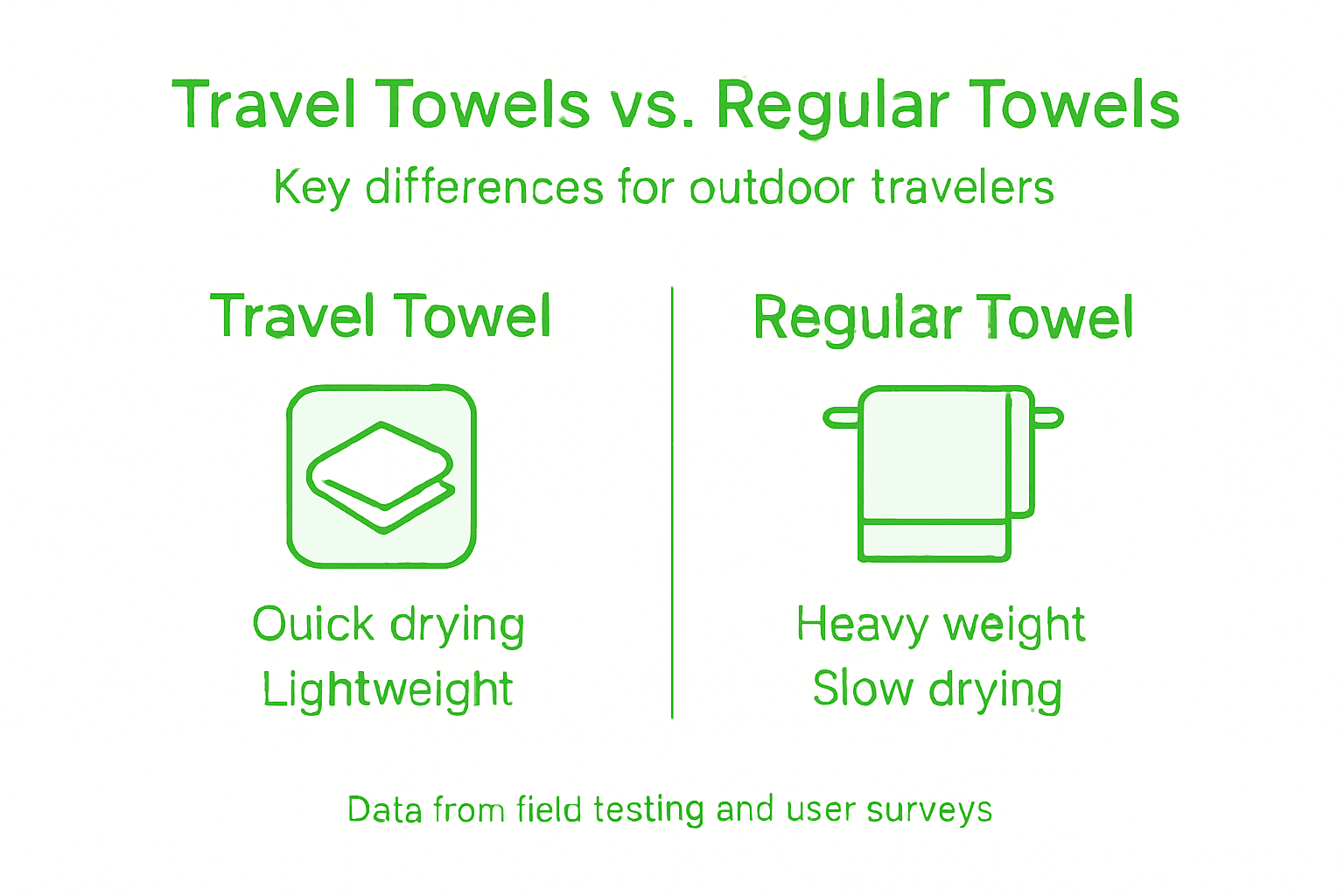
See how travel towels compare to regular towels in real-world travel situations:
| Attribute | Travel Towel | Regular Towel | Impact on Travelers |
|---|---|---|---|
| Weight | Very lightweight | Heavy, bulky | Easier packing, less strain |
| Drying Time | Under two hours | 12-24 hours | Ready for repeated use |
| Storage Size | Packs very small | Large, needs extra space | Saves room in luggage |
| Hygiene Control | Antimicrobial options | Prone to bacterial growth | Better odor protection |
Pro tip: Consider owning both types of towels - a travel towel for expeditions and a regular towel for home comfort.
Travel towels solve the challenge of staying fresh and dry while keeping your gear light and packable. This article highlights key pain points like bulky luggage, slow drying times, and maintaining hygiene on the go. If you value quick-drying, lightweight gear that supports your adventures without adding strain, you will appreciate how thoughtfully designed travel accessories can transform your outdoor routine.
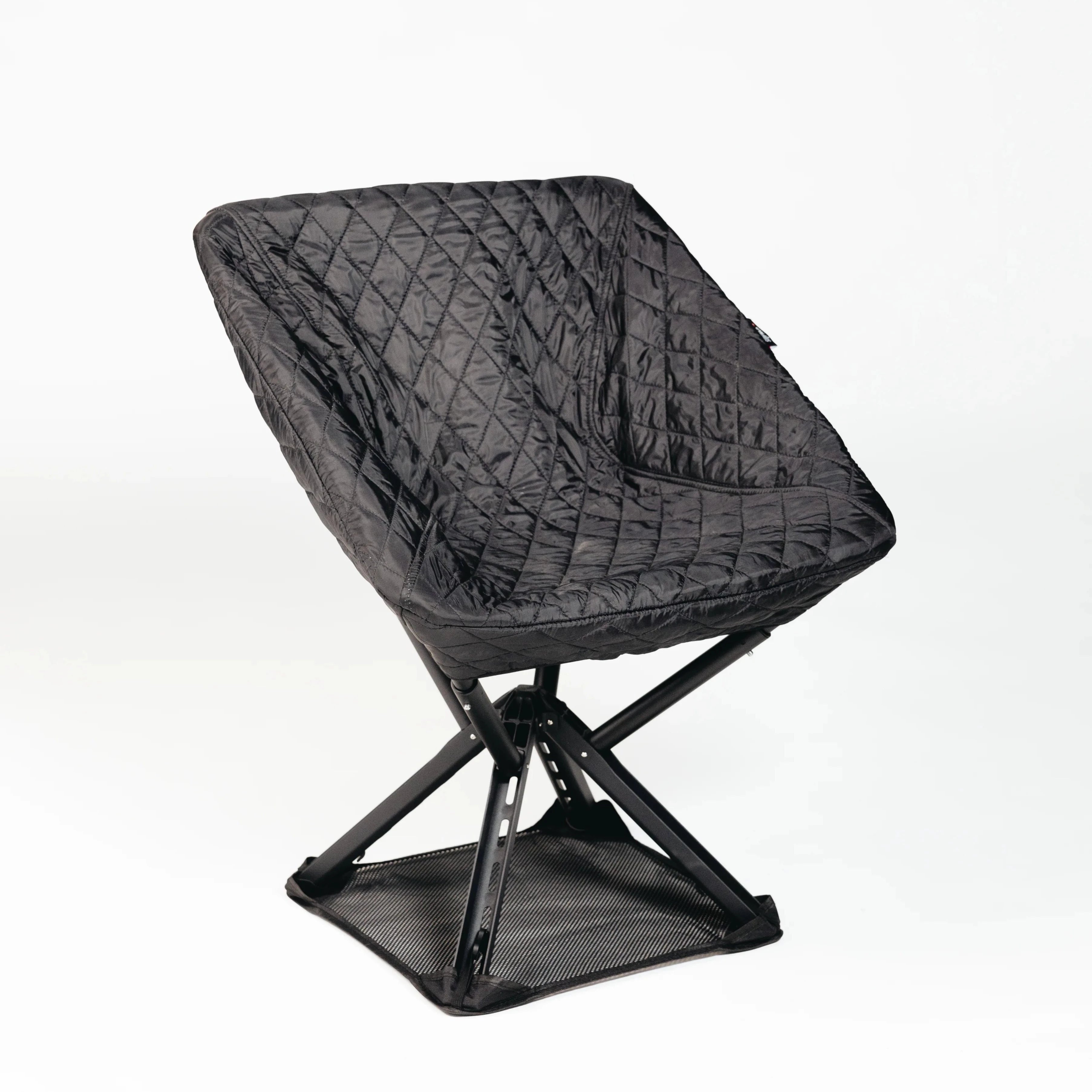
At Sitpack, we understand the importance of smart packing and functional gear. Alongside our innovative portable seating solutions like the Campster II and Sitpack Zen, we offer accessories crafted for durability and convenience including travel towels made from eco-friendly materials. Our products reflect the same quick-drying, lightweight, and compact principles discussed in the article so you can enjoy comfort without compromise.

Discover how combining ergonomic, foldable seating with advanced travel towels can create a seamless outdoor experience. Visit Sitpack now to explore best-sellers designed for explorers who demand convenience, hygiene, and lasting quality. Make your next trip lighter and smarter today.
A travel towel is a specialized lightweight and compact towel designed for quick-drying and maximum portability, making it ideal for travelers and outdoor enthusiasts.
High-quality travel towels, especially those made from microfiber, can absorb 3-4 times their weight in water, making them highly effective compared to traditional cotton towels.
Travel towels are typically made from microfiber, cotton blends, or specialized synthetic fabrics, each offering unique advantages in terms of weight, absorbency, and drying time.
To keep your travel towel performing well, always hang it to dry after use, avoid storing it damp, and wash it regularly to prevent bacterial growth.