カート
0
サインアップすると注文から 10 ドル割引になります
配達予定
1〜3日
こちらもおススメ
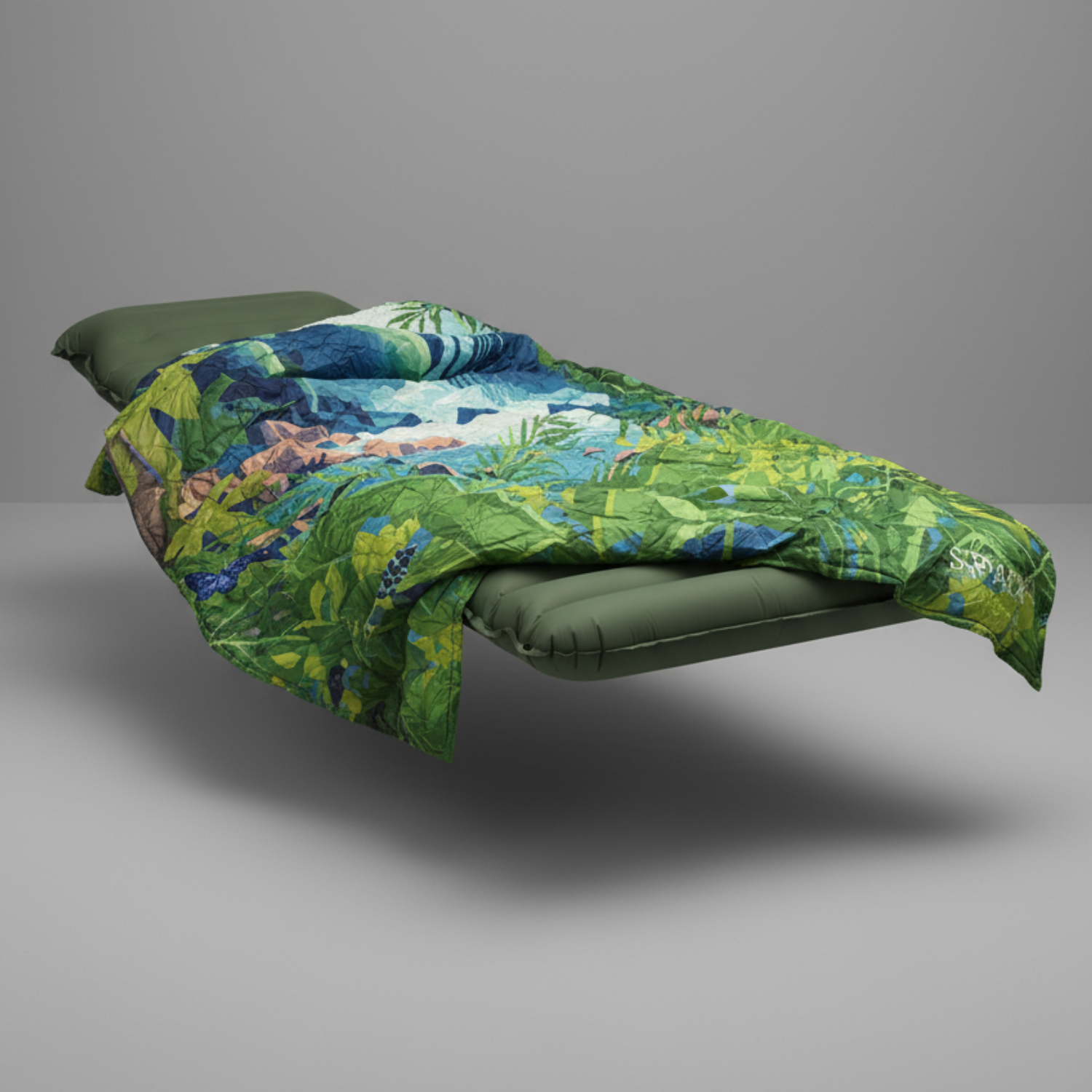
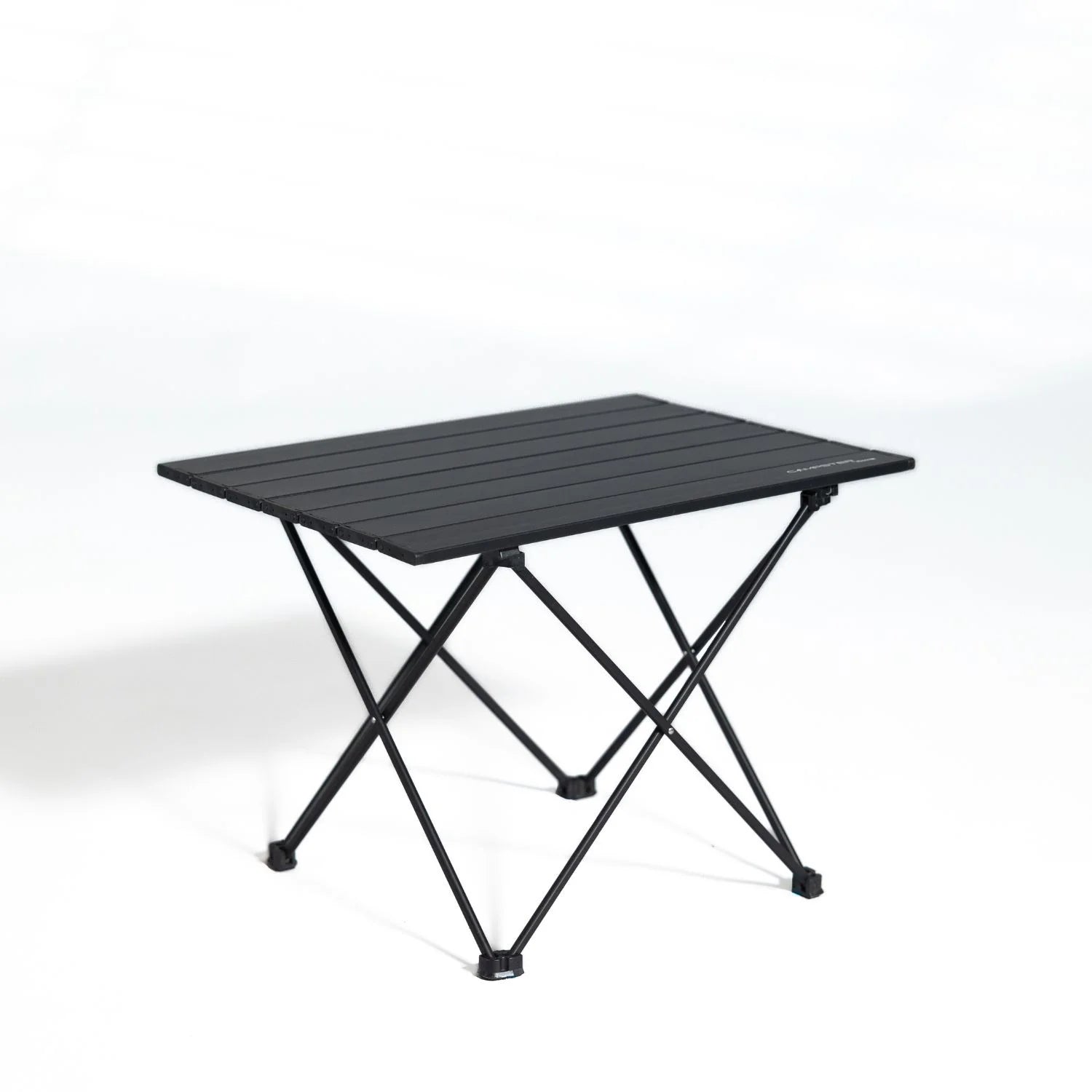
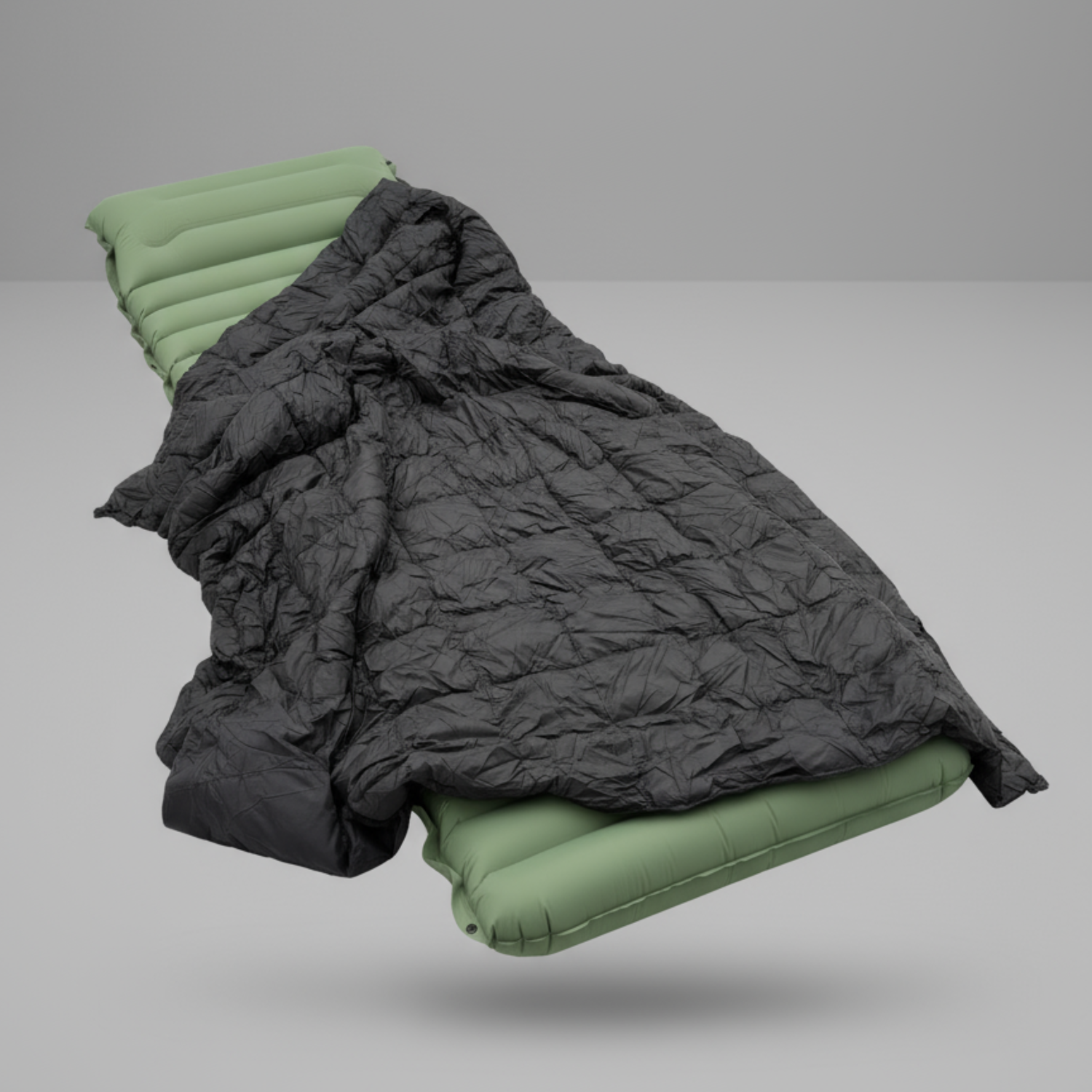
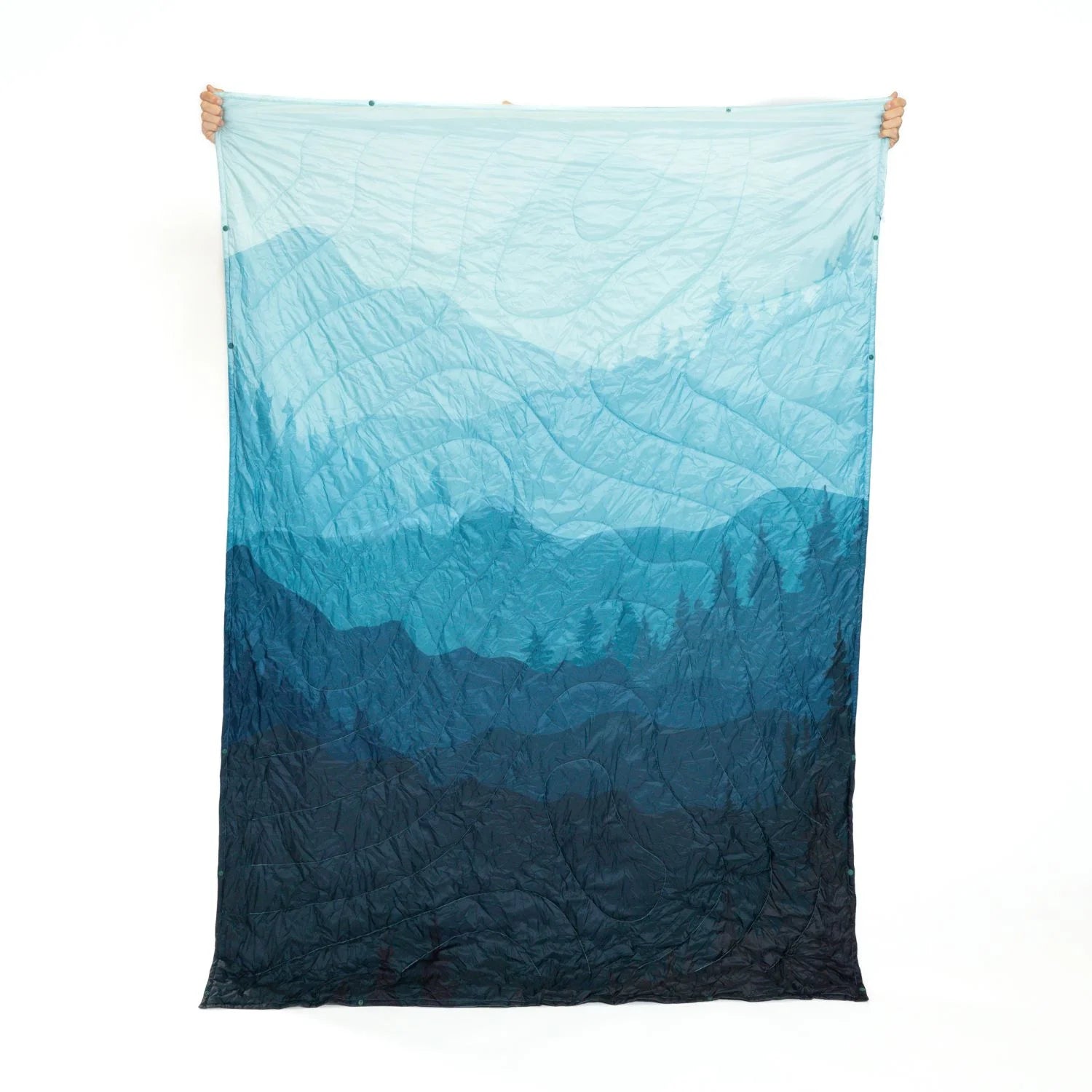


デンマークの会社

TL;DR:
- Utility-first camping gear replaces multiple single-use items with versatile, system-integrated equipment. It reduces weight, increases reliability, and adapts across different environments by focusing on multi-purpose tools and system compatibility. Building a kit gradually around these principles enhances camping efficiency and capability.
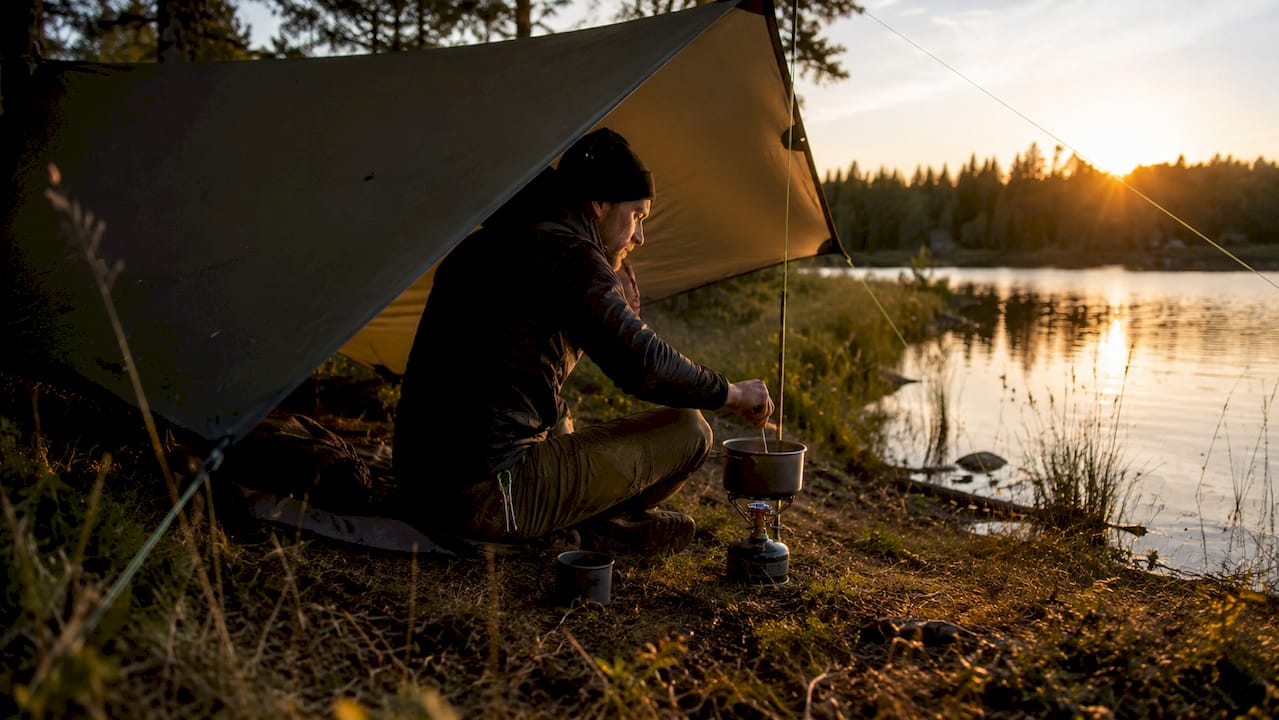
Utility-first camping gear is defined as equipment designed to perform at least two distinct roles, replacing redundant single-use items with versatile, system-integrated alternatives. The industry term for this approach is “high-utility” or “systems-based” gear, and it represents a fundamental shift in how serious campers pack and plan. Rather than grabbing a bag full of gadgets, you build a kit where every piece earns its place. A tarp shelters you, collects rainwater, and doubles as a ground cloth. Nesting cookware keeps your kitchen system under 500 grams while handling boiling, eating, and storage. This is not minimalism for its own sake. It is smarter packing that makes you more capable in the field.
The foundation of any utility-first setup is a short list of items that each pull serious weight. Think multi-tools, tarps, modular cookware, water filtration systems, and utility cord. These are not luxury additions. They are the core essentials that replace five or six single-purpose items each.
Here is what a solid utility-first kit looks like in practice:
A typical 3-season setup built around these principles costs $400–$700, with $650–$900 getting you gear that lasts five or more years. That investment pays off fast when you stop replacing cheap, broken gadgets every season.
Pro Tip: Before buying anything new, list every item in your current kit and write down its single function. If you cannot name a second use for it, that item is a candidate for replacement with something more versatile.
The real power of utility-first gear comes from system integration. Your shelter components, cooking setup, and sleep system should work together, not compete for space or create redundancy. Systems thinking in camping reduces waste, simplifies troubleshooting, and makes your kit far more reliable than a collection of isolated gadgets ever could.
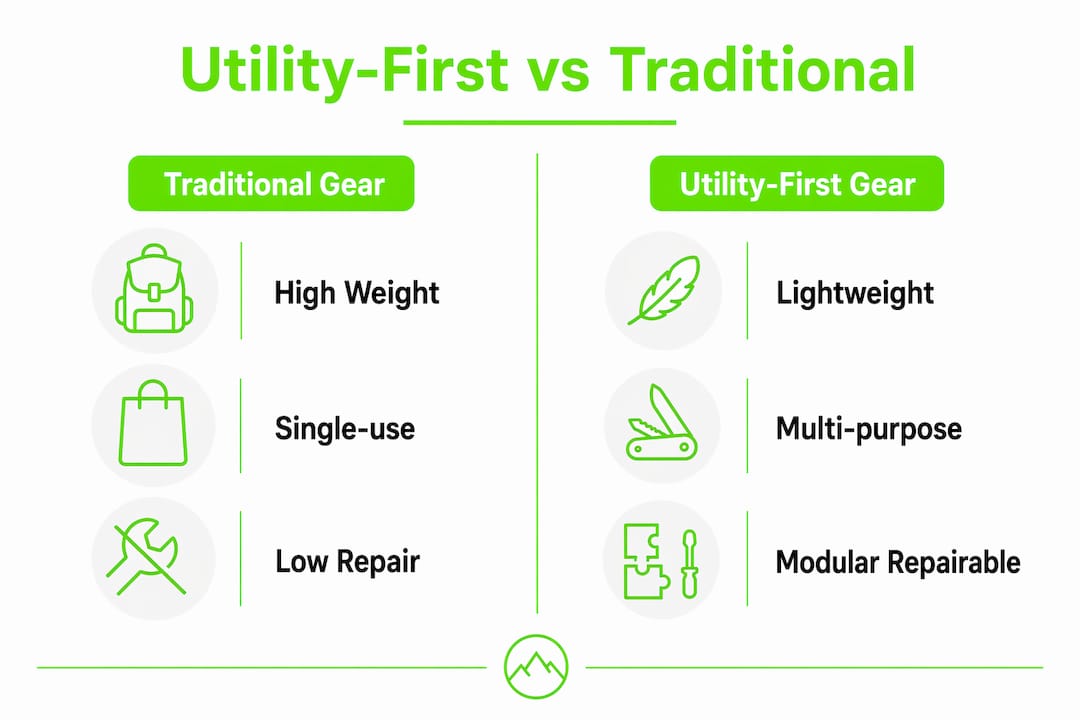
The contrast between utility-first and traditional single-use gear is stark once you lay both kits side by side. Traditional camping gear often means a dedicated spatula, a separate can opener, a single-use lantern, and a tent footprint that only fits one tent model. Each item does one thing. Each item adds weight, takes up space, and can fail independently.
| Feature | Traditional single-use gear | Utility-first gear |
|---|---|---|
| Weight per function | High (one item per task) | Low (one item, multiple tasks) |
| Repairability | Often disposable | Modular, field-repairable |
| Environmental impact | Higher waste, shorter lifespan | Reduced waste, longer lifespan |
| Cost over time | Frequent replacement costs | Higher upfront, lower long-term |
| Adaptability | Fixed to one environment | Works across trip types and seasons |
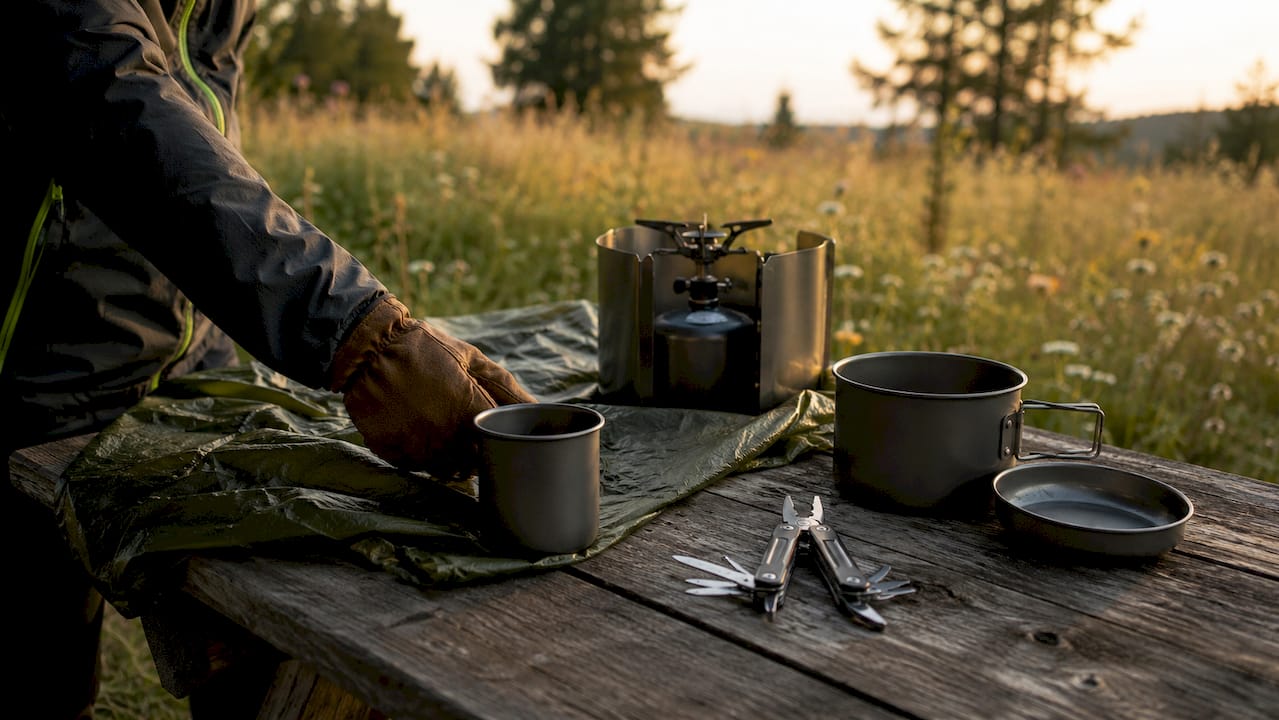
The weight savings are not trivial. A titanium spork and 750ml pot together keep a solo kitchen under 500 grams, compared to a traditional camp kitchen that can easily hit 1.5 kilograms or more. That difference matters on a three-day backpacking trip.
Fuel efficiency tells the same story. A simple windscreen paired with a canister stove can improve fuel use by 30–50%. That is not a minor tweak. It means carrying less fuel, which means less weight, which means more miles.
Modular, repairable systems also outlast disposable gadgets by a wide margin. Metal hardware, compatible components, and designs built for field repair keep your kit functional for years. Marketing often inflates brand aesthetics over actual function, but true utility-first gear is defined by repairability and multi-functionality, not how good it looks in a product photo.
Utility-first gear earns its reputation in the field, not on a gear review website. The real test is how it performs when conditions change fast, whether you are car camping in a state park, pushing into backcountry, or running a shoulder-season trip in unpredictable weather.
A tarp, for example, is not just a shelter. In a desert camp, it provides shade during the day and wind protection at night. In a wet forest, it keeps your cooking area dry and your firewood off the ground. The 10 Essentials framework, which includes multi-tools, headlamps, fire starters, and navigation tools, exists precisely because these items cover multiple survival and comfort functions in a single package.
Here is how utility-first gear adapts across common camping environments:
The weight-to-utility ratio is the key metric here. Utility-first gear favors durability and repairability over chasing the absolute lightest option. A slightly heavier multi-tool that you can repair in the field beats an ultralight knife that snaps on day two.
Pro Tip: Pack your tarp with at least six pre-tied guylines in different lengths. You will use it as a shelter, a cooking canopy, and a gear cover on the same trip, and having the lines ready saves real time when weather rolls in.
For compact, utility-driven packing, the principle is simple: every item you add should either replace something already in your pack or solve a problem nothing else can handle.
Building a utility-first kit is not about buying everything at once. It is a deliberate process that starts with honest self-assessment and ends with a pack that works as a system.
Map your trip profile first. Are you car camping, backpacking, or doing both? Trip length, group size, and terrain determine which multi-purpose items deliver the most value. A solo backpacker needs different priorities than a family car camper.
Invest 40% of your budget in your sleep system. Spending more on your tent, sleeping bag, and pad yields larger practical improvements than any other gear category. A bad night’s sleep ruins the next day’s hiking. A failed shelter in a storm is a safety issue.
Replace single-use items one at a time. Swap your dedicated spatula for a Leatherman. Replace your single-purpose lantern with a headlamp that doubles as a camp light. Each swap reduces weight and increases versatility without a complete kit overhaul.
Check system compatibility before you buy. Your pot should fit your stove. Your tarp should use the same cord as your bear hang. Beginners often overlook how individual pieces must interact as a system for maximum utility and field readiness.
Avoid overpacking by applying the two-use rule. If an item cannot serve at least two distinct functions on your specific trip, leave it behind. This single rule eliminates more unnecessary weight than any gear list you will find online.
Build gradually and test before committing. Take your evolving kit on short overnight trips before a week-long expedition. Field testing reveals gaps and redundancies that no gear review will catch.
For a structured starting point, a camping gear checklist built around flexibility and comfort gives you a solid baseline to adapt from.
Utility-first camping gear works because it replaces redundant single-use items with multi-purpose, system-integrated equipment that reduces weight, increases reliability, and adapts across environments.
| Point | Details |
|---|---|
| Core definition | Utility-first gear performs at least two roles, cutting redundancy and total pack weight. |
| System integration | Gear pieces must work together; compatibility between shelter, cooking, and sleep systems is non-negotiable. |
| Weight and fuel savings | A windscreen alone can cut fuel use by 30–50%, showing how small additions create large efficiency gains. |
| Budget allocation | Invest 40% of your gear budget in the sleep system; use multi-purpose items to cover everything else. |
| Build gradually | Replace single-use items one at a time and field-test each swap before a major trip. |
I used to pack like a gear catalog had exploded into my duffel bag. A dedicated spatula, a single-use lantern, a can opener clipped to the outside of my pack like a badge of honor. Each item felt justified on its own. Together, they were dead weight.
The shift happened on a four-day solo trip in the Cascades when my stove igniter failed on day one. I had a lighter, but no backup. I had a knife, but no multi-tool. I spent two days eating cold food and thinking hard about what I had actually packed versus what I actually needed.
After that trip, I rebuilt my kit around the question: “What does this replace?” A Leatherman replaced four items. A silnylon tarp replaced my tent footprint, my rain canopy, and my emergency bivy. A titanium pot replaced my dedicated mug and my bowl. The pack got lighter. The kit got more capable.
The mistake I see most often is campers spending big on flashy, single-purpose gear because it looks impressive. Marketing inflates aesthetics over function constantly. The $200 camp kitchen set with matching colors and a carrying case is almost always less useful than a $40 titanium pot, a windscreen, and a spork.
My honest advice: spend your money on your sleep system first, then build the rest of your kit around multi-purpose items that earn their spot. You will carry less, fix more, and enjoy the outdoors a lot more when your gear is working with you instead of just riding along.
— Jonas
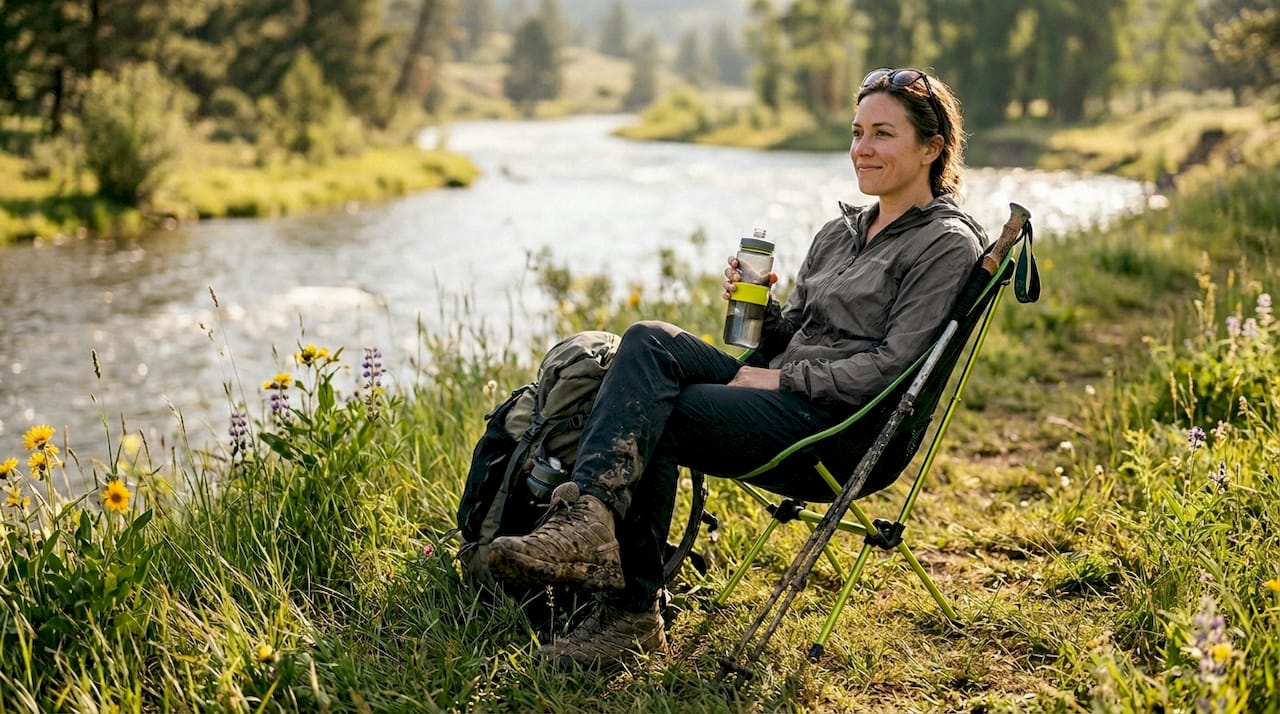
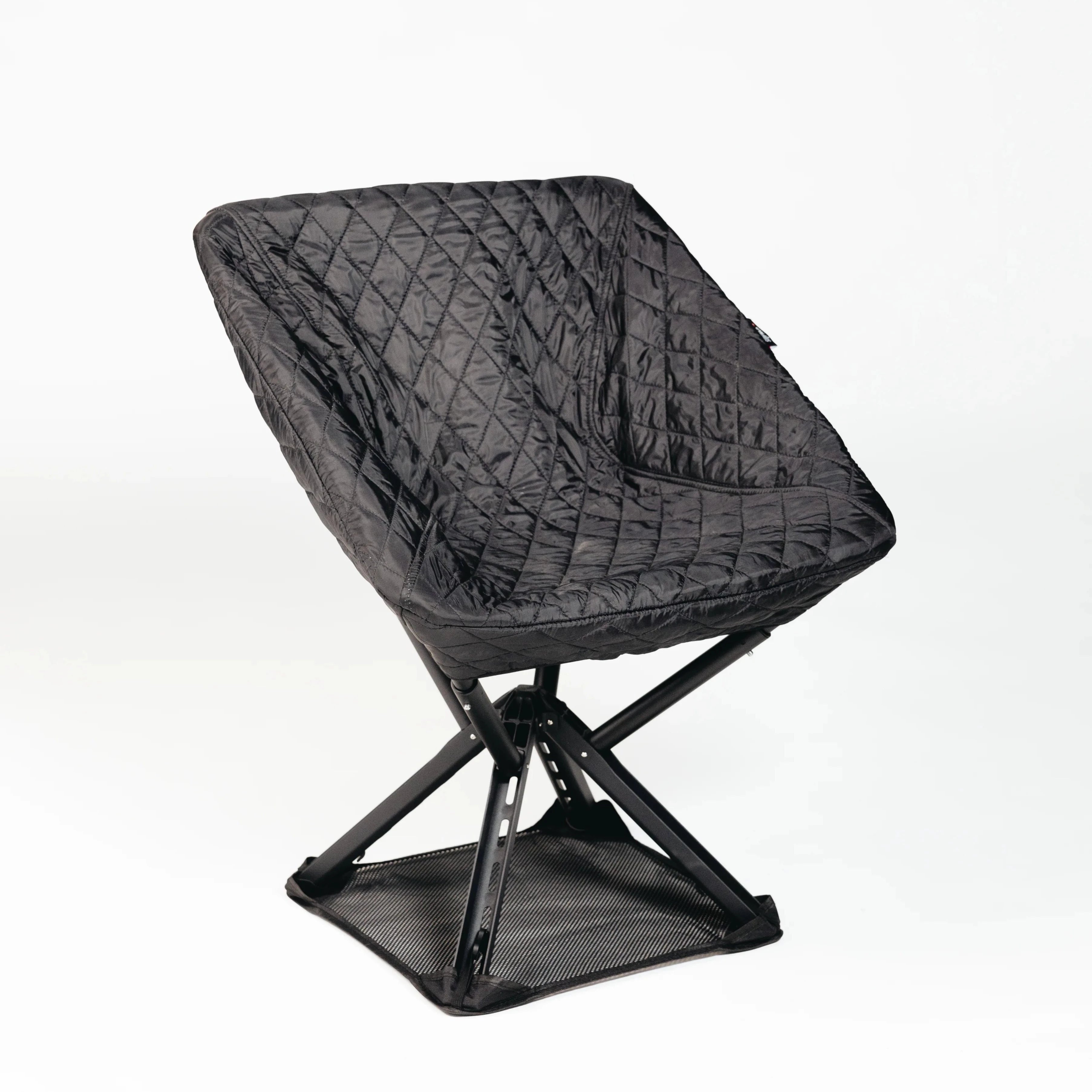
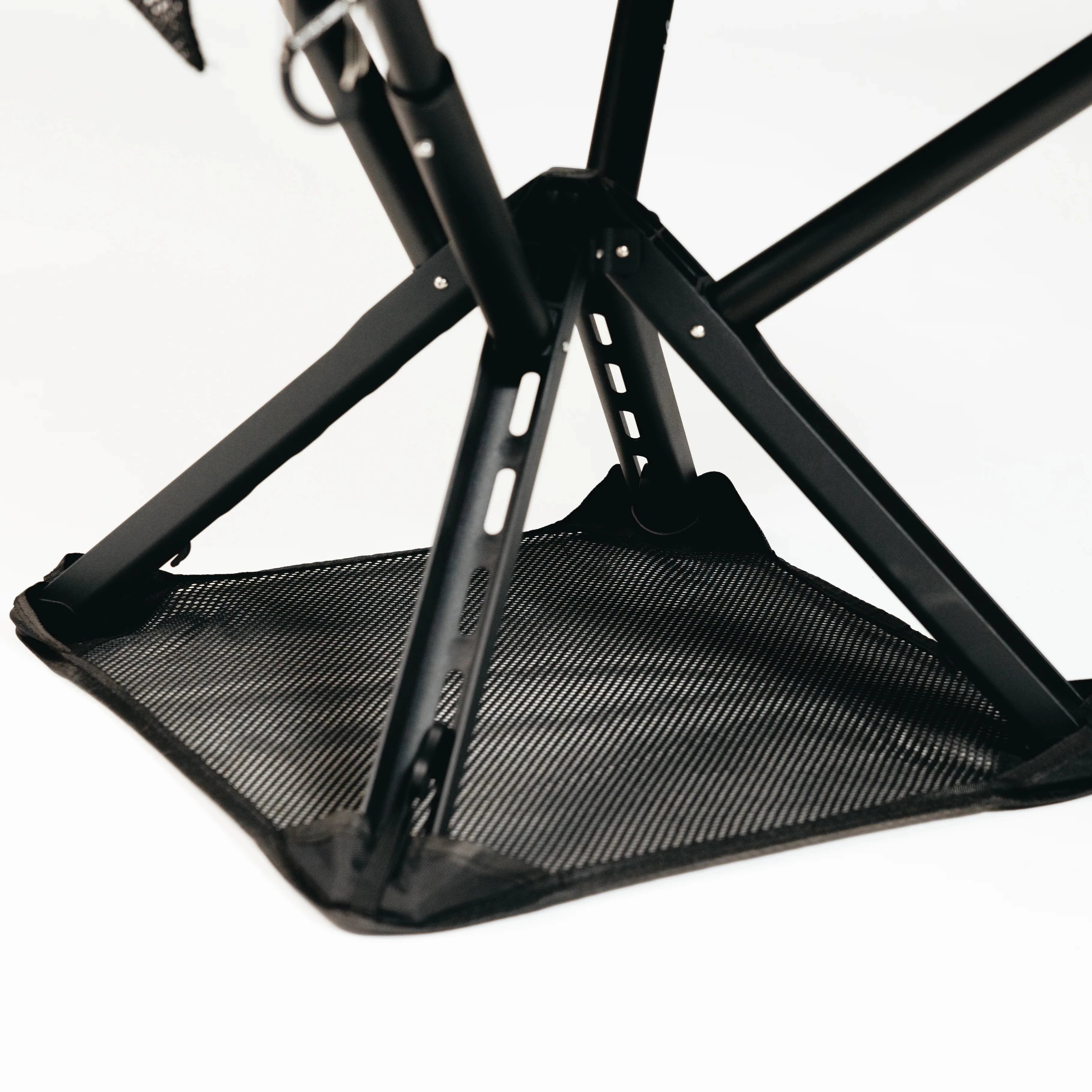
If utility-first principles have you rethinking your whole kit, seating is one area where most campers still carry more than they need. Sitpack builds portable, foldable seating like the Campster II and Sitpack Zen that pack down to almost nothing and pull double duty at the trailhead, the campsite, and everywhere in between. Lightweight, durable, and designed for real outdoor use, they fit the utility-first mindset without compromise.
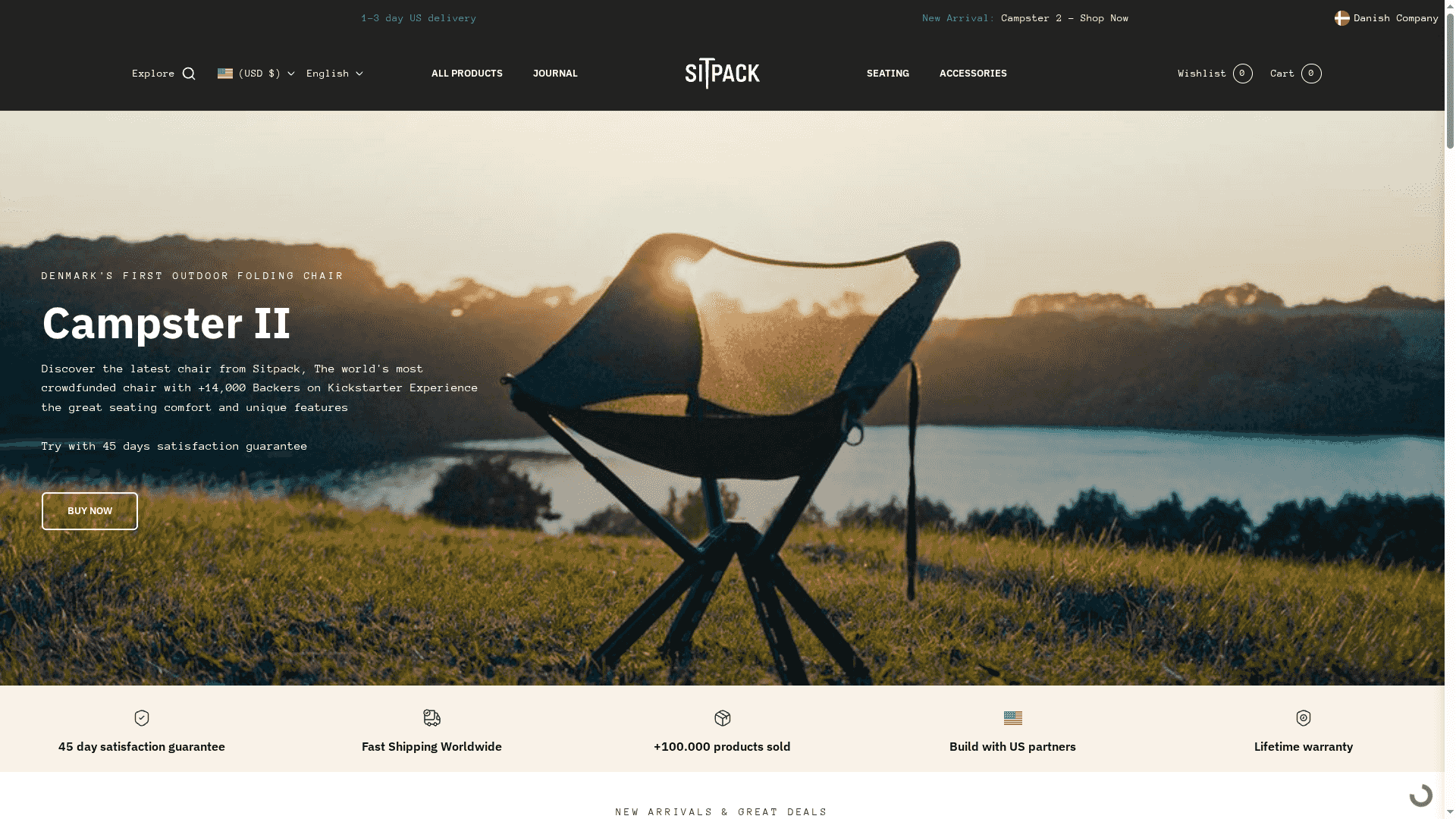
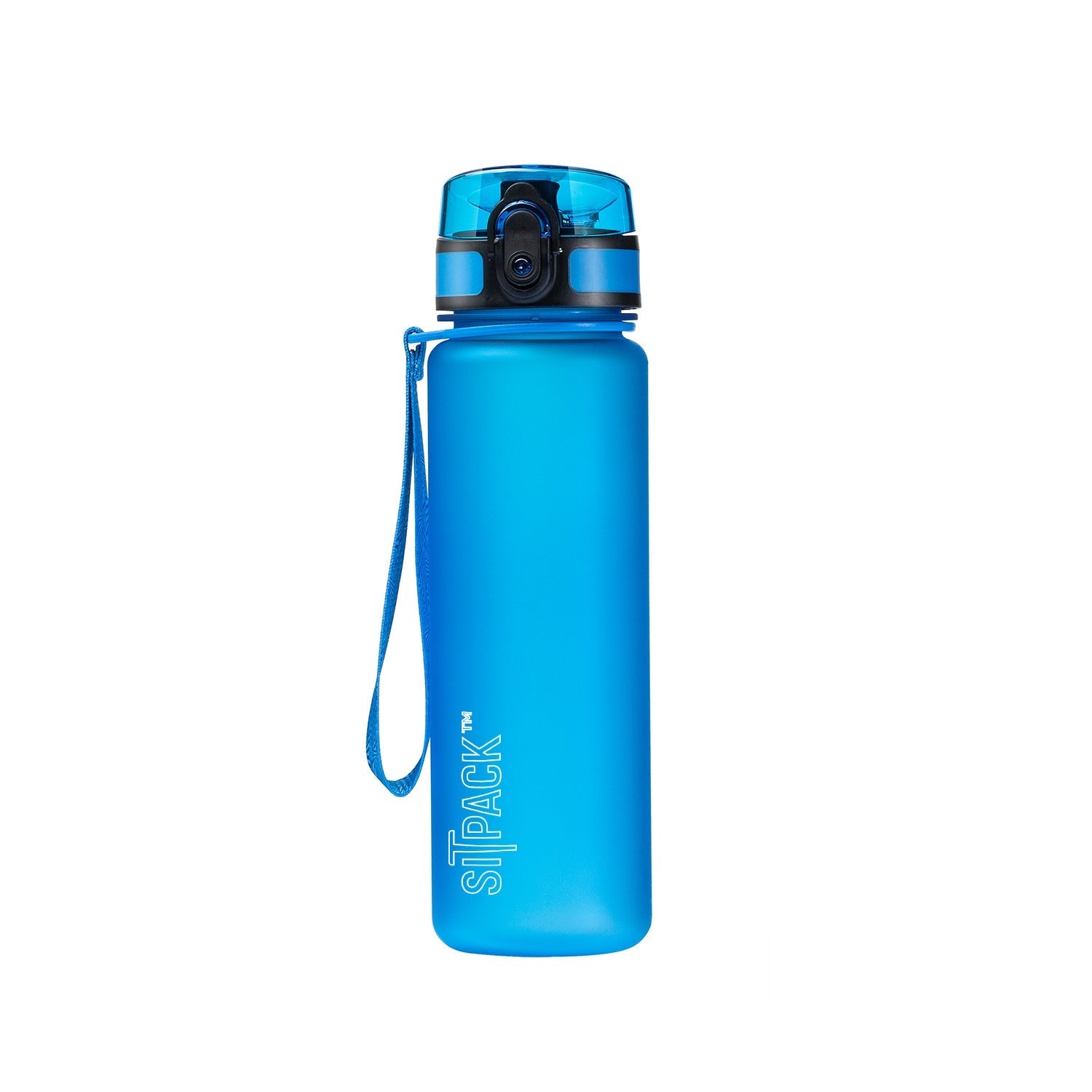
Sitpack also carries accessories like thermal blankets, water bottles, and travel towels, all built around the same principle of doing more with less. If you want gear that fits a utility-first outdoor setup, Sitpack is worth a serious look. Browse the full range and see what fits your next adventure.
Utility-first camping gear is equipment designed to perform at least two distinct functions, replacing single-use items and reducing total pack weight. Examples include multi-tools, tarps, and nesting cookware.
A solid 3-season utility-first kit typically costs $400–$700, with $650–$900 for gear built to last five or more years. The higher upfront cost offsets frequent replacement of cheaper, single-use items.
The highest-impact starting points are a quality multi-tool (Leatherman Wave+), a silnylon tarp, a titanium pot with lid, and a water filter like the Sawyer Squeeze. Each replaces multiple single-purpose items immediately.
Utility-first gear works across all camping styles. Car campers benefit from modular cookware and tarps just as much as backpackers do, since the principle is about reducing redundancy, not just cutting weight.
A windscreen paired with a canister stove can improve fuel efficiency by 30–50%, meaning you carry less fuel for the same number of meals. It is one of the highest-return additions in any cooking system.