カート
0
サインアップすると注文から 10 ドル割引になります
配達予定
1〜3日
こちらもおススメ


デンマークの会社

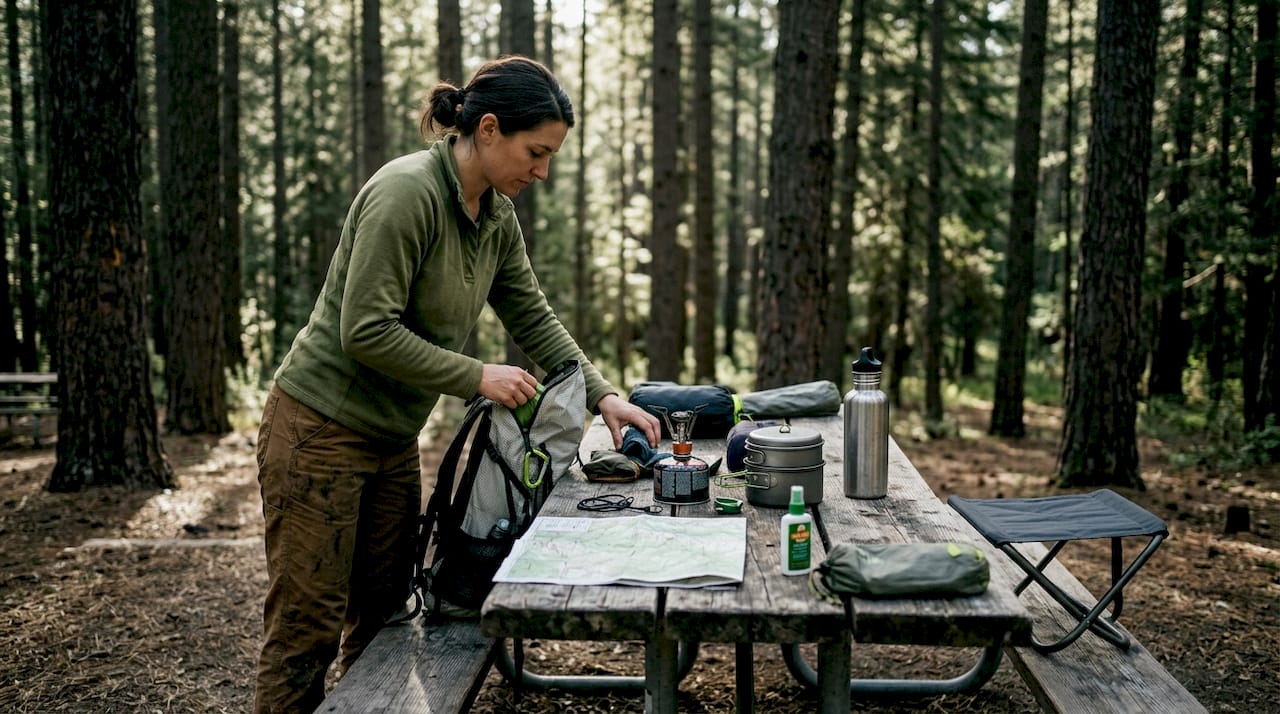
Camping gear has evolved faster in the past five years than in the previous two decades combined. Many outdoor enthusiasts still pack bulky equipment, unaware that innovations in portable seating and eco-friendly accessories have transformed how we experience nature. Modern camping innovation prioritizes three core elements: enhanced portability that reduces pack weight by up to 40%, ergonomic comfort that rivals home furniture, and sustainable materials that minimize environmental impact. This guide explores the latest advances in camping gear, focusing on revolutionary portable seating solutions and eco-conscious accessories that enhance your outdoor adventures while protecting the wilderness you love.
| Point | Details |
|---|---|
| Portable seating revolution | Portable seating has evolved to fold to pocket size while maintaining ergonomic comfort. |
| Lightweight pack design | Innovations reduce pack weight and improve portability, enabling longer hikes and less fatigue. |
| Eco friendly materials | Sustainable materials and recycled components reduce environmental impact while delivering durable performance. |
| Multi functional designs | Multi functional designs allow a single item to serve three or four purposes, simplifying packing. |
Camping innovation represents a fundamental shift in how manufacturers design outdoor gear. Camping innovation focuses on merging portability, usability, and eco-friendliness rather than simply making existing products slightly better. This approach addresses the core frustrations campers face: heavy packs, uncomfortable seating, and guilt about environmental impact.
Traditional camping gear upgrades typically involved incremental improvements like slightly lighter materials or marginally better weather resistance. Modern innovation takes a different path. It reimagines products from the ground up, asking how gear can serve multiple functions, pack smaller, and leave less environmental trace. A camping chair is no longer just a place to sit but a carefully engineered solution that balances weight, comfort, durability, and sustainability.
Key areas driving camping innovation include:
This innovation matters because it directly impacts your camping experience. Lighter packs mean longer hikes and less fatigue. Comfortable seating transforms evenings around the campfire from endurance tests into genuine relaxation. Sustainable materials let you enjoy nature without contributing to its degradation. The benefits extend beyond convenience to fundamentally reshape what camping can be.
Consider how innovation addresses common pain points. Bulky gear once forced campers to choose between comfort and mobility. New designs eliminate that trade-off. Environmental concerns previously meant sacrificing performance for sustainability. Modern materials deliver both. Innovation solves real problems rather than creating unnecessary features.
Pro Tip: When evaluating innovative gear, test it at home first. Set up that new portable chair in your living room, pack and unpack it several times, and sit in it for an hour. This reveals whether the innovation genuinely improves your experience or just sounds impressive in marketing materials.
The evolution from traditional to innovative gear reflects changing camper priorities. Today’s outdoor enthusiasts want experiences that balance adventure with comfort, exploration with environmental responsibility. Outdoor comfort camping accessories now deliver on these expectations in ways that seemed impossible a decade ago.
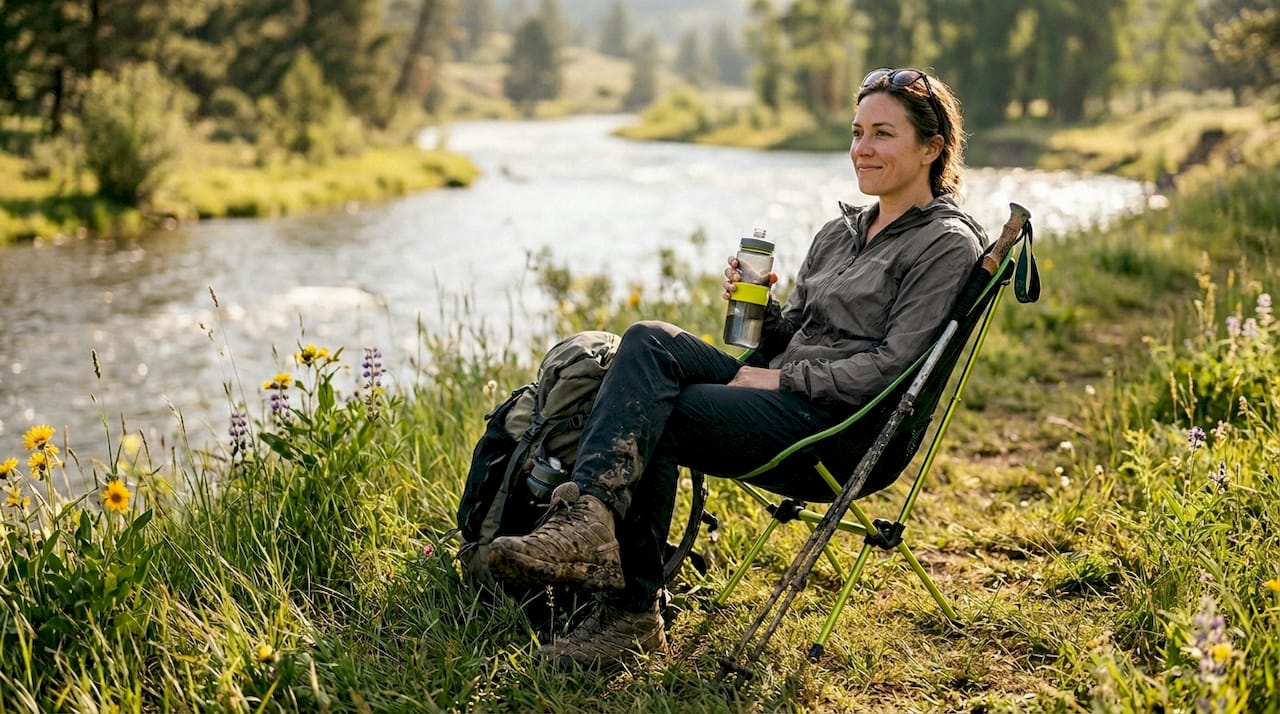
Portable seating represents perhaps the most visible camping innovation, transforming from bulky lawn chairs into engineering marvels that fit in jacket pockets. Innovations in portable seating have created ultra-compact, foldable designs that maintain ergonomic comfort despite weighing less than a water bottle. This revolution stems from advanced materials, clever engineering, and deep understanding of human biomechanics.
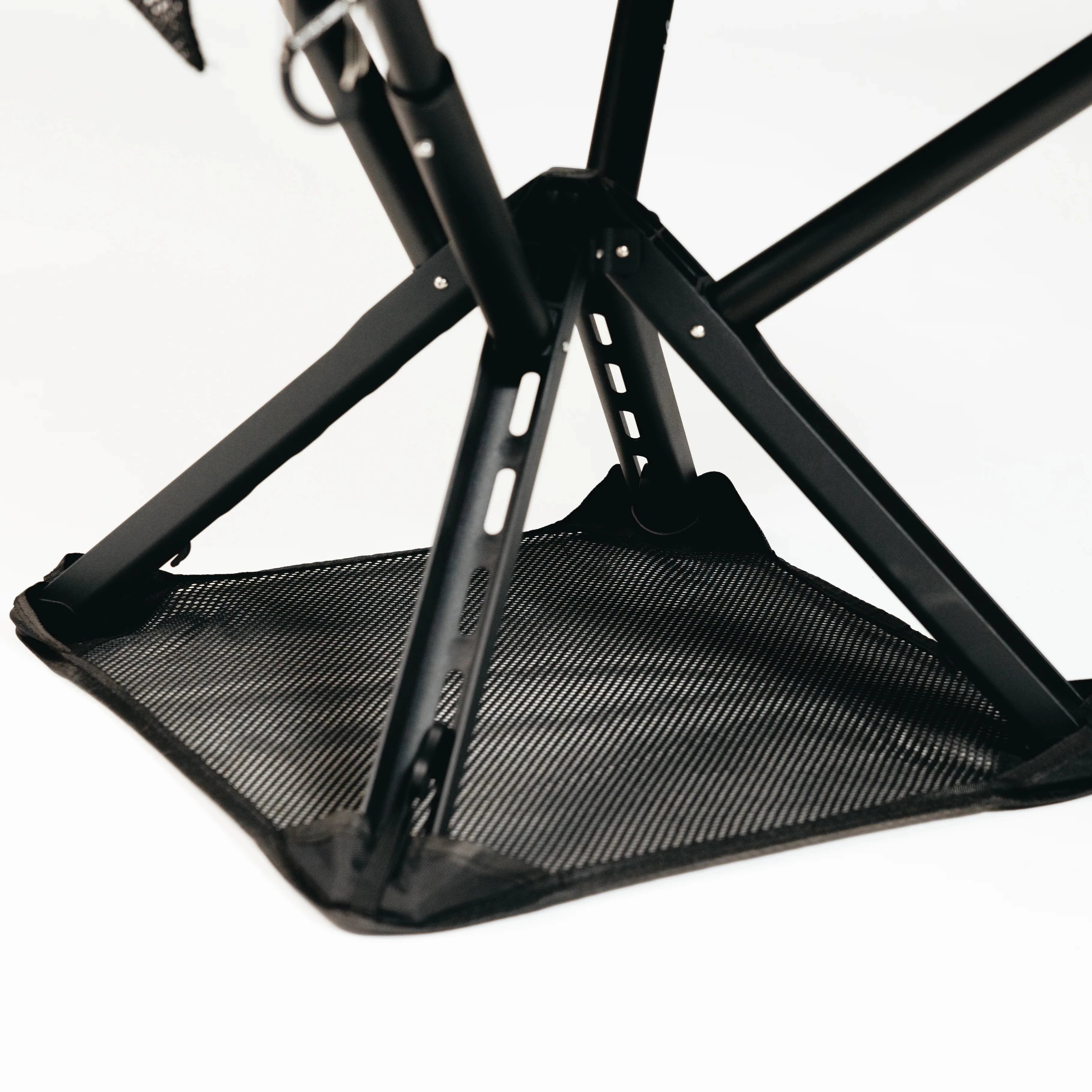
Modern portable seats use aerospace-grade aluminum alloys and high-tensile fabrics that support full body weight while folding to dimensions smaller than a rolled newspaper. The magic lies in telescoping structures and origami-inspired folding patterns that maximize strength while minimizing packed size. Some designs collapse to cylinders just 12 inches long and 2 inches in diameter, yet expand to support users up to 300 pounds comfortably.
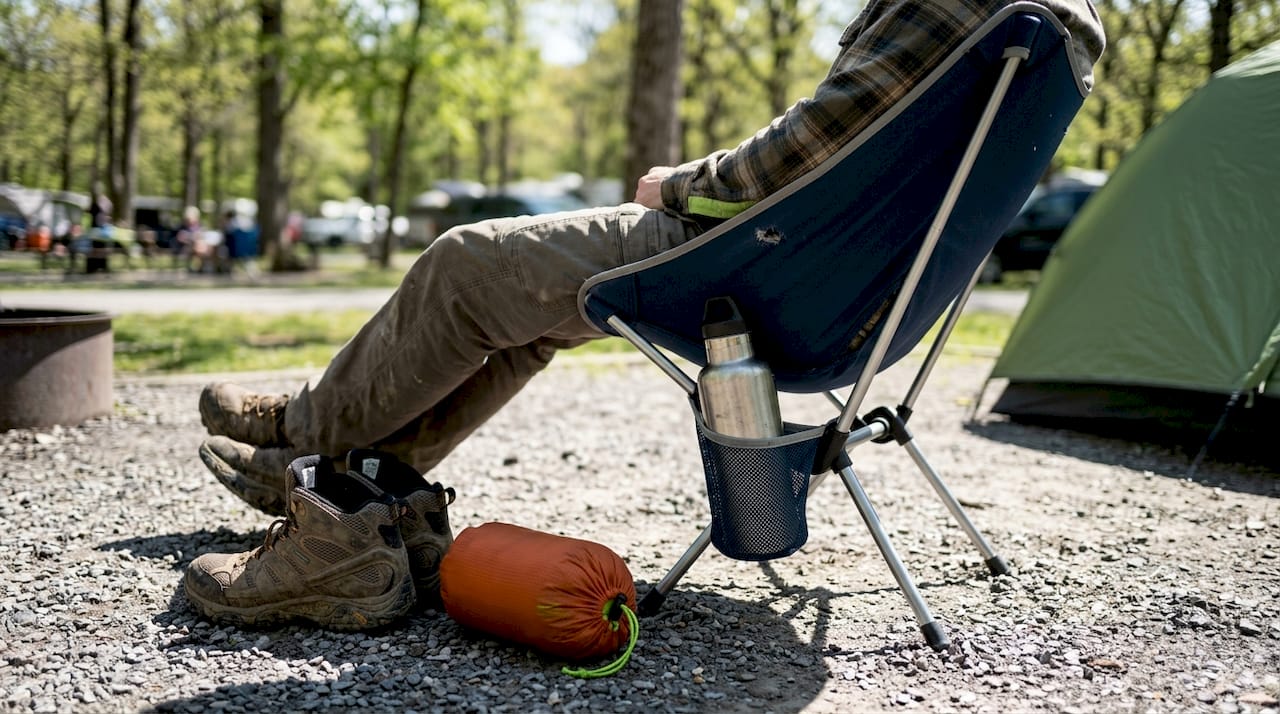
Ergonomic design has become central to portable seating innovation. Engineers now apply principles from office chair design to camping seats, creating lumbar support, proper hip angles, and weight distribution that prevents fatigue during extended sitting. You no longer choose between a seat that packs small and one that feels comfortable. The best innovations deliver both.
| Feature | Traditional Camp Chair | Innovative Portable Seat |
|---|---|---|
| Packed size | 36 x 8 x 8 inches | 12 x 2 x 2 inches |
| Weight | 8-12 pounds | 1-2 pounds |
| Setup time | 30-60 seconds | 5-10 seconds |
| Comfort duration | 30-45 minutes | 2+ hours |
| Pack integration | Separate carry bag | Fits in side pocket |
Material innovation drives these improvements. Ripstop nylon with reinforced stitching provides durability without bulk. Carbon fiber components offer strength at minimal weight. Silicone-coated fabrics resist water and dirt while remaining flexible in cold temperatures. These materials withstand years of use while maintaining their compact profiles.
Key benefits of innovative portable seating include:
The trade-offs between ultra-compact and traditional seating have narrowed dramatically. While the most compact designs sacrifice some features like armrests or cup holders, they deliver 80% of the comfort at 20% of the weight and size. For most campers, this represents an excellent exchange.
Pro Tip: Look for portable seats with adjustable height settings. This single feature dramatically increases versatility, letting you use the same seat for campfire sitting, concert viewing, or fishing. The small weight penalty pays dividends in functionality.
Compact camping gear portability extends beyond just seats to entire camping setups, but seating innovations lead the category in demonstrating what thoughtful design can achieve.
Sustainability has moved from niche concern to central design principle in camping gear. Eco-friendly camping accessories prioritize biodegradable materials, reusable designs, and minimal waste while maintaining the performance standards outdoor enthusiasts demand. This shift reflects both environmental necessity and camper values, as more people recognize that protecting wilderness requires conscious gear choices.
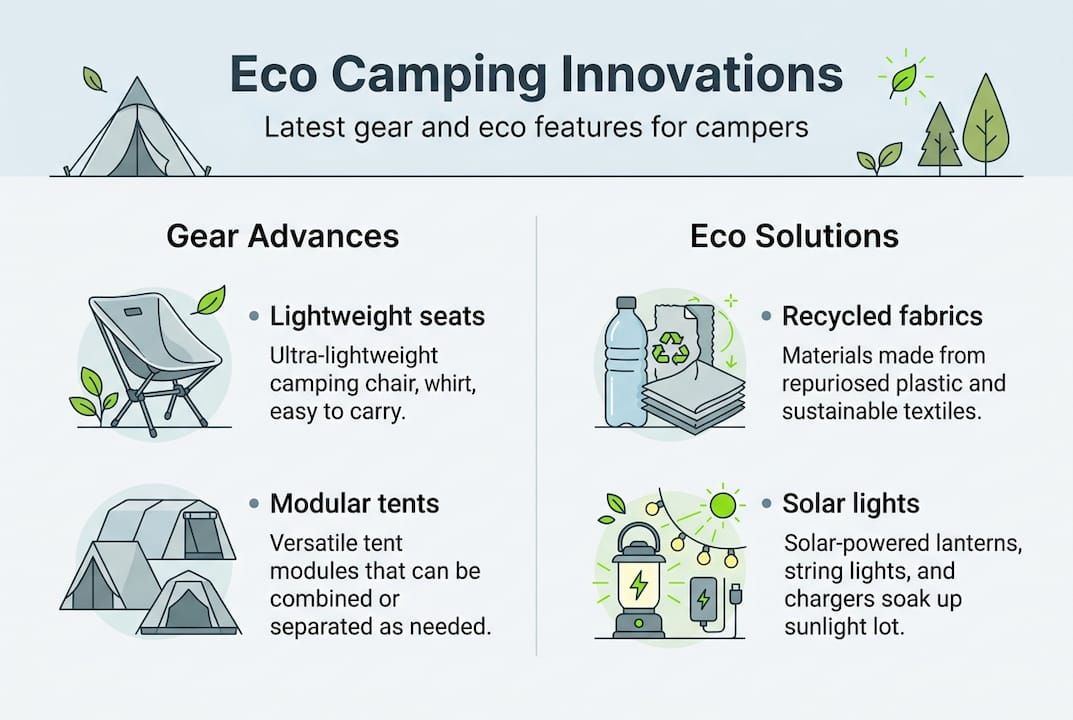
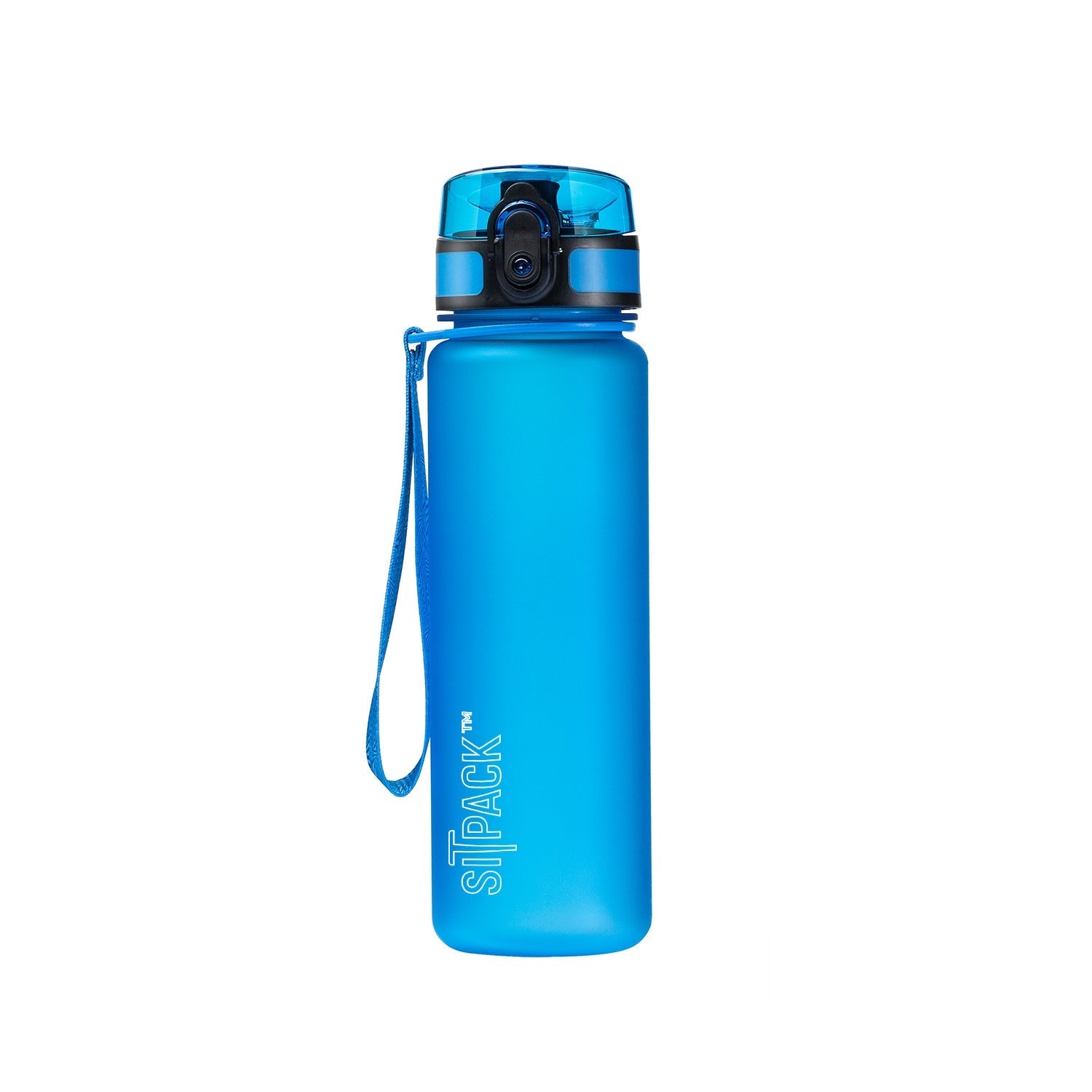
Recycled materials now form the foundation of many camping accessories. Ocean plastics become water bottles and utensils. Recycled aluminum transforms into tent stakes and cooking equipment. Post-consumer fabrics create durable bags and tarps. These materials perform identically to virgin alternatives while diverting waste from landfills and reducing manufacturing emissions by up to 60%.
Biodegradable options have expanded beyond basic items to include sophisticated gear. Camping soap, sunscreen, and toiletries now use plant-based formulas that break down naturally without harming soil or water. Even technical items like tent waterproofing treatments come in eco-friendly versions that maintain effectiveness while avoiding persistent chemicals.
Key eco-friendly camping accessories include:
Durability represents perhaps the most important sustainability feature. Accessories designed to last ten years rather than two seasons dramatically reduce overall environmental impact. Quality construction, repairable designs, and timeless aesthetics that resist trend-driven obsolescence all contribute to genuine sustainability.
Practical steps for choosing eco-friendly gear:
Maintaining eco-friendly gear properly extends its environmental benefits. Clean items thoroughly after each trip to prevent degradation. Store accessories in cool, dry locations away from direct sunlight. Repair minor damage immediately rather than waiting until replacement becomes necessary. These simple practices can double or triple product lifespan.
Minimizing campsite impact goes beyond gear selection to usage practices. Pack out everything you pack in, including organic waste that might attract wildlife. Use established campsites rather than creating new ones. Keep groups small to reduce cumulative impact. Choose durable surfaces for activities and avoid damaging vegetation.
The role of camping accessories in environmental stewardship extends to inspiring others. When fellow campers see your eco-friendly setup performing excellently, they recognize that sustainability and quality coexist. This ripple effect multiplies individual choices into collective impact.
Selecting innovative camping gear requires balancing multiple factors against your specific needs and camping style. Selecting innovative gear involves balancing portability, comfort, and sustainability to fit your outdoor activities, trip duration, and personal priorities. The process starts with honest assessment rather than aspirational thinking about how you actually camp.
Assess your camping needs systematically. Consider trip duration, as weekend camping allows heavier comfort items while backpacking demands ruthless weight management. Evaluate typical locations, since alpine environments require different gear than desert or forest camping. Account for activities beyond sleeping and eating, such as fishing, photography, or stargazing that might benefit from specific accessories. Group size matters too, as solo camping permits different choices than family outings.
Prioritize multi-functionality when comparing innovative gear. A portable seat that converts to a backpack frame or includes storage pockets delivers more value than a single-purpose item. Look for accessories that serve three or four functions without compromising primary performance. This approach reduces pack weight while increasing capability.
Practical gear selection process:
Testing portability before purchase prevents disappointment. Visit outdoor retailers that allow hands-on evaluation. Pack potential purchases in your actual camping bag to verify size claims. Set up and break down items repeatedly to assess real-world usability. Sit in that portable chair for 20 minutes in the store. These tests reveal whether innovations genuinely improve your experience.
Maintaining innovative gear properly protects your investment and ensures continued performance. Clean items according to manufacturer specifications, as improper cleaning can damage technical fabrics or coatings. Inspect gear after each trip for wear indicators like fraying stitches or loose connections. Address minor issues immediately, since small problems quickly become major failures in outdoor environments.
Storage practices significantly impact gear longevity. Keep items in climate-controlled spaces rather than garages or sheds where temperature extremes accelerate degradation. Store portable seating fully extended rather than compressed to prevent material fatigue. Hang fabric items rather than folding them to avoid permanent creases that weaken fibers.
Incorporate innovations gradually to avoid overwhelming yourself with new systems. Replace one or two items per season, giving yourself time to learn their features and optimal usage. This measured approach also spreads costs while building confidence in innovative designs. You develop expertise with each new item rather than fumbling with entirely unfamiliar gear on important trips.
Pro Tip: Create a gear evaluation checklist that scores items on portability, comfort, durability, sustainability, and value. Rate potential purchases against your current equipment to make objective decisions rather than impulse buys based on exciting features you might never use.
The camping accessories guide 2026 provides detailed comparisons to inform your selection process, helping you distinguish genuine innovations from marketing hype.
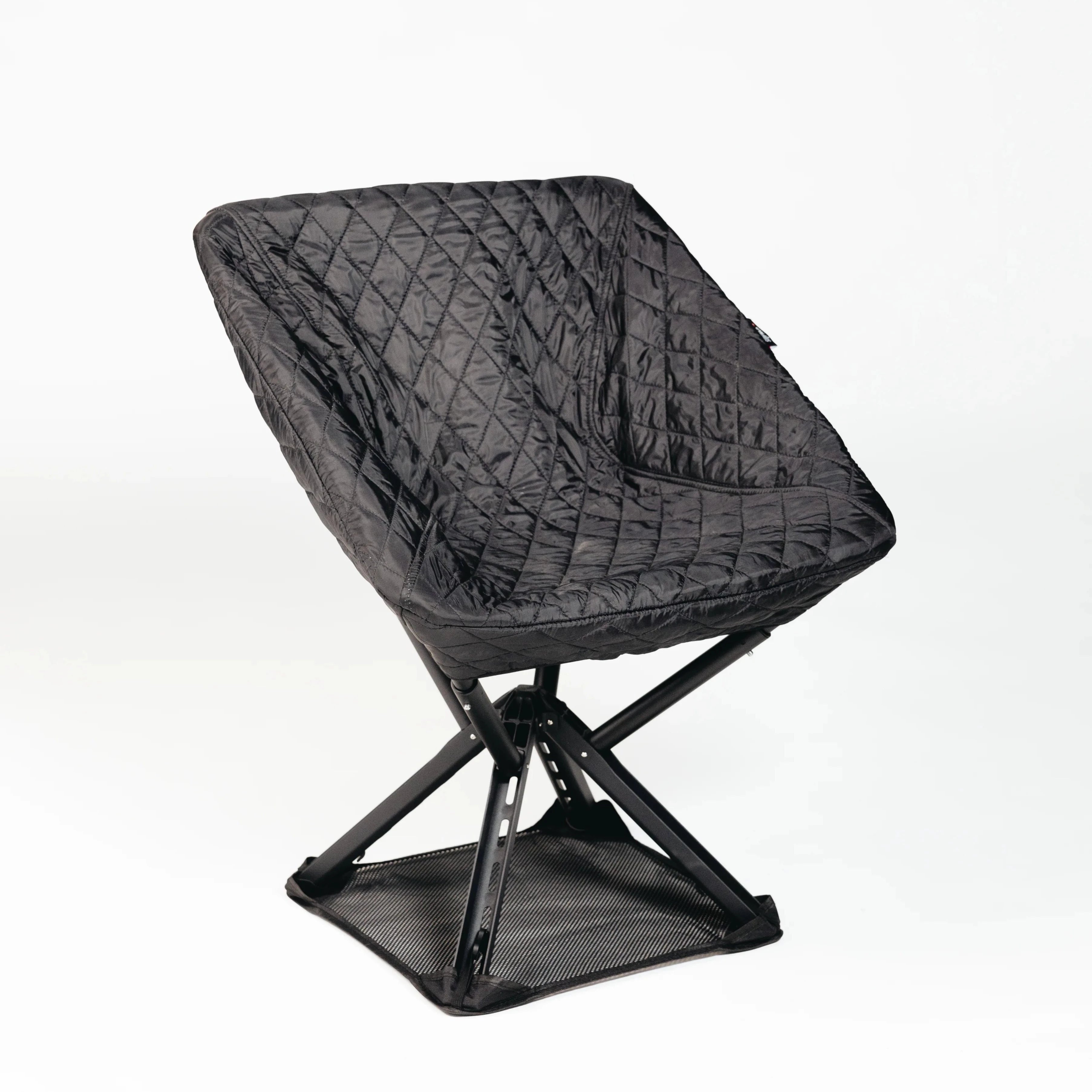
Sitpack specializes in portable seating solutions that embody camping innovation principles. Their compact, foldable chairs combine aerospace engineering with ergonomic design to deliver exceptional comfort in remarkably small packages. Each product reflects commitment to sustainability through recycled materials and durable construction that lasts for years.
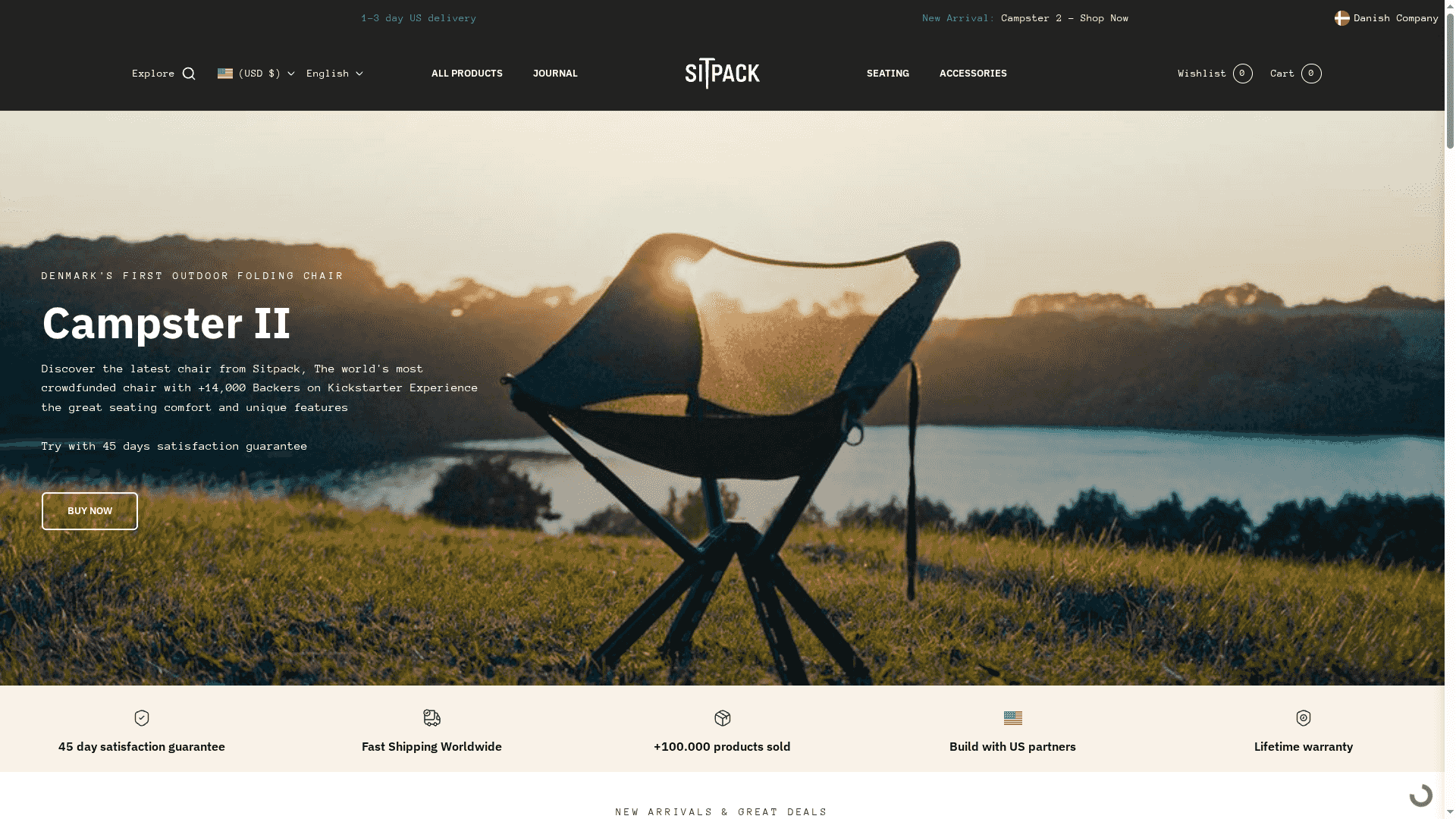
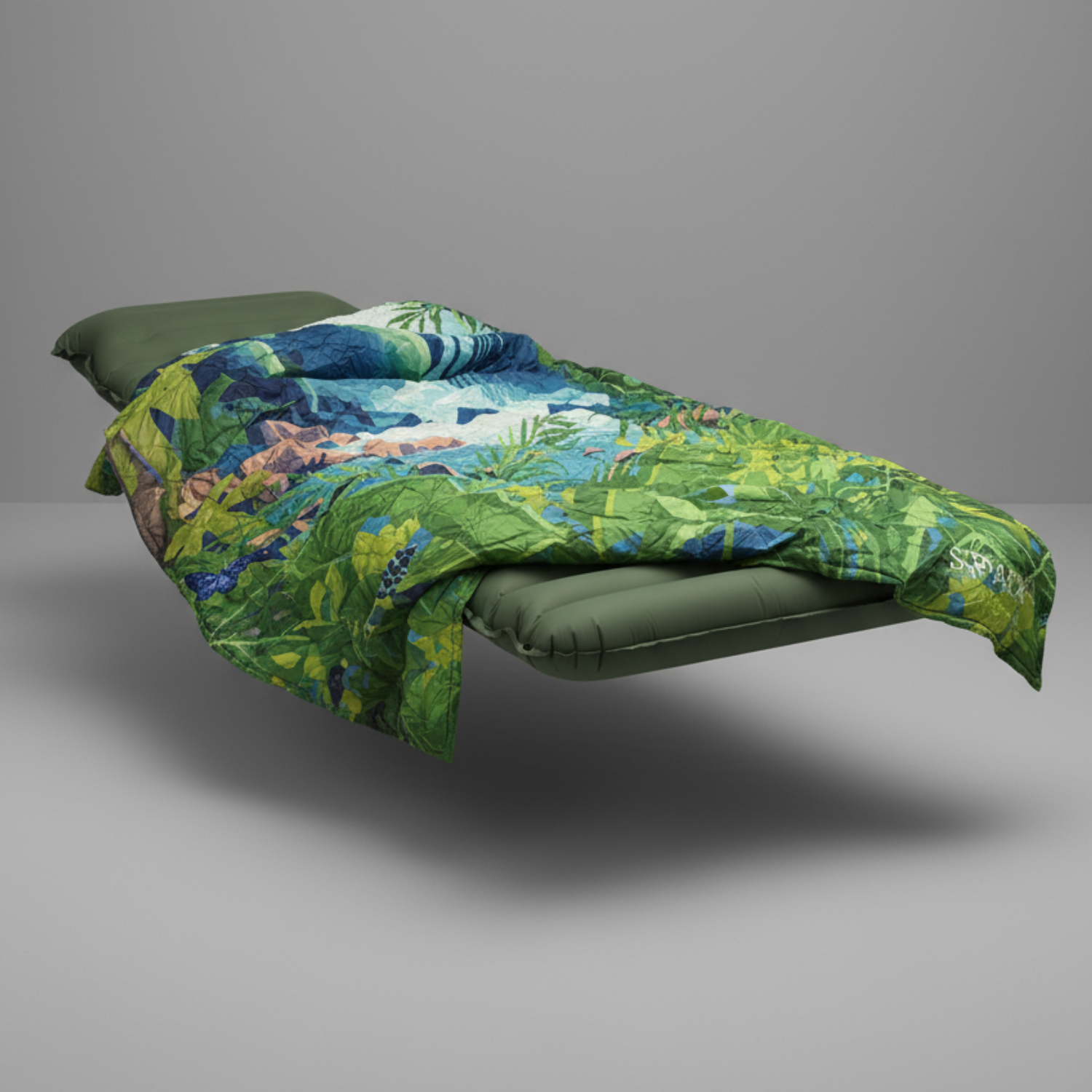
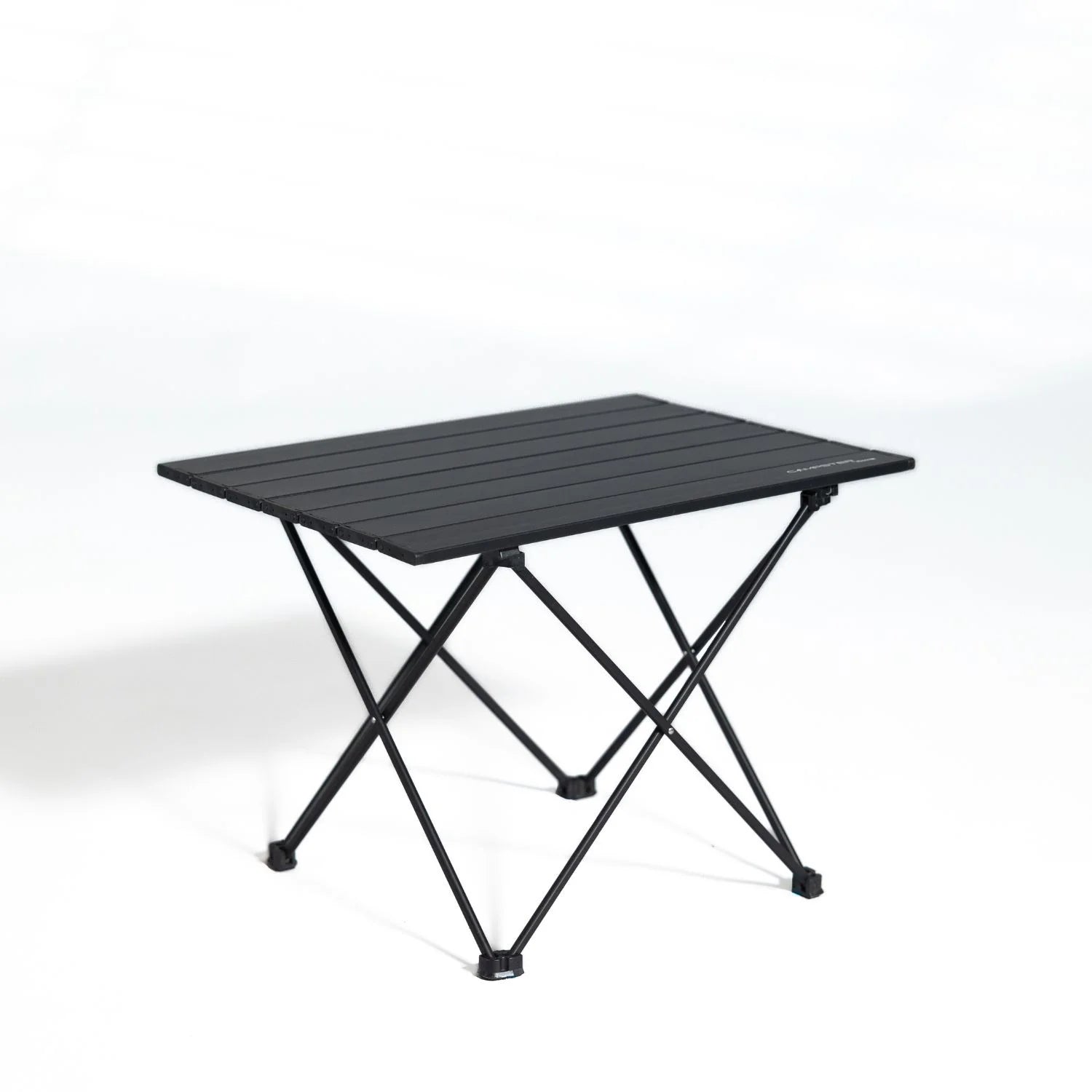
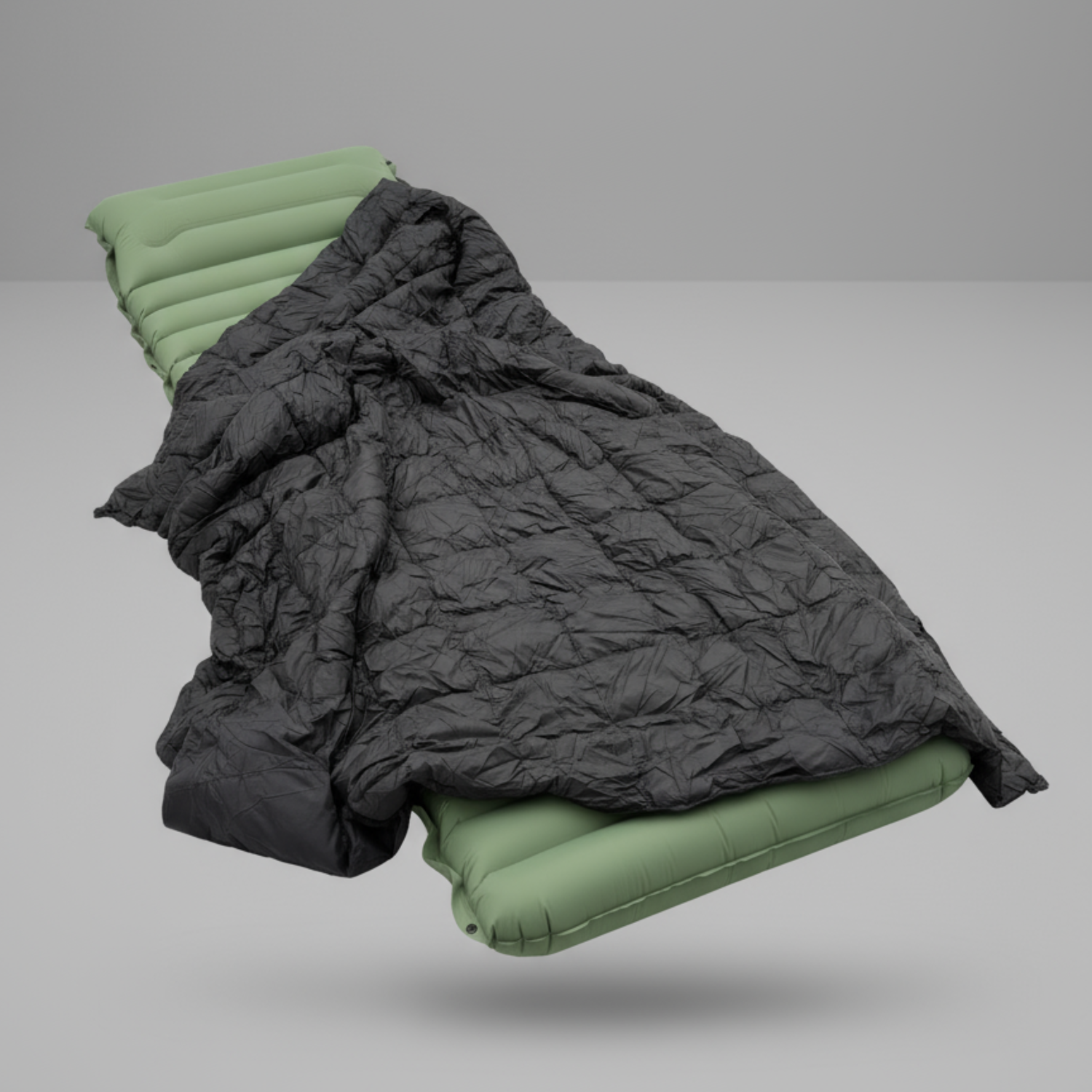
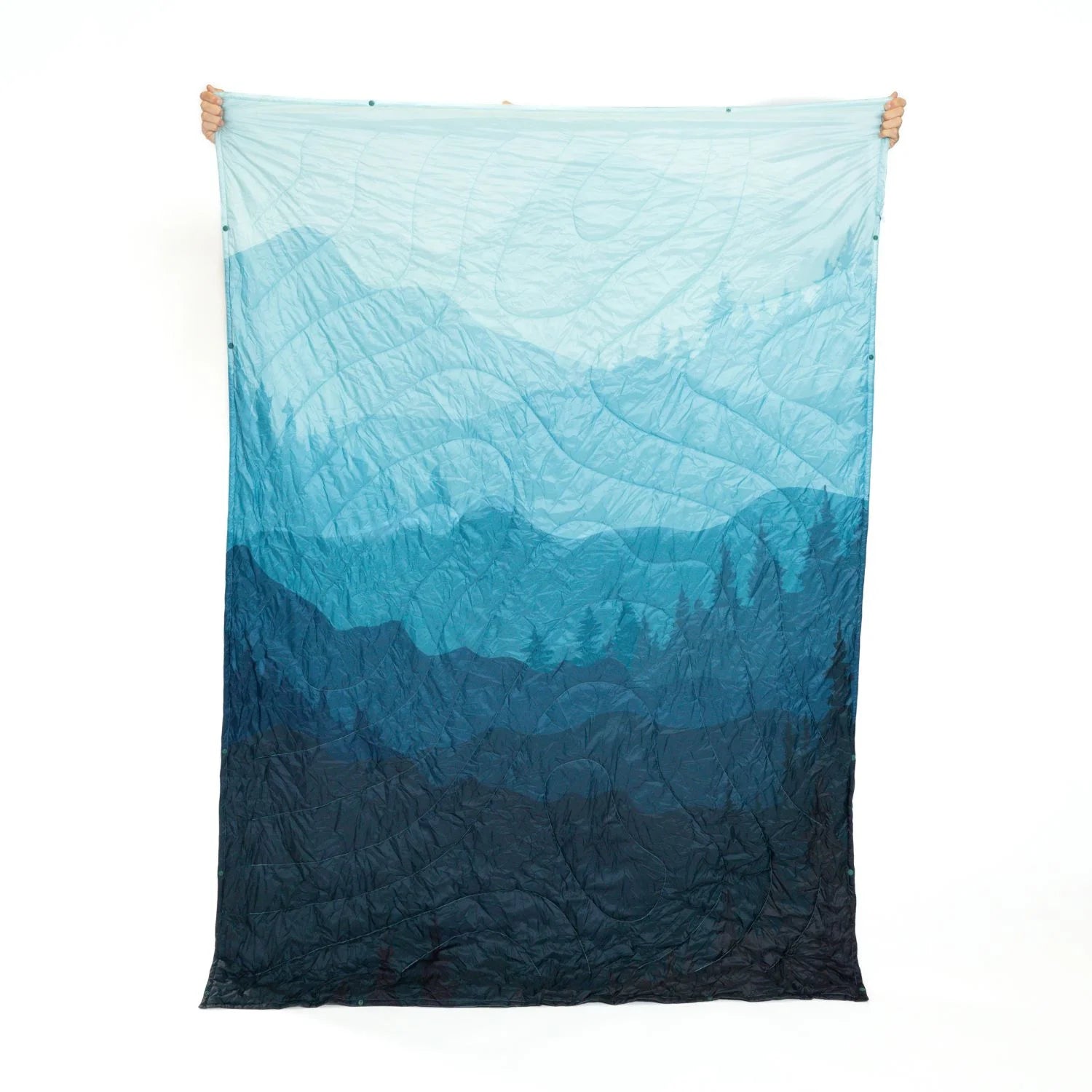
The Sitpack collection includes options for every camping style, from ultra-lightweight backpacking seats to more substantial chairs for car camping comfort. Accessories like portable tables, seat warmers, and thermal blankets complement the seating line to create complete outdoor comfort systems. Every item prioritizes portability without sacrificing the quality that makes camping genuinely enjoyable.
Explore innovative camping gear that transforms your outdoor experiences. Sitpack’s 45-day satisfaction guarantee and lifetime warranty demonstrate confidence in their products while giving you risk-free opportunity to experience how innovation enhances camping.
Camping innovation means designing gear that makes outdoor experiences more comfortable, portable, and environmentally responsible than traditional equipment. It focuses on solving real camper problems like heavy packs and uncomfortable seating through clever engineering and sustainable materials. Modern innovations let you enjoy nature without the compromises that once seemed inevitable.
Portable seating eliminates the choice between comfort and mobility that plagued traditional camping chairs. Innovative designs pack small enough for backpacking while providing ergonomic support for extended sitting, transforming rest breaks and evening relaxation. This improvement matters because comfortable seating directly impacts your enjoyment and willingness to spend time outdoors. Quality portable seats have become essential rather than optional gear.
Eco-friendly accessories reduce environmental impact through recycled materials, biodegradable components, and durable designs that minimize replacement frequency. Using sustainable gear prevents waste accumulation in landfills and reduces manufacturing emissions associated with producing new items. These accessories also avoid introducing persistent chemicals into wilderness areas through biodegradable formulations. Small individual choices compound into significant collective environmental benefits.
Consider your actual camping style, typical trip duration, and specific activities when selecting gear rather than buying based on aspirational use. Prioritize multi-functional items that serve several purposes while maintaining quality in their primary function. Evaluate portability by physically testing packed size and weight against your current setup. Focus on durability and repairability to maximize long-term value and environmental benefits. Balance innovation with proven reliability, especially for critical safety items.