カート
0
サインアップすると注文から 10 ドル割引になります
配達予定
1〜3日
こちらもおススメ
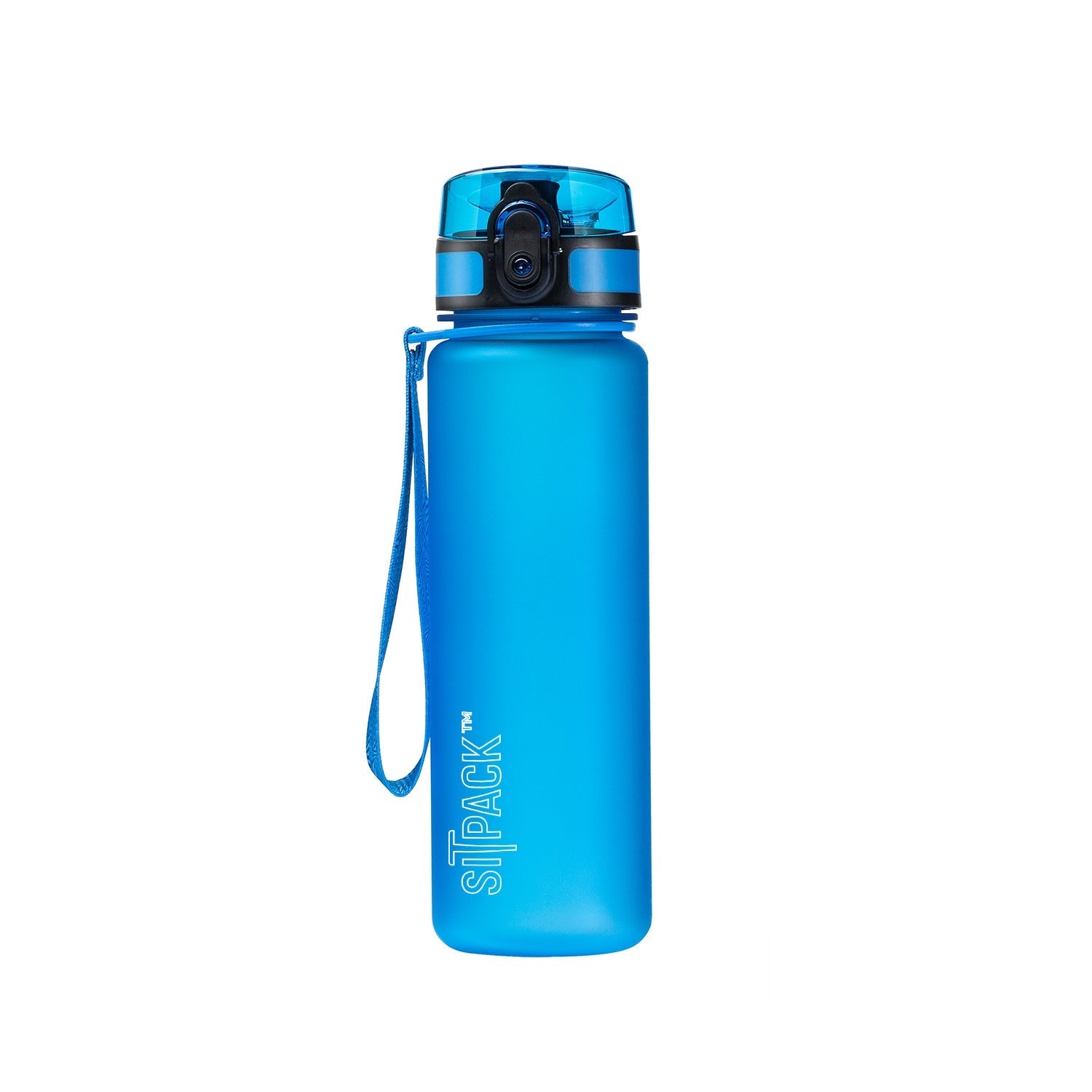
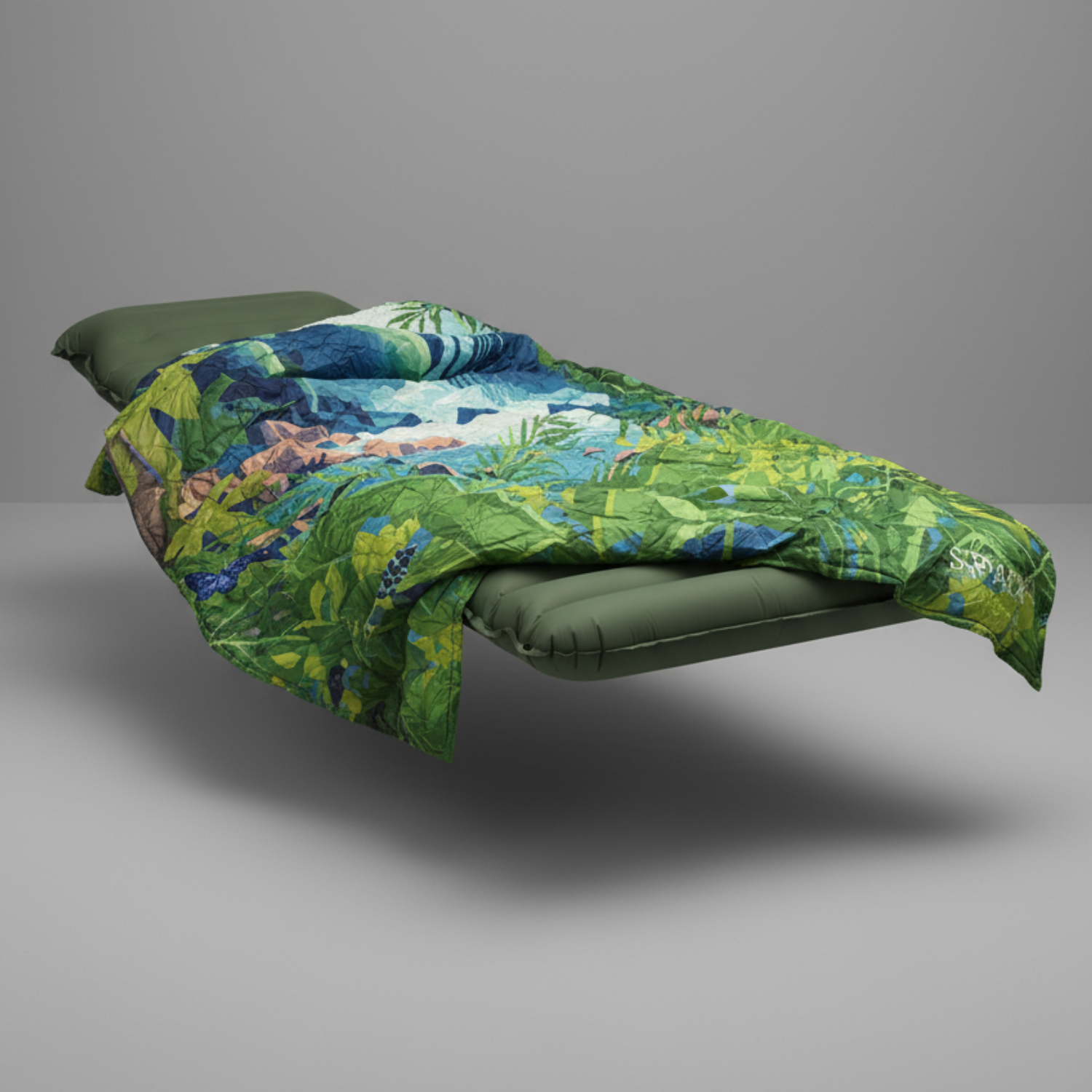
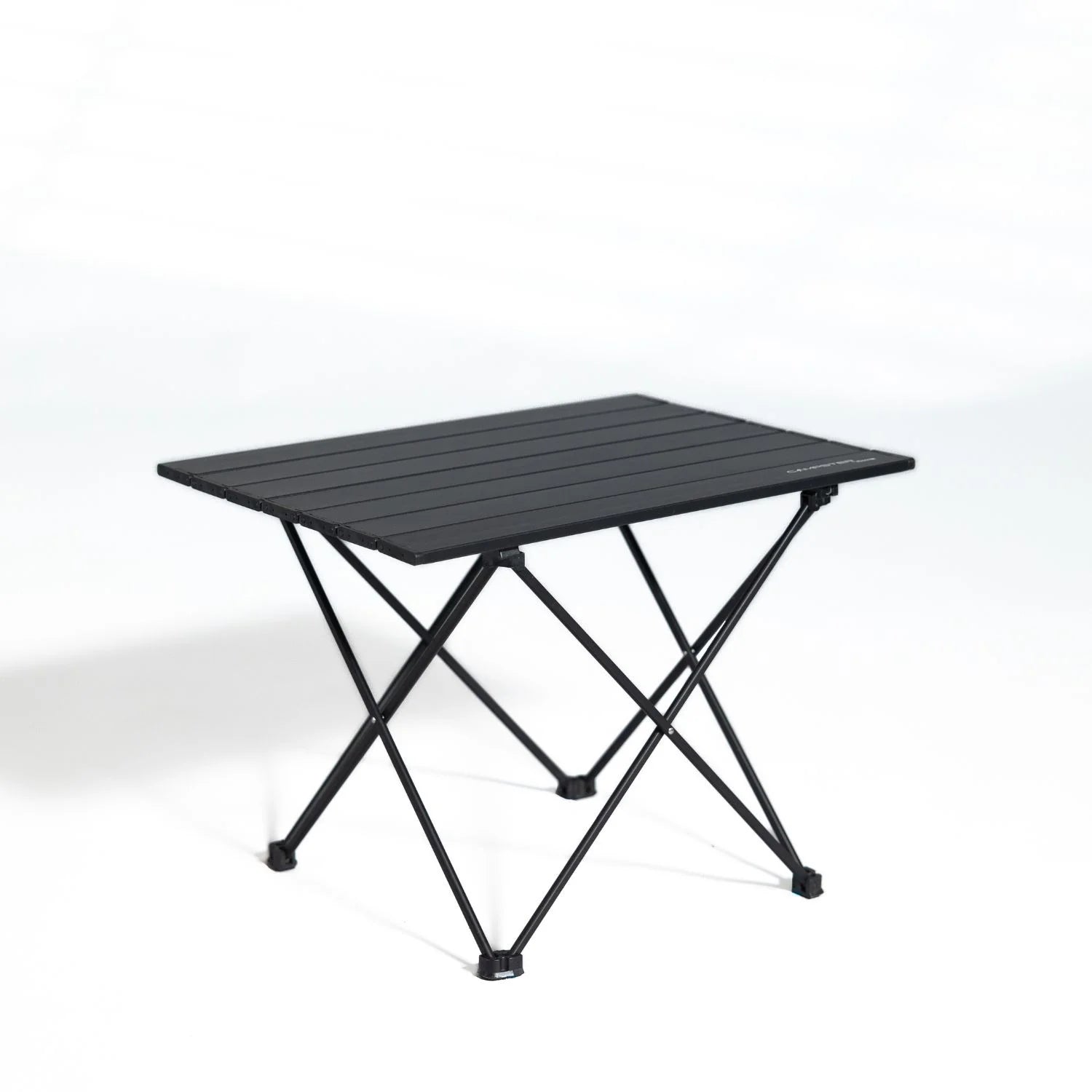
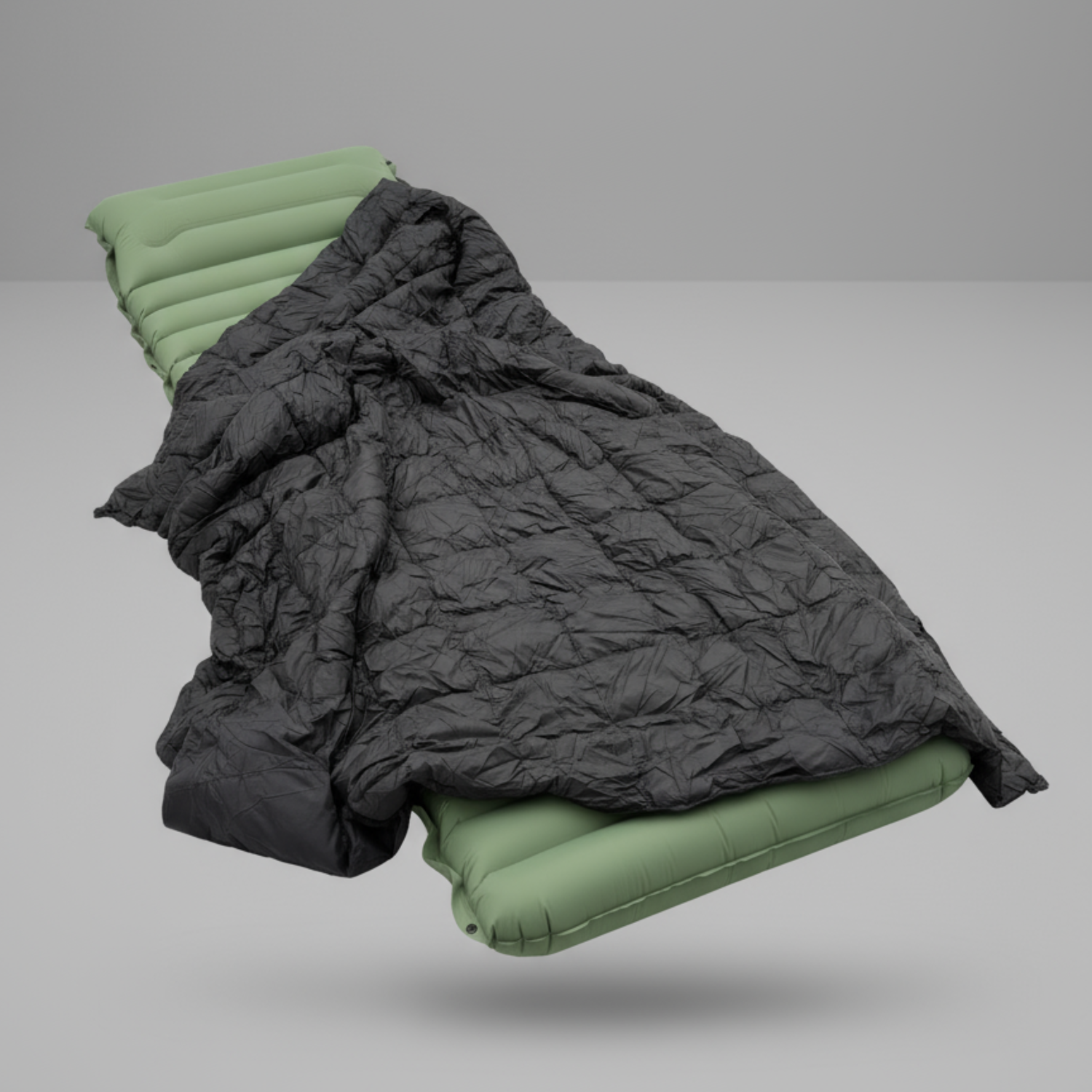


デンマークの会社

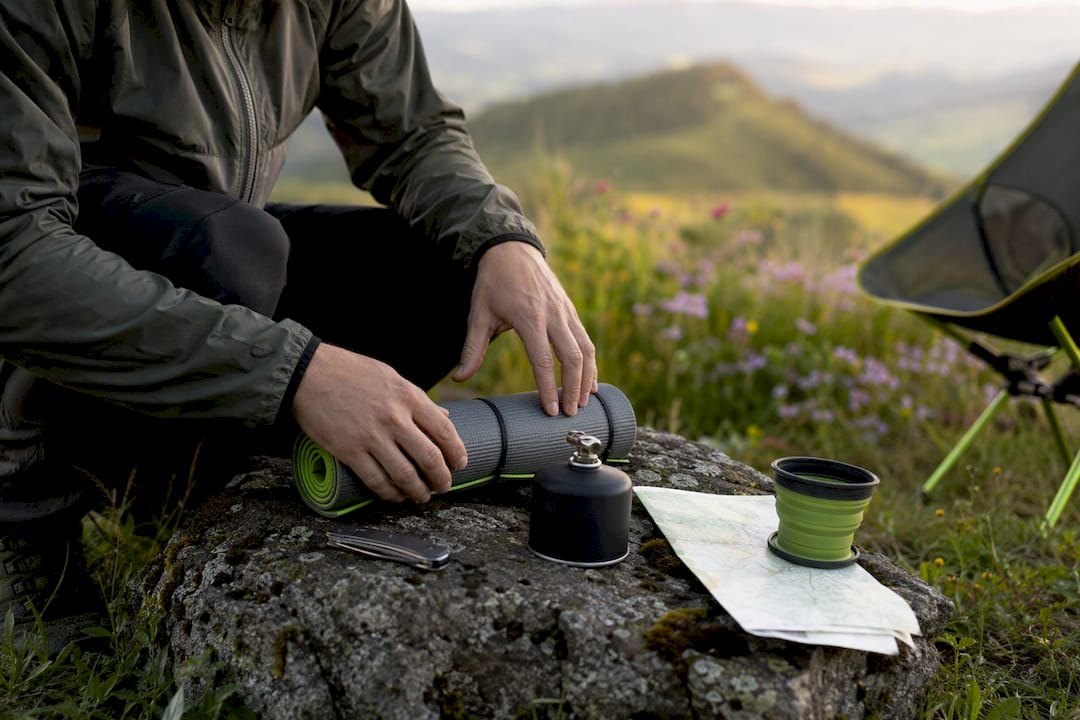
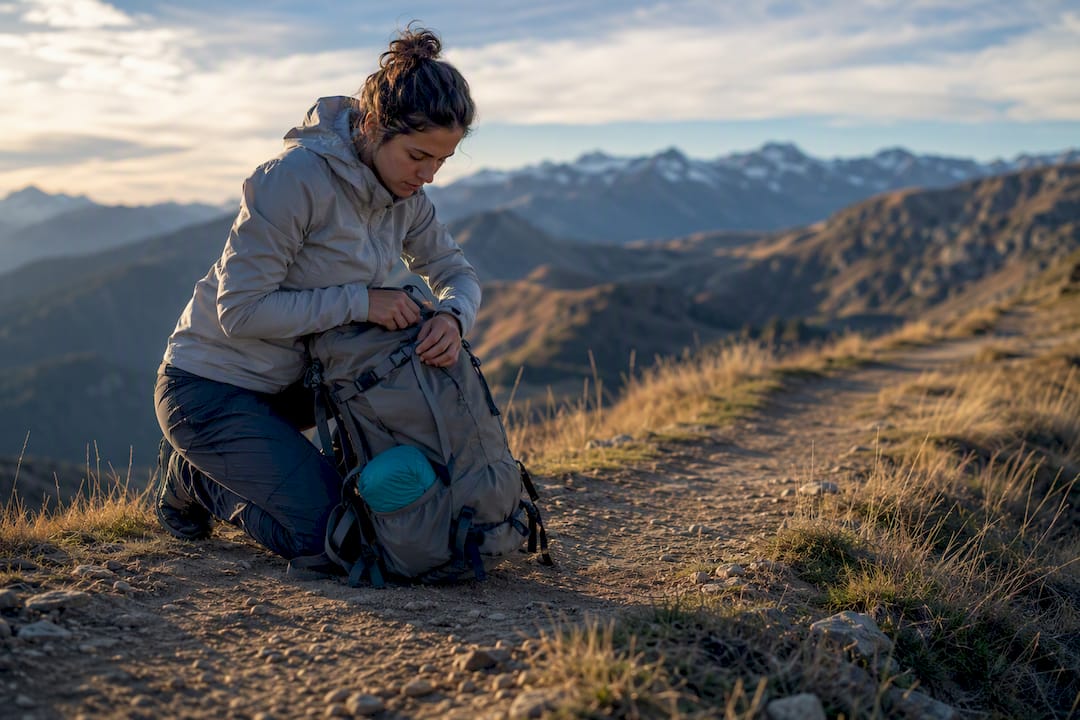
Pack the Big 3 first: a backpack that fits your torso, a shelter, and a sleep system rated for your coldest expected night. Add water treatment, a stove and cook pot, rain gear, a headlamp, a first-aid kit, navigation, and enough food for each day plus one buffer meal. That’s the skeleton every solid Reddit gear list is built on, whether you’re browsing r/backpacking, r/CampingandHiking, or the notoriously nitpicky r/Ultralight.
Here’s the copyable version:
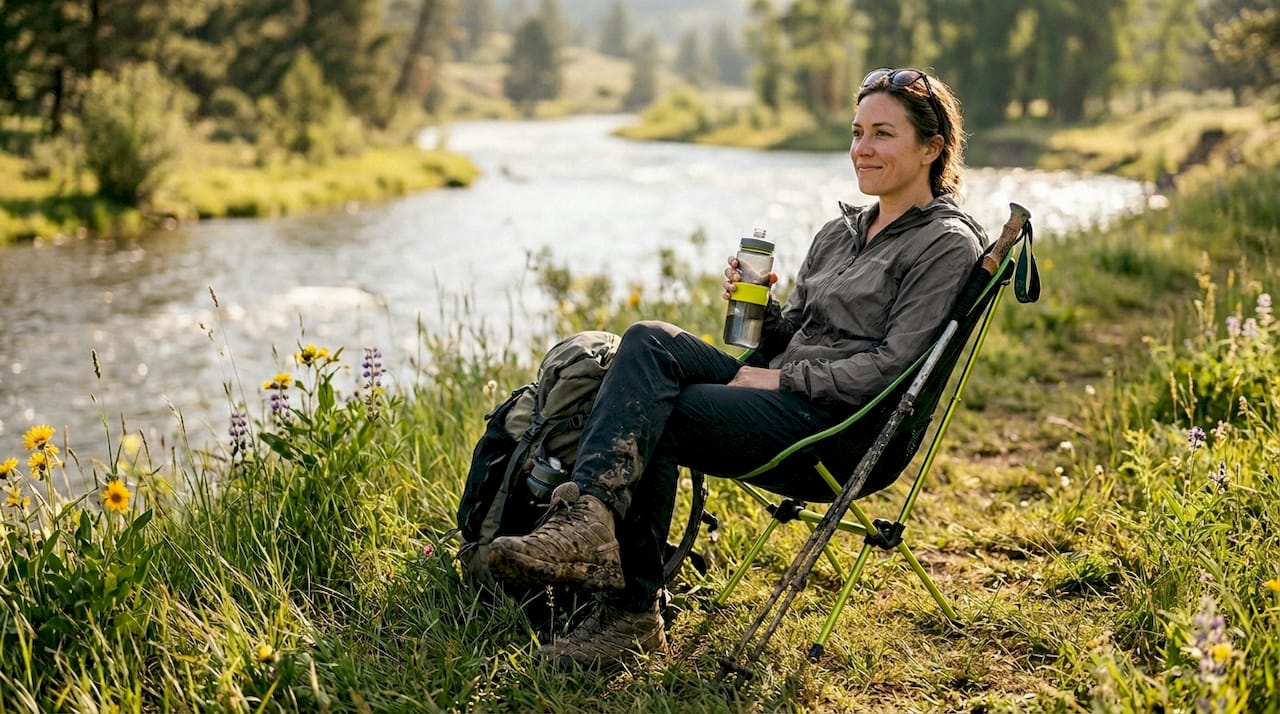
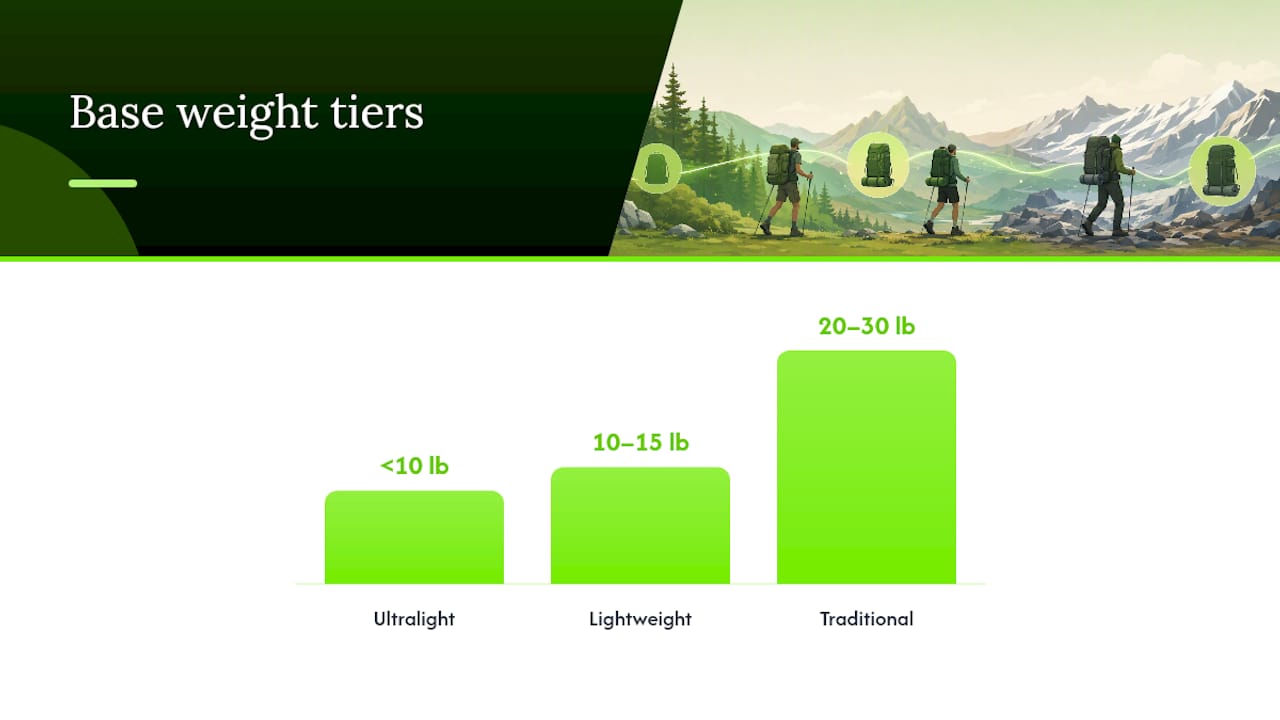
Base weight, meaning everything you carry excluding food, water, and fuel, sorts hikers into rough tiers: ultralight sits under 10 pounds, lightweight runs 10 to 15 pounds, and traditional setups land at 20 to 30 pounds. Where you land on that scale shapes almost every gear choice below. And once you’re at camp carrying less, something like a Sitpack folding seat weighs next to nothing but saves your legs from another night perched on a rock or log.
A trustworthy backpacking checklist starts with the Big 3, scales by trip length and season, and gets tested through a community shakedown before you ever hit the trail.
| Point | Details |
|---|---|
| Start with the Big 3 | Backpack, shelter, and sleep system form the foundation every other item builds around. |
| Know your base-weight tier | Ultralight sits under 10 lb, lightweight runs 10 to 15 lb, and traditional loads land at 20 to 30 lb. |
| Tailor by trip length and season | Scale food, fuel, and insulation to match nights out, temperature swings, and terrain. |
| Run a shakedown before you go | Post your gear list with weights and trip details to r/Ultralight or r/backpacking for real feedback. |
| Plan camp comfort too | A lightweight, packable seat like Sitpack’s folding chairs adds camp comfort without breaking your weight budget. |
Scroll through enough gear threads and a pattern emerges fast. Community lists on r/backpacking and r/CampingandHiking tend to group gear the same way, category by category, so other users can scan a post in ten seconds and spot what’s missing. Copy this structure into your own Reddit post and you’ll get sharper feedback because moderators and regulars can actually parse it.
The Big 3 (or Big 4, if you count your cooking setup separately)
Clothing layers
Water and treatment
Cooking and food
Navigation and safety
Hygiene and personal care
Tools and repair
Electronics and extras
Reddit threads flag the same forgotten items again and again: extra socks, spare batteries, a pack rain cover, and enough ziplock bags to pack out trash and toilet paper. One frequently cited r/CampingandHiking gear thread lists these exact small hacks, duct tape, bandanas, packed-out TP bags, because they solve real problems that only show up once you’re two days into a trip.
Pro Tip: Mark every item on your list as either “for trip” or “for car” before you pack. This one habit stops the classic mistake of hauling your car keys and wallet three miles up a trail because they were sitting in the same pile as your gear.
Andrew Skurka’s take matters here too. He frames a gear list as a planning tool, not a rigid checklist you fill out once and forget. The list should force you to think through your specific environment, trip duration, and style, which is exactly what a good Reddit shakedown thread does when strangers start asking, “Why do you need two knives?”
A checklist built for a summer overnight will get you in trouble on a shoulder-season four-nighter in the mountains. Tailoring means scaling three variables: how long you’re out, what season it is, and what terrain you’re crossing.
When you post a checklist for feedback, add a line like “Trip type: 3-night alpine, early June” followed by “Must add: [item]” and “Considering: [item].” That format alone gets faster, more specific replies than a bare gear list with no context. A hiker switching from a 3-season bag to a quilt for a summer trip, or adding crampons for a June alpine pass with lingering snow, are the two swaps that show up most often in these threads.
Base weight, again, is everything you carry minus food, water, and fuel. It’s the number experienced backpackers actually track because it isolates your fixed gear choices from variable consumables, which makes shakedown feedback far more useful. The community tiers stay consistent: ultralight sits under 10 pounds, lightweight runs 10 to 15 pounds, and traditional setups land at 20 to 30 pounds. None of these tiers is objectively “correct.” They’re trade-offs between comfort, cost, and how much suffering you’re willing to trade for a lighter shoulder.
A loose but widely repeated rule of thumb: keep total pack weight, including food and water, under roughly 20% of your body weight for comfort, and closer to 15% if you’re new to multi-day hiking. Going heavier isn’t dangerous by itself, but it increases fatigue and blister risk fast.
Packing organization matters almost as much as the gear list itself:
Pro Tip: Weigh every item on a kitchen scale before your trip and write the number on a spreadsheet or gear list app. When you post that list for a shakedown, community members can spot the exact ounces worth cutting instead of guessing.
A shakedown is simply posting your full gear list, with weights, and asking experienced hikers to help you cut ounces or catch gaps. Subreddits like r/Ultralight built an entire culture around this practice, and it works because the crowd catches blind spots a solo packer misses.
When feedback rolls in, weigh safety-related suggestions more heavily than opinions about brand preference. If three separate commenters flag your sleep system as too cold for the forecast, that’s a pattern worth acting on. If one person insists you need a titanium spork instead of your plastic one, that’s personal preference. This matches Skurka’s broader point that a gear list should serve trip-specific reasoning, not just checkbox completion, and Reddit’s ultralight community exists precisely to stress-test that reasoning.
Pro Tip: Wait for at least five or six comments before making changes. Early replies sometimes reflect one commenter’s personal style rather than consensus, and acting too fast can strip a genuinely useful piece of gear.
These mirror what actually gets posted for feedback in gear subreddits, organized by base-weight target so you can pick the one closest to your trip.
A. 2-night beginner (comfort-first) Estimated base weight: 18 to 22 pounds. Start weight with food and water: roughly 25 to 28 pounds.
B. 3-day ultralight (sub-10-lb base) Estimated base weight: 8 to 9.5 pounds, following Adventure Alan’s 9-pound methodology of counting only non-consumable gear.
C. 4 to 5 day multi-day (mid-weight) Estimated base weight: 13 to 16 pounds. Food and fuel scale up noticeably: budget 1.5 to 2 pounds of food per person per day, plus one extra fuel canister for trips over four nights.
Use any of these three as a starting template in a shakedown post. Post the list, state which tier you’re targeting, and let commenters tell you where the estimate doesn’t match your actual trip conditions.
A first-aid kit handles cuts, blisters, and minor injuries, but real backcountry emergencies usually involve communication gaps, not bandages. If you’re heading somewhere without cell service, a satellite messenger or personal locator beacon closes that gap and lets you call for help even when there’s zero signal.
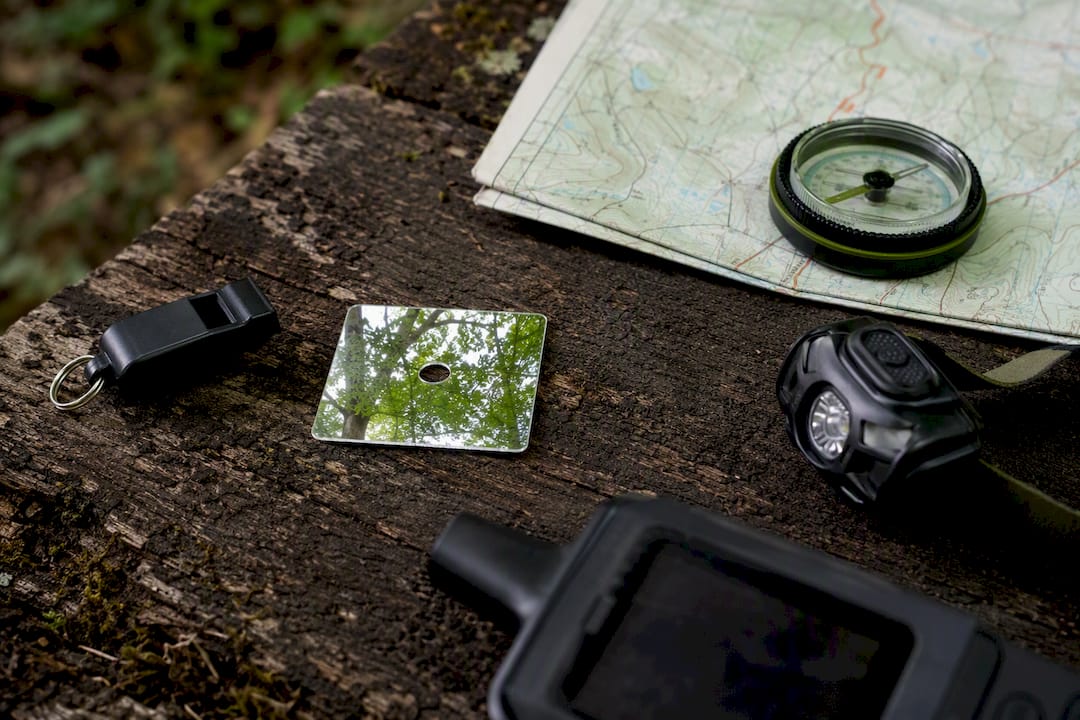
A whistle sounds basic, but it carries farther than a shout and burns no battery, making it one of the cheapest safety additions to any pack. A signal mirror serves the same purpose in open terrain where visual signaling reaches farther than sound. Pair either with a headlamp that has a strobe setting, since flashing light at night is visible from much farther away than a steady beam.
Tell someone outside your group your route and expected return time before you leave, and stick to it closely enough that a late return actually triggers a check. This single habit solves more emergencies than any piece of gear, because rescue delays usually come from nobody knowing where to look.
Carry a paper map even if your phone has offline GPS loaded. Batteries die, phones get dropped in creeks, and a laminated map with a compass works in every condition a screen doesn’t. For groups splitting up during the day, cheap radios with a few miles of range prevent the kind of separation that turns a minor detour into a real search.
None of this needs to be expensive or heavy. A PLB, a whistle, and a paper map add well under a pound to most base weights, which is a trivial trade for the difference they make if a trip goes sideways.
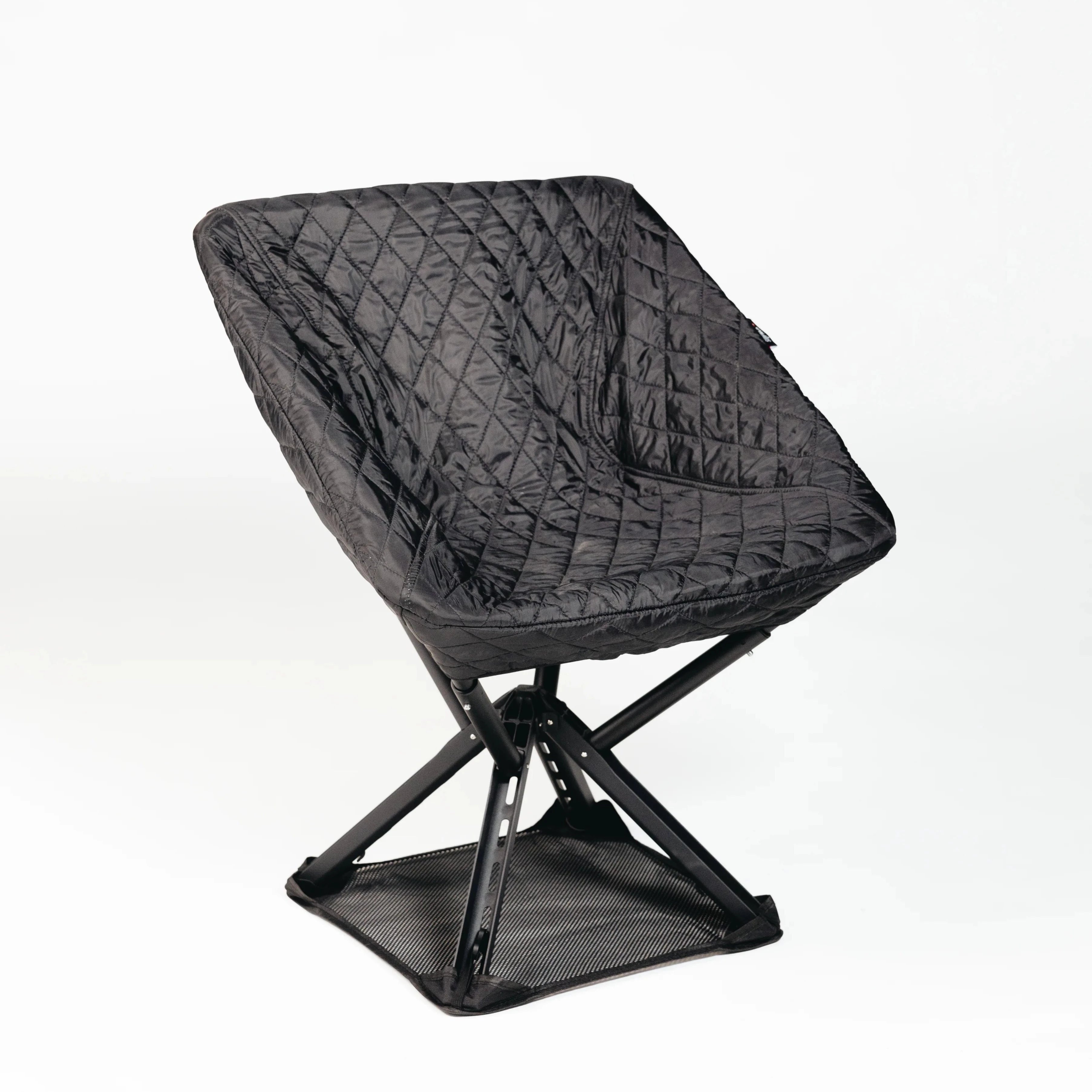
The Reddit crowd gets one thing right that a lot of gear guides miss: comfort at camp matters as much as comfort on trail. Sitpack builds folding seats around that exact idea, lightweight enough to disappear into a pack yet sturdy enough to matter after a long day. On any trip past two nights, a compact seat like the Sitpack Zen earns its ounces fast once you’re eating dinner off a cold rock.
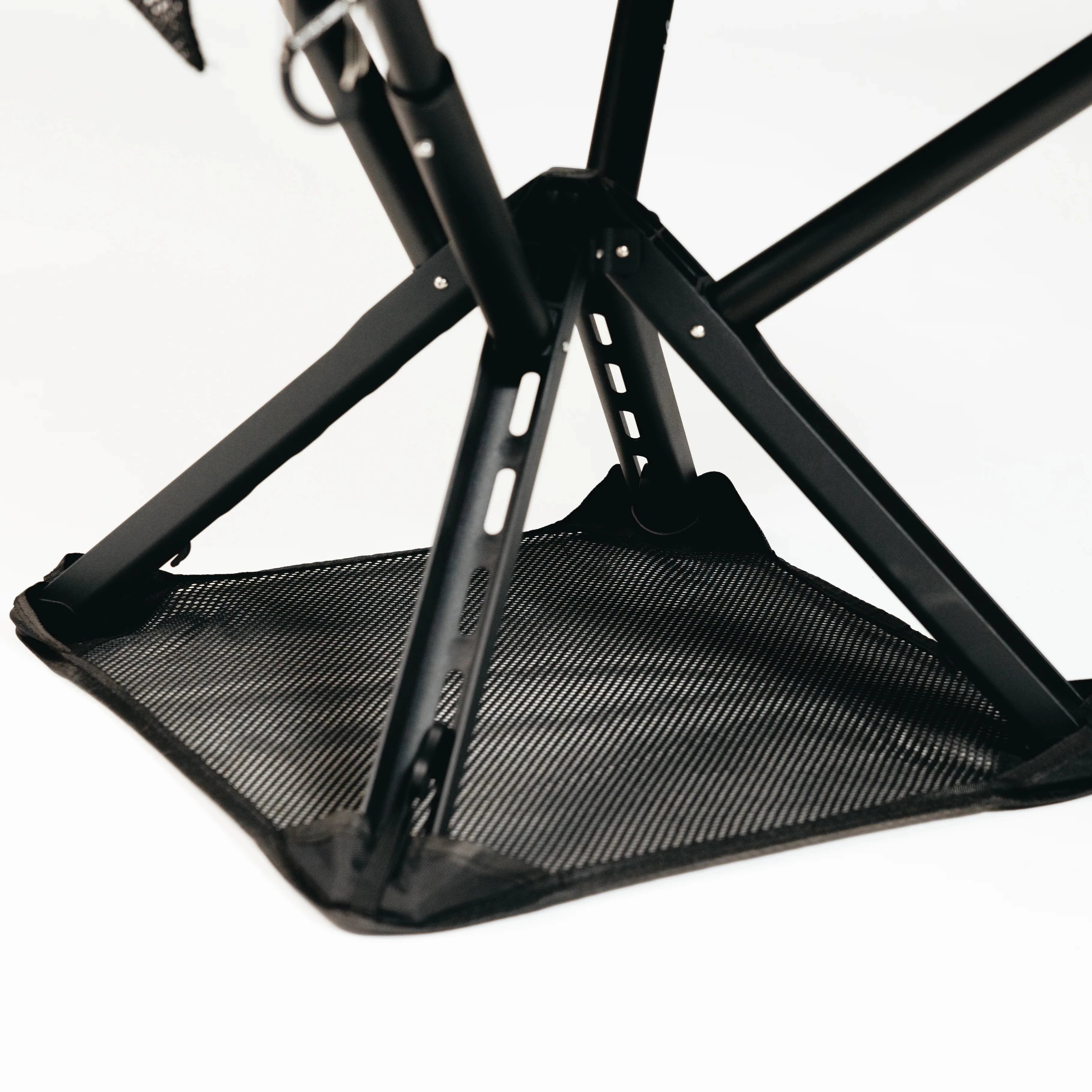
Every gear list above accounts for shelter, sleep, water, and food, but almost none of them plan for where you’ll actually sit once camp is set up. That’s a real gap, and it’s one most Reddit threads gloss over entirely. A folding seat like the Sitpack Campster II or the compact Sitpack Zen solves it without blowing your base-weight budget, since both fold down small enough to slide into a side pocket rather than compete with your tent for space.
If your checklist already prioritizes lightweight, durable, and compact gear, a Sitpack seat fits the same criteria: it’s built to survive repeated trail use, not just a backyard afternoon. Consider adding one when your trip includes extended camp time, a group meal, or a summit break where sitting on wet ground or jagged rock isn’t appealing. Check the current lineup at Sitpack and see which fold-out size matches the pack space you have left after your Big 3.
For gear-list templates worth copying directly, r/backpacking and r/CampingandHiking offer the most active, frequently updated threads, while r/Ultralight remains the sharpest venue for base-weight critiques specifically.
For ultralight theory and a real sub-10-pound template, Adventure Alan’s gear list walks through the exact methodology. For general, printable checklists that cover every category from footwear to hygiene, Switchback Travel’s checklist is hard to beat. Andrew Skurka’s 3-season gear list guide is the strongest resource for understanding why you’re packing something, not just what to pack.
Before trusting any Reddit thread, check the post date and subreddit rules. Gear recommendations shift fast, and a thread from several years back may reference discontinued products or outdated pricing.