カート
0
サインアップすると注文から 10 ドル割引になります
配達予定
1〜3日
こちらもおススメ


デンマークの会社

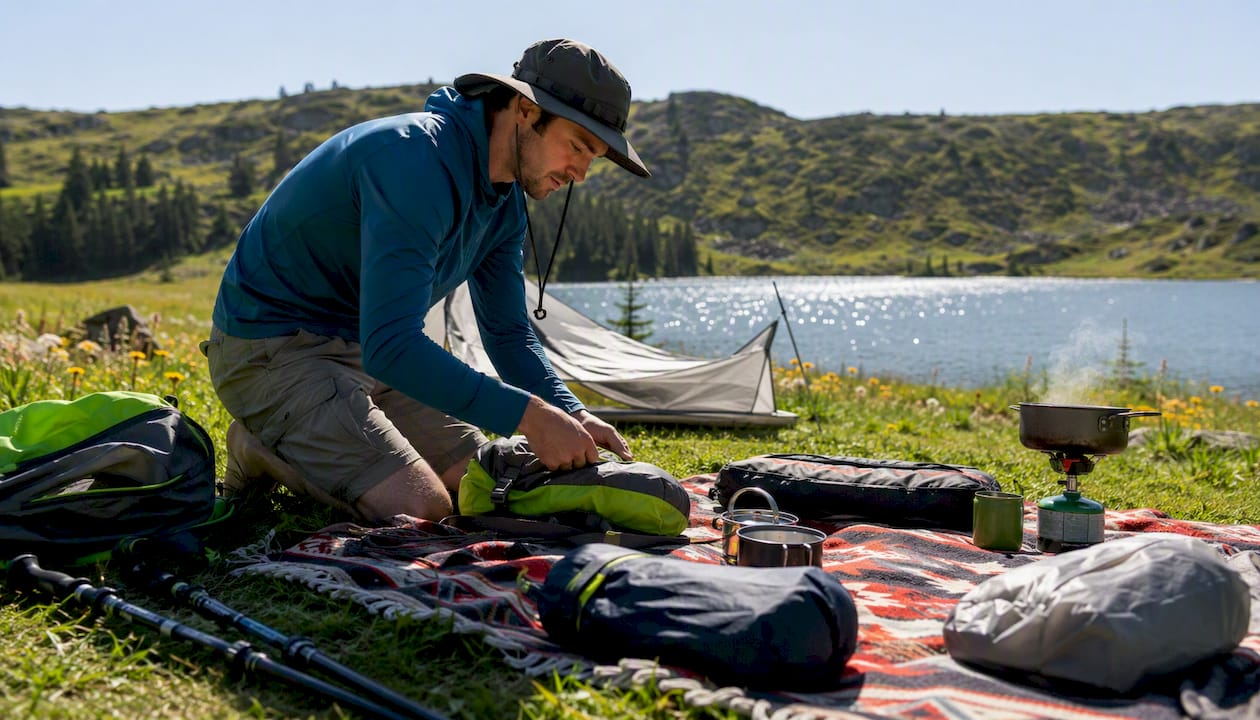
TL;DR:
- A curated ultralight gear list for 2026 can bring your base weight below 10 pounds, emphasizing shelter, sleep system, and pack choices. Prioritizing the Big Three and upgrading gradually helps minimize weight while maintaining comfort and durability, with options like Dyneema fabrics for further reduction. Proper gear selection depends on your travel style, terrain, and willingness to trade some abrasion resistance for lighter weight.
The short answer: a tested shortlist built around the Osprey Exos 58, Zpacks Duplex, Feathered Friends Hummingbird UL 20, NEMO Tensor Elite, Soto WindMaster, 7mesh Guardian Air, and Altra Lone Peak 9 can get your base weight under 10 lbs, the typical ultralight benchmark for 2026 — without leaving comfort at the trailhead. Pushing into DCF territory on your shelter and pack can cut significant weight further. The catch? Lighter fabrics trade some abrasion resistance for grams, so every pick below comes with an honest trade-off note.
TL;DR by category:
| Category | Pick | Best For | Weight | Packed Size | Durability / Materials | Seasonality | Price (MSRP) | Pros / Cons | Who Should Buy |
|---|---|---|---|---|---|---|---|---|---|
| Backpack | Osprey Exos 58 | Thru-hikers, multi-day | 2.9 lbs | Compressible | Nylon, internal frame | 3-season | — | + Suspension comfort; − heavier than DCF packs | Hikers carrying around 20 lbs |
| Backpack (women’s) | Osprey Eja 58 | Women’s fit, multi-day | 2.6 lbs | Compressible | Nylon, internal frame | 3-season | — | + Women-specific fit; − same weight class as Exos | Women thru-hikers |
| Backpack (DCF) | Hyperlite Mountain Gear Windrider | Waterproof-priority hikers | ~1.7 lbs | Very compact | DCF, frameless | 3-season | — | + Waterproof body; − less load support | Fastpackers, sub-15-lb loads |
| Backpack (volume) | Gossamer Gear Gorilla 50L | Resupply / group gear | ~1.9 lbs | Moderate | Nylon, light frame | 3-season | — | + High volume-to-weight; − less structured | Hikers needing extra volume |
| Backpack (minimalist) | LiteAF ECOPAK Curve 40L | Overnight minimalists | ~1.0 lb | Very compact | ECOPAK, frameless | 3-season | — | + Extremely light; − minimal padding | Fastpackers, overnighters |
| Backpack (supportive) | ULA Ohm 2.0 | Heavier resupply loads | ~2.3 lbs | Moderate | Nylon, internal frame | 3-season | — | + Supportive suspension; − not DCF | Hikers carrying 25–40 lbs |
| Shelter (DCF) | Zpacks Duplex | Solo/duo, spacious DCF | 19 oz | Very compact | DCF single-wall | 3-season | ~$700 | + Huge interior; − condensation risk | Experienced ultralighters |
| Shelter (trekking-pole) | Durston X-Mid Pro 1 | Solo, site-tolerant | ~17 oz | Compact | Silnylon/silpoly | 3-season | — | + Great ventilation; − needs flat-ish site | Solo hikers, shoulder season |
| Shelter (double-wall) | Big Agnes Tiger Wall UL3 | Groups, 2-person comfort | ~2.4 lbs | Moderate | Nylon double-wall | 3-season | ~$600 | + Roomier interior; − heavier than DCF | Pairs, comfort-focused hikers |
| Shelter (tested brand) | MSR Hubba Hubba NX | Reliable 3-season tent | ~3.5 lbs | Moderate | Nylon double-wall | 3-season | — | + Proven durability; − heavier | Beginners, reliability seekers |
| Sleep (bag) | Feathered Friends Hummingbird UL 20 | Cold-conscious, mummy bag | ~1.1 lbs | Very compact | 900-fill down | 3-season / shoulder | — | + Warmth-to-weight; − pricey | Ultralighters who prefer bags |
| Sleep (quilt) | Feathered Friends Tanager 20 CFL | Quilt lovers, packability | ~14 oz | Very compact | 900-fill down | 3-season | — | + Compressibility; − learning curve | Experienced quilt users |
| Sleep (quilt alt.) | Big Agnes V-Notch 40 | Budget quilt option | ~1.1 lbs | Compact | Synthetic / down blend | 3-season | — | + Affordable; − less warmth-to-weight | Budget-minded hikers |
| Pad | NEMO Tensor Elite | 3-season inflatable comfort | ~12 oz | Very compact | TPU, ultralight | 3-season | — | + Comfort-to-weight; − puncture risk | Most 3-season ultralighters |
| Pad (alt.) | Therm-a-Rest NeoAir XLite NXT | High R-value priority | ~12 oz | Very compact | TPU, ultralight | 3-season / shoulder | — | + Strong R-value; − noisy | Cold-sleepers, shoulder season |
| Stove | Soto WindMaster (4Flex) | Wind-exposed cooking | 3.1 oz | Pocket-size | Stainless / titanium | All-season | — | + Wind resistance; − canister only | Most backpackers |
| Jacket (men’s) | 7mesh Guardian Air | Fastpackers, rain layer | ~5 oz | Pocket-size | 2.5L ultralight | 3-season | — | + Grams-to-performance; − low abrasion | Ultralight fastpackers |
| Jacket (women’s) | Marmot Superalloy Bio Jacket | Women, packable shell | ~6 oz | Compact | 2.5L bio-based | 3-season | — | + Abrasion resistance; − less breathable | Women seeking durability |
| Footwear | Altra Lone Peak 9 | Long-distance trail running | ~9 oz/shoe | N/A | Mesh upper, MaxTrac | 3-season | — | + Comfort, zero-drop; − less ankle support | Thru-hikers, trail runners |
| Headlamp | Petzl Swift LT | Ultralight primary light | ~2.1 oz | Pocket-size | Plastic, USB-C | All-season | — | + Low weight, USB-C; − lower max lumens | Most ultralighters |
| Headlamp (alt.) | Princeton Tec SNAP Modular | Backup / group light | ~1.8 oz | Pocket-size | Plastic, modular | All-season | ~$30 | + Affordable, modular; − lower output | Groups, backup use |
| Water filter | Sawyer Micro Squeeze | Solo inline/squeeze | ~2 oz | Very compact | Hollow fiber | All-season | ~$40 | + Light, reliable; − slower than pump | Solo hikers, most trips |
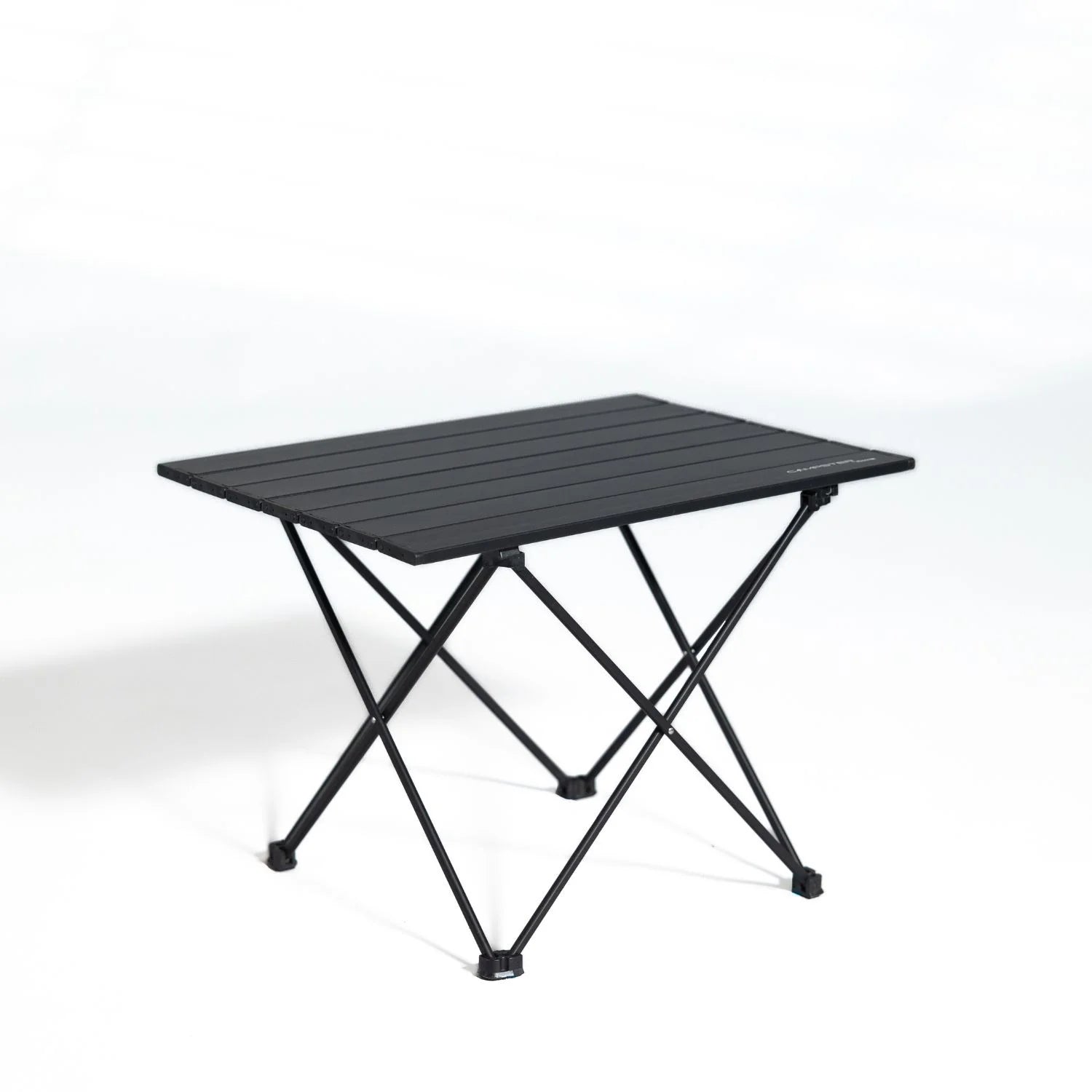
| Seating | Sitpack Campster II | Camp comfort, ultralight | ~7 oz | Very compact | Aluminum / fabric | All-season | — | + Foldable, packable; − single-use item | Hikers who value camp comfort |
| Trekking pole | Durston Iceline | Shelter support, stiff | ~4.5 oz/pole | Compact | Carbon fiber | All-season | — | + Stiff, light; − premium price | Trekking-pole shelter users |
| Trekking pole (alt.) | Fizan Compact 3 | Budget pole option | ~7 oz/pole | Compact | Aluminum | All-season | —/pair | + Affordable; − heavier than carbon | Budget hikers, beginners |
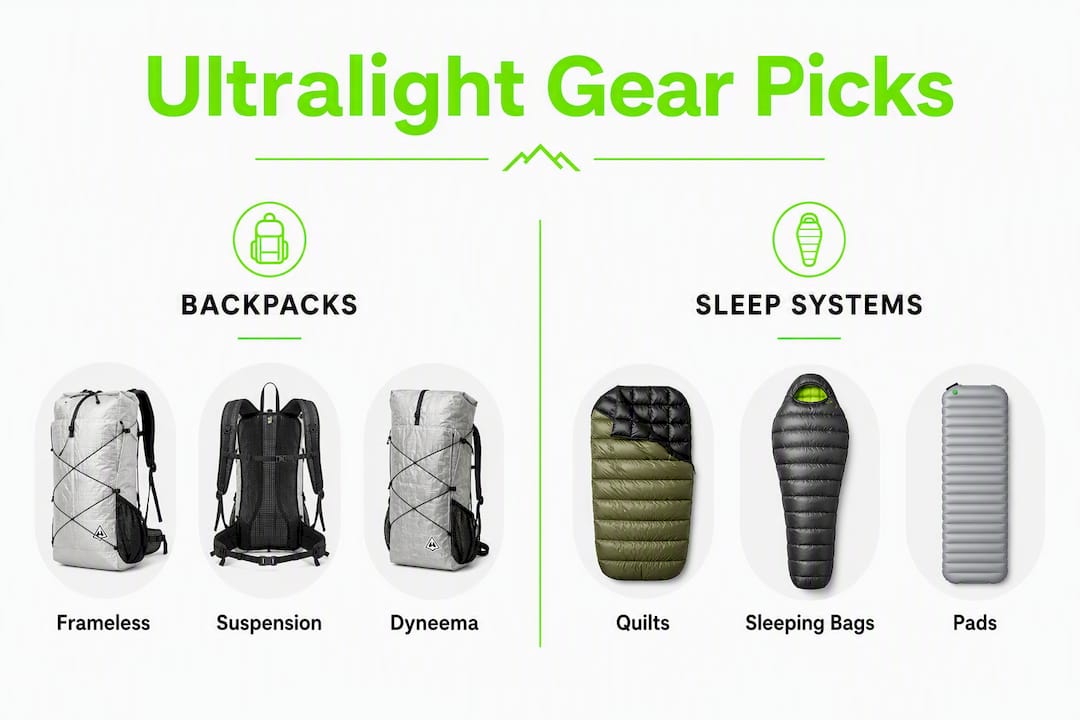
Where to save: Pads, poles, and water filters offer solid performance at lower price points. The Fizan Compact 3 and Sawyer Micro Squeeze both punch well above their cost.
Where to invest: The Big Three — pack, shelter, sleep system — deliver the highest return on every dollar spent on weight reduction. A DCF shelter alone can shave 1–2 lbs versus a standard nylon tent.
Start with the Big Three: shelter, sleep system, and backpack. Optimizing these three items is the fastest route to a base weight under 10 lbs and delivers the highest return on any gear investment. Everything else — stove, jacket, poles — is refinement.
| Component | Budget target | Ultralight target | Superlight (DCF) |
|---|---|---|---|
| Backpack | 2.5–3.5 lbs | 1.5 to 2.3 lbs | 0.8 to 1.1 lbs |
| Shelter (solo) | 2.5–4 lbs | 1–2 lbs | 0.8 to 1.1 lbs |
| Sleep system | 2–3 lbs | 1–2 lbs | 0.8 to 1.1 lbs |
| Big Three total | 7 lbs or more | 3.5 to 6 lbs | 2.4 to 3 lbs |
REI’s ultralight checklist frames packs under 2 lbs and sleep systems under 2 lbs as achievable targets for most hikers without resorting to exotic materials. That’s a useful reality check: you don’t need to spend $700 on a DCF tent to get meaningfully lighter.
Pro Tip: DCF (Dyneema Composite Fabric) saves the most grams on shelter and pack, but it tears more easily than nylon when dragged across granite. If you’re new to ultralight, start with a light nylon option and upgrade to DCF once you know your trail habits.
The budget question is real. REI and other experts recommend building gradually, starting with the Big Three and filling gaps with used gear or high-value alternatives. An all-at-once overhaul is rarely necessary and almost always expensive.
The right ultralight pack depends on two things: how much you’re carrying and how your body is built. A frameless DCF pack at 1 lb feels incredible at 12 lbs total carry and punishing at 30 lbs. A light internal-frame pack at 2.5–3 lbs handles heavier resupply loads without turning your hips into a complaint department.
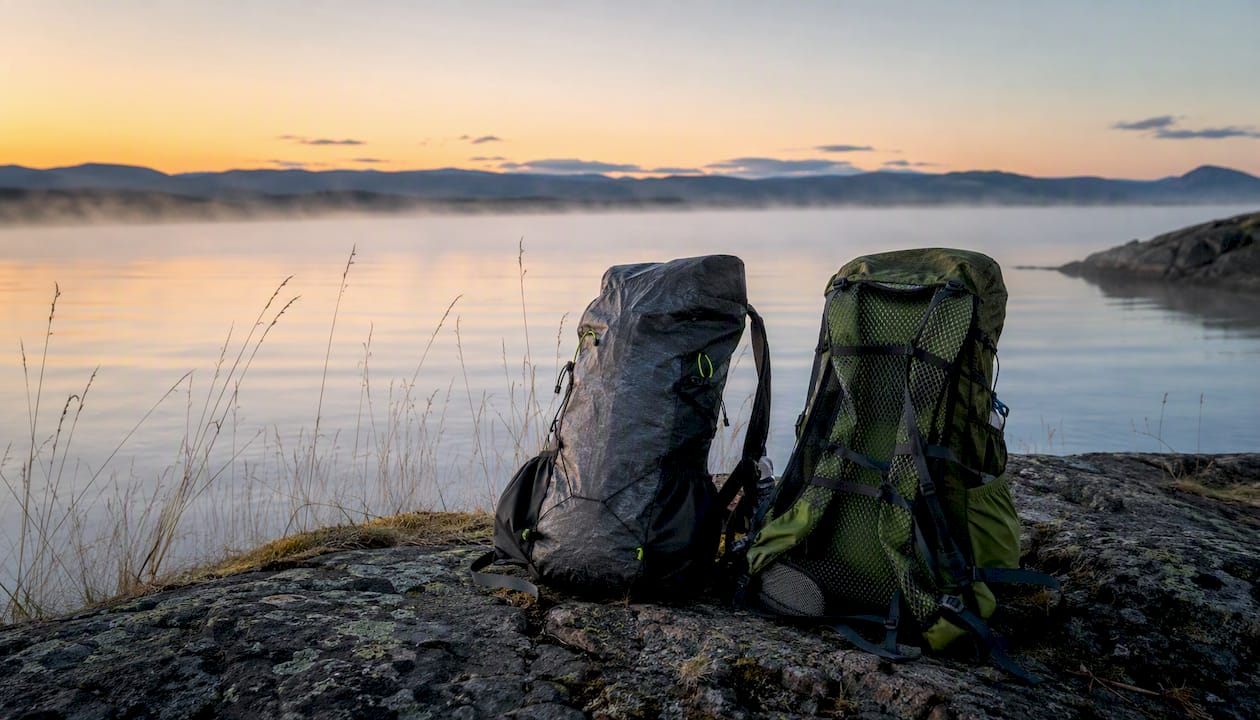
Osprey Exos 58 (2.9 lbs) is the workhorse pick for hikers who want a real suspension system without crossing into heavy-pack territory. Its ventilated back panel keeps airflow moving on hot climbs, and the 58L volume handles a week of food comfortably. The Osprey Eja 58 is the women’s-specific counterpart at 2.6 lbs, with a shorter torso length and narrowed hip belt that genuinely fits differently rather than just being a recolored Exos.
The Hyperlite Mountain Gear Windrider (~1.7 lbs) is the pick for hikers who want a waterproof main body and don’t mind a frameless carry. DCF construction means you’ll never need a pack liner, but load stability drops off above 20 lbs. The LiteAF ECOPAK Curve 40L (~1.0 lb) goes even further toward minimalism, suited for overnighters and fastpackers who travel light by design rather than by discipline.
For hikers who need volume, the Gossamer Gear Gorilla 50L (~1.9 lbs) offers a high volume-to-weight ratio that’s hard to beat in the ultralight category. And if you’re carrying heavier resupply loads on longer sections, the ULA Ohm 2.0 (~2.3 lbs) brings a supportive suspension in ultralight-focused materials.
Trimming pack volume by 10L typically saves 2–4 oz on the pack itself, but more importantly it forces you to pack smarter.
Shelter choice is where ultralight philosophy gets genuinely interesting — and occasionally contentious. Three main types compete for your grams: single-wall DCF trekking-pole shelters, double-wall freestanding tents, and tarps or bivy combos.
Single-wall DCF shelters like the Zpacks Duplex (19 oz) offer the lowest weight and the most interior space per ounce. The Duplex pitches with two trekking poles and gives a solo hiker enough room to sit up, spread gear, and not feel like they’re sleeping in a coffin. The trade-off is condensation: single-wall shelters don’t breathe the way double-wall tents do, and on humid nights you’ll wake up to moisture on the inner surface. Site selection matters more here than with any other shelter type.
The Durston X-Mid Pro 1 (~17 oz) splits the difference nicely. Its geometry tolerates uneven campsites better than most trekking-pole shelters, and the ventilation design reduces condensation buildup compared with simpler single-wall options. Solo hikers who move through varied terrain will appreciate not having to hunt for a perfectly flat pitch.
Pro Tip: For single-wall shelters, pitch with the door facing away from prevailing wind and leave a small gap at the base for airflow. Wiping condensation off the inner wall before packing keeps your sleep system dry and your pack lighter.
Seasonality note: all picks above are three-season shelters. For shoulder-season use with snow risk, the Durston X-Mid Pro 1’s silpoly fabric handles light snow loading better than pure DCF.
Quilts versus sleeping bags: the honest one-sentence answer is that quilts save 4–8 oz over equivalent-temperature bags and pack smaller, but they require a bit of technique to stay warm on cold nights. If you move around in your sleep or camp regularly below 25°F, a mummy bag is the more forgiving choice.
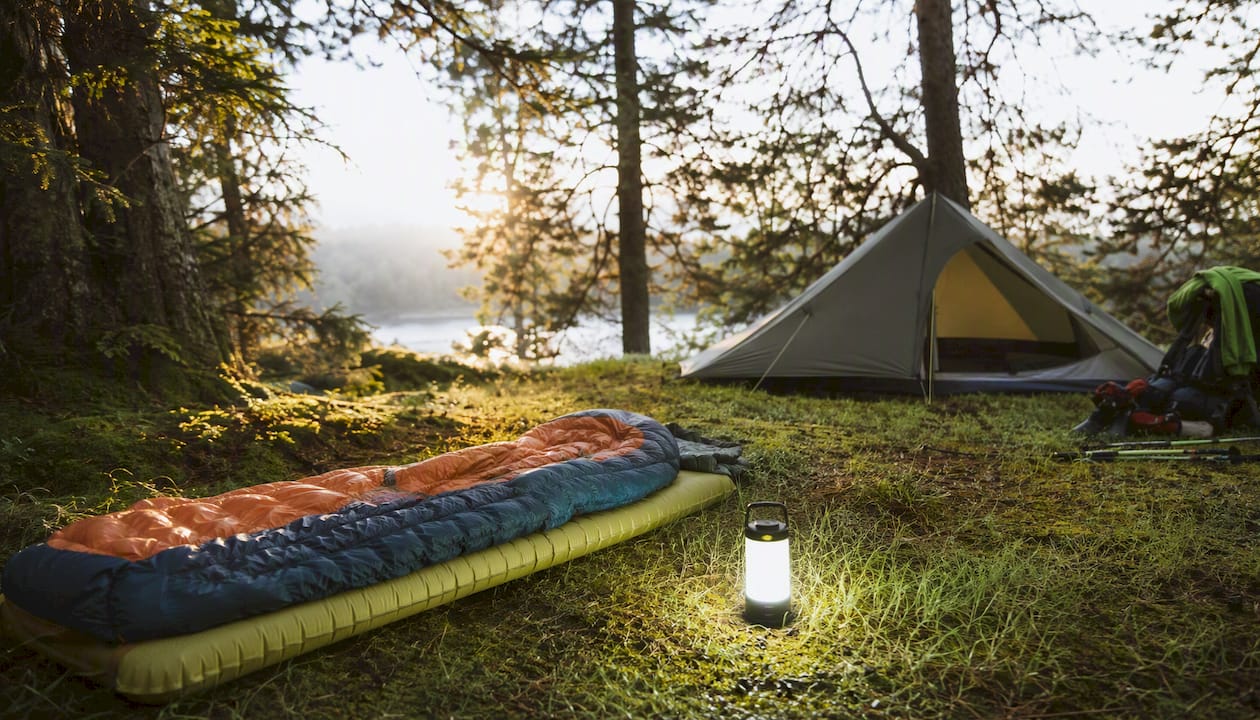
The Feathered Friends Hummingbird UL 20 (~1.1 lbs) is the gold standard for ultralighters who prefer a traditional mummy bag. Its 900-fill down delivers serious warmth-to-weight performance, and the construction quality means it’ll outlast cheaper bags by years. For quilt devotees, the Feathered Friends Tanager 20 CFL (~14 oz) is one of the most compressible options in the category, packing down to roughly the size of a large water bottle.
Modern quilts in 2026 include sewn footboxes and improved pad attachment systems that address the classic draft problem. The Big Agnes V-Notch 40 (~1.1 lbs) is a budget-friendlier quilt option that works well for three-season trips when you’re not pushing into cold shoulder-season territory.
Your pad’s R-value matters as much as your bag’s temperature rating. A quilt rated to 20°F loses effectiveness fast on a pad with an R-value below 2.
| Season | Recommended R-value | Pick |
|---|---|---|
| Summer (above 40°F nights) | R 2–3 | NEMO Tensor Elite |
| Three-season (25–40°F nights) | R 3–4 | Therm-a-Rest NeoAir XLite NXT |
| Shoulder season (below 25°F) | R 4.5+ | NeoAir XLite NXT or layered pads |
The NEMO Tensor Elite (~12 oz) hits the sweet spot for most three-season hikers: light, comfortable, and compact enough to strap to the outside of a 40L pack without drama. The Therm-a-Rest NeoAir XLite NXT (~12 oz) edges ahead on R-value for cold-sleepers and shoulder-season trips, though it’s noticeably crinkly — a small price for the warmth gain.
Packing tip: attach your quilt’s pad straps before rolling the pad, not after. It takes 30 seconds and prevents the quilt from shifting off the pad at 2 AM when the temperature drops.
The Soto WindMaster with 4Flex weighs 3.1 oz and earns its place in most ultralight kits by actually working in wind — a problem that sidelines cheaper canister stoves on exposed ridgelines. The 4Flex pot support folds flat and handles most ultralight titanium pots without wobble. Boil time is fast enough that you’re not standing around burning fuel waiting for ramen.
A few practical cook-system notes:
The Sawyer Micro Squeeze (~2 oz) is the default choice for most solo ultralight hikers. It works as an inline filter on a hydration bladder or as a squeeze filter with a standard Smartwater bottle, and it’s field-serviceable with a backflush syringe. Flow rate is slower than a pump filter but fast enough for most trail use.
When weight is the absolute priority — think summit pushes or ultralight day extensions — iodine or chlorine dioxide tablets (like Aquatabs or Katadyn Micropur) weigh under half an ounce and treat water in 30 minutes. They don’t remove particulates, so they’re a backup tool, not a primary system.
Safety note: never use a canister stove inside a tent or enclosed shelter. Carbon monoxide accumulates faster than you’d expect, and the risk is real even with a vestibule cracked open.
Layering for an ultralight kit follows a simple hierarchy: base layer worn, wind shirt or rain jacket packed, insulation packed. The goal is to carry the minimum protection that covers your worst expected conditions, not your worst imaginable ones.
The 7mesh Guardian Air (men’s, ~5 oz) is the standout pick for fastpackers and ultralight hikers who want genuine waterproof protection without a jacket that weighs more than their shelter. Its 2.5-layer construction is thin enough to stuff into a fist-sized bundle, and the weight-to-performance ratio is exceptional for a hardshell. The trade-off is abrasion resistance: brush-heavy trails will show wear faster than on a heavier jacket.
The Marmot Superalloy Bio Jacket (women’s, ~6 oz) addresses that durability concern with a bio-based 2.5-layer fabric that handles abrasion better than most ultralight shells at this weight. It’s a smart pick for women who spend time in scrubby terrain or who want a jacket that holds up across multiple seasons.
A one-ounce difference between these two jackets is genuinely negligible on a multi-day trip. What matters more is fit: a jacket that gaps at the wrists or rides up when you raise your arms is miserable in rain regardless of its weight.
Weight trade-off note: if your trip involves sustained rain or alpine exposure, accepting an extra 3–4 oz for a more breathable 3-layer shell (like the Arc’teryx Zeta SL or similar) is often the smarter call. A jacket you’re comfortable wearing all day beats a lighter one you stuff away because it’s clammy.
On long trips, carry a small sewing kit and a patch of Tenacious Tape. A pinhole in a rain jacket is a 30-second fix in camp; ignored, it becomes a soaked sleeping bag.
Trail runners beat lightweight boots for most three-season ultralight trips. They dry faster, weigh less, and let your feet move more naturally over varied terrain. The argument for boots — ankle support — is largely negated by the fact that lighter feet fatigue less and stumble less.
The Altra Lone Peak 9 (~9 oz per shoe) is the go-to recommendation for long-distance hikers who want zero-drop comfort and a wide toe box. The MaxTrac outsole handles most trail surfaces reliably, and the stack height is generous enough for rocky terrain without adding bulk. Expected durability is 400–600 miles depending on terrain and gait, which covers most thru-hiker sections between resupply points.
Poles reduce knee stress on descents, improve balance on stream crossings, and double as tent supports for trekking-pole shelters. For anyone carrying a Zpacks Duplex or Durston X-Mid Pro 1, poles aren’t optional — they’re structural.
The Durston Iceline (~4.5 oz per pole) is the ultralight choice when you need a pole stiff enough to reliably support a shelter. Carbon fiber construction keeps weight low without sacrificing the rigidity that a trekking-pole tent demands. The Fizan Compact 3 (~7 oz per pole) is the budget-friendly aluminum alternative: slightly heavier, but more forgiving if you’re hard on gear or new to trekking poles.
Footwear durability checklist:
Most accessories are easy to justify on paper and easy to regret in the field. The ones below have earned their grams.
Headlamps:
Water:
Repair:
Seating:
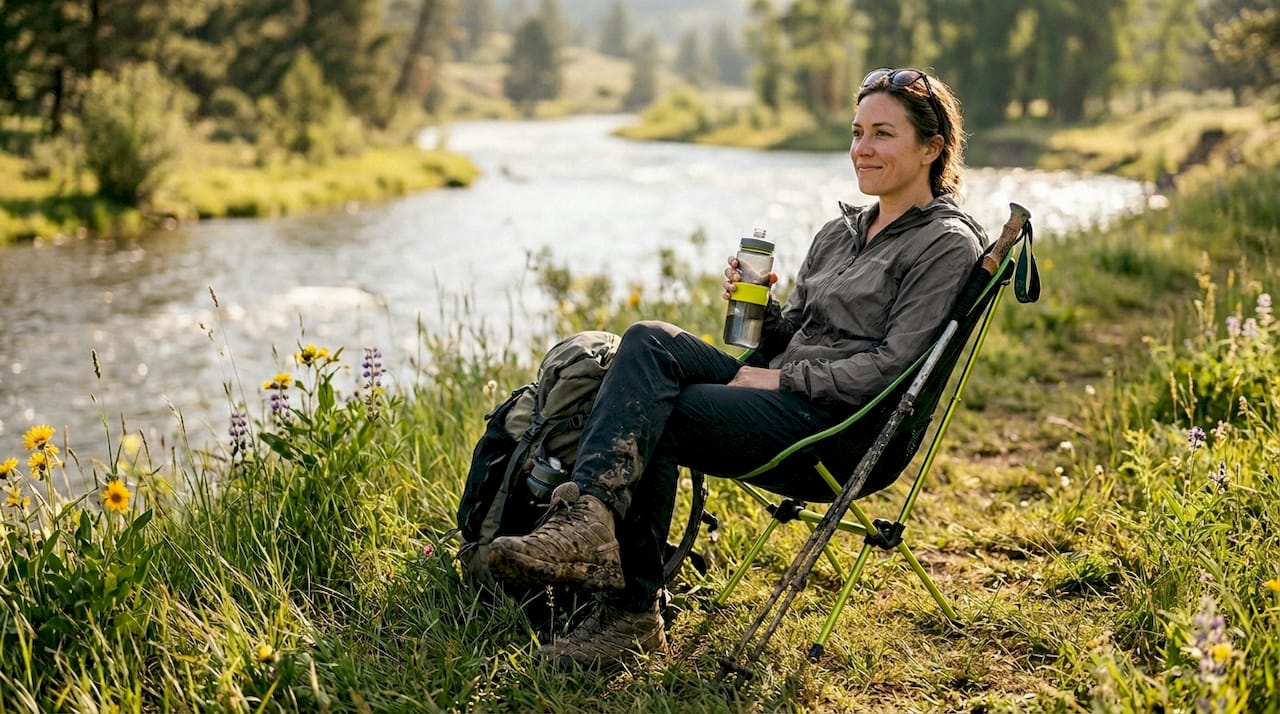
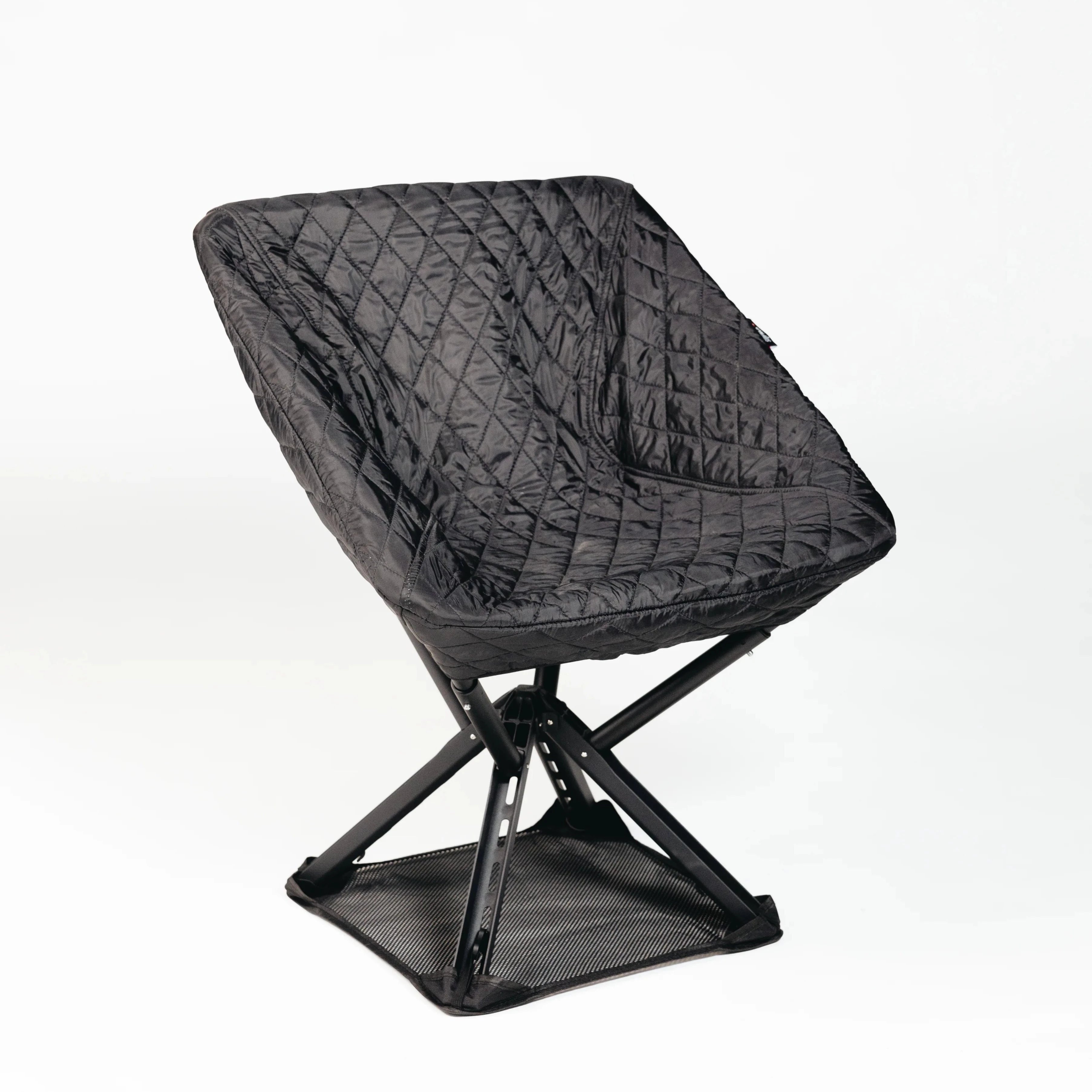
The Sitpack Campster II (~7 oz) is the kind of accessory that sounds like a luxury until you’ve spent four days eating dinner standing up or perched on a wet log. It folds into a compact package, sets up in seconds, and gives you a real seated position at camp without the bulk of a traditional camp chair. For hikers on trips longer than three days, or anyone who values a proper rest after a 20-mile day, those 7 oz are well spent. Check out Sitpack’s ultralight camping gear guide for more on where portable seating fits into a minimalist kit.
Pro Tip: Pack fragile accessories (headlamp, filter, power bank) inside a dry bag or a dedicated stuff sack near the top of your pack. It protects them from impact and means you’re not digging through your sleep system at 9 PM to find your headlamp.
For power, a 5,000 mAh USB-C battery (~3 oz) covers a week of headlamp charging and phone navigation. Anything larger is usually unnecessary unless you’re running a GPS device continuously.
Every product on this list was evaluated against a consistent set of criteria before making the cut.
Testing criteria:
Picks are reviewed annually, with mid-year updates when a manufacturer releases a significant revision. Reader and tester feedback is incorporated into each update cycle. The 2026 Backpacker gear testing roundup was cross-referenced for category picks and weight data.
Disclosure: Sitpack is the publisher of this article. The Campster II is included here as a client spotlight based on its genuine relevance to ultralight backpackers seeking compact seating solutions.
| Spec | Campster II |
|---|---|
| Weight | ~7 oz |
| Packed size | Very compact / pocket-friendly |
| Materials | Aluminum frame, durable fabric seat |
| Max load capacity | Not publicly listed |
| Warranty | Lifetime warranty |
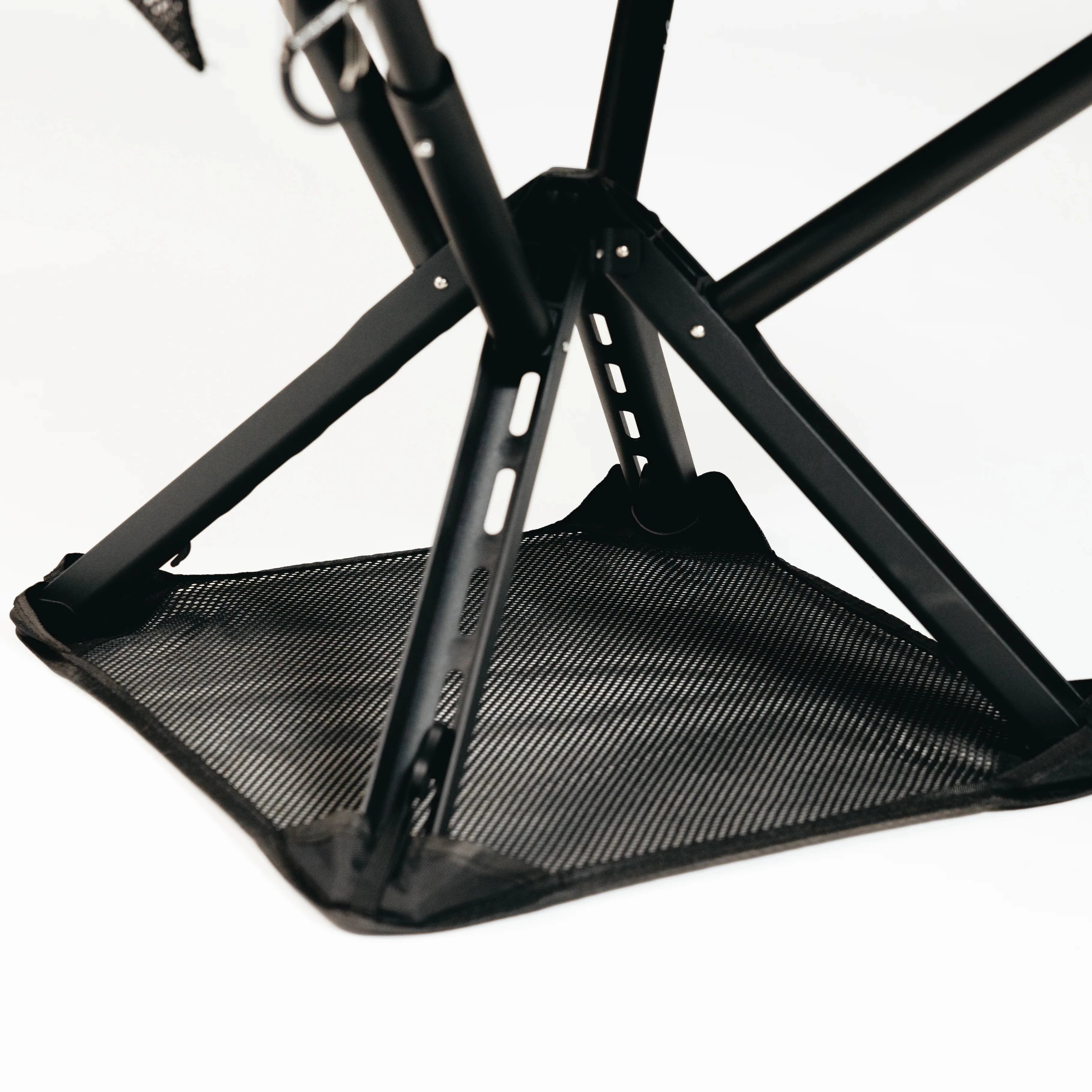
The Campster II is designed for exactly the scenario most ultralight hikers face: you want to sit down properly at camp without carrying a chair that weighs more than your shelter. It folds flat, sets up without tools, and gives you a stable seated position on most surfaces.
When it’s worth the grams:
When to leave it home:
For a deeper look at how portable seating fits into a lightweight hiking setup, Sitpack’s own guides cover the weight-vs-comfort calculus in practical detail.
The single most effective way to reduce base weight is to optimize the Big Three — shelter, sleep system, and backpack — before spending a dollar on any other category.
| Point | Details |
|---|---|
| Target base weight | Under 10 lbs (excluding food, water, and fuel) is the 2026 industry benchmark for ultralight kits. |
| Big Three first | Shelter, sleep system, and pack account for the majority of base weight; optimize these before accessories. |
| DCF saves the most grams | A DCF shelter and pack can bring base weight near 7.7 lbs, but trade abrasion resistance for gram savings. |
| Build gradually | Start with the highest-impact Big Three item and upgrade over time; used gear is a legitimate path to sub-10 lbs. |
| Sitpack Campster II | It adds real camp comfort for multi-day trips without a meaningful base-weight penalty. |
Ultralight backpacking gets a reputation for being all-or-nothing, and that reputation is mostly wrong. The gear above can get you to a sub-10-lb base weight, but whether that’s the right target depends entirely on where you’re going and how you travel.
For well-marked three-season trails in the lower 48 — think the John Muir Trail, the Long Trail, or the Colorado Trail — an ultralight kit is almost always the right call. You move faster, your knees thank you, and the weight savings compound over a long day in ways that are hard to appreciate until you’ve experienced both sides of the equation.
Where I’d pump the brakes on pure ultralight thinking: off-trail travel in technical terrain, trips into genuinely unpredictable alpine weather, and any situation where a gear failure has serious consequences. For example, a DCF shelter is a brilliant piece of engineering until it snags on a sharp rock at 11,000 feet in a storm. In those conditions, the extra 12 oz of a double-wall nylon tent is not a compromise — it’s the correct decision.
The other thing worth saying plainly: building an ultralight kit all at once is expensive and unnecessary. A staged approach — Big Three first, accessories over time, used gear where possible — gets most hikers to a genuinely light setup without a single painful credit card moment. The gear on this list ranges from $30 (Princeton Tec SNAP) to $700 (Zpacks Duplex), and you don’t need all of it at once. Start with what you carry most, upgrade what hurts most, and let the kit evolve with your trails.
You’ve just worked through a full ultralight kit — shelter, sleep system, pack, stove, the works. Here’s one more piece worth adding to your shortlist before you head out.
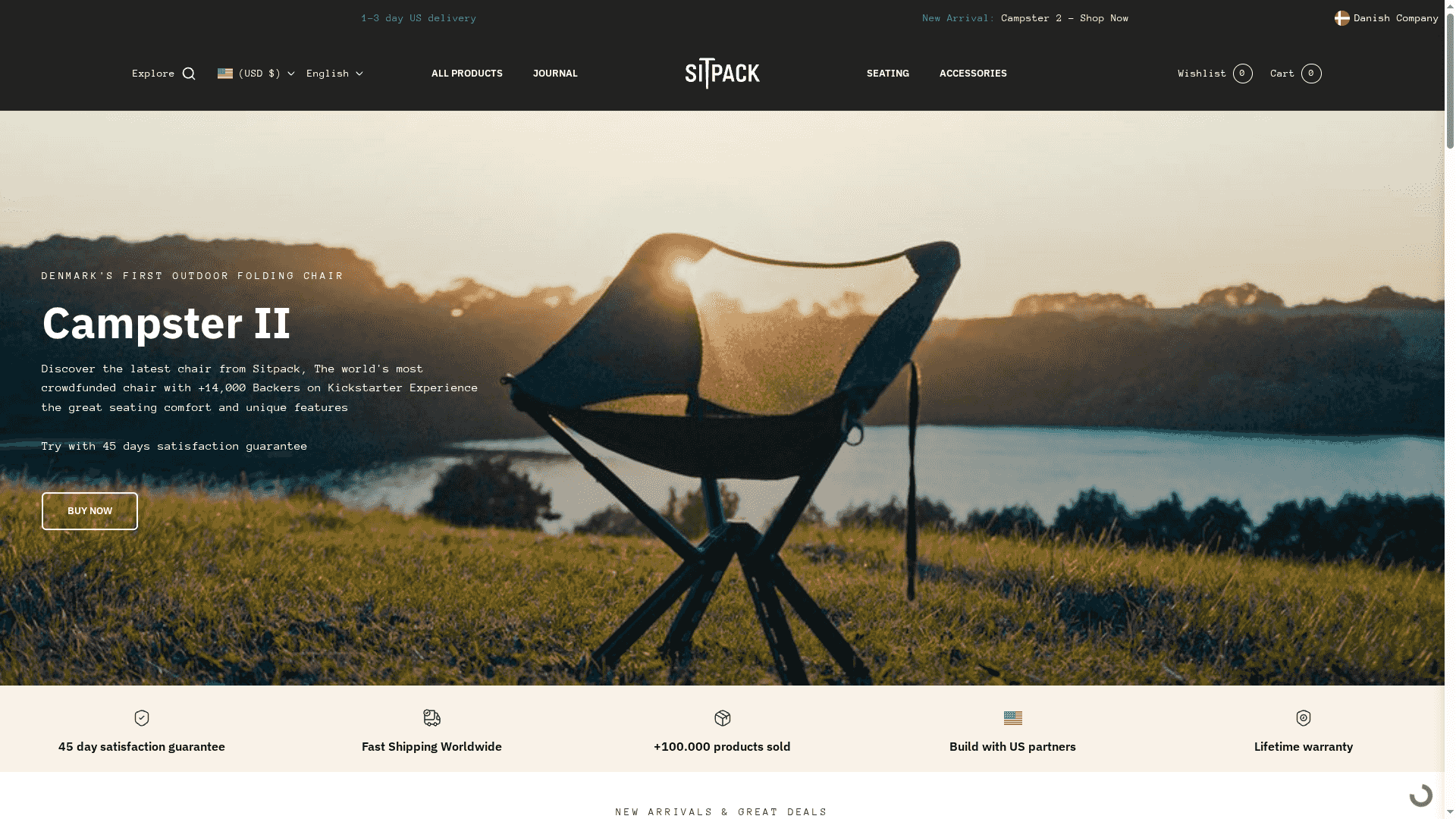
The Sitpack Campster II is a foldable, portable seat built for exactly the kind of backpacker this article is written for: someone who cares about grams but also cares about sitting down properly after a long day on trail. At ~7 oz, it fits in a hip belt pocket, sets up in seconds, and comes with a lifetime warranty. It’s not trying to replace a camp chair — it’s trying to replace the wet log you’ve been using instead.
Sitpack ships worldwide, offers a 45-day satisfaction guarantee, and the Campster II is available directly at sitpack.com. Compare the specs against other seating options before you buy, and check the weight against what you’re already carrying — it tends to win that comparison.
Disclosure: Sitpack is the publisher of this article. This section is a client spotlight.
A note on weights: manufacturer-stated weights are used where lab-verified figures are unavailable. Always weigh your own gear before a trip — production tolerances vary, and a 0.5-oz discrepancy across ten items adds up to a meaningful surprise at the trailhead.
For full pack lists, community-tested weight reports, and the latest SKU updates, check manufacturer pages directly. Gear specs change between production runs, and a model number that was accurate in early 2026 may carry a revised weight by the time you read this.