カート
0
サインアップすると注文から 10 ドル割引になります
配達予定
1〜3日
こちらもおススメ


デンマークの会社

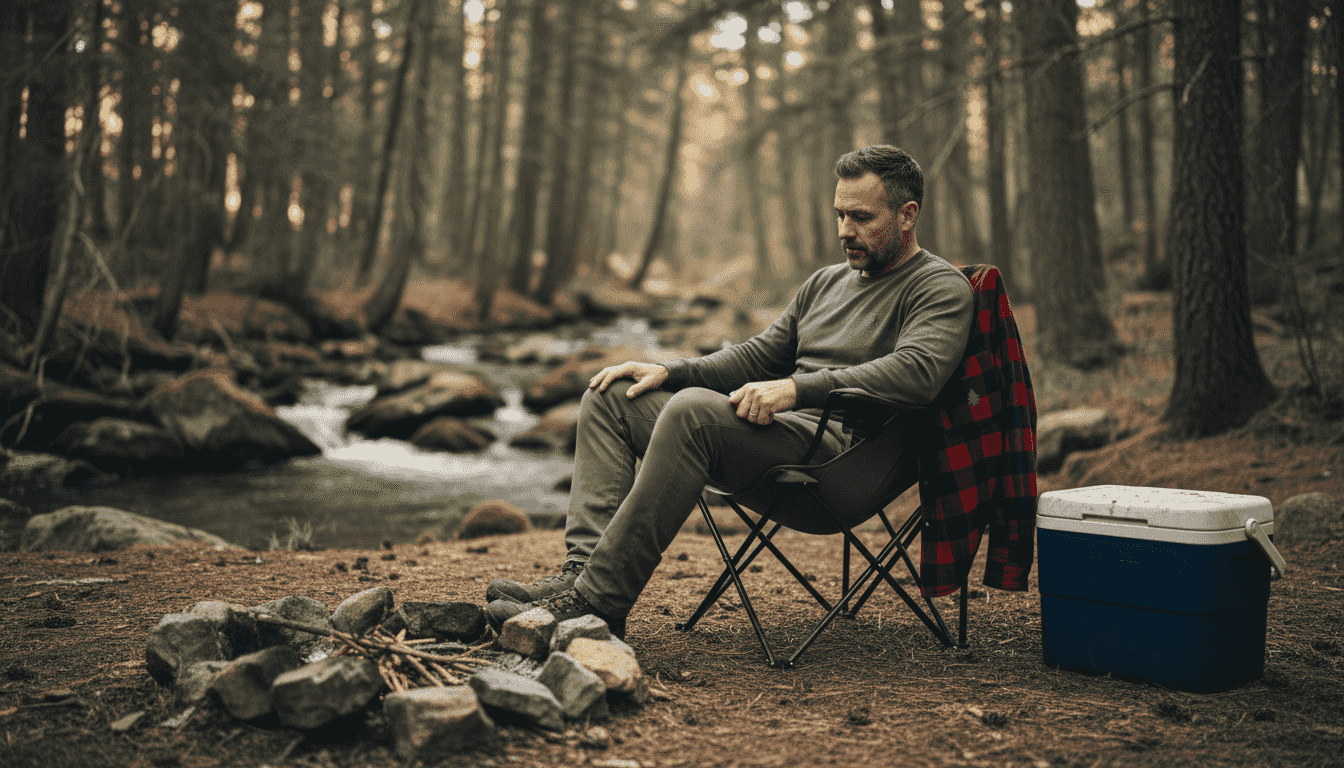
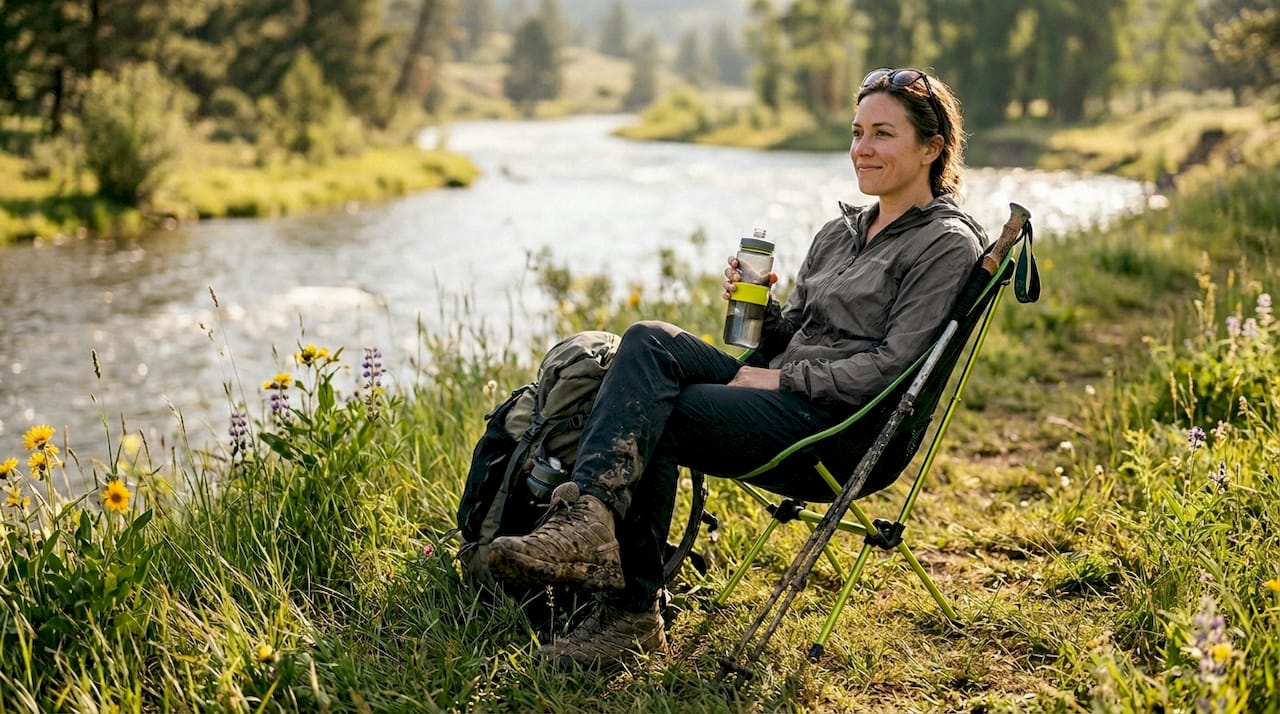
Finding a chair that stands up to the wilds of Patagonia or the relentless sun on an Australian beach is tougher than it looks. For eco-conscious adventurers, true durability goes beyond surface strength—it means choosing designs that resist hidden wear and environmental damage. Many overlook that structural features and quality materials do most of the work, not just how sturdy a chair looks. Discover the real meaning behind chair durability and see how informed choices lead to fewer replacements, less waste, and comfortable journeys season after season.
| Point | Details |
|---|---|
| True Durability Involves Multiple Factors | Durability is influenced by material integrity, structural design, and component quality rather than just visible strength. |
| Common Myths Mislead Purchasers | Not all steel frames are equally durable, and weight alone does not determine strength or longevity. |
| Investing in Durable Chairs is Cost-Effective | Durable chairs may have a higher upfront cost but save money in the long run due to fewer replacements and lower annual costs. |
| Material Choice Plays a Critical Role | Selecting the right materials enhances performance and longevity, preventing issues like rust and failure during outdoor use. |
Chair durability isn’t just about how long a chair lasts—it’s about how well it performs under real-world conditions. Think of it like the difference between a car that runs and a car that runs reliably for 10 years.
True durability comes from understanding that chair durability involves material quality and design integration, not just visible strength. Your outdoor chair needs to resist weather, handle weight shifts, and maintain comfort through countless use cycles.
Durability combines multiple factors working together:
Here’s the catch: a chair can look sturdy and still fail. Invisible factors like weld quality, frame alignment, and material grade determine real longevity.
True durability isn’t about visible strength—it’s about how materials, design, and components work together to resist failure under real-world outdoor conditions.
Myth 1: All Steel Frames Are Equally Durable
Not even close. Steel quality depends on grade, weld integrity, and base construction, not just the material name. A frame using low-grade steel with poorly executed welds fails faster than lightweight aluminum with continuous welds and robust engineering.
Myth 2: Heavier Always Means Stronger
Weight alone doesn’t equal durability. A poorly designed heavy chair can collapse while a well-engineered lightweight chair outlasts it by years. Strategic material placement matters more than total mass.
Myth 3: Only Visible Damage Affects Durability
This is where most buyers get fooled. Structural weaknesses, material fatigue, and internal corrosion work invisibly. You won’t see them until the chair fails—often at the worst moment during your camping trip.
Myth 4: Expensive Chairs Always Last Longer
Price doesn’t guarantee durability. Smart engineering and quality control beat premium pricing every time. Some mid-range chairs outlast expensive alternatives because manufacturers prioritized substance over aesthetics.
Your chair faces challenges urban users never encounter. Temperature swings, humidity, sand, UV exposure, and frequent transport stress components differently. A durable outdoor chair needs to handle this punishment without becoming a waste-disposal problem in three seasons.
Investing in genuine durability means fewer replacements, less environmental impact, and more reliable comfort during your adventures.
Pro tip: Before buying, check whether the manufacturer specifies material grades, weld types, and component sources—these details reveal true durability better than marketing claims.
Material choice determines everything about your outdoor chair’s performance. The wrong choice means rust stains on your gear, creaking joints, and a trip to the landfill after one season. The right choice means reliability through countless adventures.
Different materials handle outdoor stress differently. Your chair encounters UV rays, temperature swings, moisture, and constant weight cycling—conditions that separate genuinely durable materials from ones that simply look good in showrooms.
Understanding outdoor seating material types helps you make smarter decisions about what will actually last.
Aluminum
Aluminum offers an excellent strength-to-weight ratio. It resists rust naturally and handles temperature swings without cracking or warping. Lightweight aluminum chairs are portable without feeling flimsy when engineered properly.
Steel
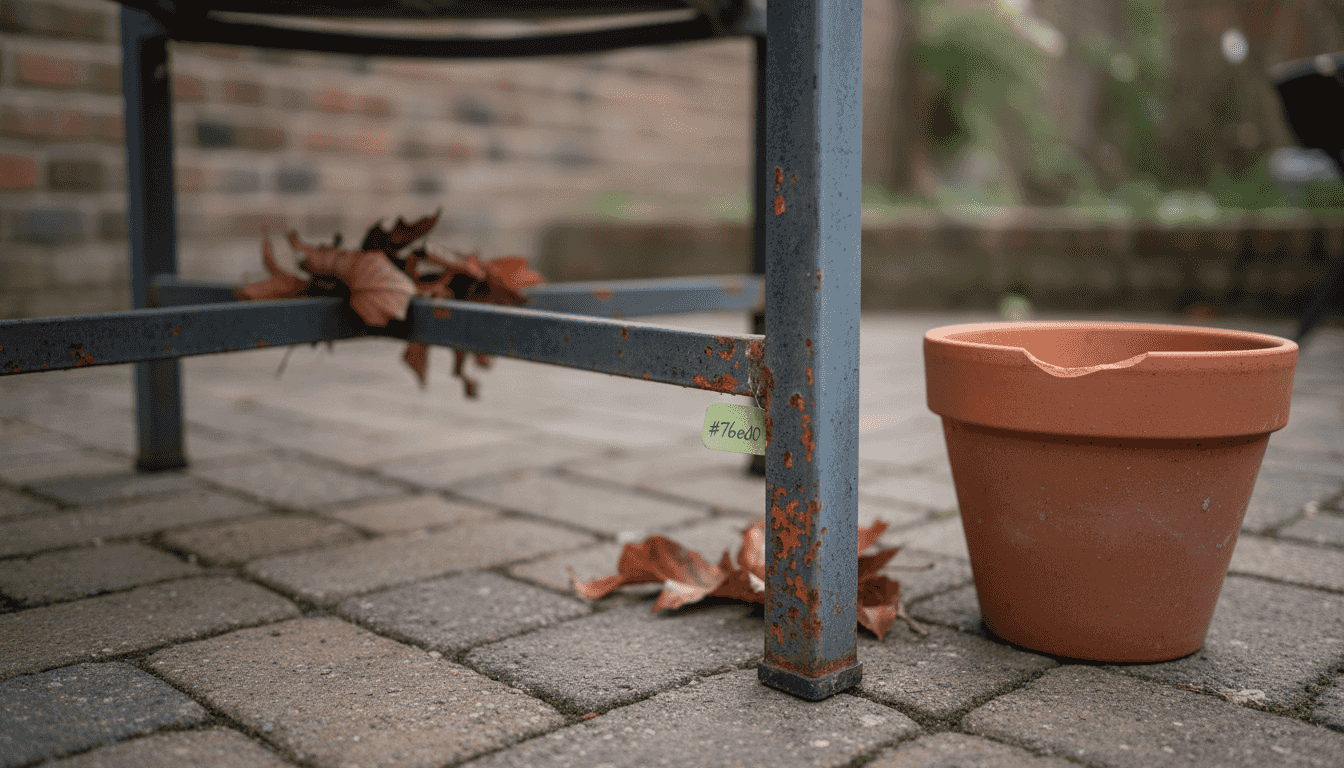
Steel provides raw strength but requires protective coatings to resist corrosion. High-quality powder-coated steel can outlast aluminum if maintained carefully. The trade-off: heavier weight and vulnerability to rust if the coating chips.
Fabric and Textiles
Seat materials matter as much as frames. Look for high-denier fabrics treated for UV resistance and quick-drying properties. Standard fabric deteriorates within months of outdoor exposure—premium textiles last years.
Composite Materials
Modern composites (reinforced polymers) eliminate rust concerns entirely. They resist moisture, UV, and temperature changes while remaining lightweight. Manufacturing precision matters here more than raw material cost.
Here’s how common outdoor chair materials perform across different stresses:
| Material Type | Durability Against Weather | Maintenance Needs | Eco Impact |
|---|---|---|---|
| Aluminum | Excellent; resists rust | Low; wipe clean | Highly recyclable |
| Steel | Very good; needs coating | Moderate; check for rust | Can be recycled |
| Fabric/Textiles | Varies; can degrade quickly | Needs UV treatment | Biodegradable if natural fibers |
| Composite Polymer | Outstanding; resists moisture | Minimal; easy to clean | Mixed; depends on polymer source |
Material choice alone doesn’t guarantee durability—protection (coatings, finishes, treatments) matters equally in determining how long your chair survives outdoors.
Eco-conscious adventurers should prioritize materials that last decades, not seasons. A durable chair you keep for 10 years beats replacing cheap chairs repeatedly, even if the initial cost is higher.
Pro tip: Check for coatings and finishes in the product specifications—powder-coat thickness, UV-protective sealants, and rust-inhibiting primers are worth comparing before purchasing.
Not all chairs are built the same way. Some designs fail within a season while others handle decades of outdoor punishment. The difference lies in specific features that separate durable chairs from temporary seating solutions.
Think of durability features as insurance against premature failure. Each one addresses a real-world stress point that breaks cheap chairs and frustrates adventurers mid-trip.
Reinforced Joints and Connection Points
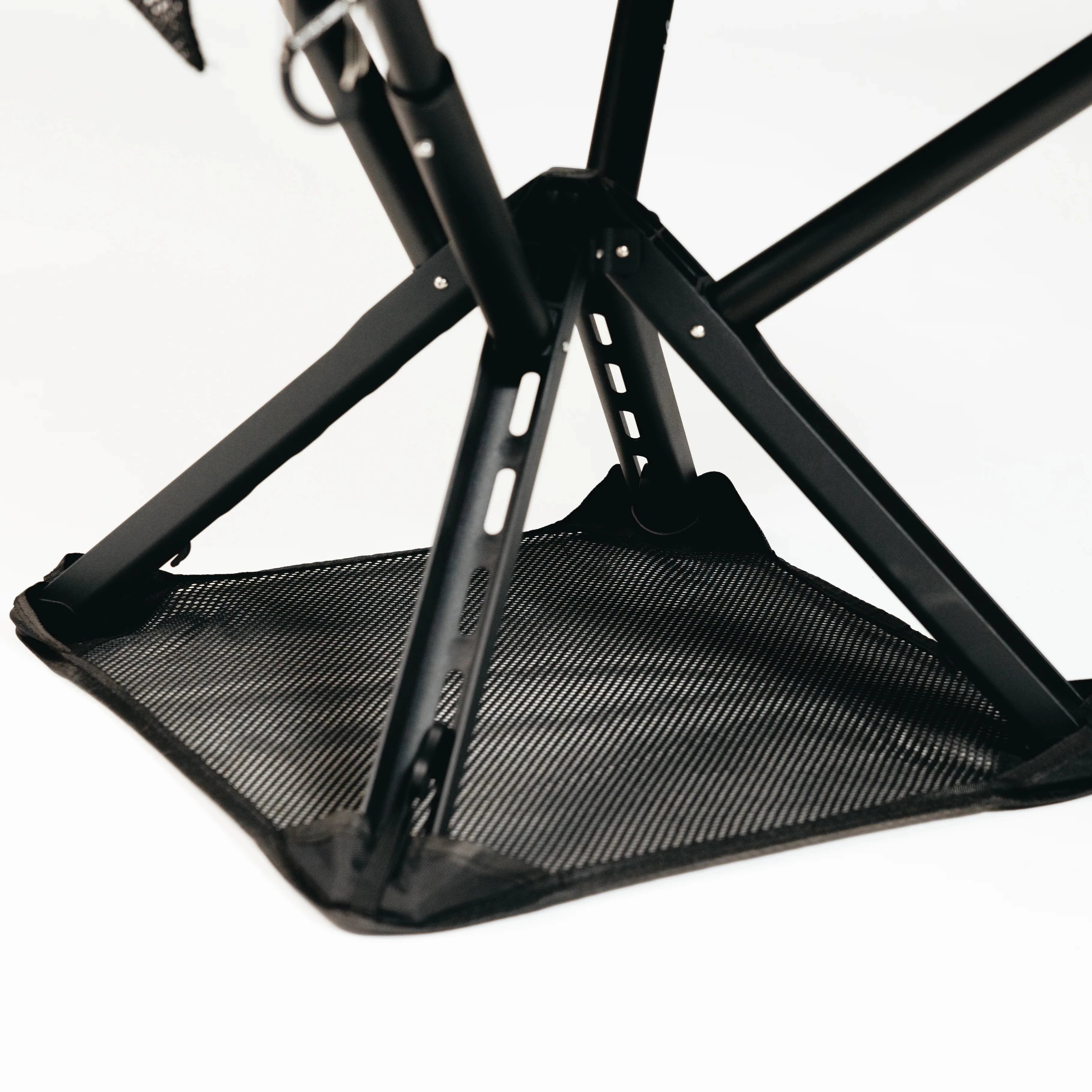
Welds, bolts, and fastener connections are failure zones. Quality chairs use continuous welds rather than spot welds, higher-grade bolts with locking mechanisms, and redundant connection points. Loose fasteners accelerate wear exponentially—one failing bolt creates stress on neighboring connections.
Multi-Point Base Support
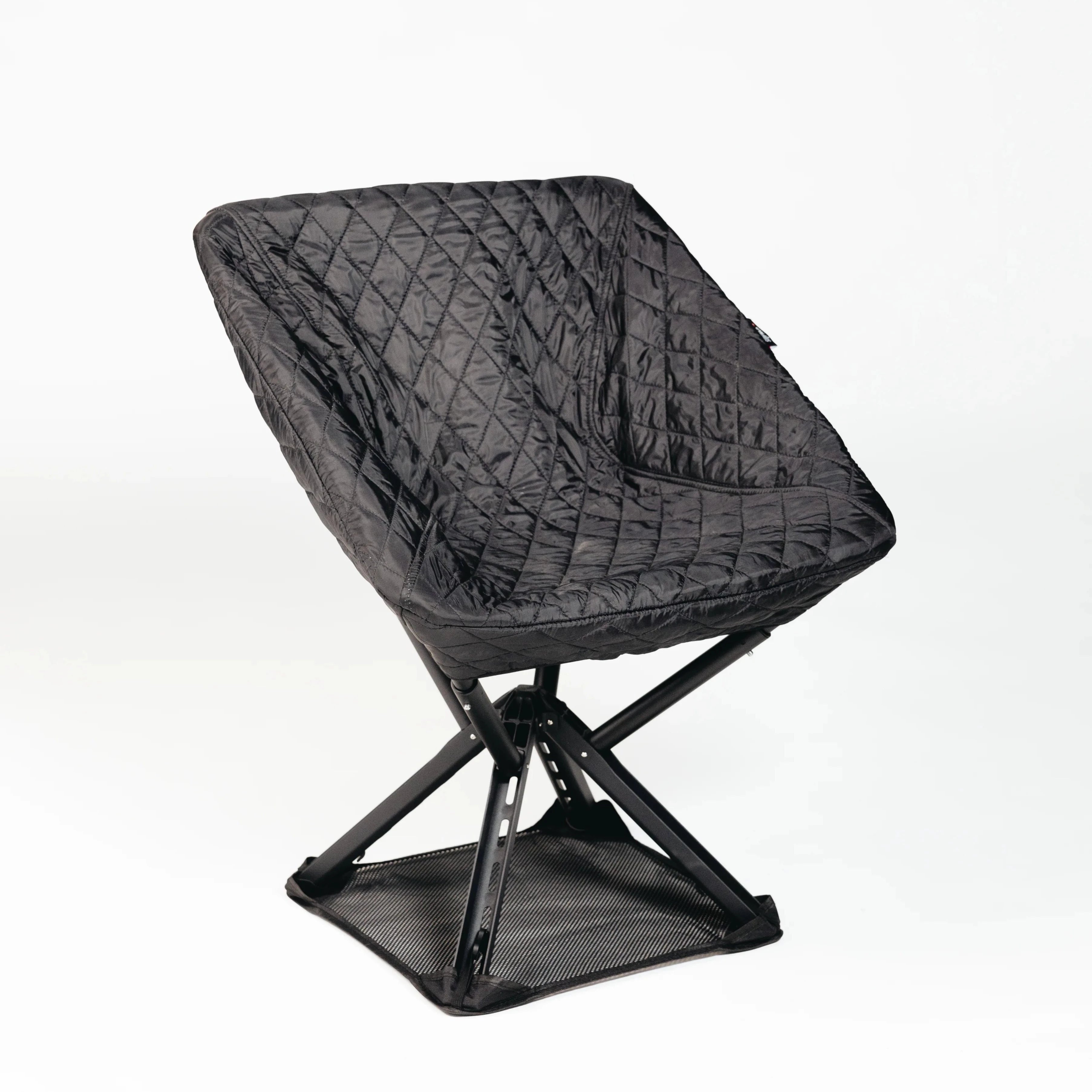
A four-point or wider base distributes weight more evenly than tripod designs. Wider stance prevents tipping and reduces stress concentration on single support legs. This seemingly simple feature dramatically extends lifespan under uneven terrain.
Frame Geometry and Alignment
Proper weight distribution prevents frame warping. Angled supports and cross-bracing absorb stress more effectively than straight frames. Engineers design these angles specifically to match typical user weight and movement patterns.
Ergonomic chair design principles reduce physical strain and prevent stress patterns that accelerate wear.
Features that enhance durability through better ergonomics include:
Features that feel good to use—proper support, adjustability, quality materials—directly extend chair durability by reducing stress patterns and protecting components from damage.
Advanced chairs use variable density padding where denser material supports high-stress zones and softer material provides comfort. This targeted approach prevents material breakdown in pressure points while maintaining the chair’s shape longer.
Flexible frameworks instead of rigid structures absorb impact from uneven ground. Rigidity sounds strong, but flexibility actually distributes stress across more components, preventing single-point failures.
Outdoor adventurers benefit most from chairs designed for movement and adaptation—features that let you adjust the chair to your body, not the reverse.
Pro tip: When comparing chairs, test whether major adjustment points (height, recline, armrests) feel rock-solid without wiggling—loose adjustable features indicate poor build quality that will worsen with use.
Cheap chairs seem like budget wins until they fail during your trip. Then you’re stuck with back pain, a broken seat, and waste that haunts you for years. Non-durable chairs create cascading problems that extend far beyond the moment they break.
The real cost isn’t just replacement—it’s health impact, environmental damage, and lost adventure time. Understanding these risks clarifies why durability matters for outdoor adventurers.
Poor seating impacts your body in ways that worsen over time. Poor posture from inadequate chair support causes musculoskeletal disorders that extend beyond your camping trip.
Non-durable chairs typically lack proper support features, leading to:
One camping weekend on a terrible chair can trigger pain that lingers for weeks. Multiple trips compound the damage exponentially.
Non-durable chairs become landfill quickly. You buy a cheap chair, use it for one season, then trash it. Multiply this by thousands of outdoor enthusiasts and you’re looking at massive waste.
Durable chairs cost more upfront but spread that cost across 10+ years of use. A $200 chair lasting one season costs $200 per year. A $300 chair lasting 10 years costs $30 per year. The durable option wins economically and environmentally.
Structural failure happens without warning. A chair collapses mid-use when welds crack or fasteners loosen. You’re suddenly on the ground, potentially injured, far from medical help.
Outdoor environments amplify these risks. Rocky terrain, beach sand, temperature swings—these accelerate failure in cheaply-made chairs. You can’t fix a broken chair on a remote trail.
Using non-durable chairs turns outdoor adventures into health risks, environmental waste, and financial inefficiency—investing in durability protects your body, your wallet, and the planet.
Initial discomfort becomes chronic pain becomes serious injury. Inadequate seating support escalates into long-term health complications that require medical intervention.
Your outdoor chair influences your overall posture patterns. Using it regularly reinforces poor positioning that affects your daily life beyond camping. This cumulative damage is difficult to reverse.
Pro tip: Before purchasing, test whether the chair provides firm lumbar support and even weight distribution—if you feel pressure points or slouching within 15 minutes of sitting, that chair will cause problems on longer trips.
Durable chairs create a ripple effect that benefits your wallet and the planet simultaneously. This isn’t virtue signaling—it’s practical math that favors eco-conscious adventurers who value long-term thinking over quick fixes.
The “buy once, buy well” philosophy transforms how we consume outdoor gear. Instead of replacing chairs every season, you invest in equipment that grows more valuable through years of reliable service.
A $100 chair lasting one year costs $100 annually. A $250 durable chair lasting ten years costs $25 annually. Over a decade, the durable option saves you $750 while keeping waste out of landfills.
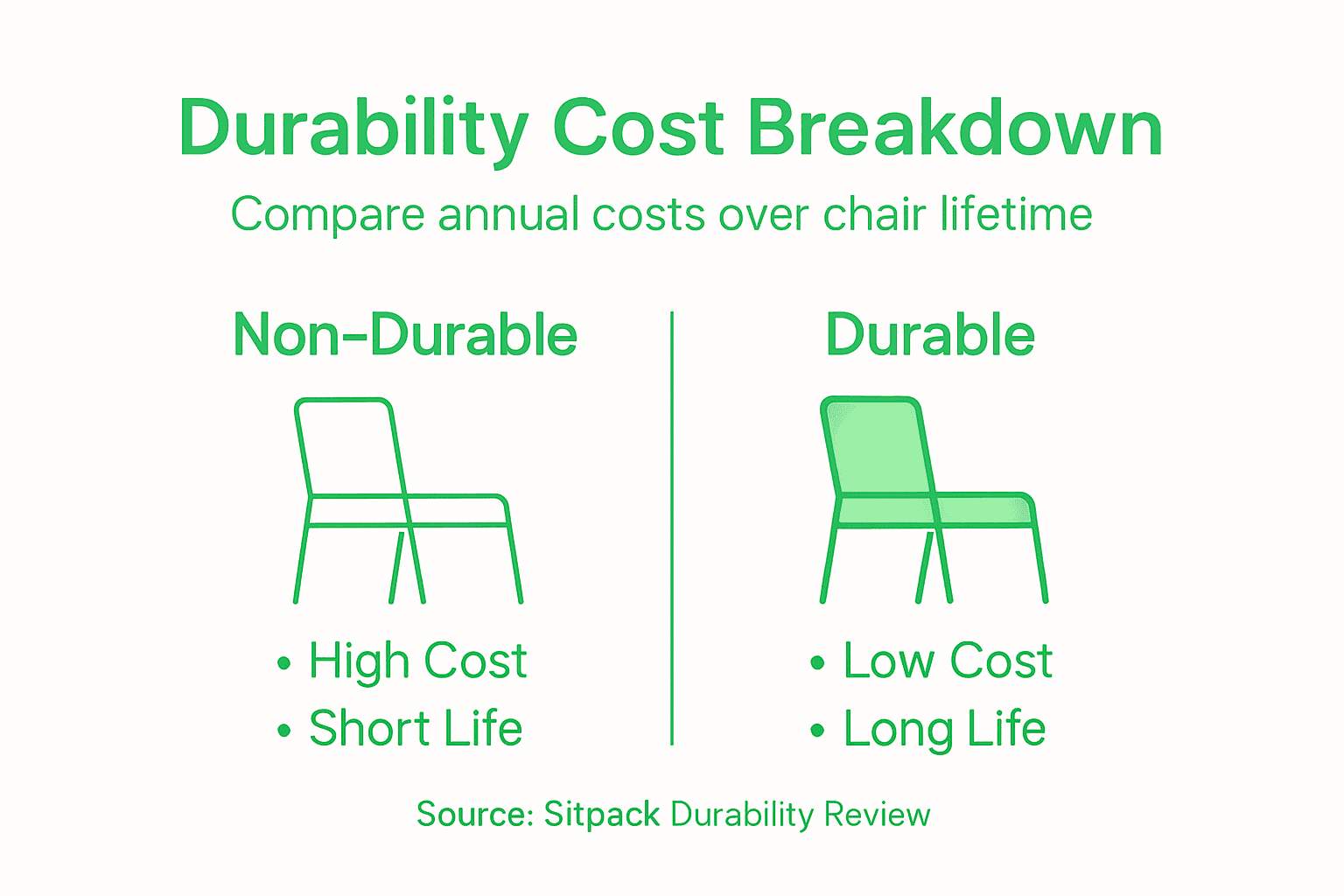
Compare the long-term costs of durable versus non-durable chairs:
| Chair Type | Initial Cost | Lifespan | Annual Cost |
|---|---|---|---|
| Durable Chair | $250 | 10 years | $25 per year |
| Non-Durable Chair | $100 | 1 year | $100 per year |
| Mid-Range Chair | $200 | 3 years | $67 per year |
| Premium Chair | $400 | 12 years | $33 per year |
This calculation multiplies across your entire outdoor setup. Durable equipment compounds savings exponentially, making responsible purchasing feel like a financial superpower.
Durable outdoor furniture reduces raw material consumption and manufacturing waste through decreased replacement cycles. Every time you avoid buying a new chair, you prevent:
Scale this across thousands of outdoor enthusiasts choosing durability, and you’re looking at massive environmental impact prevention.
Durable design drives manufacturing innovation. Lean production processes, quality materials, and robust engineering reduce waste during creation itself. Manufacturers building durable chairs operate more efficiently—less scrap, fewer defects, optimized resource use.
This efficiency translates to lower production costs, which benefits consumers through better pricing on quality equipment.
Choosing durable chairs reduces your ecological footprint more effectively than any single purchasing decision—one chair lasting a decade prevents nine replacements and their associated environmental impact.
Durable chairs appreciate through reliability. A quality chair functions better after years than a budget alternative does fresh from the box. This sustained performance means fewer repairs, no unexpected failures, and consistent comfort across trips.
You also avoid the hidden costs of replacement: research time, shipping delays, frustration when new chairs disappoint.
The “buy once, buy well” approach minimizes ecological footprints through sustainable consumption patterns. This mindset aligns with eco-conscious values that drew you to outdoor adventure in the first place.
Choosing sustainable outdoor furniture signals demand for responsible manufacturing. Market pressure shifts production toward durability and environmental stewardship.
Pro tip: When evaluating chair prices, calculate the true annual cost over expected lifespan—a more expensive durable chair often costs less per year than budget alternatives, while eliminating replacement hassle and environmental guilt.
Struggling with outdoor chairs that fail unexpectedly or cause discomfort during your adventures? The article highlights the critical importance of material integrity, structural design, and weatherproofing to ensure real durability—factors often overlooked when choosing outdoor seating. Don’t settle for heavy or cheap chairs that hide internal weaknesses or degrade quickly under nature’s harsh conditions.
At Sitpack, we understand these challenges and have crafted innovative portable, foldable chairs like the Campster II and Sitpack Zen that prioritize lightweight strength, durability, and user comfort. Whether you need seating that resists UV damage, withstands temperature cycling, or delivers ergonomic support, our products combine smart design with tested materials to last through years of outdoor use.
Discover our collection designed specifically for campers, travelers, and outdoor enthusiasts seeking reliable comfort without compromise.
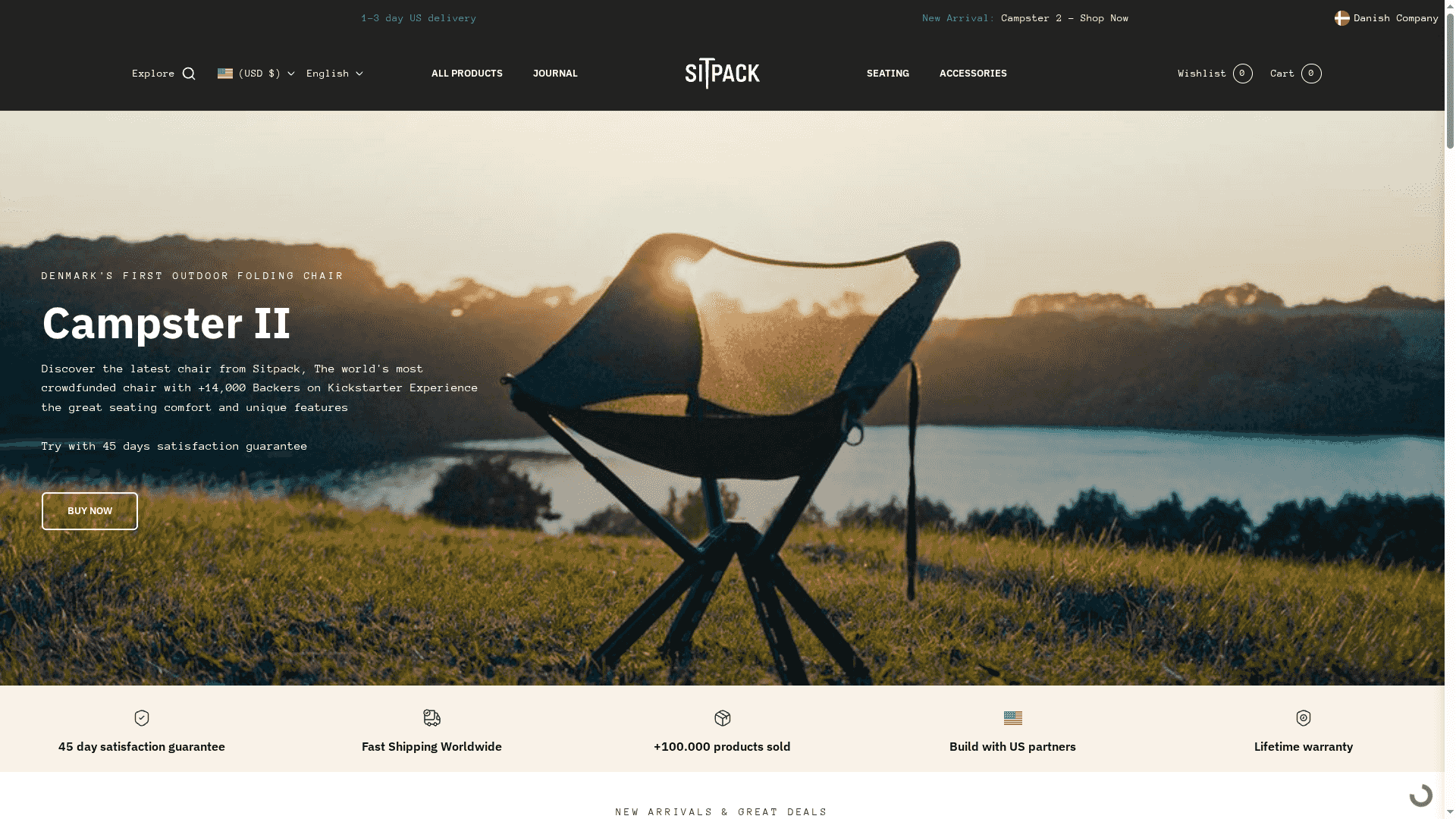
Explore Sitpack’s durable, eco-friendly seating options now and invest in a chair built to endure your outdoor lifestyle. Visit Sitpack today and enjoy fast worldwide delivery along with our 45-day satisfaction guarantee. Don’t wait until your chair fails—choose durability and comfort that keep up with your adventures.
Aluminum, high-quality steel, and modern composites are the best choices for durability. Aluminum resists rust, while properly coated steel provides strength. Composites eliminate rust concerns altogether.
Look for details like material grade, weld types, connection designs, and protective coatings. Chairs with reinforced joints, ergonomic features, and multi-point base support tend to have greater longevity.
Weight alone is not a reliable indicator of durability. A well-engineered lightweight chair can outlast a poorly designed heavy one. Factors like material distribution and structural design are more important.
Using non-durable chairs can lead to structural failures, resulting in physical injuries. They can also cause long-term health issues due to poor support, environmental waste from frequent replacements, and unexpected financial costs.