カート
0
サインアップすると注文から 10 ドル割引になります
配達予定
1〜3日
こちらもおススメ


デンマークの会社

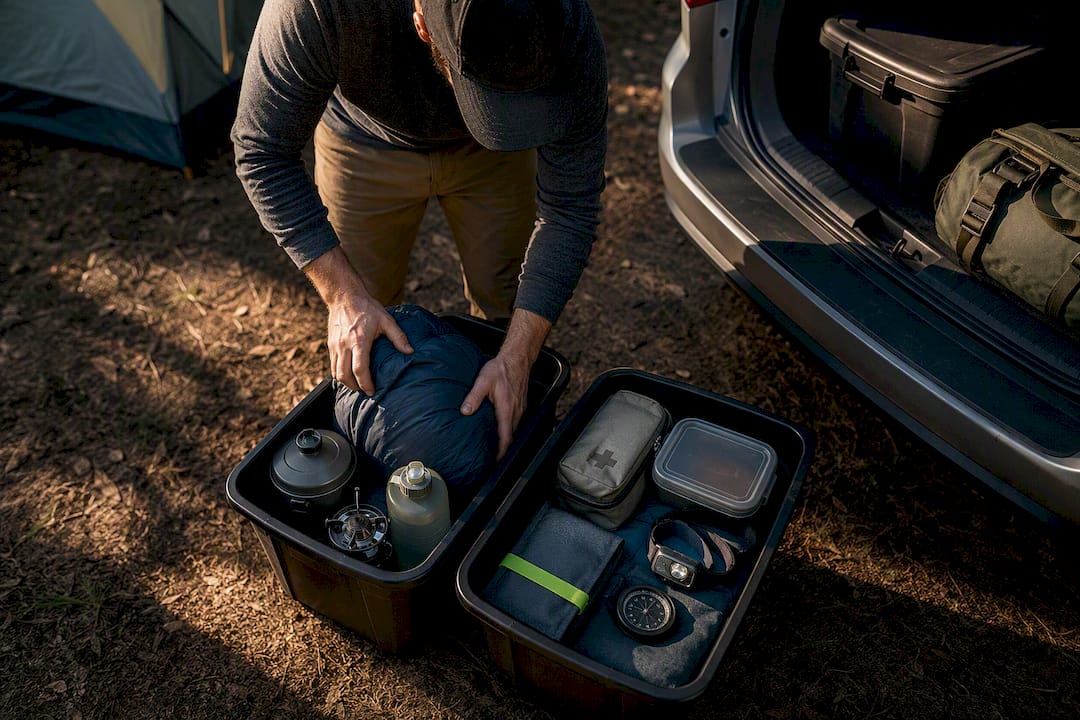
The non-negotiables are shelter, a sleep system, water, food and a way to cook it, light, a first-aid kit, and basic navigation or phone power. Get those seven categories right and you can survive a rough night. Everything else in this guide breaks down into core versus optional gear by category so you can customize for trip length, group size, and climate before you load the car.
TL;DR:
- Proper shelter depends on choosing a tent sized for your group, with three-season options recommended for most North American trips, and extra stakes and a ground cloth are advisable.
- A sleep system should include a bag rated about 10 degrees colder than expected outdoor temperatures, with the pad’s R-value being crucial for warmth, especially in cold weather.
- Carry enough fuel for your stove, pack basic cookware, and store food properly in sealed containers or bear-resistant storage to prevent wildlife conflicts.
- Pack layers for all weather conditions, emphasizing moisture-wicking base layers, insulation, and waterproof shells, along with appropriate footwear for trail and camp use.
- An emergency kit with a space blanket, whistle, backup power, and a written trip plan is essential, especially in remote areas, regardless of trip length or experience level.
Your tent is the biggest decision on this list, and it comes down to three numbers: capacity, season rating, and packed weight. A “4-person” tent fits four sleeping pads with zero elbow room, so beginners are usually happier sizing up one notch. Three-season tents cover spring through fall in most of North America; four-season tents add pole strength and less mesh for wind and snow, at the cost of extra weight and heat retention in summer.
Stakes matter more than people think. The flimsy aluminum stakes bundled with budget tents bend in rocky or root-heavy ground, so pack a few extra and a small rubber mallet if you’re car camping. A footprint (a ground cloth cut to your tent’s dimensions) protects the floor from moisture and abrasion, and most park guidelines allow one under your tent even where loose ground tarps aren’t permitted.
Lighting works best as a two-tool system:
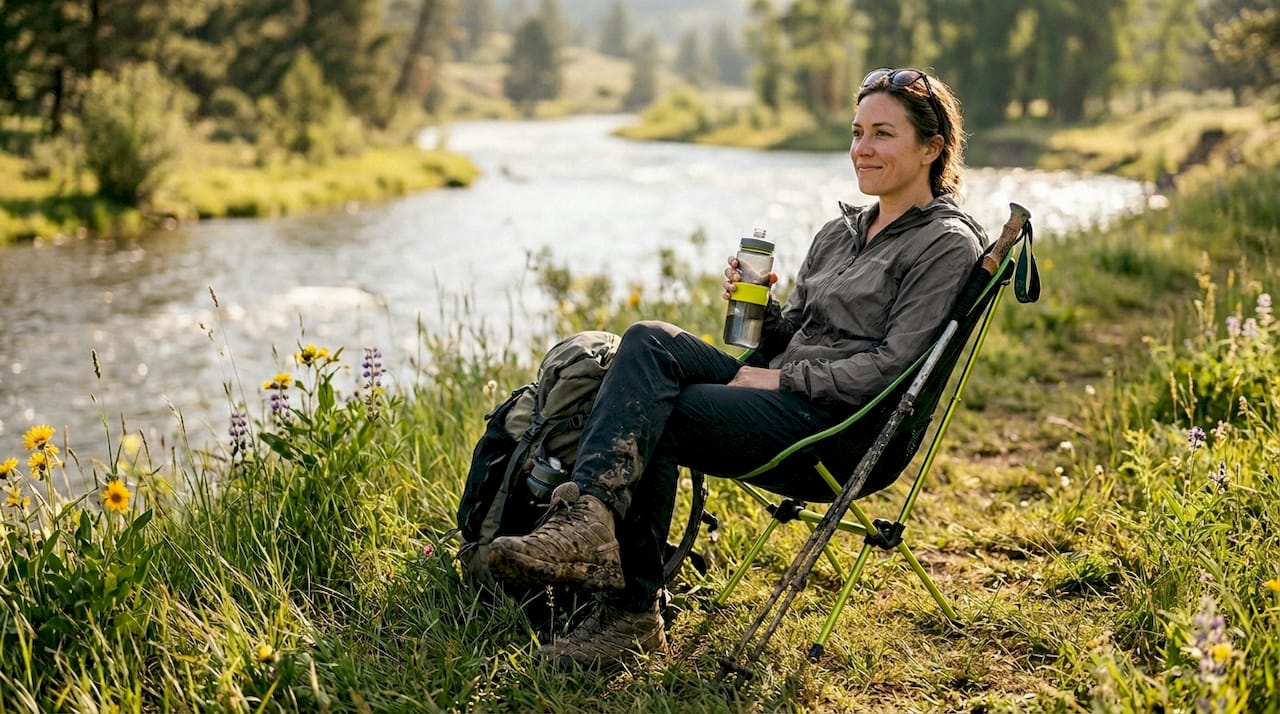
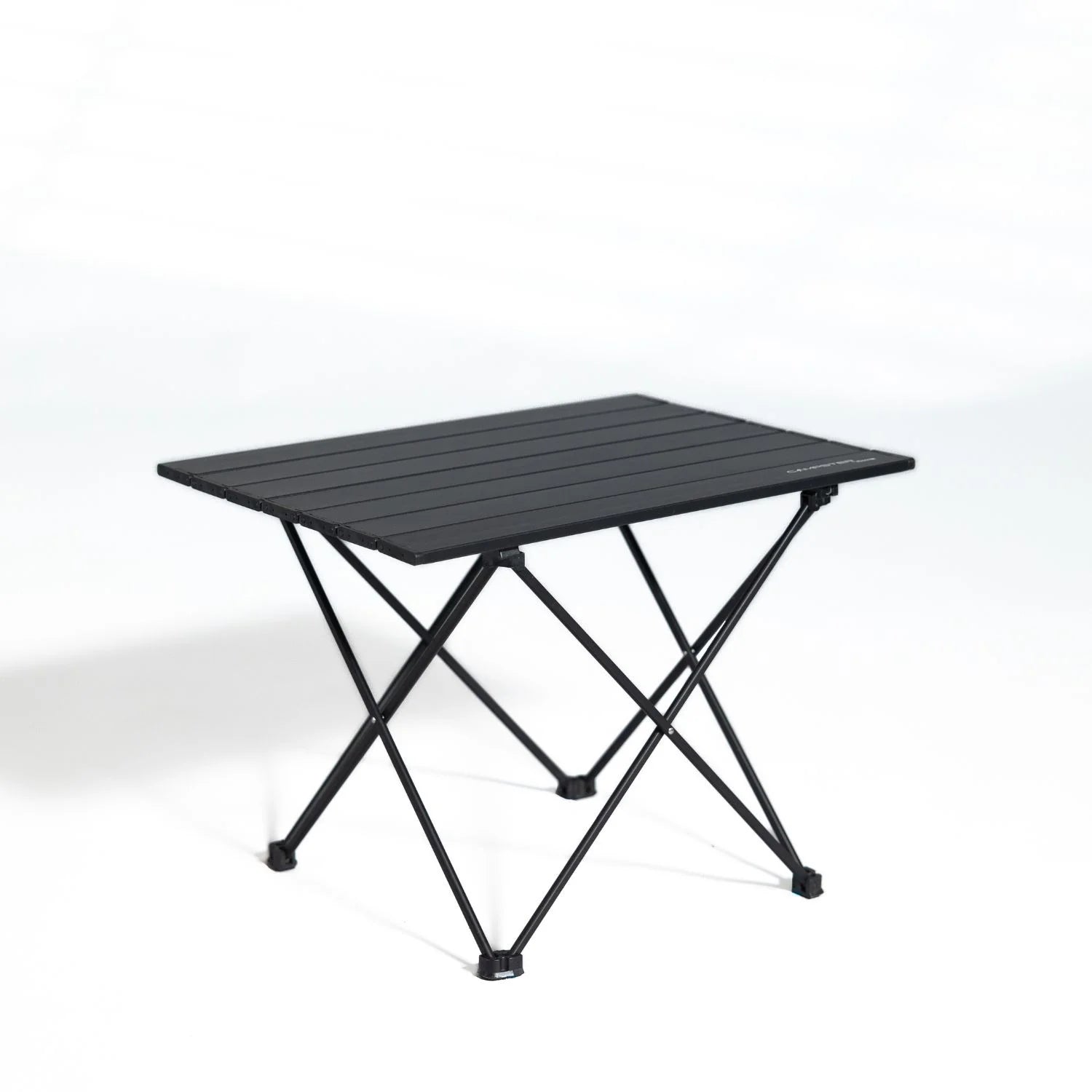
Seating is where car campers and backpackers split hard. A compact folding stool weighs a fraction of a full camp chair and packs down small enough to strap to a pack, but a chair with back support wins for anyone spending a full evening by the fire. Expert gear checklists consistently note that lightweight seating and creature comforts improve how a campsite actually feels to sit in, without adding much bulk if you choose the right piece. If you have trunk space left over, a compact table and a sun shelter or tarp round things out. Tent repair kits (a small tube of seam sealant and a few adhesive patches) belong in every kit regardless of tent age.
Temperature ratings on sleeping bags are tested to the point where an average sleeper stays “survivable,” not comfortable. A bag rated to 20°F will feel chilly for most people at 30°F. Beginners should buy a bag rated about 10 degrees colder than the lowest temperature they expect, then vent it with the zipper if it runs warm.
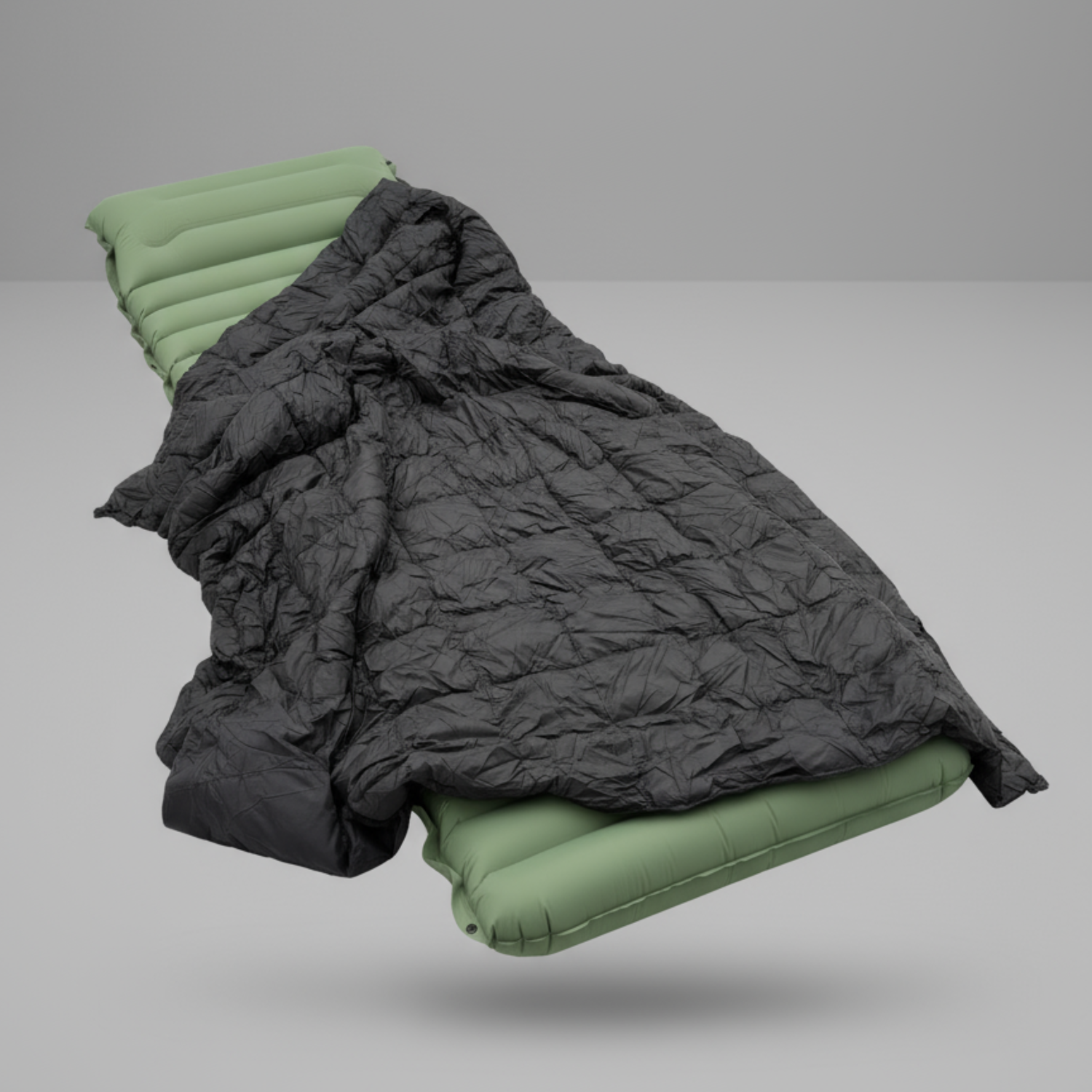
Sleeping pads matter as much as the bag itself, since the ground pulls heat out of your body faster than air does. Pad types break down into:
R-value is the number that actually predicts warmth. Anything under 2 is fine for warm summer nights; above 4 is built for cold-weather camping. Stack a foam pad under an inflatable one in near-freezing conditions and the R-values add together.
Pillows are the easiest place to save pack space. A dedicated camp pillow is comfortable but takes up room you may not have.
Pro Tip: Stuff a spare shirt and fleece into an empty pillowcase and you’ve got a free pillow that also gets your clothes out of the way. Campers call it the pillow hack, and it works.
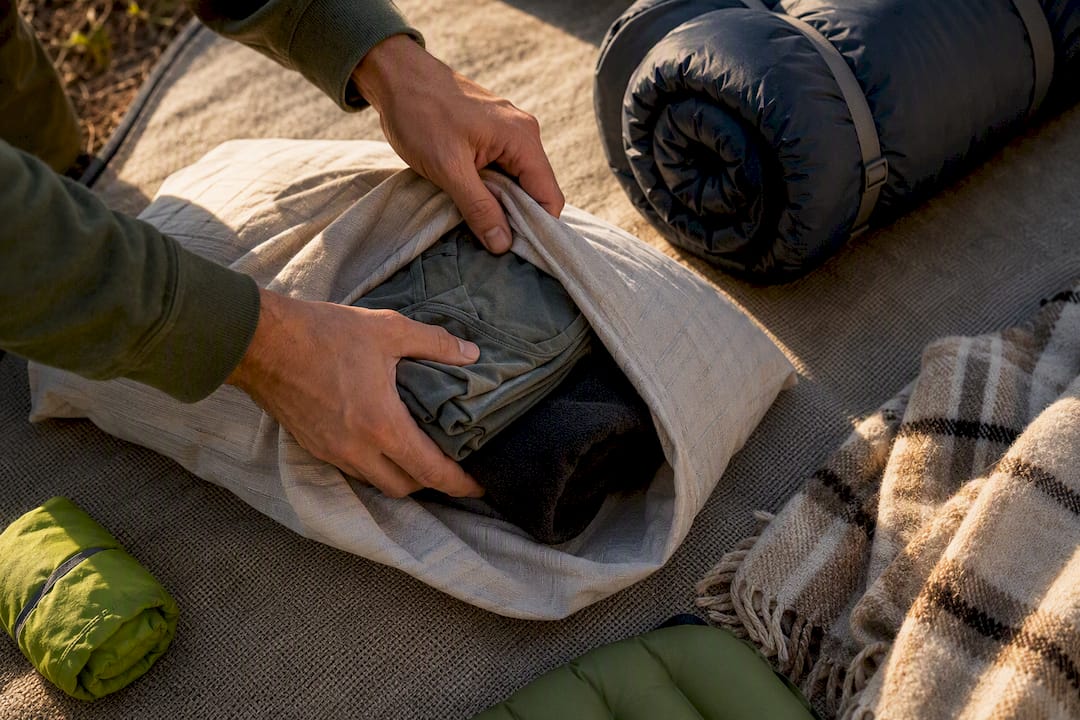
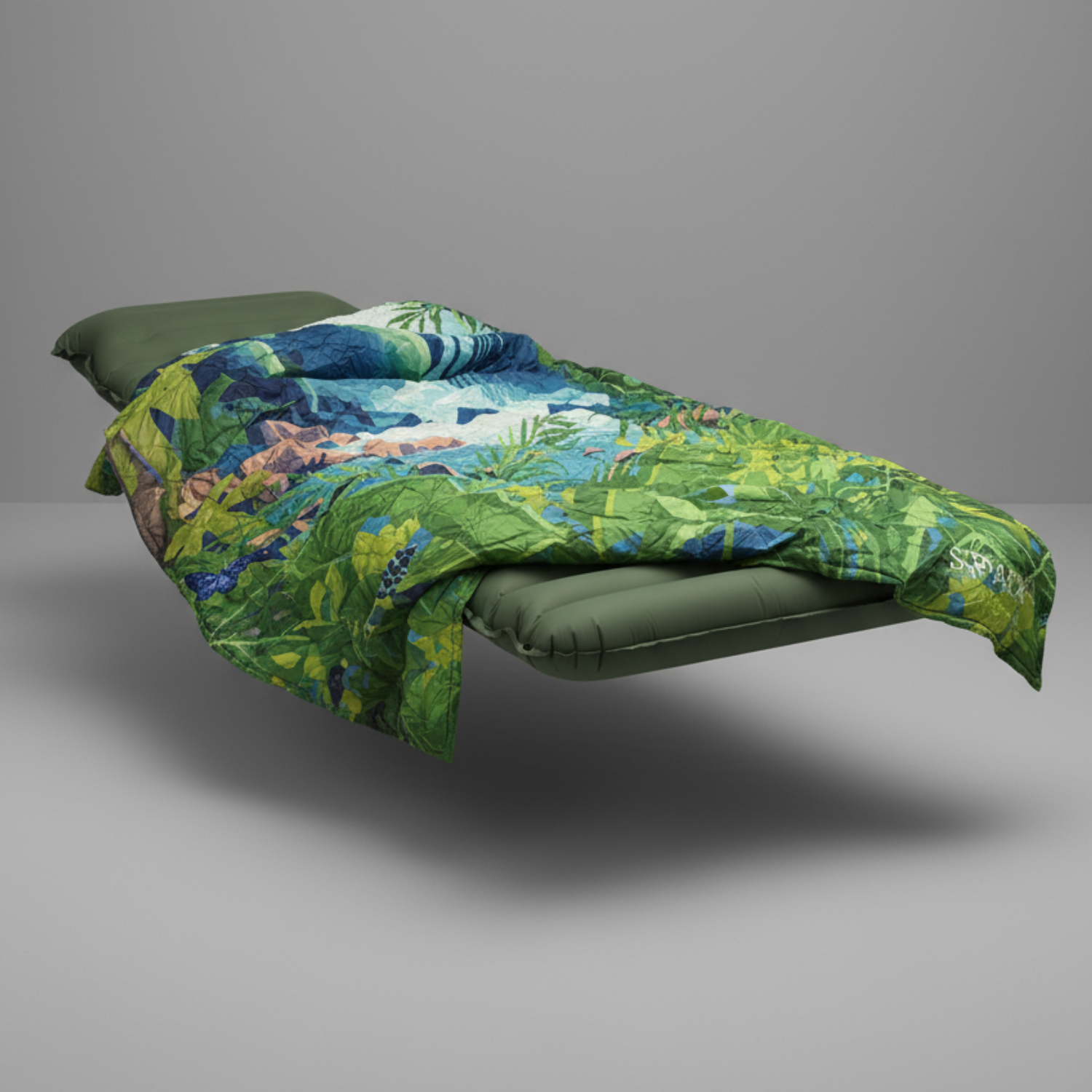
Add a sleeping bag liner for extra warmth or easier cleaning, and a light blanket for shoulder-season trips when a full second bag would be overkill.
A basic two-burner propane stove covers most car-camping meals, while backpackers do better with a canister or liquid-fuel stove that boils water fast and packs small. Carry more fuel than the math says you’ll need. Canisters run colder and less efficient once temperatures drop, and running out on night two of a four-night trip ruins the trip.
Cookware doesn’t need to be fancy:
Coolers and food organization solve two problems at once: keeping perishables cold and keeping wildlife out of your camp. Store food in sealed containers and follow whatever local rule applies. Some parks require bear lockers or hanging food; others just ask for a closed cooler in a locked vehicle overnight, since proper food storage is one of the biggest factors in preventing wildlife conflicts at popular campgrounds.
Cleaning up matters legally and ethically, not just for tidiness. Use biodegradable soap, dump gray water at least 200 feet from any water source, and pack out anything that doesn’t fully break down. Leave No Trace guidance on firewood applies here too: buy wood locally rather than hauling it from home, since transported firewood spreads invasive insects between regions.
Layering beats packing one heavy jacket and hoping for the best. A base layer (synthetic or merino wool, never cotton) wicks sweat away from your skin. An insulating midlayer, like a fleece or light puffy jacket, traps warmth. A waterproof or windproof shell goes on top when weather turns.
For cold nights, add:
Footwear splits into two jobs. Hiking shoes or boots handle trails and uneven ground; separate camp shoes (sandals or slip-ons) let your feet breathe once you’re back at the site. Wool or synthetic hiking socks resist blisters far better than cotton, which stays wet and causes friction. Round it out with a sun hat, swimwear if there’s water nearby, and a packable rain jacket even when the forecast looks clear.
A first-aid kit is non-negotiable, and government park checklists consistently list it alongside shelter and cooking gear as a core essential. Pack adhesive bandages, gauze, antiseptic wipes, blister treatment, pain relievers, and any personal prescriptions in their original labeled containers.
Toiletries stay simple:
Sun and bug protection deserve real attention. SPF 30 or higher, reapplied every couple of hours, and an insect repellent containing DEET or picaridin for anything beyond a quick day hike. Check whether your campground has specific waste rules; some backcountry sites require you to pack out human waste entirely.
A multi-tool or pocketknife handles food prep, gear fixes, and a dozen small jobs you won’t predict until you need one. Duct tape wrapped around a water bottle or trekking pole weighs almost nothing and fixes torn tents, broken straps, and cracked coolers.
Pack these alongside it:
Fire-starting gear means waterproof matches, a lighter, and a firestarter cube or two as backup. Check local fire regulations before you leave. Many regions restrict open fires during dry seasons, and Leave No Trace principles ask campers to use existing fire rings rather than build new ones. When you’re deciding what makes the final cut, prioritize anything that solves a problem you can’t fix with something else in your kit.
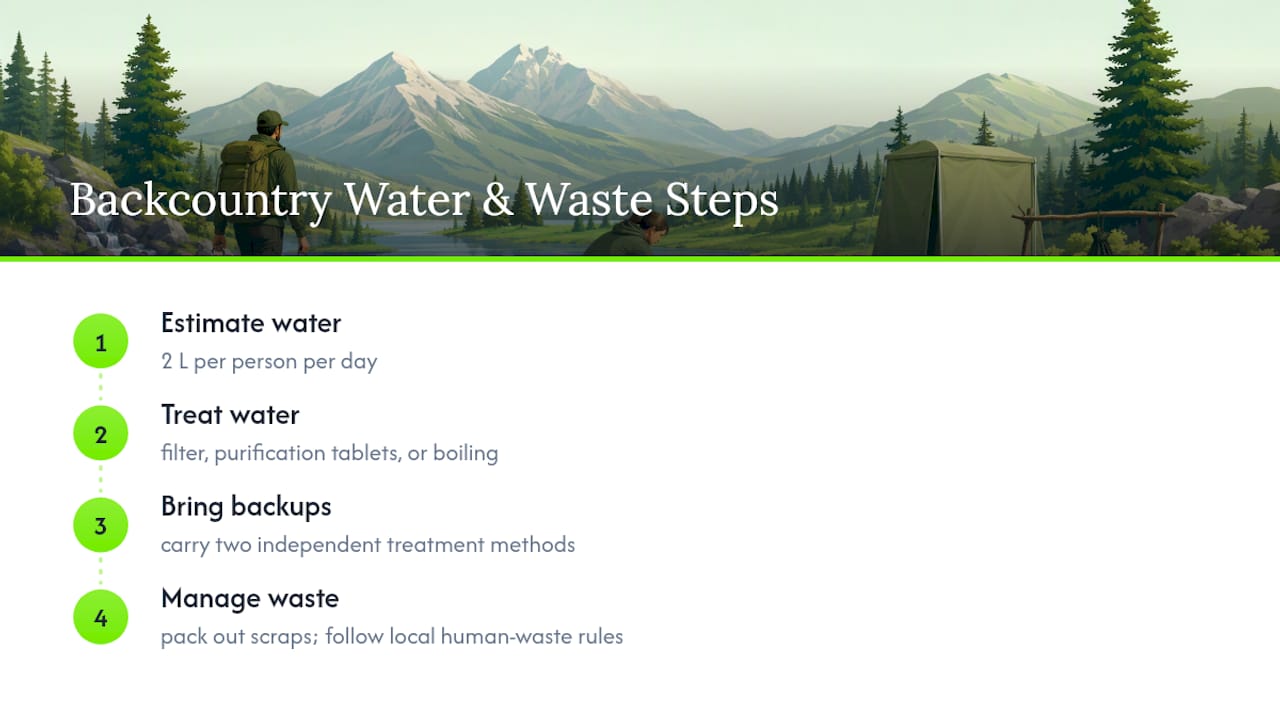
The National Park Service recommends about 2 liters per person per day as a baseline, more in hot climates or with heavy activity. That covers drinking, cooking, and basic cleanup.
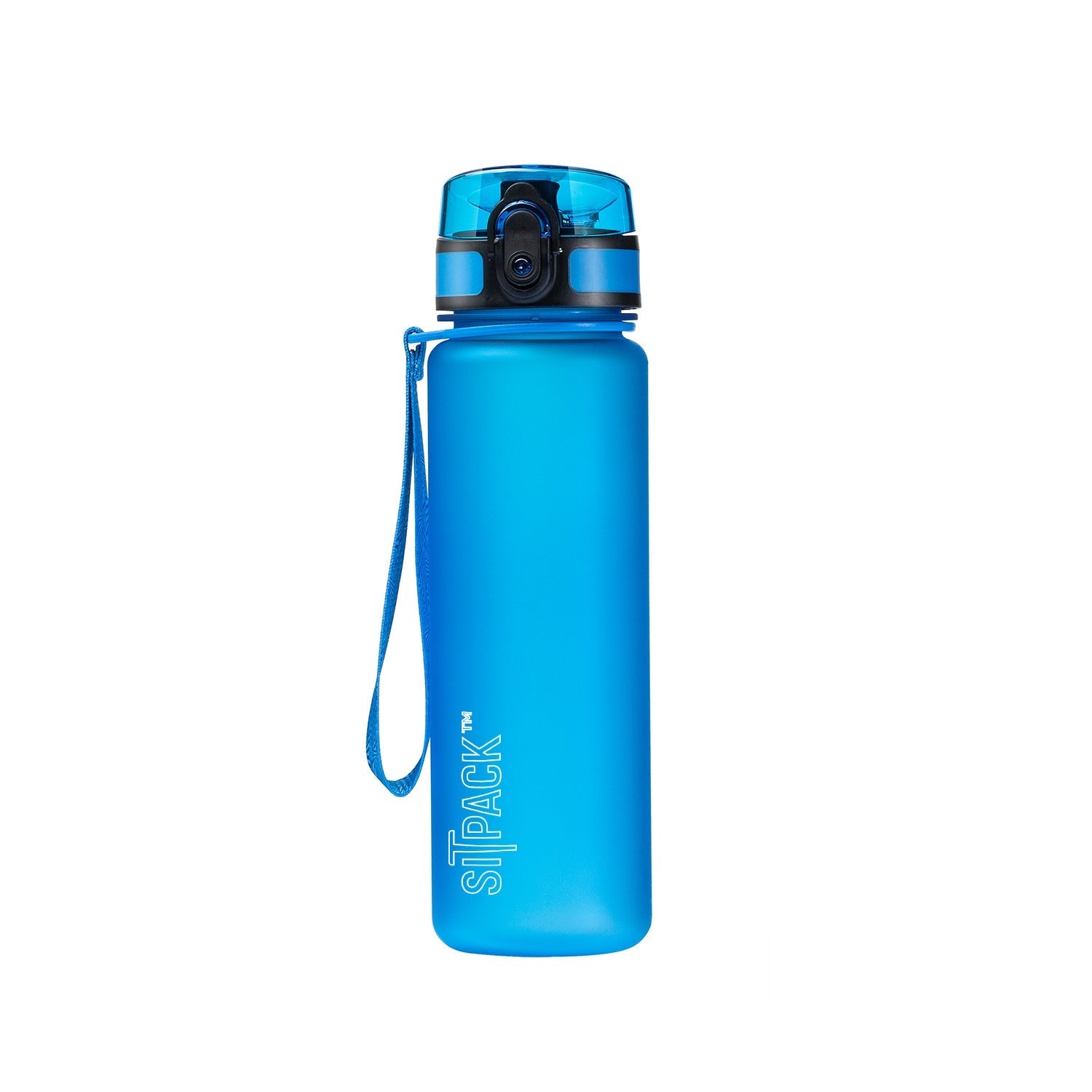
Containers depend on your setup. Collapsible jugs pack flat when empty and work well for car camping, especially since NPS guidance notes it’s often smarter to fill large jugs on arrival rather than hauling full ones the whole drive. Hard-sided jugs survive rough handling better. Personal bottles round out the system for hiking away from camp.
Backcountry trips need actual treatment, not just a full bottle. Filters, purification tablets, or boiling all work. Carry two methods in case one fails. Pack out trash and food scraps, and follow local rules for human waste since some backcountry areas require a portable system rather than digging a hole.
Car campers can justify almost anything that fits in the trunk. Backpackers need to weigh every ounce against how much it improves the trip.
Seating is the clearest trade-off. A compact folding stool wins on weight and packed size, ideal for anyone hiking to a site or working with limited trunk space. A full camp chair with back support and armrests wins on comfort for longer evenings, and gear testers back this up: lightweight, durable camp chairs consistently rank among the highest-value comfort upgrades relative to their pack weight.
Lighting and power upgrades are worth considering for multi-night trips. A small battery bank or solar panel keeps phones and headlamps charged without hunting for an outlet, and a bigger lantern can replace a campfire as your main light source on nights with fire restrictions.
Pro Tip: A packable blanket or small camp rug adds almost no weight but changes how a cold picnic table or damp ground feels underneath you. Small items like this deliver comfort out of proportion to their size.
Build two standing kits that stay assembled between trips: a sleep bin (bags, pads, pillows) and a kitchen bin (stove, cookware, utensils). Add a short trip-specific list on top for anything that changes based on season or destination. Gear testers who build these checklists for a living recommend exactly this staging approach because it cuts setup time and forgotten items at once.
Load your vehicle with heavy items low and forward, lighter gear on top, and pack a separate quick-access bag with the tent, headlamp, and snacks so you’re not digging through everything the moment you arrive.
Pro Tip: Compression sacks shrink sleeping bags and clothing dramatically. Combine that with the pillow hack from earlier and you can free up a surprising amount of trunk or pack space.
Before you leave, run through:
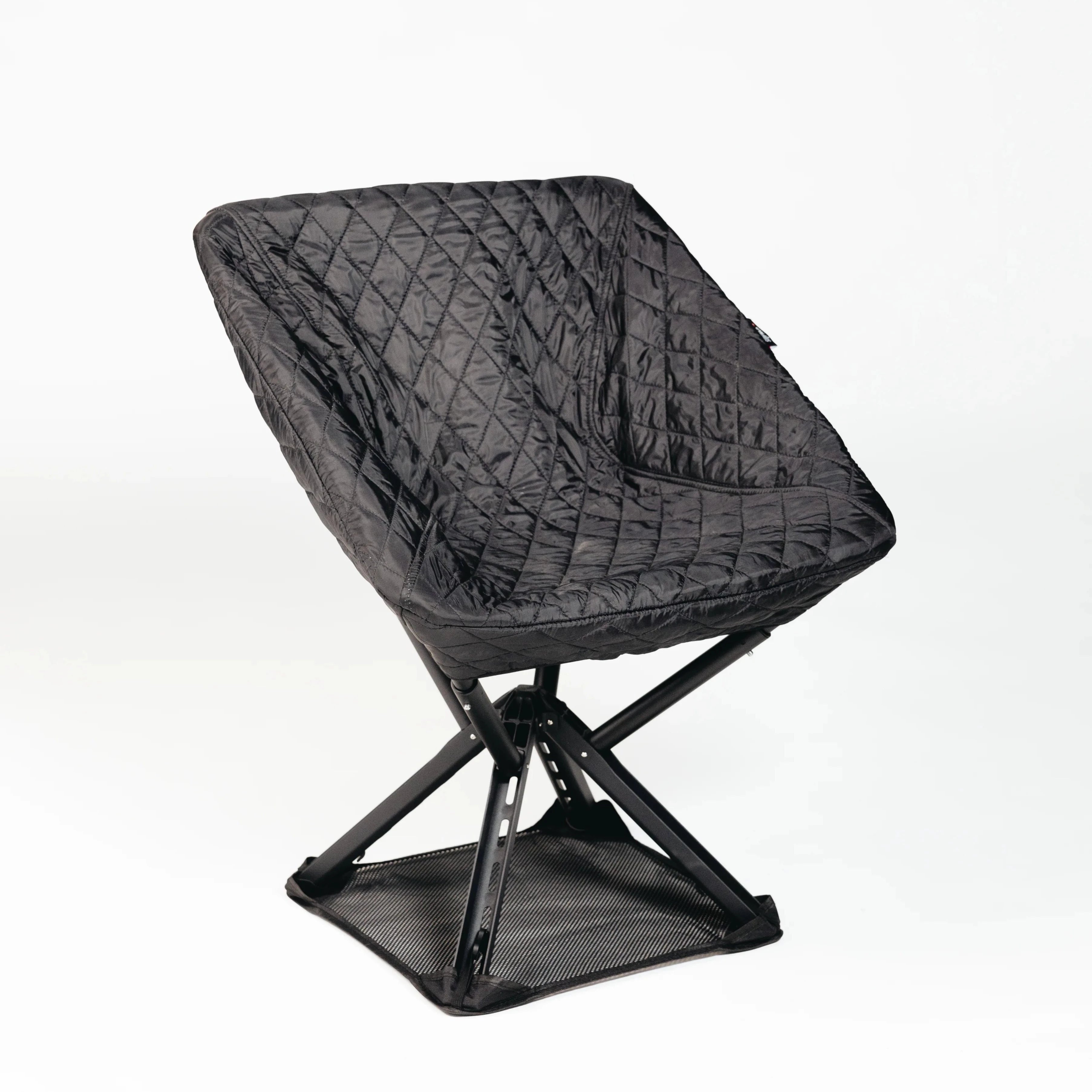
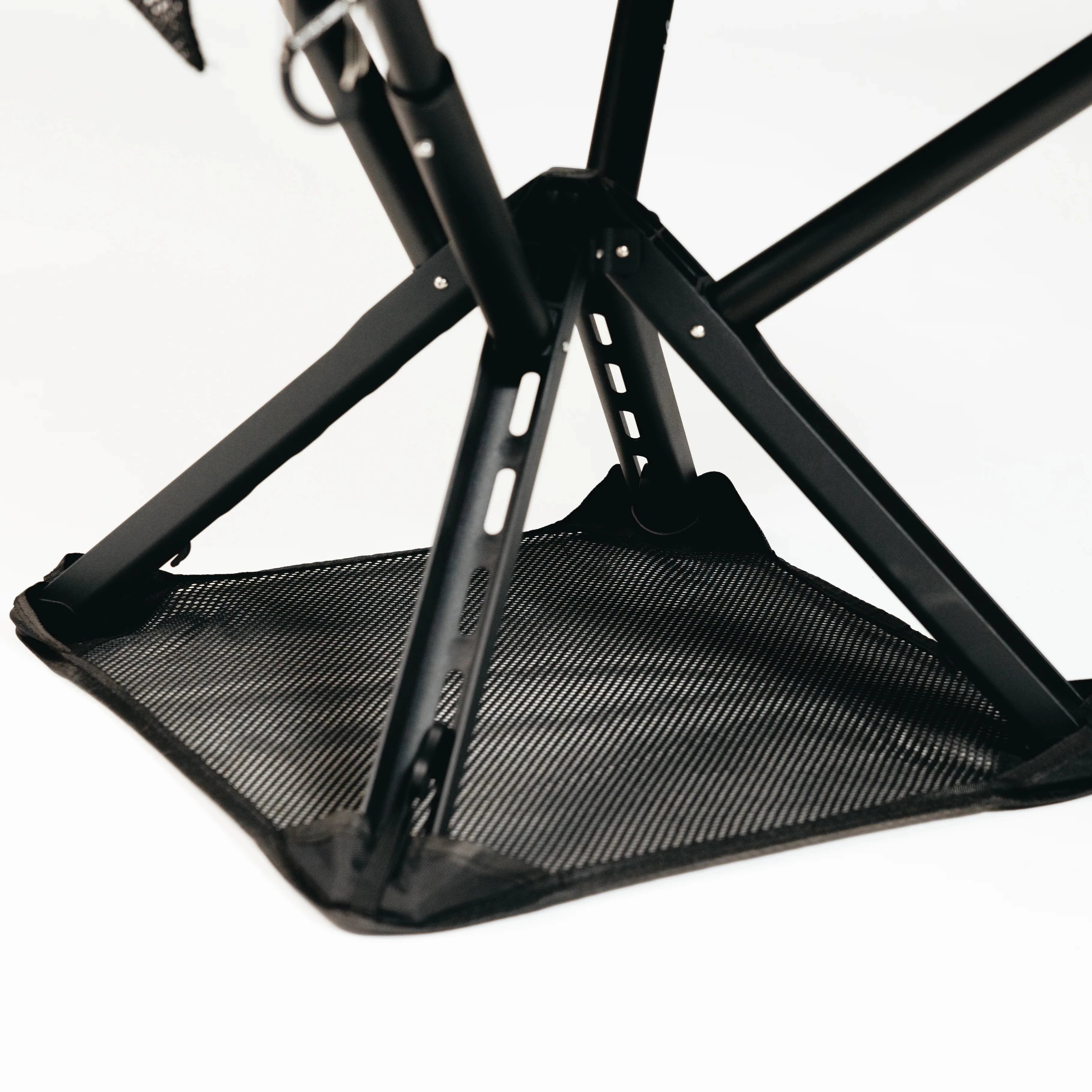
Comfort at camp usually comes down to what you’re sitting on for four or five hours a night, and that’s a category we think about closely. Compact stools win for backpackers and anyone counting every ounce; full chairs win when trunk space isn’t the constraint and you want back support after a long hiking day. Sitpack builds toward the first category specifically, chasing a packed size closer to a water bottle than a camp chair without giving up a stable seat. The gap between “packs small” and “actually comfortable” is where most portable seating fails, and it’s worth testing before you commit a trip’s worth of trunk space to the wrong choice.
Sealed food storage isn’t optional in most backcountry areas, and plenty of frontcountry campgrounds enforce it too. A hard-sided bear canister is the gold standard for backpacking in bear country. It’s heavy (usually two to three pounds empty) but resists both claws and curious raccoons, and many wilderness permits require one by name.
Ursack-style soft bags offer a lighter alternative for areas where a hard canister isn’t mandated, using a puncture-resistant fabric with a specialized closure. They pack down far smaller than a canister but don’t protect against every animal, so check your destination’s specific rules before relying on one.
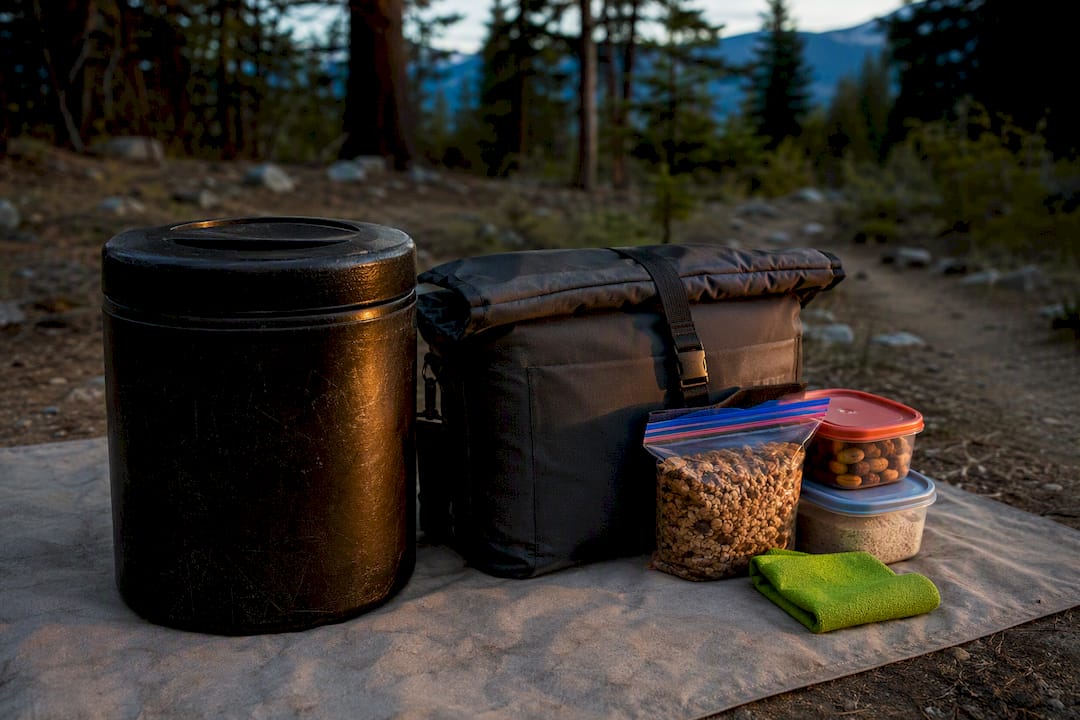
For car camping, the equation is simpler. Store all food, trash, and scented items (toothpaste, sunscreen, cooking oil) in your vehicle overnight or in a bear locker where the campground provides one. Never leave a cooler out on a picnic table, even a “locked” one. Sealed containers matter as much as where you store them, since wildlife conflicts trace directly back to accessible food far more often than to genuine animal aggression.
A few habits apply everywhere: cook and eat away from your tent, wash dishes immediately rather than leaving them scented overnight, and store your trash exactly like food until you can pack it out. If you’re camping somewhere without bear activity, the same sealed-container logic still keeps raccoons, mice, and birds from raiding your supplies.
A lightweight emergency blanket (the foil-style kind that folds into a pouch) takes up almost no space and can mean the difference between a manageable cold night and a genuine hypothermia risk if plans go sideways. Pack one per person, not one per group.
Signaling devices matter more than most beginners assume. A whistle costs nothing and carries much farther than a shout when you’re separated from your group or need attention fast. For anyone heading into cell-service gaps, a personal locator beacon or satellite messenger adds real backup, though it’s a bigger investment most weekend car campers can skip.
Extra batteries deserve their own line item beyond what you packed for your headlamp. Cold weather drains batteries fast, and a dead flashlight at 3 a.m. in an unfamiliar campground is a genuinely bad time to discover it.
Round out this category with:
None of this gear gets used on a normal trip. That’s exactly the point. Survival and emergency supplies are the one category where “I probably won’t need it” is the wrong test for whether it goes in the bag.
Most beginner advice treats every item on a checklist as equally urgent, and that’s backward. The seven non-negotiables (shelter, sleep system, water, food, light, first aid, navigation) deserve real budget and research. Everything past that is a comfort decision, not a survival one, and beginners routinely overspend on marginal upgrades to that first category while underpacking water or skipping a real first-aid kit entirely.
The bigger blind spot is packing for the trip you imagine instead of the one you’re taking. A single overnight car-camping trip doesn’t need the same fuel redundancy or bear-canister planning as a five-day backcountry trip, yet plenty of first-timers pack as if every trip is the hardest version of itself. Start from your actual itinerary, not a generic master list.
If there’s one place worth spending more than you planned, it’s seating and sleep comfort. A miserable night’s sleep ruins the whole trip regardless of how good your stove or map was, and that’s exactly where a compact chair or stool earns its spot in the trunk.
— Jonas
Some brands make portable folding chairs and stools built around one idea: comfort shouldn’t require hauling a bulky camp chair that eats half your trunk. Certain models fold down small enough to clip to a pack or tuck into a door pocket, so you get real seating without sacrificing space you need for water, food, or your sleep system.
Some products come backed by satisfaction guarantees and warranties, which can matter when you’re deciding whether to spend more upfront on gear you’ll actually use for years instead of replacing every season. If you’ve been putting off upgrading from a folding stool that leaves your back sore by hour three, browse the current lineup at Sitpack and see which seat matches your next trip.
Shelter, a sleeping bag and pad, water, food and a way to cook it, a light source, a first-aid kit, and basic navigation backup cover the non-negotiables for any trip.
Plan for about 2 liters per person per day as a baseline, and pack more in hot weather or for strenuous hikes.
A compact folding stool is usually the better call for backpacking since it saves significant weight, while a full camp chair makes more sense for car camping where trunk space isn’t limited.
Pack adhesive bandages, gauze, antiseptic wipes, blister treatment, pain relievers, and any personal prescriptions in their original containers.
Only for backcountry trips in bear country where permits often require one by name. Car campers can typically rely on sealed containers stored in a vehicle or provided bear locker.