Cart
0
Sign up and get 10$ off your order
Expected delivery
1-3 days
You may also like


Danish Company

Every successful camping trip starts with the same core kit: a shelter, a sleep system, water and a way to treat it, food and storage, a first-aid kit, a headlamp, and a navigation tool. Get those seven categories right and you’re most of the way to a great trip. Miss one and you’ll be improvising at the worst possible moment.
Your non-negotiables before you leave the driveway:
Print that list, stick it on the fridge, and check it the night before. Everything else in this guide is the smart expansion of those six lines.
A solid camping kit covers seven categories: shelter, sleep system, water, food and storage, first aid, illumination, and navigation. Miss one and you’re improvising in the field.
| Point | Details |
|---|---|
| Water baseline | Plan at least 2 liters per person per day; bring a filter or tablets for backcountry trips. |
| Sleep system R-value | Use a sleeping pad rated R-4 or higher for cool conditions; higher for freezing temps. |
| Ten Essentials | Pack all ten NPS-recommended items on every trip, even short ones. |
| Car vs backpacking | Tailor gear weight and size to trip type; ultralight choices matter most for backpacking. |
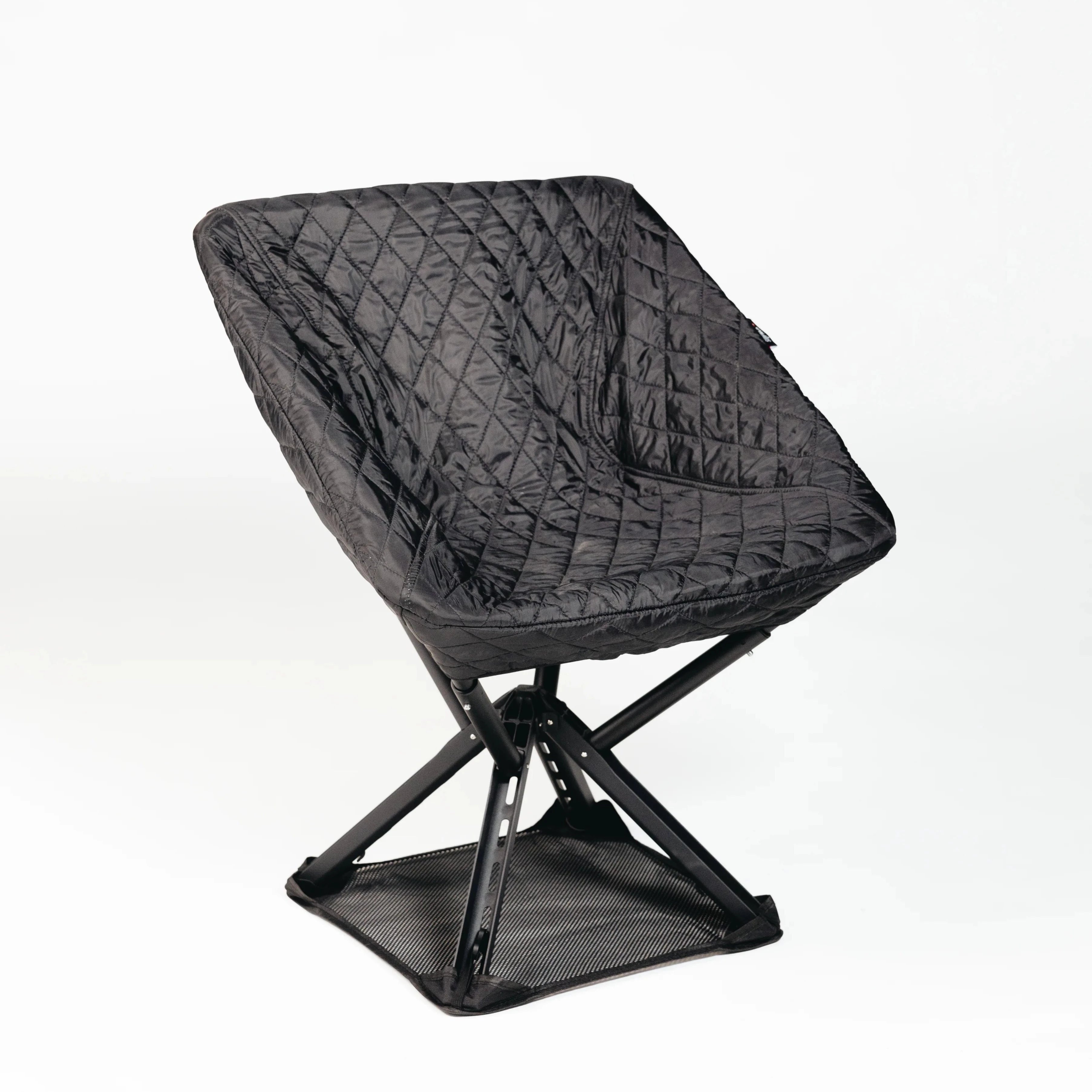
| Sitpack seating | A compact camp chair like the Campster II earns a permanent spot in any car-camping kit. |
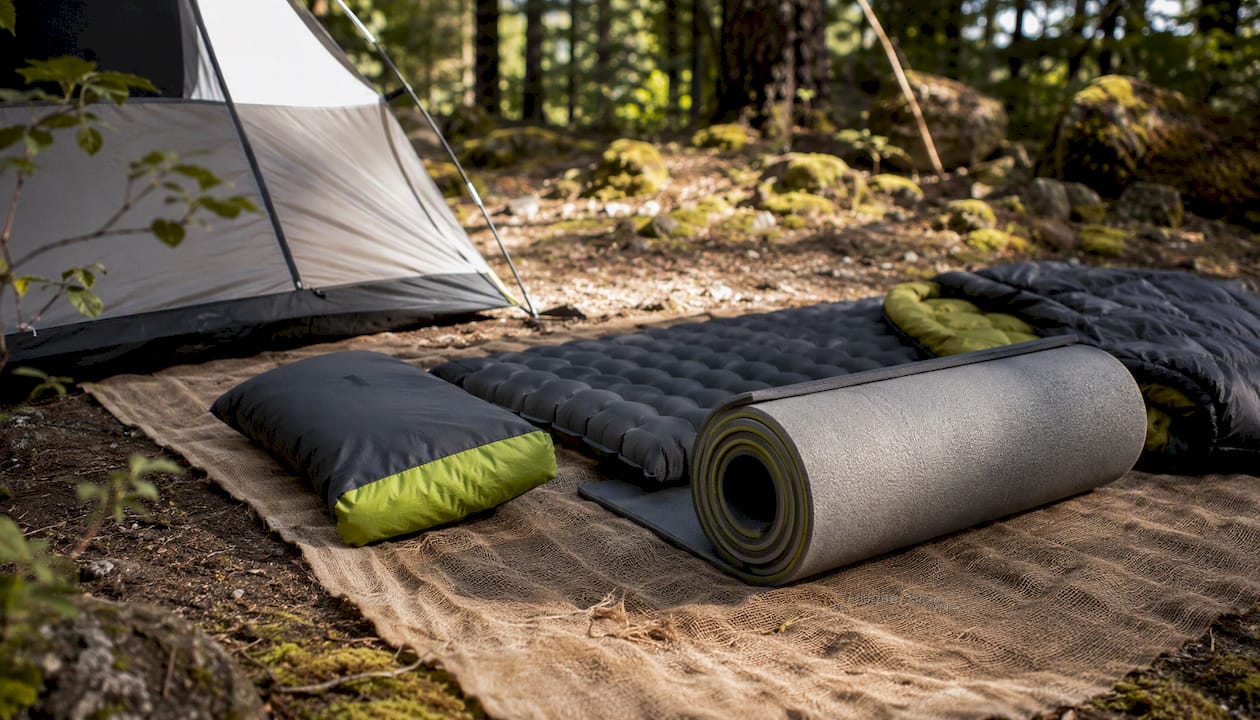
The shelter and sleep system is the heaviest investment in your kit, and the one that most directly determines whether you wake up rested or miserable. Get the sizing right first: a “2-person” tent is genuinely cozy for two adults with gear, so most couples and solo campers who want elbow room size up to a 3-person. Car campers can afford the extra weight; backpackers can’t.
Your shelter checklist:
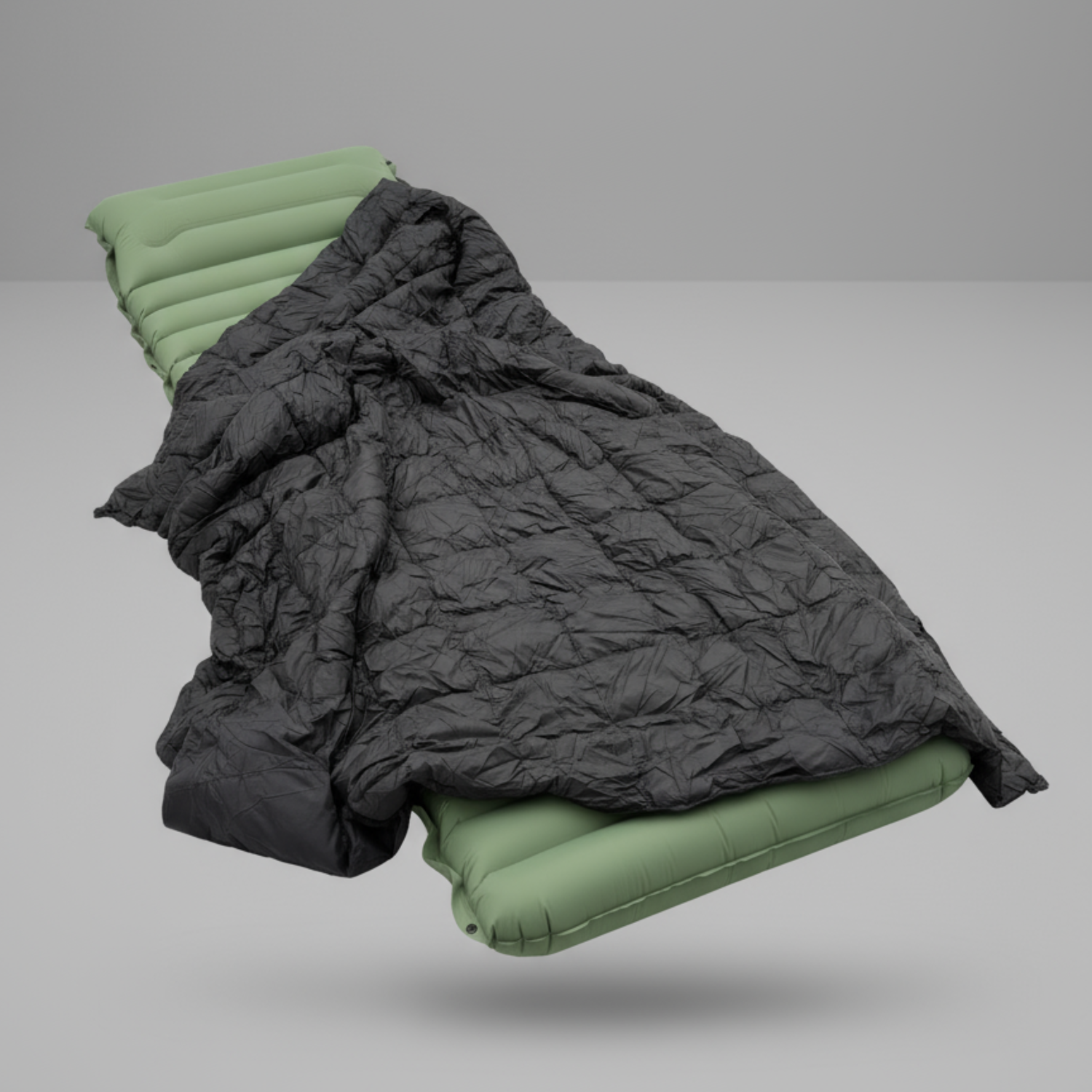
For the sleep system, the sleeping pad is just as critical as the bag. Expert roundups recommend an R-value of at least R-4 for cool-weather camping and higher for freezing conditions. An air pad is lighter and more comfortable; a closed-cell foam pad is bombproof and doubles as a sit pad during the day. Sleeping bag temperature ratings should match the coldest night you expect, not the average.
| Feature | Car camping | Backpacking |
|---|---|---|
| Tent weight | 5–8 lbs acceptable | Under 3 lbs preferred |
| Sleeping pad type | Air pad or self-inflating | Ultralight air or foam |
| Sleeping bag | Synthetic, roomy cut | Down, mummy cut |
| Pillow | Full-size or camp pillow | Compressible or stuff-sack |
Pro Tip: Lay your footprint slightly smaller than the tent floor so rain can’t pool between the two layers and soak through. A footprint that sticks out past the tent edges acts like a funnel straight into your sleeping area.
If you’re camping where trees are sparse or where tying ropes to live trees is prohibited, NPS guidance recommends a freestanding shelter or a tarp rigged with trekking poles rather than a hammock setup.
A camp kitchen doesn’t need to be complicated, but it does need to be complete. Forgetting the can opener or the pot lid is the kind of thing that turns dinner into a comedy sketch.
Core kitchen items:
Food planning is where most beginners under-prepare. NPS guidance recommends packing an extra day’s food as a buffer for unexpected delays, and keeping food low-odor and well-packaged in bear country. For car camping, a quality cooler with block ice or frozen water bottles does the job. Frozen water bottles pull double duty: they keep food cold and give you drinking water as they melt.
For backcountry trips, switch to dry foods and lightweight packaging. Repackage meals into zip-lock bags to cut weight and reduce waste. Always check whether your destination requires a bear canister or provides food lockers; many national parks and wilderness areas do.
Cleanup matters more than most people realize. The three-basin method (wash, rinse, sanitize) keeps your cookware clean without a sink. Scatter strained dishwater at least 200 feet from water sources, trails, and camp.
Collecting firewood from the ground is the preferred approach in most parks. Cutting or stripping live trees is prohibited in many areas, and Leave No Trace guidelines recommend using only dead and downed wood or purchasing certified firewood locally to prevent the spread of invasive species.
Water is the one item you absolutely cannot improvise. NPS recommends planning on at least 2 liters of drinking water per person per day, and that baseline climbs fast in hot weather or on strenuous hikes. A full day of hiking in summer heat can push that need to 4 liters or more.
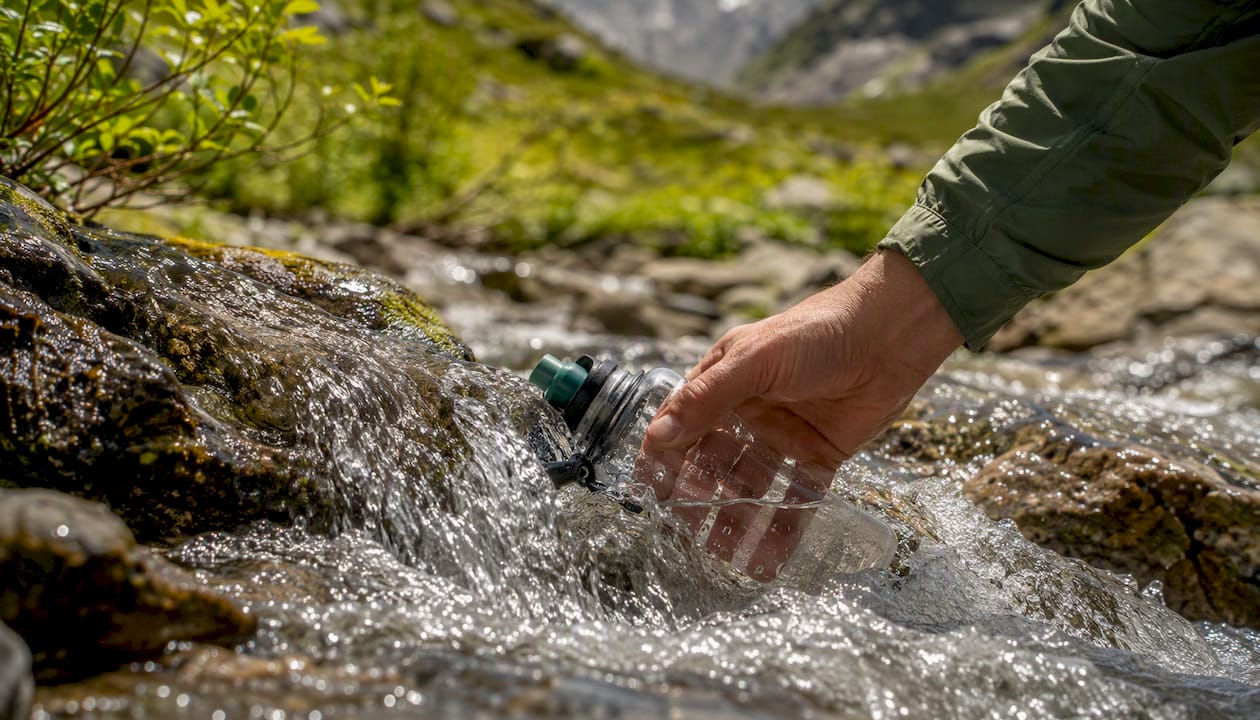
For backcountry trips, you need a treatment plan. Your options:
| Method | Best for | Notes |
|---|---|---|
| Water filter (e.g., Sawyer Squeeze) | Backpacking, multi-day trips | Fast, reusable, no chemical taste |
| Purification tablets | Emergency backup | Lightweight, slow (30 min wait) |
| Boiling | Any situation with fuel | fuel-intensive, highly effective |
| Collapsible jug | Car camping | Easy to fill at trailheads |
For car camping, fill large collapsible jugs at home or at the trailhead. Hard-sided jugs are more durable; collapsible ones pack flat when empty.
The NPS Ten Essentials are the safety backbone of any trip, short or long. They are:
For a weekend car-camping trip, you can simplify: a charged phone with offline maps, a lighter, a space blanket, and a small first-aid kit cover most emergencies. Backpackers should carry every item on the list. Check out this camping gear selection guide for a deeper look at how to prioritize comfort alongside safety.
Cotton is comfortable at home. In the backcountry, it’s a liability. The American Hiking Society and most outdoor experts recommend moisture-wicking synthetics or merino wool for any active outdoor use, because cotton absorbs sweat and loses its insulating ability when wet. Save the cotton t-shirt for sitting around the fire; wear synthetics or wool when you’re moving.
Layering system:
Footwear:
Pro Tip: Pack a dedicated dry-change set in a sealed bag: a clean base layer, dry socks, and a warm layer. Keep it untouched until you’re in your sleeping bag. This one habit prevents the miserable spiral of damp clothes stealing your body heat overnight.
Sun and insect protection round out the clothing kit: SPF 30+ sunscreen, UV-blocking sunglasses, a wide-brim hat, and DEET-based or picaridin insect repellent for mosquito-heavy areas.
A headlamp beats a flashlight every time. Both hands stay free, which matters when you’re setting up camp in the dark or navigating a trail after sunset. NPS guidance recommends keeping spare batteries in a labeled bag so you’re not digging through your pack at midnight.
Tools and repair:
Fire-starting:
Always check local fire regulations before you go. Many U.S. parks and forests impose fire bans during dry seasons, and violating them carries real fines.
First-aid kit basics:
Scale the kit to your group size and trip length. A solo overnight needs less than a family of five on a week-long trip.
Staying clean at camp isn’t just about comfort; it’s about safety and site protection. Food smells on hands and clothes attract wildlife, and poor sanitation near water sources causes real environmental damage.
Hygiene kit:
Hand sanitizer is useful but limited. It doesn’t remove dirt or neutralize all pathogens, so soap and water remains the primary method for hand hygiene, especially before cooking.
For washing up after meals, the simplified three-basin approach works well: one basin with warm soapy water, one with clean rinse water, and one with a small amount of bleach-diluted water for sanitizing. Strain food particles from the wash water and pack them out with your trash.
Following Leave No Trace principles keeps the sites you love open and healthy for the next group. That means packing out all trash, minimizing food odors, and following park-specific sanitation rules posted at the trailhead.
Once the non-negotiables are packed, the fun stuff gets to come along. What you bring depends entirely on how much space you have and how far you’re walking.
For car camping, these extras earn their keep:
For backpacking, the list shrinks fast. A lightweight sit pad, a paperback book, and a pair of earbuds cover most entertainment needs without adding meaningful weight.
Traveling with pets? Pack a leash (required in most U.S. parks), collapsible food and water bowls, enough food for the trip plus a day extra, a pet first-aid kit, and waste bags. Check the park’s pet policy before you go; many trails and some campgrounds restrict or prohibit dogs.
The difference between a smooth camp setup and a chaotic one usually comes down to how you packed the car, not what you brought. Staging your gear before loading saves real time.
Staging strategy:
For backpacking, compression sacks reduce bulk for sleeping bags and puffy layers. Distribute weight so the heaviest items sit close to your back and near your hips, not at the top or bottom of the pack. A well-fitted pack with weight centered near your center of gravity is dramatically more comfortable over long miles.
Pro Tip: Frequent car campers swear by pre-packed season bins: one labeled tub per category (kitchen, sleep, tools) that stays packed between trips. You pull the bins, add fresh food and ice, and you’re out the door in under an hour.
For a deeper look at staging and vehicle-loading strategies, the Sitpack camping organization guide covers practical setups for both families and solo campers. And if you’re building out a minimalistic camping kit, going lighter on cookware and gear pays dividends on both car trips and trail miles.
Here’s something worth saying plainly: the gear that gets forgotten most often isn’t the big stuff. It’s the small things — the lighter left on the kitchen counter, the headlamp with dead batteries, the sleeping pad valve left open in the garage. Those are the things that turn a great trip into a frustrating one.
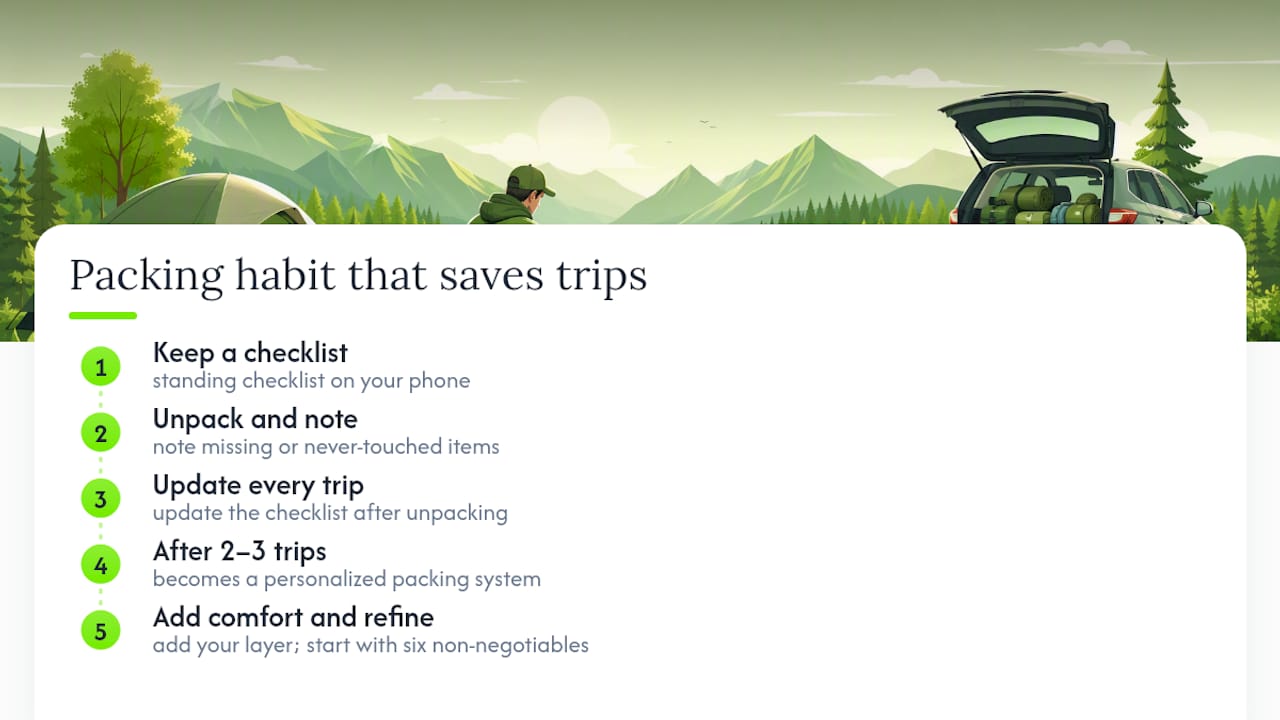
The habit that fixes this is almost embarrassingly simple: a standing checklist that lives on your phone, updated after every trip. When you get home and unpack, note anything you wished you’d had or anything you brought but never touched. Over two or three trips, that list becomes a genuinely personalized packing system, not a generic one borrowed from the internet.
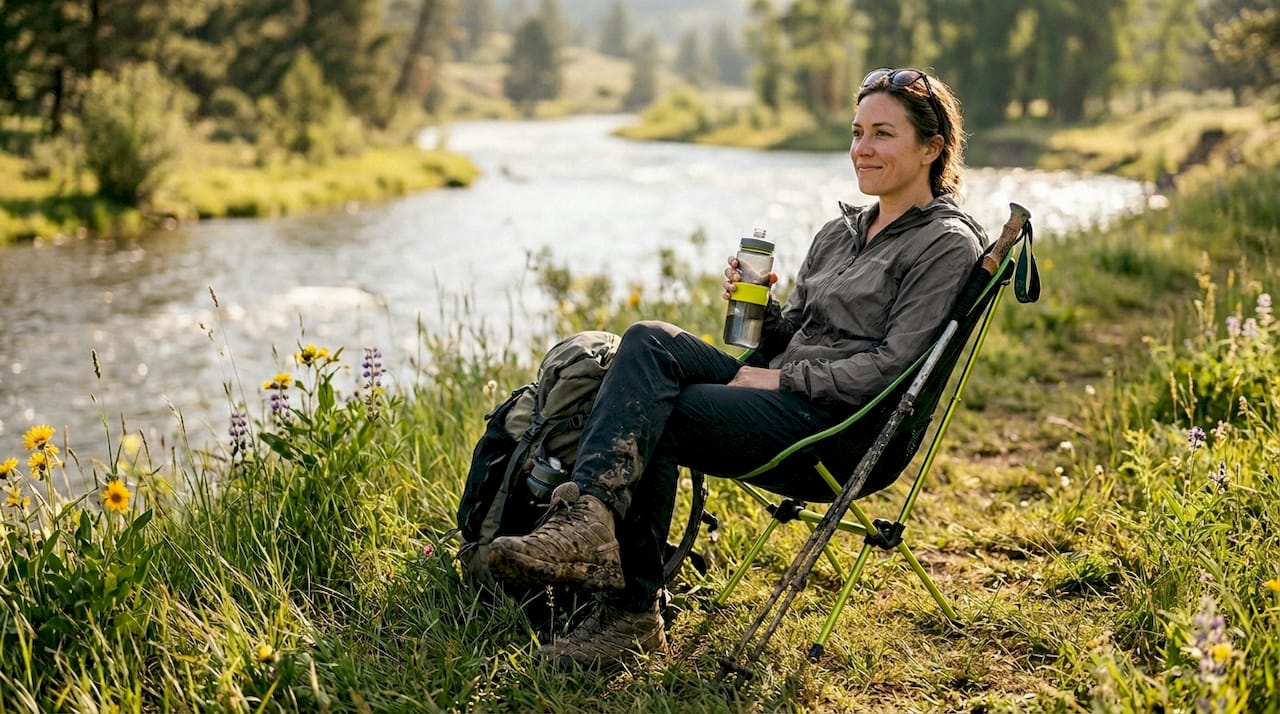
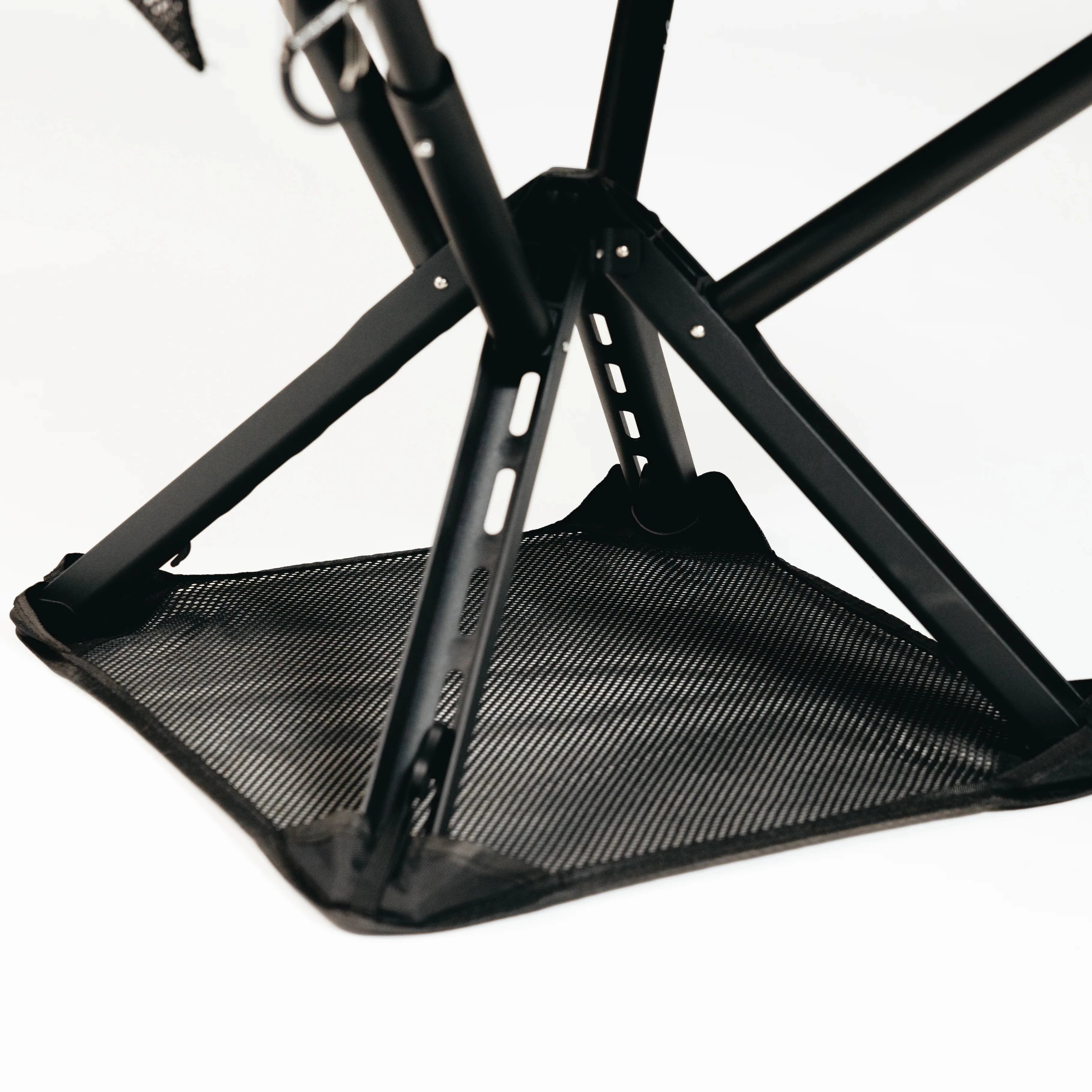
Comfort gear follows the same logic. A camp chair isn’t a luxury; it’s the difference between enjoying the evening around the fire and standing awkwardly because there’s nowhere to sit. Sitpack’s Campster II and Sitpack Zen are built specifically for campers who want a real seat without hauling a full-size folding chair. Lightweight, compact, and durable enough for repeated use, they’re the kind of item that earns a permanent spot in the season bin after the first trip.
The best packing habit is the one you actually repeat. Start with the six non-negotiables at the top of this article, add your personal layer, and refine from there.
Packing the right camping stuff to bring is half the battle. The other half is making sure the gear you bring actually improves your time at camp, not just your packing list. That’s where Sitpack comes in.
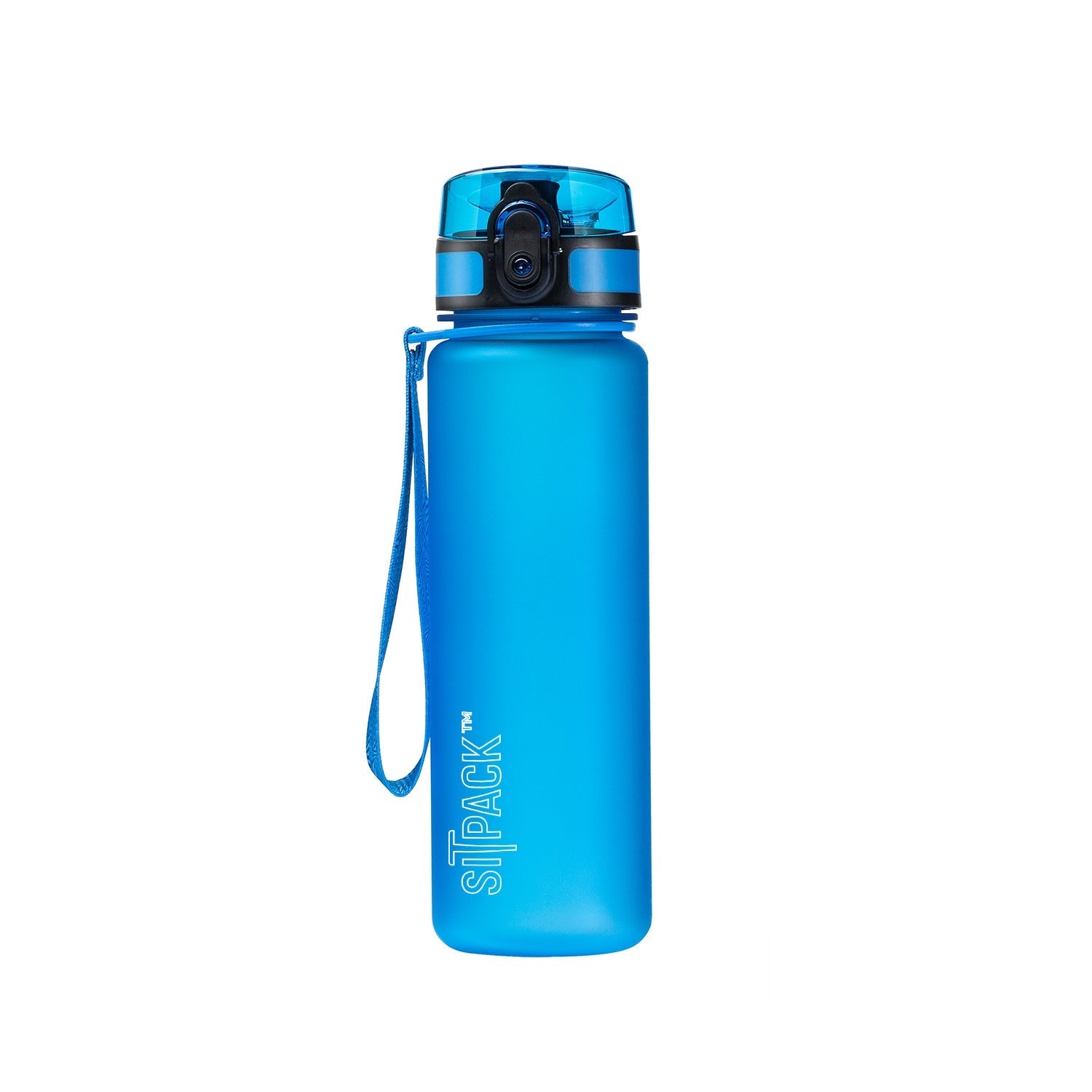
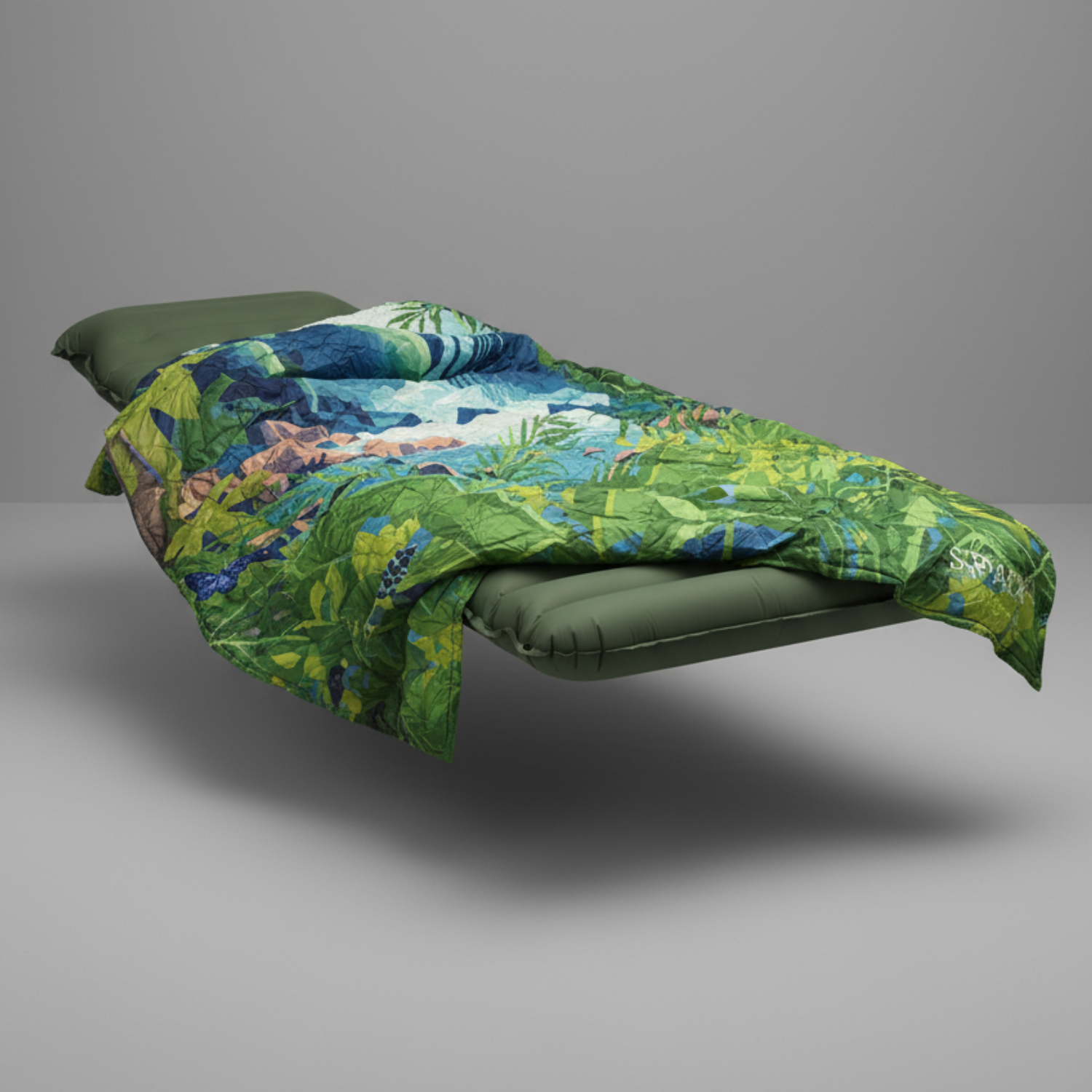
Sitpack’s portable camp chairs, including the Campster II and Sitpack Zen, are designed for campers who want real, comfortable seating without the bulk of a traditional folding chair. They’re lightweight, built to last, and compact enough to fit alongside the rest of your kit without taking over the trunk. Sitpack also carries thermal blankets, travel towels, and water bottles that slot neatly into any camping setup. Every product comes with a 45-day satisfaction guarantee and fast U.S. delivery. Browse the full range at Sitpack and find the pieces that belong in your season bin.
These are the authoritative references behind this guide. Bookmark them before your next trip.