カート
0
サインアップすると注文から 10 ドル割引になります
配達予定
1〜3日
こちらもおススメ


デンマークの会社

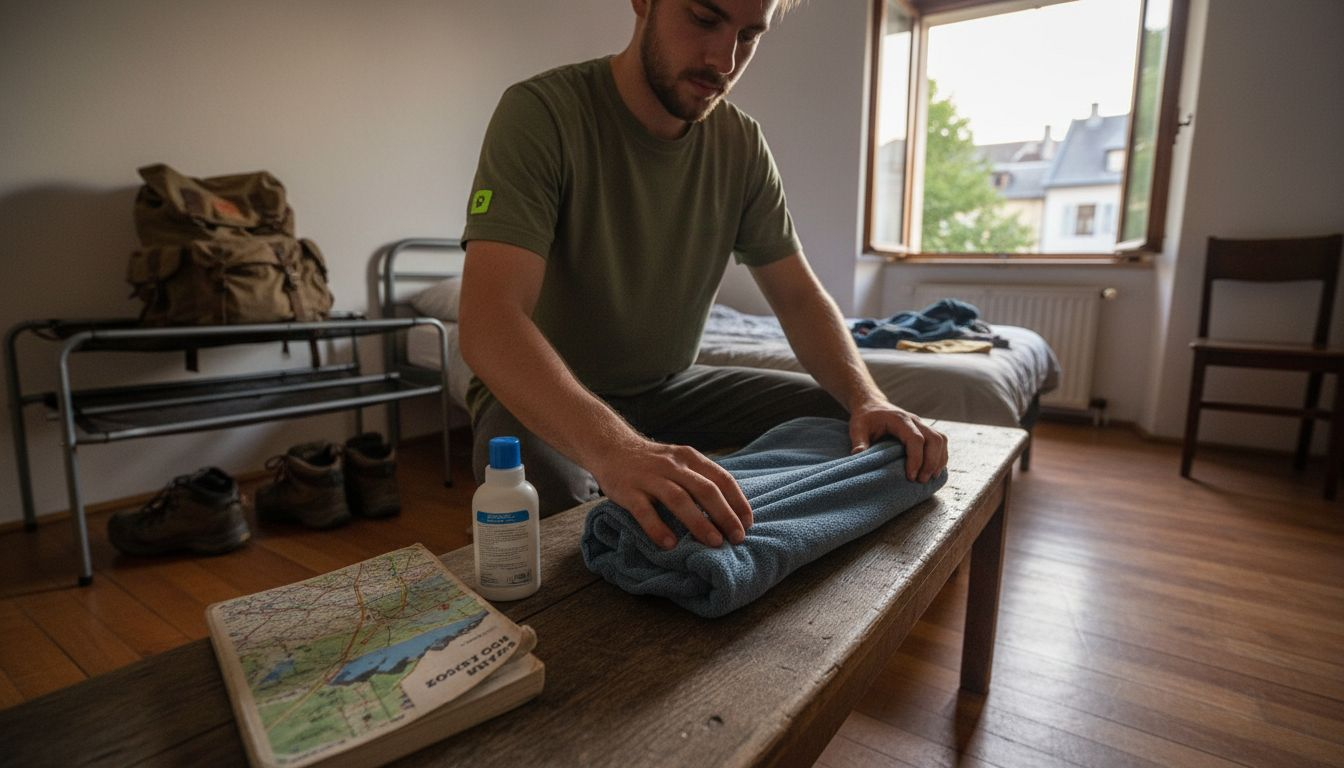
Packing for an overnight trek in the Canadian Rockies or a quiet morning on a Japanese beach brings its own set of challenges, especially when it comes to keeping your towel clean and adventure ready. For eco-conscious travelers and outdoor enthusiasts, selecting and caring for the right towel means balancing comfort, packability, and durability. From choosing sustainable materials like long-staple cotton and recycled fibers to mastering quick-dry techniques, these step-by-step tips will help you keep your travel towel fresh and dependable wherever your journey leads.
| Key Insight | Explanation |
|---|---|
| 1. Choose materials wisely | Select between synthetic microfiber for quick drying or natural cotton for comfort based on your travel needs. |
| 2. Properly pre-treat and wash | Always pre-treat, sort by color, and wash according to care labels for the best performance and longevity. |
| 3. Efficient outdoor drying techniques | Utilize sunlight, wind, and proper hanging methods to dry towels quickly and prevent odors. |
| 4. Keep towels fresh on-the-go | Carry stain removers and natural solutions like vinegar to tackle odors and stains promptly while traveling. |
| 5. Inspect and pack thoughtfully | Before traveling, check for tears, odors, and ensure towels are dry to maintain hygiene and functionality during your trip. |
Picking the perfect travel towel material can transform your adventure from uncomfortable to extraordinary. This section will guide you through understanding the critical characteristics that make a travel towel truly exceptional.
The world of travel towel materials is diverse, with two primary contenders: natural cotton and synthetic microfiber. According to the Preferred Fiber and Materials Market Report, polyester dominates the market at 54%, but that doesn’t automatically make it the best choice for travelers. Let’s break down your options:
Synthetic Microfiber Towels
Natural Cotton Towels
When selecting your ideal travel towel, consider the balance between performance and comfort. Consumer Reports suggests that high-quality travel towels often use long-staple cotton or single-ply yarns to create strong, smooth fabrics that withstand frequent travel demands.
Here’s a quick comparison of natural cotton vs. synthetic microfiber towels and their best use-cases:
| Attribute | Natural Cotton | Synthetic Microfiber |
|---|---|---|
| Ideal For | Comfort, sensitive skin | Ultralight travel, quick packing |
| Durability | High with care | Very high, resists wear |
| Dry Time | Slow | Fast, efficient |
| Packability | Bulky, less compact | Compact, saves space |
| Common Uses | Camping, luxury hotels | Hiking, beach, gym |
Pro tip: For the best of both worlds, look for blended materials that combine microfiber’s quick-drying properties with cotton’s softness.
Pro tip: Always check the fabric weight and thickness, as these factors significantly impact a towel’s performance and packability.
Getting your travel towel ready for adventure requires more than just tossing it in the washing machine. Understanding how to pre-treat and wash your towel will ensure maximum performance, hygiene, and longevity during your travels.
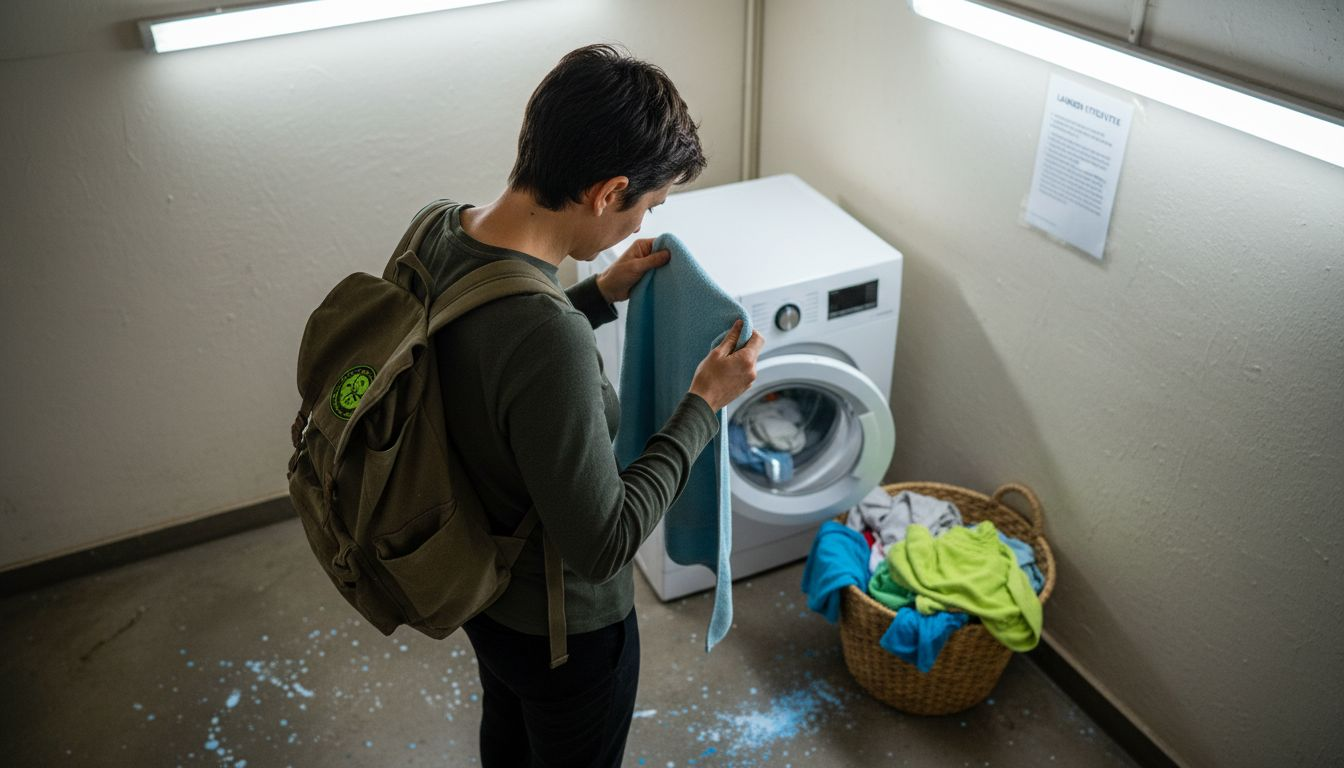
Cleaning experts recommend a strategic approach to towel preparation. Start by sorting your towel based on color and examining its care label for specific washing instructions. Fabric care labels are your roadmap to maintaining towel quality.
Pre-Washing Checklist:
When it comes to washing, temperature matters. Health professionals suggest using hot water to effectively kill bacteria and remove oils that can cause odors. For cotton towels, hot water helps maintain absorbency and ensures a deep clean.
Proper pre-treatment transforms an ordinary towel into a reliable travel companion.
Pro tip: Always hang your towel to dry completely after washing to prevent bacterial growth and maintain freshness.
Mastering the art of outdoor towel drying can transform your travel experience from soggy and frustrating to clean and efficient. When you’re on the road, knowing how to dry and store your towels quickly becomes a crucial skill for comfort and convenience.
Meteorological experts recommend understanding environmental conditions for optimal towel drying. Sunlight, temperature, and wind play critical roles in how fast your towel will dry. Key outdoor drying factors include:
Consumer Reports highlights that quick drying preserves towel integrity and prevents musty odors. Position your towel to maximize air circulation - spread it fully on a line or rack, ensuring no folded sections remain damp. Avoid shaded or humid areas that slow evaporation.
This summary highlights the main factors affecting outdoor towel drying efficiency:
| Factor | Impact on Drying | Practical Tip |
|---|---|---|
| Sunlight | Speeds up evaporation | Place towel in full sun |
| Wind | Enhances air flow | Hang in breezy spots |
| Temperature | Warmer is faster | Dry during warm hours |
| Humidity | Slows drying | Avoid humid mornings |
| Hanging Area | Increases surface exposure | Use wide drying racks |
Sunlight isn’t just for warmth - it’s nature’s disinfectant and dryer.
Pro tip: Invest in a lightweight, portable drying rack that can be repositioned to follow the sun and wind for maximum efficiency.
Traveling doesn’t mean you have to settle for funky-smelling or stained towels. Learning how to tackle odors and stains quickly can keep your travel towel fresh, clean, and ready for your next adventure.
Cleaning experts recommend swift action when dealing with unexpected towel mishaps. Stain removal strategies vary depending on the type of stain and available resources. Here are some portable solutions:
Naturopathic professionals warn that bacterial growth causes most towel odors. Natural solutions like vinegar or lemon juice can neutralize smells without harsh chemicals. When possible, expose towels to sunlight and air to help kill bacteria and reduce musty odors.
Quick treatment prevents permanent stains and lingering smells.
Pro tip: Pack a small spray bottle with equal parts white vinegar and water for an instant, natural odor-fighting solution.
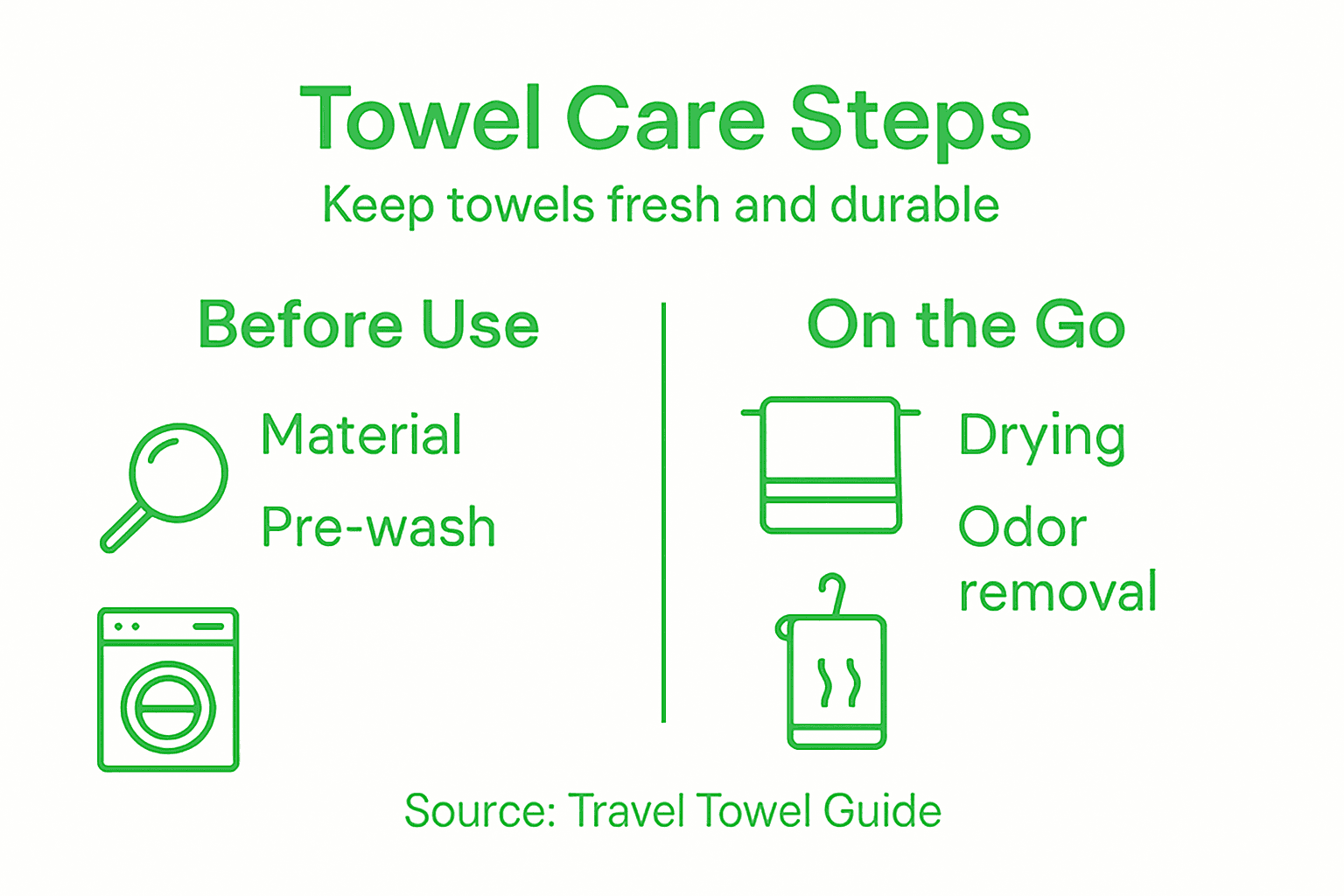
Before heading out on your next adventure, giving your travel towel a thorough inspection ensures you’re prepared for whatever journey awaits. Think of this as your towel’s pre-flight health check - a critical step that can save you from unexpected travel hiccups.
CDC travel experts recommend a systematic approach to towel preparation. Towel condition assessment involves more than just a quick glance. Here’s a comprehensive checklist for your pre-trip towel evaluation:
Consumer Reports suggests strategic packing techniques to maximize space and protect your towel. Rolling instead of folding can reduce wrinkles and save precious luggage space. Consider using mesh or breathable bags that allow airflow and prevent moisture buildup.
A well-maintained towel is your silent travel companion.
Pro tip: Invest in a lightweight, compact packing cube specifically designed for travel towels to keep them compressed and protected.
Travel towels bring comfort and convenience but only when they stay fresh, dry, and easy to carry. This guide highlights challenges like odor removal, quick drying outdoors, and compact packing—all vital for hassle-free travel. If you value durability and ease of use, pairing your care routine with reliable outdoor gear makes all the difference.
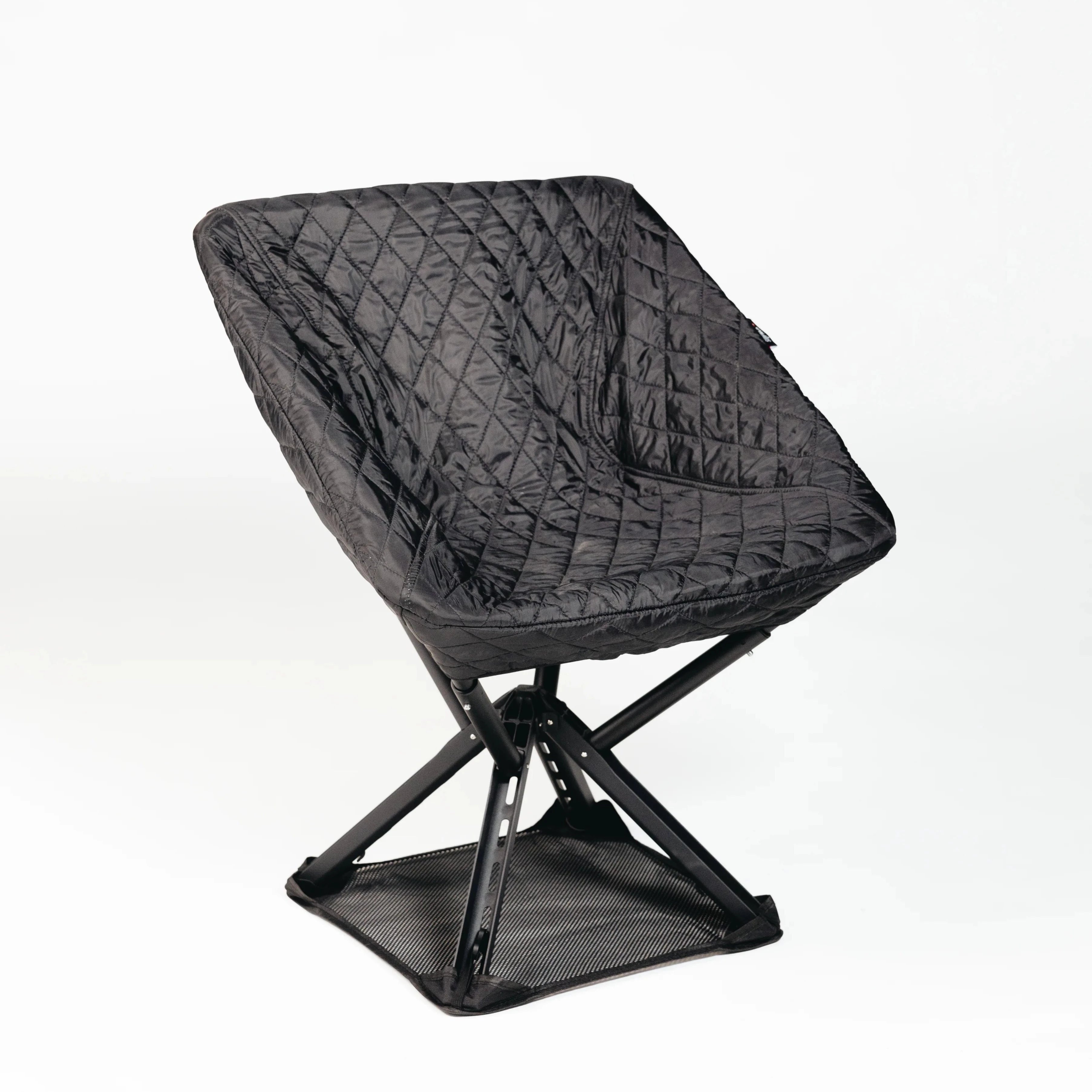
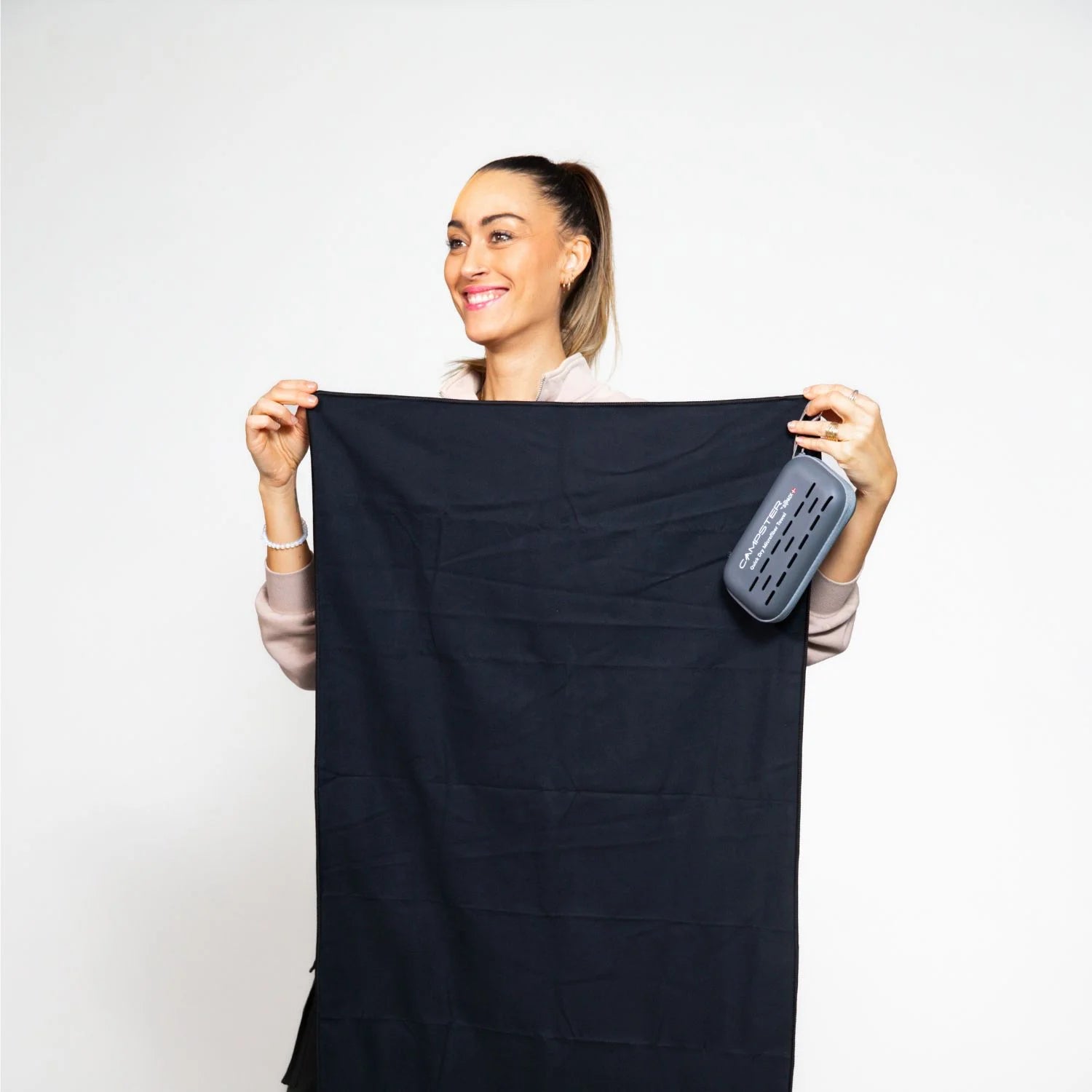
Experience how modern solutions can elevate your adventures. Whether you need portable seating that matches the lightweight, compact qualities of your favorite travel towel or want accessories designed for quick drying and easy storage, Sitpack offers innovative options perfect for the outdoor enthusiast. Discover the best in foldable chairs, thermal blankets, and travel accessories crafted to support your comfort on the go.
Make care and convenience a priority today
Explore smart travel gear and keep your essentials fresh and ready by visiting Sitpack Online Shop. Elevate your next trip with lightweight, durable products designed to simplify your outdoor experience. Shop now and enjoy fast worldwide delivery and satisfaction guaranteed.
Synthetic microfiber and natural cotton are the most popular materials for travel towels. Choose synthetic microfiber for ultralight and quick-drying needs, while natural cotton provides superior absorbency and comfort, especially for sensitive skin.
Pre-treat your travel towel by checking for stains and following the manufacturer’s care instructions. Sort the towel by color, inspect for any visible stains, and select the appropriate water temperature for washing to maintain its quality.
To dry towels efficiently outdoors, hang them in direct sunlight and ensure proper air circulation. Aim to maximize exposure to wind and sun by using a drying rack or line, as this can significantly reduce drying time and prevent musty odors.
Use travel-sized enzymatic stain removers or a mixture of white vinegar and water for quick treatment of odors and stains. Blot the stain gently and expose the towel to sunlight to help neutralize smells and kill bacteria.
Prior to packing, inspect your travel towel for any signs of wear, including tears, lingering odors, or discoloration. Make sure the towel is completely dry and in good condition to ensure it serves you well during your travels.
To maximize space, roll your travel towel instead of folding it. Consider using a lightweight packing cube designed for towels, which will help keep it compressed and protected during your journey.