カート
0
サインアップすると注文から 10 ドル割引になります
配達予定
1〜3日
こちらもおススメ



デンマークの会社

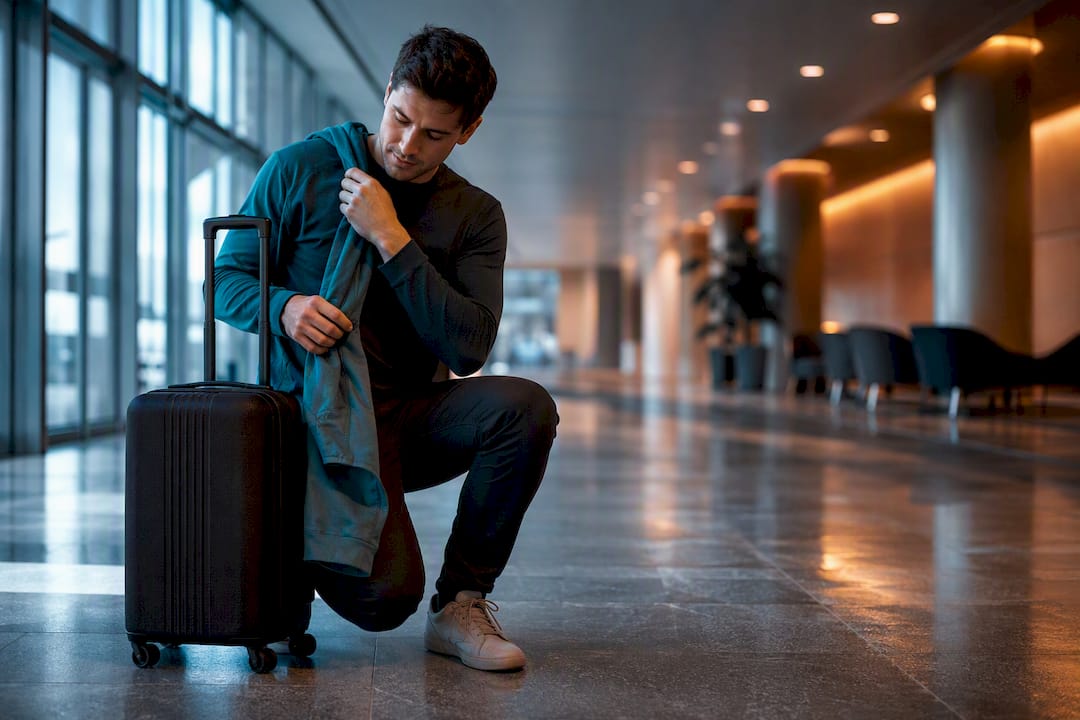
Traveler comfort is the combined physical and psychological state that lets you be fully present during a trip. It’s not a luxury bolt-on. When your body isn’t fighting a bad seat and your mind isn’t scrambling for the next gate, you actually notice the trip you paid for. A cramped middle seat drains you fast; a decent night’s sleep before departure buys you hours of attention you’d otherwise burn on irritability.
TL;DR:
- Optimizing sleep, posture, and scheduling offers the highest return on comfort during travel, especially on long-haul or multi-leg trips.
- Supportive gear like lumbar cushions, noise-canceling earbuds, and portable stools can significantly reduce physical and environmental discomfort.
- Managing light exposure, hydration, and movement routines prevents circadian disruption and circulation issues that compound travel fatigue.
- Small, strategic investments in comfort tools can lower mental load and increase in-transit attention, making travel feel less burdensome.
- Prioritizing high-leverage comfort measures, like sleep and posture support, outweighs spending on multiple minor accessories that provide limited benefit.
Most people think “comfort” means a soft seat and a good pillow. That’s half the story. Academics who study this stuff define traveler comfort as the combined physical and psychological satisfaction you get from a journey, not just the absence of pain. It’s a prerequisite for presence, not an upgrade you buy when the budget allows.
The standard industry term for this is “traveler wellbeing” or “journey experience quality,” but “traveler comfort” is what most people search for and what we’ll use throughout, because it’s the phrase that actually describes the feeling you’re chasing: the ability to land, arrive, or check in without feeling like you survived something.
Here’s where it gets interesting: comfort isn’t one thing. It’s a stack of smaller conditions, and if you’re only optimizing one (say, buying a fancier suitcase) while ignoring another (like sleep timing before a red eye), you’re leaving most of the benefit on the table. That’s why the smartest approach breaks comfort into distinct, manageable pillars rather than treating it as a single vague goal.
Comfort during travel breaks down into four interacting pillars: physical, environmental, psychological, and systems. Miss one, and the others compensate, but usually not for long. A great seat can’t fully offset three nights of bad sleep, and a calm mind still notices when your lower back is screaming.
Physical comfort covers posture, seating quality, sleep, and clothing. This is the pillar most people focus on first because it’s the most obvious. Sitting hunched for six hours compresses your spine and restricts blood flow; a lumbar cushion or a seat with real back support changes that equation immediately. Clothing matters more than people admit. Compression fabric that’s too tight around the waist, shoes that swell your feet by hour four, and fabrics that trap heat all chip away at how good you feel by the time you land.
Environmental comfort is about the physical space you occupy: cabin temperature, seat pitch, noise levels, air quality, and lighting. You can’t control most of this on a commercial flight, but you can control your response to it. Noise-canceling earbuds, a compact travel blanket, or an eye mask that actually blocks light are cheap countermeasures to an environment designed for logistics, not humans.
Psychological comfort is the pillar most travel advice skips entirely, and it’s arguably the one that matters most. It covers cognitive load, predictability, and privacy. A reduction in decision fatigue from predictable transfers and shorter walking distances often beats expensive seat upgrades, because your brain spends less energy guessing what happens next. Small discomforts also compound psychologically. Blisters, a poorly fitting bag strap, or constant low-grade anxiety about a tight connection degrade experience quality even when nothing has technically gone wrong.
Systems and routine comfort is the meta-pillar: how well you’ve designed your trip so the other three don’t collapse under pressure. This means building in buffer time, choosing flight times that respect your sleep schedule, and having a repeatable packing and prep routine so you’re not improvising at 5 a.m.
These pillars compound, both up and down. Poor sleep the night before travel makes you more sensitive to noise and more irritable about delays, so a psychological problem becomes a physical one. Conversely, fixing your systems pillar (better scheduling, predictable routines) reduces the load on your psychological pillar, which then makes physical discomforts easier to tolerate. Improving one pillar rarely fixes everything, but it usually makes the next improvement easier.
Here’s what improvement looks like at a practical level for each pillar:
Comfort during travel is mostly a sequencing problem: what you decide before the trip, what you do in transit, and how you recover on arrival. Handle these three phases well and you skip most of the misery other travelers accept as normal.
Pro Tip: Set a phone alarm for hourly movement instead of relying on willpower. By hour three of a long flight, you will not remember to get up on your own, and that’s exactly when it matters most.
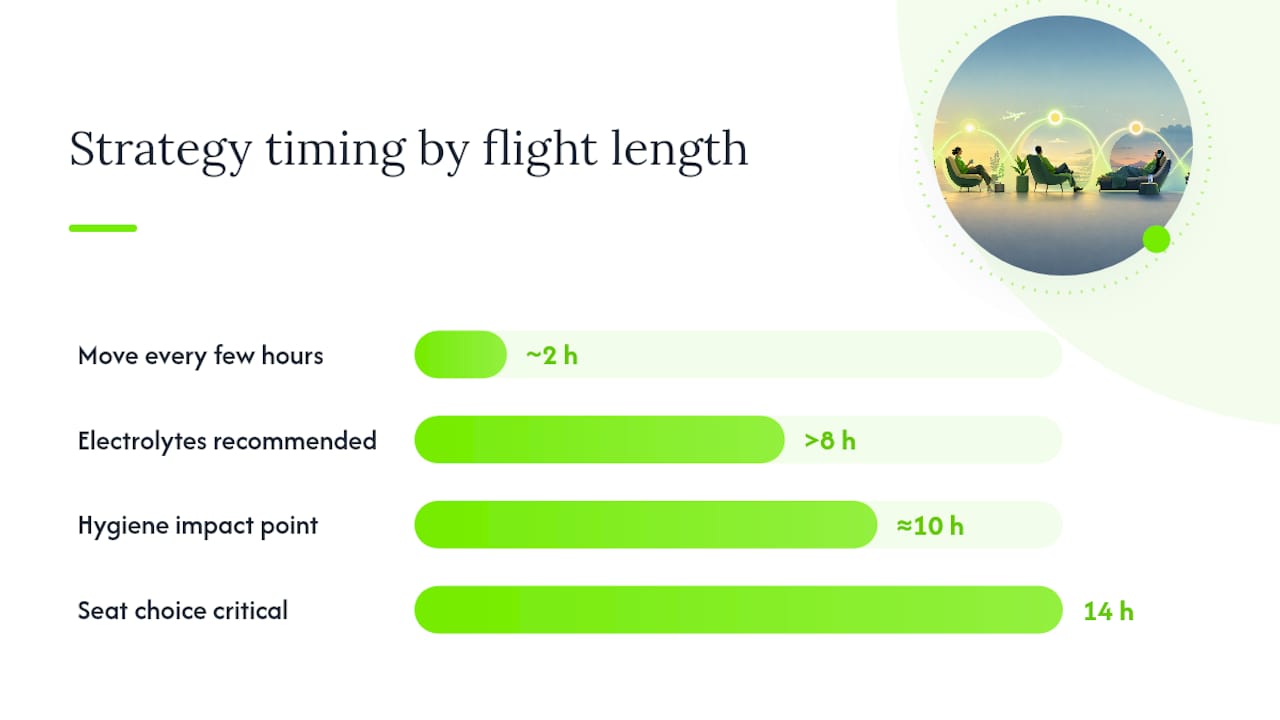
Long-haul travel amplifies every comfort mistake. A bad seat choice on a two-hour flight is an inconvenience; the same mistake on a fourteen-hour flight becomes the defining memory of your trip.
Seat selection matters more here than anywhere else. Aisle seats let you get up without disturbing anyone, which matters on flights where you should be moving every couple of hours. Window seats give you a stable surface to lean against and full control over your microclimate. Exit row seats offer legroom but often come with fixed armrests and no underseat storage, so check the seat map configuration before assuming more legroom automatically means more comfort.
Hygiene and amenity routines matter more than people expect on long-haul flights. A basic kit including a toothbrush, face wipes, and a change of socks does more for how you feel at hour ten than almost any gadget. Frequent long-haul travelers treat this as part of sleep prep, not an afterthought.
Circadian management is where the real leverage is. Timed light exposure and apps like Timeshifter that build personalized light and sleep schedules around your specific flight and destination time zone can meaningfully shift your internal clock before you land. Sleep aids have limits: they can help you fall asleep in an uncomfortable seat, but they don’t replace the deep, restorative sleep your body needs, and mixing them with alcohol tends to backfire.
Food and hydration deserve a plan, not improvisation:
Not every comfort item deserves a spot in your bag. Weight and multifunctionality both matter, and the right kit changes depending on trip length.
For short trips (under four hours), prioritize a compact neck pillow and noise-canceling earbuds. For long-haul flights, add a lumbar cushion, compression socks, an eye mask, and a real amenity kit. For outdoor-heavy trips (layovers with long waits, festivals, hiking bases), a portable seat becomes the single highest-value item you can pack, because standing in lines or on hard ground for hours is one of the fastest ways to burn through both physical and psychological reserves.
Medical guidance backs some of this up directly. Doctors and travel medicine experts recommend posture support for long sitting periods, specifically lumbar cushions and memory-foam neck pillows, because prolonged sitting without support increases muscular strain and circulation issues.
Weight versus utility is the trade-off that trips people up. A multifunction item, like a jacket that converts to a pillow, often beats two single-purpose items, even when the single-purpose versions each perform slightly better individually. Redundancy has its place too: carrying a backup phone charger is smart, but carrying three neck pillows because you can’t decide which one you like is dead weight.
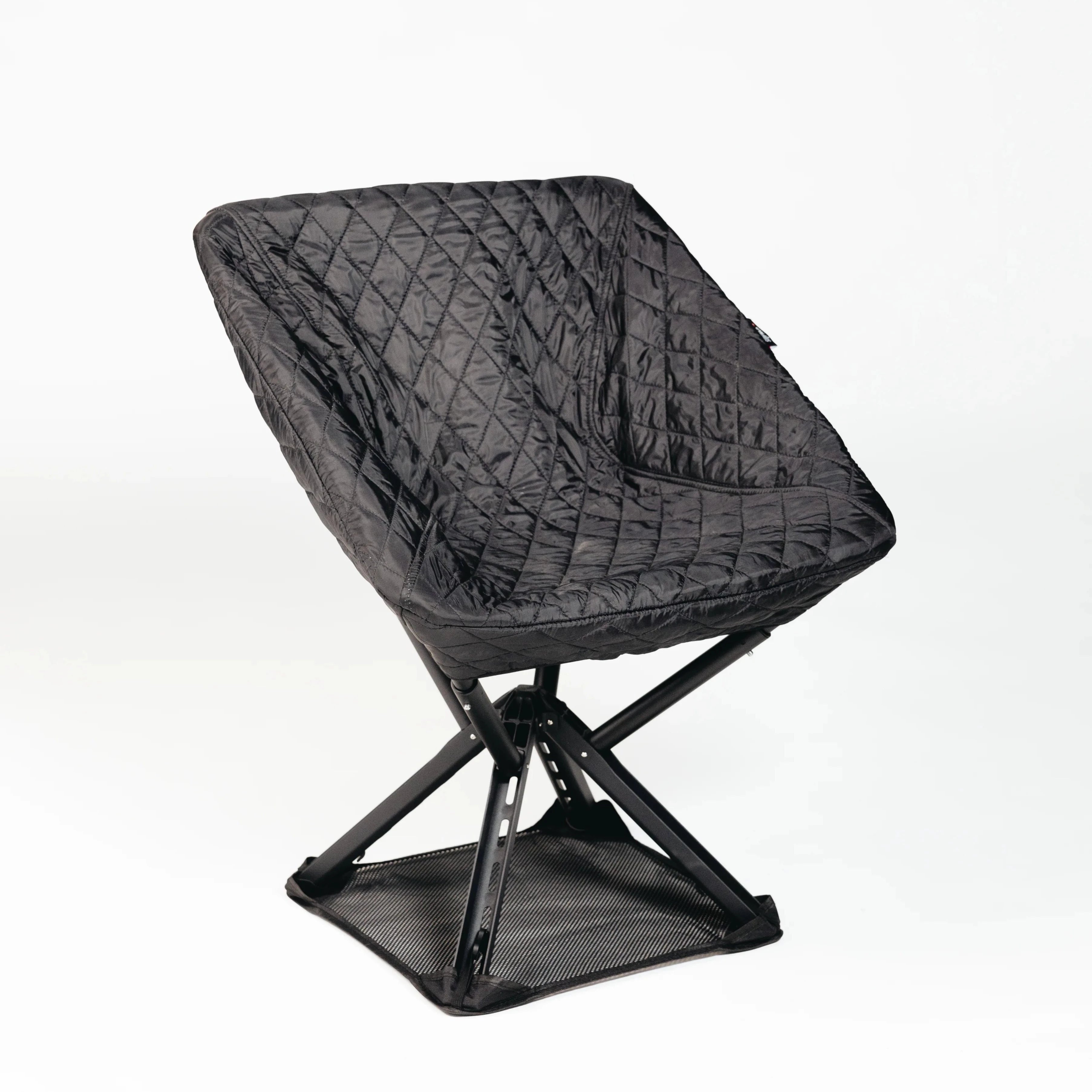
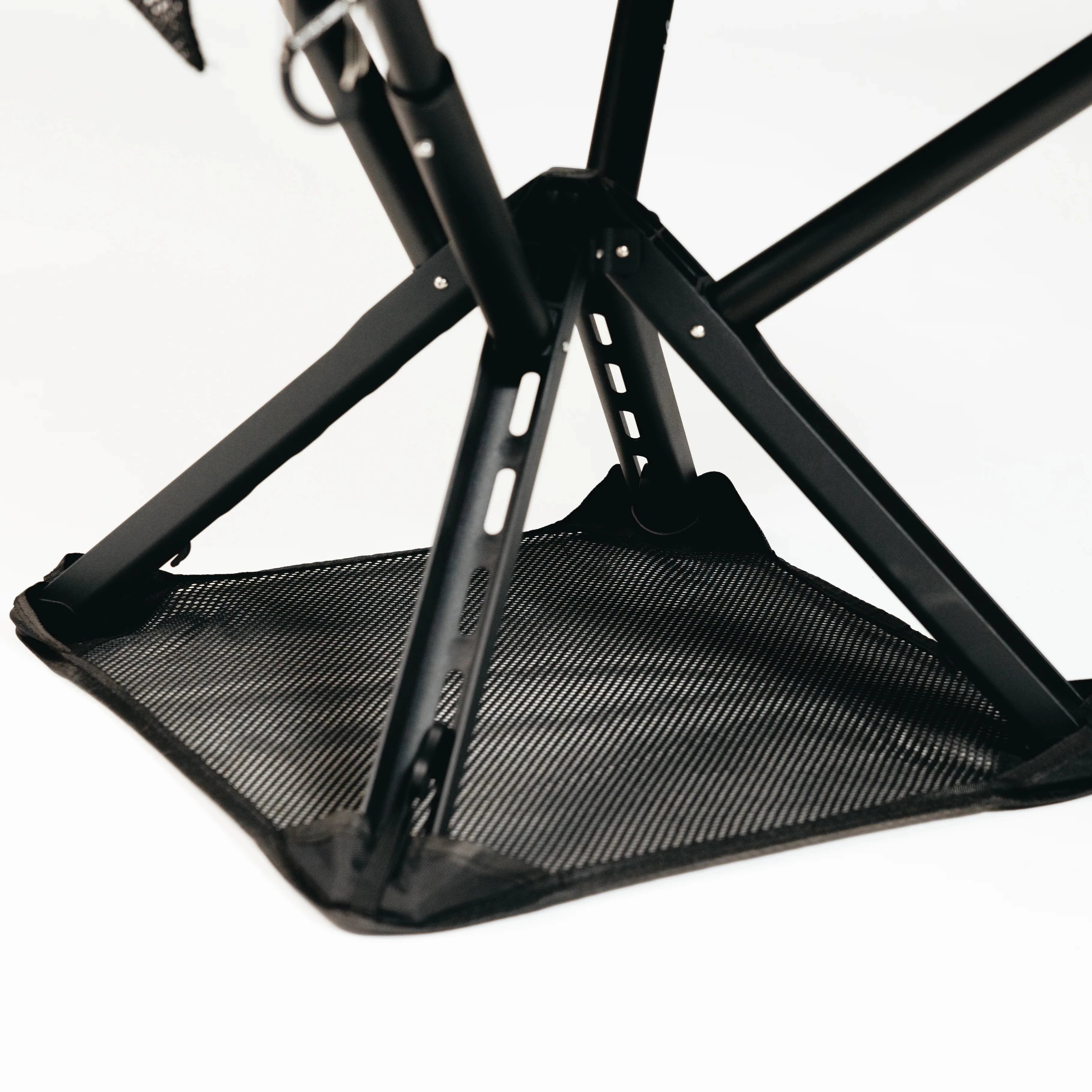
This is where a genuinely portable stool earns its place. Sitpack designs foldable seating built to pack down small enough for a day pack while still supporting real body weight, backed by a 45-day satisfaction guarantee and a lifetime warranty on the frame. Portable seating like this is highest value when your trip includes standing lines, outdoor events, or long waits, situations where the alternative is either sitting on the ground or not sitting at all.
Sitting still for hours does real, measurable damage to circulation, and the fix doesn’t require a gym.
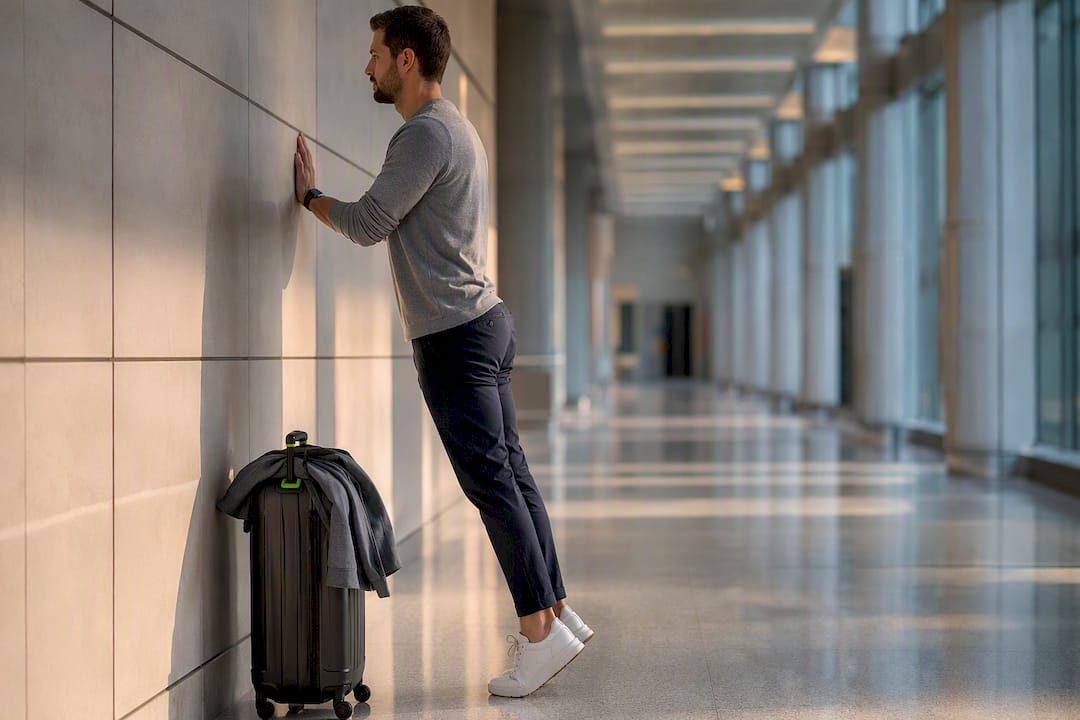
Seated ankle circles, calf raises, and shoulder rolls take under a minute each and keep blood moving without leaving your seat. Do them every 30 to 45 minutes on flights over two hours. For flights longer than four hours, get up and walk the aisle every one to two hours; this single habit does more for circulation than any product you could buy.
Compression socks in the 15 to 20 mmHg range are commonly recommended for general swelling prevention, but medical guidance is clear that specific compression levels should be personalized with a clinician, especially if you have any history of circulation issues or blood clotting risk. Don’t guess your own compression strength based on a product label alone.
Comfort doesn’t just feel better in the moment. It literally changes how your brain values the time you spend traveling. Research published in the Journal of Choice Modelling found that travelers who can use their travel time productively, or who experience better in-transit comfort, report a meaningfully lower subjective cost for that same block of time. In plain terms: a comfortable hour on a train doesn’t feel like an hour lost. An uncomfortable hour does, even if the clock says otherwise.
The mechanism behind this is cognitive load. Discomfort consumes mental bandwidth that would otherwise go toward noticing your surroundings, holding a conversation, or simply relaxing. That bandwidth theft is why two people can take the identical flight and remember it completely differently.
Comfort acts less like a luxury and more like a filter on attention. When your body and mind aren’t managing low-grade discomfort, more of your trip actually reaches your memory instead of dissolving into background noise.
The practical rule that falls out of this: spend your comfort budget where it protects attention, not just where it looks nice. Sleep, posture, and predictability tend to preserve more presence per dollar than most cosmetic upgrades.
I once flew fourteen hours in a middle seat with a lumbar cushion I’d almost left behind. That one item was the difference between arriving upright and functional versus arriving in the kind of pain that ruins your first day. It taught me that comfort investments aren’t about luxury; they’re about which version of yourself steps off the plane.
The single takeaway worth carrying forward: pick one or two high-leverage comfort investments per trip, sleep and posture usually top the list, rather than scattering your budget across a dozen small items that add weight without adding much relief.
— Jonas
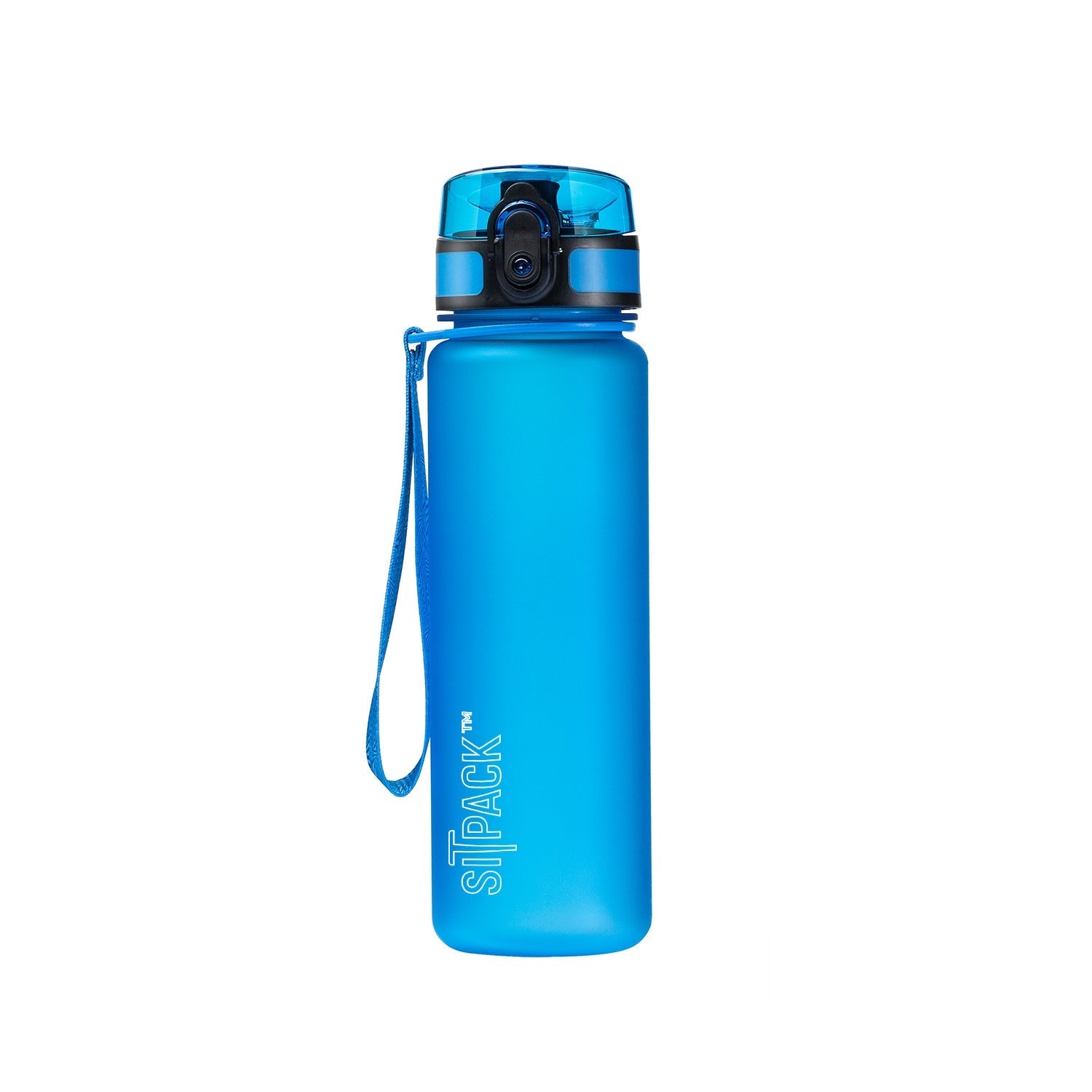
Long waits, outdoor layovers, and hard ground are where most comfort gaps show up, and they’re exactly what Sitpack’s foldable seating was built to solve. Instead of standing for an hour at a gate or perching on a curb during a long layover, a Sitpack stool folds down to the size of a water bottle and unfolds into real seating in seconds.
A portable stool earns its spot in your bag when your itinerary includes long security lines, outdoor festivals, layovers without seating, or hikes with limited rest stops. If your trips rarely leave you standing around, skip it. If they do, the weight-to-relief ratio is hard to beat compared to carrying nothing and hoping for a bench.
Every Sitpack model ships with a lifetime frame warranty and a 45-day satisfaction guarantee, so there’s no risk in testing one against your next long trip. Check the current lineup and pick the model that matches your travel style on the Sitpack seating collection.