カート
0
サインアップすると注文から 10 ドル割引になります
配達予定
1〜3日
こちらもおススメ
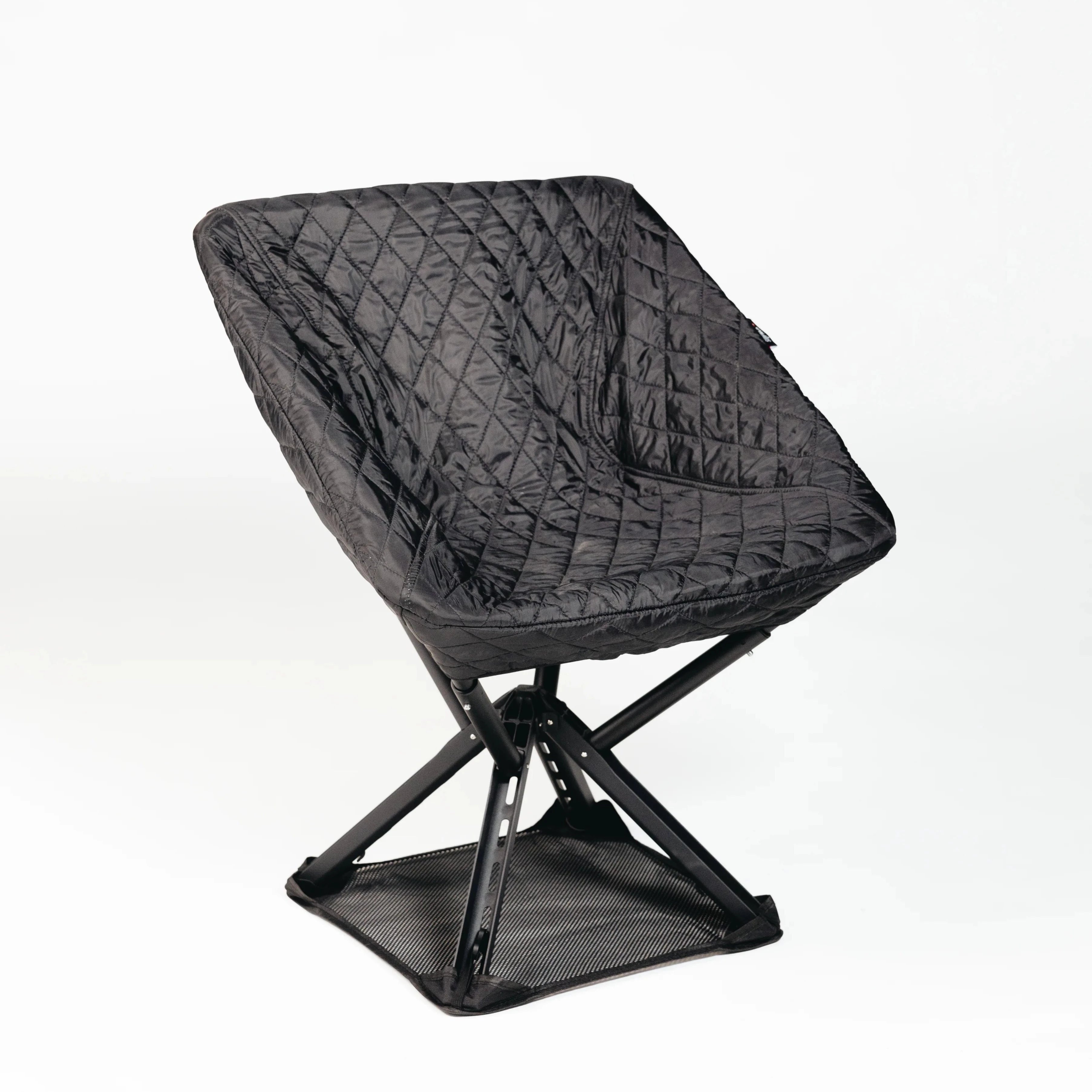
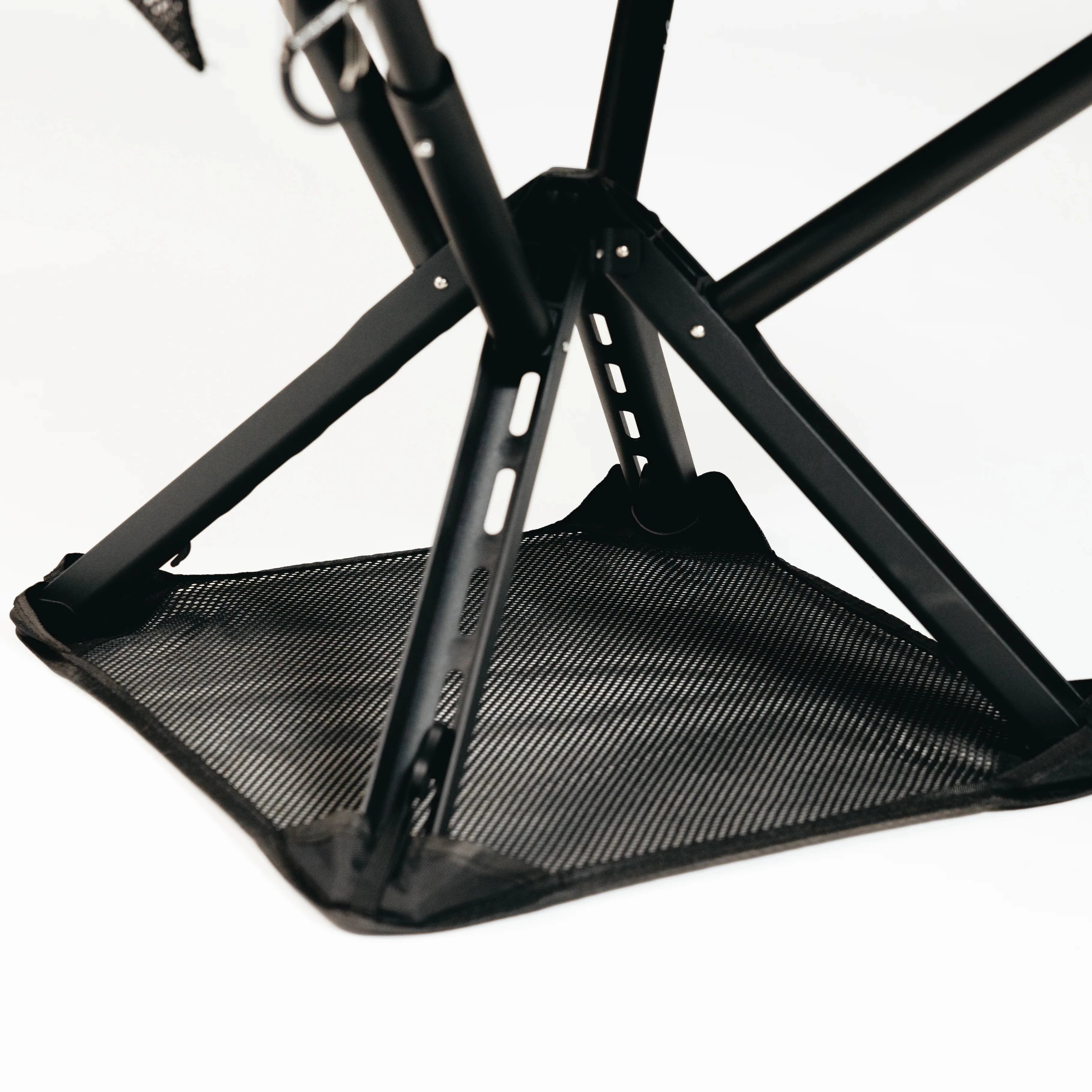
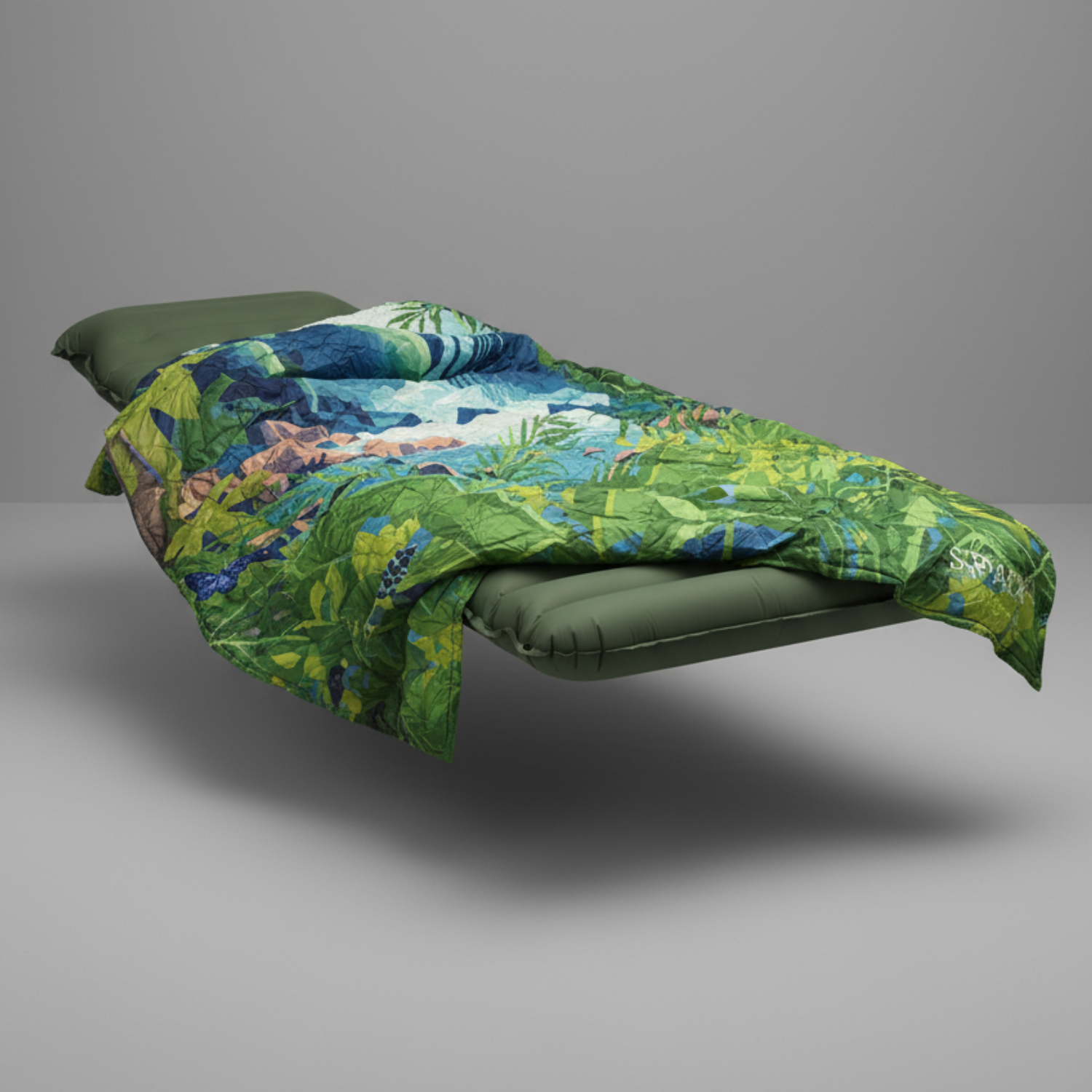


デンマークの会社

TL;DR:
- Seat comfort technology now integrates ergonomic design, advanced materials, and electronic support features across portable and outdoor seating. Innovations like lumbar support and modular systems enhance long-term comfort in various formats, including camping chairs and transit seats. Automotive advancements in mechatronic support and body-focused designs are increasingly influencing portable seating for better support and user experience.
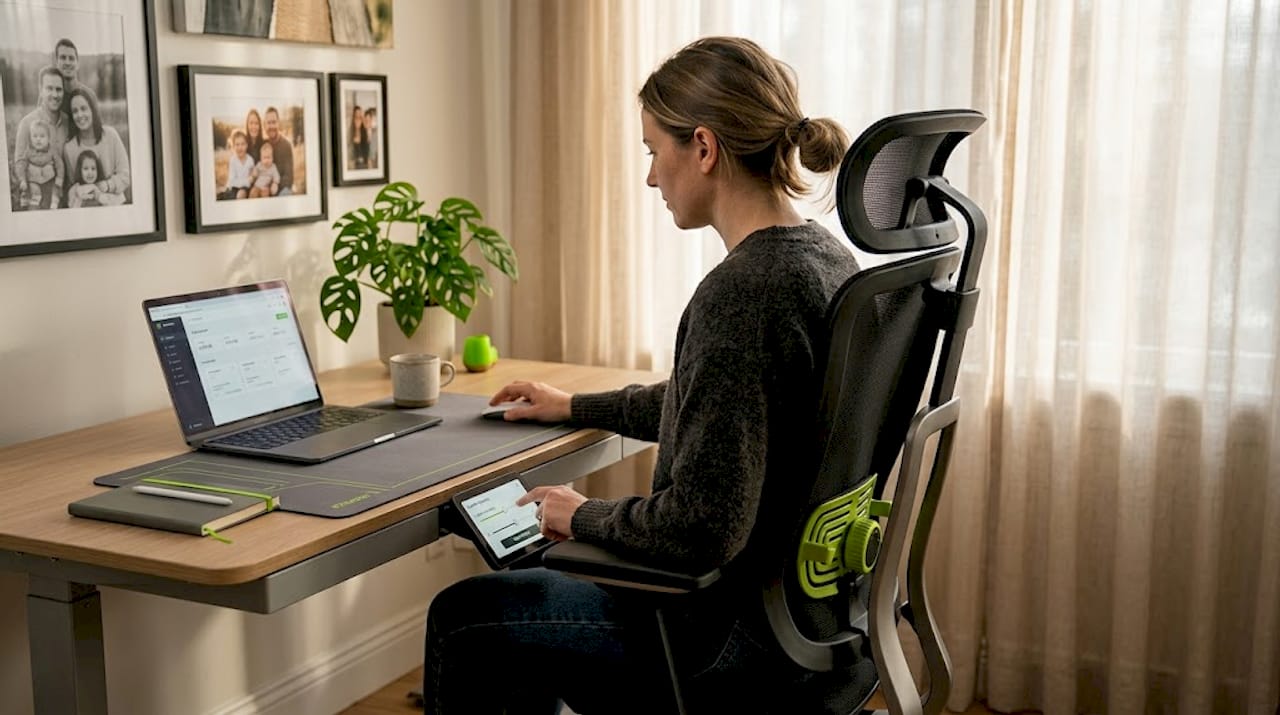
Seat comfort technology is growing fast, and it’s not just for luxury car seats anymore. The global market hits $6.9 billion in 2026, driven by innovations in ergonomic design, smart materials, and electronic support systems. But here’s what most people miss: those same breakthroughs are quietly making their way into portable chairs, camping gear, and travel seating. Whether you’re parking your posterior on a folding chair at a trailhead or surviving a three-hour train commute, understanding what seat comfort tech actually involves helps you make far smarter choices about where and how you sit.
| Point | Details |
|---|---|
| Seat comfort tech basics | Seat comfort technology includes ergonomic design, advanced materials, and mechanical features that improve seating experience. |
| Material importance | Using layered foams and breathable covers significantly enhance comfort by balancing support and heat/moisture management. |
| Outdoor application | Portable seats with memory foam and ergonomic geometry bring home-like comfort to camping, travel, and urban use. |
| Auto innovations help | Features like lumbar support and massage from automotive seating inspire better portable seating solutions. |
| Smart selection tips | Choose seating based on fit, cushioning, breathability, and portability to maximize comfort for your activities. |
So, what is seat comfort tech, really? At its heart, seat comfort technology refers to the combination of ergonomic design, engineered materials, and electronic features that work together to make sitting less punishing on your body. Think of it as the science of not hating your chair after 45 minutes.
The field breaks down into three broad categories:
Lumbar actuator systems make up 29.1% of the seat comfort product segment, offering ergonomic lumbar support often combined with massage and memory functions. That’s a huge slice of the market, and it tells you just how much emphasis engineers place on lower-back support. Your lumbar region takes the brunt of sustained sitting, so targeting it with adjustable support makes an enormous difference in how you feel after an hour in a chair.
Massage functions are another big piece of the puzzle. Adient’s ProForce Massage Flow solution expands massage coverage to lower-back muscles with modular integration for flexible seating applications, meaning the same principles can theoretically be scaled into different formats beyond just car seats. We’re moving toward a world where your camping chair might one day tap your back muscles after a long hike. Not quite there yet, but the direction is clear.
What makes this relevant to the role of comfort in portable seating is modularity. Seat comfort systems are increasingly designed to adapt across different formats. That same modular thinking influences how portable and adaptable seating for travelers gets engineered today.
Pro Tip: When evaluating any portable chair, look specifically for lumbar curve support in the backrest, even if it’s passive (meaning built into the shape rather than motorized). That single feature does more for long-term comfort than extra padding alone.
Now that you know what seat comfort technology involves, let’s explore the materials that make sitting pleasant for long periods.
Foam is where most of the action happens. A double-layer cushion combining fast-recovery and slow-recovery foam at a 1:2 ratio offers optimal pressure redistribution and support balance for long-term comfort. The fast-recovery layer on top responds quickly to movement, while the denser slow-recovery layer underneath provides lasting structural support. It’s a bit like a mattress that wakes up with you.
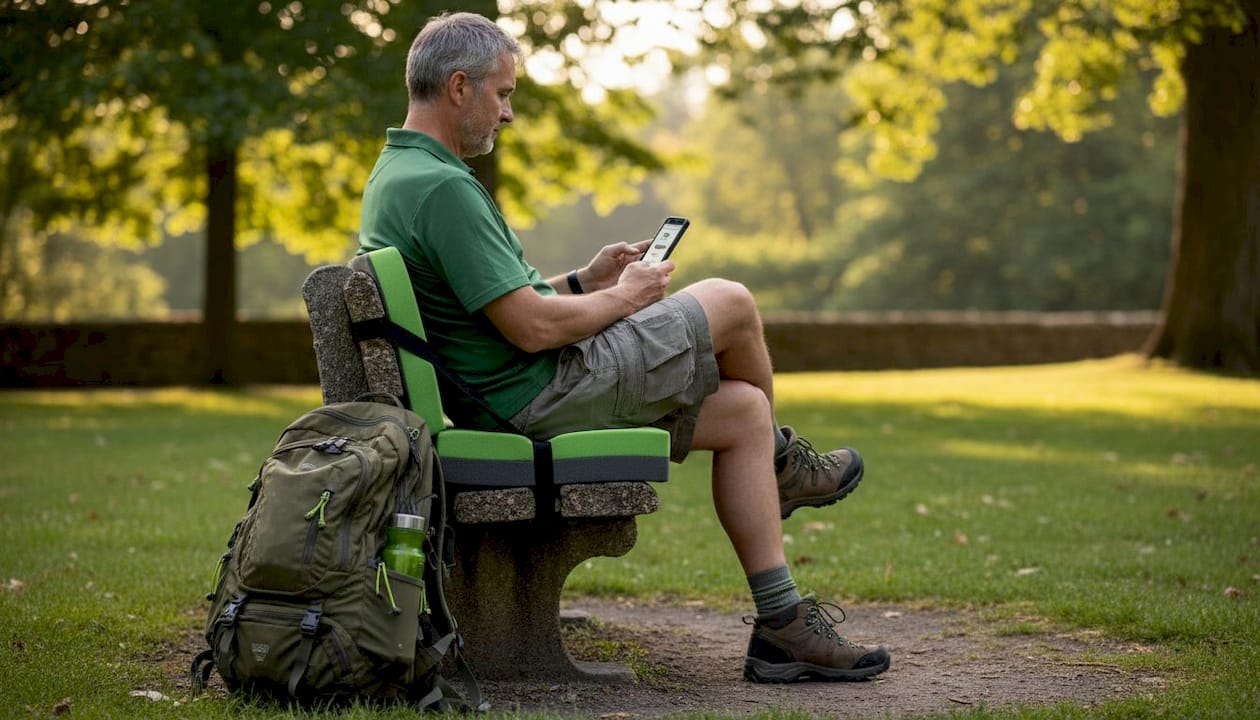
Seat cover textiles matter just as much as the foam underneath. Warp-knitted polyester seat covers with nonwoven lamination improve air and moisture permeability by 20 to 30%, enhancing thermo-physiological comfort during prolonged sitting. In plain terms: the right fabric helps your seat breathe, which keeps you cooler and drier. If you’ve ever peeled yourself off a synthetic seat on a hot afternoon, you already know why this matters.
| Material type | Key benefit | Best use case |
|---|---|---|
| Slow-recovery foam | Pressure relief, body contouring | Long sits, travel, camping |
| Fast-recovery foam | Responsive support, durability | Active use, frequent adjustment |
| Warp-knit polyester cover | Breathability, moisture control | Hot weather, extended sitting |
| PU-laminated cover | Water resistance | Wet outdoor environments |
| Open-mesh textile | Maximum airflow | Summer camping, urban transit |
Some outdoor gear brands are already catching on. The HEST Foamy Camp Chair uses temperature-resilient memory foam cushioning combined with Adirondack-inspired geometry for portable outdoor comfort, essentially borrowing the same material science principles used in premium automotive seats and packing them into a foldable camp chair. That’s the crossover moment seat comfort tech has been quietly building toward.
Key material factors to consider for outdoor or transit seating:
For practical portable seating comfort upgrades and travel-ready seating comfort, prioritizing breathable covers with multi-density foam underneath gives you the best of both worlds.
Pro Tip: Avoid chairs with single-density foam under 2 inches thick for any sit longer than 30 minutes. That foam will compress fully and you’ll essentially be sitting on the frame.
Understanding materials is essential, but how do these features translate into real-world portable and urban seating? Let’s compare options.
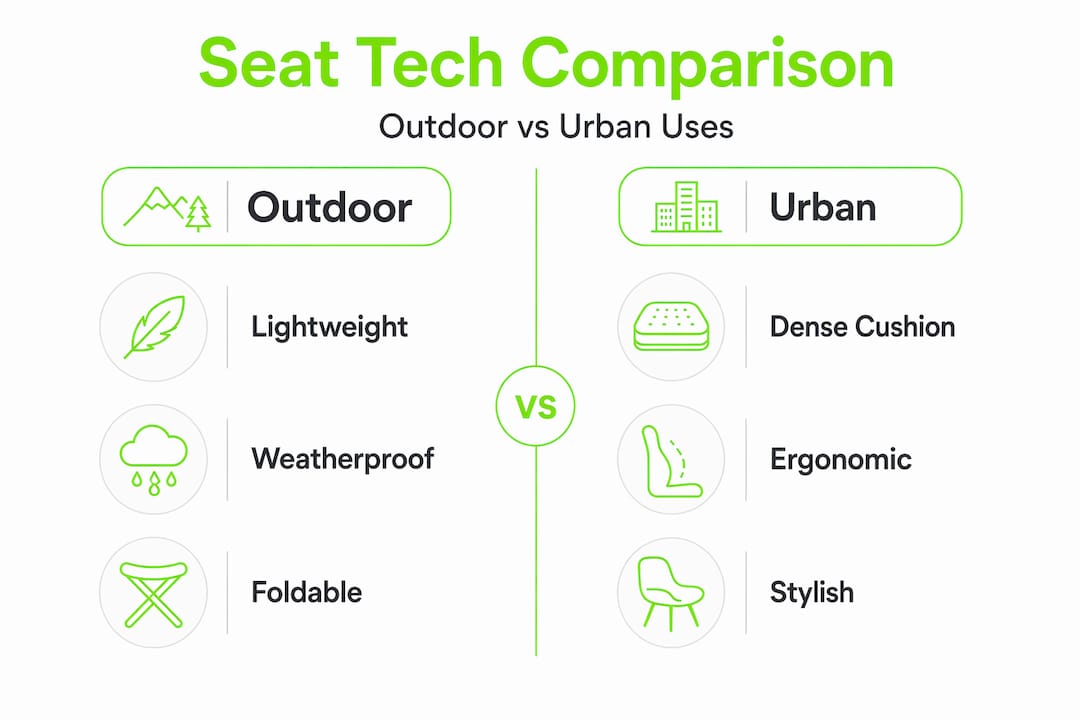
The portable seating market covers a wide spectrum, from ultralight stools you stuff in a pack pocket to fully cushioned folding chairs that rival your living room recliner. Each category makes different trade-offs between comfort, portability, and durability.
| Seating type | Cushion tech | Portability | Weight capacity | Best for |
|---|---|---|---|---|
| Memory foam camp chair | Temperature-resilient foam, ergonomic shell | Moderate (carry bag) | Up to 500 lbs | Extended camping stays |
| Ultralight folding stool | Minimal or no cushion | Excellent (pocket-sized) | 200 to 300 lbs | Hiking, quick stops |
| Padded travel seat cushion | Single or dual foam layer | High (folds flat) | N/A (accessory) | Urban commutes, flights |
| Ergonomic portable chair | Lumbar-contoured backrest, foam seat | Moderate | 250 to 350 lbs | Camping, festivals |
The HEST Foamy Camp Chair supports up to 500 lbs with removable memory foam cushions and packs into a carry bag for easy transport, which makes it one of the more complete examples of seat comfort technology applied to outdoor use. Removable cushions are a smart detail because they let you wash covers and replace foam if it eventually degrades.
Key features worth comparing when shopping for portable seat comfort tech:
Understanding these differences helps you align your seating choice with how and where you actually use it, not just how it looks in a product photo.
Now, let’s explore how you can apply seat comfort technology knowledge to select the best portable seating for your activities.
Choosing the right seat is less about picking the most expensive option and more about matching the chair’s specs to your body and your context. Here’s a practical checklist to guide you:
With these criteria, you’ll be better positioned to select seat comfort tech that meets your practical and lifestyle needs.
Pro Tip: For adaptable seating for travelers, a portable seat cushion with dual-density foam is often the most flexible investment. It upgrades any existing chair, bench, or stadium bleacher without requiring you to carry a full chair.
Here’s a perspective that doesn’t get nearly enough airtime: the outdoor seating industry is about five to ten years behind automotive seat engineering, and it doesn’t have to be.
Automotive seat systems are evolving with integrated mechatronics, adaptable lumbar support, and massage functions for wellness-focused comfort. Car manufacturers pour enormous resources into understanding exactly how the human body responds to sustained sitting, testing everything from foam density to cover fabric permeability. That knowledge doesn’t vanish at the car door. It’s directly transferable to any seat you park yourself in.
A striking example: Opel Intelli-Seats adopt bicycle saddle-inspired recesses to reduce tailbone pressure, a design insight that is genuinely valuable for portable seating comfort. A simple recess in the seat pan, borrowing from cycling ergonomics, reduces pressure on the tailbone by allowing it to float slightly. Most camp chairs ignore this entirely, creating a flat surface that punishes you after 20 minutes.
The honest truth is that most portable seating treats comfort as a secondary feature, something bolted on after the structural and portability problems get solved. That’s backwards. If a chair isn’t comfortable enough to actually sit in for extended periods, portability becomes irrelevant. You’ll leave it in the car.
The brands and products that bridge automotive-grade comfort thinking with outdoor portability requirements represent where the market is heading. Modular lumbar support, dual-density foam, breathable textiles, and tailbone-relief geometry are all features that exist right now in car seats. Bringing them fully into portable and outdoor seating is not a fantasy. It’s just a matter of who gets there first.
Now that you understand seat comfort tech, let’s talk about putting that knowledge to work in your own adventures and daily commutes.
Sitpack’s portable seating solutions are built around exactly the principles we’ve covered in this guide: ergonomic design, lightweight portability, and materials that actually support your body rather than just holding it up. Products like the Campster II and Sitpack Zen are designed for the person who refuses to sacrifice comfort for convenience, whether that’s at a festival, a train platform, or a mountain overlook.
What makes Sitpack worth exploring is the focus on portable seating comfort as a design priority rather than an afterthought. The brand backs its products with a 45-day satisfaction guarantee and ships worldwide, so there’s genuine confidence behind the product claims. If seat comfort tech has taught us anything, it’s that the right seat changes how you experience the places you go.
Seat comfort technology refers to innovations in materials, ergonomic design, and mechatronic features that enhance comfort and support in seating, including portable seats for outdoor and urban use. Seat comfort systems combine motors, electronics, sensors, and control logic into unified seat architectures that actively enhance comfort.
Memory foam cushions conform to body shapes, redistribute pressure evenly, and reduce discomfort during prolonged sitting, making outdoor chairs more comfortable and supportive. The HEST Foamy Camp Chair uses temperature-resilient memory foam that adapts to your body for pressure point relief and all-day support.
Yes, lumbar support and ergonomic features developed for automotive seats can significantly enhance portable seating by improving posture and reducing lower-back fatigue during extended use. Lumbar actuator systems are a key component of seat comfort technology, widely applied to reduce fatigue.
Warp-knitted polyester seat covers with nonwoven lamination offer better air and moisture permeability, helping maintain a comfortable microclimate during prolonged sitting. Warp-knitted polyester covers showed 20 to 30% better water vapor permeability and lower evaporative resistance compared to PU-laminated versions.
Select seating that balances ergonomic dimensions, high-quality cushioning materials, breathable covers, and portability features suited to your activities and duration of use. Optimal seat dimensions and softness levels help ensure comfort without pressure points during sustained sitting.