Cart
0
Sign up and get 10$ off your order
Expected delivery
1-3 days
You may also like



Danish Company

The best airline seat is the one that matches what you care about most on that particular flight: legroom, easy access to the aisle, a wall to lean on, or a quiet corner away from the galley. A seat map shows you all of that before you pay a cent, if you know how to read it. This guide walks through the rows, letters and symbols, what each seat type really gives you, which rows to avoid, and how to make the seat you end up with more comfortable.
I’m a firm believer that picking a seat should take five minutes, not fifty. So let’s get you there.
An aircraft seat map is a diagram of the seating layout inside a passenger plane. Airlines publish it so you can choose a seat at booking or check-in. It typically shows how seats are numbered and lettered, and where the emergency exits, lavatories, galleys, bulkheads and wings sit. Some airlines also show which seats are already taken (Wikipedia).
Inside the industry, these layouts are called LOPAs, short for Layout of Passenger Accommodations. Airlines also use cabin codes: J for business class, W for premium economy and M for economy, with some carriers using F for first class (Simple Flying). You will rarely need the jargon, but it helps when you see it on a booking screen.
One handy fact: the map is usually drawn with the top of the screen as the front of the plane and the bottom as the rear. It is also not usually to scale, so an aisle or galley can look bigger or smaller than it is in real life (The Points Guy). Treat it as a floor plan sketch, not a blueprint.
Think of the cabin as a grid. Rows are numbered from the front of the plane to the back. Letters run across each row, so 24A and 24F sit on opposite sides of the same row.
The letters are where people get tangled. On many aircraft, A is a window and the letter at the end of a block is the other window, with the middle letters being aisles and middle seats. But the exact pattern depends on the plane: a narrow-body with three seats each side is lettered differently from a wide-body with a 3-4-3 layout. Don’t memorize a rule. Look at where the aisle gaps sit on your map and count from there.
Here is a quick decoder for the symbols you will meet:
| What you see on the map | What it usually means | Why you care |
|---|---|---|
| A gap or arrow between two rows | Exit row | Extra legroom, but eligibility rules apply |
| First row of a cabin section | Bulkhead | A wall or screen ahead, no seat in front |
| Small box or cup icon | Galley | Crew activity, light and noise nearby |
| Toilet icon | Lavatory | Queues and door noise |
| Cradle or bassinet marker | Bassinet position | Often on bulkhead rows and used by families with infants |
| Greyed-out or colored seats | Taken, blocked or paid-for seats | Shows what you can actually choose |
Always read the legend on the booking page. Colors and icons differ from airline to airline, and a color that means “free” on one site can mean “extra fee” on another.
For a deeper walk-through of this step, our guide on how to find and read flight seat maps goes through it screen by screen, and our travel seating terminology explainer decodes the vocabulary.
Every seat is a trade. Here is how the main types stack up, based on KAYAK’s summary of the trade-offs (KAYAK).
| Seat type | What you gain | What you give up |
|---|---|---|
| Aisle | Easy access, room to stretch a leg | Easily bumped by trolleys and seat mates |
| Window | Views and something to lean against | More boxed in, and you disturb neighbors to get out |
| Middle | Usually the cheapest or last free pick | Armrest negotiations on both sides |
| Bulkhead | No seat in front, more room | No under-seat storage, can be noisier near galleys and restrooms |
| Exit row | Typically the most legroom | Restrictions such as stowing items for takeoff and landing, sometimes limited recline |
Exit rows are the star of any airline seat guide, and for good reason. But they are not a free-for-all. Under U.S. federal rules, an airline may not seat someone in an exit-affected seat if it decides the person would be unable to perform the required emergency functions, including being under 15 years of age, among other criteria (14 CFR § 121.585). The U.S. Department of Transportation adds that FAA regulations prohibit children under 15 and passengers caring for small children from sitting in exit row seats, and it recommends contacting your specific airline about its policy (U.S. DOT).
Practically, that means if you are traveling with kids, skip the exit row on the map and look at the rows nearby instead. If you do take an exit seat, expect the crew to brief you on your duties and to ask you to stow your bags during takeoff and landing.
There is also a temperature quirk. David Duff, a former content specialist at SeatGuru, notes that the seat nearest an exit door tends to be colder than the rest, and suggests an oversized scarf or fleece if you value the legroom (SmarterTravel). Yes, a cozy layer beats shivering with all that lovely space.

One more trick from a frequent flyer: when a plane has two exit rows, they pick the one nearer the back, because the row ahead of it cannot recline into their space (Business Insider).
No seat is cursed, but a few rows come with predictable compromises. SmarterTravel’s rundown of the worst seats names the last row first: recline may be limited, nearby lavatories and galleys bring noise, smells and queues, there may be no window, and turbulence can feel stronger there (SmarterTravel).
The row in front of an exit row is another one to spot on the map. Seats directly ahead of the emergency exit row will not recline, according to The Points Guy, which also points out that bulkhead seats can feel less roomy than expected because you can’t fully stretch your legs toward the wall, the tray table lives in the armrest and there is usually no under-seat storage (The Points Guy).
Here is a quick scan routine you can run on any map:
A seat map tells you where a seat is, not how big it is. For the measurements, AAA Club Alliance advises that the seat map shown during selection may not be the best tool, and points travelers to the airline’s fleet pages, where seat width, pitch (legroom) and inches of recline may be listed (AAA Club Alliance).
Pitch is the distance from a point on your seat to the same point on the seat ahead. Higher numbers mean more knee room. Width is measured across the seat. Recline is how far the backrest tilts. Put those three numbers next to the symbols on the map and you have a proper picture of a seat, not just a position.
If you want more on managing your body once you are in the seat, our guides on travel seating tips for comfort and mobility and the four pillars of traveler comfort cover the movement and posture side.

This is the step most people skip. Airlines can configure the same aircraft type in different ways, so a map you found for “an A321” may not match your flight. NerdWallet’s advice is to check your aircraft type and arrangement, then use the airline’s seat-selection function to find the matching layout (NerdWallet).
In plain terms: trust the map on your own booking, for your own flight, over any generic page. Aircraft swaps happen, so look again a few days before departure and again at check-in.
Seat-map systems need the airline, flight number, date and cabin, and they display maps cabin by cabin (Travelport). Here is the simplest route:
Our complete flight seat guide has a longer checklist if you want to go step by step.
Perspective
We design for people who spend a lot of time sitting in places that weren’t built for sitting comfortably, whether that is a trailhead, a festival field or gate B27. Our view is simple: you can’t always choose your seat, but you can choose what you bring to it.
After a long day in transit, the things that make the difference are small ones. A light layer for a chilly exit row. Something warm for your lap when the cabin air gets cold. A way to sit comfortably in the departure hall when every chair is taken. That is why our travel range leans on lightweight, minimalist, durable pieces that fold down small and don’t ask for a lot of space in your bag.
The seat map gets you to the right row. We like to think our gear gets you the rest of the way to comfortable.
Jonas
Even a perfectly chosen seat has a bad day. The map can only do so much, so a few carry-on choices fill the gap.
Wondering whether the effort is worth it? Our piece on why investing in travel comfort pays off makes the case for every trip, not just the long ones.
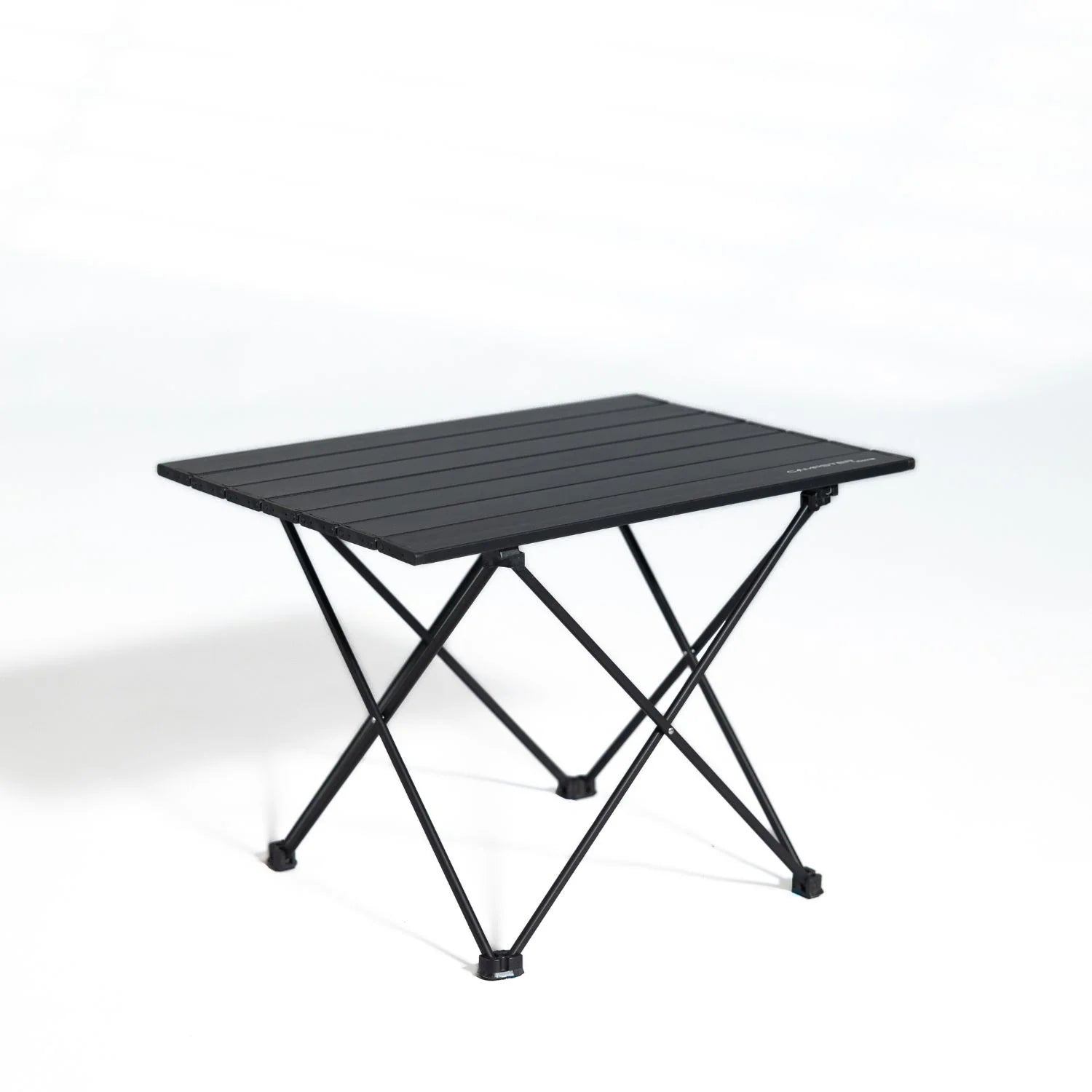
If you like your travel gear light and clever, take a look at what we make. Our range covers portable, foldable chairs and stools, plus accessories like blankets, seat warmers, tables and travel towels, all built around lightweight, minimalist and durable design. Orders ship worldwide, and we offer a 45-day satisfaction guarantee, with a lifetime warranty on select items.
Start with the Campster collection, or browse the full Sitpack, OCTO and Airwrap range to see what fits your next trip.

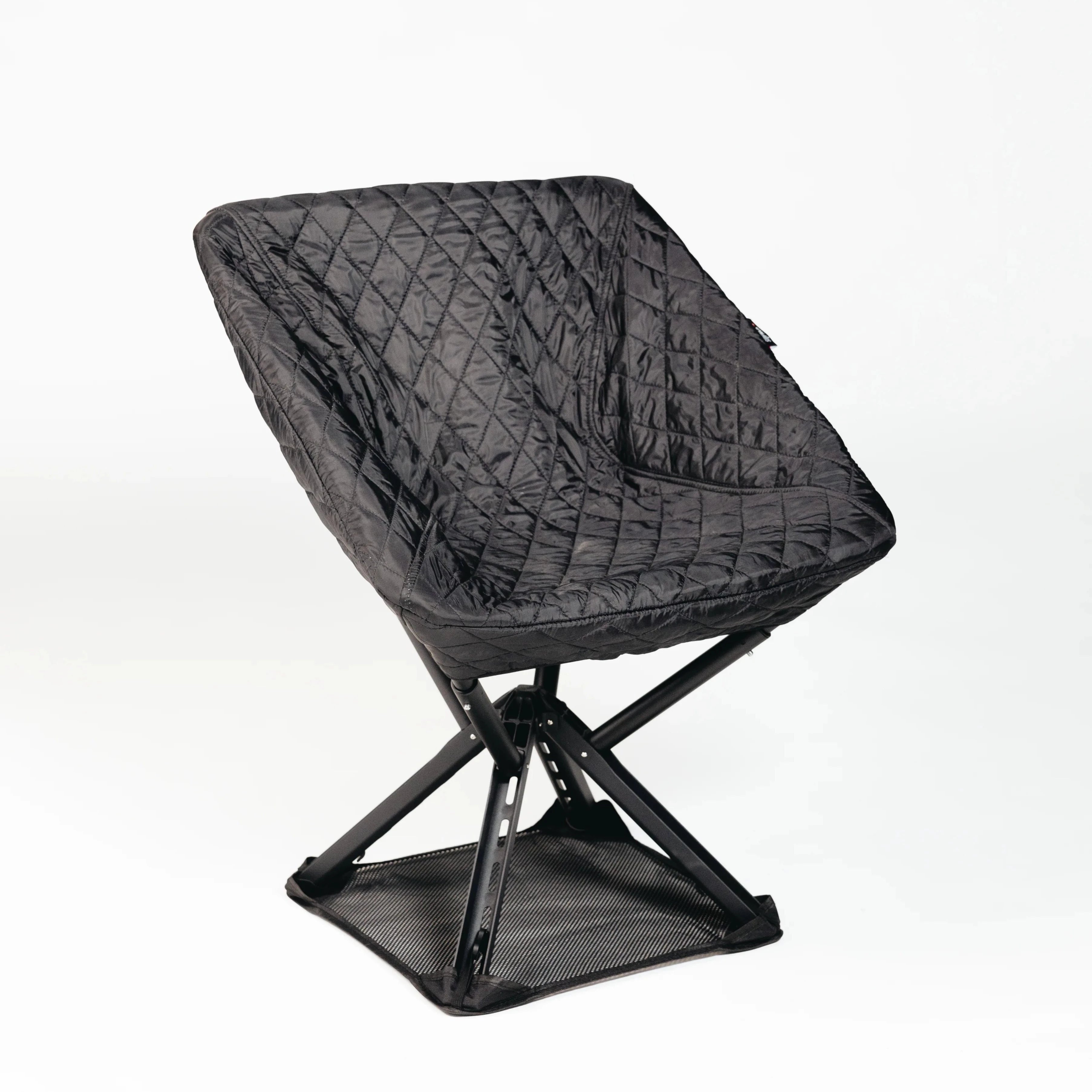
If you want a compact seat for airports, campsites and everything between, the Sitpack 2.0 folding stool is worth a look.
Put everything together and you get a routine you can repeat on any booking:
Seat letters run across the cabin and show where in the row you sit, such as window, middle or aisle. The pattern changes from aircraft to aircraft, so read it off your own seat map by finding the aisle gaps rather than assuming A is always a window.
It usually has the most legroom, but it has trade-offs. You may need to stow items for takeoff and landing, recline can be limited and the area can be colder. Rules also apply on who may sit there: under U.S. rules, children under 15 can’t, so contact your airline about its exit-row policy.
Airlines can configure the same aircraft type differently, and aircraft sometimes get swapped. Use the seat map on your own booking for your own flight, and check again closer to departure (NerdWallet).
The last row, the row in front of an exit row and seats next to lavatories or galleys are the common problem areas. They tend to have limited recline, more noise and more foot traffic (SmarterTravel).
No. They are usually not to scale, so aisles and galleys can look bigger or smaller than they are. Use them to understand position and layout, then check seat pitch and width on the airline’s own pages.