Cart
0
Sign up and get 10$ off your order
Expected delivery
1-3 days
You may also like


Danish Company

TL;DR:
- Quick setup seating provides portable, tool-free chairs designed for rapid deployment in under two minutes, ideal for outdoor, travel, and event use. These lightweight, durable seats utilize innovative joinery and materials like CNC-cut slot joints, snap-lock hinges, and UV-resistant fabrics to ensure quick assembly and repeated use. They outperform traditional, flat-pack, and fixed furniture by offering high portability, efficient space utilization, and comfort tailored for dynamic environments.
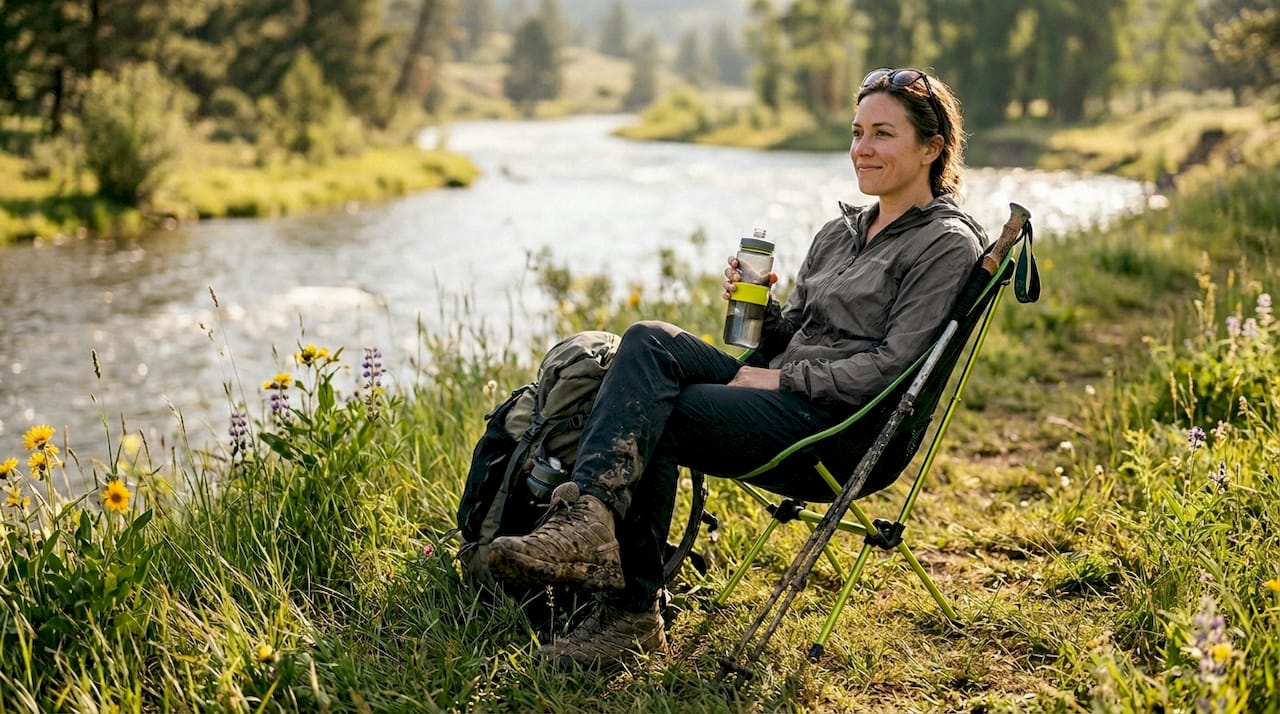
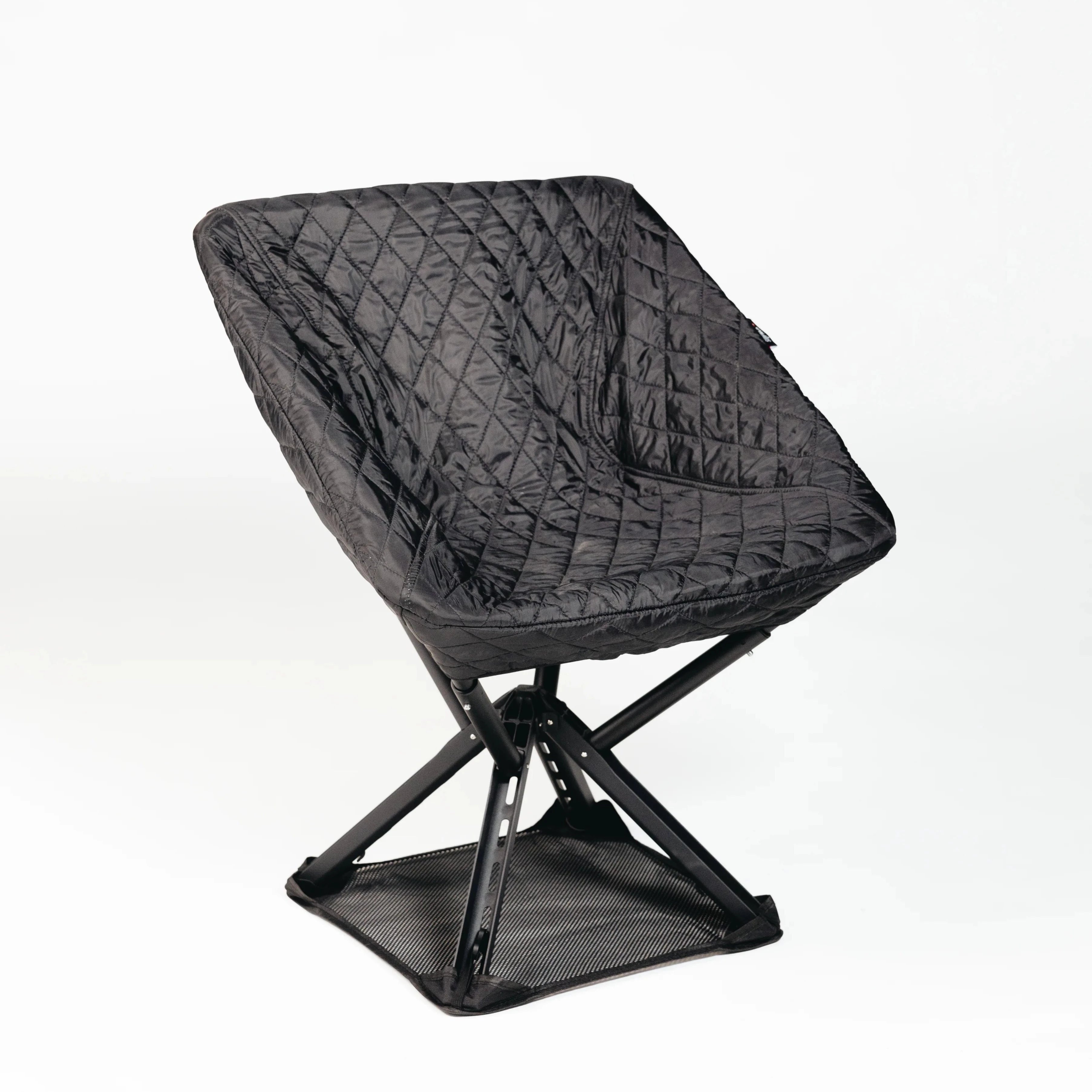
Quick setup seating is a category of portable chairs, stools, and modular seats engineered for fast, tool-free deployment wherever you need to park yourself. Whether you’re heading to a rooftop gathering in Copenhagen, a music festival in Austin, or a weekend camping trip in the Rockies, quick setup seating solves the same problem: you need a real seat, fast, without hauling a folding table’s worth of hardware. Brands like Sitpack have pushed this category forward with products like the Campster II and Sitpack Zen, proving that portable seating can be both genuinely comfortable and ready in seconds. This guide breaks down how these seats work, how they compare to other options, and how to pick the right one for your life.
Quick setup seating refers to any portable seat designed to go from packed to ready-to-sit in under two minutes, typically without tools, instructions, or a YouTube tutorial. The industry term you’ll also hear is “rapid-deploy seating,” which covers everything from compact folding stools and collapsible camp chairs to modular event seating with ganging clips. What unites them is the design philosophy: fewer steps, less hardware, more time actually sitting.
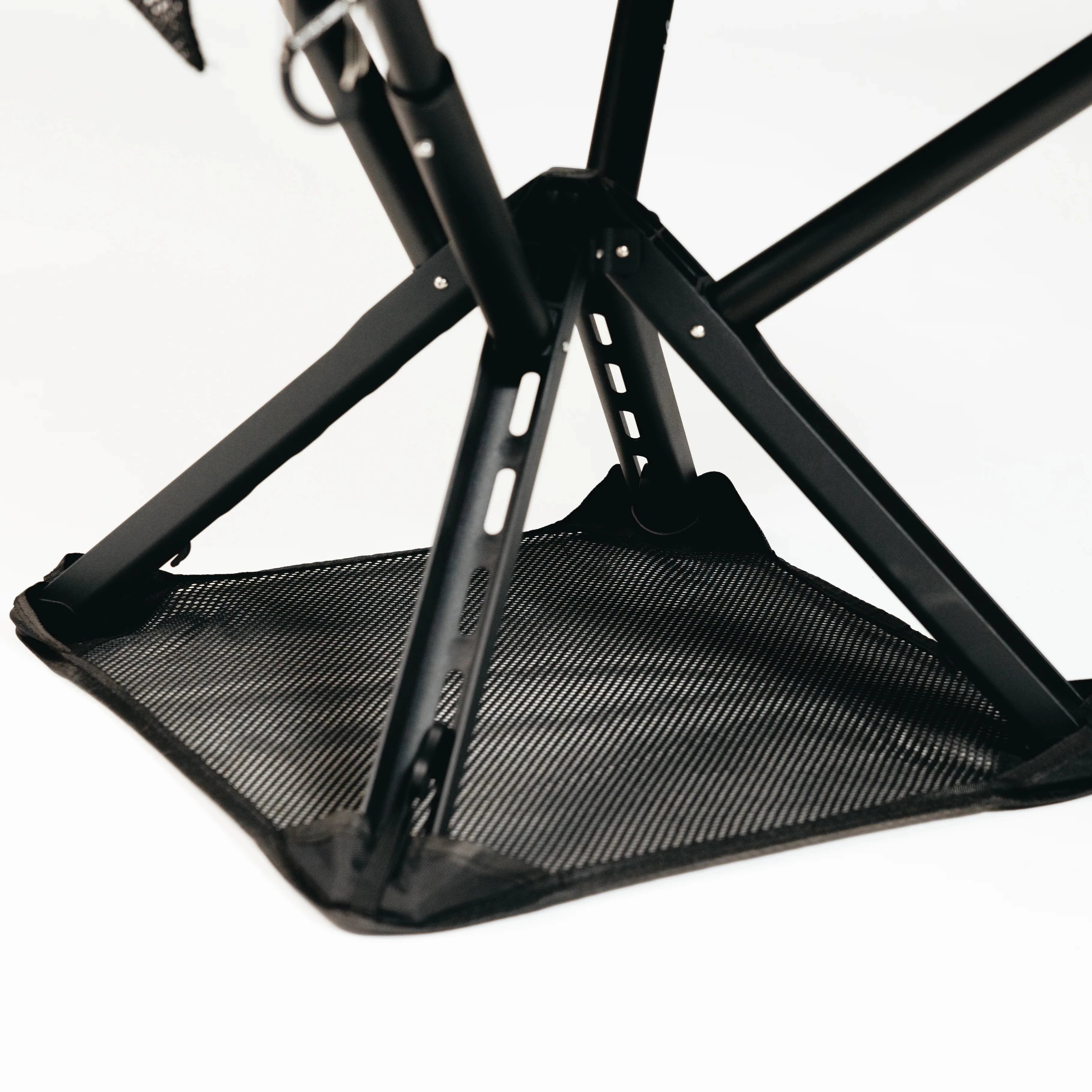
The magic is mostly in the joinery and materials. Tool-free modular furniture using CNC-cut slot joints assembles fully by hand in under 2 minutes without a single screw. That’s not a gimmick. CNC precision means the parts fit together with enough tolerance to hold firm under load, yet release cleanly when you’re done. For personal portable seating, the same principle applies through integrated hinges, snap-lock frames, and tension-based designs that unfold and lock in one fluid motion.
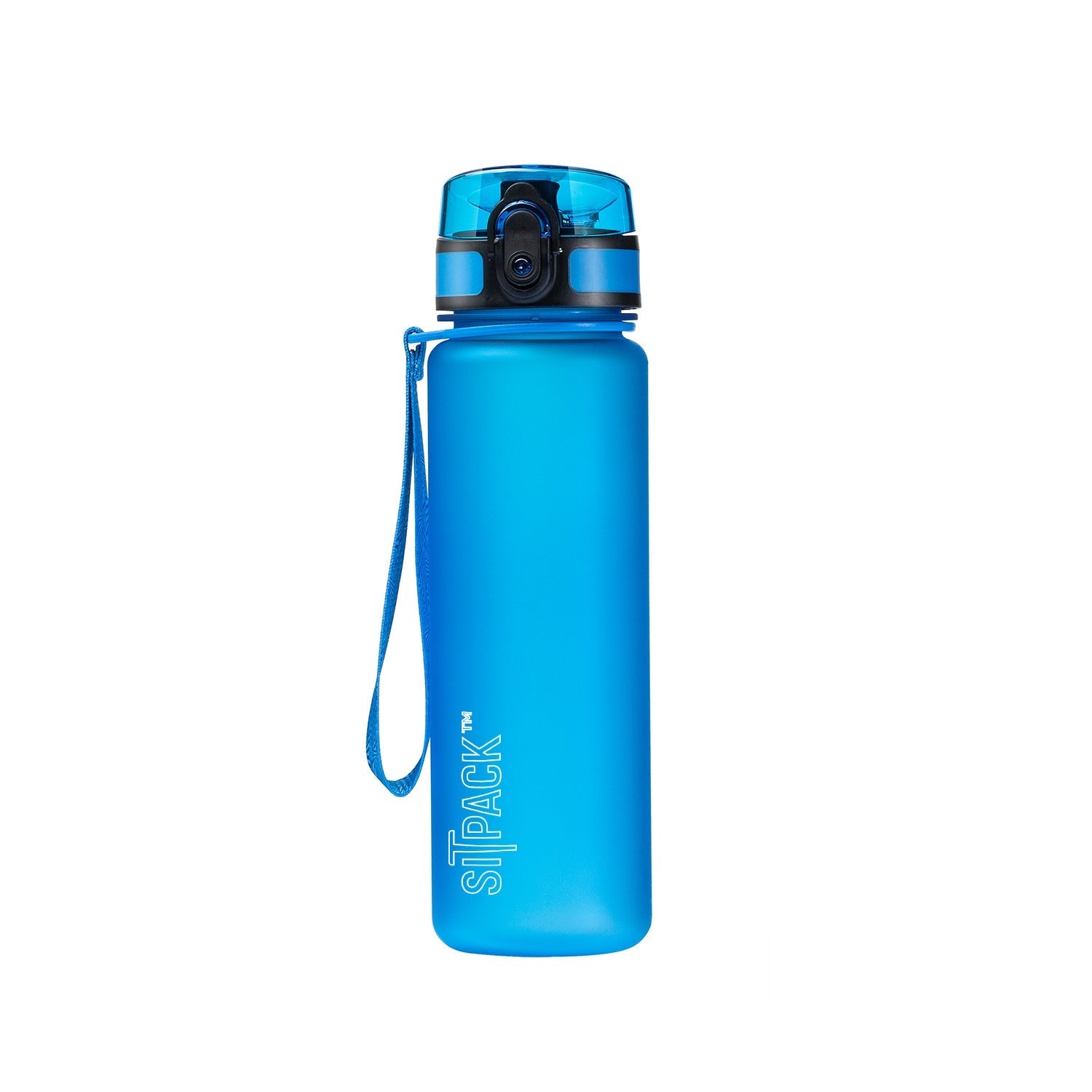
Lightweight materials are the other half of the equation. Aluminum frames, engineered plastics, and reinforced ripstop fabrics keep weight low without sacrificing load capacity. The Sitpack Zen, for example, collapses to the size of a water bottle, which is the kind of portability that makes you actually bring it instead of leaving it in the car.
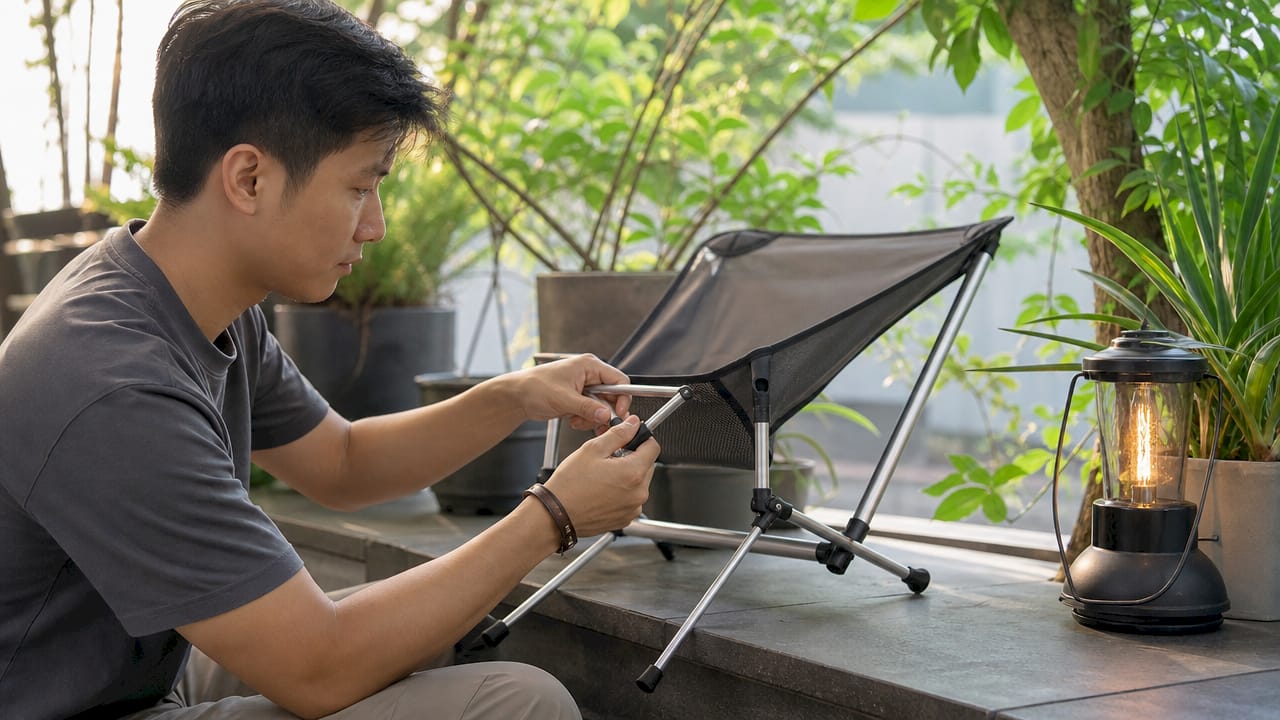
The speed of a quick setup seat comes down to three design decisions: the locking mechanism, the material weight, and the number of assembly steps.
Locking mechanisms are where most of the engineering effort goes. Common approaches include:
That last one matters more than most people realize. In large-scale event seating, ganging chairs to rows reduces individual setup time, enables swift reconfiguration, and improves both safety and aesthetics during events. For personal use, the equivalent is a one-handed open mechanism that lets you set up while holding a coffee in the other hand.
Pro Tip: When testing a quick setup seat in a store or at home, time yourself from bag to seated. If it takes more than 30 seconds, the mechanism probably isn’t as intuitive as the marketing suggests. Your future self, standing in a muddy festival field, will thank you for this test.
Material choice also affects perceived setup speed. A 2-pound aluminum-framed stool feels effortless to pull out and unfold. A 7-pound steel-framed chair with the same mechanism feels like a chore. Weight and mechanism work together, and neither alone is enough.
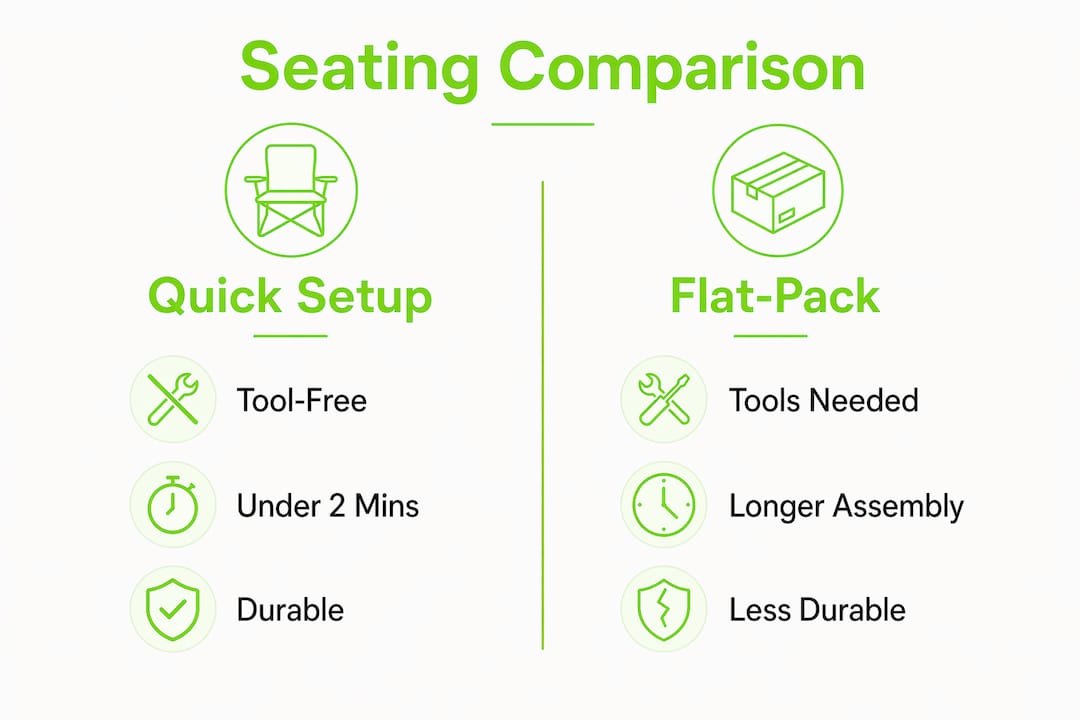
Understanding the trade-offs between seating types saves you from buying the wrong thing. Here’s how the three main categories stack up:
| Feature | Quick setup seating | Flat-pack furniture | Fully assembled furniture |
|---|---|---|---|
| Assembly time | Under 2 minutes | 20 to 60 minutes | Zero, plug-and-use on delivery |
| Portability | High, designed for transport | Low, heavy and bulky | Very low, fixed placement |
| Durability | Moderate, wear from repeated folding | High, rigid joints | High, welded or fixed frames |
| Space efficiency | Excellent, folds flat or compact | Poor once assembled | Poor, permanent footprint |
| Cost | Low to mid-range | Low to mid-range | Mid to high |
| Best use case | Outdoor, travel, events | Home furnishing | Permanent indoor use |
The durability point deserves a closer look. Foldable designs wear faster from frequent movement compared to welded frames, which is the honest trade-off you make for portability. Hinges, snap-locks, and fabric attachment points are the common failure spots. High-quality quick setup seats address this with reinforced pivot points and UV-resistant fabrics, but budget options cut corners here first.
Flat-pack furniture sits in an awkward middle ground. It ships efficiently and costs less than fully assembled pieces, but the assembly process is a one-time investment of time and frustration. Once built, it stays put. Quick setup seating, by contrast, is designed to be assembled and disassembled repeatedly, which is a fundamentally different engineering challenge.
Pro Tip: If you’re buying quick setup seating for regular outdoor use, check the hinge and pivot point warranty specifically. A lifetime warranty on the frame means nothing if the hinge fails after 200 folds.
The practical advantages of quick seating solutions go well beyond “it’s fast to set up.” Here’s what actually matters when you’re using one in the real world:
The comfort question is worth addressing directly. Early portable seats were notoriously uncomfortable, basically a canvas sling over two sticks. Modern quick setup designs use ergonomic seat angles, padded surfaces, and back support options that make extended sitting genuinely pleasant. The Sitpack Campster II, for example, is designed for hours of use, not just a quick perch.
Picking the right seat comes down to matching the product to your actual use pattern, not the most impressive spec sheet.
Define your primary use case first. Hiking and backpacking demand ultralight seats under 1.5 pounds with a small packed size. Urban and festival use allows slightly heavier options with more comfort features. Knowing this narrows your choices immediately.
Check the weight capacity honestly. Most quick setup seats list a maximum weight. Stay well under it for longevity. A seat rated for 265 pounds used regularly at 250 pounds will wear its pivot points much faster than one rated for 330 pounds at the same load.
Test the setup mechanism before committing. The best portable seating workflow is one you can execute one-handed, in the dark, after a long day. If the mechanism requires two hands and careful alignment, it will frustrate you in the field.
Consider packed dimensions alongside weight. A 1.5-pound chair that packs to the size of a yoga mat is less useful than a 2-pound chair that fits in a side pocket. Both weight and packed size matter.
Inspect the fabric and frame connection points. These are where quick setup seats fail first. Reinforced stitching, metal grommets, and welded attachment points outlast sewn-on loops and plastic clips.
Plan for maintenance. Wipe down hinges after muddy or sandy use. Store seats dry to prevent fabric mildew. A little care after each trip extends the life of a quality seat by years.
Pro Tip: For 2026, look for quick setup seats with integrated carry straps or clip systems that attach directly to backpack loops. Several new models from Sitpack and others have made this a standard feature, and it genuinely changes how often you actually bring the seat.
Quick setup seating is defined by tool-free assembly, lightweight materials, and repeated-use durability, making it the most practical seating choice for outdoor, travel, and urban environments.
| Point | Details |
|---|---|
| Definition matters | Quick setup seating means tool-free, sub-2-minute assembly designed for repeated portable use. |
| Mechanism is everything | Snap-locks, slot joints, and tension cords determine real-world speed more than any marketing claim. |
| Durability trade-off | Foldable designs wear faster than fixed frames; check hinge warranties before buying. |
| Match seat to use case | Ultralight for hiking, comfort-focused for festivals and urban use. |
| Maintenance extends life | Clean hinges and store dry after each use to prevent premature wear. |
I’ll be honest: I spent years dismissing compact portable seats as gimmicks. My reasoning was that anything light enough to carry comfortably would be too flimsy to actually sit on for more than ten minutes. Then I spent a full afternoon at an outdoor jazz festival in Copenhagen standing up because I’d left my “real” camp chair in the car. My back had opinions about that decision for three days afterward.
What changed my thinking was actually using a well-engineered compact seat for a full day, not just testing it in a store. The Sitpack Zen, which collapses to something you’d mistake for a thermos, held up through six hours of a hiking trip without a single creak or wobble. That’s when I understood that the category had genuinely matured.
The nuance most buyers miss is that quick setup seating isn’t a compromise version of a real chair. It’s a different product category with different strengths. You wouldn’t criticize a road bike for not being a mountain bike. The same logic applies here. For pop-up outdoor seating situations where you need to move fast and travel light, a well-made compact seat beats a bulky camp chair every time.
My current recommendation: own two seats. A compact quick setup option for travel and day trips, and a more substantial folding chair for base camp or car camping. The quick setup seat will get used ten times more often, and you’ll wonder how you managed without it.
— Jonas
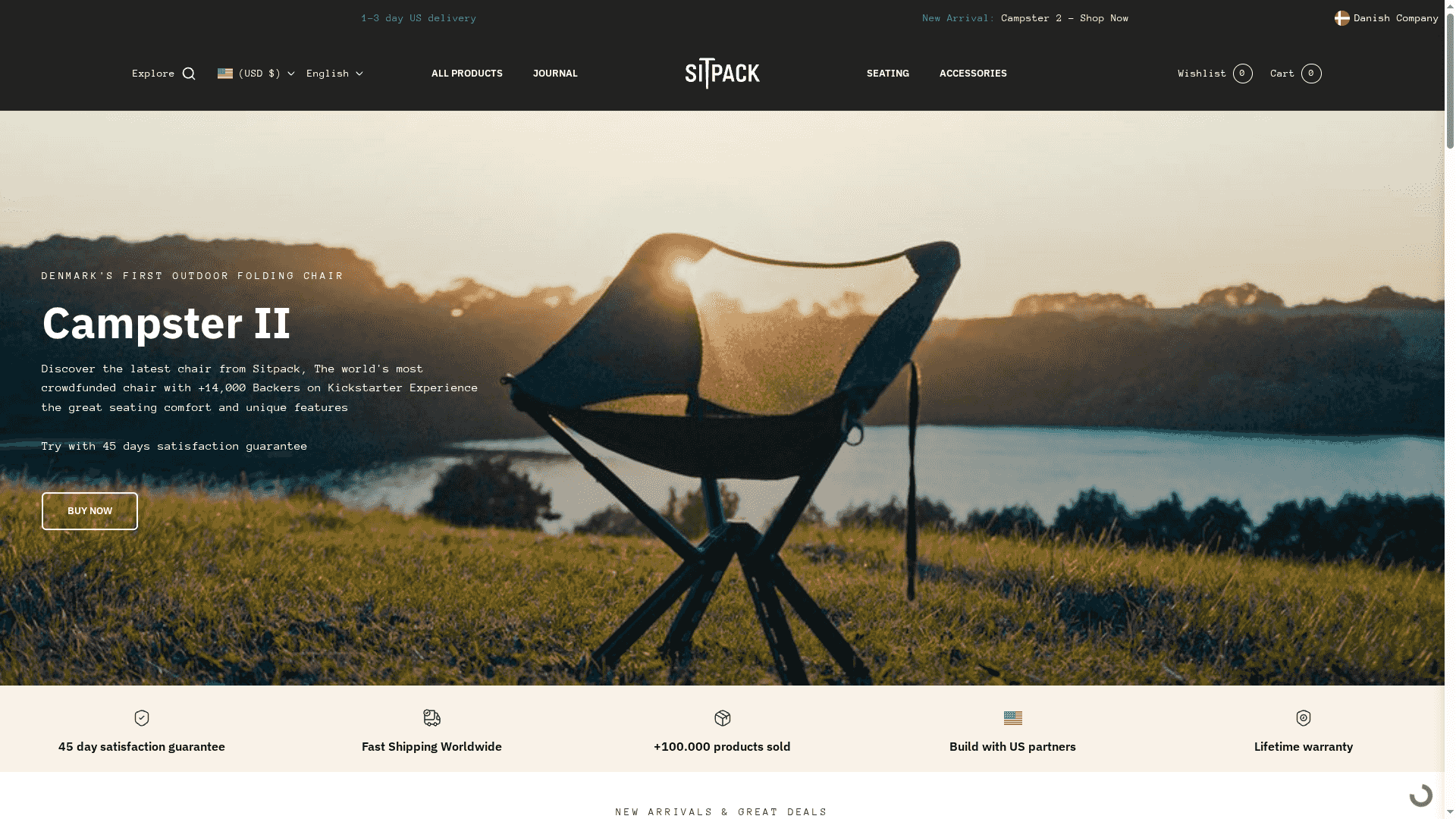
Sitpack builds portable seating for people who actually move around. The Campster II and Sitpack Zen are designed around the same principle that makes quick setup seating worth owning: get seated fast, stay comfortable, and pack up without drama. Both products ship worldwide with a 45-day satisfaction guarantee and a lifetime warranty on the frame, which tells you something about how seriously Sitpack takes durability. If you’re ready to stop standing around at festivals, parks, and outdoor events, explore Sitpack’s range and find the seat that fits your life. Fast worldwide delivery and a no-fuss return policy make it easy to try one without risk.
Quick setup seating is any portable seat designed for tool-free assembly in under two minutes, including folding stools, collapsible camp chairs, and modular event seating. The defining feature is repeated-use portability without hardware or instructions.
Most quality quick setup seats deploy in under 30 seconds for personal portable models. Tool-free modular furniture using CNC-cut slot joints assembles in under 2 minutes for larger configurations.
Yes, with caveats. High-quality models with reinforced pivot points and UV-resistant fabrics handle regular outdoor use well. Foldable designs do wear faster than fixed frames, so checking the hinge warranty before buying is the smartest move.
Quick setup seating is designed for repeated assembly and disassembly in the field. Flat-pack furniture is assembled once at home and stays fixed. The engineering goals are completely different, which is why you shouldn’t use flat-pack furniture as a portability benchmark.
Hiking, music festivals, outdoor markets, city parks, rooftop gatherings, and travel are the top use cases. Any situation where you need a real seat without knowing in advance where you’ll end up is exactly where outdoor event seating designed for fast deployment earns its place in your bag.