Cart
0
Sign up and get 10$ off your order
Expected delivery
1-3 days
You may also like


Danish Company

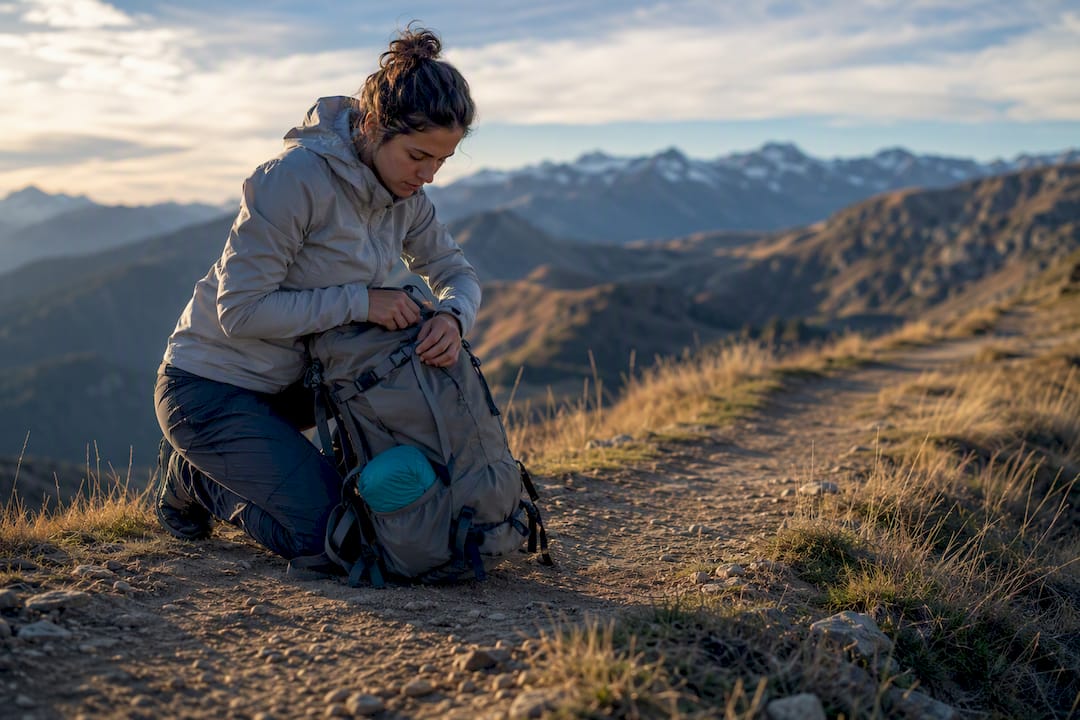
Every trip, pack the Ten Essentials as systems, not a checklist of random objects: navigation, illumination, sun protection, first aid, a knife or repair kit, fire, emergency shelter, extra food, extra water, and extra clothes. Three items are non-negotiable regardless of hike length: water, a headlamp, and a rain shell or extra insulating layer. Everything else scales with how far you’re going and how long you’ll be out there, so use the checklists below to match your gear to your actual trip.
TL;DR:
- Only carry the next tier of gear based on your trip length, with water, headlamp, and rain gear essential for every hike regardless of distance.
- Use a paper map and compass as reliable backups for electronic navigation devices, especially in case of battery failure or technical issues.
- Wear moisture-wicking fabrics and layer appropriately to stay warm, dry, and comfortable, avoiding cotton which can cause rapid heat loss when wet.
- Pack half a liter of water per hour in moderate conditions, alongside a reliable water treatment method, and include calorie-dense, no-cook foods plus an emergency reserve.
- Prioritize safety gear such as redundancy in fire-starting tools, signal devices, and a well-organized emergency kit, keeping them accessible for quick use.
The gear that makes sense for a two-hour loop near the trailhead is not the gear you need eight miles from the nearest road. The Ten Essentials framework still applies at every distance. What changes is quantity, redundancy, and how much weight you’re willing to carry for a “just in case” scenario that probably won’t happen.
Here’s how a hiking gear checklist should scale across three common trip types.
Short day hike (2 hours or less, close to trailhead):
Full-day hike (3 to 8 hours):
Overnight or unplanned-night contingency:
This structure works because it ties every item back to a system rather than a random gear list. REI’s day-hiking guidance recommends a 10 to 20 liter daypack for most of these shorter outings, which is usually enough room for all three tiers above without the pack feeling stuffed. If you’re moving from day hikes into multiday territory, a step-by-step backpacking essentials guide walks through the transition in more detail.
Your phone’s mapping app is genuinely good. GPS accuracy on modern phones rivals dedicated units, and offline map downloads mean you don’t need signal once you’re on trail. The problem isn’t the app. It’s the battery, the cracked screen after a fall, or the phone that slips out of a pocket into a creek.
A paper map and compass don’t run out of charge. They’re the backup that works when everything electronic fails, and they weigh next to nothing. Learn the basics before you need them. A compass you can’t use is just a decorative disc.
For light, skip the phone flashlight as your primary source. A dedicated headlamp keeps your hands free for scrambling, setting up camp, or digging through a pack in the dark, and it draws its own battery instead of cannibalizing the phone you need for navigation and emergency calls. WorldHike’s guidance treats a headlamp as one of the highest-value, lowest-weight items you can carry precisely because it preserves that hands-free mobility.
When do you upgrade to a personal locator beacon or satellite messenger? Once you’re hiking routes without reliable cell coverage, especially solo or in a group of two, a PLB changes the entire risk calculation. It works independent of cell towers, so a broken ankle six miles from the trailhead becomes a manageable delay instead of a real emergency.
Pro Tip: Register your PLB with the appropriate national authority before your first trip. An unregistered beacon can delay search and rescue response because responders can’t pull your emergency contact information.
Cotton kills the vibe of a good hike faster than almost anything else in your pack. It soaks up sweat and rain, holds onto that moisture, and then pulls heat straight off your skin when the temperature drops. Wool and synthetic fabrics wick moisture away and keep insulating even when damp, which is why experienced hikers consistently steer clear of cotton for anything worn against the skin.
Build your clothing system in three layers:
Scale the layers to the forecast and how remote you’re going. A short summer loop might only need the base layer and a shell stuffed in the pack “just in case.” An exposed ridge hike in shoulder season demands all three, even if you start out warm at the trailhead.
Footwear depends more on terrain and pack weight than personal preference alone. Trail runners work well for day hikes and lighter overnight loads on established trails. They’re lighter, dry faster, and reduce fatigue over long mileage. Boots earn their weight back on rocky, uneven terrain, when carrying a heavier overnight pack, or when you need ankle support on technical descents.
Socks matter more than most people budget for. Skip cotton socks entirely and go with wool or synthetic blends. Bring a spare pair on anything over a half-day hike, since wet feet are the fastest route to blisters.
Pro Tip: Break in new boots on short walks around your neighborhood before committing to them on trail. A blister that starts at mile two doesn’t get better by mile ten.
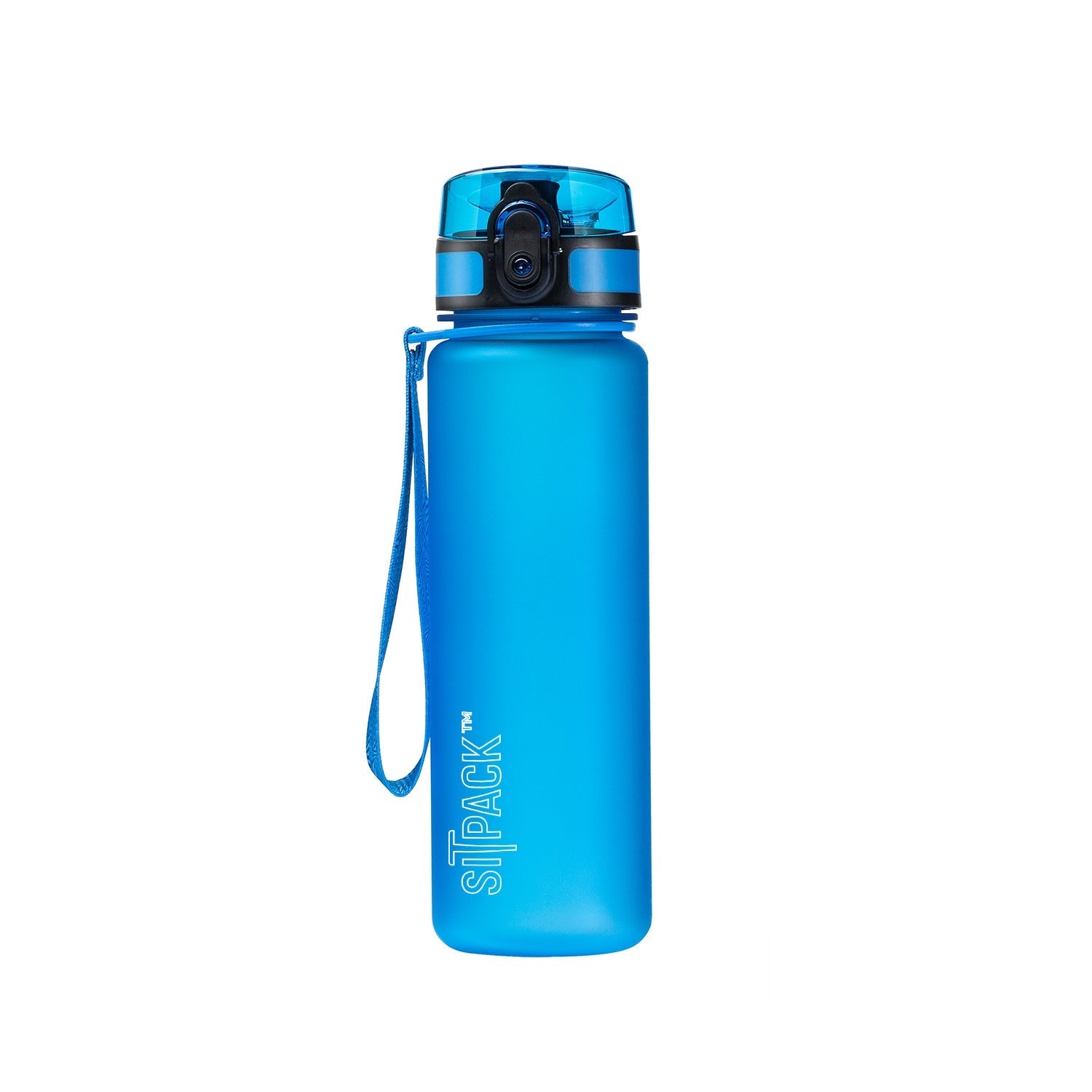
Plan on roughly half a liter of water per hour in moderate conditions, then adjust upward for heat, altitude, or heavier exertion. That’s the rule of thumb the American Hiking Society recommends, and it holds up well as a starting point even though real needs shift with sweat rate and the day’s temperature.
Carrying water is only half the plan. You also need a way to treat more if you run low or a trip runs long. Your options break down into a few practical categories:
On the food side, pack calorie-dense items that need no cooking: nut butter packets, jerky, dried fruit, energy bars. Then add a dedicated emergency reserve beyond what you expect to eat, something you don’t touch unless plans go sideways.
This is where gummy bears earn their spot in a lot of hikers’ packs, and it’s not just nostalgia. Compact sugar-based snacks deliver fast, easily digestible calories when your body needs quick energy, they pack small, they don’t melt as readily as chocolate, and they double as a small morale boost when a climb is dragging.
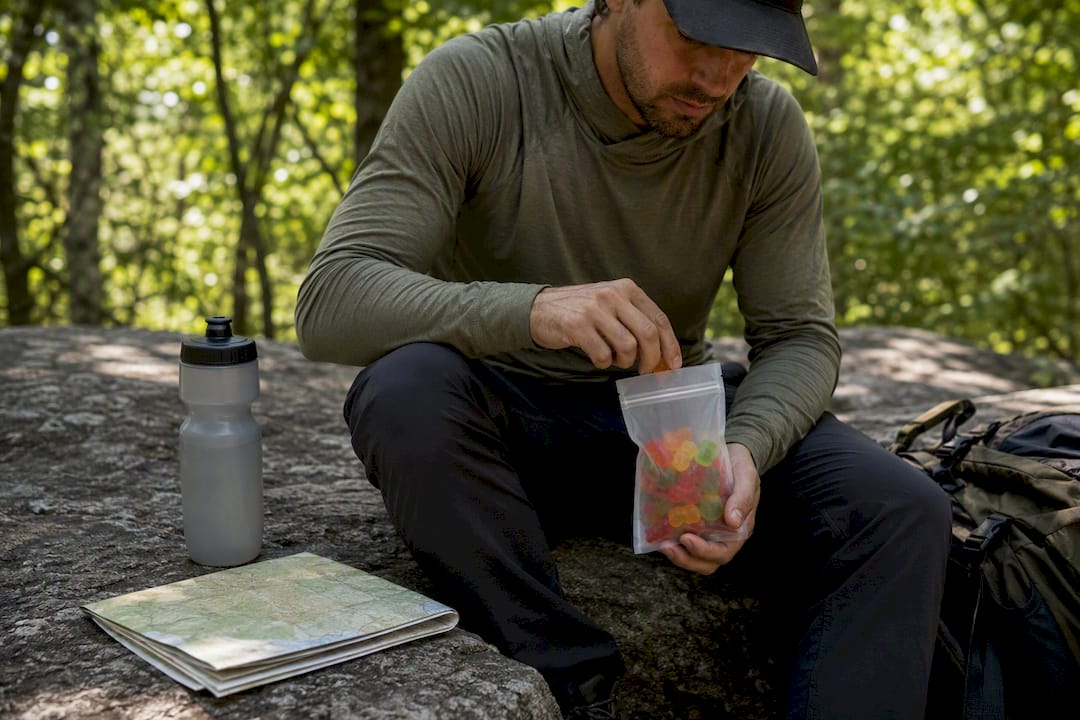
A common guideline is about half a liter per hour in moderate conditions. Treat it as a floor, not a ceiling, on hot or high-altitude days.
An unplanned night outside is rare, but it’s exactly the scenario the Ten Essentials framework exists for. Two shelter options dominate this category, and they are not interchangeable.
A flat foil emergency blanket is better than nothing. But an emergency bivy, the sack-style version that wraps fully around your body, traps body heat far more effectively for someone who’s immobile or injured and can’t generate warmth by moving. WorldHike’s analysis of survival shelter options makes this distinction clearly: if you can only carry one, the bivy earns its slightly higher weight and cost.
Fire is the second half of this system, and redundancy matters here more than almost anywhere else in your pack.
Signaling rounds out this system. A whistle carries much farther than your voice and costs almost nothing in pack weight. Bright clothing helps searchers spot you visually. A small signal mirror works in daylight when you can see aircraft or distant hikers. For remote routes without cell coverage, a personal locator beacon shifts the entire equation, since it can trigger a rescue response even when you’re unconscious or can’t reach a whistle. A partner resource on modern emergency kit design makes a useful point here too: a lot of off-the-shelf kits skimp on exactly these redundancy layers, which is worth checking before you assume your kit has you covered.
A first-aid kit doesn’t need to be large to be effective. What it needs is to match the trip you’re actually taking, plus anything specific to your own body.
Core contents worth carrying on every trip:
A well-built ultralight kit paired with personal medications usually beats a bulky generic kit stuffed with items you’ll never touch. Buying a compact base kit and adding your own specifics is more useful than carrying a heavier all-purpose one.
Pack a small repair kit alongside first aid, since gear failures cause almost as many bad days as injuries:
Keep both kits near the top of your pack or in an easily reached exterior pocket. A first-aid kit buried at the bottom under your sleeping bag defeats the purpose the moment you actually need it fast.
Pack size should match your trip, not your ambitions. A 10 to 20 liter pack handles most day hikes comfortably, while overnight trips typically need 30 to 50 liters depending on season and how much shelter and sleep gear you’re carrying. Going bigger than you need just invites you to pack more than you need.
Once you’ve got the right size, packing order matters almost as much as the gear list itself:
Placing heavy items close to your spine and centered reduces the torque pulling on your shoulders and hips, which makes a noticeable difference on hikes past the four or five hour mark. A pack that’s heavy but well-balanced feels lighter than a poorly loaded pack half its weight.
Before you start walking, run through a quick fit check: hip belt sitting on your hips (not your waist), sternum strap snug enough to stabilize the load without restricting breathing, and shoulder straps snug but not digging in. Most of the weight should ride on your hips, not your shoulders.
Pro Tip: Load your pack at home with actual trip weight and walk around the block before trail day. Fit problems show up in the first ten minutes, not the last ten miles, so find them early.
For a deeper breakdown of pack sizing across multiday trips, a 30 to 50 liter overnight packing guide covers the tradeoffs in more detail.
Not everything in your pack needs to be about survival. A handful of comfort items add minimal weight while meaningfully improving how a long day on trail feels.
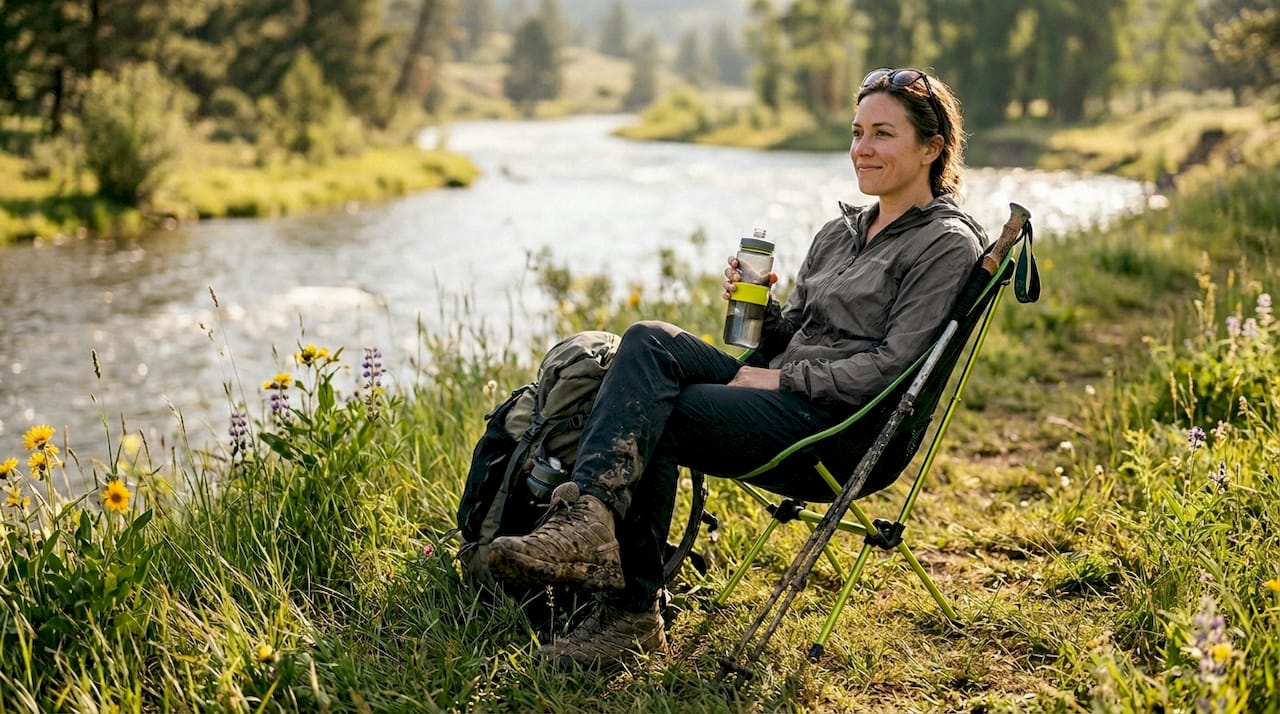
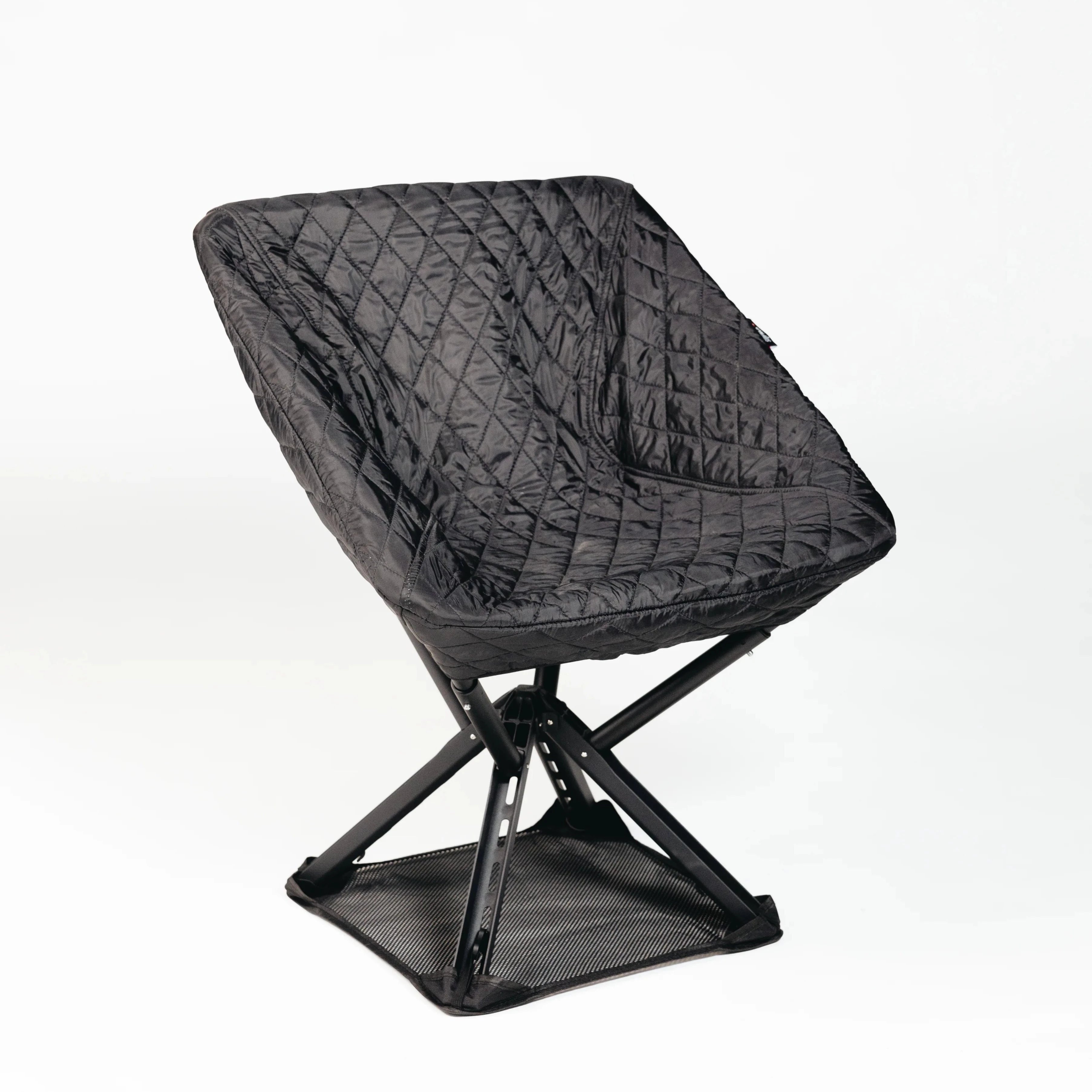
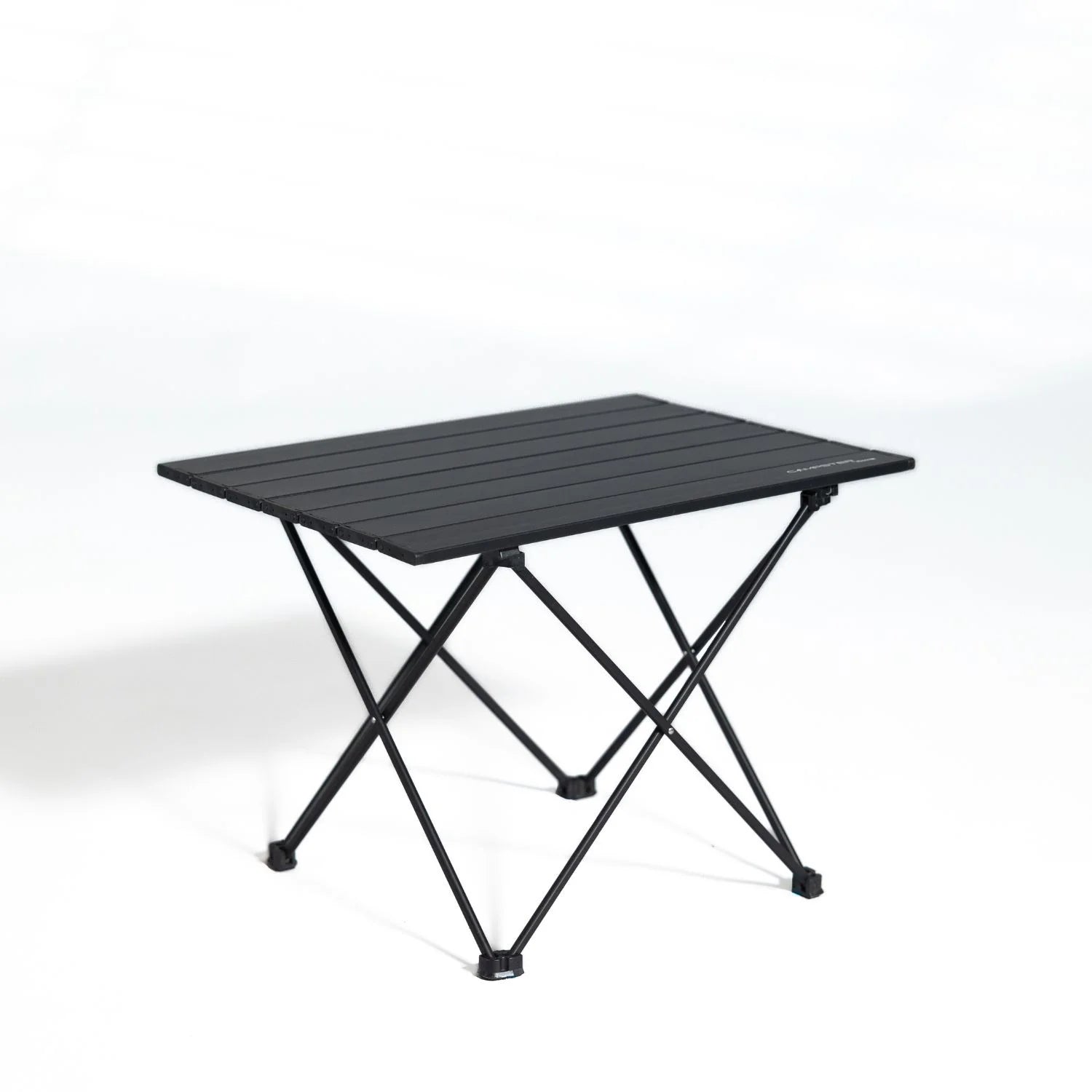
A compact sit pad or foldable stool changes what a rest stop feels like, since it stops cold or damp ground from pulling heat straight out of your body during a break. On longer hikes with multiple stops, that adds up.
Other lightweight additions worth their weight:
Ultralight swaps help keep all of this from adding up: a titanium spork instead of separate utensils, a single multi-use pot instead of a full cook set, a stove that doubles as your only heat source for both cooking and warming water for a hot drink. Small consolidations across a dozen items save real weight without cutting anything essential.
Good gear only helps if it’s organized in a way you can use under pressure. A Ten Essentials checklist built for real trail use works best when it becomes a habit, not a one-time shopping list you followed before your first hike and never revisited.
A few habits worth building into your routine:
Comfort gear, including a compact folding seat, fits into this system as an accessory layered on top of your essentials, never a substitute for them. Pack the safety systems first. Add comfort once those boxes are checked.
The tradeoff that trips up experienced hikers isn’t ignorance, it’s optimism. Every ounce you save by skipping the paper map or the second fire source is an ounce you’ll wish you had the one time conditions turn. Weather shifts faster than forecasts predict, especially above treeline or in canyon terrain where visibility to the sky is limited.
When pack weight forces a choice, safety systems win over comfort every time. Cut the extra snack before you cut the headlamp batteries. Skip the second book before you skip the compass.
Rehearse your packing routine before it matters. Lay out your Ten Essentials the night before a trip, not the morning of, and run the same short checklist every single time regardless of how familiar the trail feels. Check the forecast for your specific trailhead elevation, not just the nearest town, and tell someone your route and expected return time before you leave the car.
— Jonas
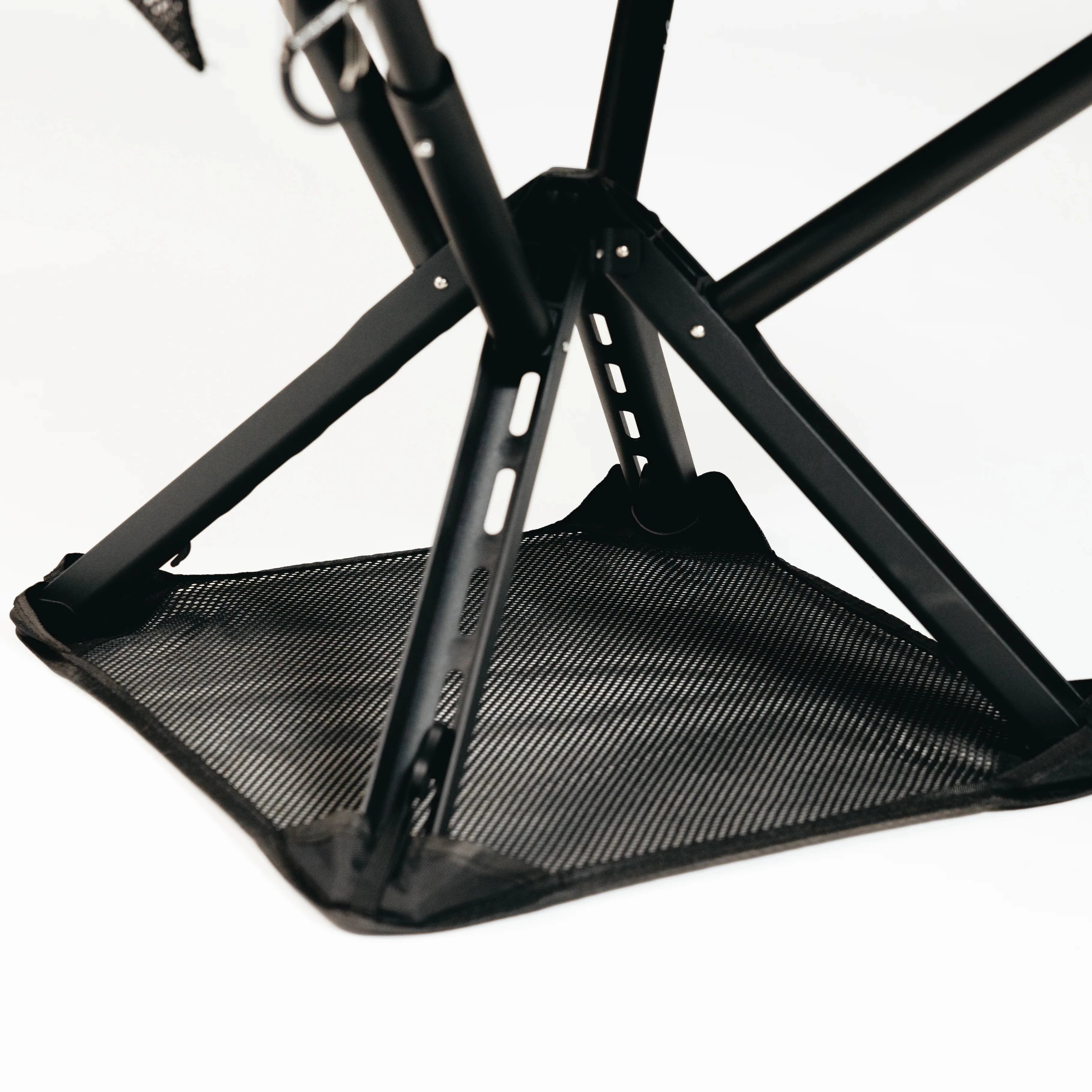
None of the gear above is optional, but the break you take after four miles of climbing doesn’t have to mean sitting on a wet log or a cold rock. Compact, foldable seating designed to disappear into a pack until you need it, then set up in seconds when you do. Some models fold down small enough to clip to a pack strap or slide into a side pocket, and are built with durable, lightweight materials meant to hold up trip after trip.
This is an accessory, not a substitute for your headlamp or your first-aid kit. But once your Ten Essentials are packed and squared away, a few extra ounces for a real seat instead of a damp rock is an easy trade for a lot of hikers. Browse the full lineup of portable seating and find the size that fits your pack before your next trip.
The Ten Essentials are ten systems: navigation, illumination, sun protection, first aid, a knife or repair kit, fire, emergency shelter, extra food, extra water, and extra clothes. Each one is a category you scale to your trip, not a single fixed item.
Definitions vary slightly, but the term commonly refers to the four heaviest and most important gear categories on multiday trips: your backpack, shelter, sleep system, and rain protection. Getting these four right does more to reduce pack weight and improve comfort than any other gear decision.
For a shorter or lower-risk hike, a trimmed-down version usually includes water, navigation (map or phone app), sun protection, a rain shell or extra layer, a basic first-aid kit, and a headlamp. It’s a compressed version of the full Ten Essentials, not a replacement for it on longer or more remote trips.
Gummy bears deliver fast, easily digestible sugar and calories in a compact, non-melting package, which makes them a popular quick-energy snack during long climbs or bonk moments. They also double as a small morale lift when the trail gets tough.
A common guideline is about half a liter per hour in moderate conditions, adjusted upward for heat, altitude, or heavier exertion. Pair whatever you carry with a treatment plan, like a filter or chemical tablets, in case you need to refill from a natural source.